11 Black Actresses Hollywood Abandoned Far Too Soon
Hollywood has always had a complicated relationship with talent, especially when race enters the picture. Black actresses throughout history have delivered jaw-dropping performances, broken barriers, and moved audiences to tears, yet many found themselves quietly pushed to the sidelines.
Studios handed out limited roles, critics often looked away, and the industry moved on as if nothing had happened. The stories of these women deserve a spotlight brighter than any marquee sign.
Some made history without receiving a single standing ovation from the people who should have cheered loudest. Their contributions shaped film, culture, and the path for future generations, even when recognition was delayed or denied.
These actresses remind the world that talent cannot be ignored forever. If you have ever wondered who got left behind while Hollywood kept spinning its golden wheel, the answers reveal courage, artistry, and resilience that remain unforgettable to this day.
1. Dorothy Dandridge
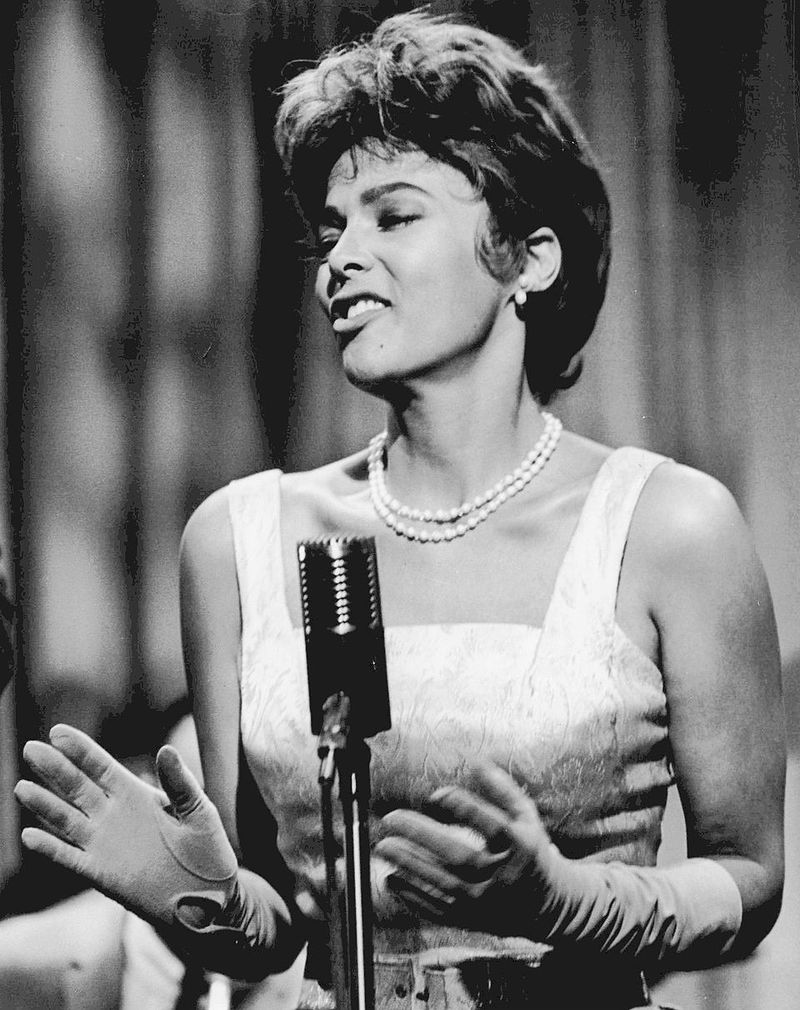
Before Halle Berry stepped onto that Oscar stage in 2002, one woman had already cracked the ceiling wide open nearly five decades earlier. Dorothy Dandridge became the first Black woman nominated for the Academy Award for Best Actress for her magnetic performance in Carmen Jones (1954).
Critics were floored. Audiences were electrified.
Hollywood could not figure out what to do with a Black woman that beautiful and talented. Roles dried up fast.
Racism masked itself as “limited market appeal,” a polite lie studios told themselves. She passed away in 1965 at just 42, her potential never fully honored.
2. Nina Mae McKinney
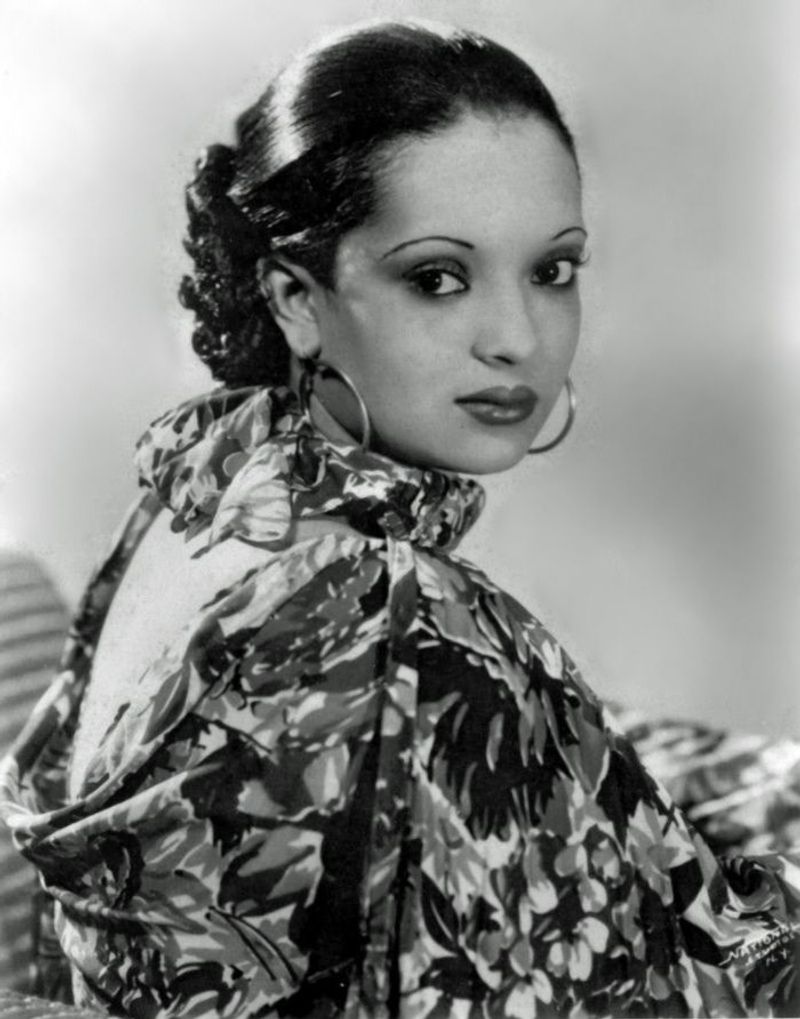
Nicknamed “The Black Garbo,” Nina Mae McKinney dazzled audiences in Hallelujah (1929), one of the first all-Black musicals ever produced by a major Hollywood studio. Her screen presence was electric, her dancing unforgettable, and her voice could fill a room without a microphone.
People genuinely could not take their eyes off her.
Yet Hollywood had no roadmap for a Black leading lady in mainstream cinema. Studios shuffled her aside, and she spent years performing abroad in Europe where audiences actually celebrated her gifts.
Back home, the industry moved on. A star of her caliber deserved so much more recognition.
3. Madame Sul-Te-Wan
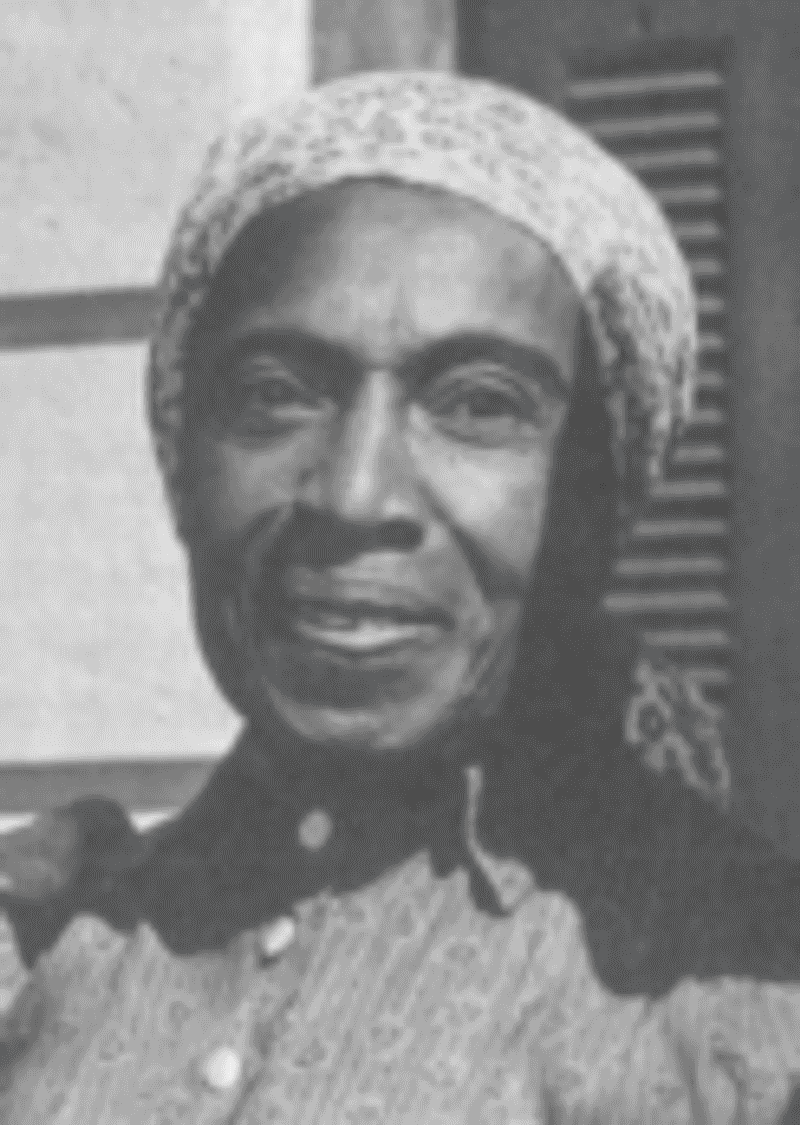
Long before diversity casting became a Hollywood talking point, Madame Sul-Te-Wan was already making history as the first African American actress to sign a formal film contract. She appeared in D.W.
Griffith’s controversial Birth of a Nation (1915) and Intolerance (1916), navigating an industry that barely acknowledged her humanity.
How she managed to carve out a career in such a hostile environment speaks volumes about her resilience. Unfortunately, history books skipped right over her name for decades.
If film archives had a hall of fame for unsung pioneers, she would sit front and center. Her story is one worth telling loudly and often.
4. Hattie McDaniel
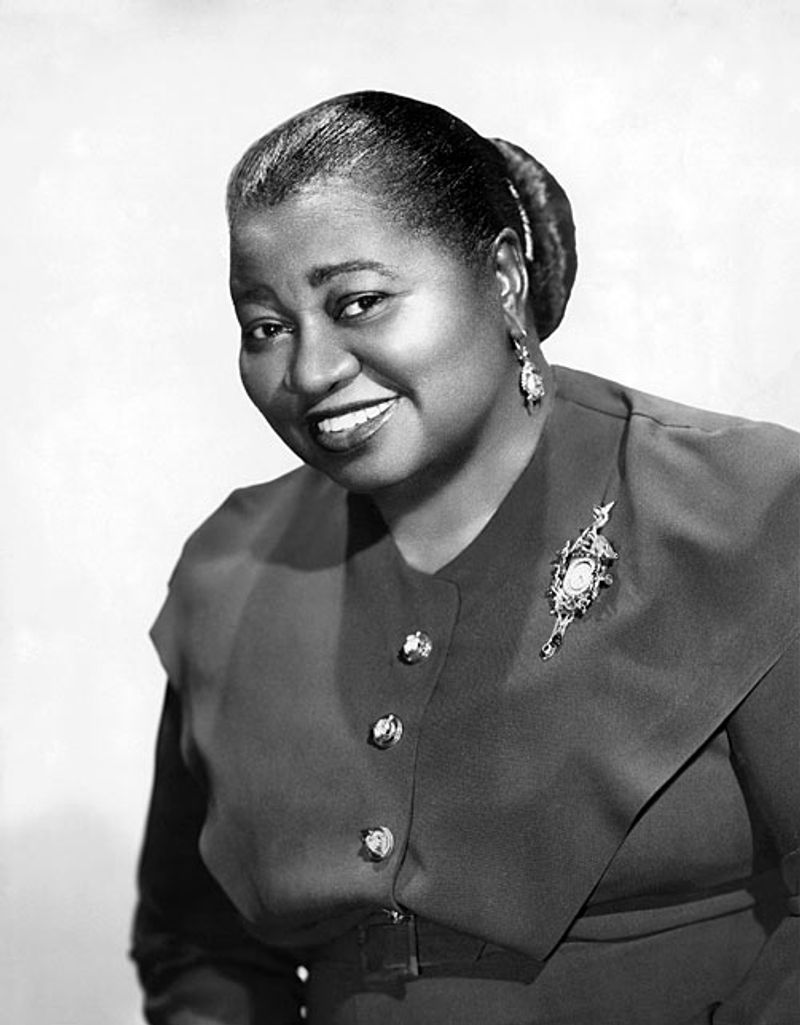
Winning an Academy Award should open every door in Hollywood. For Hattie McDaniel, the first Black person ever to win an Oscar for her role as Mammy in Gone with the Wind (1939), it barely cracked a window.
Studios kept casting her in domestic worker roles, as if one award was a ceiling rather than a launchpad.
Even at the Oscar ceremony, she sat at a segregated table away from her white co-stars. The applause was real, but the respect had limits.
McDaniel once said she would rather play a maid than be one, and that sharp wit deserved far better opportunities than Hollywood ever gave her.
5. Louise Beavers
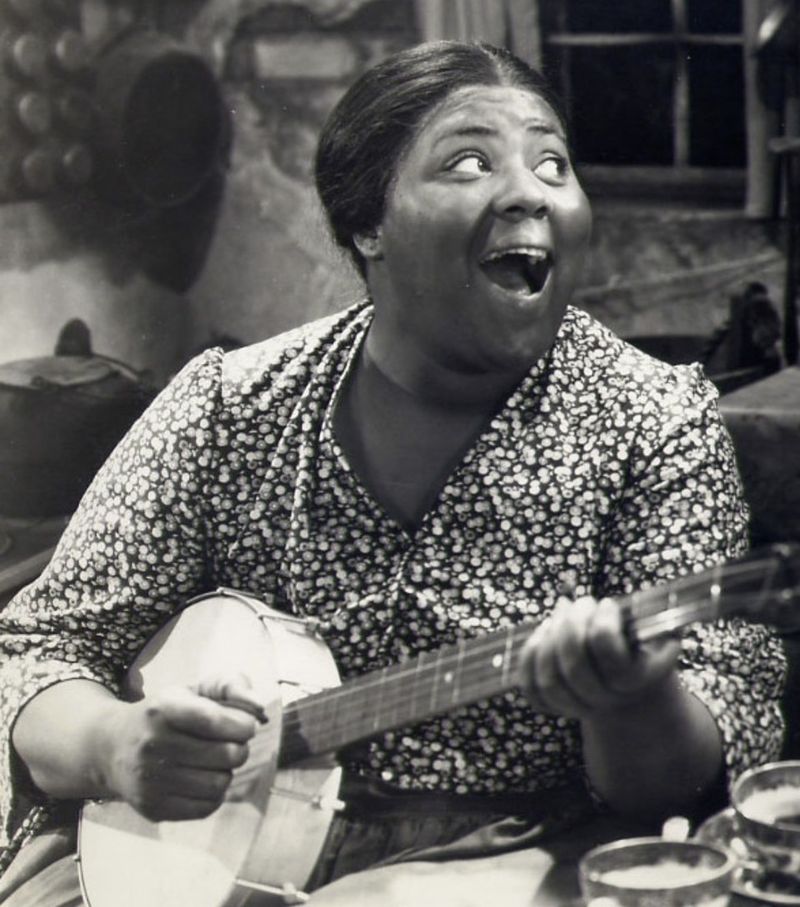
Warm, expressive, and deeply talented, Louise Beavers lit up every scene in Imitation of Life (1934), a film that actually tackled race and identity head-on. Audiences connected deeply to her performance, and critics acknowledged her emotional range.
For a brief moment, it seemed like Hollywood might reward genuine Black storytelling on screen.
Spoiler alert: it did not. Beavers spent the rest of her career cycling through supporting roles as maids and cooks, parts that barely scratched the surface of what she could do.
A woman capable of carrying an entire film was asked to carry serving trays instead. Hollywood truly missed the mark here.
6. Fredi Washington
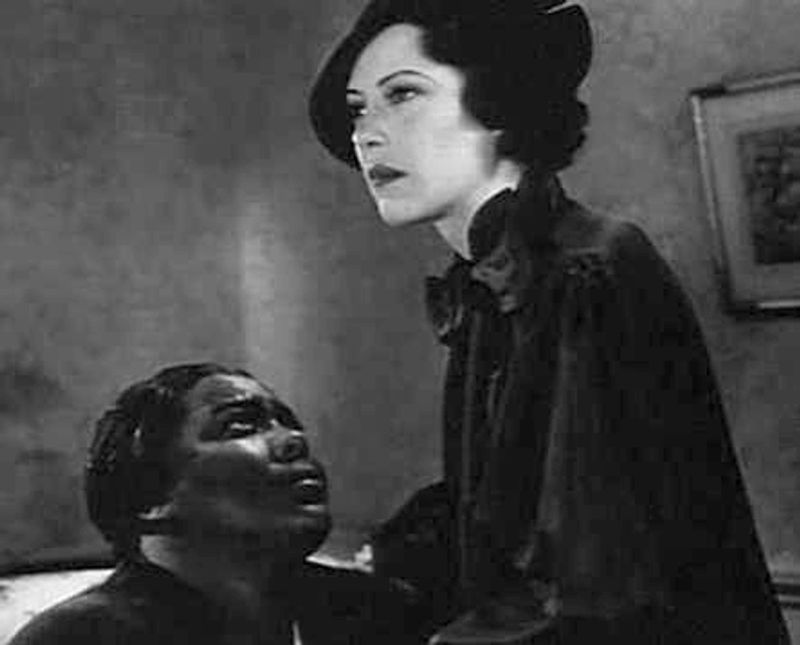
Few performances in early Hollywood hit as hard as Fredi Washington’s role in Imitation of Life (1934), where she played a light-skinned Black woman desperately trying to pass as white. It was raw, honest, and almost painfully real.
Audiences felt every ounce of her emotional power radiating off the screen.
Ironically, studios pressured Washington herself to pass as white off-screen to secure more roles. She refused, choosing integrity over opportunity, which basically ended her mainstream Hollywood career.
Bold and principled, she later became a civil rights advocate instead. If courage were currency, Fredi Washington would have been the richest person in Hollywood by a mile.
7. Lena Horne
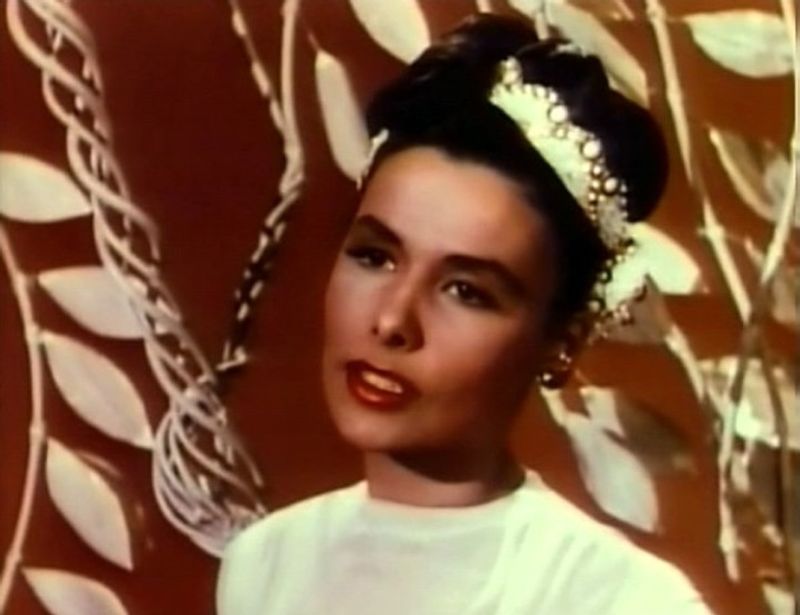
MGM signed Lena Horne in 1942, making her one of the first Black performers to land a long-term contract at a major studio. She was stunning, vocally gifted, and absolutely magnetic on camera.
Hollywood seemed ready to finally build a Black leading lady into its golden era mythology.
Instead, studios filmed her scenes separately so theaters in the South could cut her out without disrupting the movie. She was present but purposely removable, a metaphor for how Hollywood treated Black talent in general.
Horne later called Hollywood a lonely and frustrating chapter. A voice like hers should have had a whole catalog of starring roles, not just cameos.
8. Eartha Kitt
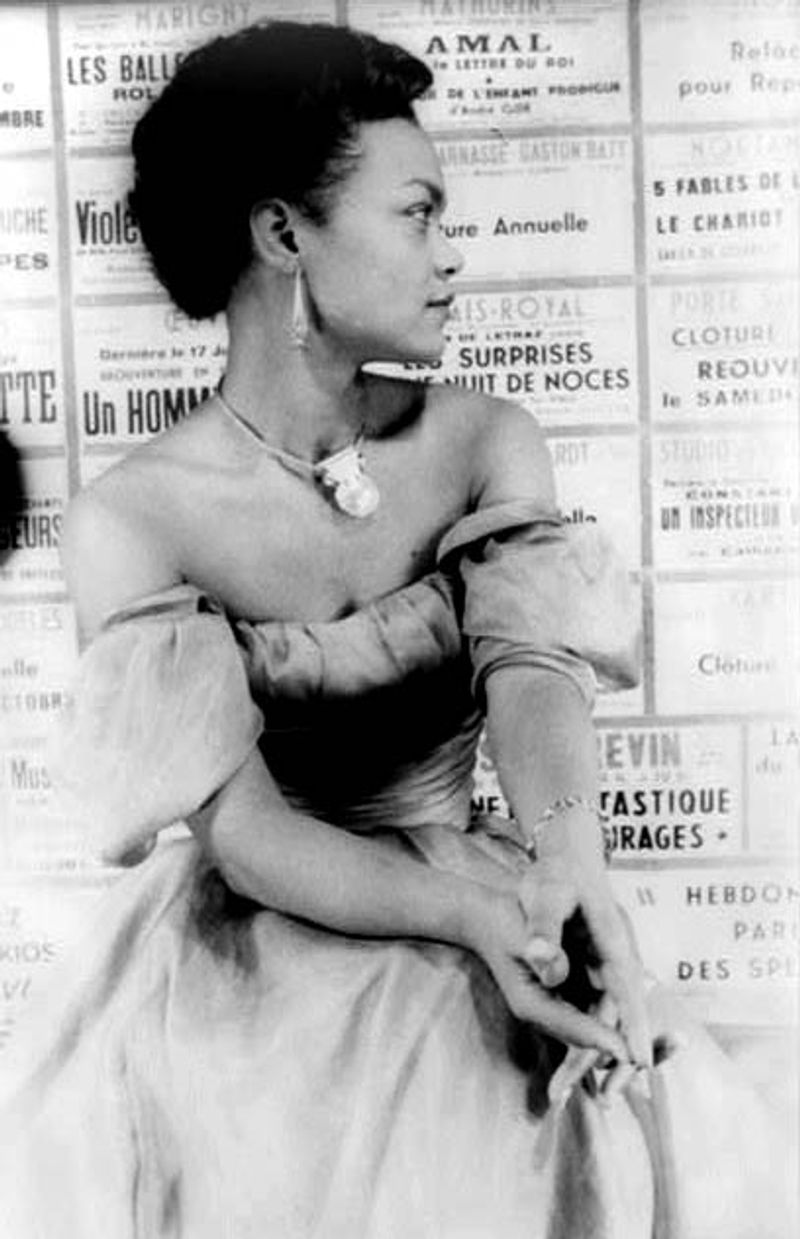
Eartha Kitt had a voice so distinctive it could make a room go completely silent in the best possible way. She was a trained dancer, a fierce actress, and a performer who could command any stage or screen without breaking a sweat.
Even Walt Disney reportedly said she had one of the most unique voices he had ever heard. High praise, to say the least.
Her Hollywood career hit a hard wall after she publicly criticized the Vietnam War at a White House luncheon in 1968. The CIA reportedly compiled a file on her.
Roles vanished almost overnight. Only decades later did mainstream culture rediscover her genius.
Better late than never, but still painfully late.
9. Cicely Tyson
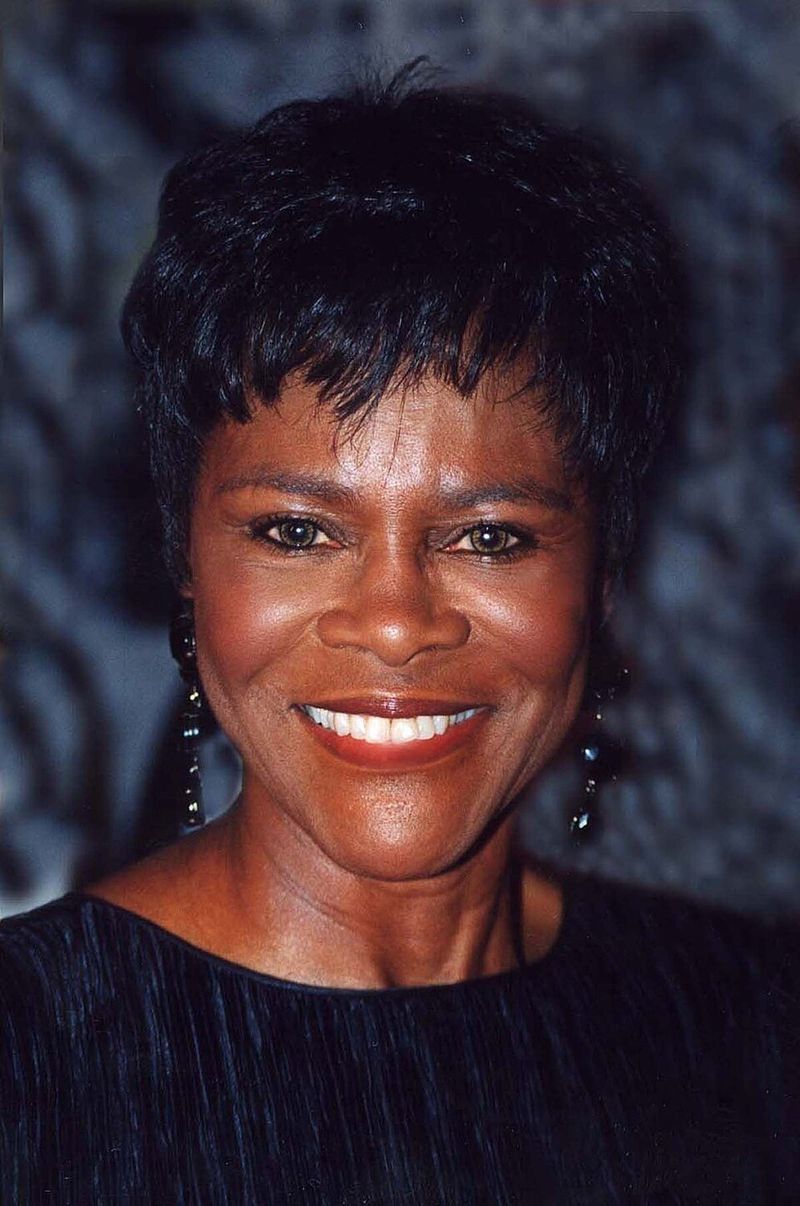
Cicely Tyson spent decades proving she was one of the finest actresses alive, earning an Oscar nomination for Sounder (1972) and delivering a legendary performance in The Autobiography of Miss Jane Pittman (1974). Critics praised her consistently.
Award committees noticed her occasionally. Hollywood, though, kept underestimating her range and refusing to build major films around her.
Roles worthy of her talent were rare and far between. She went years without work rather than accept demeaning parts, a decision rooted in enormous self-respect.
How many brilliant films never got made because a studio could not see past its own blind spots? Tyson’s legacy is extraordinary, but it should have been even bigger.
10. Pam Grier
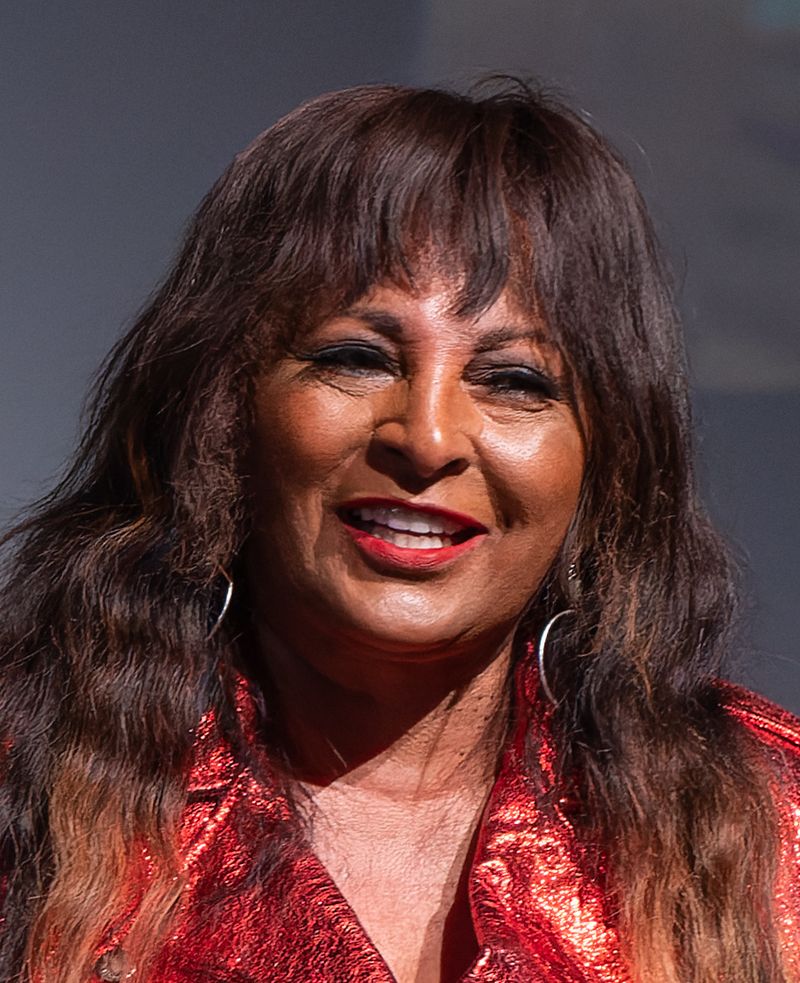
Few people in cinema history have embodied cool the way Pam Grier did in films like Coffy (1973) and Foxy Brown (1974). She was action-hero energy wrapped in pure charisma, a force of nature who made audiences cheer out loud in packed theaters.
Quentin Tarantino was such a massive fan he wrote Jackie Brown specifically for her in 1997.
Still, mainstream Hollywood largely treated her as a genre novelty rather than a serious actress. Awards attention barely came her way.
If a white actress had delivered those performances, the Oscar conversation would have started immediately. Grier blazed a trail that deserves a monument, not just a footnote in film history books.
11. Diahann Carroll
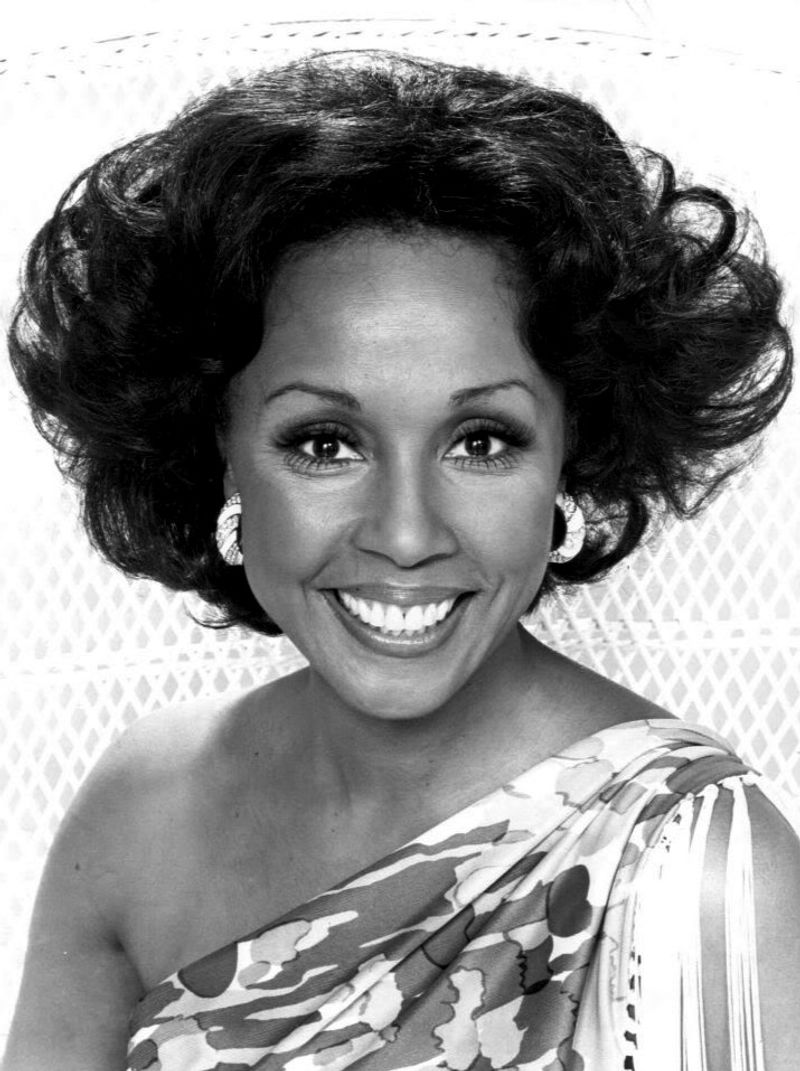
Breaking barriers looked effortless on Diahann Carroll, even though nothing about it actually was. She became the first Black woman to star in a non-servant role in a prime-time TV series with Julia in 1968, a monumental shift in American television history.
A Tony Award, an Oscar nomination for Claudine (1974), and a Golden Globe win rounded out a career of serious achievements.
Yet Hollywood rarely handed her roles that matched her full dramatic capability. Studios seemed more comfortable celebrating her beauty than challenging her range.
Carroll once said she had to fight for every inch of respect she received. An actress of her caliber should never have had to fight that hard.