18 Black Celebrities Who Faced The “Not Black Enough” Narrative And Shut It Down
Identity is not something anyone else gets to assign, and yet that is exactly the game some of the most talented Black celebrities have been forced into. The so called “not Black enough” label shows up like an unwanted critic, policing voice, style, even how someone moves through the world.
It is heavy, it is personal, and it is very real. Public figures like Raven Symonè, Tiger Woods, and Daniel Kaluuya have all faced that scrutiny while simply living their lives and expressing themselves.
Each story carries its own weight, showing how quickly people try to fit others into narrow boxes instead of celebrating individuality. What stands out is the response.
Every one of them refused to shrink, choosing instead to stand firm, speak up, and define identity on their own terms. These moments become more than headlines.
They turn into reminders that culture is not one size fits all, and authenticity cannot be measured by outside opinions. Turn the page and witness the strength, because every story here is a reminder that identity belongs to the person living it, not the voices trying to question it.
1. Raven-Symoné and the Label She Refused to Wear
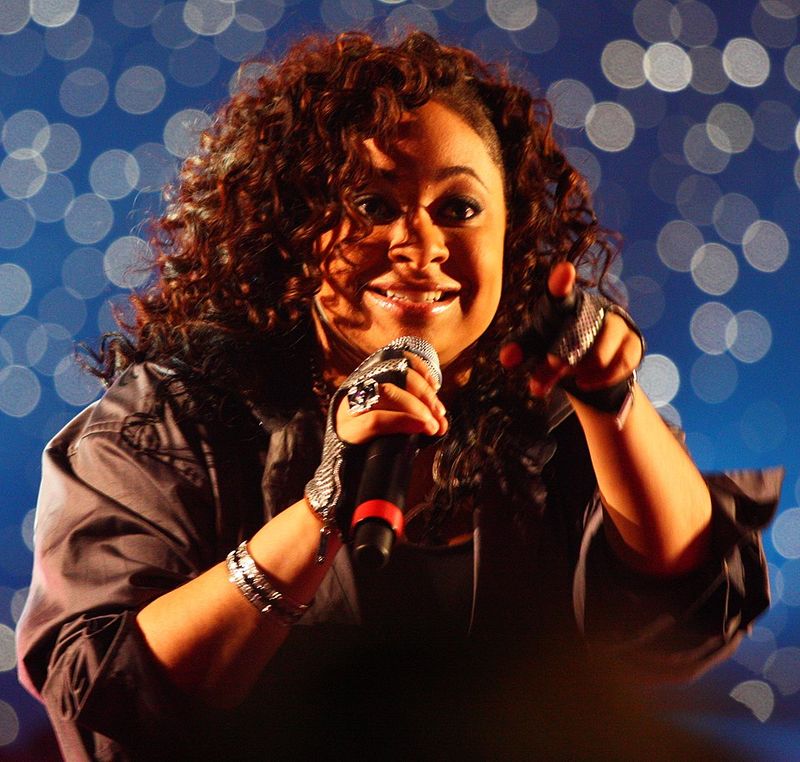
Back in 2014, a single TV interview cracked the internet wide open. Raven-Symoné told Oprah Winfrey she did not want to be labeled African American, preferring simply “American.” The backlash was swift, loud, and unforgiving across social media.
Critics argued she was erasing her roots. However, Raven pushed back by clarifying she fully acknowledges her heritage but refuses to be boxed in by a label.
Her point was about human complexity, not denial.
How a person identifies is deeply personal. Raven did not run away from Blackness.
Instead, she challenged the idea that one word could ever capture a whole human being.
2. Tiger Woods and the Word He Invented for Himself
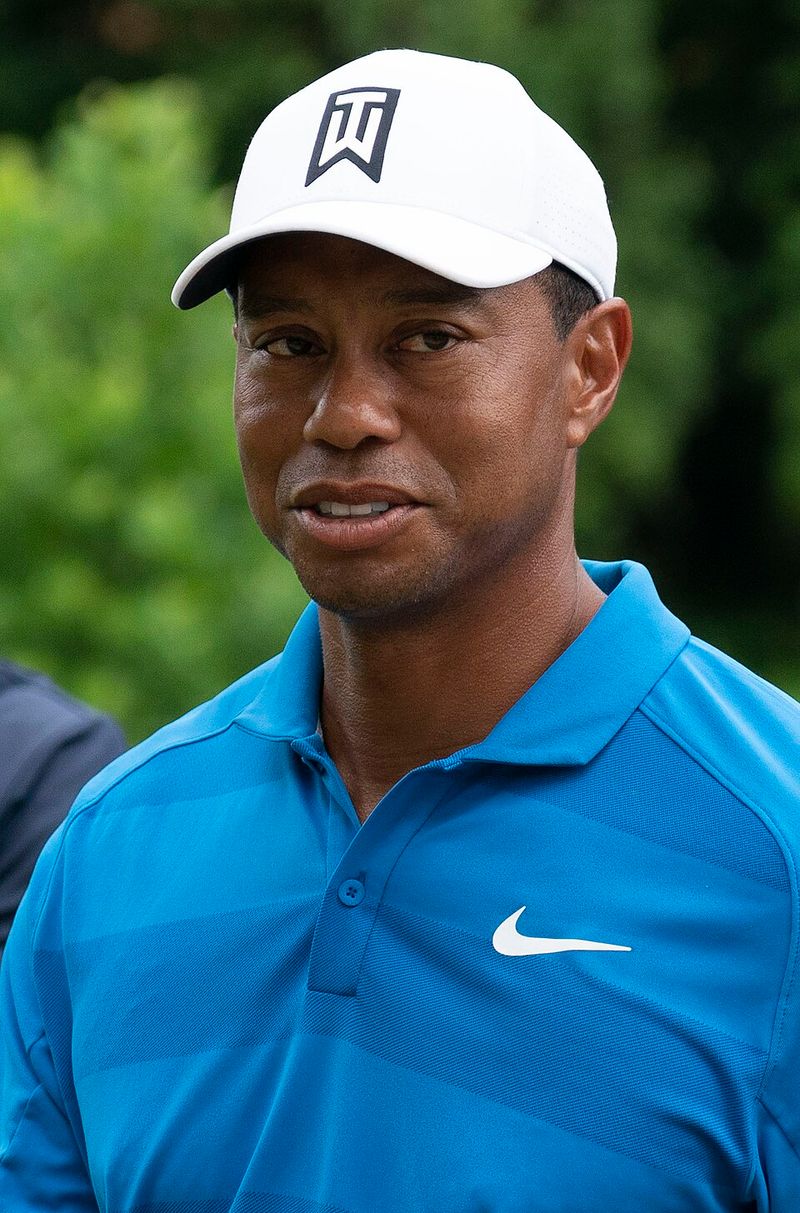
If identity were a golf course, Tiger Woods designed his own hole. In a 1997 appearance on the Oprah Winfrey Show, he introduced the world to “Cablinasian,” a word he created to honor his Caucasian, Black, Indigenous, and Asian roots.
Many Black Americans felt he was sidestepping his Blackness. Yet Woods consistently said he wanted to honor every branch of his family tree, not cut any of them down.
Refusing to be reduced to one label, he stood firm in a multilayered identity. For a kid who started swinging golf clubs at age two, choosing his own words was just another kind of precision.
3. Daniel Kaluuya Proved Blackness Has No Passport
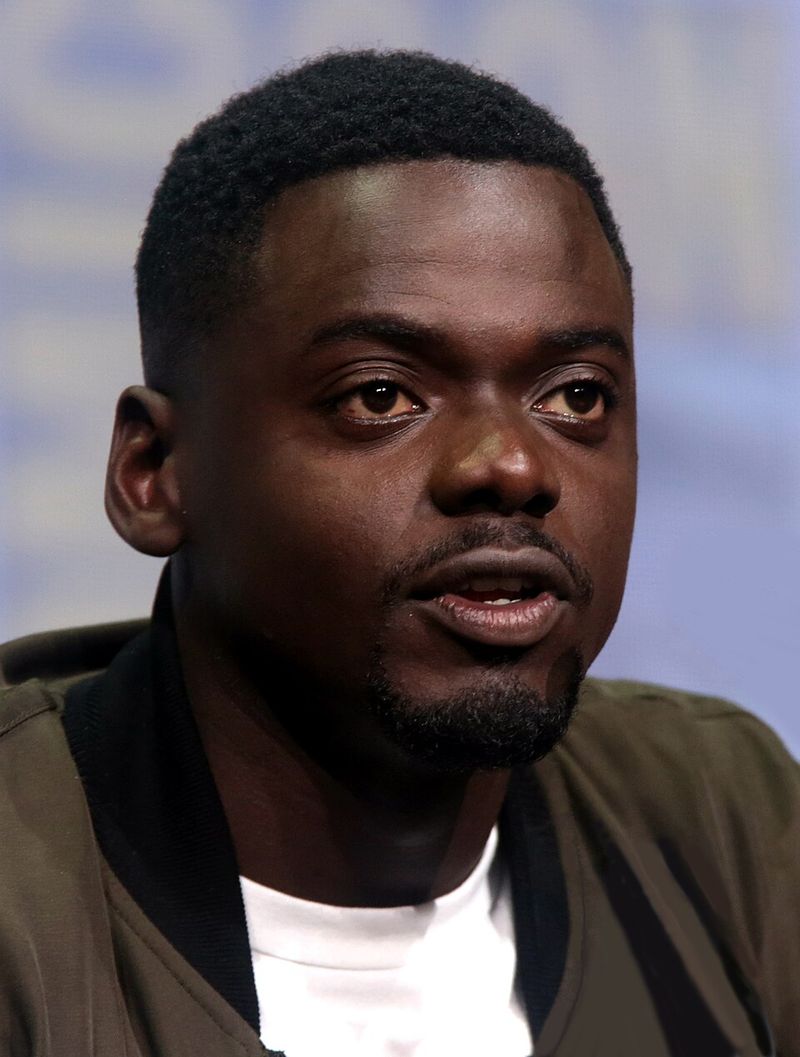
Samuel L. Jackson once suggested that a Black American actor might have connected more deeply to the racial trauma explored in the 2017 film “Get Out.” Kaluuya, a British-Ugandan actor, was squarely in the crosshairs of that comment.
Rather than shrinking, Kaluuya spoke candidly about growing up Black in London, facing racism on his own streets, in his own schools. His experience was different, sure, but no less real.
He went on to win an Academy Award for “Judas and the Black Messiah” in 2021. If anyone still doubted his connection to the Black struggle, that golden statue said everything.
4. Cynthia Erivo and the Harriet Tubman Controversy
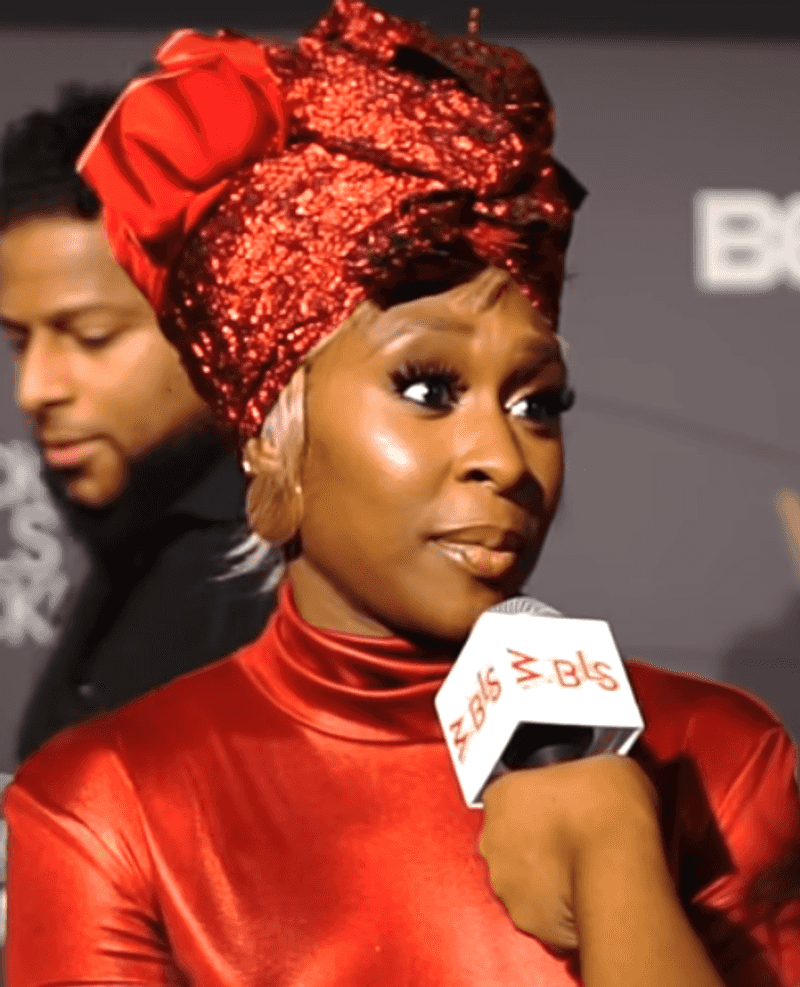
Casting a British-Nigerian actress to play Harriet Tubman, one of America’s most iconic freedom fighters, lit a firestorm online. Critics argued the role belonged to a Black American woman whose ancestry was directly tied to American slavery.
Erivo responded by doubling down on her preparation, her research, and her deep respect for Tubman’s legacy. She earned both an Academy Award nomination for Best Actress and a Best Original Song nomination for that role.
However you feel about the casting debate, her performance silenced many doubters. Erivo proved that the African diaspora shares a thread of struggle that crosses oceans and national borders.
5. Issa Rae Kept It Real About Colorism and Representation
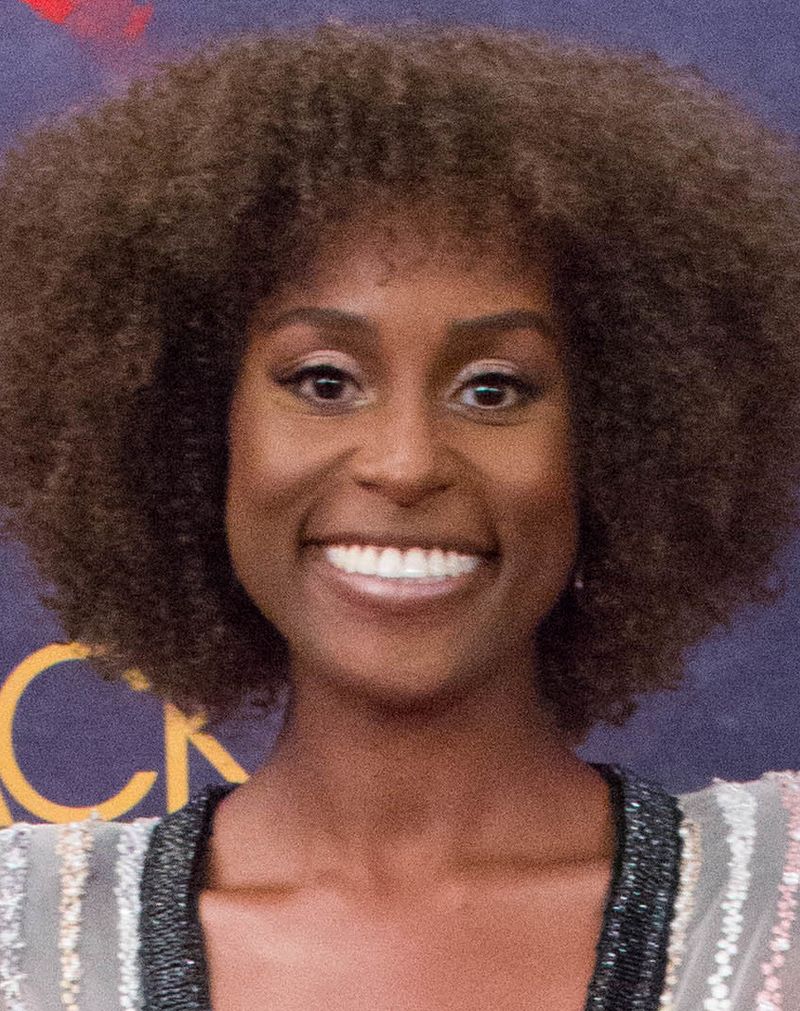
Creator of the hit HBO series “Insecure,” Issa Rae built a show that celebrated everyday Black life in Los Angeles. Some critics, however, questioned if the show’s casting leaned toward lighter-skinned Black women, raising colorism concerns.
Rae addressed it openly, acknowledging colorism as a real issue worth constant attention. She actively championed darker-skinned actresses and used her platform to lift up a wide range of Black talent.
If anything, the criticism pushed her to be more intentional. Issa Rae did not run a perfect show, but she ran an honest one.
And in Hollywood, honesty about race is still surprisingly rare.
6. Barack Obama and the Authenticity Question No President Should Face
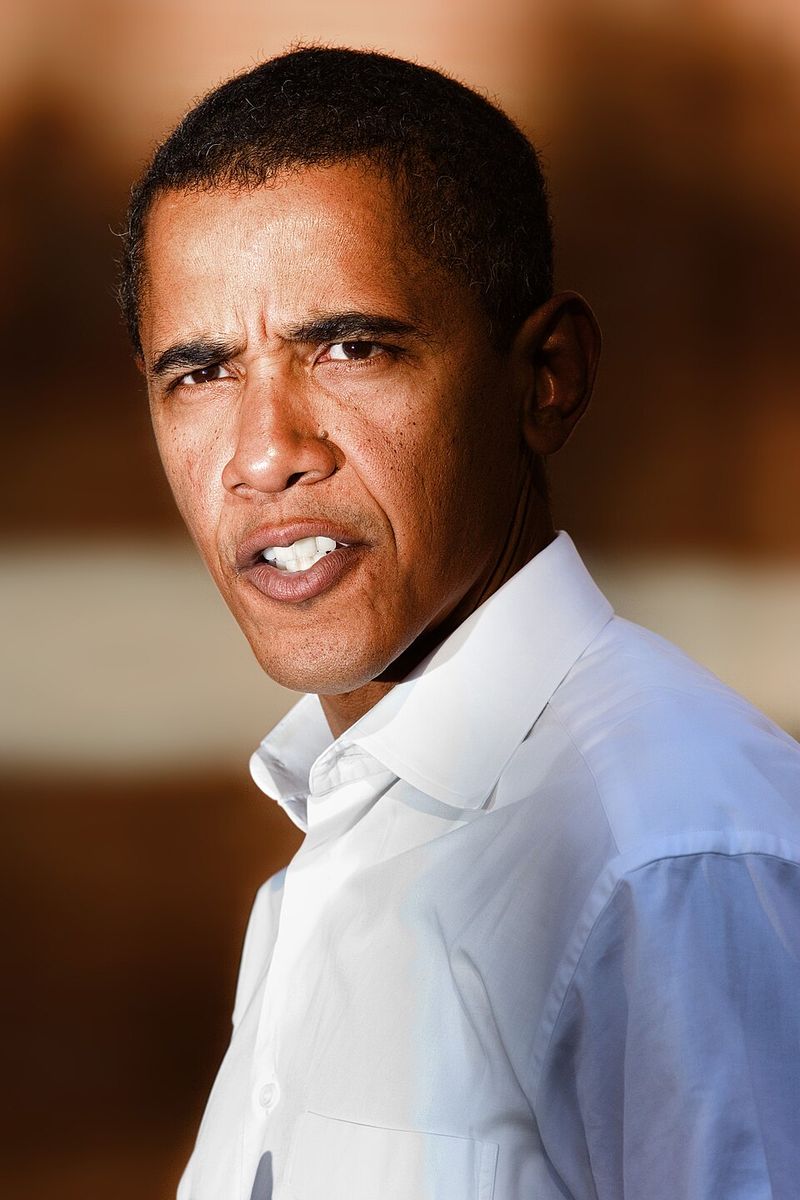
Before he ever reached the Oval Office, Barack Obama faced questions about whether he was “Black enough” to represent African Americans. Born to a Kenyan father and a white American mother, raised partly in Hawaii and Indonesia, his background was unlike most Black politicians before him.
Some Black voices wondered if he truly understood the experience of American descendants of enslaved people. Obama spoke openly about navigating dual identities and wrote an entire memoir about it called “Dreams from My Father.”
He won the presidency twice, earning over 90 percent of the Black vote both times. Apparently, Black America made up its own mind.
7. Zendaya and Growing Up Biracial in the Spotlight
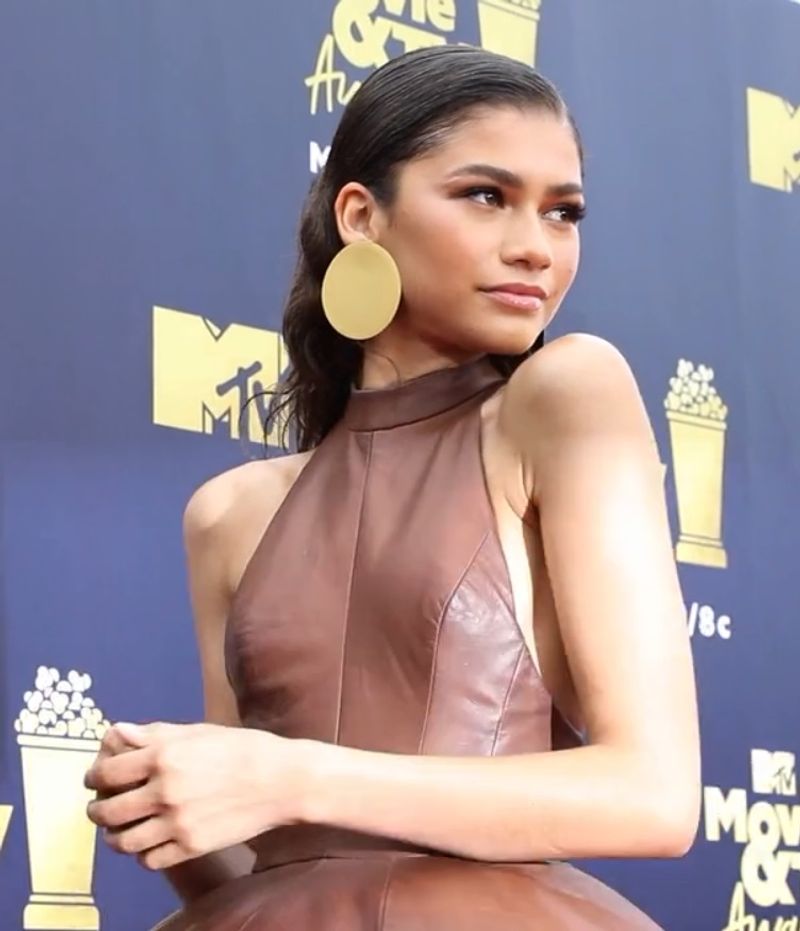
Zendaya has been open about navigating a biracial identity since her Disney Channel days. Born to a Black father and a white mother, she has faced comments questioning how Black she really is, particularly because of her lighter complexion.
Rather than apologizing for her skin tone, she has used her platform to speak about colorism and privilege directly. In interviews, she acknowledges the doors her lighter skin opens that darker-skinned women do not always access.
That kind of honesty is rare and refreshing. Zendaya does not pretend colorism does not exist.
Instead, she names it, owns her part in the conversation, and keeps showing up unapologetically.
8. Halle Berry and the Biracial Identity Debate
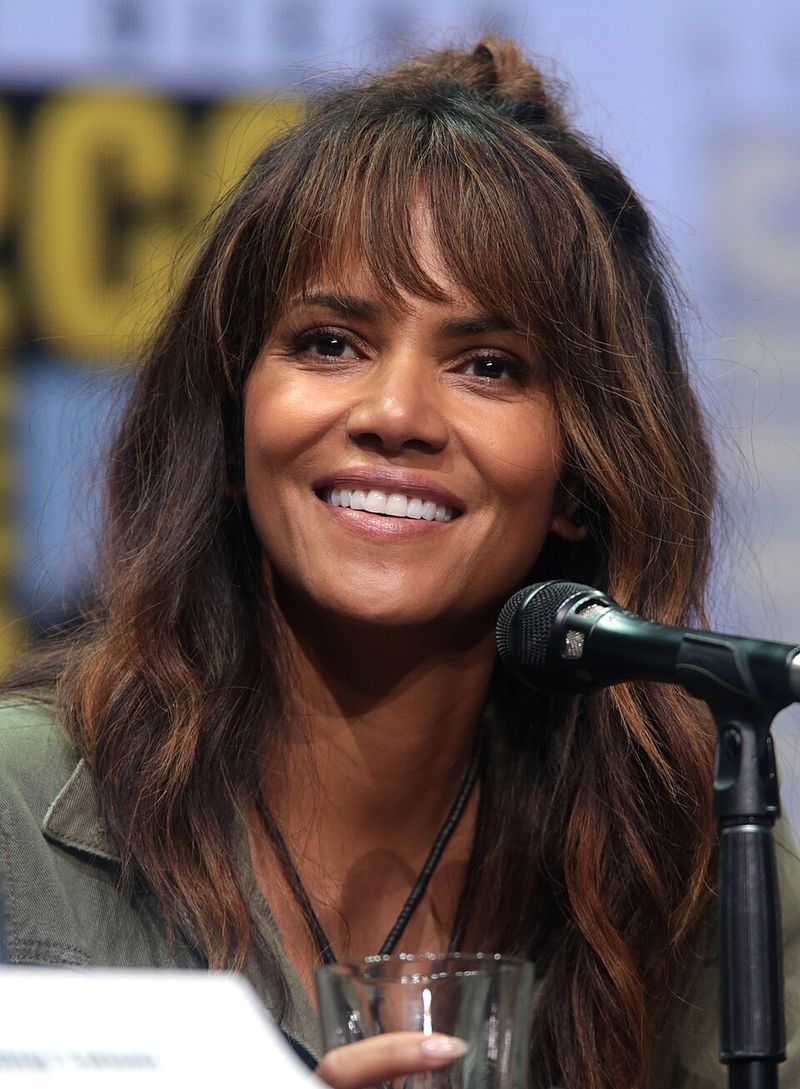
Halle Berry made history in 2002 as the first Black woman to win the Academy Award for Best Actress. Yet even after that historic moment, questions about her racial identity followed her career for years.
Born to a Black father and a white mother, Berry has always identified as a Black woman. She once said that because the world treats her as Black, she identifies fully and proudly as Black.
Her Oscar speech, soaked in tears, was dedicated to every nameless, faceless woman of color who came before her. No one in that room questioned her Blackness after that.
No one needed to.
9. Kanye West and the Cultural Gatekeeping Wars
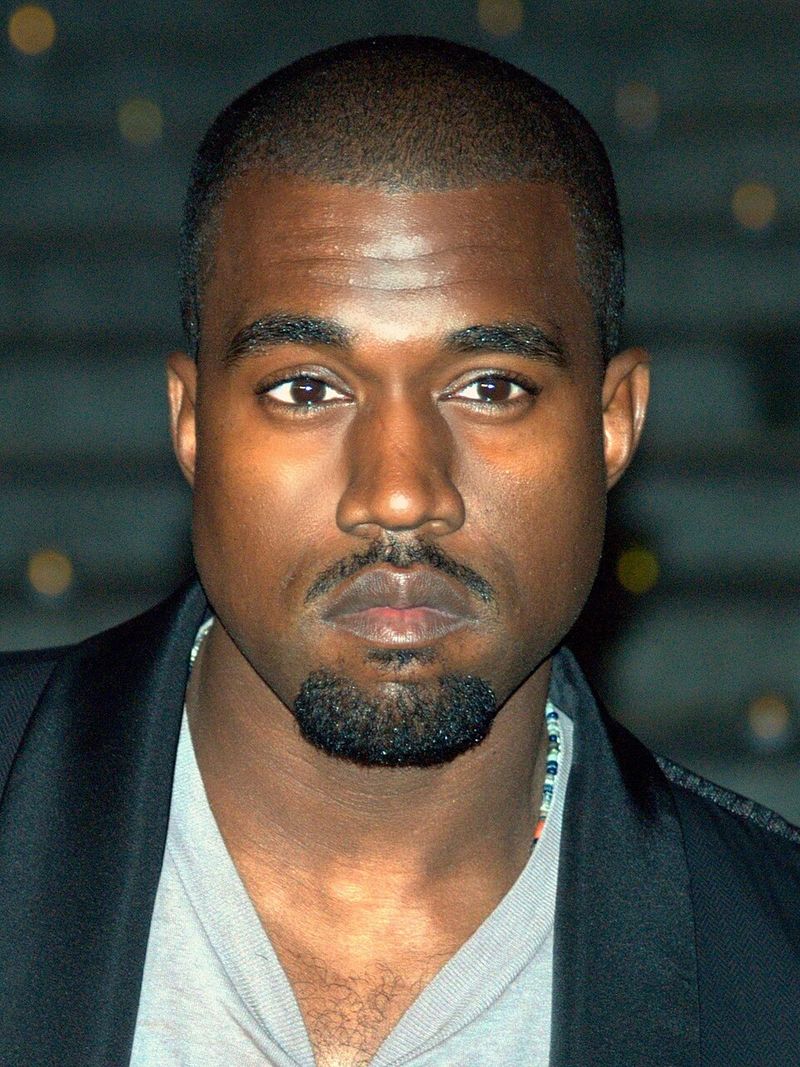
Kanye West has sparked intense debate around Black identity, with his embrace of conservative politics, controversial statements, and bold fashion choices leading critics to question his connection to Black culture.
Public figures like Charlamagne Tha God and others called him out publicly, arguing his politics worked against Black communities. Kanye, however, insisted he was speaking freely and refused to be politically boxed in.
Love him or not, his story raises a real question: can a Black person hold views that contradict the mainstream Black political experience and still claim full Black identity? Spoiler alert, yes.
Absolutely yes.
10. Alicia Keys and the “Biracial But Fully Black” Stand
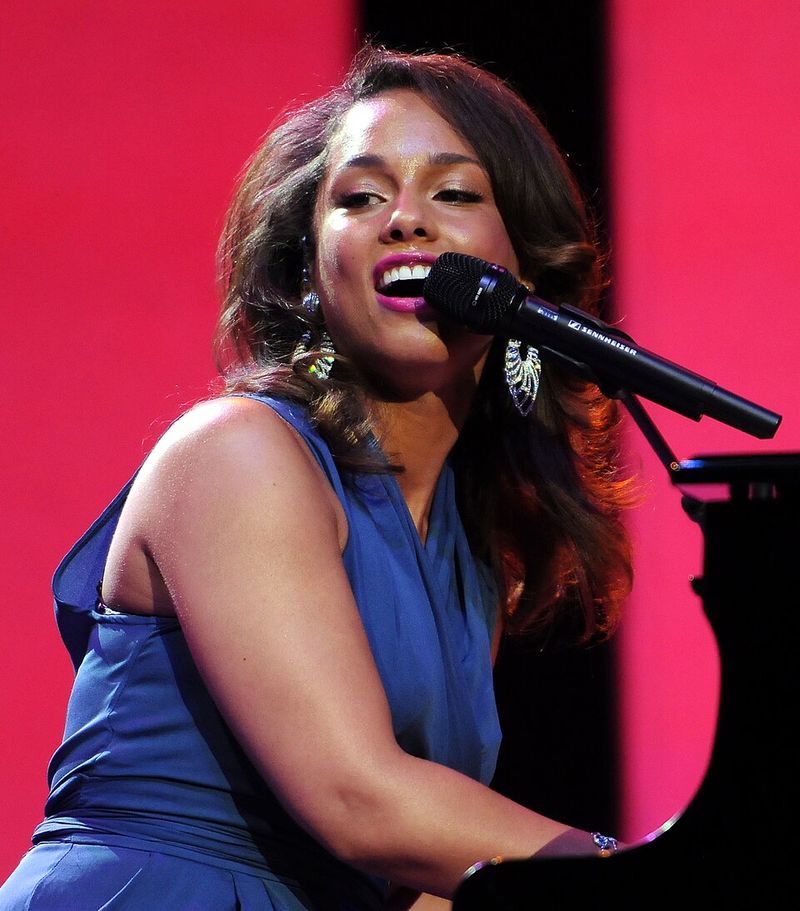
Alicia Keys grew up in Hell’s Kitchen, New York City, raised primarily by her Black mother after her white father left early in her childhood. Despite having a biracial background, Keys has always identified strongly and publicly as a Black woman.
Still, over the years, some critics questioned where her loyalties lay, especially as her career moved into pop crossover territory. Keys responded not with words but actions, consistently using her platform for Black causes and social justice.
Her bare-faced, no-makeup movement also challenged narrow beauty standards rooted in race. Alicia Keys never needed anyone’s permission to be Black.
She just kept making music and letting the work speak.
11. Mariah Carey and the Identity She Kept Private for Years
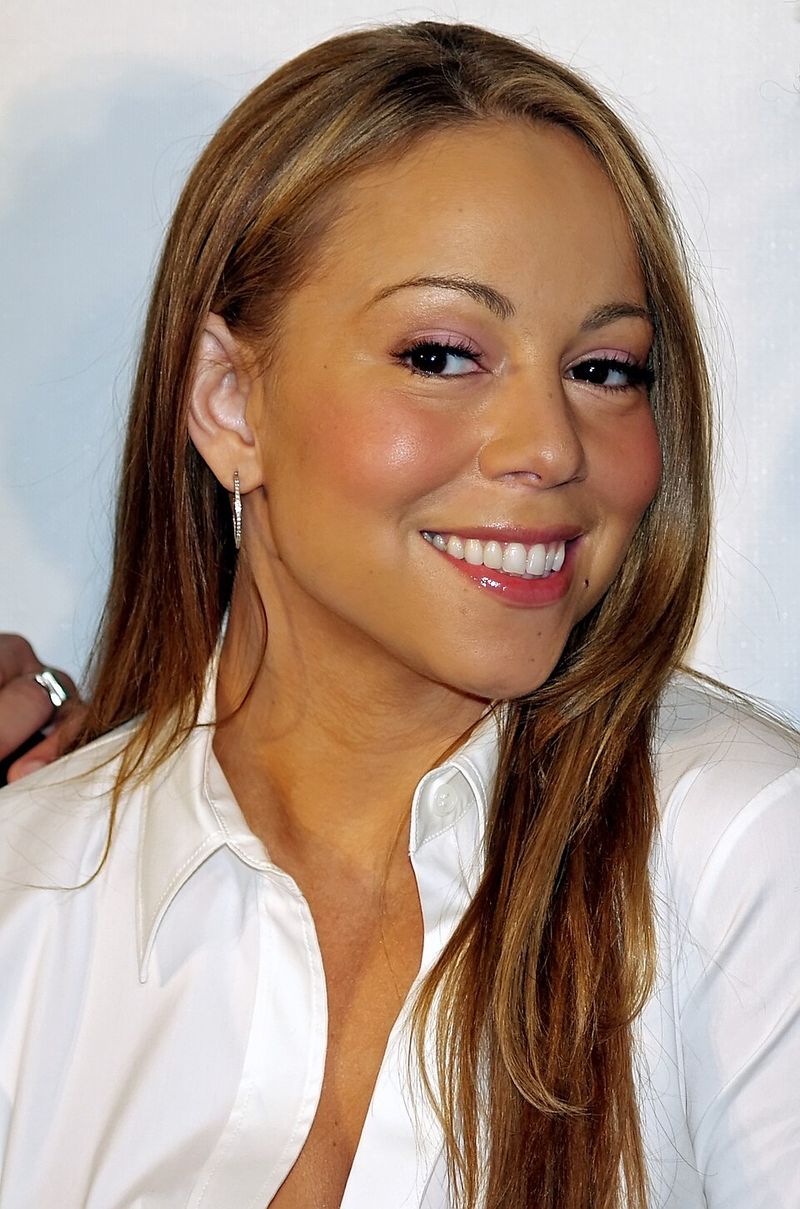
For years, Mariah Carey kept her Black heritage largely out of public conversation. Born to a Black and Venezuelan father and an Irish-American mother, she was sometimes marketed to white audiences in ways that downplayed her racial background.
Critics later pointed out that her early record label, Columbia Records, reportedly encouraged her to present a racially ambiguous image. Carey eventually pushed back, embracing her full identity more openly as her career evolved.
By the time she released “Glitter” and later wrote her memoir “The Meaning of Mariah Carey,” she was done hiding any part of herself. The whistle notes were always hers.
So was the Blackness.
12. Colin Kaepernick and the Politics of Being Black Enough
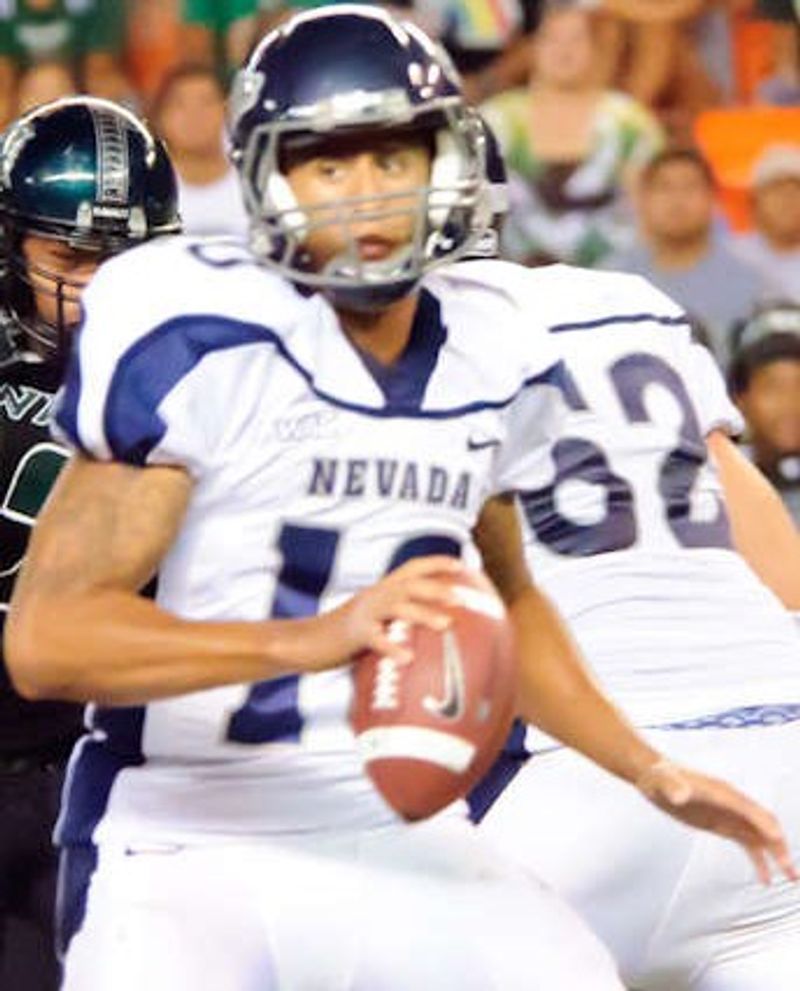
Colin Kaepernick was adopted by white parents and raised in a predominantly white community in California. When he began kneeling during the national anthem to protest police brutality in 2016, some questioned his right to speak on behalf of Black America.
Critics pointed to his upbringing as evidence of disconnect. Kaepernick answered by putting his entire NFL career on the line for the cause.
No team signed him after his protest, costing him millions.
Sacrifice like that does not come from someone playing pretend. His activism inspired a global movement.
If risking everything for Black lives is not Black enough, the bar has been set impossibly wrong.
13. Pharrell Williams and the “Happy” Debate About Cultural Allegiance
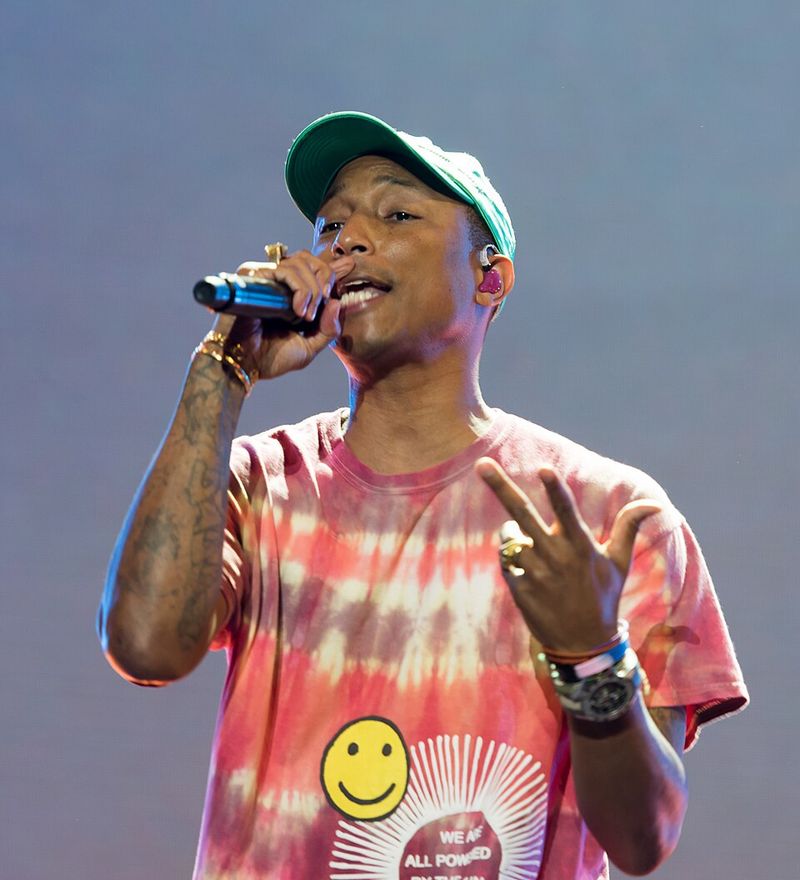
Pharrell Williams built one of the most impressive careers in music history, producing hits across genres for artists of every background. Along the way, some critics accused him of being more aligned with mainstream pop culture than Black culture specifically.
His collaborations stretched across pop, rock, and electronic music, which raised eyebrows among those who felt he was drifting away. Pharrell pushed back by pointing to his roots in Virginia Beach and his consistent investment in Black talent.
He later became Creative Director of Louis Vuitton menswear, bringing a distinctly Black American perspective to one of the world’s whitest luxury brands. That is not drifting away.
That is expanding the room.
14. Meghan Markle and the Royal Family’s Racial Reckoning
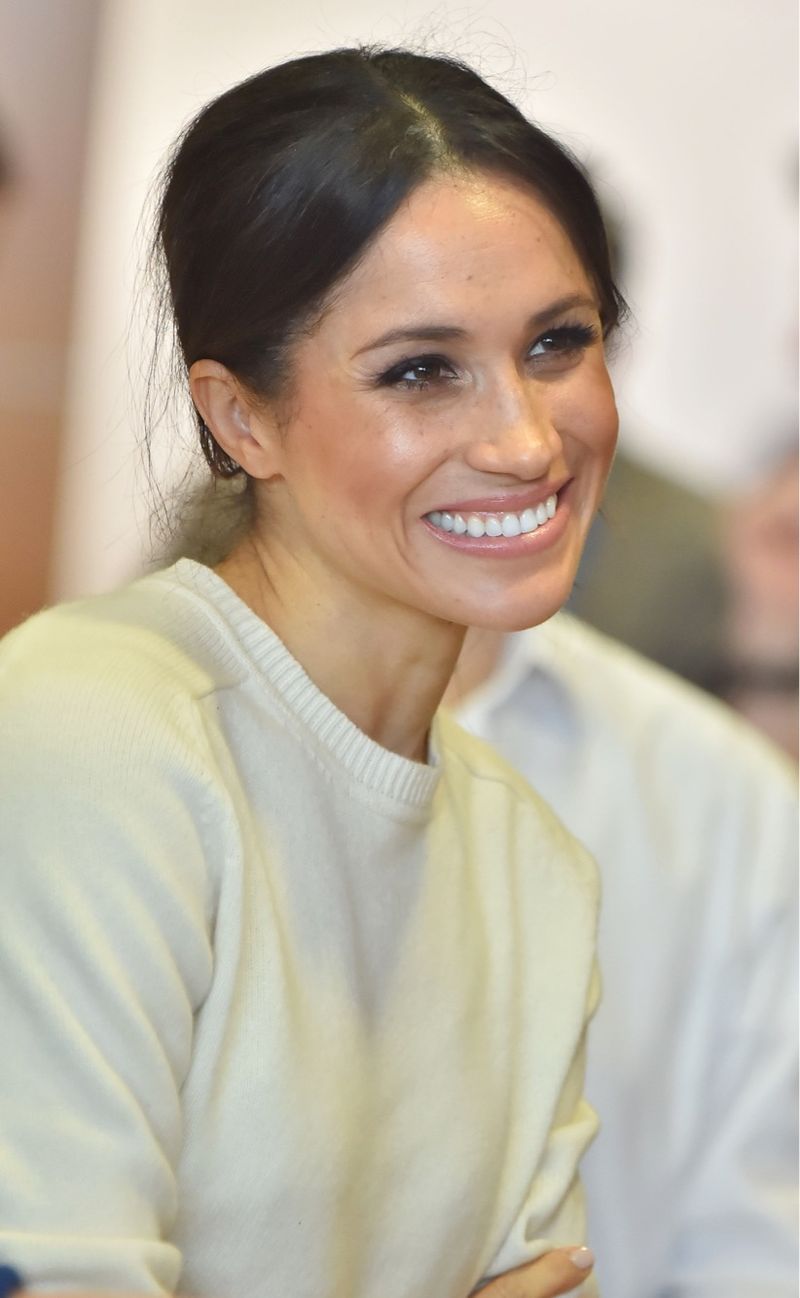
Born to a Black mother and a white father, Meghan Markle became the first mixed-race person to marry into the British Royal Family. Almost immediately, British tabloids and online critics questioned her racial background, her authenticity, and even her right to call herself Black.
In a bombshell 2021 interview alongside Prince Harry, Meghan revealed that a royal family member had raised concerns about how dark her unborn child’s skin might be. The world was stunned.
Rather than staying silent, Meghan spoke openly about racism inside one of the most powerful institutions on earth. Courage like that does not ask for a permission slip.
15. Lenny Kravitz and the Rock and Roll Identity Crisis
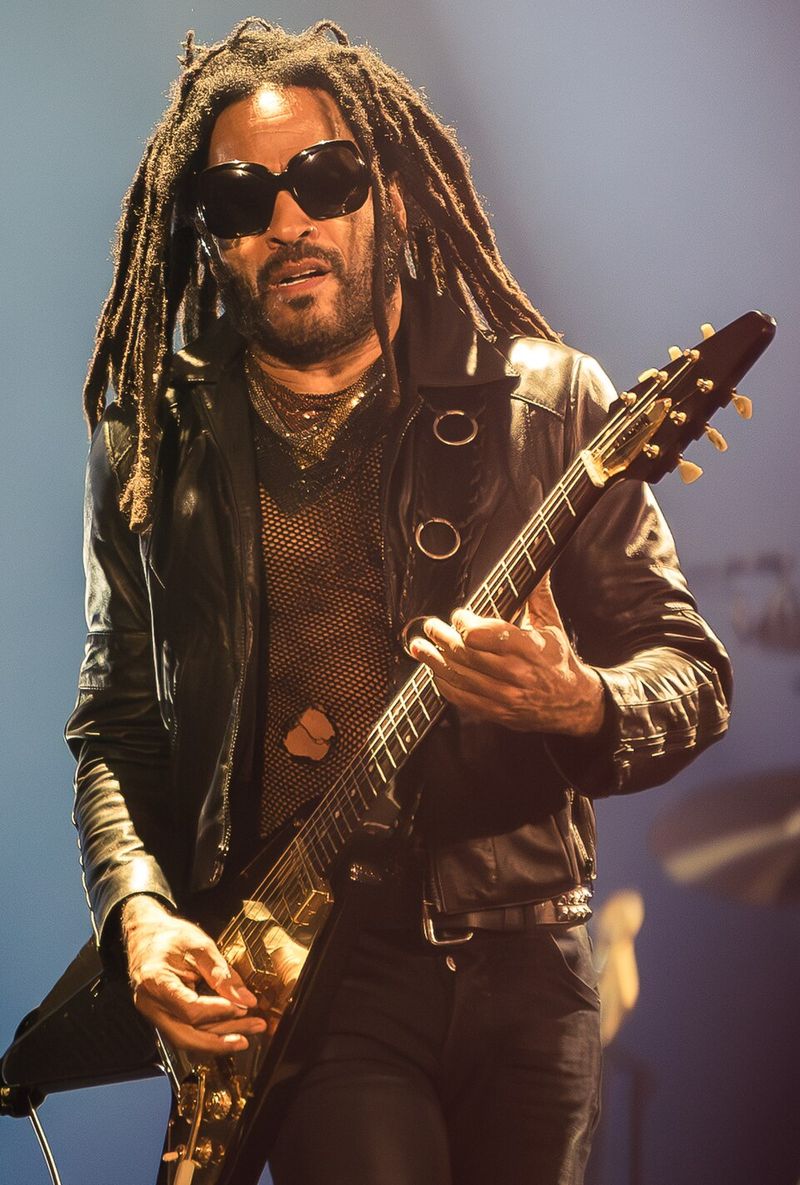
Rock music has a complicated racial history, and Lenny Kravitz sat right in the middle of it. Critics over the years questioned whether his rock-heavy sound distanced him from Black musical traditions, suggesting he was chasing a white audience.
Kravitz fired back by pointing out that rock and roll was invented by Black artists. Chuck Berry, Little Richard, and Sister Rosetta Tharpe built the genre long before it was co-opted elsewhere.
Playing rock guitar as a Black man was not abandonment of culture. It was reclamation.
Kravitz wore his afro, his Blackness, and his Les Paul guitar all at the same time. No conflict there whatsoever.
16. Keegan-Michael Key and Comedy’s Color Line
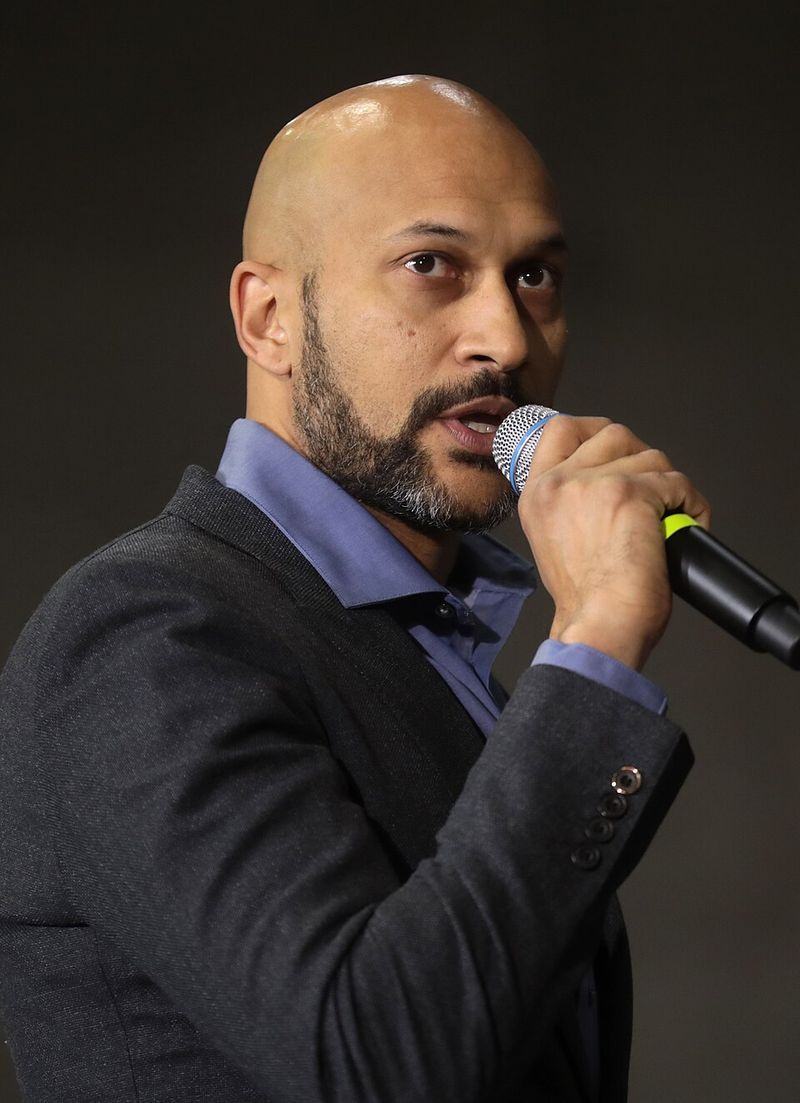
Half of the legendary comedy duo Key and Peele, Keegan-Michael Key grew up biracial in a white adoptive family. His comedy often explores the absurdity of racial identity, code-switching, and what it feels like to exist between worlds.
Some critics felt his humor leaned too heavily on Black stereotypes without enough lived experience to back it up. Key addressed it directly in interviews, describing the very real tension of navigating Blackness in predominantly white spaces throughout childhood.
Art that comes from personal truth hits differently. Key and Peele sketches about Obama’s anger translator and racial assumptions were not just funny.
They were painfully, brilliantly accurate.
17. Jordan Peele and the Unexpected Voice of Black Horror
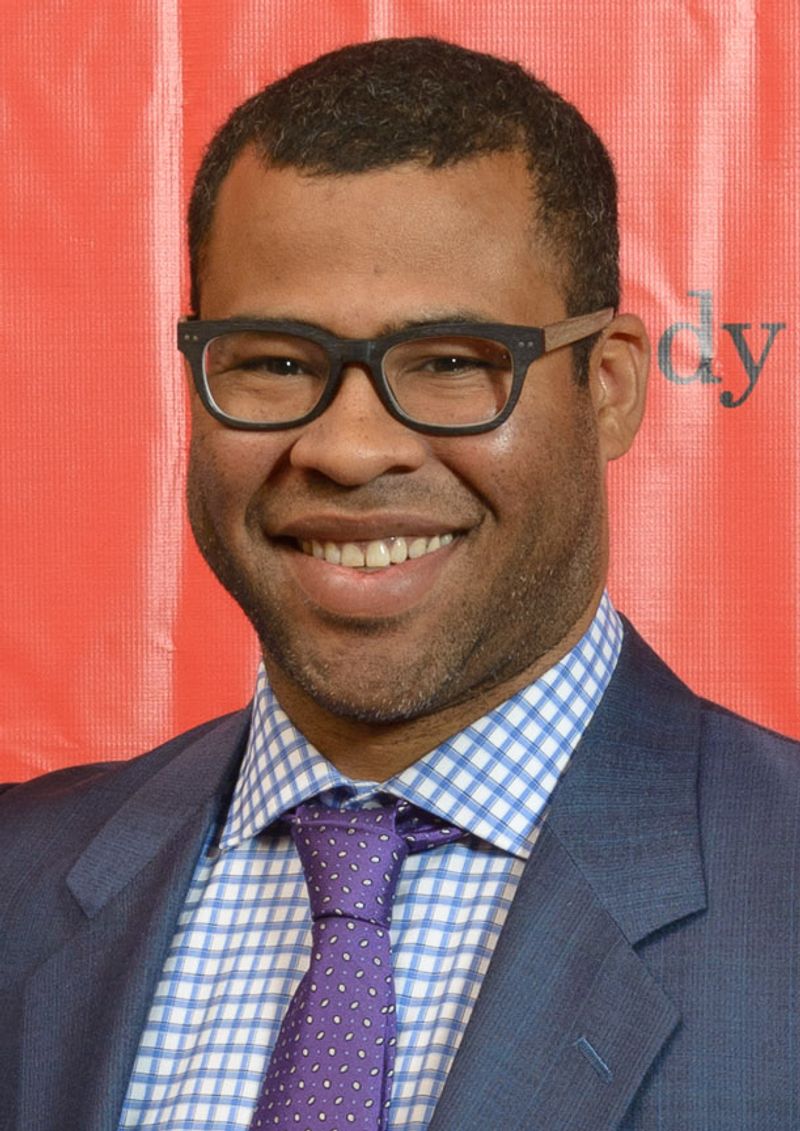
Before “Get Out” became a cultural phenomenon in 2017, Jordan Peele was best known as the other half of Key and Peele. Some skeptics, both Black and white, doubted his ability to make a serious, gripping film about Black trauma and American racism.
His biracial background and comedy roots made some question whether he had the depth or authority to tell such a raw story. He responded by writing and directing one of the most critically acclaimed horror films in modern cinema history.
“Get Out” won the Academy Award for Best Original Screenplay. Jordan Peele did not just shut down the doubters.
He redefined an entire genre while doing it.
18. Solange Knowles and the Art of Unapologetic Blackness
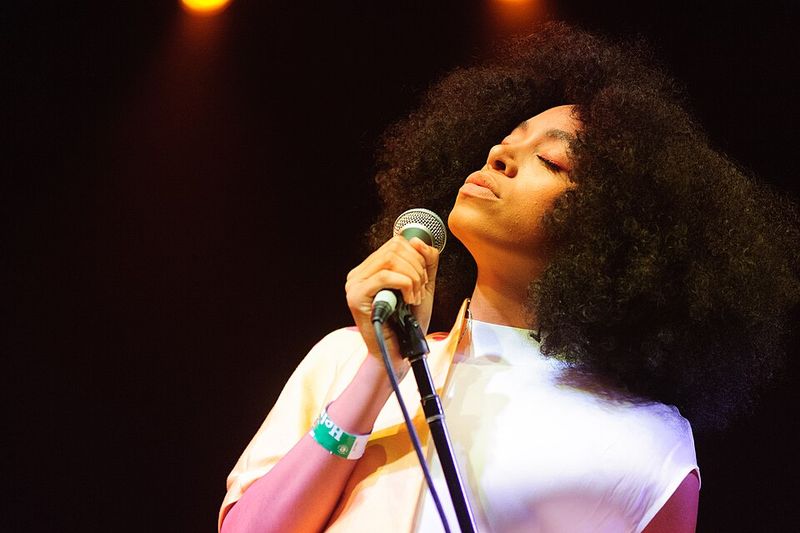
Living in the shadow of a sister named Beyonce is no small thing. Yet Solange Knowles carved a completely original space for herself, one rooted deeply and unapologetically in Black Southern identity, natural hair politics, and experimental art.
Her 2016 album “A Seat at the Table” was a direct, powerful meditation on Blackness, belonging, and the exhaustion of constantly explaining yourself to a world that does not listen. Critics who once dismissed her as Beyonce’s little sister went silent.
If your art can make an entire generation feel seen and validated, no one gets to question your cultural credentials. Solange did not ask for a seat.
She built her own table.