18 Black Film Directors Who Opened Doors And Changed Hollywood
Stories didn’t always get an equal shot on the big screen. For decades, the industry’s spotlight aimed in one narrow direction, leaving countless voices outside the frame.
Even so, a determined group of Black directors refused to accept silence as the default. Cameras came up, scripts hit the page, and films arrived with the kind of honesty that couldn’t be ignored.
Early pioneers pushed through an era that rarely made room for them, then later generations expanded what audiences expected to see, hear, and feel in a theater.
Talent was never the issue. Opportunity was. These filmmakers helped change that equation.
1. Oscar Micheaux
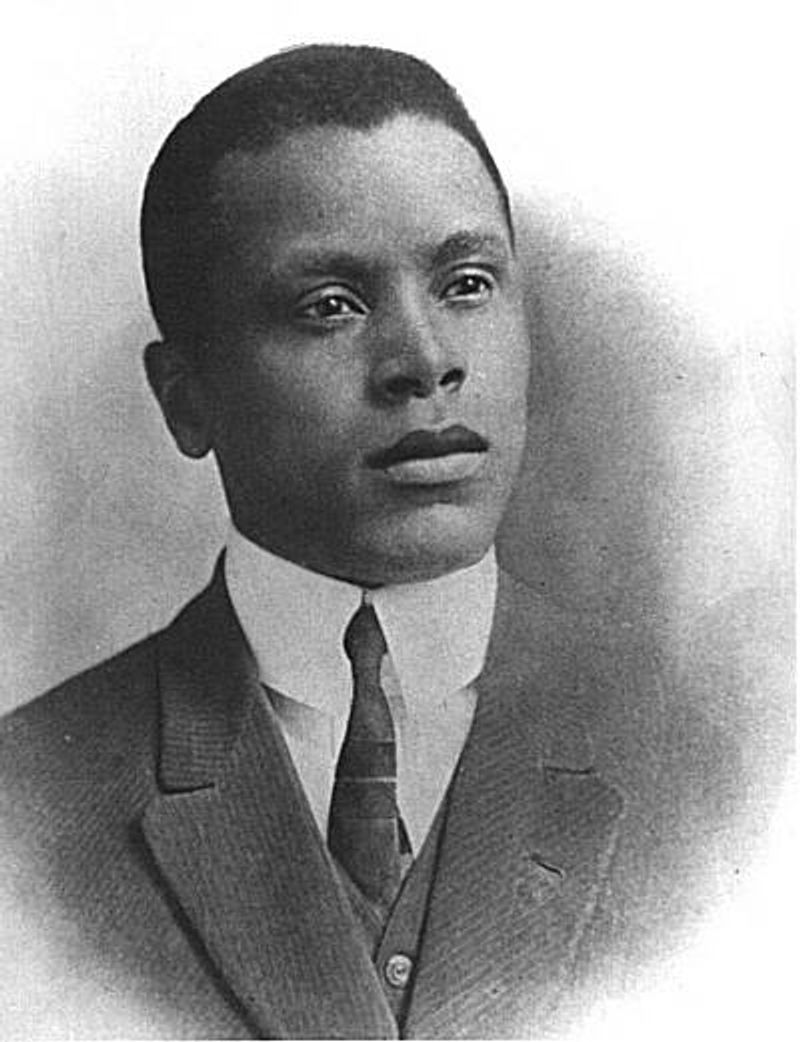
Long before Hollywood even thought about including Black stories, one man was already making his own rules.
Between 1919 and 1948, this independent pioneer cranked out over 40 films, tackling heavy subjects like racial violence and discrimination when most studios wouldn’t touch them with a ten-foot pole.
Working completely outside the studio system, he built his own distribution network, traveling from town to town to screen his work.
His determination laid the foundation for every Black filmmaker who came after, proving that you don’t need permission to tell your story – just courage and a camera.
2. Gordon Parks
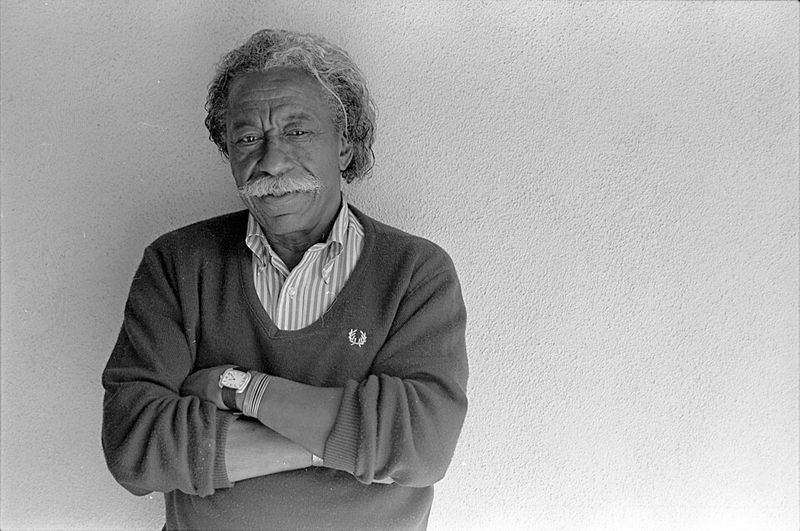
Imagine being the first person to do something that millions thought was impossible.
In 1969, this photographer-turned-director shattered a massive barrier by helming The Learning Tree, widely recognized as the first major Hollywood studio film directed by a Black American.
But he didn’t stop there! Two years later, he directed Shaft, which became a cultural phenomenon and helped launch an entire genre.
His dual talents behind the camera – both still and moving – created a visual language that influenced generations of artists across multiple mediums.
3. Melvin Van Peebles
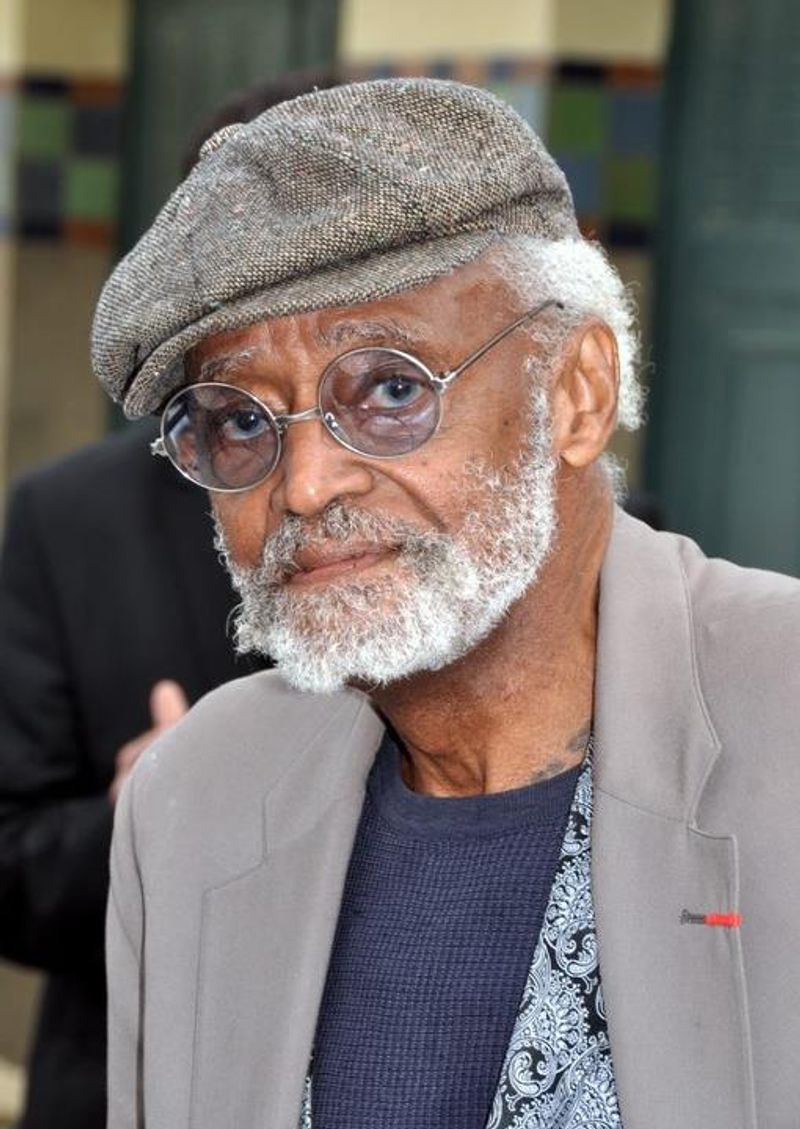
Sometimes one film can shake an entire industry awake.
Sweet Sweetback’s Baadasssss Song arrived like a thunderclap in 1971, unapologetic and raw, forcing Hollywood executives to pay attention to a voice they’d been ignoring.
Made independently on a shoestring budget, it became a massive hit and sparked the blaxploitation era of the 1970s.
More importantly, it showed that Black audiences were hungry for stories that reflected their real experiences, not Hollywood’s sanitized versions.
4. Charles Burnett
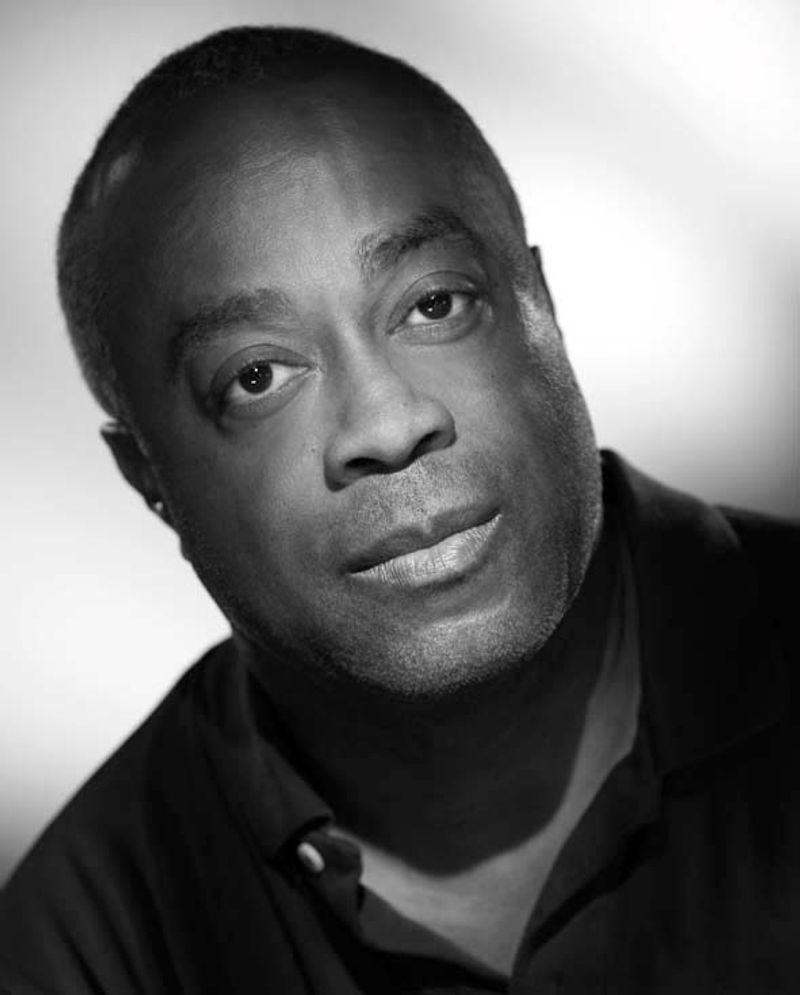
Not all revolutions happen with explosions and fanfare. Some unfold quietly, one beautiful frame at a time, changing hearts and minds through intimate human stories.
As a key figure in the L.A. Rebellion movement, this director crafted films that felt like poetry, focusing on everyday Black life with dignity and depth.
His human-scale storytelling helped redefine what independent American cinema could look like, proving that small stories could carry enormous emotional weight.
5. Julie Dash
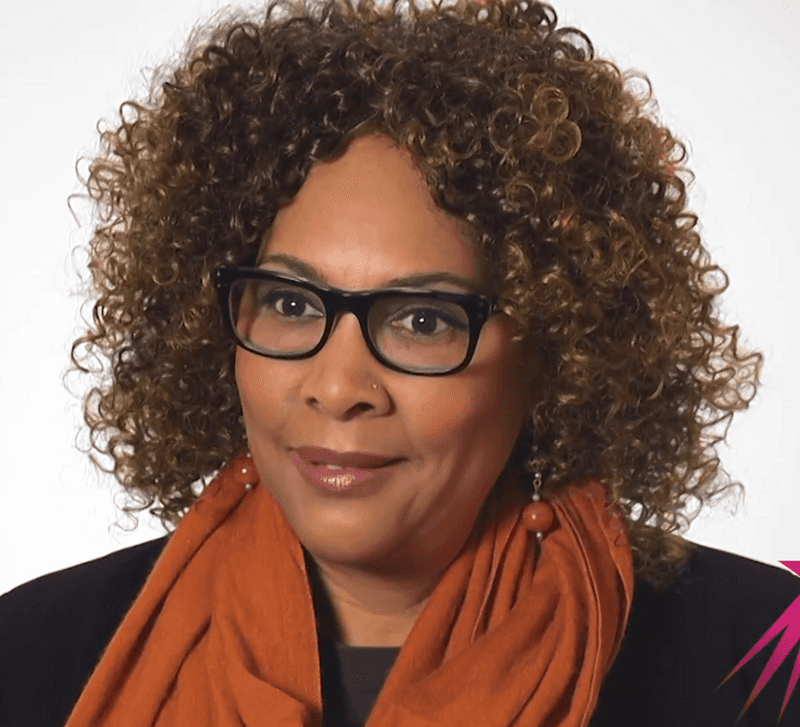
Picture this: 1991, and a film directed by a Black woman gets a wide theatrical release for the first time in American history. That’s not ancient history – that’s practically yesterday!
Daughters of the Dust created a whole new visual language for cinema.
Its dreamy cinematography, focus on Gullah culture, and celebration of Black women’s stories influenced everyone from Beyoncé to contemporary indie filmmakers.
The film showed that culturally specific stories could be universally powerful and visually stunning.
6. Spike Lee
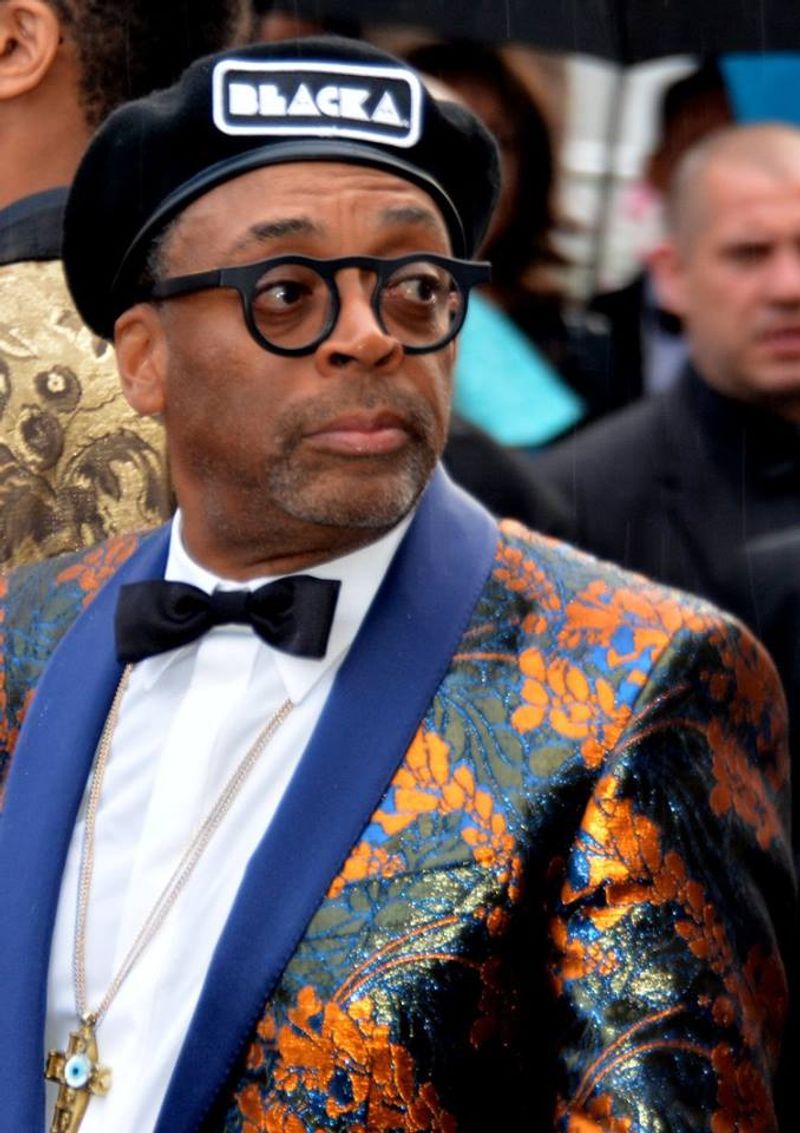
When Do the Right Thing hit theaters in 1989, it sparked conversations that are still happening today.
This Brooklyn-born director turned local neighborhood stories into national debates, proving that Black filmmakers could shape mainstream culture on their own terms.
With his signature style – bold colors, dynamic camera angles, and unflinching social commentary – he created a blueprint for personal filmmaking within the studio system.
From Malcolm X to BlacKkKlansman (which finally earned him an Oscar), he’s never stopped pushing boundaries or speaking truth to power.
7. John Singleton
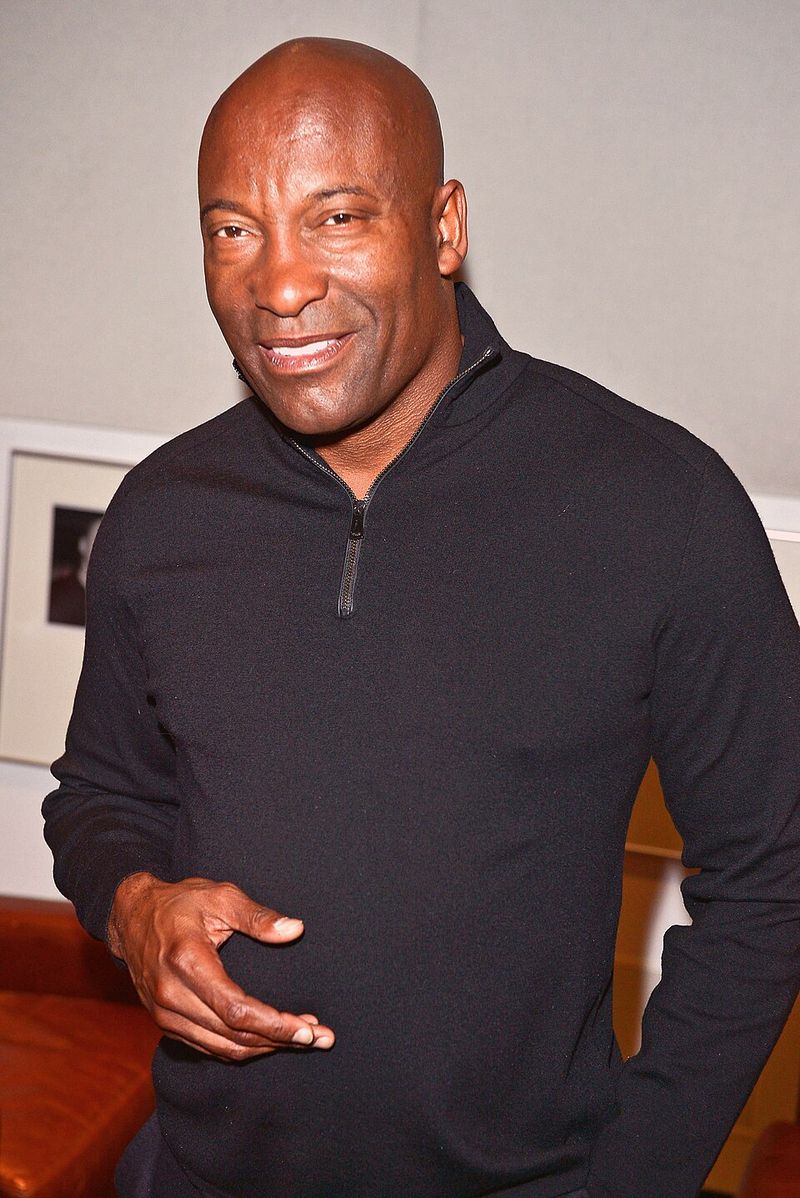
At just 24 years old, he became the youngest person and first Black filmmaker ever nominated for the Academy Award for Best Director. Let that sink in for a second!
Boyz n the Hood (1991) brought South Central Los Angeles to the world with raw honesty and compassion, making audiences everywhere understand struggles they’d never experienced.
His youth was a superpower, bringing fresh energy and authenticity to every frame. Though he left us too soon, his impact on cinema remains monumental and inspiring.
8. Antoine Fuqua
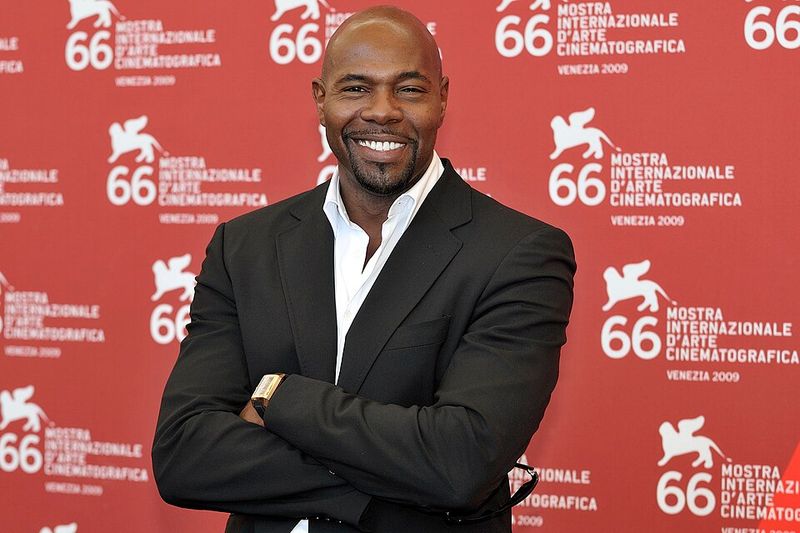
Training Day (2001) didn’t just win Denzel Washington an Oscar – it established its director as a master of gritty, intense action cinema that Hollywood could bank on.
He’s consistently delivered box-office hits that blend social consciousness with pulse-pounding entertainment.
His commercial success helped normalize the idea of Black directors helming major studio tentpoles, highlighting that talent and vision transcend race.
9. F. Gary Gray
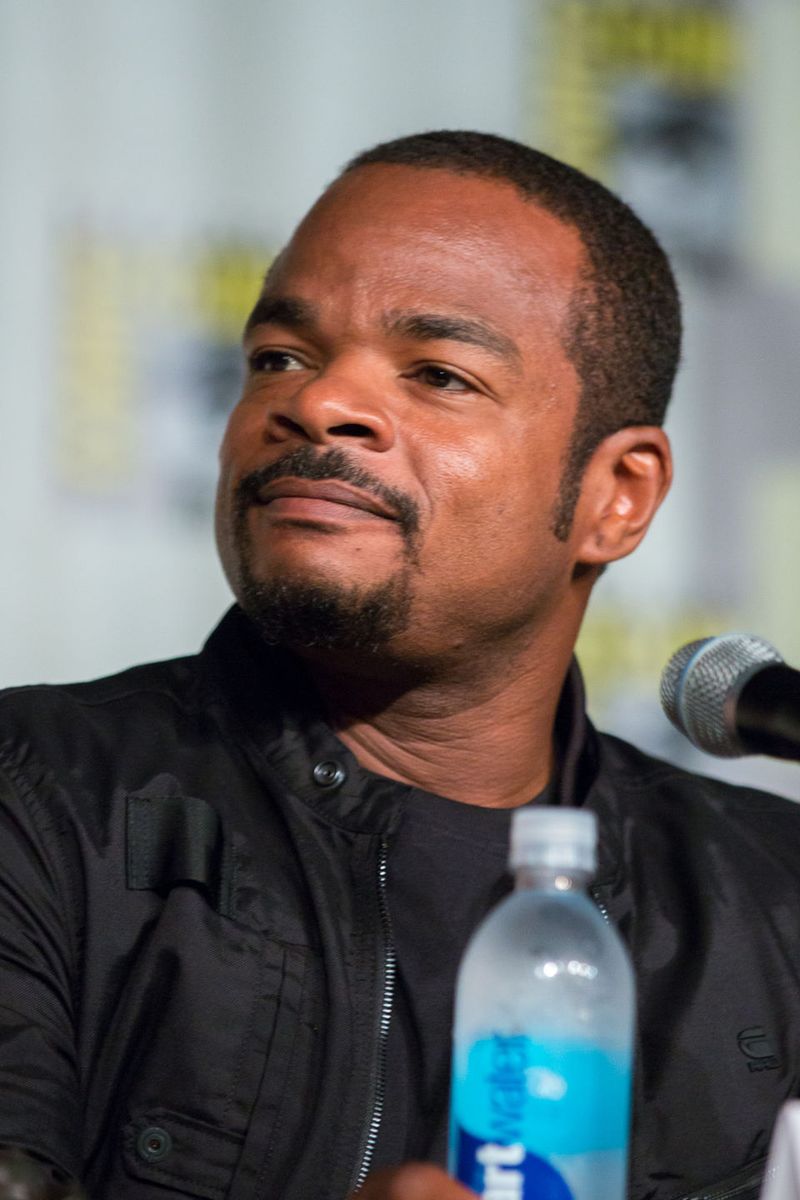
Friday (1995) showed he could capture authentic community voices with humor and heart. Then The Fate of the Furious proved he could handle $250 million blockbusters. Talk about range!
His career demonstrates that box-office scale and cultural specificity aren’t enemies – they’re powerful partners.
Easily going from music videos to Straight Outta Compton to the Fast & Furious franchise, he’s moved seamlessly between genres and budgets.
10. Lee Daniels
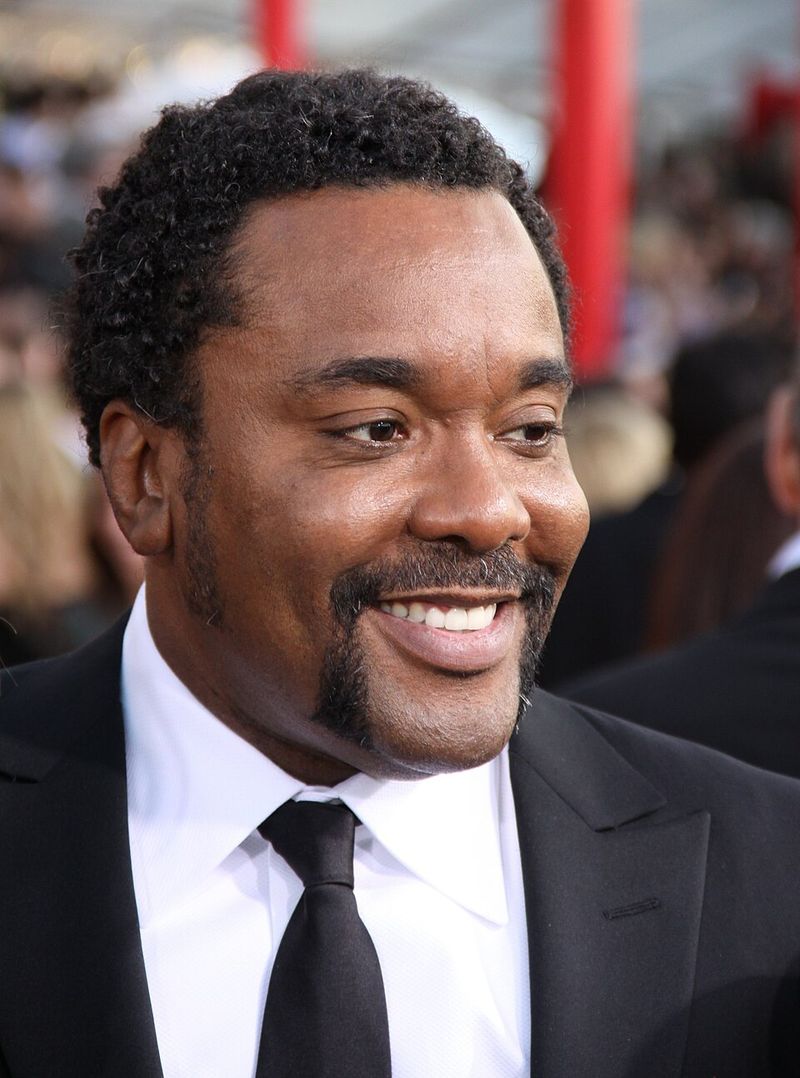
Few films in recent memory landed with such raw force, and in 2009, Precious drew multiple Oscar nominations while underscoring that challenging stories about Black life belonged in the prestige conversation.
He’s never shied away from complex, sometimes controversial narratives, whether exploring LGBTQ+ themes, historical racism, or family dysfunction.
His work across film and television helped expand what mainstream audiences expected from Black storytelling.
11. Ava DuVernay
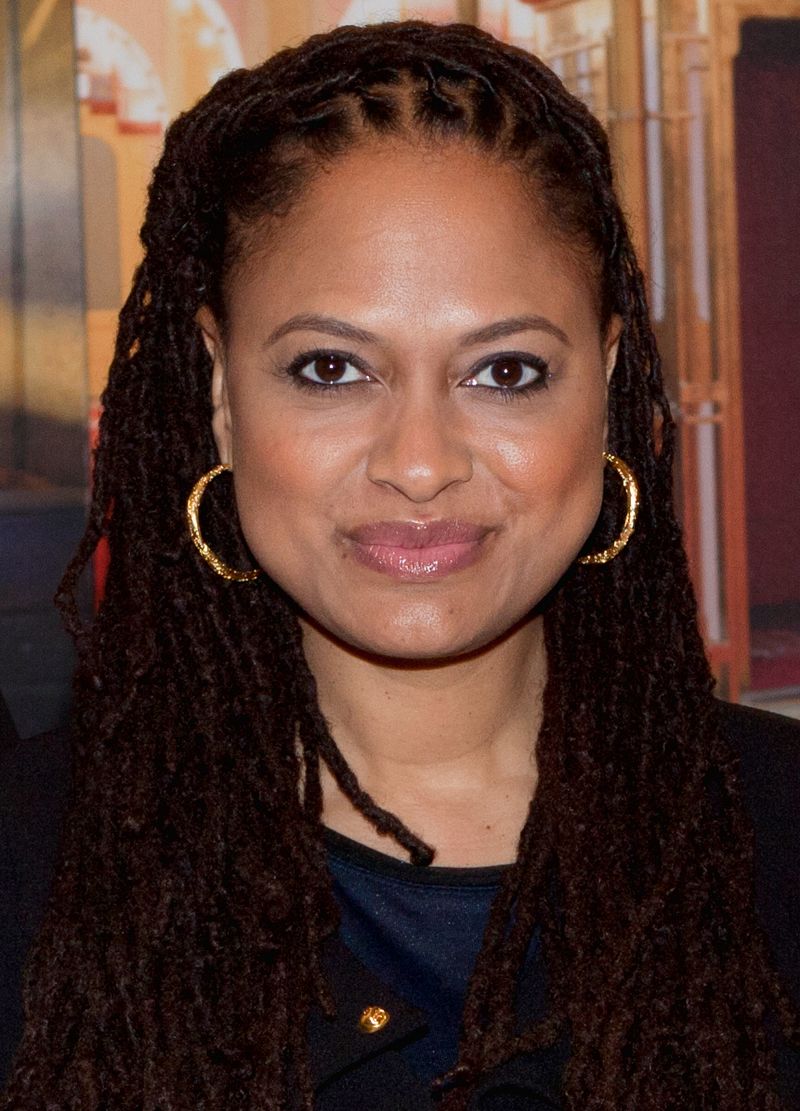
She’s collected “firsts” like some people collect stamps: first Black woman to win Best Director at Sundance, first to direct a $100 million studio film, first nominated for a Golden Globe for Best Director.
But her real superpower is turning historical moments like Selma and When They See Us into urgent, emotionally devastating cinema that demands social change.
She’s also built a distribution company (ARRAY) to amplify other marginalized voices.
Her influence extends far beyond her own camera, reshaping the entire landscape of opportunity.
12. Steve McQueen
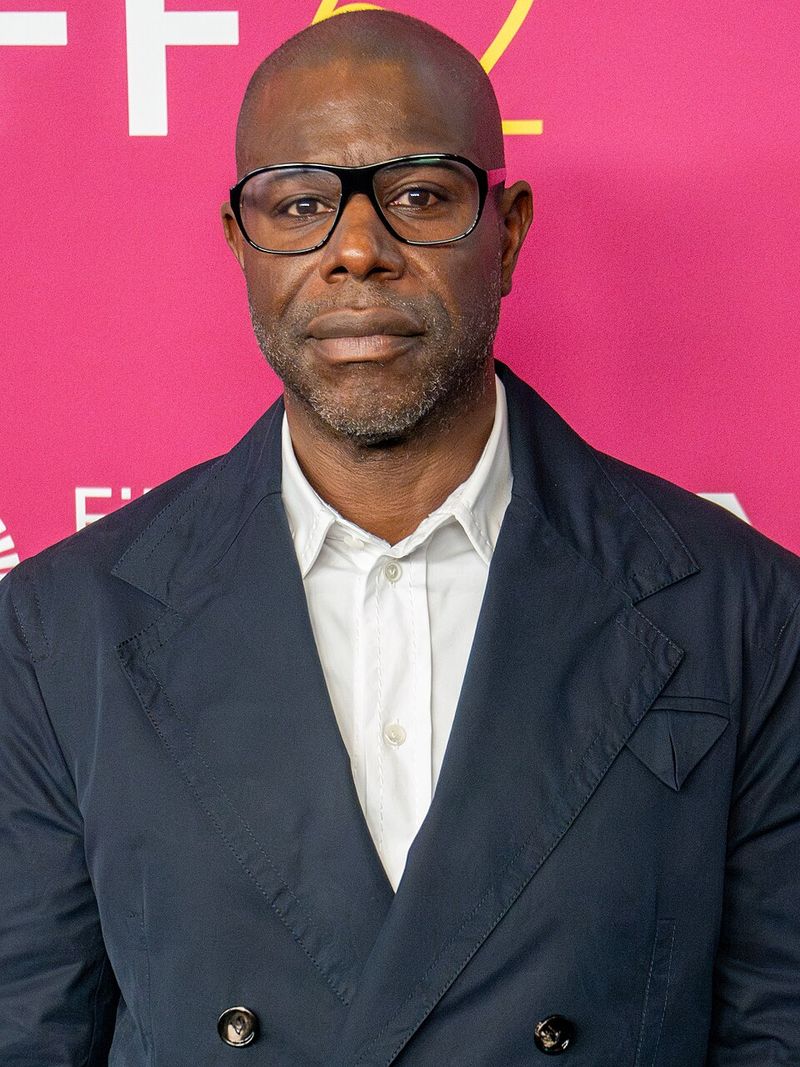
When 12 Years a Slave won Best Picture in 2014, it marked a watershed moment: the first time a film directed by a Black filmmaker claimed cinema’s highest honor.
This British artist brings a visual intensity to everything he creates, whether exploring historical trauma or contemporary injustice.
His unflinching approach to difficult subjects forces audiences to confront uncomfortable truths.
13. Ryan Coogler
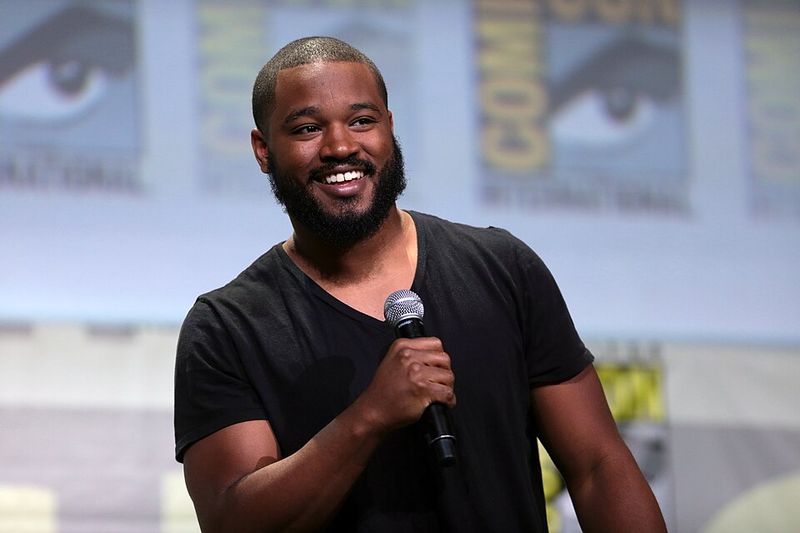
Fruitvale Station (2013) announced a major new talent. Then Black Panther (2018) changed the entire game, becoming a cultural phenomenon and the first superhero film nominated for Best Picture.
He reframed what modern studio blockbusters could center, putting African culture and Black excellence at the heart of a massive franchise.
His ability to blend intimate character work with spectacular action proved that representation and entertainment aren’t opposing forces.
14. Barry Jenkins
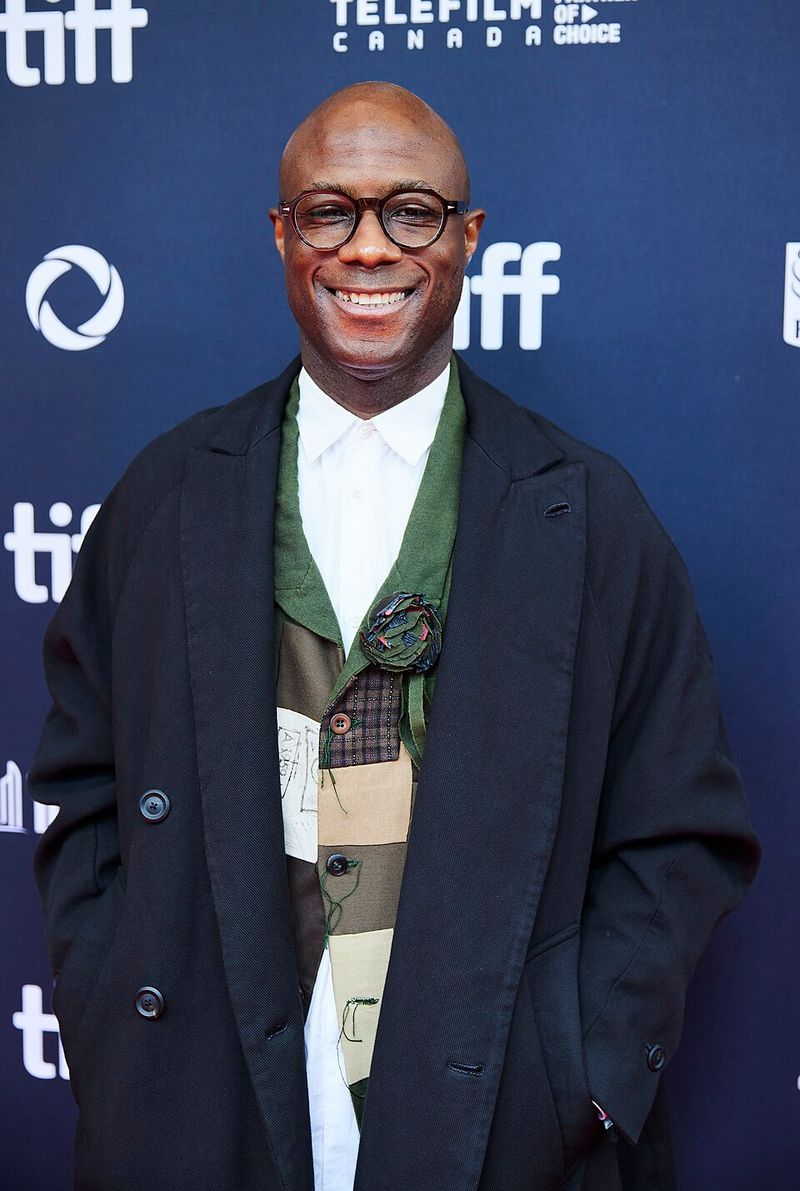
History was made in 2006 when Moonlight centered a tender, lyrical story about a young gay Black man struggling to find himself.
His visual style feels like watching poetry, with every frame carefully composed to convey emotion and beauty.
He elevates character-driven Black storytelling into the heart of modern awards conversations.
His work proves that quiet, intimate films can carry as much power as any action blockbuster, touching hearts worldwide.
15. Dee Rees
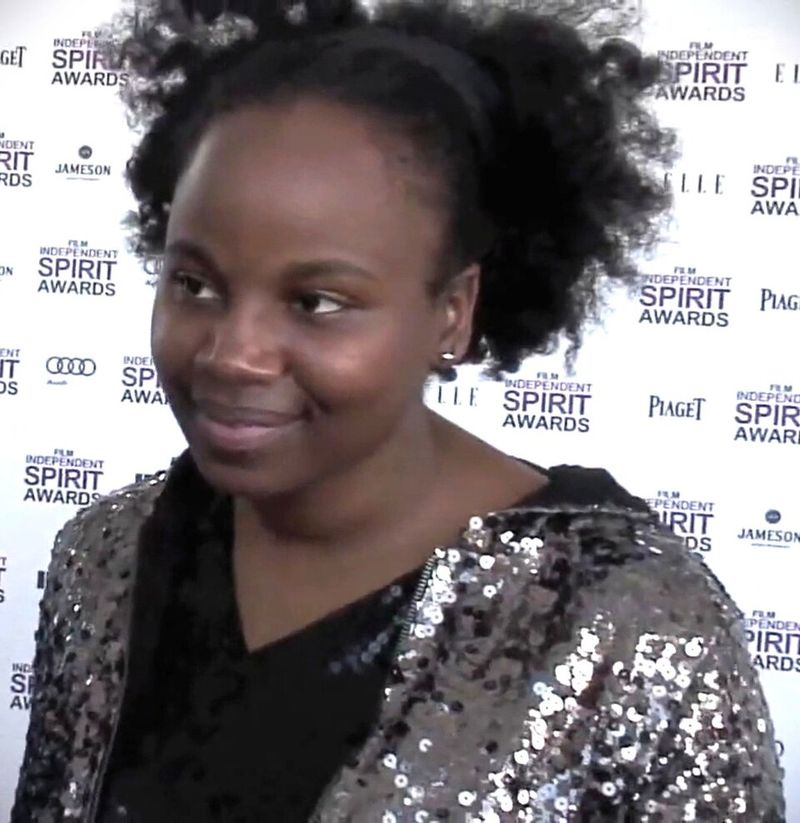
Mudbound (2017) earned her an Oscar nomination for Best Adapted Screenplay, making her the first Black woman to achieve that honor. Not too shabby!
Her work spans historical drama (Mudbound), contemporary LGBTQ+ stories (Pariah), and biopics (Bessie), always with emotional depth and visual sophistication.
She expanded mainstream appetite for layered, historically grounded narratives that don’t simplify complex experiences.
Every project demonstrates her commitment to authenticity and her refusal to let characters become stereotypes or easy symbols.
16. Jordan Peele
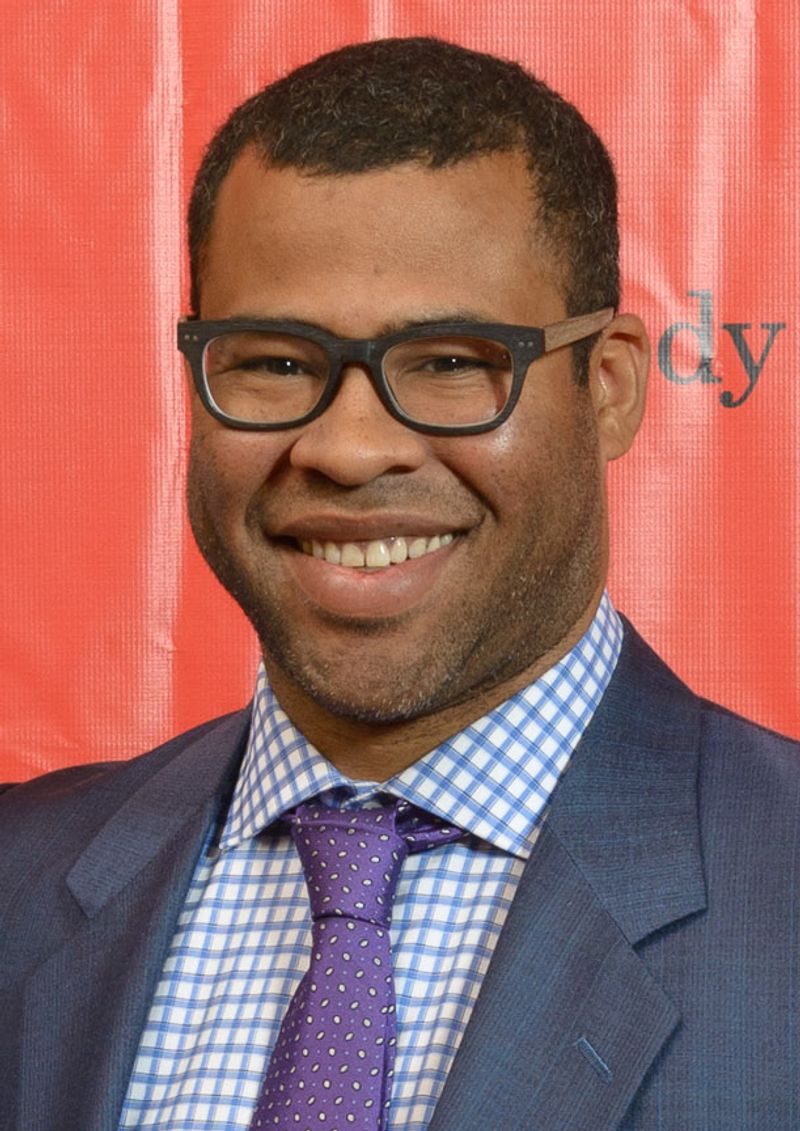
Who knew that the guy from Key & Peele would become horror’s most important voice?
Get Out (2017) exploded onto screens, earning him an Oscar for Best Original Screenplay and creating a new template for smart, socially conscious genre films.
His ability to blend terror, humor, and biting social commentary has made him one of Hollywood’s most bankable directors.
Us and Nope continued his hot streak, proving his debut wasn’t a fluke.
17. Gina Prince-Bythewood
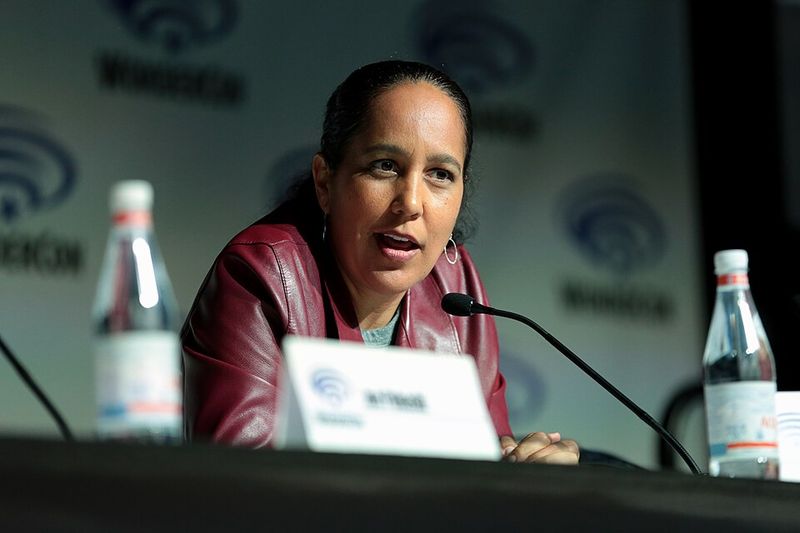
Love & Basketball (2000) remains the gold standard for sports romance, but she didn’t stop there. The Old Guard proved she could handle big-budget action with heart and sophistication.
She’s strengthened the case for putting Black women at the center of romance, action, and character-driven drama, genres that too often overlook them.
Her characters feel real, their struggles genuine, their triumphs earned through more than just plot convenience.
18. Nia DaCosta
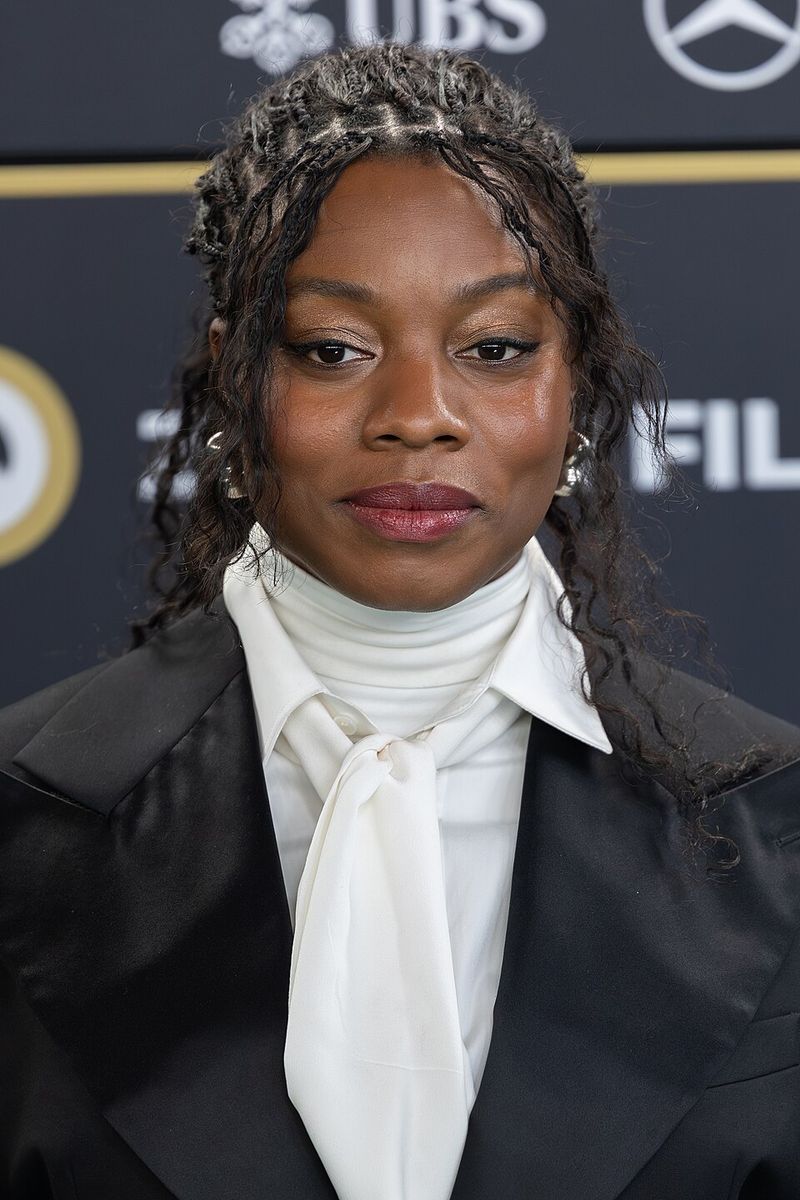
Little Woods introduced her as a talent to watch.
Candyman (2021) confirmed she could reimagine horror classics with fresh perspective. Then The Marvels made her the first Black woman to direct a Marvel Studios film!
She represents a newer wave reshaping studio franchises and originals with contemporary visual language and narrative approaches.
Though she’s early in her career, her impact is already being felt across Hollywood, opening doors for the next generation behind her.