13 Blockbusters Sabotaged By Terrible Sound Mixing
Sound mixing is one of those invisible superpowers that holds a movie together. When it works perfectly, nobody notices.
When it fails, every muffled line, booming explosion, and awkward volume shift pulls you out of the story. Huge budgets, A-list actors, and stunning visuals cannot save a film when audiences spend half the runtime asking, “What did they just say?” Over the years, several major blockbusters earned criticism for confusing dialogue, overpowering music, or effects so loud they drown out everything else.
Instead of feeling immersed, viewers reach for subtitles, rewind scenes, or give up trying to follow the plot. Poor audio design may not appear in trailers, yet it can ruin the entire experience once the lights go down.
Action spectacles, sci-fi epics, and superhero adventures prove that great sound mixing matters just as much as acting, directing, or visual effects in modern Hollywood films today alone onscreen everywhere.
1. The Dark Knight Rises (2012)
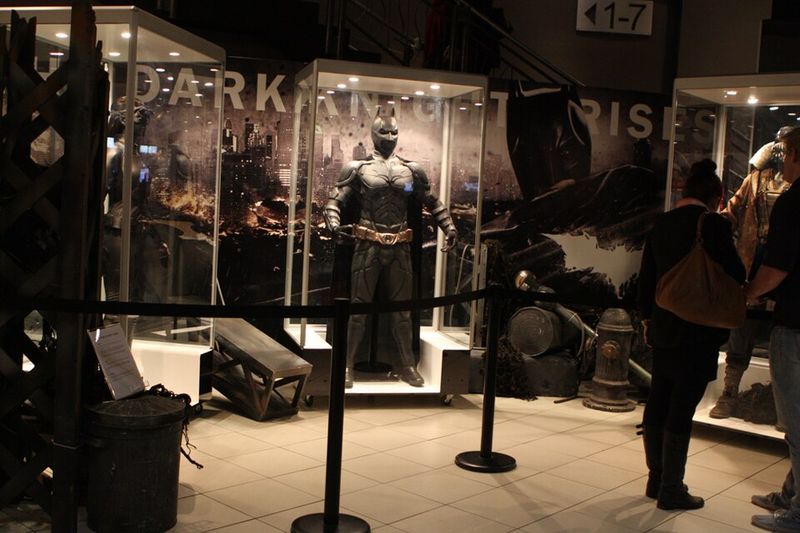
Bane arrived as one of cinema’s most physically imposing villains, but half his menacing monologues got lost in translation. Tom Hardy wore a mask covering most of his face, and the audio engineers faced a genuine challenge capturing clear dialogue underneath it.
Early screenings sparked immediate backlash, forcing Warner Bros. to adjust audio levels before wide release.
Even after fixes, many viewers still struggled to follow Bane’s speeches clearly. How can a villain feel truly terrifying if audiences cannot understand a single threat?
Hardy’s performance deserved better support. A great actor plus bad sound mixing equals a frustrating experience nobody signed up for.
2. Mad Max (1979)

Long before chrome-spraying War Boys became cultural icons, the original Mad Max was already battling its own enemy: a shoestring budget that left audio quality in rough shape. Dialogue scenes frequently sounded hollow, muffled, or strangely distant.
Background road noise sometimes overpowered conversations completely, leaving international audiences especially confused.
American distributors actually dubbed the entire film into different accents for US release, partly because the Australian dialogue was so hard to follow. Funny?
Absolutely. Ideal?
Not even close. Despite its raw energy and iconic car chases, the audio struggles remain a genuine blemish on an otherwise legendary franchise starter.
3. Public Enemies (2009)

Michael Mann shot Public Enemies on digital video for a raw, documentary-like feel. Bold choice.
However, the experimental approach created serious audio headaches. Dialogue levels bounced all over the place, and ambient noise from period-accurate environments frequently drowned out conversations between characters.
Johnny Depp and Christian Bale delivered committed performances, yet crucial scenes felt muddy and unclear. Audiences following the John Dillinger story needed clean, crisp dialogue to stay emotionally connected.
If you cannot hear what the bank robber is planning, tension evaporates instantly. Mann prioritized cinematic realism but accidentally sacrificed one of storytelling’s most essential tools: audible human voices.
4. Madame Web (2024)
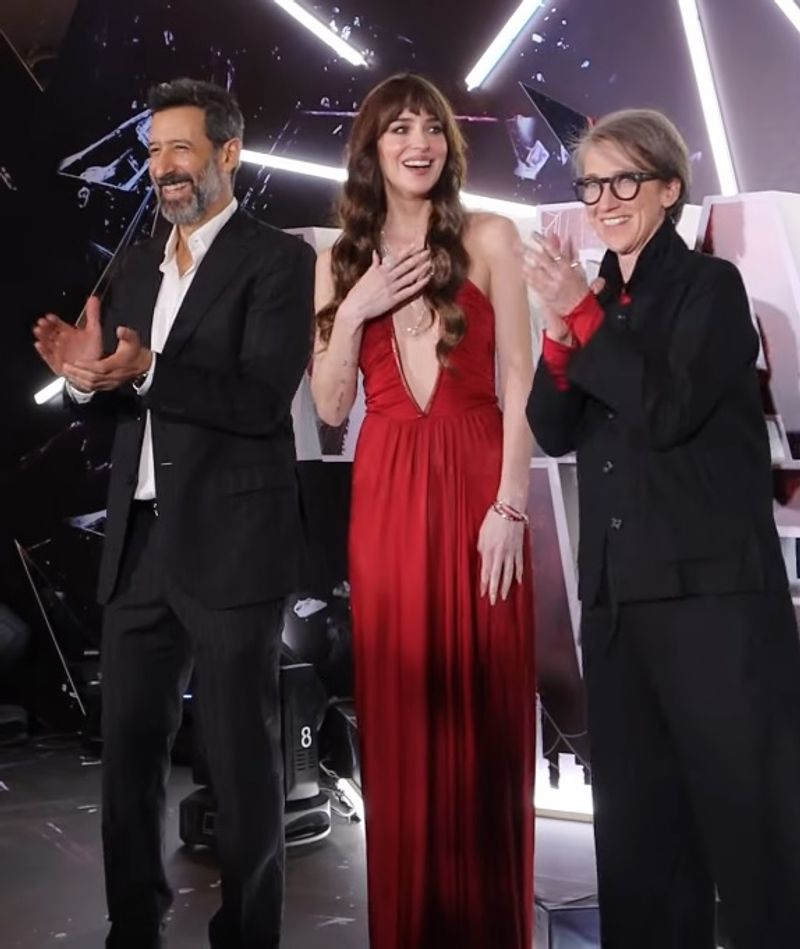
Few films in recent memory sparked as much online mockery as Madame Web, and the ADR work played a starring role in the disaster. ADR stands for Automated Dialogue Replacement, which is basically re-recording lines in a studio after filming wraps.
When done well, audiences never notice. Here?
It was painfully obvious.
Lip movements frequently mismatched the audio, creating an almost surreal disconnect. Some lines sounded like they were recorded in a broom closet.
Viral clips spread across social media almost instantly, turning a would-be superhero origin story into an unintentional comedy highlight reel. Sound mixing should never become the most memorable part of a movie for all the wrong reasons.
5. Transformers: Age of Extinction (2014)
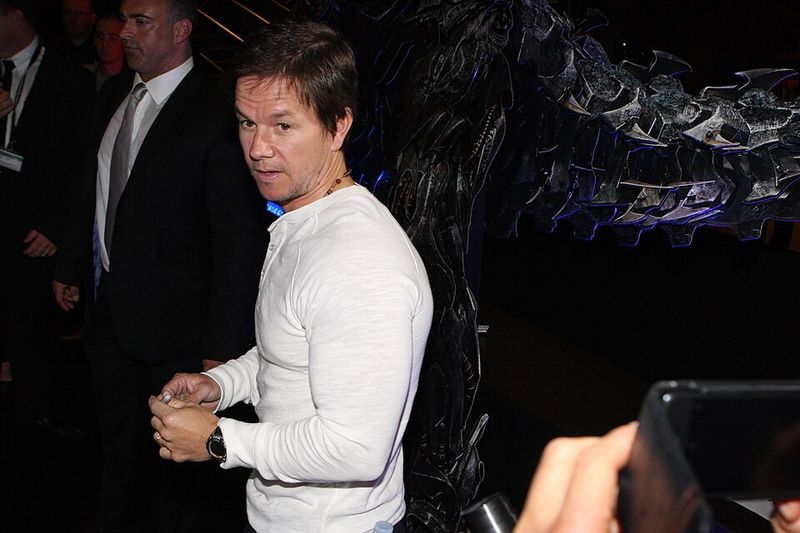
Michael Bay movies are practically synonymous with sensory overload, but Age of Extinction cranked everything to eleven and forgot to leave room for actual dialogue. Metal-crunching robot battles, screaming jet engines, and orchestral chaos competed aggressively against every spoken line.
Audiences reported genuine fatigue from the relentless audio assault.
Mark Wahlberg and Stanley Tucci tried valiantly to deliver their lines through the noise storm. Spoiler: the explosions won every single round.
Sound mixing exists to create balance and guide emotional focus. Louder does not automatically mean better.
Sometimes a quiet moment hits harder than a thousand clanging robot fists combined.
6. Interstellar (2014)
Another Christopher Nolan entry, and honestly, not a huge surprise. Interstellar delivered breathtaking visuals and an emotionally gutting story, but certain key scenes were nearly incomprehensible audio disasters.
Hans Zimmer’s organ-heavy score, while beautiful in isolation, frequently buried Matthew McConaughey’s dialogue during emotionally pivotal moments.
Nolan acknowledged the mixing choices were deliberate, wanting audiences to feel overwhelmed alongside the characters. Noble idea.
Frustrating execution. Viewers missed critical plot information during scenes meant to land like emotional gut punches.
A film about humanity’s survival probably should not make audiences feel like they need a hearing test immediately afterward. Just saying.
7. Batman v Superman: Dawn of Justice (2016)
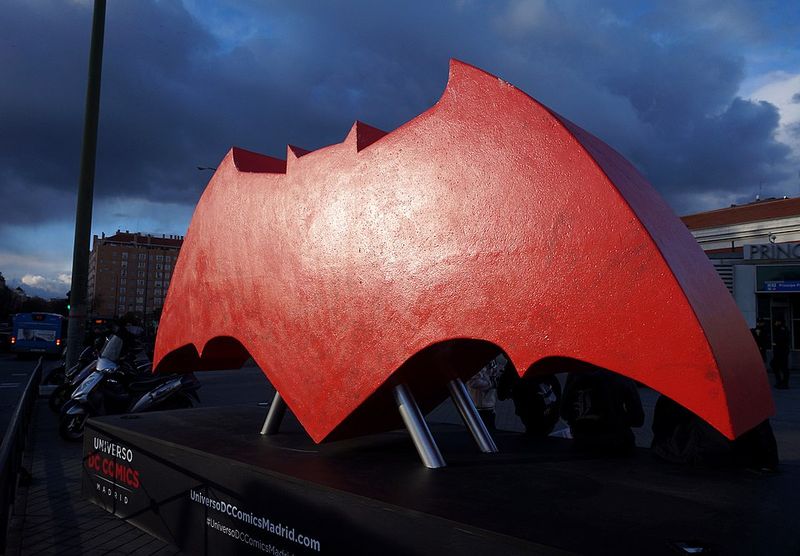
DC’s ambitious superhero showdown had plenty of problems, and muddled audio was hiding quietly among them. Certain scenes, particularly action sequences, blended sound effects and score so aggressively that character motivations became genuinely unclear.
Audiences already wrestling with a complicated plot needed every line delivered with crystal clarity.
Instead, key exchanges sometimes drowned in booming orchestral swells. Jesse Eisenberg’s already polarizing Lex Luthor performance suffered further when crucial lines landed as indistinct audio soup.
Sound mixing is supposed to guide emotional investment, not accidentally sabotage it. A movie with a budget exceeding 250 million dollars probably should not leave viewers squinting their ears trying to follow the conversation.
8. Dunkirk (2017)
War films thrive on tension, and Dunkirk built extraordinary suspense through sound design. However, the aggressive approach also made dialogue nearly impossible to follow in several scenes.
Soldiers shouting over roaring Spitfire engines and crashing waves created an authentically chaotic atmosphere that occasionally crossed into audio frustration territory.
Some critics praised the immersive soundscape enthusiastically. Many regular viewers just wanted to understand what characters were actually saying to each other.
Sound mixing should serve both goals simultaneously, not force audiences to choose between atmosphere and comprehension. Dunkirk remains a technical marvel, but its audio choices sparked genuine debate that has never fully quieted down.
9. The Mummy (2017)
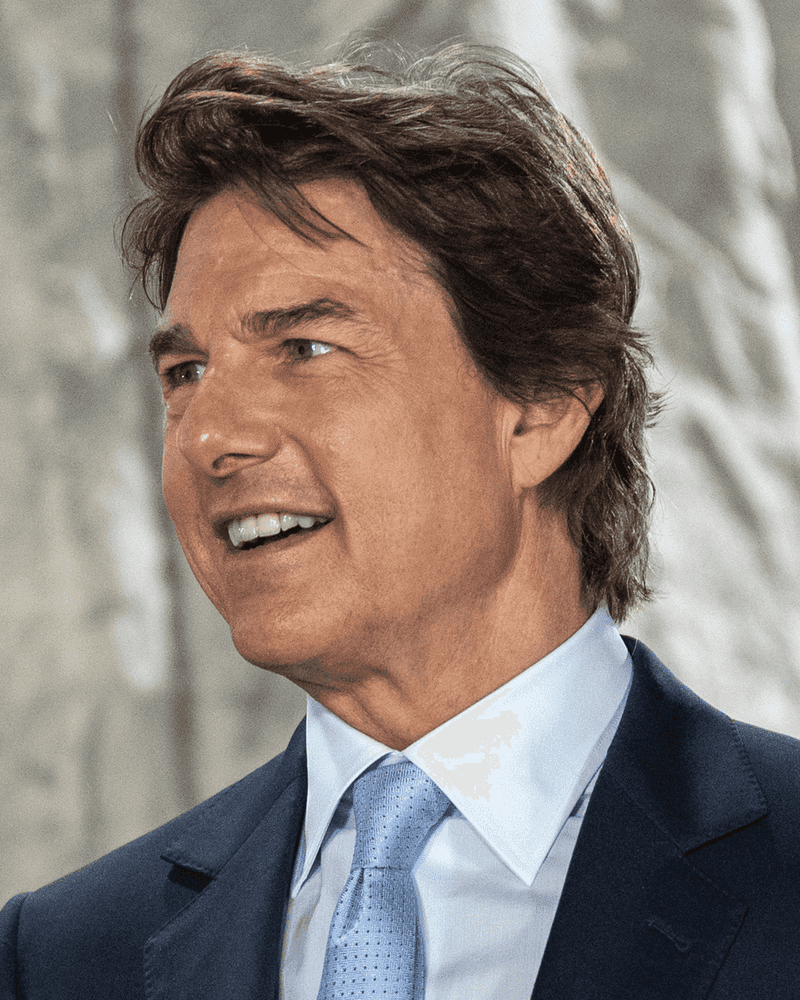
Universal’s attempt to launch a Dark Universe franchise stumbled badly, and sound mixing added extra trouble to an already rocky production. Action sequences frequently overwhelmed dialogue, leaving viewers confused about character motivations during pivotal story moments.
Tom Cruise’s trademark intensity could not cut through the audio chaos in multiple scenes.
Sofia Boutella’s mummy villain deserved a more commanding audio presence, but mixing choices buried some of her most important moments under layers of sound effects. A franchise launch needs audiences fully engaged and emotionally invested from minute one.
Unclear audio is like putting a static screen between a film and its viewers. Nobody buys a ticket for that experience.
10. Cloverfield (2008)
Found-footage films walk a creative tightrope between authentic chaos and watchable storytelling. Cloverfield leaned so hard into raw realism that audio quality suffered significantly.
Characters screaming over monster roars and collapsing buildings created scenes where crucial plot information vanished completely into the noise.
The handheld camera style intentionally mimicked amateur video, which meant professional audio mixing took a back seat. Bold artistic decision?
Sure. Comfortable viewing experience?
Absolutely not for many audience members. Horror works best when viewers feel connected to characters in danger.
If screamed warnings and vital decisions cannot be heard clearly, emotional stakes collapse faster than a skyscraper hit by a giant monster tail.
11. Pirates of the Caribbean: At World’s End (2007)
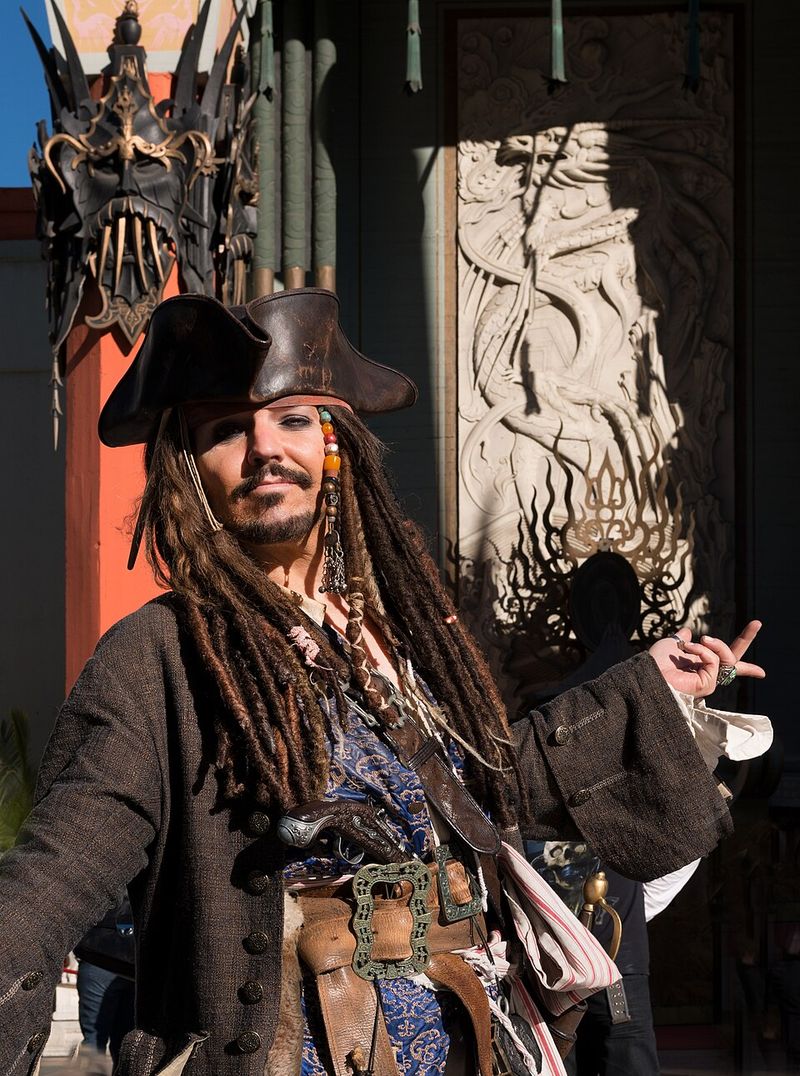
Running nearly three hours long, At World’s End packed in more storylines, characters, and action sequences than most trilogies combined. Sound mixing struggled to keep pace.
Battle scenes featuring multiple ships, cannon fire, crashing waves, and overlapping character conversations created genuine audio nightmares where plot clarity became a luxury item.
Jack Sparrow’s witty one-liners, arguably the whole franchise’s greatest asset, occasionally disappeared into the audio storm. Hans Zimmer’s rousing score competed aggressively for attention during moments that needed dialogue front and center.
Longer films demand even more careful sound architecture. Epic scale should never become an excuse for letting crucial story moments sink beneath the waves.
12. Godzilla (2014)
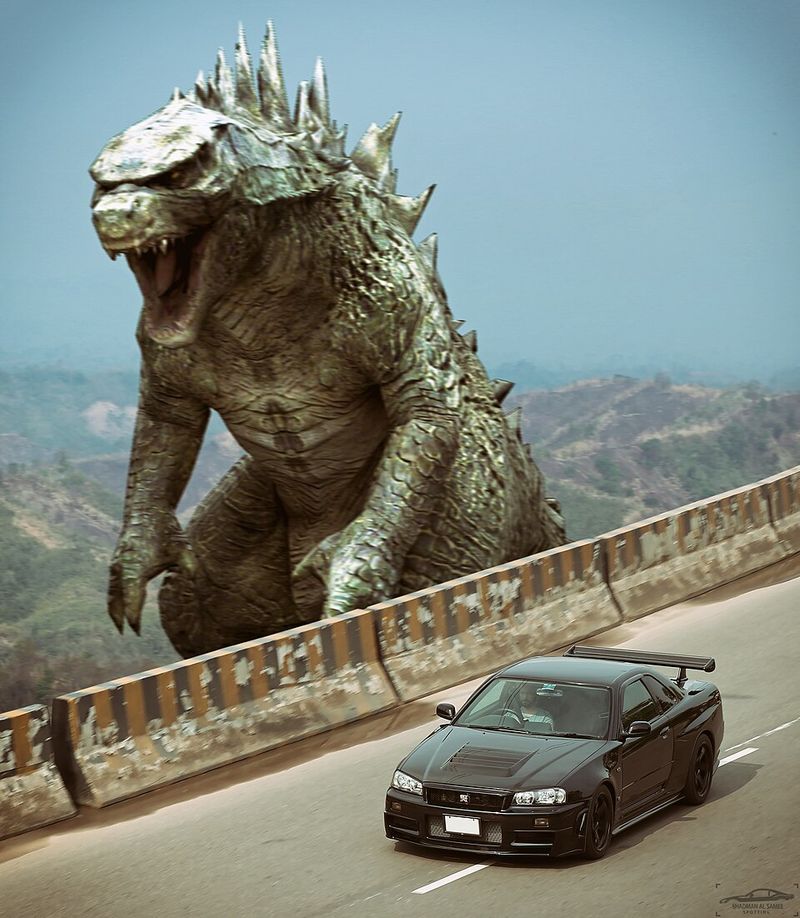
Legendary’s Godzilla reboot earned praise for building genuine suspense, but audio mixing created a strange imbalance throughout. Godzilla’s iconic roar received thunderous, earth-shaking treatment while human dialogue scenes frequently felt thin and flat by comparison.
The contrast was jarring enough to pull viewers out of the emotional experience repeatedly.
Aaron Taylor-Johnson’s soldier character carried enormous narrative weight, yet key scenes where his performance needed to land clearly were undercut by inconsistent audio levels. Mixing should create a seamless emotional journey, not highlight the gap between monster spectacle and human drama.
Even Godzilla would probably roar in frustration at these avoidable audio engineering decisions.
13. Avatar: The Way of Water (2022)
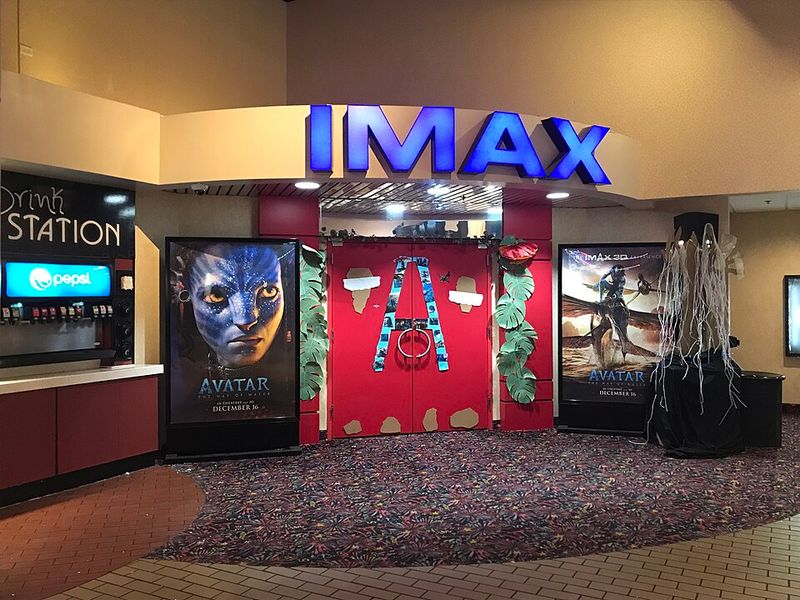
James Cameron waited over a decade to deliver Avatar’s sequel, and visually, it absolutely delivered. Audio mixing, however, stirred up notable complaints.
The underwater sequences, stunning to watch, created environments where ambient ocean sounds and sweeping musical scores frequently competed against dialogue. Viewers reported straining to follow conversations during extended underwater action scenes.
A three-hour-plus runtime makes audio clarity absolutely non-negotiable. Losing story information midway through a film of this length leaves audiences feeling genuinely disconnected.
Cameron is a legendary technical filmmaker, so the mixing shortcomings surprised many industry observers. Spectacular visuals can carry a movie only so far before clear, well-mixed audio must step up and carry its fair share.