15 Booker Prize-Winning Novels That Shaped Modern Fiction
Good evening, book lovers, critics, and people who swore they were only reading one chapter.
Welcome to the Booker Prize stage, where the plots are sharp, the prose is sharper, and the winners casually make the rest of us question our life choices. Since 1969, the Booker Prize has crowned novels so good they do not just win, they move in and rearrange your brain.
Tonight’s fifteen champions did more than impress a panel. They bent genres, stretched language, and turned “just a book” into a full emotional event.
If applause could be bound in hardback, these stories would already need a sequel.
Disclaimer: The content is provided for general informational and entertainment purposes and is not legal, financial, or professional advice.
1. In A Free State (1971) – V. S. Naipaul
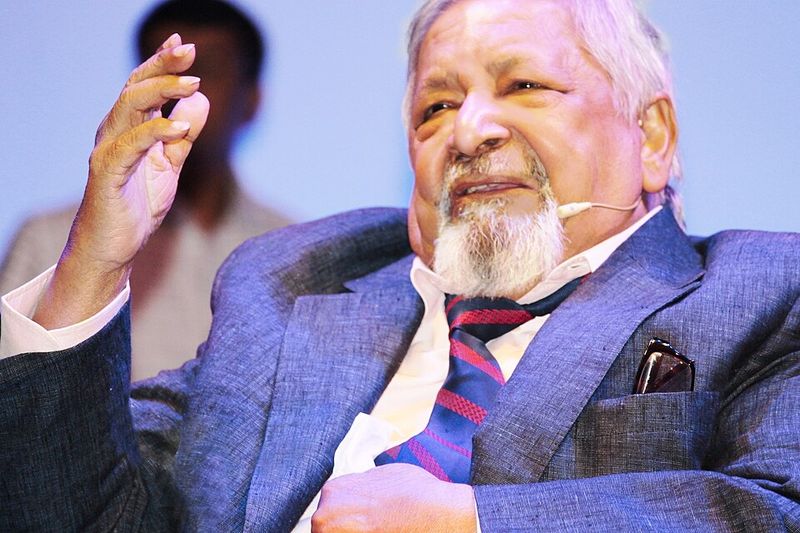
Prose lands with clean, controlled force, with Naipaul keeping every sentence sharp and controlled. Characters drift through newly independent nations, caught between colonial ghosts and uncertain futures.
Comfort and preaching never arrive, as the book offers a cool and unsettling mirror held up to power and displacement. Reading it feels like a conversation that makes you squirm but refuses to let you look away.
Quiet evenings fit best when you are ready to think hard about belonging and the spaces people occupy.
2. The Conservationist (1974) – Nadine Gordimer

South Africa’s moral landscape emerges with clarity, as Gordimer avoids turning the novel into a lecture.
At the center stands a white landowner whose life embodies contradiction, balancing privilege, denial, and a fragile sense of control over a country shifting beneath his feet. Tension hums quietly through the prose.
Politics become personal, intimate, and impossible to ignore, creating a masterclass in narrative restraint.
Readers leave with the sense that one character can carry an entire nation’s fractures, like a cracked mirror reflecting a broken system.
3. The Inheritance Of Loss (2006) – Kiran Desai
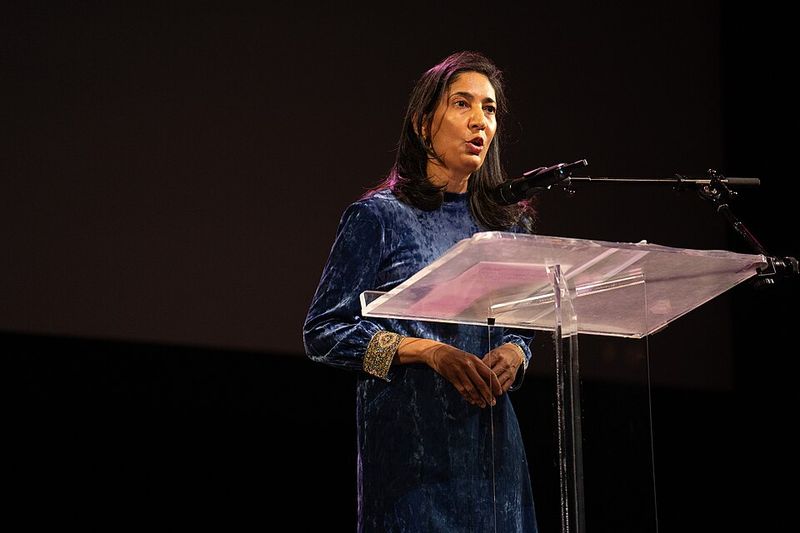
Globalization gets a human face in Desai’s layered story of migration and longing. Characters ping-pong between India and the West, chasing dreams that shimmer like mirages.
The novel captures the ache of wanting more while losing what you had. It’s the literary equivalent of scrolling through old photos on your phone, realizing how much distance – emotional and physical – can accumulate between goodbyes and hellos.
4. The Luminaries (2013) – Eleanor Catton

Victorian novels receive a bold makeover. Set against New Zealand’s gold rush, Catton constructs a mystery as intricate as a Swiss watch.
Astrological structure shapes the narrative framework, yet the characters remain alive, messy, and convincingly real. Ambition and accessibility share the same page without competing for attention.
Readers drawn to puzzles and period drama may find themselves turning pages well past bedtime, calendar reminders left glaring and unread.
5. The Sense Of An Ending (2011) – Julian Barnes

Memory lies. Barnes knows it, and so does his narrator, Tony Webster, a retired man unpacking decades of self-deception.
The novel feels like finding an old diary and realizing you’ve been the villain in your own story all along.
Compact and devastating, it rewired how contemporary fiction handles unreliable narrators. Perfect for a rainy afternoon when you’re ready to question everything you think you remember about your own past.
6. Wolf Hall (2009) – Hilary Mantel

Through close access to Thomas Cromwell’s mind, Mantel turns court intrigue into a high-stakes chess match.
Present-tense narration allows history to breathe. Costume drama gives way to something closer to a psychological thriller dressed in doublets and ruffs.
Readers who once associated historical fiction with dusty prose received a wake-up call, as the story moves with the momentum of a prestige television series unfolding one brilliant scene after another.
7. The True History Of The Kelly Gang (2001) – Peter Carey

Ned Kelly’s voice roars off the page, unfiltered and wild.
Carey channels Australia’s most famous outlaw through a stylized, no-punctuation voice that feels like a found manuscript. The result?
A novel that reads like a confession scrawled by candlelight.
It’s proof that voice alone can carry an entire book, inspiring countless writers to take bigger risks with how their characters speak and think.
8. Possession: A Romance (1990) – A. S. Byatt
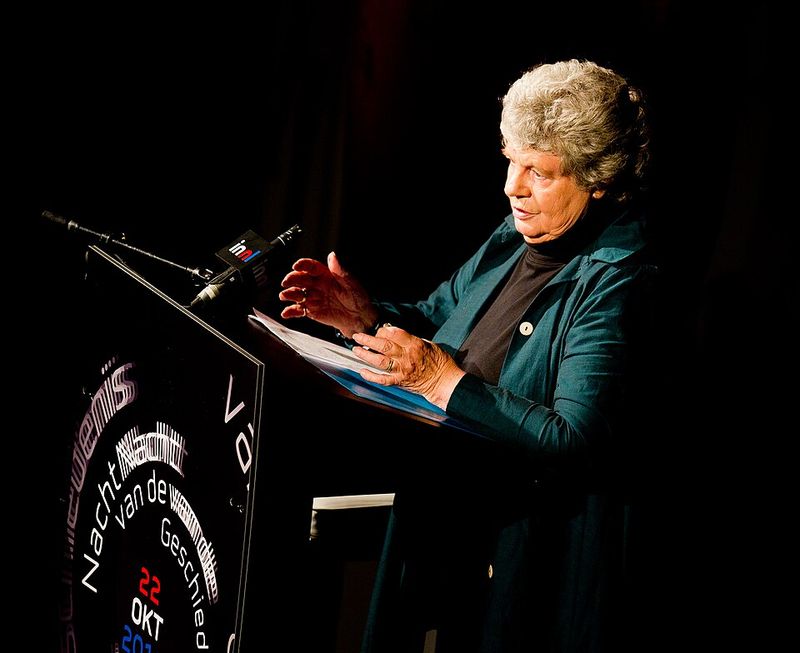
Literary detective work collides with Victorian romance in a brainy page-turner.
Two scholars chase clues tied to a secret love affair between long-dead poets, as the narrative shifts between past and present with confident ease. A puzzle box structure drives the plot without losing emotional warmth.
Readers experience both the thrill of discovery and the ache of love, proving that intelligent fiction can remain deeply human rather than distant.
9. The Famished Road (1991) – Ben Okri
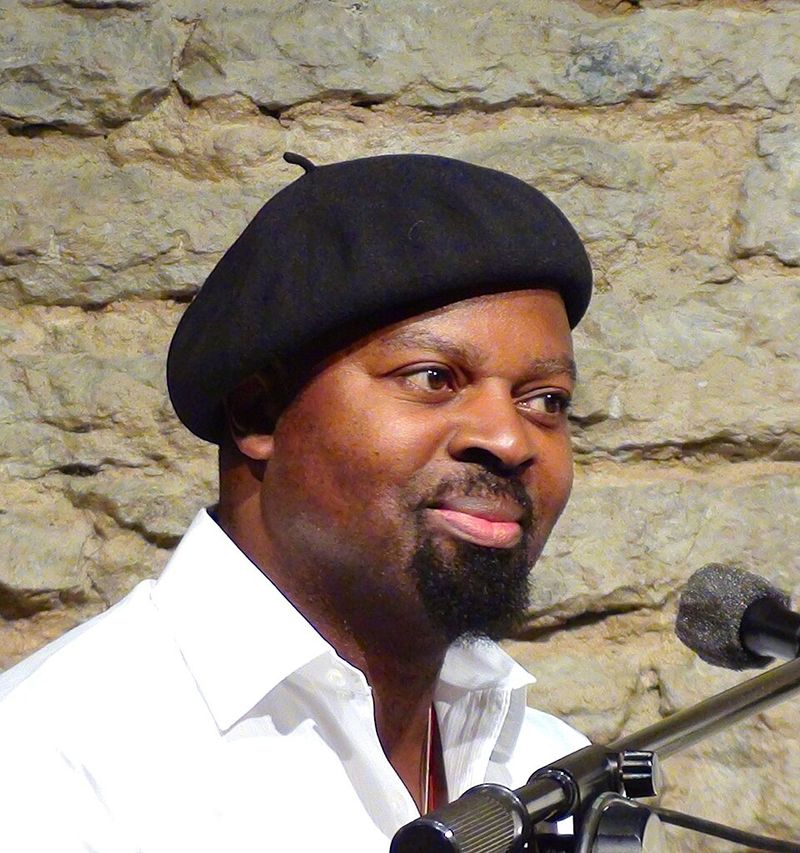
In Okri’s dreamlike vision of Nigeria, spirits move alongside the living. Azaro, a spirit-child narrator, straddles two worlds as the prose dissolves the boundary between myth and reality.
Magical realism takes shape through lived experience rather than decorative flourish.
Doors opened wider for writers eager to let mythic logic guide their stories without apology or explanation.
10. The Blind Assassin (2000) – Margaret Atwood

Three narratives nest inside one another like Russian dolls. Atwood weaves together a dying woman’s memoir, a scandalous novel-within-a-novel, and newspaper clippings to tell a story of secrets, sacrifice, and storytelling itself.
The structure shouldn’t work, but it does.
It’s a masterclass in layered fiction, inspiring a generation of writers to experiment with nested timelines and unreliable documents.
11. The God Of Small Things (1997) – Arundhati Roy

A debut arrived with the force of a thunderclap. Language bends into unfamiliar shapes as Roy twists English with unexpected capitals, invented words, and sentences that seem to sing.
Through a child’s perspective, a story of forbidden love and family tragedy in Kerala unfolds, turning familiar emotions into something startlingly new.
Lyrical rule-breaking reached mainstream readers here without sacrificing beauty or depth.
12. Disgrace (1999) – J. M. Coetzee

Comfort disappears under Coetzee’s restrained hand. On his daughter’s farm in post-apartheid South Africa, a disgraced professor retreats while violence and moral reckoning quietly await.
Lean prose delivers impact with almost brutal restraint, refusing easy answers or tidy redemption.
Fiction like this asks readers to sit with discomfort, shaping a generation of writers who favor cold precision over warm reassurance.
13. The English Patient (1992) – Michael Ondaatje
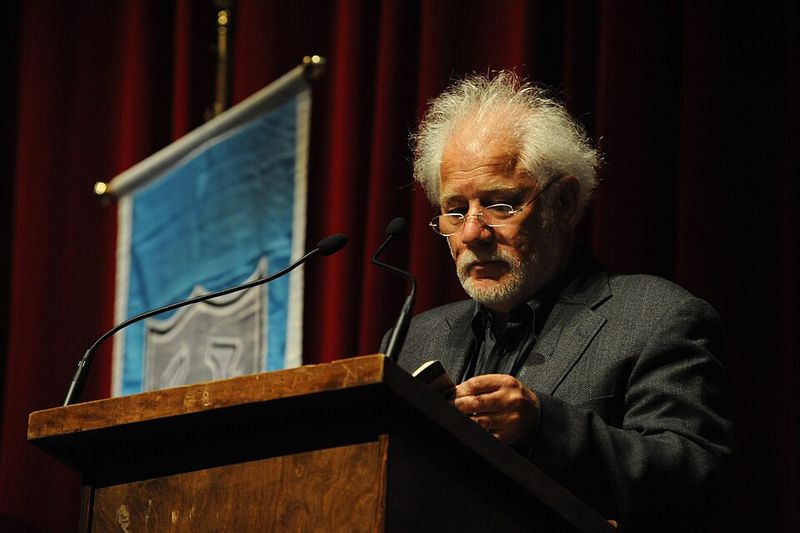
War, memory, and intimacy collide in an Italian villa. Ondaatje’s novel moves like a fever dream, jumping through time and perspective with poetic grace.
The burned man at its center holds secrets that unfold like origami.
It’s a book that treats structure as music, inspiring later writers to trust fragmentation and lyricism over linear storytelling. Perfect for readers who love atmosphere as much as plot.
14. The Remains Of The Day (1989) – Kazuo Ishiguro

A life spent in service turns a butler’s road trip into a quiet reckoning.
Stevens tells his own story, yet his voice conceals as much as it reveals.
Understatement becomes a weapon in Ishiguro’s hands, as what remains unsaid carries more weight than any open confession. That novel set a gold standard for unreliable narrators, proving that restraint can eclipse overt drama.
15. Midnight’s Children (1981) – Salman Rushdie

Saleem Sinai’s life mirrors India’s independence, and Rushdie fuses myth, history, and voice into something entirely new.
The prose is maximalist, exuberant, stuffed with magic and politics in equal measure. It’s the book that showed postcolonial fiction could be bold, playful, and deeply serious all at once.
Countless writers built on its foundation, proving that literary ambition and cultural storytelling can dance together beautifully.