15 Books About Aviation History And Its Wider Influence
Airplanes took one look at gravity and said, cute suggestion.
Aviation rewired travel, military history, storytelling, and human ambition with such rude efficiency that the ground barely had time to feel rejected.
Cockpit memoirs, wartime accounts, reflective travel writing, and adventure narratives all appear here, showing how aviation history reached into literature and culture.
1. The Wright Brothers By David McCullough (2015)
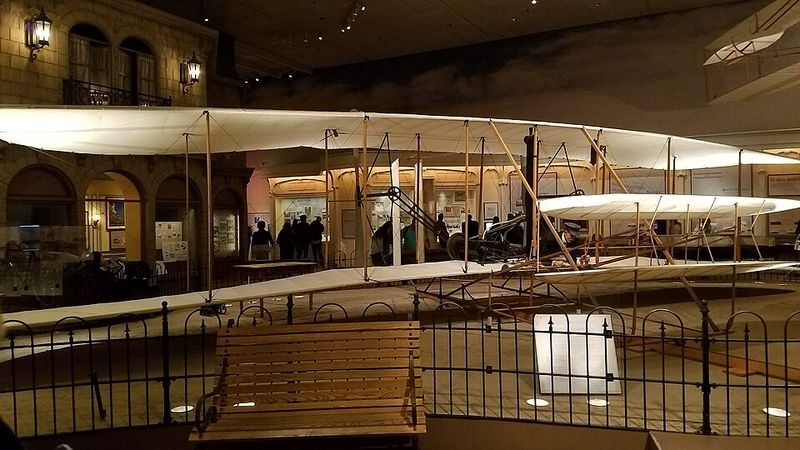
Long before flight felt ordinary, two brothers from Dayton were still wrestling with wind, balance, and repeated failure.
David McCullough builds the story from family papers and turns Wilbur and Orville Wright into working inventors rather than distant icons. Cold dunes, small experiments, and stubborn patience give the book its steady power.
World-changing moments rarely begin in a way that feels this modest.
2. Wind, Sand And Stars By Antoine De Saint-Exupery (1939)
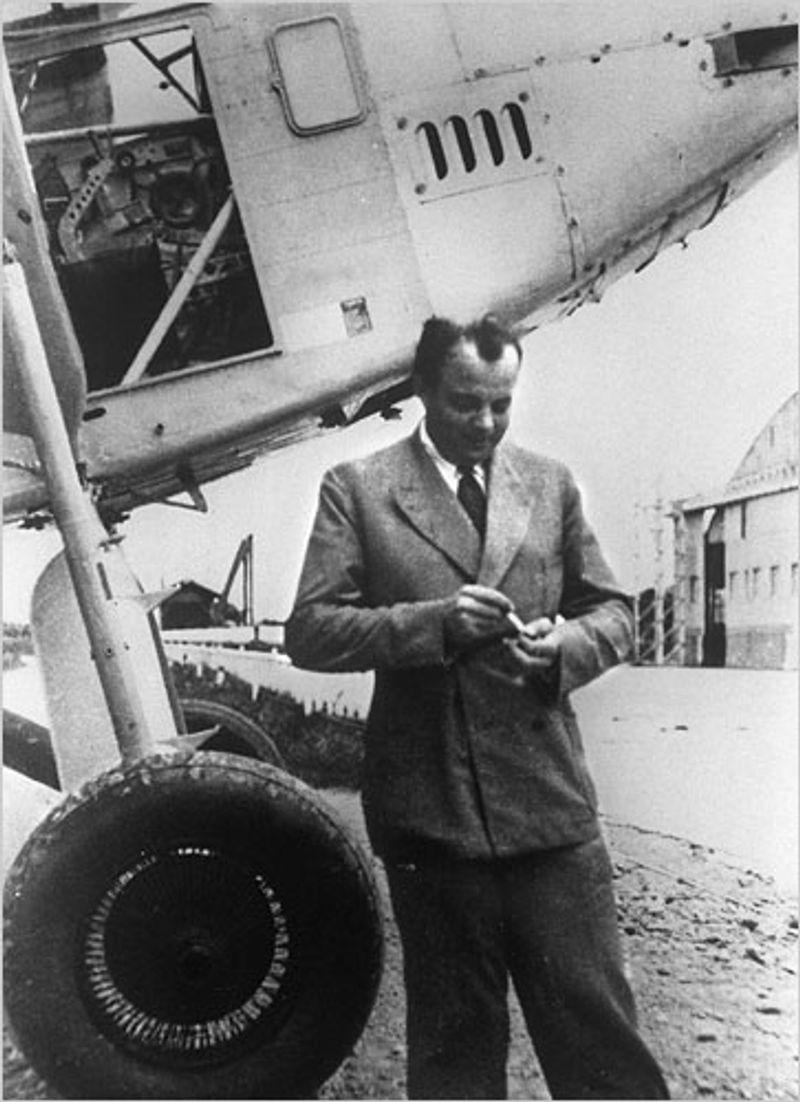
Across deserts and mountains, Antoine de Saint-Exupery found material most writers could never have shaped into prose this graceful.
Wind, Sand and Stars draws on his experiences as an aviator and went on to win the 1939 Grand Prix du roman de l’Académie française, along with major recognition in the United States. The result feels part memoir, part meditation, and part reflection on distance, risk, and human purpose.
Very few books about machinery feel this alive.
3. Night Flight By Antoine De Saint-Exupery (1931)
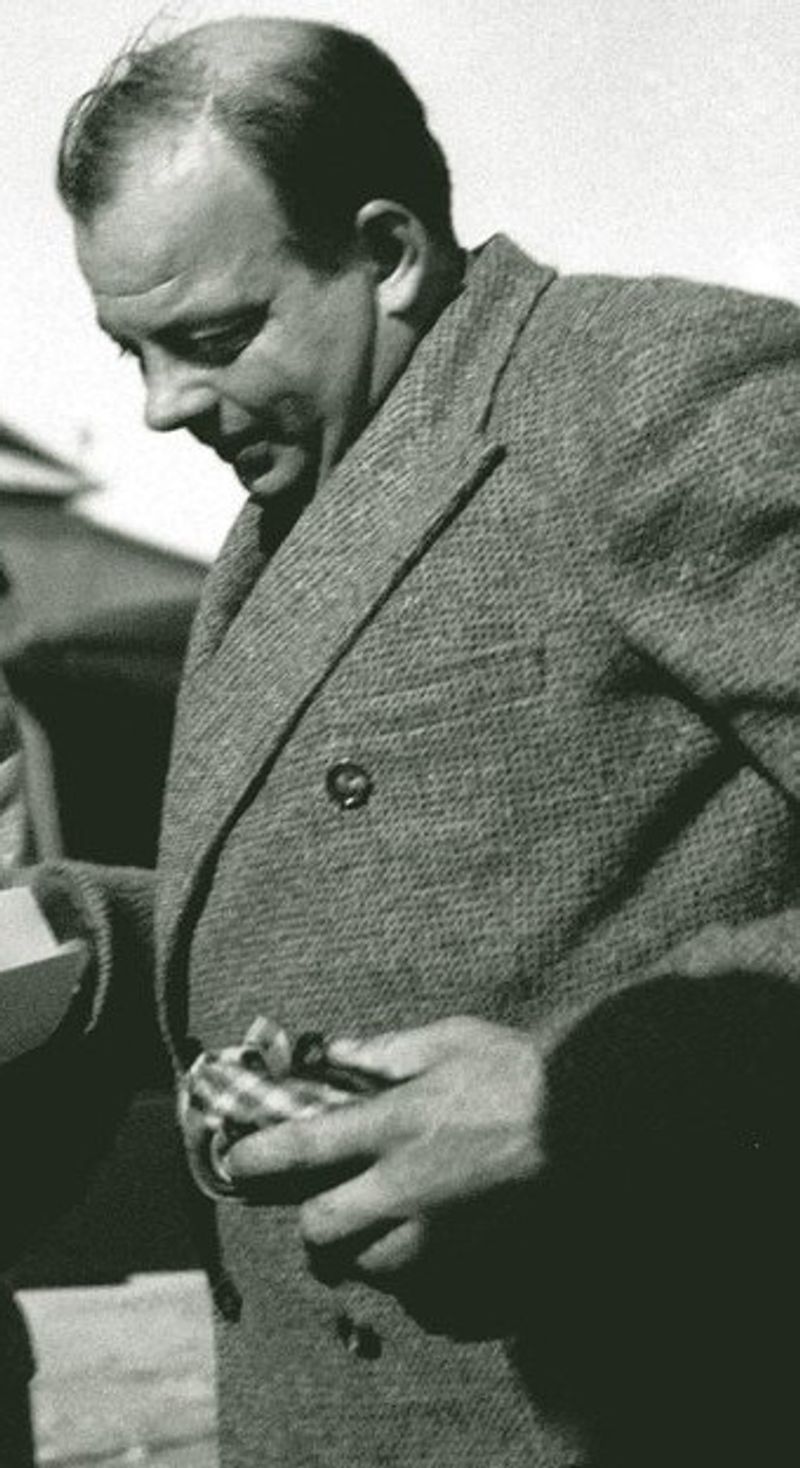
Darkness does most of the heavy lifting in this lean, tense novel. Mail pilots and ground staff move through storms, uncertainty, and impossible choices with almost no margin for error, which gives the story a pressure-cooker intensity.
No extra padding slows it down, and the risk arrives early.
Short books do not often leave this much turbulence behind.
4. We By Charles Lindbergh (1927)
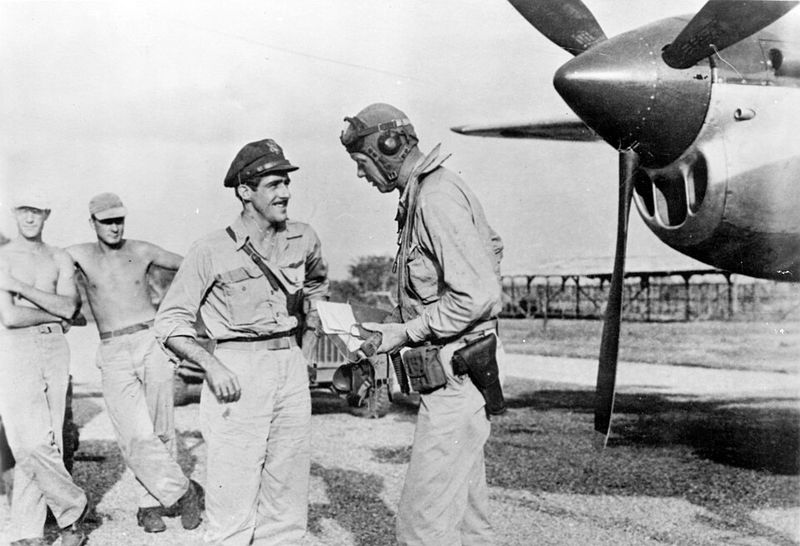
Fresh excitement runs through We, written not long after Lindbergh’s Atlantic crossing turned him into a global figure. The title says plenty on its own, since it refers to pilot and plane as a unit rather than separate things.
Rawness gives the book its appeal, with the whole account feeling close to the actual event and still buzzing from it.
Immediate firsthand perspective matters more here than literary polish.
5. The Spirit Of St. Louis By Charles Lindbergh (1953)
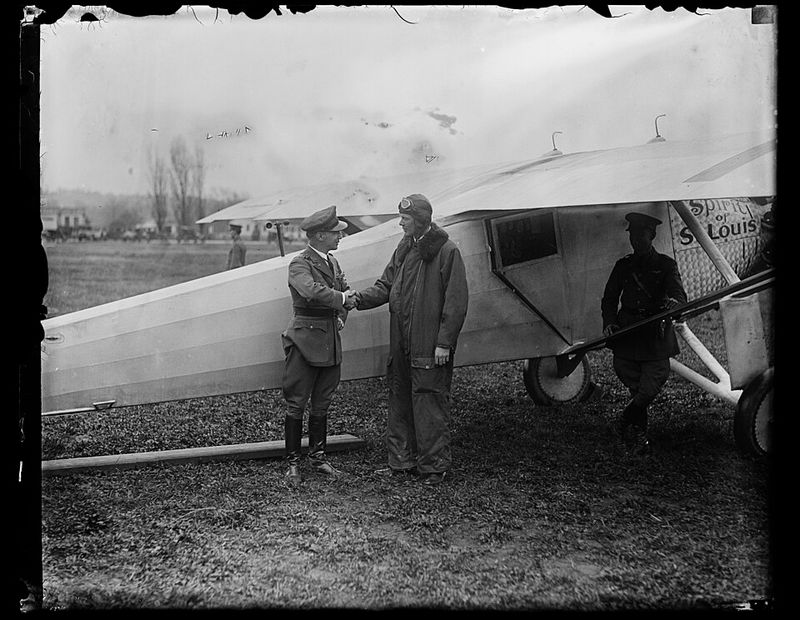
A more reflective version of the same famous flight appears in The Spirit of St. Louis, published in 1953.
Lindbergh reconstructs the trip in far greater detail, and the book later won the 1954 Pulitzer Prize. Fog, fatigue, engine noise, and the strain of staying awake give the narrative the pace of a thriller despite the familiar outcome.
Memory and endurance stay tightly linked all the way through.
6. North To The Orient By Anne Morrow Lindbergh (1935)
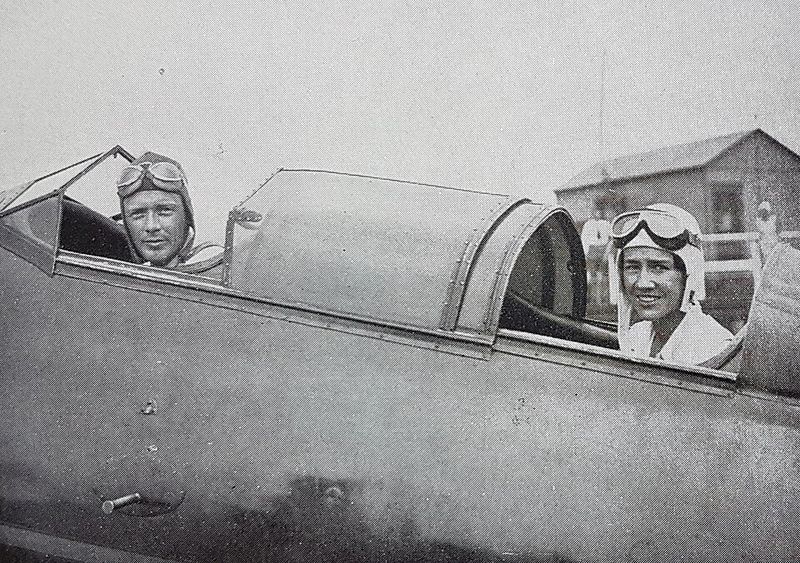
Adventure takes a different form in Anne Morrow Lindbergh’s account of a northern survey flight toward Asia.
Navigation and radio work were part of the journey, so the book carries the authority of direct involvement rather than passenger observation. Greenland, Alaska, Japan, and long stretches of isolation all come into focus through a voice that stays calm and sharply observant.
Travel writing and aviation history meet beautifully on these pages.
7. Listen! The Wind By Anne Morrow Lindbergh (1938)
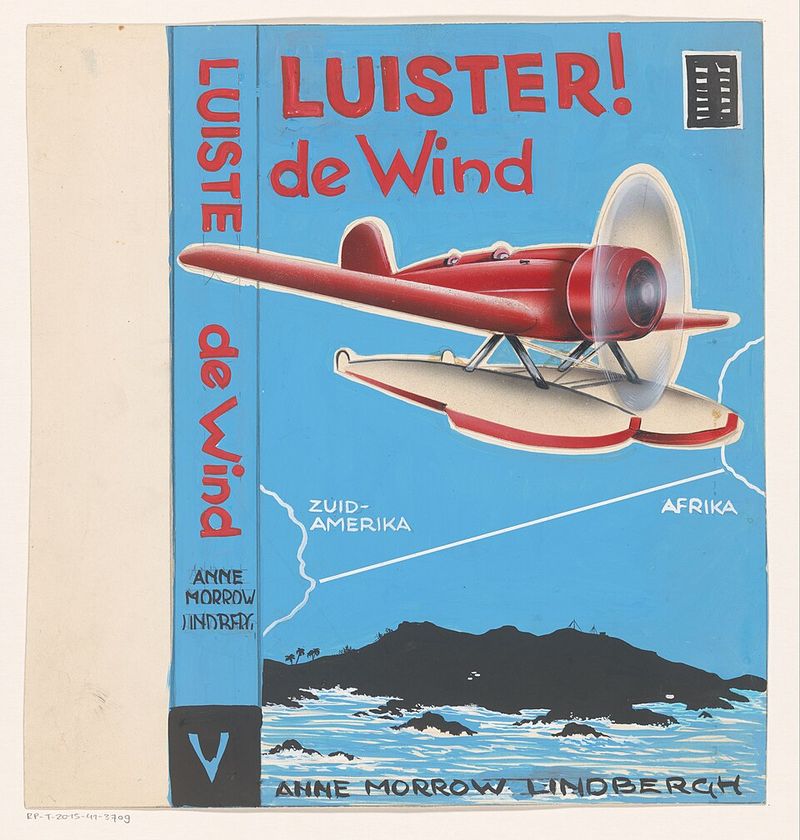
Another major flight lies behind Listen! The Wind, this time moving across the Atlantic by way of scattered islands.
Weather delays, waiting, and the peculiar intimacy of remote landing fields become central subjects instead of background details. The writing notices quiet things without ever losing the sense of risk.
Very few travel books make waiting and weather feel this charged.
8. 20 Hrs. 40 Min. By Amelia Earhart (1928)
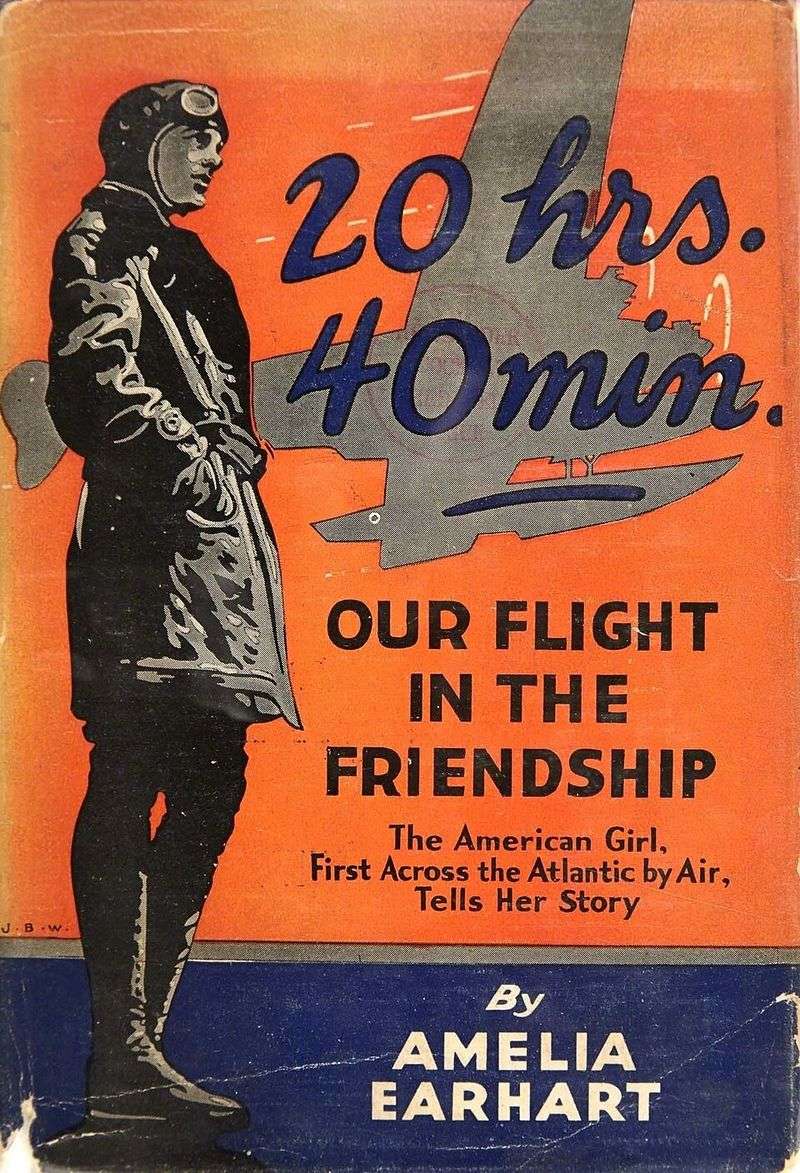
Amelia Earhart’s first Atlantic book still stands out for its candor. Rather than inflating her own role in the 1928 crossing, Earhart openly admitted the limits of being a passenger and used the experience to argue for women in aviation more broadly.
Humor and honesty give the whole book an unusually modern feel.
Straightforward writing can sometimes hit harder than heroics.
9. The Fun Of It By Amelia Earhart (1932)
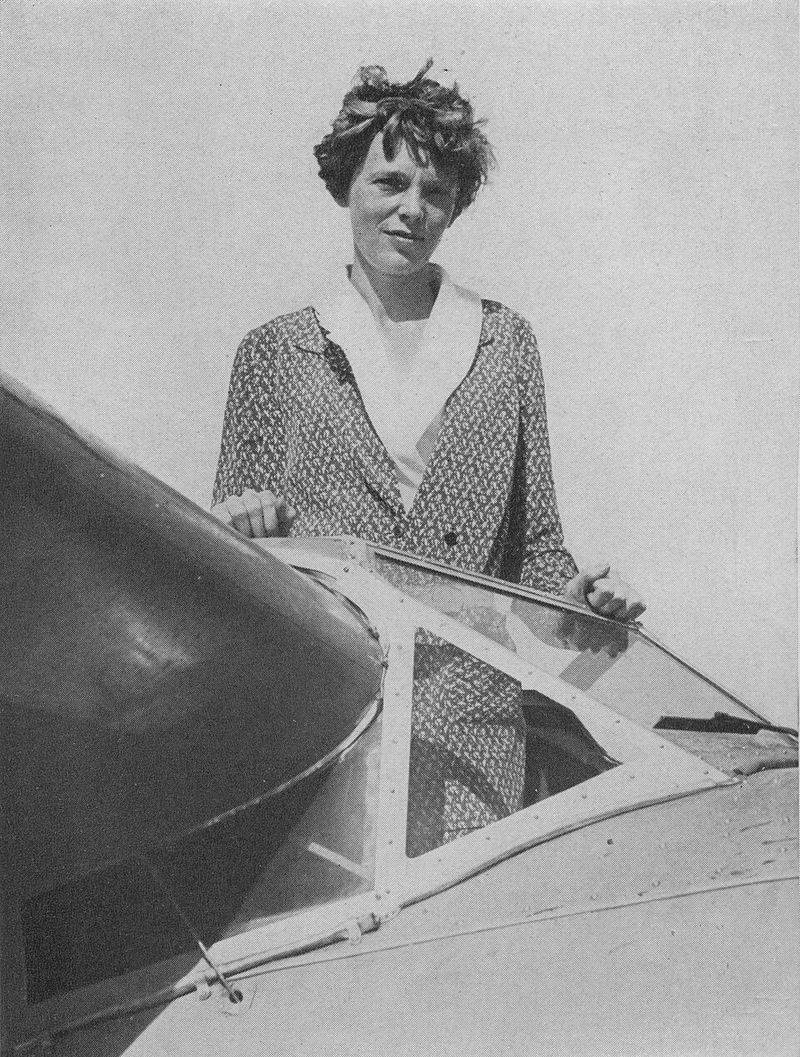
Enthusiasm lifts nearly every page of The Fun of It.
By then, Earhart had already become the first woman to fly solo across the Atlantic, and the book channels that momentum into memoir, encouragement, and practical advice.
Flight comes across not as a distant miracle but as something thrilling and reachable. Ambition looks remarkably natural in this telling.
10. Last Flight By Amelia Earhart (1937)
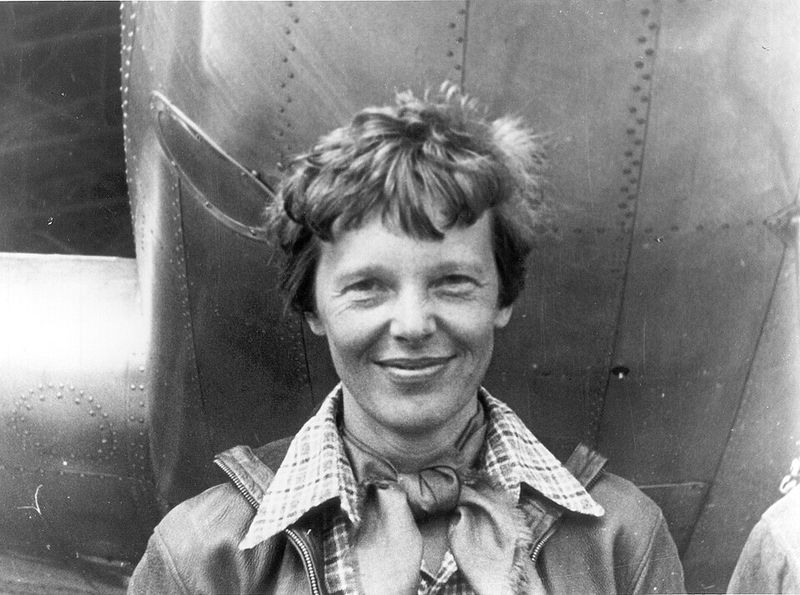
No Earhart title carries more emotional force than Last Flight. Compiled from notes and dispatches after her disappearance in 1937, the book moves forward with full determination even as the reader knows what lies ahead.
Heat, fatigue, and resolve sit close together in the final sections.
Few endings leave behind a silence this sharp.
11. West With The Night By Beryl Markham (1942)
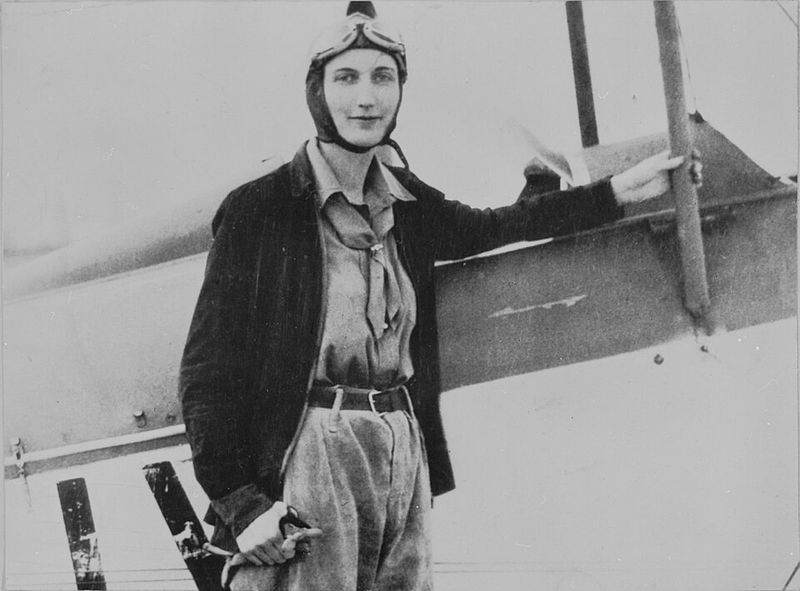
Beryl Markham’s memoir earns its reputation partly through sheer sentence quality.
Bush flying, horse training, and a trailblazing Atlantic crossing provide more than enough material, yet the real surprise is how luminous and controlled the prose feels from start to finish. Admiration for the book’s style has followed it for decades, and not without reason.
Courage and craftsmanship share equal space here.
12. Fate Is The Hunter By Ernest K. Gann (1961)
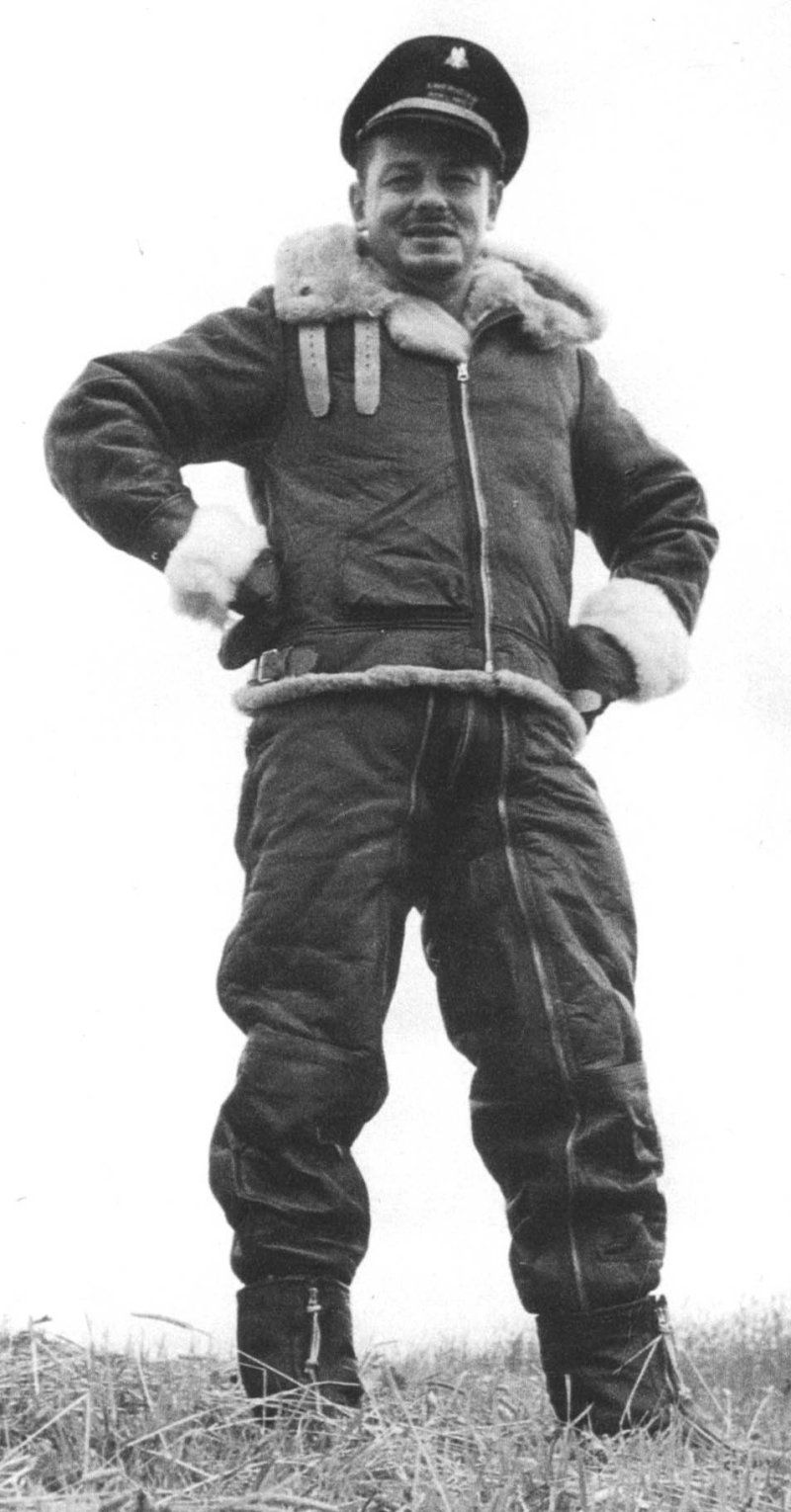
Luck, skill, weather, and instinct all collide in Ernest K. Gann’s classic memoir.
Commercial routes, mail service, near misses, and hard-earned professional knowledge give the book a blunt authority.
Flying for a living loses most of its glamour once Gann starts explaining what the work can actually demand. Several chapters stay with you like the memory of sudden turbulence.
13. Sagittarius Rising By Cecil Lewis (1936)
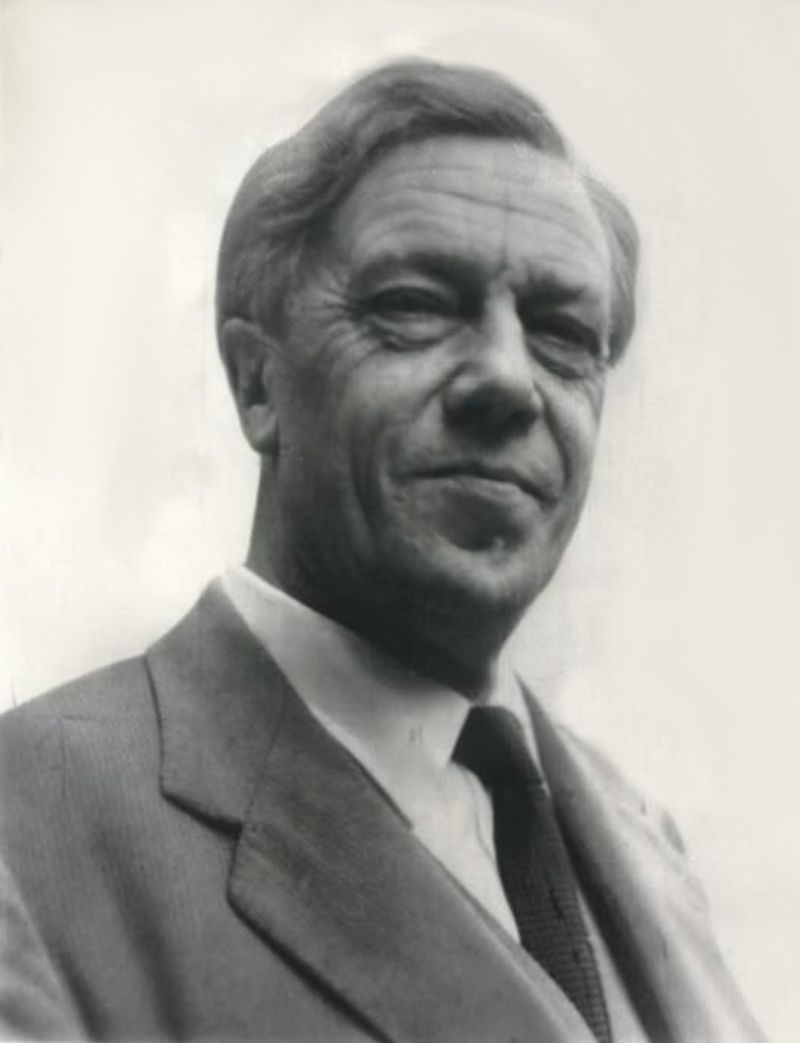
Youth and catastrophe meet in Cecil Lewis’s account of flying during the First World War.
Still very young when he took to the air over the Western Front, Lewis writes less like a chest-thumping combat memoirist and more like someone trying to understand the strange unreality of survival. Beauty and fear remain uncomfortably close throughout.
War books rarely sound this dreamlike.
14. Slide Rule: Autobiography Of An Engineer By Nevil Shute (1954)
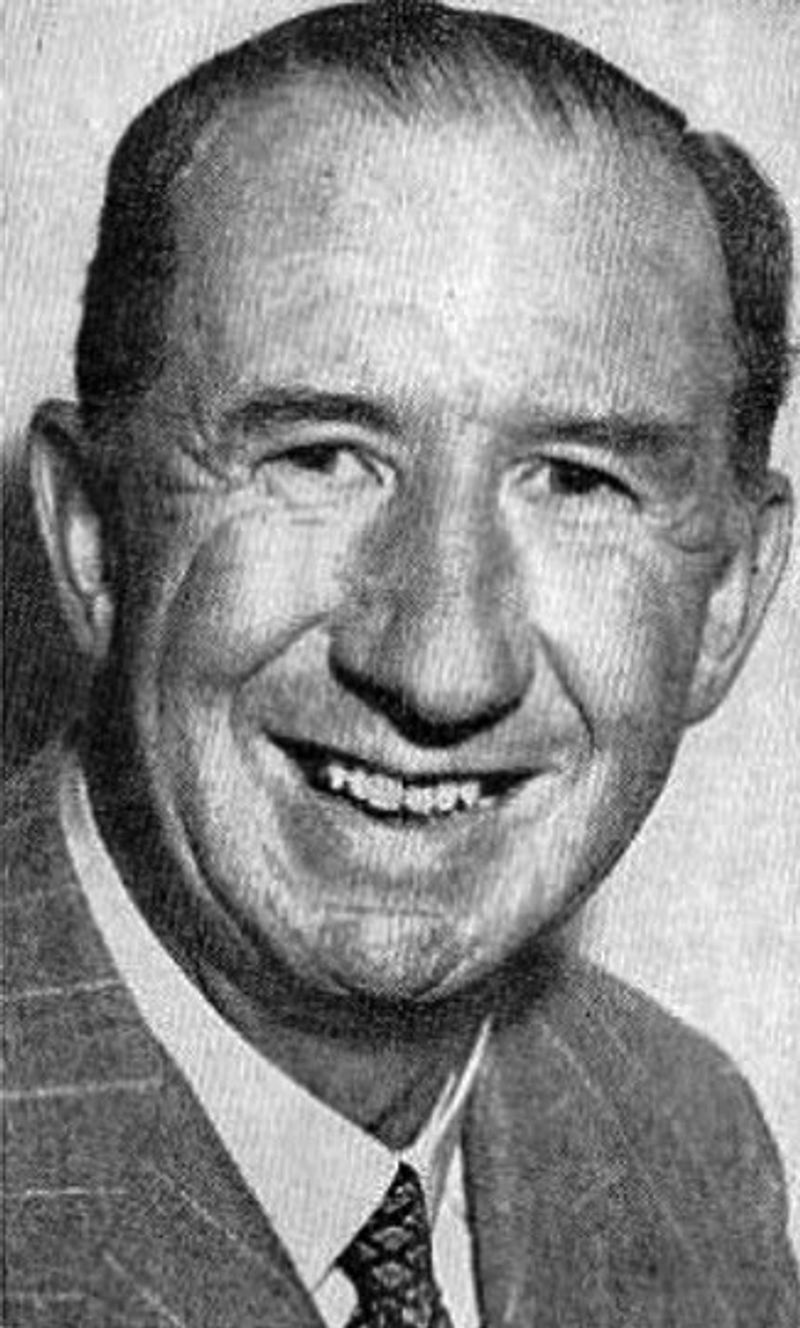
Engineering, not piloting, takes center stage in Nevil Shute’s memoir.
Before becoming widely known as a novelist, Shute worked in aeronautics and wrote here about airships, aircraft design, and the industrial world surrounding early aviation in Britain.
Dry wit keeps the technical material moving, especially in the sections tied to the R100 project. Design history becomes unexpectedly gripping in his hands.
15. The Right Stuff By Tom Wolfe (1979)

Swagger, risk, and national mythology run through Tom Wolfe’s *The Right Stuff*, published in 1979.
Test pilots, early astronauts, and the culture built around speed and nerve all feed into the book’s momentum. Wolfe’s account grew from extensive reporting and helped cement the phrase “the right stuff” as shorthand for a whole era of airborne daring.
Aviation history has rarely sounded this sharp, fast, or alive.
Note: This book feature reflects a subjective editorial selection of aviation titles chosen for their historical significance, literary value, and broader cultural influence.