14 Essential Books About American History To Add To Your Shelf
American history can feel huge on paper, but the right book makes it personal fast. Suddenly the past has real voices, real stakes, and real choices, not just dates that blur together.
Great history writing pulls you into the room, lets you hear the arguments, and shows how ordinary moments can ripple into something much bigger.
Some books tackle the big sweep, others zoom in tight, and the best ones leave you thinking about the present a little differently when you close the cover.
Building a shelf like that is about keeping a few trusted guides within reach for the next time a question pops up and you want more than a quick summary.
Disclaimer: Book selections reflect editorial opinion based on broad historical coverage, readability, and cultural significance, and readers should consult multiple sources for deeper study and updated scholarship; the content is provided for general informational and entertainment purposes.
1. The Radicalism of the American Revolution by Gordon S. Wood
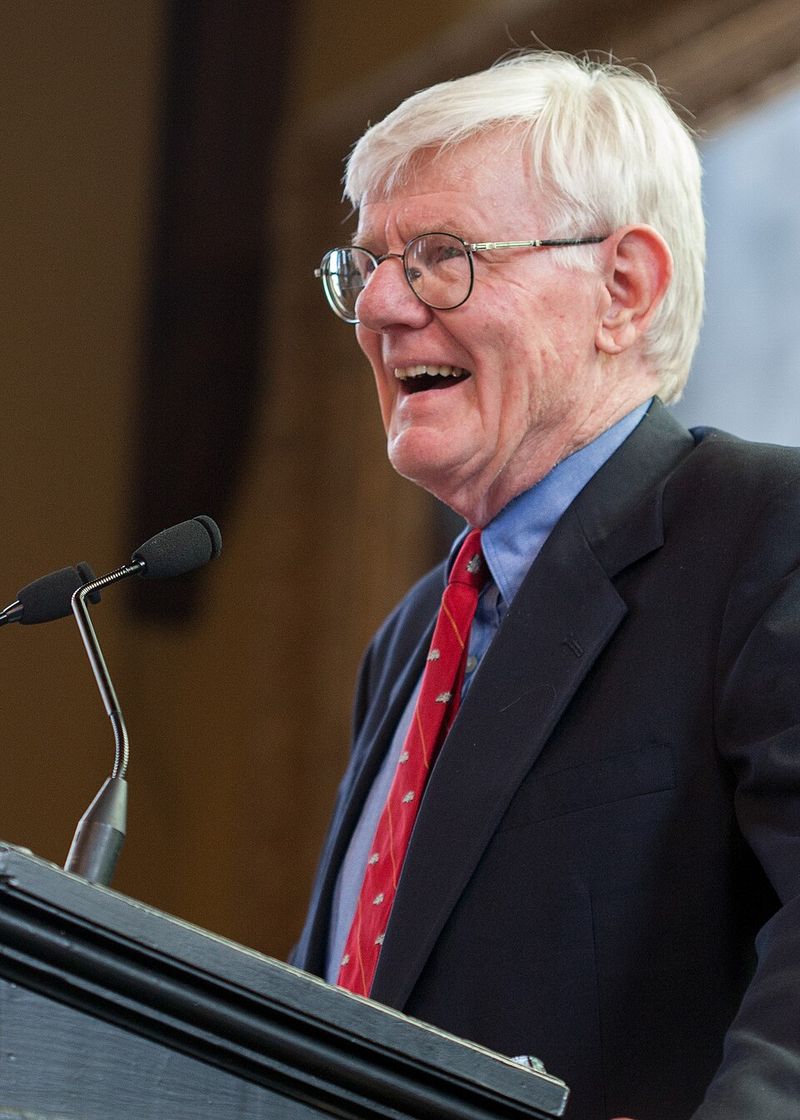
Ever wonder what made the American Revolution truly revolutionary? Wood argues it wasn’t just about breaking from Britain – it transformed society from top to bottom.
Colonists didn’t simply swap kings for presidents. They rebuilt how people thought about power, equality, and who deserved respect.
Suddenly, birth status mattered less than what you could accomplish.
Wood won the Pulitzer Prize for this eye-opening look at how everyday Americans embraced radical ideas that still shape us today.
2. The Creation of the American Republic, 1776-1787 by Gordon S. Wood

Between declaring independence and writing the Constitution, Americans faced a huge question: what comes next?
Wood explores the messy, brilliant decade when states experimented with democracy.
Founders debated wild ideas about representation, rights, and how much power ordinary citizens should hold. Some experiments flopped spectacularly.
Others planted seeds for constitutional genius.
3. The Ideological Origins of the American Revolution by Bernard Bailyn

What were colonists actually reading before they rebelled? Bailyn dug through forgotten pamphlets and discovered the ideas fueling revolutionary fire.
Turns out, colonists obsessed over British conspiracy theories, ancient republican ideals, and fears about tyranny creeping into everyday life.
These weren’t just political gripes – they were philosophical battles over freedom itself.
Bailyn’s Pulitzer-winning work reveals how words and ideas became weapons more powerful than muskets in sparking independence.
4. 1776 by David McCullough

Forget what you think you know about the Revolution’s first year. McCullough makes 1776 feel like you’re living through it, complete with freezing soldiers and impossible odds.
Washington wasn’t the marble statue from textbooks – he was a general learning on the job, making mistakes, and somehow keeping a ragtag army together. British forces seemed unstoppable until they weren’t.
McCullough’s storytelling turns historical events into page-turning drama without sacrificing accuracy or depth.
5. Democracy in America by Alexis de Tocqueville
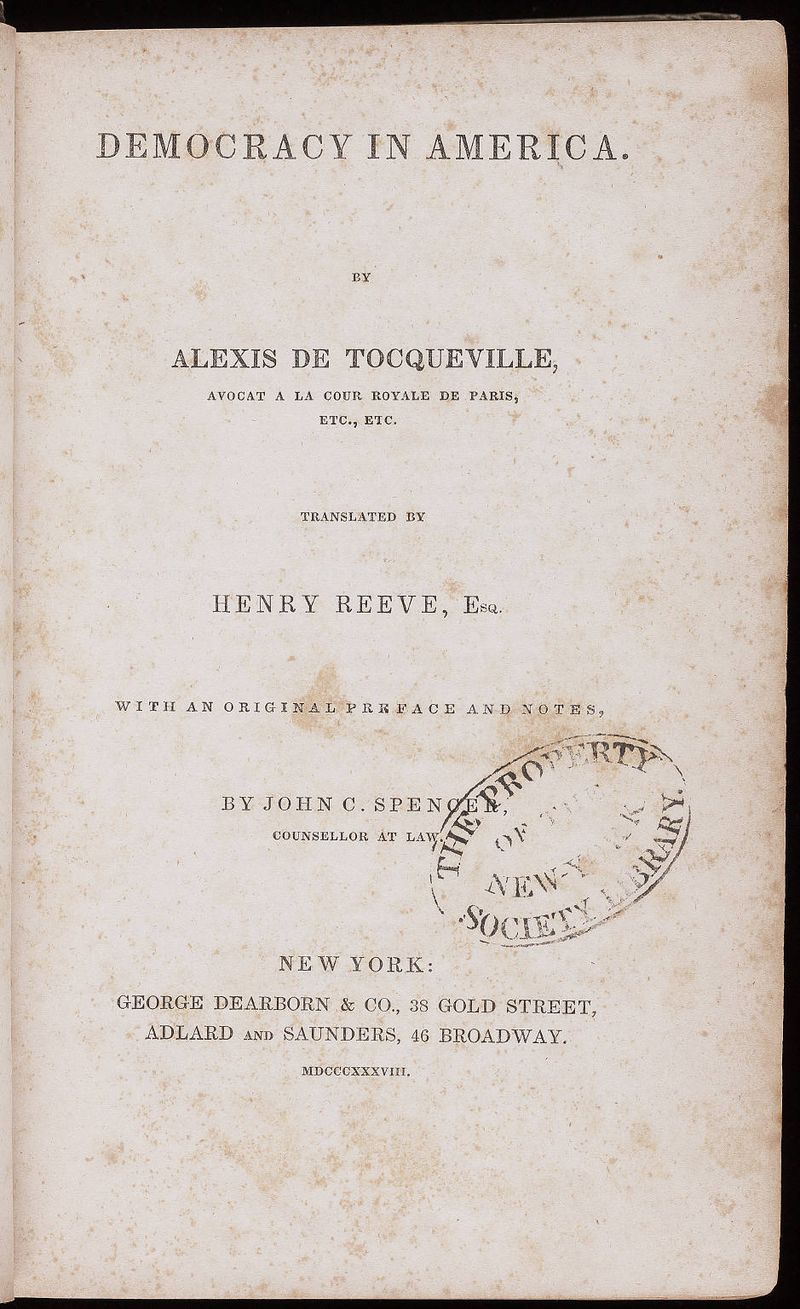
A young French aristocrat visited America in 1831 and wrote the most insightful book about democracy ever penned. Tocqueville saw things Americans couldn’t see about themselves.
He praised American energy and equality but warned about conformity pressures and tyranny of the majority.
His observations about individualism and community bonds feel weirdly modern.
Translation: a 190-year-old book by a French tourist still explains American culture better than most contemporary writers manage.
6. The Federalist Papers by Alexander Hamilton, James Madison, John Jay
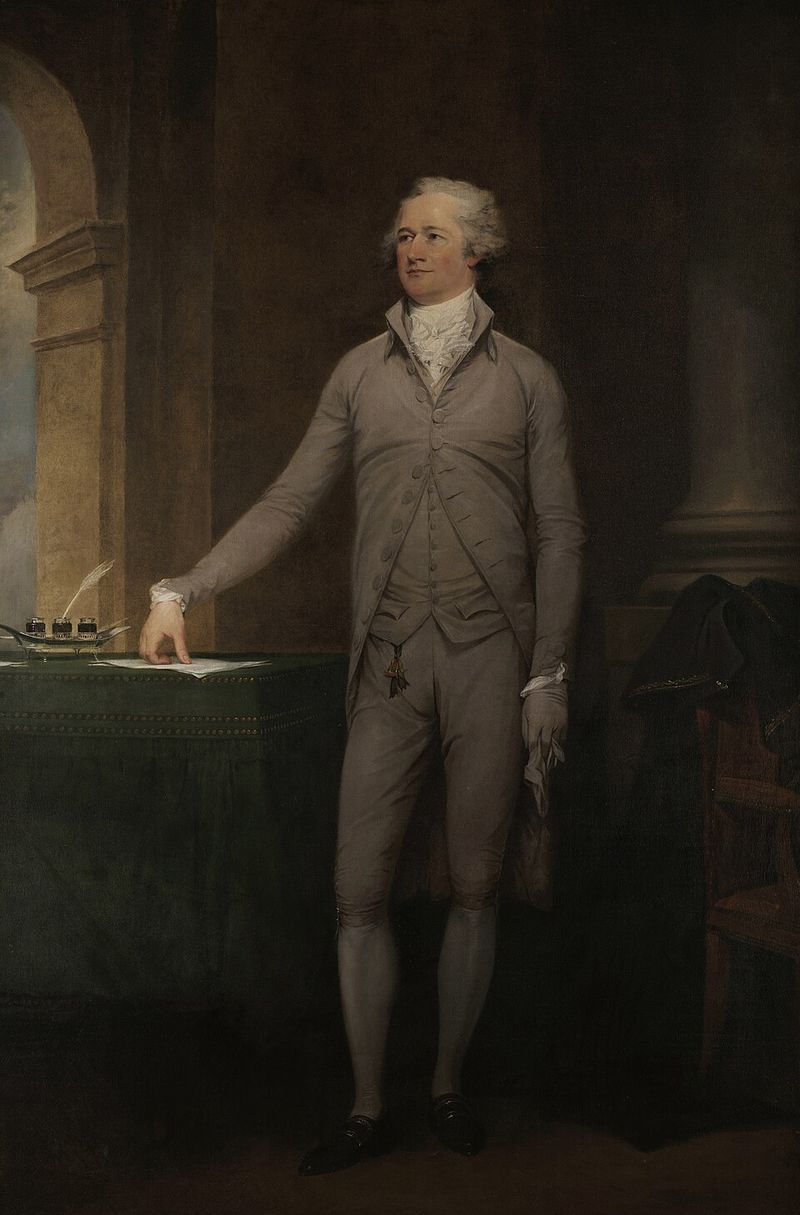
Hamilton, Madison, and Jay wrote these essays to convince New Yorkers to ratify the Constitution. Spoiler alert: it worked, and these papers became democracy’s instruction manual.
Reading them feels like eavesdropping on genius-level debates about government structure, human nature, and balancing freedom with order.
Though written in 1787, their insights about power and politics remain shockingly relevant for understanding modern government.
7. Reconstruction: America’s Unfinished Revolution, 1863-1877 by Eric Foner

Reconstruction gets ignored in most history classes, but Foner proves it was just as important as the Civil War itself.
White supremacists used violence and legal tricks to crush Black progress. Northern politicians abandoned their promises.
The betrayal’s consequences echo through American society today.
Foner’s Pulitzer-winning account shows how a revolution was won, then deliberately undone, shaping racial inequality for generations.
8. The Feminine Mystique by Betty Friedan

Friedan interviewed suburban housewives in the 1950s and discovered widespread misery hidden behind perfect smiles. Women felt trapped, unfulfilled, and afraid to admit something was wrong.
Society told them marriage and motherhood should be enough. It wasn’t. Friedan named this “the problem that has no name” and helped spark second-wave feminism.
Published in 1963, this controversial book challenged everything about women’s roles and opened conversations that continue transforming gender expectations today.
9. An Indigenous Peoples’ History of the United States by Roxanne Dunbar-Ortiz

Dunbar-Ortiz reframes American history by placing Indigenous peoples at the center rather than the margins.
Colonization wasn’t simply “unfortunate.” It involved systematic violence, forced displacement, and the taking of land.
She traces how policies systematically dismantled Native nations from the colonial era to the present. Survival and resistance continue despite centuries of attempts to suppress Indigenous cultures.
This powerful corrective challenges everything you thought you knew about American exceptionalism and forces readers to reckon with ongoing injustices.
10. The Warmth of Other Suns by Isabel Wilkerson
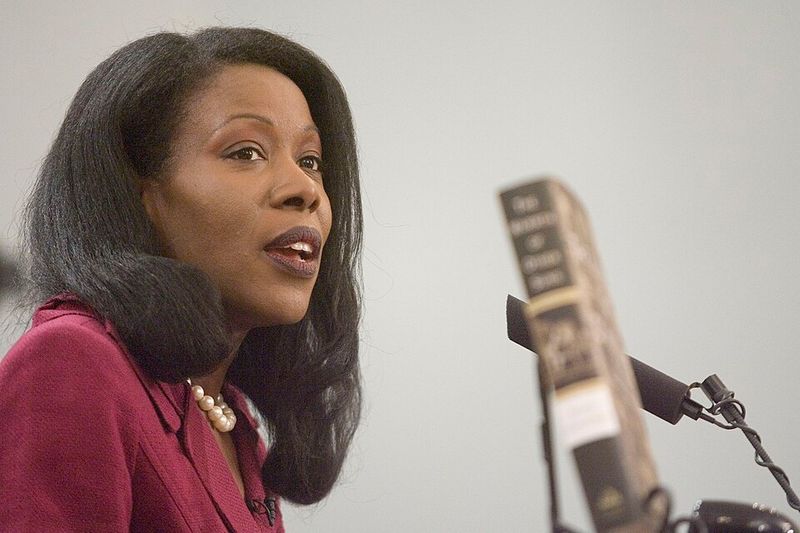
Between 1915 and 1970, six million Black Americans fled the Jim Crow South seeking better lives in northern and western cities. Wilkerson follows three individuals through this massive migration.
Their stories reveal courage, sacrifice, and the painful reality that racism followed them north. They built new communities while facing different forms of discrimination.
Wilkerson’s brilliant narrative history reads like a novel but illuminates how the Great Migration reshaped American demographics, culture, and politics forever.
11. Battle Cry of Freedom: The Civil War Era by James M. McPherson
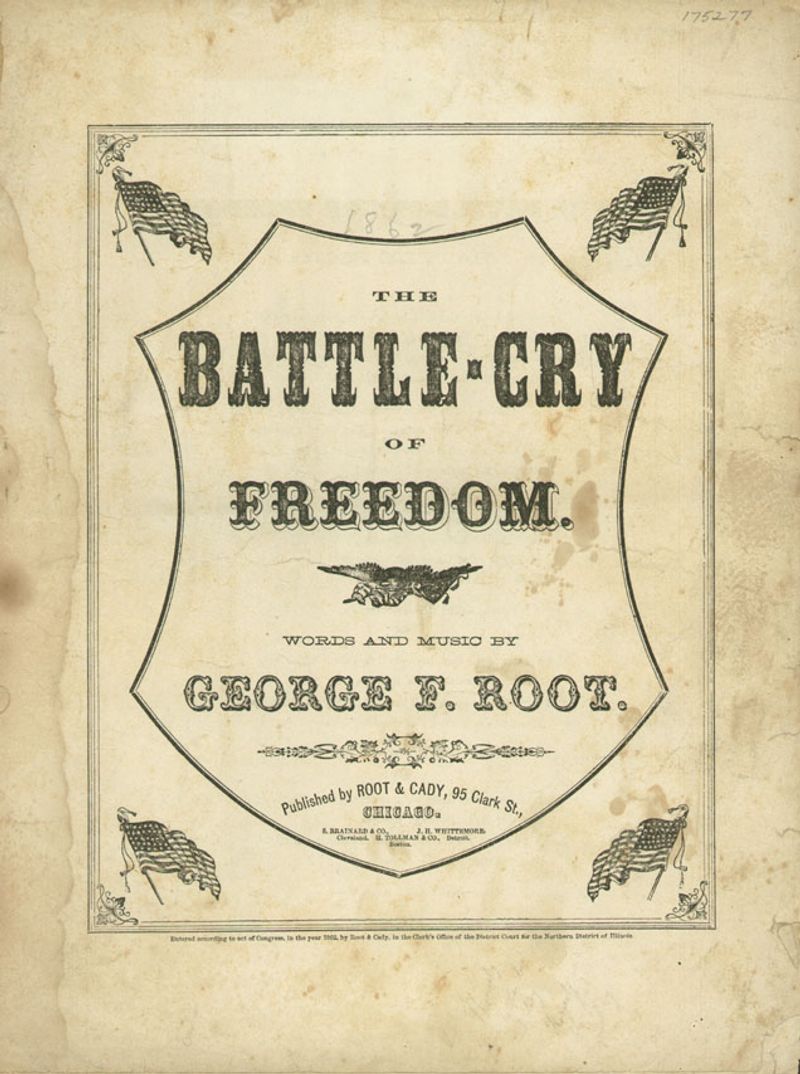
McPherson packed the entire Civil War era – causes, battles, politics, aftermath – into one masterful volume that somehow never feels overwhelming.
He weaves military strategy with social transformation. You’ll understand why brothers fought brothers and how four years reshaped the nation forever.
This Pulitzer winner remains the go-to single volume for anyone wanting to truly grasp America’s bloodiest, most consequential conflict.
12. Parting the Waters: America in the King Years, 1954-63 by Taylor Branch

Years of reporting and archival digging power this epic chronicle of the civil rights movement’s crucial first decade. A brilliant, flawed, and incredibly brave Martin Luther King Jr. comes into focus.
From Montgomery buses to Birmingham jails, ordinary people risked everything to challenge segregation. Their courage and sacrifices forced America to change.
This Pulitzer-winning volume captures movement energy and the dangerous opposition activists faced while transforming the nation’s conscience.
13. These Truths: A History of the United States by Jill Lepore

Lepore tackles all of American history in one ambitious volume, examining how the nation measured up to its founding promises. Spoiler: results are mixed.
She weaves together politics, technology, culture, and ordinary people’s experiences while asking whether American democracy can survive its contradictions. The writing sparkles with insight and occasional wit.
This recent bestseller offers a fresh, complete narrative that connects past struggles to present challenges facing the American experiment.
14. A People’s History of the United States by Howard Zinn

Traditional history gets flipped upside down when America’s story is told through the lives of workers, women, and Indigenous peoples rather than presidents and generals.
Columbus becomes a colonizer, not a hero. Industrialization shows worker exploitation alongside technological progress. Wars reveal whose interests really got served.
Love it or hate it, this controversial 1980 bestseller changed how millions of readers think about American history and whose stories deserve telling.