13 Books That Go Completely Off The Rails From Page One
Books either ease readers in with gentle setup and slow-burning plots or yank them by the collar into chaos before finishing first paragraph. Devils crash Moscow parties, underground railroads truly run beneath the soil, and worlds unfold with such vivid, literal detail it feels like stepping inside the pages themselves.
Bizarre twists, shocking reveals, and relentless narrative momentum pull readers deep into each story; open these novels and let the words sweep you into adventures that linger long after the final page.
1. The Master and Margarita by Mikhail Bulgakov
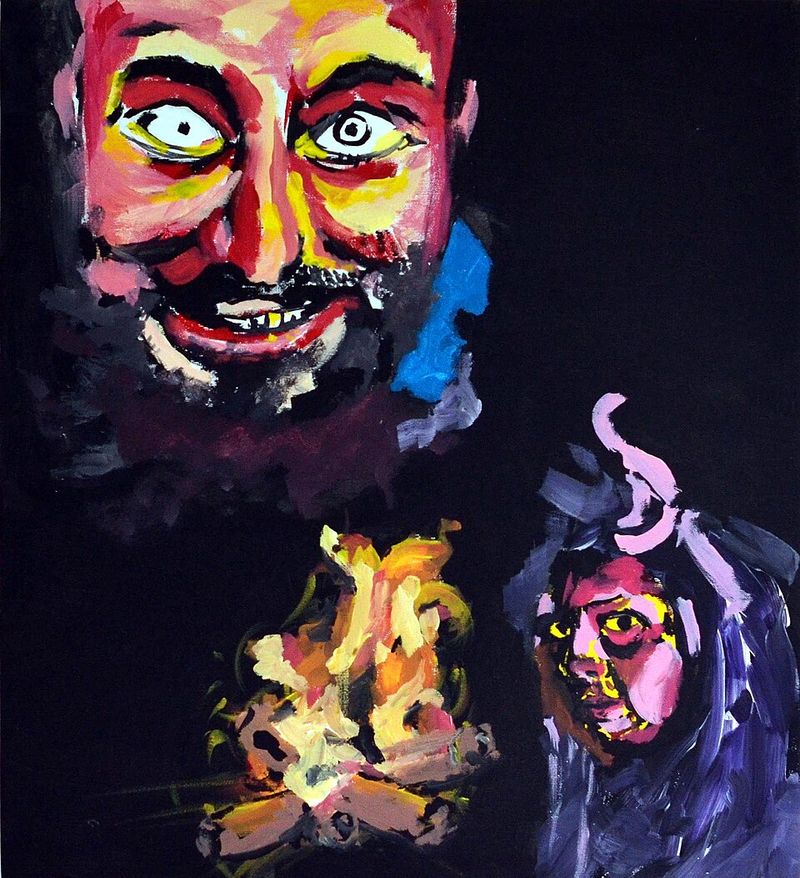
Picture this: two literary critics arguing about Jesus on a park bench when suddenly a mysterious foreigner appears and casually predicts one guy’s death. Spoiler alert, it happens exactly as promised, complete with a severed head rolling under a streetcar.
Bulgakov throws Satan himself into 1930s Moscow, and the Devil wastes zero time causing absolute mayhem. Talking cats, midnight balls with historical villains, and bureaucrats losing their minds become your new normal.
Written during Stalin’s reign, this satirical masterpiece somehow makes you laugh while questioning everything about power and art.
2. Everything I Never Told You by Celeste Ng

“Lydia is dead. But they don’t know this yet.” That’s how Ng opens her gut-punch of a novel, immediately making you care about a girl who’s already gone.
No slow buildup, no gentle introduction to the family dynamics, just BAM, tragedy on page one.
The Lee family unravels as secrets bubble to the surface like air from drowning lungs. Being the favorite child in a Chinese-American household during the 1970s carried impossible weight, and Lydia carried it until she couldn’t anymore.
Every chapter peels back another layer of family dysfunction.
3. The Underground Railroad by Colson Whitehead
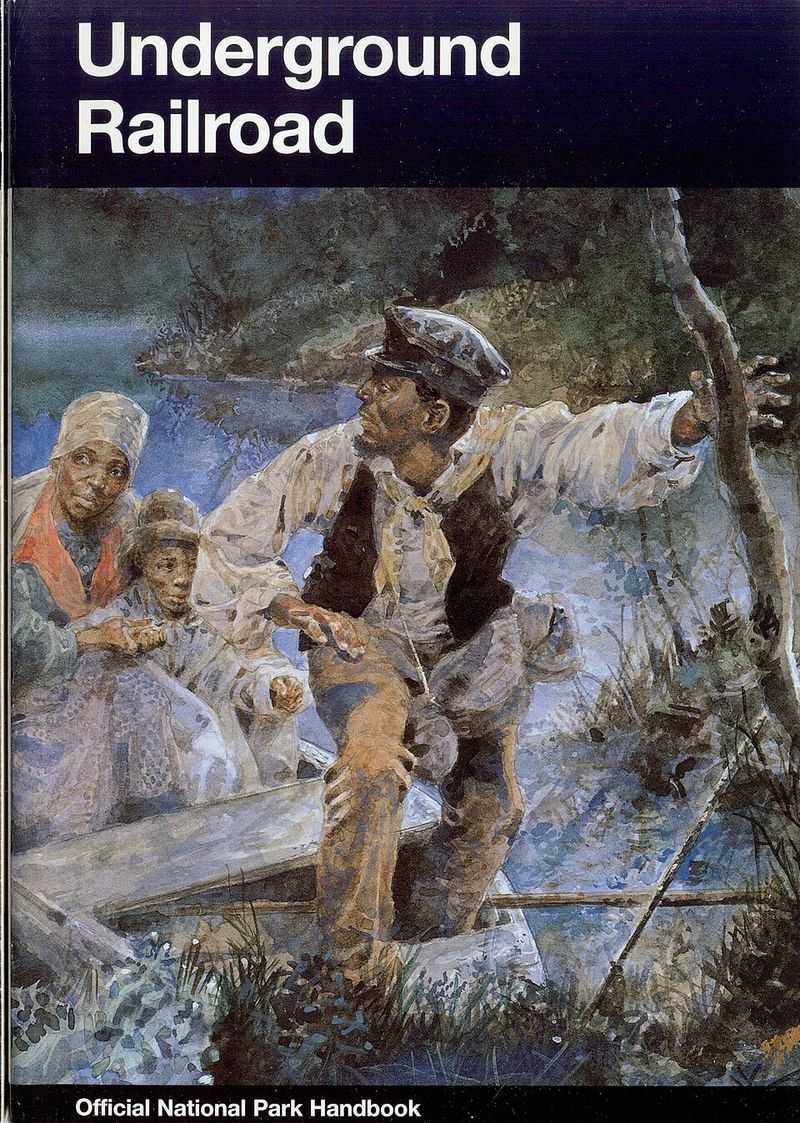
What if the Underground Railroad wasn’t just a metaphor? Whitehead asks this question and then builds actual train stations beneath Southern plantations, complete with conductors, schedules, and tunnels carved through American soil.
Cora’s escape from a Georgia plantation becomes a surreal journey through alternate Americas, each state presenting a different nightmare of oppression. One stop offers false freedom through forced sterilization, another promises education but delivers something far more sinister.
Historical fiction meets magical realism, and the result hits like a freight train barreling through your assumptions about how stories should work.
4. The Girl on the Train by Paula Hawkins

Rachel’s morning commute involves watching a couple through their window, creating elaborate fantasies about their perfect marriage. Then one day, she witnesses something shocking, and suddenly she’s tangled in a missing person investigation she has no business being part of.
Here’s the kicker: Rachel’s an unreliable narrator drowning in wine and self-destruction, so you’re never quite sure what’s real. Memory gaps, blackouts, and obsessive behavior make every revelation questionable.
Hawkins plants you inside a troubled mind from sentence one, and the disorientation never lets up.
5. Slaughterhouse-Five by Kurt Vonnegut
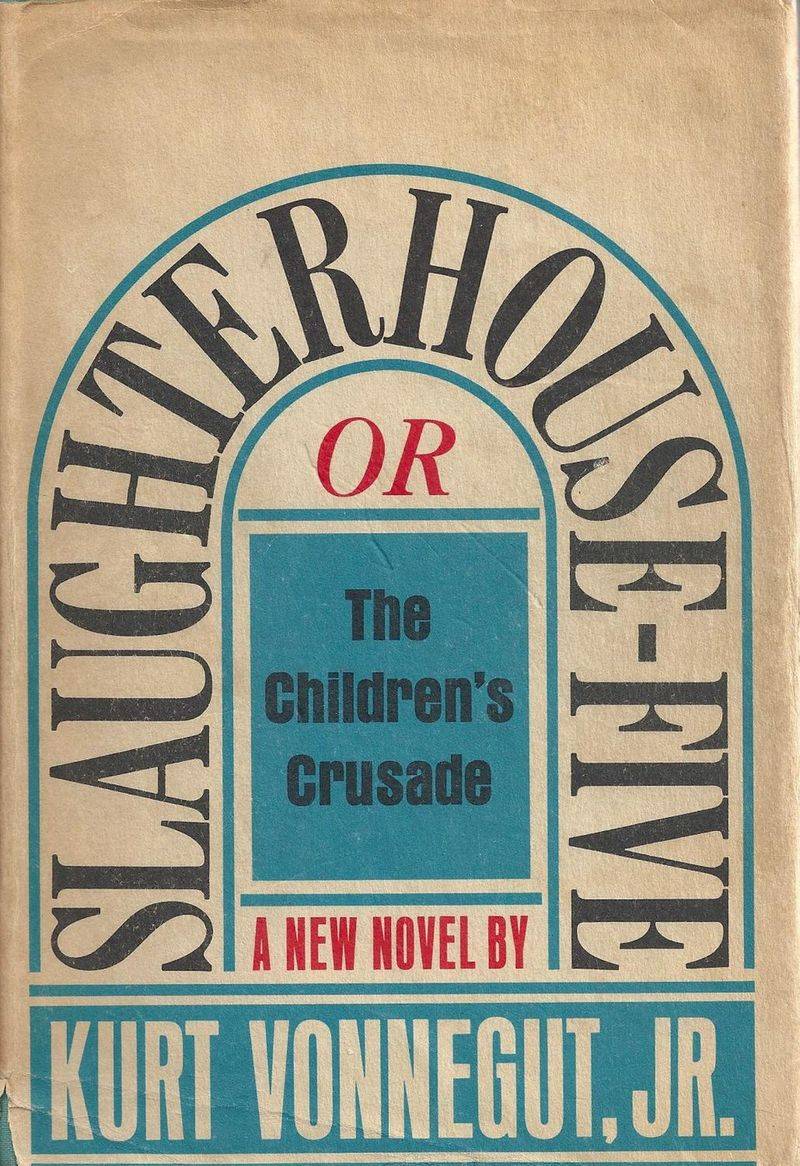
Billy Pilgrim has become unstuck in time. Not metaphorically unstuck like feeling disconnected from reality, but literally bouncing between moments in his life like a pinball.
One second he’s a WWII prisoner, the next he’s displayed in an alien zoo on Tralfamadore.
Vonnegut announces this time-travel situation immediately, so you’re never waiting for the weird stuff to start. The Dresden firebombing, alien abduction, and mundane suburban life all exist simultaneously in Billy’s consciousness. “So it goes” becomes the refrain after every death, and there are plenty of deaths to go around.
6. House of Leaves by Mark Z. Danielewski
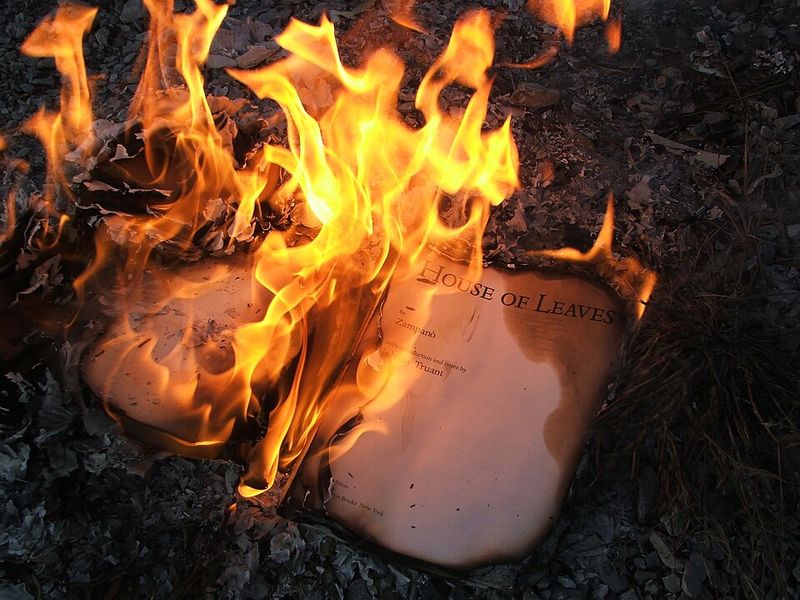
A house that’s bigger on the inside than the outside. That’s your first clue something’s deeply wrong with the Navidson family’s new home.
Then the hallway appears, stretching into impossible darkness where no hallway should exist.
But wait, this isn’t just a haunted house story. It’s a manuscript about a documentary about the house, with footnotes that sprawl across pages, text that runs backward, and sections you need to read with a mirror.
Danielewski doesn’t ease you into the experimental format; he throws you into typographical chaos immediately, making the reading experience as disorienting as the house itself.
7. The Metamorphosis by Franz Kafka
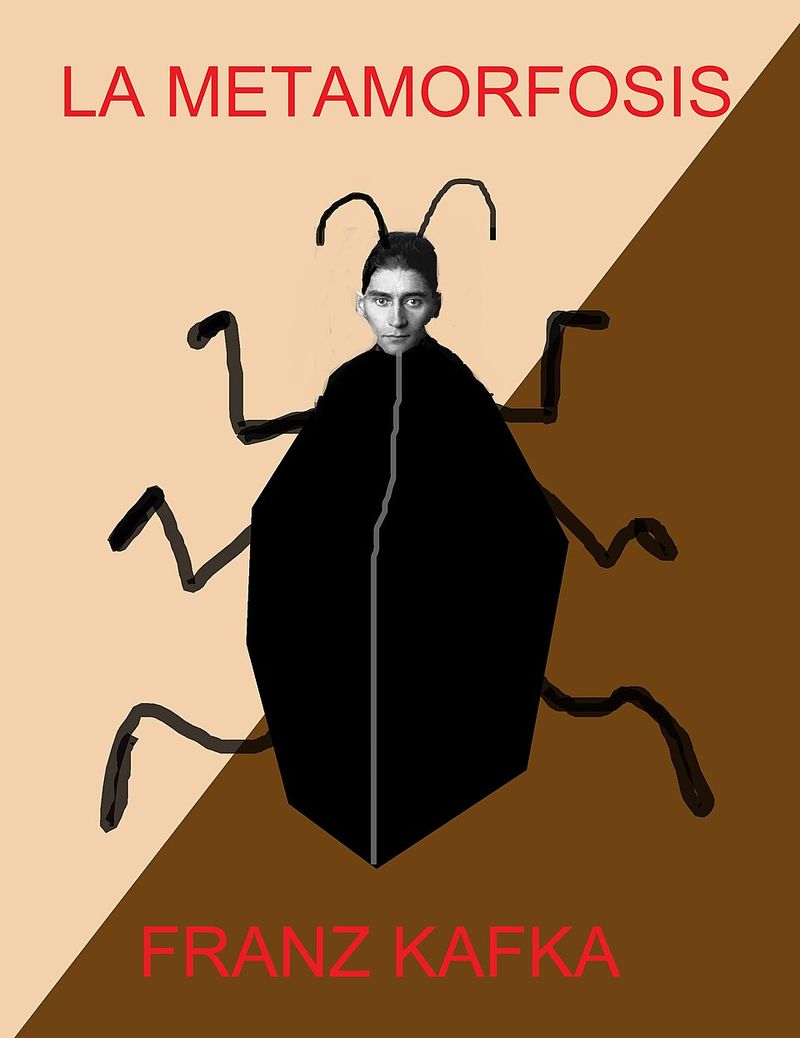
“As Gregor Samsa awoke one morning from uneasy dreams, he found himself transformed in his bed into a gigantic insect.” Most authors would spend chapters building to such a transformation. Kafka?
He makes it sentence one and moves on like it’s barely worth mentioning.
Gregor’s family reacts about as well as you’d expect when their breadwinner becomes a giant bug, which is to say terribly. The real horror isn’t the transformation itself but how quickly everyone adjusts to treating him as less than human, or in this case, less than insect.
8. Gravity’s Rainbow by Thomas Pynchon
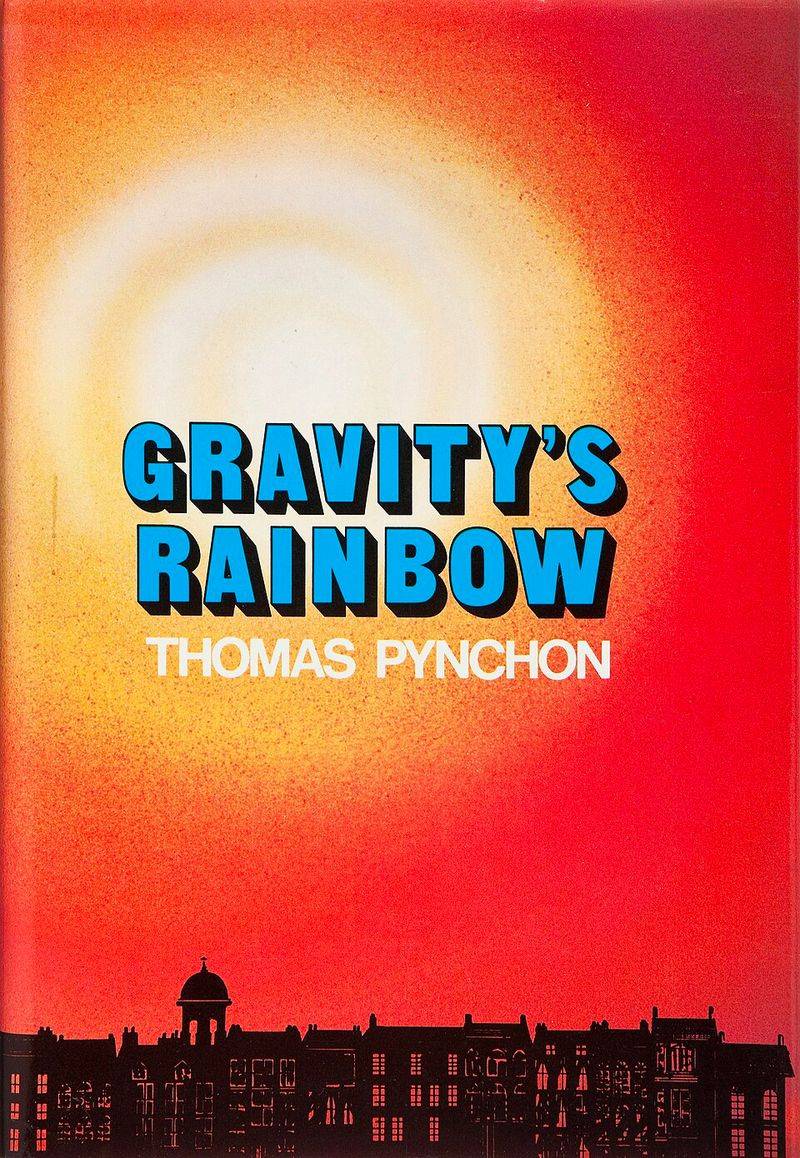
A screaming comes across the sky. That’s how Pynchon launches his notoriously complex novel about V-2 rockets, paranoia, and a guy whose romantic encounters mysteriously predict missile strikes.
Yes, you read that correctly.
From page one, you’re drowning in technical jargon, historical detail, bizarre humor, and paranoid conspiracy theories that may or may not be true. Characters multiply faster than you can track them, plots spiral into subplots that spiral into fever dreams.
Reading Gravity’s Rainbow feels like being trapped inside someone’s brilliant but exhausting dissertation on everything wrong with the 20th century.
9. A Clockwork Orange by Anthony Burgess

“What’s it going to be then, eh?” Alex asks before describing an evening of ultra-violence in a slang language you don’t understand yet. Burgess invents an entire dialect called Nadsat, mixing Russian and English, then refuses to provide a glossary or slow introduction.
You’re immediately complicit in Alex’s crimes because you’re inside his head, seeing violence through his gleeful perspective. The droogs, the moloko bar, the horrific acts described in playful language create instant cognitive dissonance.
Most shocking? How quickly you start understanding Nadsat, like your brain’s been reprogrammed without permission.
10. The Vegetarian by Han Kang
Yeong-hye stops eating meat after disturbing dreams, and her husband treats this dietary choice like she’s committed a war crime. What starts as simple vegetarianism spirals into complete rejection of animal existence, then human existence, then existence itself.
Kang doesn’t waste time with backstory. The transformation begins immediately, and you watch Yeong-hye’s family react with horror, violence, and eventually institutionalization.
Her sister’s husband becomes obsessed with painting flowers on her naked body. Nothing about this slim novel follows expected patterns, and the discomfort starts with the very first dinner scene where everything goes wrong.
11. If on a winter’s night a traveler by Italo Calvino

Calvino addresses YOU directly, the Reader, describing your experience of beginning to read this very book. Then the story starts, gets interesting, and abruptly ends mid-sentence.
Turns out your copy has a printing error, so you head back to the bookstore.
This happens ten times. Ten different novel beginnings that hook you before cutting off, creating a mystery about what’s happening to all these books.
The metafictional games start immediately, making you hyperaware of yourself as a reader while simultaneously sucking you into the conspiracy. It’s playful, frustrating, and absolutely brilliant from the first paragraph.
12. One Hundred Years of Solitude by Gabriel García Márquez
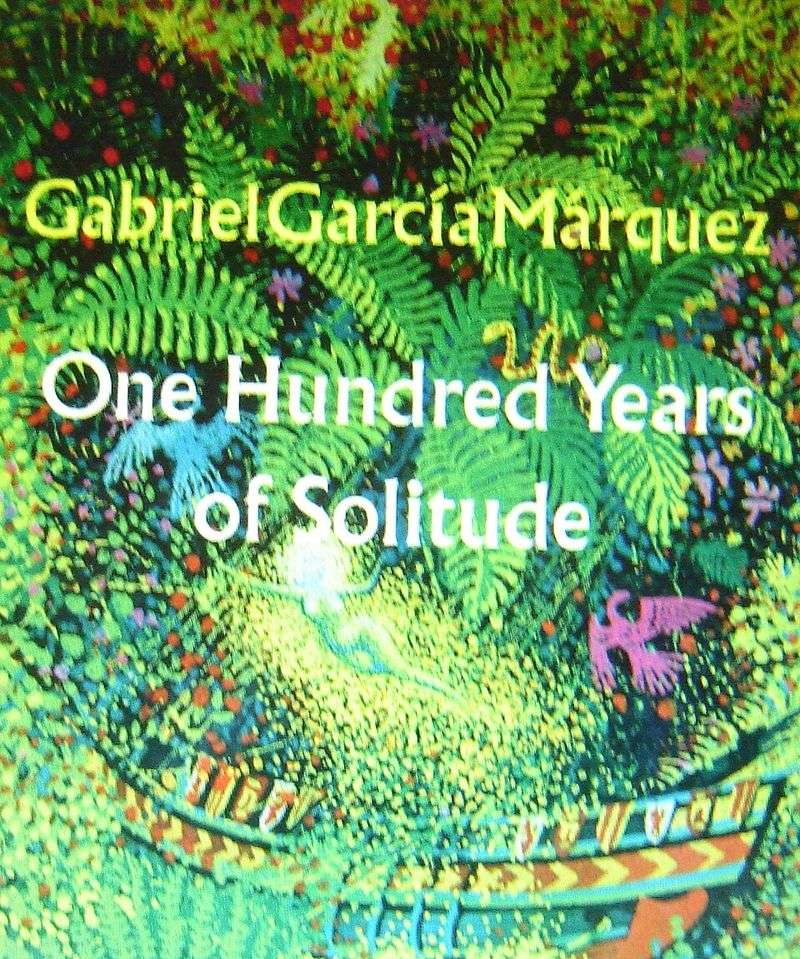
Firing squad opens the story, immediately followed by a flashback to ice in a tropical village where none should exist. The Buendía family patriarch recalls this miraculous ice while facing execution, plunging readers decades deep into a family saga before it has truly begun.
Magical realism doesn’t sneak in quietly; it storms in alongside the founding of Macondo. Ghosts converse with the living, insomnia plagues manifest as literal plagues, and a woman ascends to heaven while folding laundry.
Extraordinary and ordinary coexist from the very first sentence, and Márquez expects both to be embraced without question.
13. American Psycho by Bret Easton Ellis
An elaborate morning skincare routine is described with the same clinical detachment later applied to murder, instantly revealing Patrick Bateman’s obsessive materialism and emotional void. Designer labels, restaurant reservations, and business cards take precedence over human life, making the eventual violence feel like a natural extension of a consumer-obsessed worldview.
The most unsettling aspect lies in the blurred line between reality and fantasy, as Ellis refuses to clarify, embedding unreliability beneath every product name and act of social climbing.