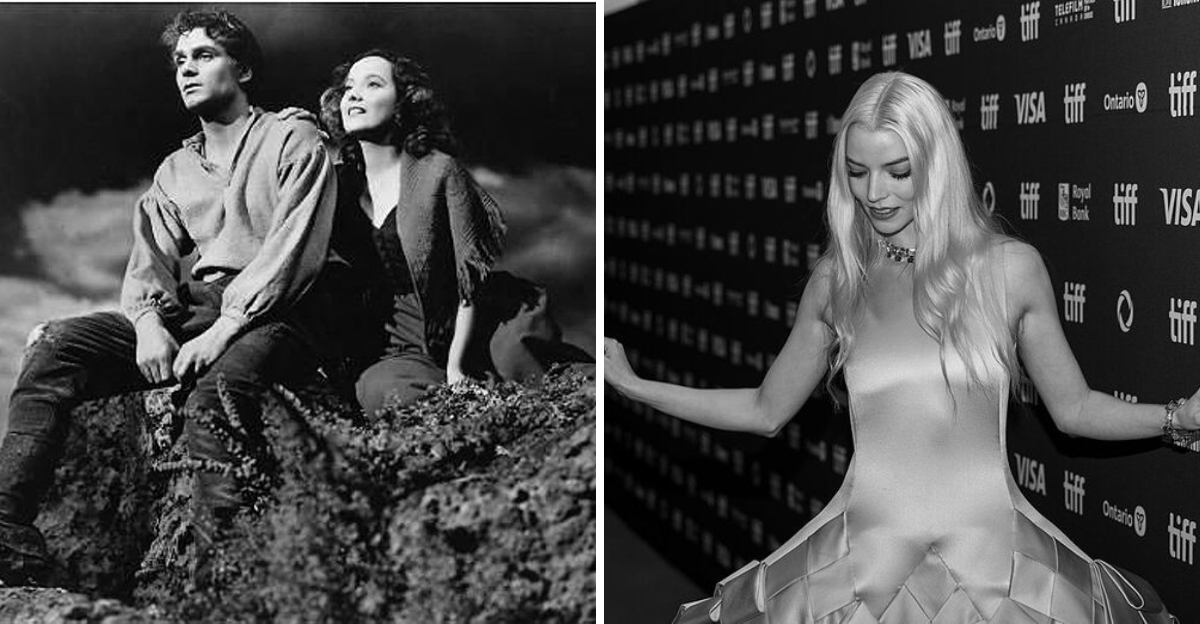
15 Books That Belong On Every Smart Reader’s Shelf
Imagine a bookshelf as the ultimate superhero squad, each book packing a different kind of superpower. Some sharpen your mind like a mental lightsaber, others open worlds stranger than anything in Stranger Things or Middle-earth.
History tomes whisper secrets of the past, while sci-fi and fantasy flip your brain upside down faster than a Nolan plot twist. Graphic novels, memoirs, and essays round out the team, ready to challenge, inspire, and entertain in equal measure.
Here are 15 legendary reads that belong in every smart reader’s collection: your passport to imagination, knowledge, and stories that stick long after the last page. Pick up one and let your inner superhero level up.
1. One Hundred Years of Solitude
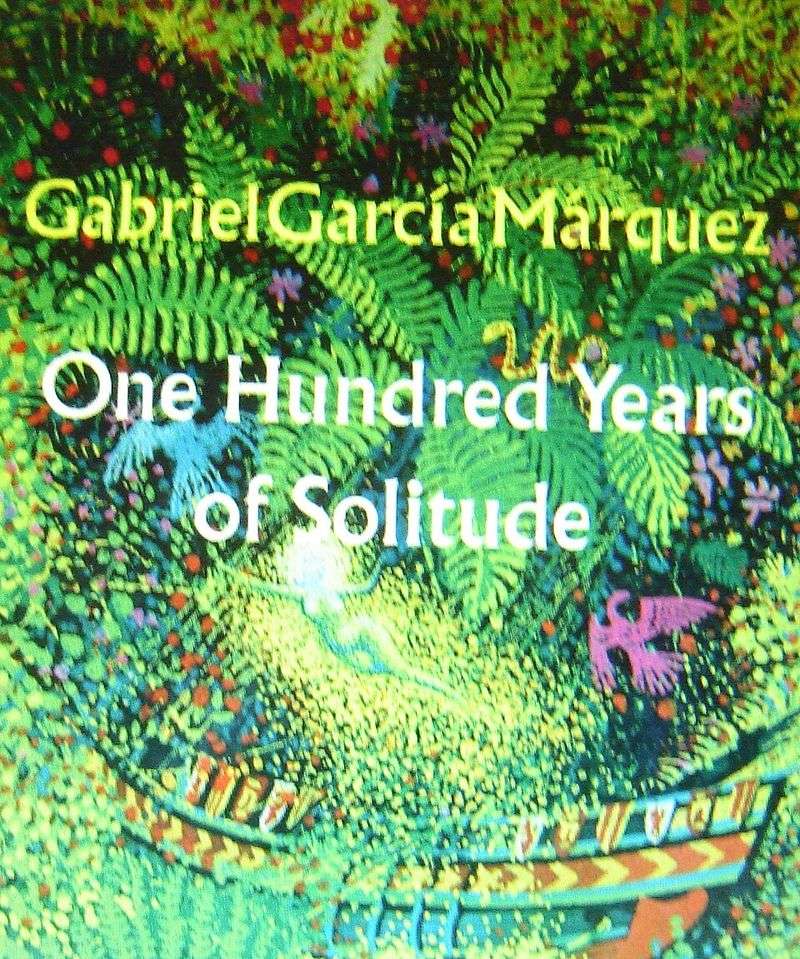
What if a single family’s story could capture the entire sweep of human joy, madness, and heartbreak? Gabriel García Márquez wrote this Colombian masterpiece in 1967, and it went on to win the Nobel Prize.
Macondo, the fictional town at the heart of the novel, feels as real as your own neighborhood.
Seven generations of the Buendía family live, love, and lose in ways that feel both wildly magical and deeply human. Readers often say it changed their lives forever.
2. The Art of War
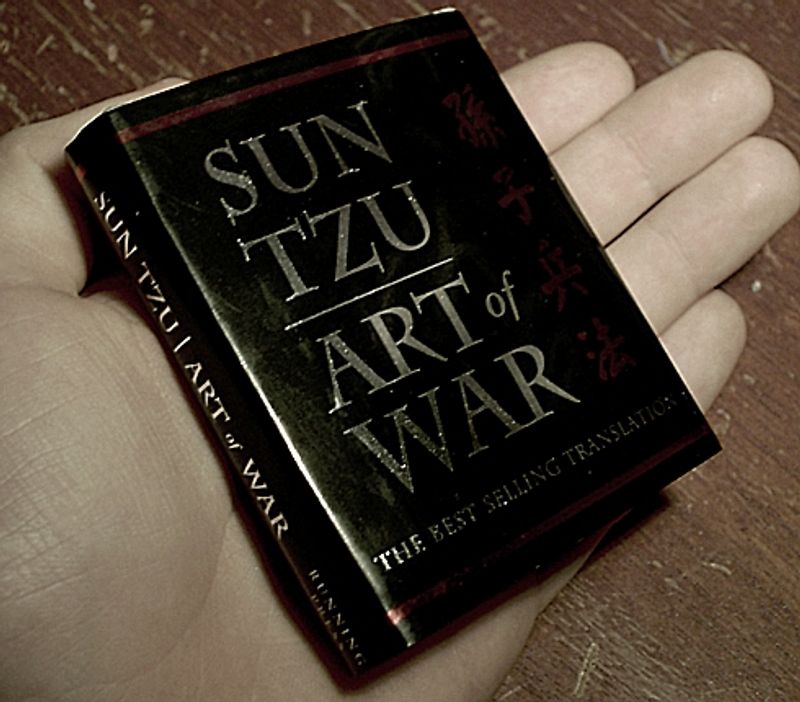
Written over 2,500 years ago, this tiny book by Chinese general Sun Tzu still gets quoted in business meetings, sports locker rooms, and yes, even video game strategy guides. How does something so old stay so relevant?
Because human nature barely changes.
Every chapter delivers sharp, punchy wisdom about leadership, planning, and knowing when NOT to fight. If Batman wrote a strategy manual, this would probably be his source material.
3. 1984
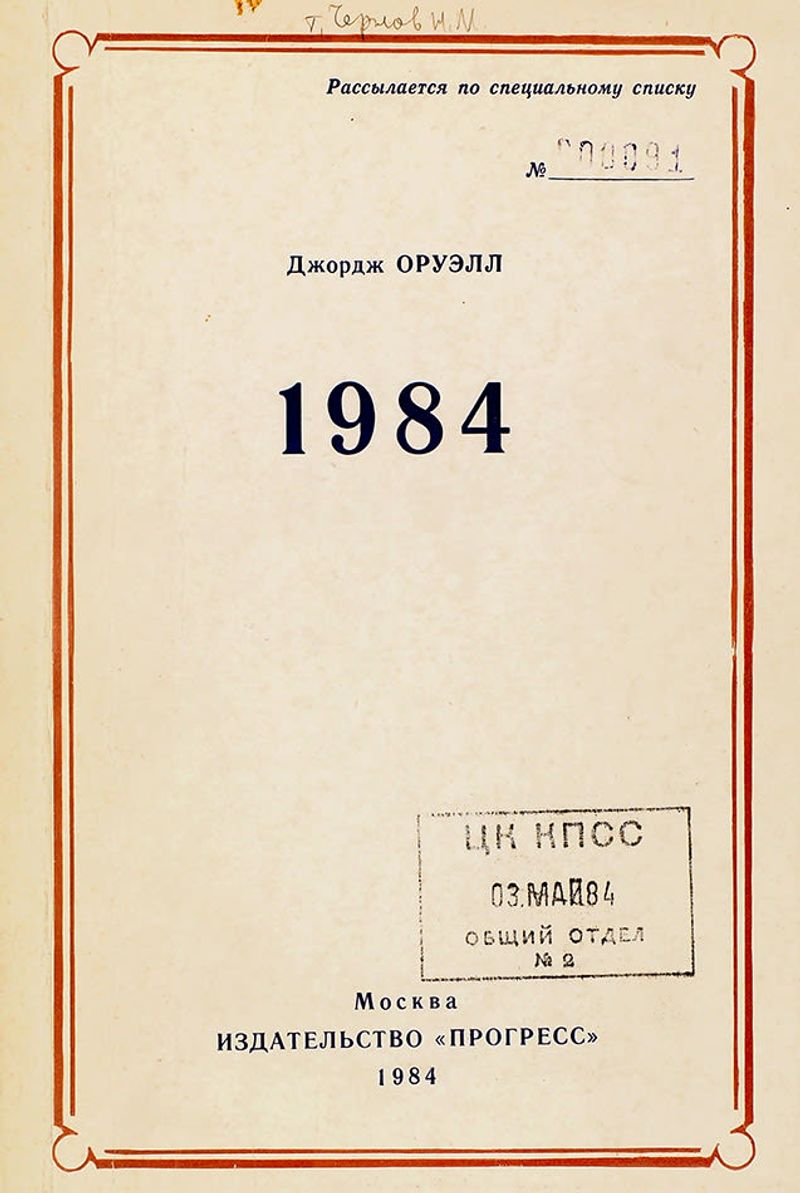
George Orwell wrote this chilling story in 1949, imagining a future where a government watches every single move its citizens make. Sound a little familiar?
Words Orwell invented here, like ‘Big Brother’ and ‘doublethink,’ are now part of everyday language.
Winston Smith’s desperate search for truth and freedom inside a world built on lies is both terrifying and impossible to put down. Warning: you may start side-eyeing your smart speaker afterward.
4. Pride and Prejudice
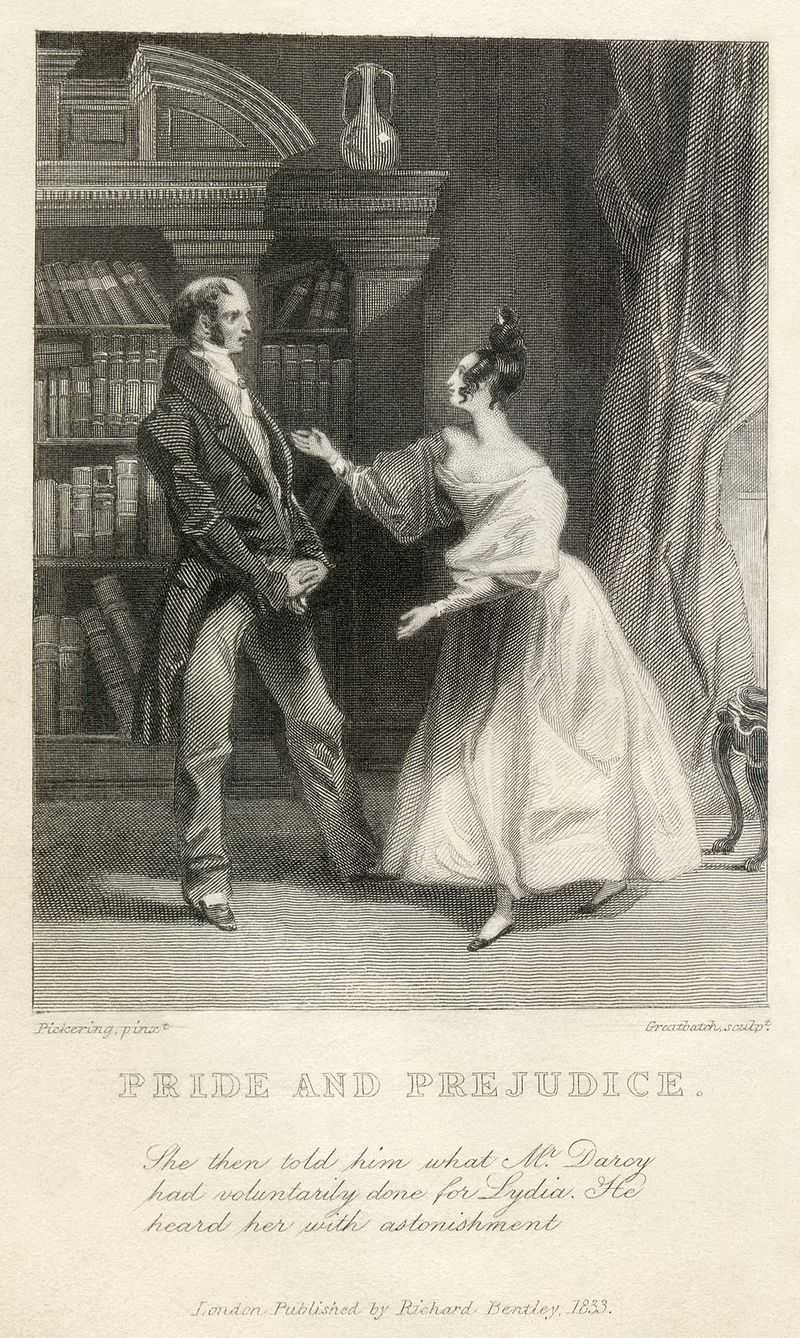
Jane Austen published this sparkling novel in 1813, and readers have been obsessed with Elizabeth Bennet and Mr. Darcy ever since. Their slow-burn romance is basically the original enemies-to-lovers story that every modern rom-com borrows from.
Beneath the wit and fancy parties, Austen skewers class snobbery and gender inequality with surgical precision. Few authors in history have made social criticism this genuinely fun to read.
5. Sapiens: A Brief History of Humankind
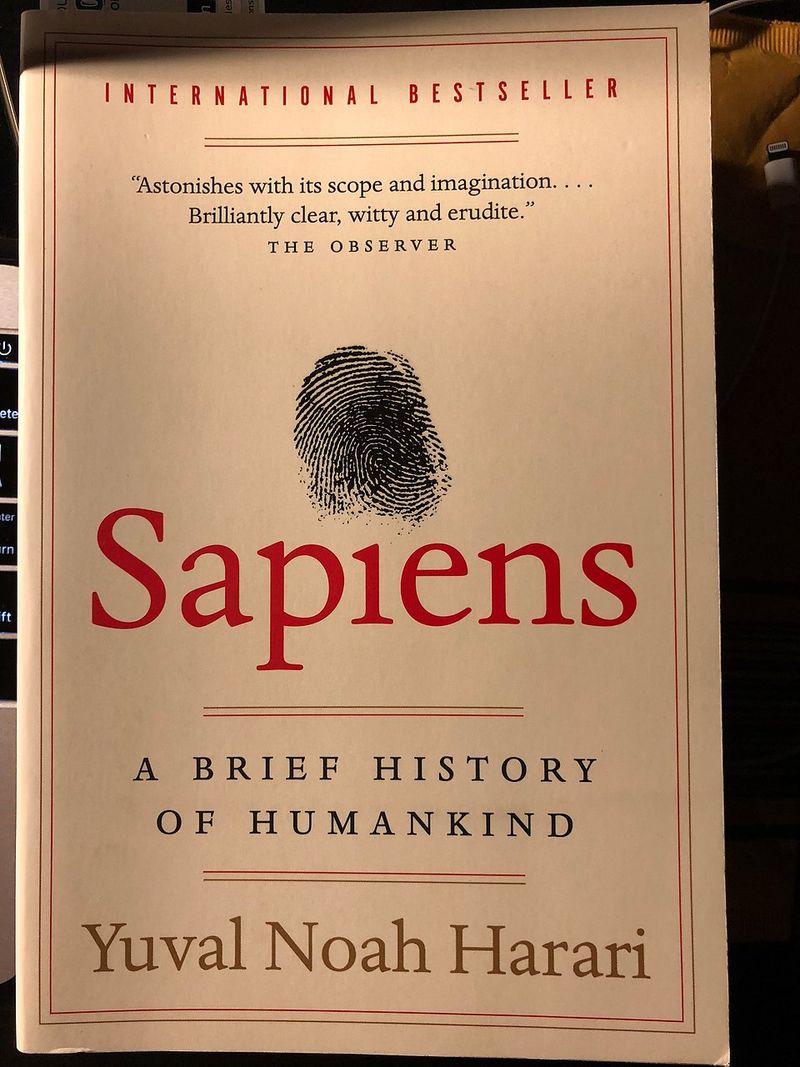
Yuval Noah Harari takes 70,000 years of human history and makes it feel like the most exciting story you have ever heard. How did one species go from chasing mammoths to building smartphones?
The answer involves a surprising amount of storytelling and shared imagination.
Harari challenges readers to question everything they assume about money, religion, and civilization itself. Fair warning: you will absolutely annoy your family at dinner with fascinating facts from this book.
6. The Alchemist
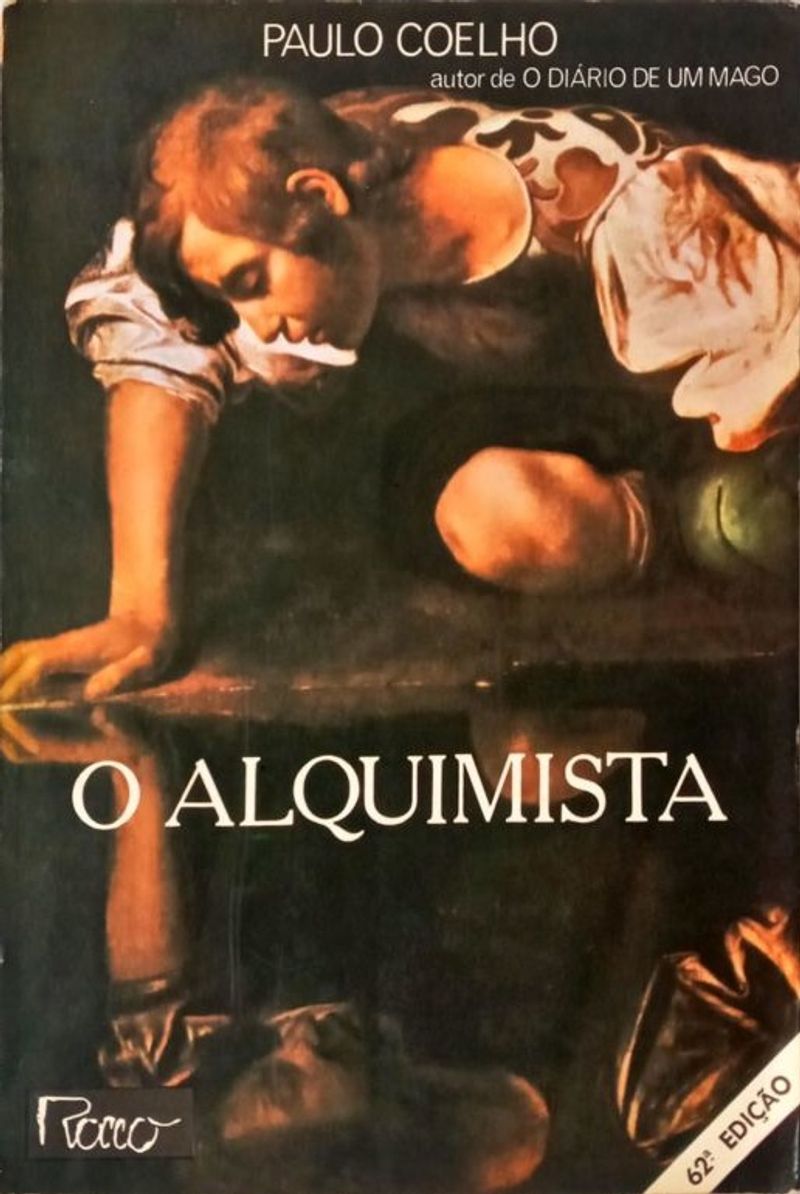
Paulo Coelho wrote this beloved fable about following your dreams, and it has since sold over 65 million copies worldwide, making it one of the best-selling books in history. Not bad for a story about a shepherd boy chasing treasure across a desert!
However, the real treasure this book delivers is the reminder that the journey itself shapes who you become. Simple language, enormous wisdom, and a story that somehow feels personally written just for you.
7. Thinking, Fast and Slow
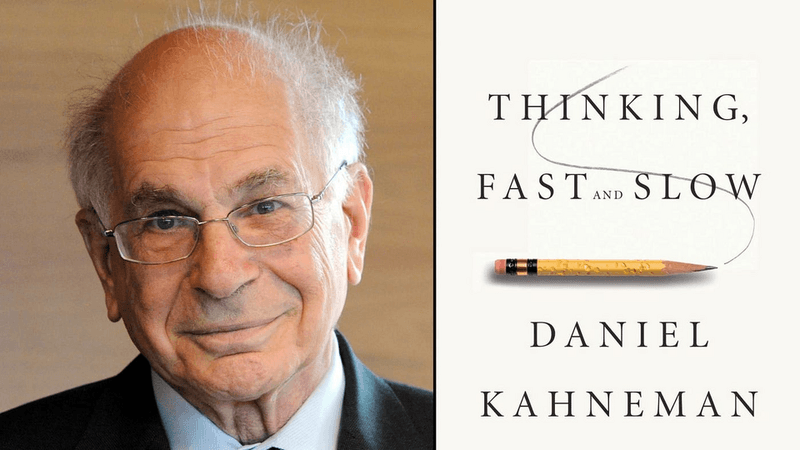
Nobel Prize-winning psychologist Daniel Kahneman spent decades studying why humans make the decisions they do, and this book is the brilliant result. Your brain actually runs on two systems: one fast and instinctive, one slow and logical.
Spoiler: the fast one makes a LOT of mistakes.
Understanding these patterns helps readers make smarter choices in school, friendships, and everyday life. If you have ever wondered why you panic-bought something you never needed, this book explains everything.
8. The Great Gatsby
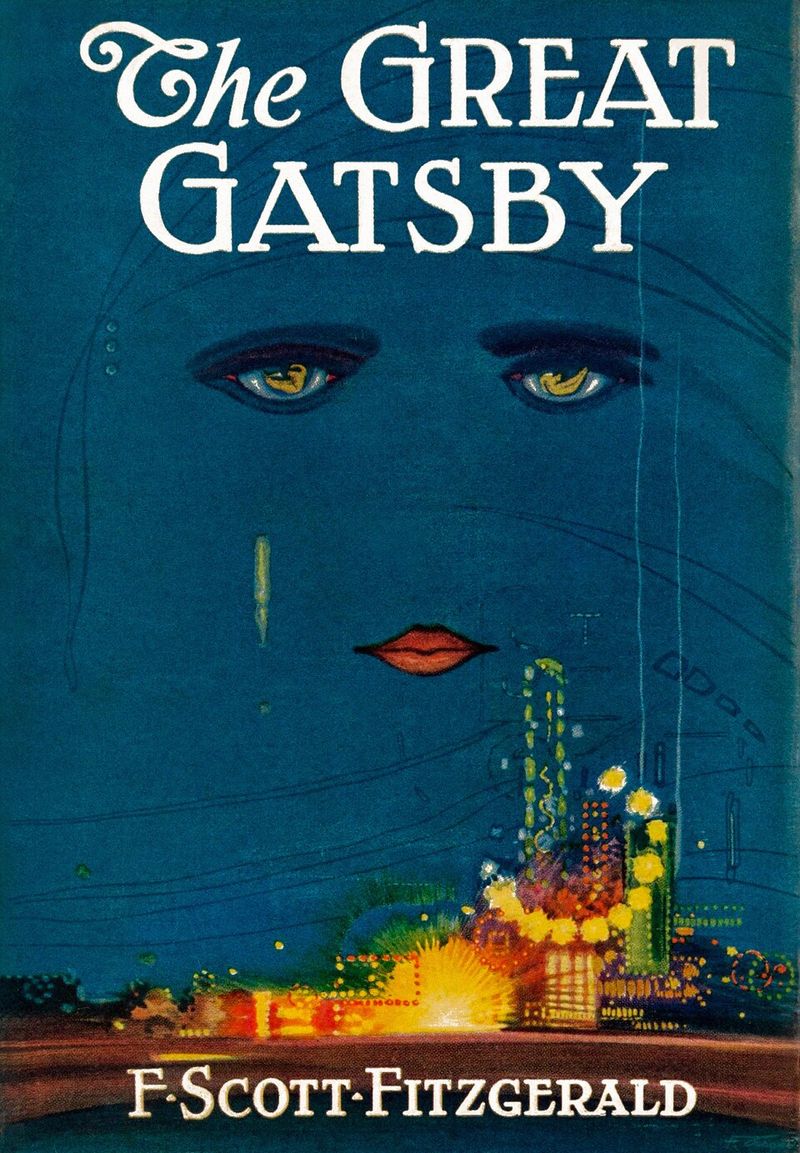
F. Scott Fitzgerald published this glittering, heartbreaking novel in 1925, capturing the wild excess of America’s Jazz Age with breathtaking style.
Jay Gatsby throws the most legendary parties in literary history, yet he remains the loneliest man in every room.
Beneath the champagne and jazz, this is really a story about obsession, class, and the dangerous myth of reinventing yourself. Few books make wealth look both dazzling and deeply, achingly hollow at the same time.
9. The Hitchhiker’s Guide to the Galaxy
Douglas Adams wrote this comic sci-fi masterpiece after supposedly lying in a field in Austria in 1971, looking up at the stars and thinking someone should write a hitchhiker’s guide to the galaxy. So he did, and readers have been grateful ever since.
Arthur Dent’s accidental adventure through space after Earth gets demolished is absolutely hilarious from page one. The answer to life, the universe, and everything, by the way, is 42.
You are welcome.
10. Man’s Search for Meaning

Viktor Frankl survived the Nazi concentration camps of World War II and emerged with a profound insight: even in the most unimaginable suffering, humans can find purpose and meaning. This short book carries more wisdom per page than almost anything else ever written.
Frankl’s philosophy, called logotherapy, argues that having a reason to live is the most powerful force in human psychology. Few books will leave you more grateful for your own life and choices.
11. Brave New World
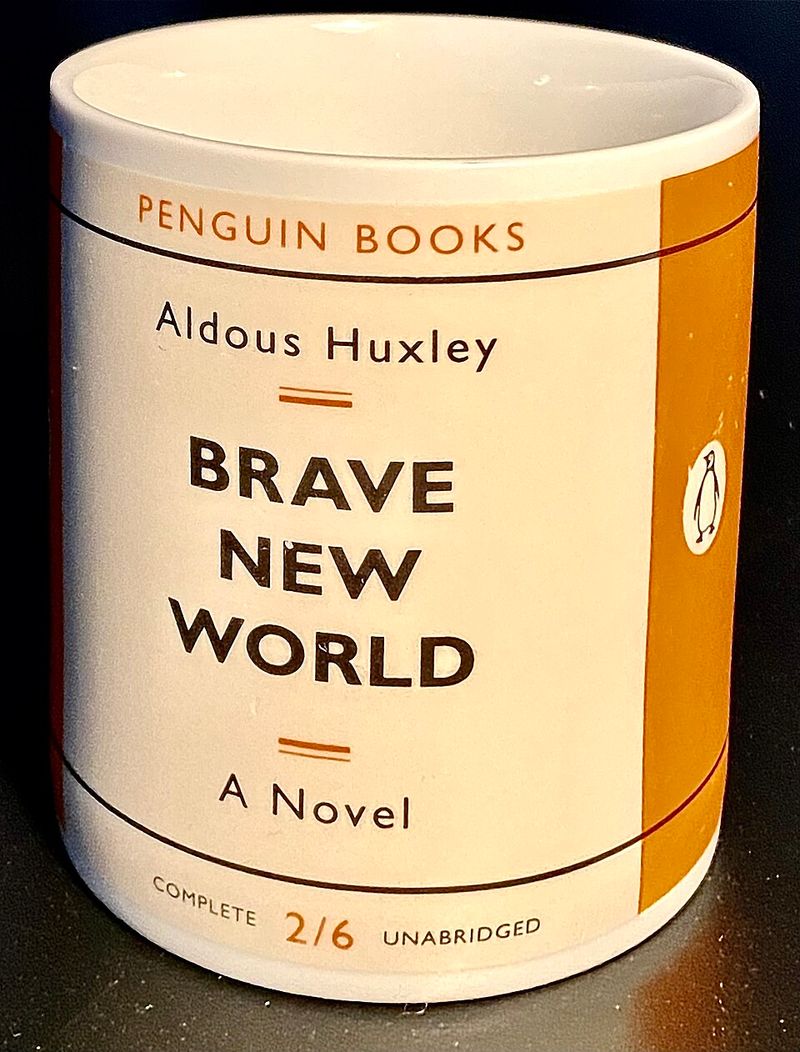
Aldous Huxley imagined a future in 1932 where humans are manufactured in labs, happiness is chemically guaranteed, and no one is allowed to feel anything uncomfortable. Sounds perfect, right?
That is exactly what makes it so creepy.
Unlike 1984’s world of brutal control, Huxley’s dystopia seduces people into compliance with pleasure and distraction. Reading both back-to-back is one of the most thought-provoking literary experiences a reader can have.
12. The Diary of a Young Girl
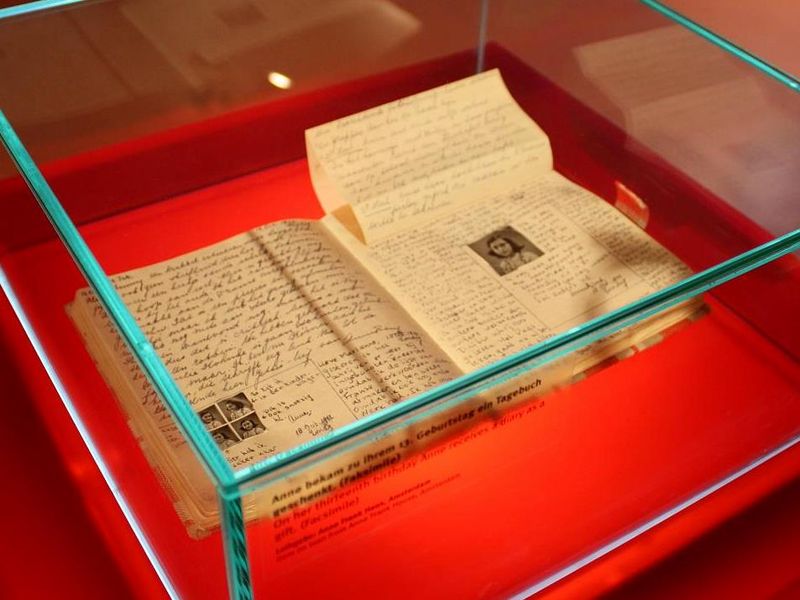
Anne Frank began writing her diary in 1942 while hiding with her family in a concealed apartment in Amsterdam to escape Nazi persecution during World War II. She was just 13 years old when she started, and her voice is shockingly vivid, funny, and heartbreakingly real.
Her diary remains one of the most widely read accounts of the Holocaust ever published. Reading her words feels like a sacred act of remembrance and a powerful reminder of why history must never be forgotten.
13. Atomic Habits
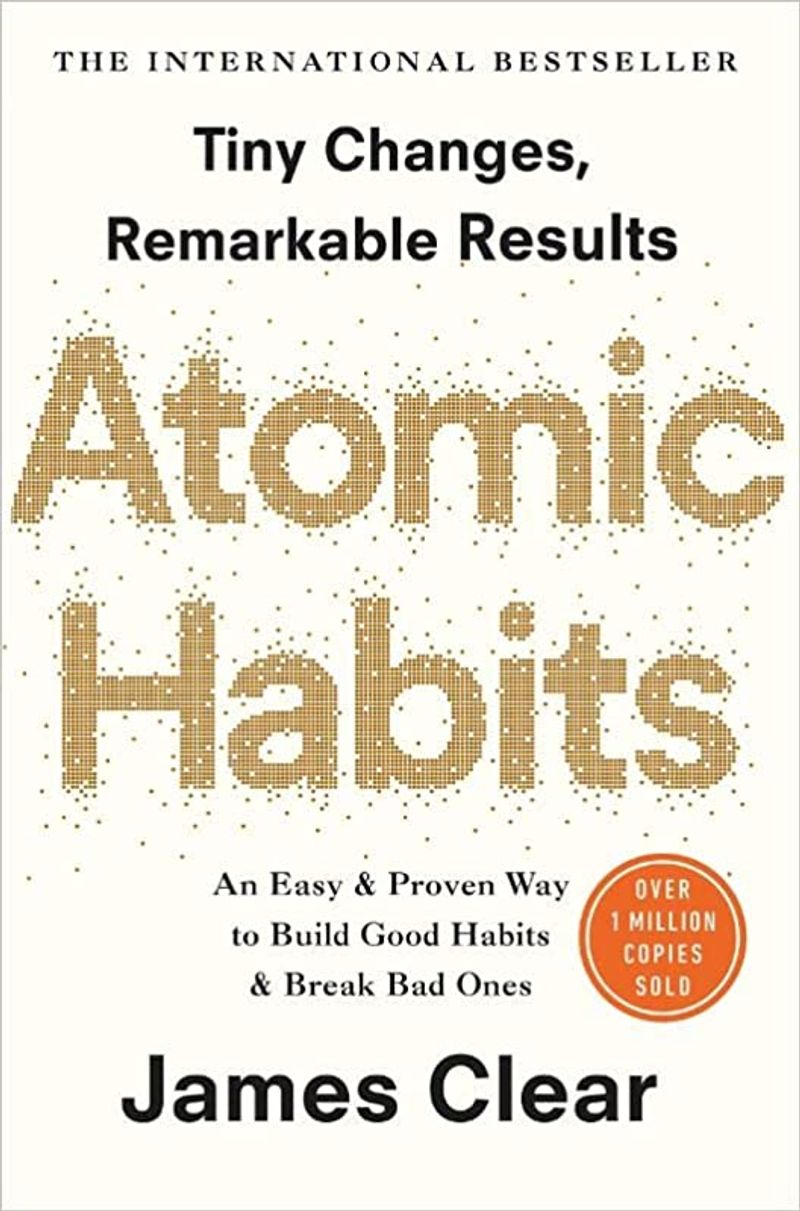
James Clear cracked the code on why habits are so hard to build and even harder to break, and then he shared the entire playbook in this 2018 bestseller. Small, consistent changes compound into remarkable results over time, which sounds obvious but is backed by serious science here.
Clear’s ‘two-minute rule’ alone has helped countless readers finally start habits they kept abandoning. If you have ever promised yourself you would exercise more or read daily, this book is your new best friend.
14. The Catcher in the Rye
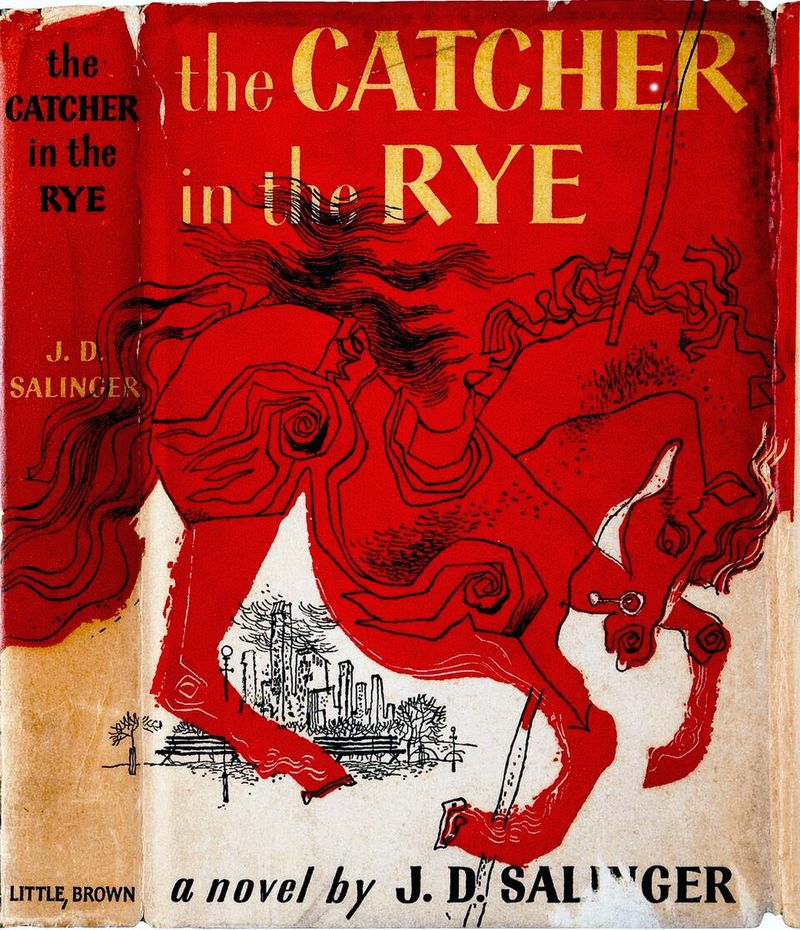
J.D. Salinger’s 1951 novel about Holden Caulfield, a 16-year-old wandering New York City after getting kicked out of school, became one of the most controversial and beloved books in American literature almost overnight.
Holden’s sharp, sarcastic voice feels so real that generations of teenagers have felt he was speaking directly to them. Though Holden himself would probably roll his eyes at being called a literary icon, that is exactly what he became.
15. The Odyssey
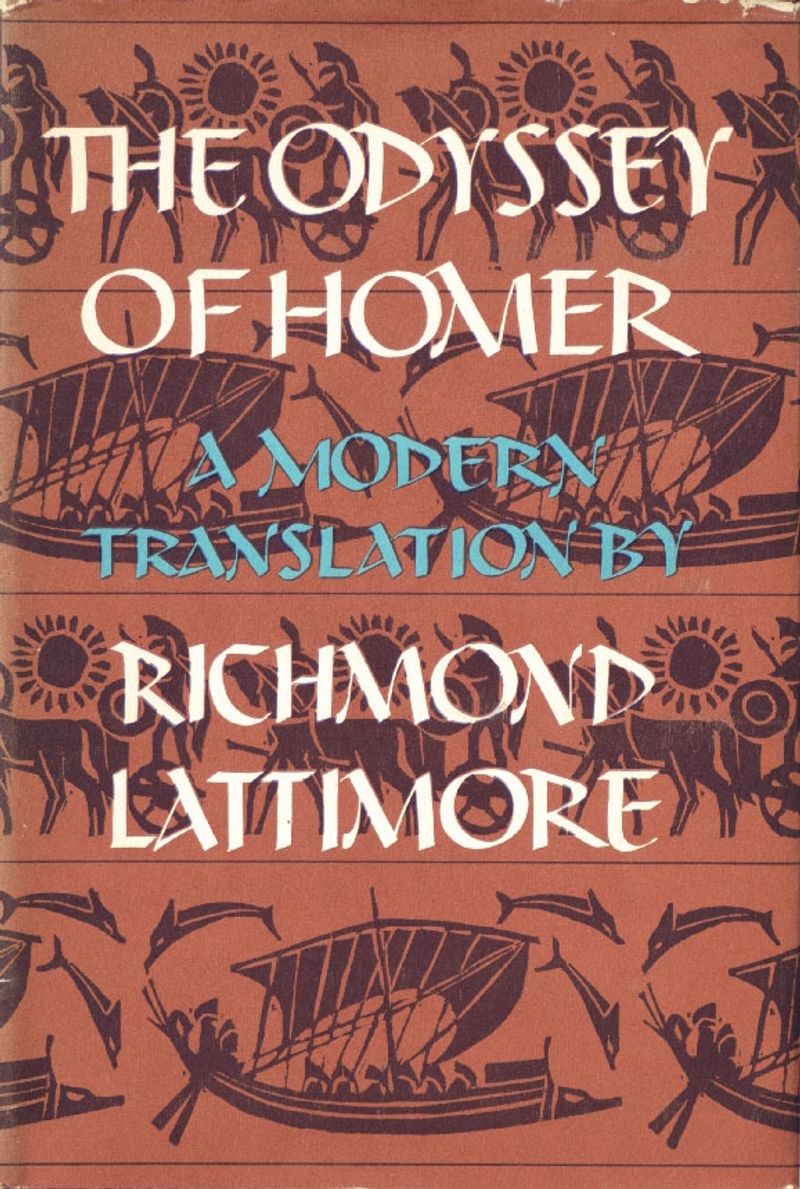
Homer’s ancient Greek epic poem has been entertaining audiences for nearly 3,000 years, which officially makes it the greatest long-distance reader relationship in history. Odysseus spends ten years trying to get home after the Trojan War, battling monsters, gods, and his own stubborn pride along the way.
Every adventure story written since owes something to this one. Reading a modern translation feels surprisingly fast-paced, almost like a fantasy novel, except this one basically invented the entire genre.