26 Books That Are Not Widely Included On Standard Reading Lists
School reading lists often recycle the same familiar classics, leaving countless remarkable books overlooked and underappreciated.
Many of these hidden gems deliver fresh perspectives, thrilling adventures, and ideas that deserve a much bigger spotlight.
Revisiting forgotten works can reshape how readers see the world while opening the door to storytelling that feels new again.
Disclaimer: Book availability, editions, and content warnings can vary by publisher and country, and some older works use period language in titles or text that may feel outdated today. Descriptions here are for general informational and entertainment purposes and are not legal, financial, or professional advice.
1. The King In Yellow (Robert W. Chambers)
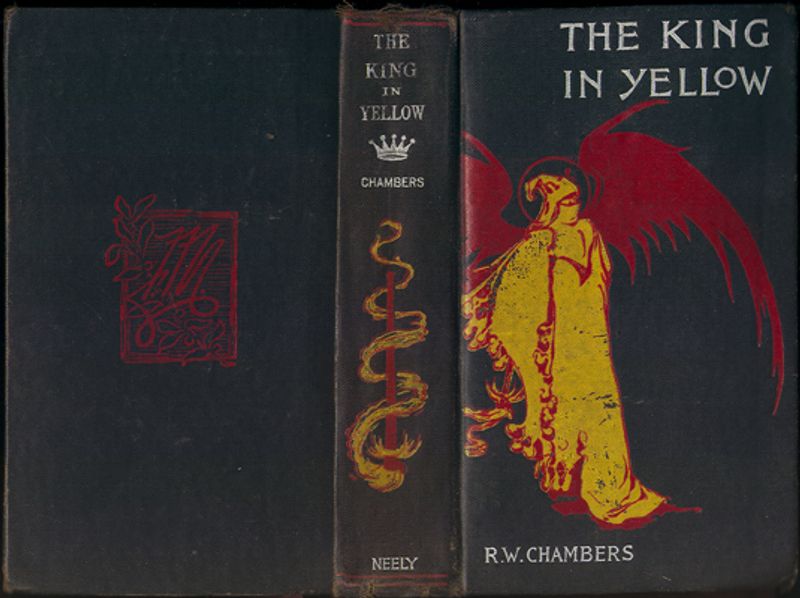
Imagine a book so dangerous that reading it drives people mad.
Robert W. Chambers crafted a collection of eerie short stories in 1895 that blend horror with mysterious supernatural elements.
The tales revolve around a forbidden play that causes insanity in anyone who reads its second act.
This work inspired countless modern horror writers and shows up in popular culture references today. Readers who enjoy spine-tingling mysteries and psychological suspense will find themselves completely absorbed in this haunting world.
2. The Book Of Wonder: A Chronicle Of Little Adventures At The Edge Of The World (Lord Dunsany)

Lord Dunsany transported readers to magical realms filled with talking animals and enchanted objects in this 1912 fantasy collection. His vivid imagination created stories about mysterious islands where anything seems possible.
Each tale feels like a dream brought to life on the page.
The writing style flows smoothly and paints pictures with words that make readers feel like they are actually exploring these fantastical places. Fantasy lovers who appreciate creative world-building and poetic language will treasure every page of this timeless collection.
3. A Dreamer’s Tales (Lord Dunsany)
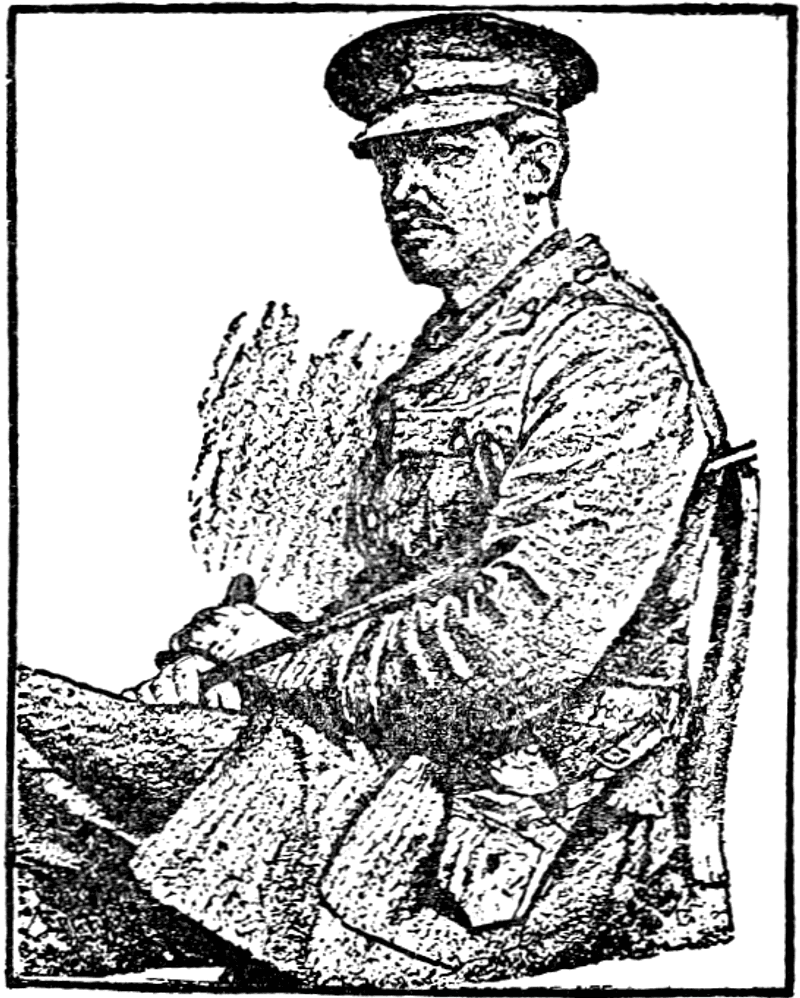
Dreams turning into real stories is a concept many have pondered throughout history. Lord Dunsany answered that question with this 1910 collection of imaginative tales about gods, heroes, and magical kingdoms.
Storytelling within these pages captures the strange logic of dreams where anything can happen without warning. Unique voices like Dunsany’s influenced famous writers such as H.P.
Lovecraft and J.R.R. Tolkien over the following decades.
Readers seeking escape into otherworldly adventures will find themselves lost in these mesmerizing narratives.
4. The Gods Of Pegāna (Lord Dunsany)
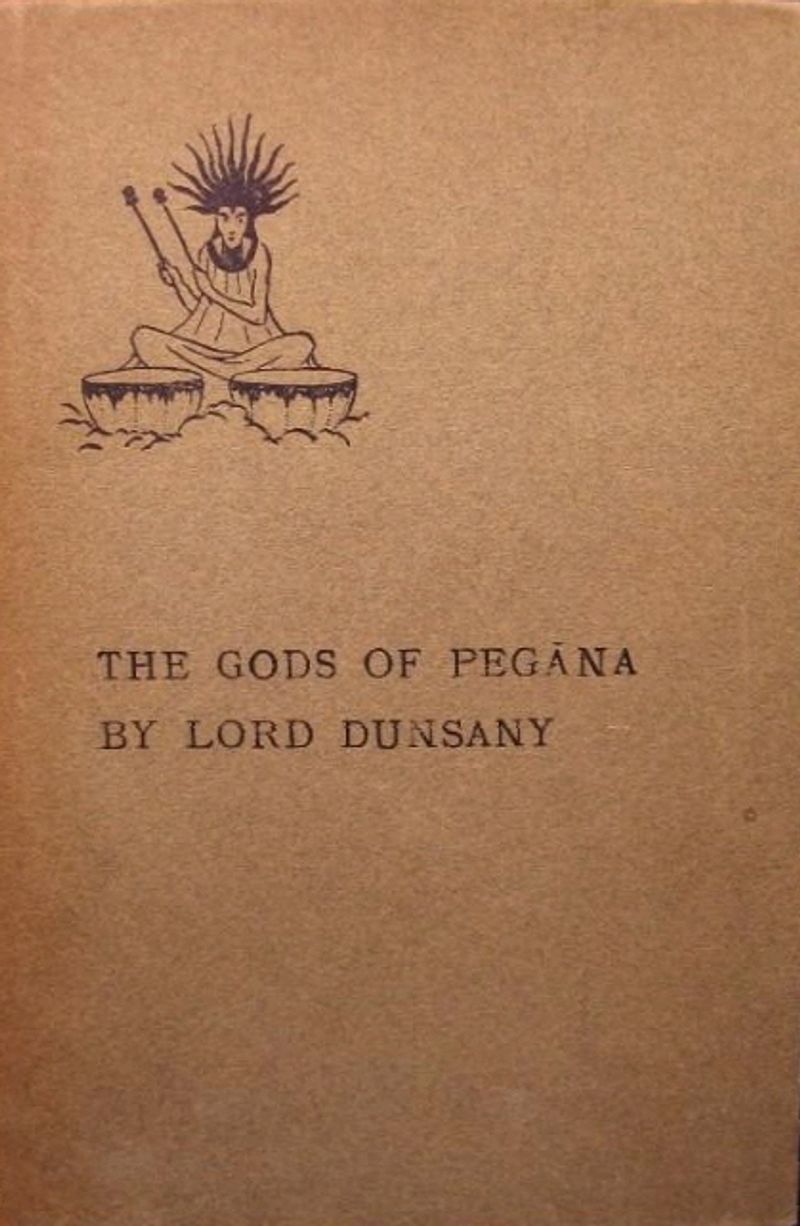
Creating an entirely new mythology from scratch sounds impossible, but Lord Dunsany did exactly that in 1905.
This book introduces readers to Pegāna, a fictional universe with its own gods, creation stories, and cosmic rules.
The short chapters read like ancient religious texts translated into beautiful modern English. Dunsany’s invented mythology feels as authentic as Greek or Norse legends but comes entirely from his imagination.
Anyone fascinated by world-building or comparative mythology will appreciate this groundbreaking work.
5. The Night Land (William Hope Hodgson)
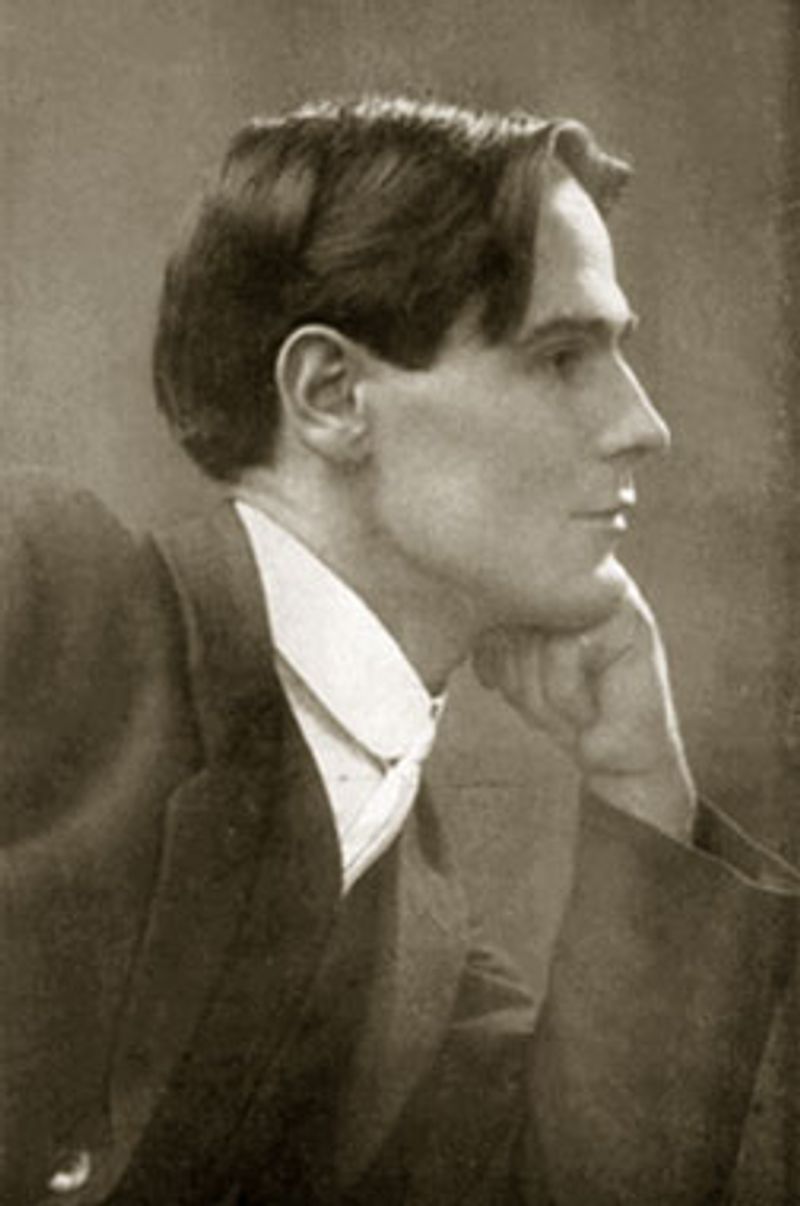
Earth billions of years in the future appears as a frozen wasteland where the sun has died and humanity huddles in one last fortress.
William Hope Hodgson published this apocalyptic vision in 1912, creating one of the strangest science fiction novels ever written. Strange logic follows a man who ventures into the dark wasteland to rescue his lost love from the shadows.
Archaic writing styles might challenge modern readers, but the imaginative scope and haunting atmosphere make the effort worthwhile.
6. The Devil’s Dictionary (Ambrose Bierce)
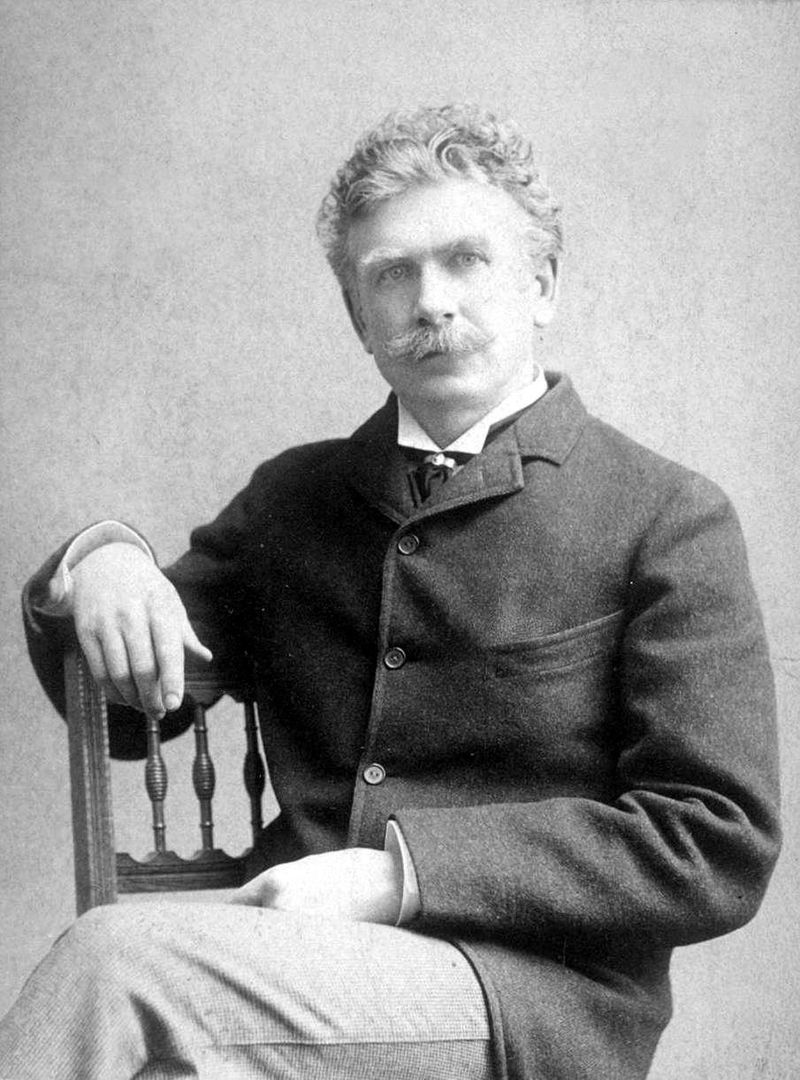
What if someone rewrote the dictionary with brutally honest and hilariously cynical definitions?
Ambrose Bierce did precisely that between 1881 and 1906, creating a satirical masterpiece that pokes fun at human nature and society. His definition of “marriage” as “the state or condition of a community consisting of a master, a mistress, and two slaves” shows his sharp wit.
Each entry delivers clever wordplay and biting social commentary. Readers who enjoy smart humor and sarcastic observations will laugh out loud while reading this timeless collection.
7. The Purple Cloud (M. P. Shiel)
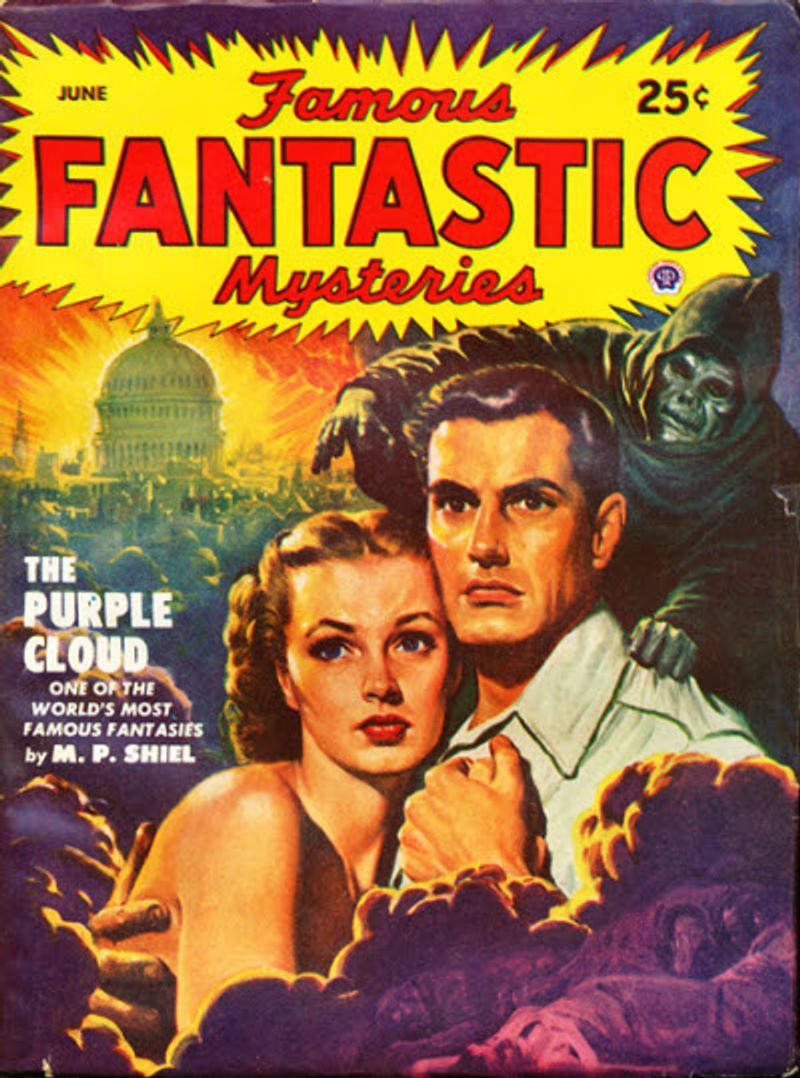
In M.P. Shiel’s 1901 novel, The Purple Cloud, a man awakens to a silent world.
After a lethal gas decimates humanity, he discovers he may be the sole survivor.
As he traverses desolate, empty cities, the narrative shifts from a survivalist trek into a haunting psychological study. He struggles with profound loneliness and the dark temptation of absolute power.
This visionary work remains a masterpiece of early post-apocalyptic fiction, offering timeless questions about human nature and isolation.
8. The Coming Race (Edward Bulwer-Lytton)
Deep beneath the Earth’s surface lives an advanced civilization with incredible powers and technology.
Edward Bulwer-Lytton published this 1871 science fiction novel about a man who discovers the Vril-ya, a superior underground race. The book explores themes of evolution, energy, and social organization that fascinated Victorian readers.
Though some ideas feel dated now, the imaginative world-building remains impressive. Science fiction fans who appreciate the genre’s history will enjoy seeing how early writers imagined future societies and mysterious hidden worlds.
9. The Great God Pan (Arthur Machen)
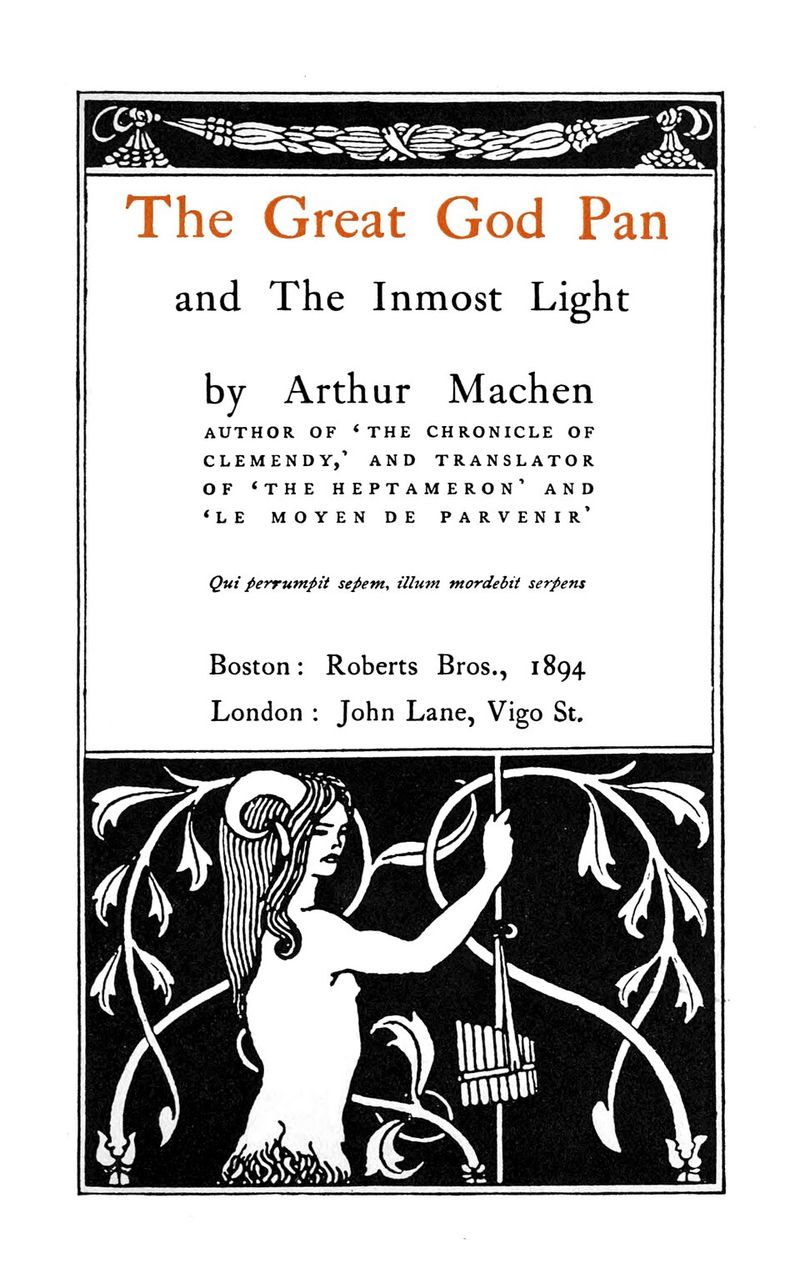
What horrors lurk just beyond the veil of everyday reality? Arthur Machen’s 1894 novella suggests that certain mysteries should remain unsolved for humanity’s own safety.
Scientific experimentation leads to devastating consequences when a woman is forced to see the ancient god Pan. Atmospheric writing creates a sense of creeping dread that builds throughout every chapter.
Horror enthusiasts who prefer psychological terror over gore will appreciate how Machen helped define modern supernatural fiction.
Great authors like Lovecraft drew immense inspiration from these haunting themes.
10. The House Of Souls (Arthur Machen)
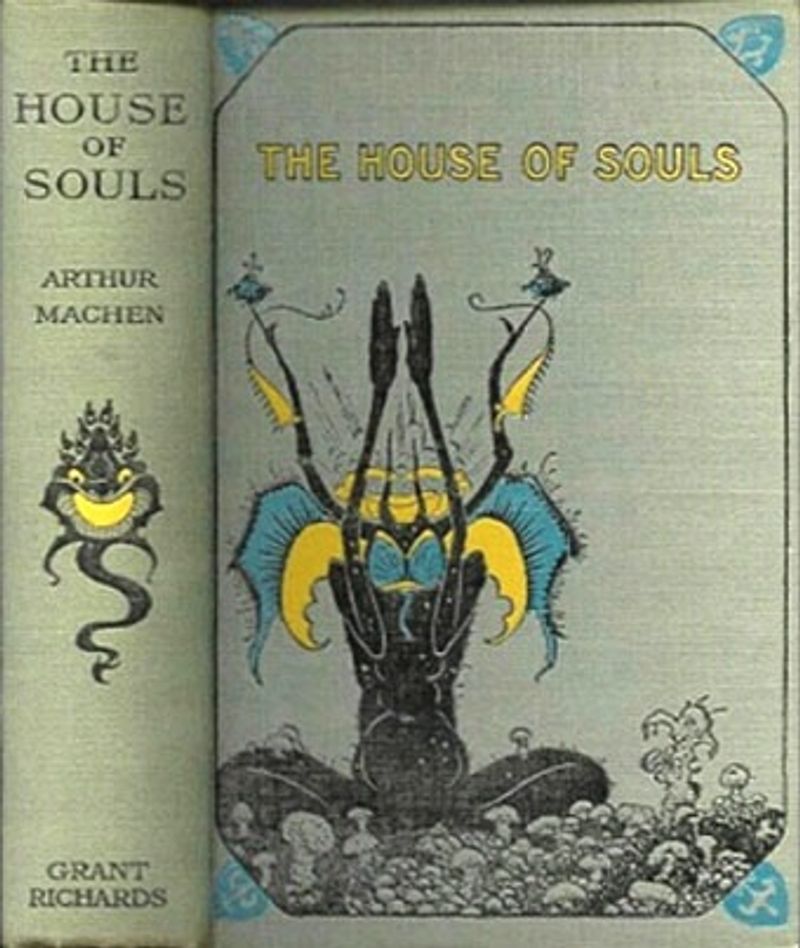
Four interconnected tales of mystery and the supernatural fill this 1906 collection by Arthur Machen.
Each story peels back the comfortable surface of Victorian London to reveal ancient evils lurking underneath.
Machen excelled at creating an atmosphere where ordinary streets hide extraordinary dangers. His writing influenced horror masters like H.P.
Lovecraft and Stephen King.
Readers who enjoy stories that make them question what lies beneath everyday reality will find these tales both unsettling and captivating from start to finish.
11. The Beetle: A Mystery (Richard Marsh)
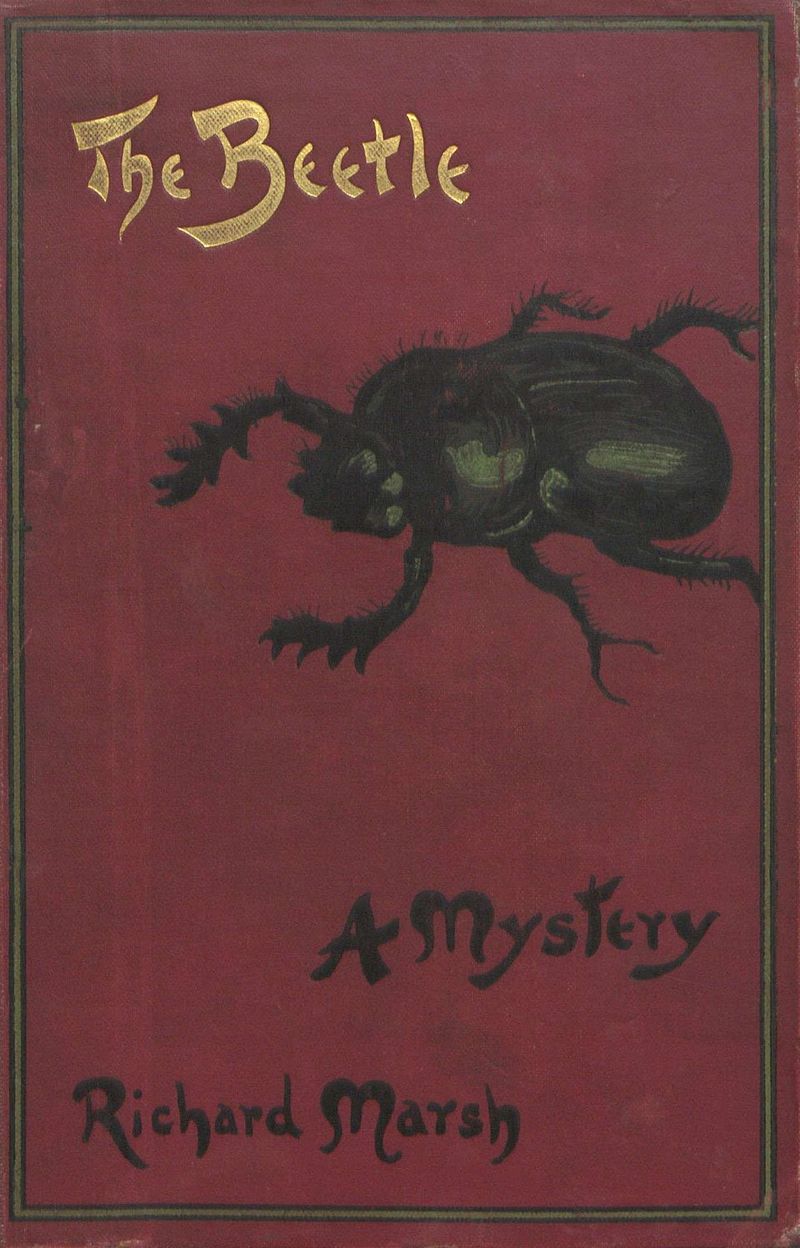
Could a forgotten thriller truly outsell Dracula? Richard Marsh’s 1897 masterpiece features a vengeful, shape-shifting creature from Egypt terrorizing Victorian London.
Multiple narrators reveal different pieces of a frightening puzzle, blending fast-paced action with genuine suspense. Mystery lovers who enjoy classic detective stories mixed with supernatural elements often wonder why such gripping entertainment disappeared from popular memory.
Modern readers will find its exploration of urban terror and ancient curses surprisingly effective.
12. The Riddle Of The Sands: A Record Of Secret Service (Erskine Childers)
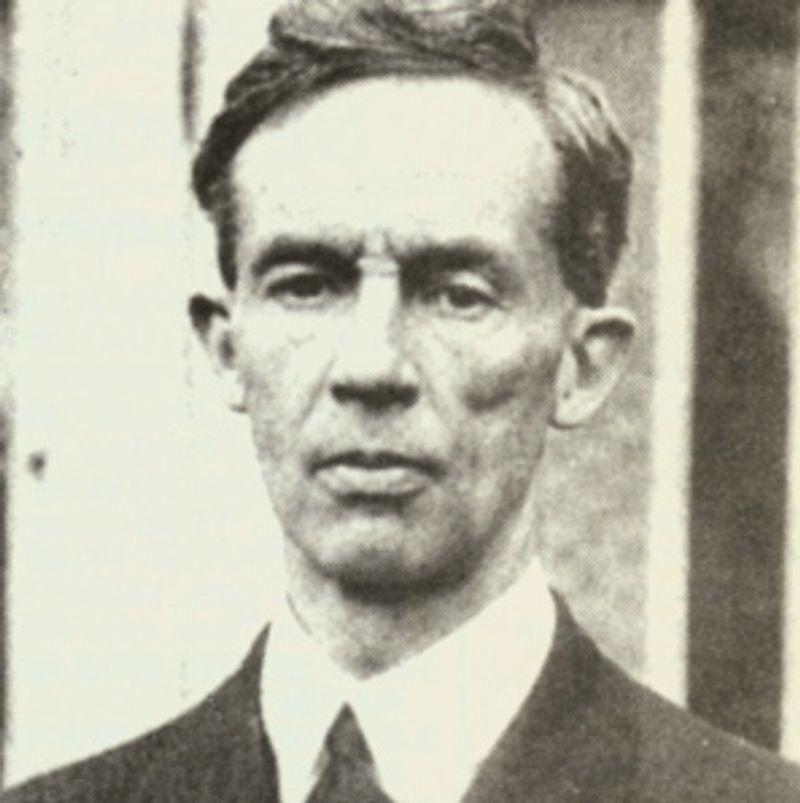
Two friends sailing near Germany stumble upon a plot that could threaten all of Britain.
Erskine Childers published this 1903 spy novel that’s often cited as an early, hugely influential template for espionage thrillers. The detailed descriptions of sailing and navigation add authentic realism to the tense mystery.
Its detailed realism helped make the threat feel plausible to readers at the time, which is part of why it’s remained so influential. Adventure seekers who love nautical settings and clever detective work will appreciate how this forgotten classic laid the groundwork for James Bond and other spy heroes.
13. The Enormous Room (E. E. Cummings)
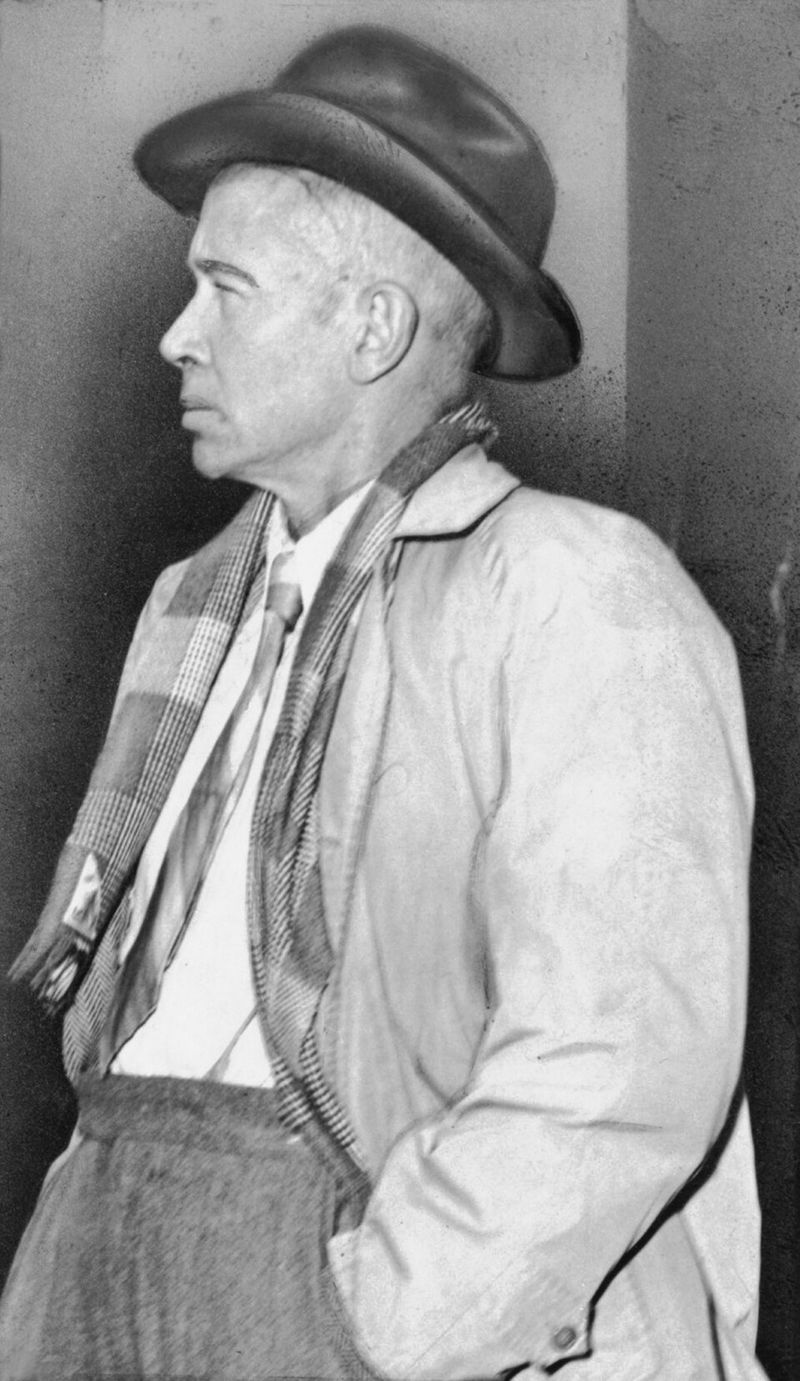
Before becoming famous for his experimental poetry, E. E.
Cummings wrote a powerful 1922 memoir regarding wrongful imprisonment. French authorities detained Cummings in a military detention camp during World War I based on false suspicions.
Vivid descriptions of fellow prisoners and absurd bureaucracy transform a grueling experience into compelling literature.
Writing styles here showcase his unique voice and sharp observations about human nature under pressure. Readers interested in war stories told from unexpected angles will find this firsthand account both moving and eye-opening.
14. The Autobiography Of An Ex-Colored Man (James Weldon Johnson)
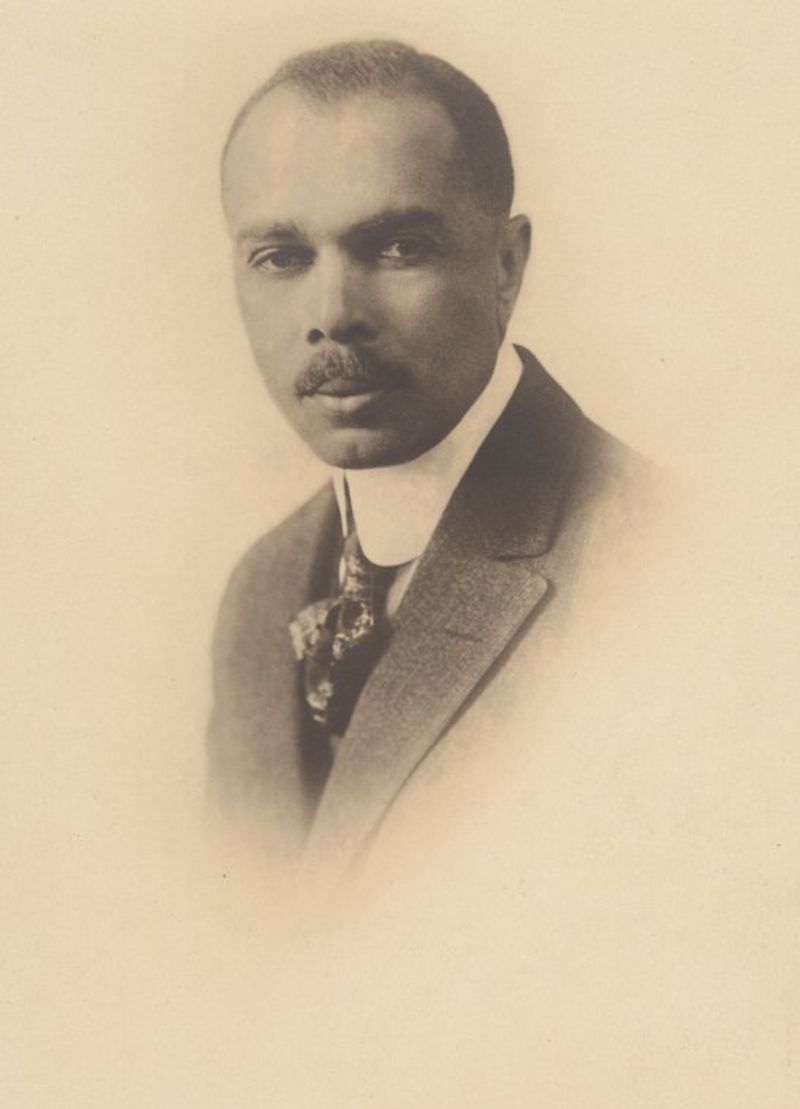
How does someone choose which racial identity to claim when they could pass for either Black or white?
James Weldon Johnson explored this question in his groundbreaking 1912 novel about a biracial man navigating early 20th-century America. The narrator’s journey takes readers from the South to New York to Europe and back.
This book honestly examines racism, identity, and the painful costs of passing. Anyone interested in American history and the complex realities of racial identity will find this powerful narrative both enlightening and deeply human.
15. The Man Who Was Thursday (G. K. Chesterton)
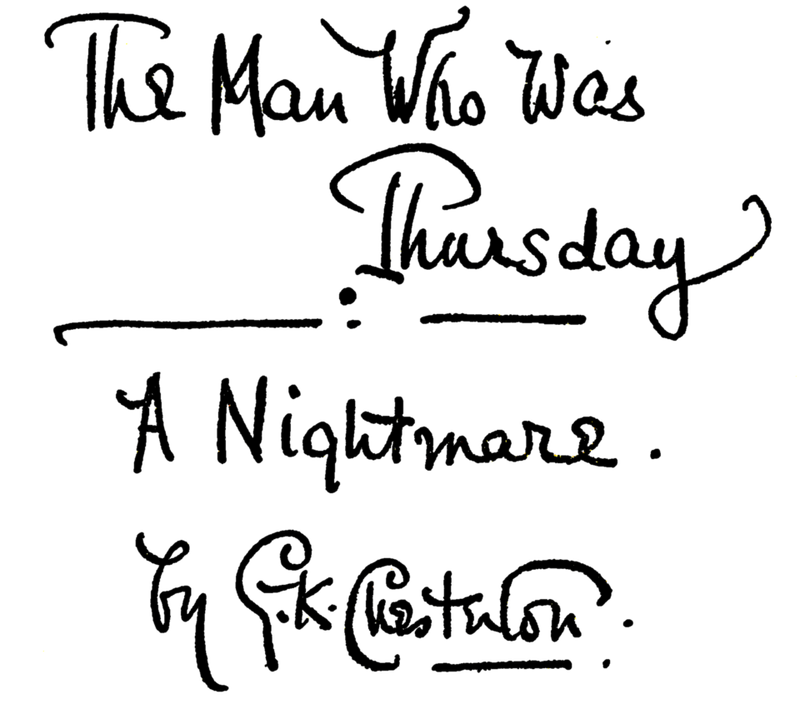
Nothing makes sense when anarchists might actually be police officers and vice versa. G.
K. Chesterton’s 1908 novel, The Man Who Was Thursday, follows a poet recruited to infiltrate a secret council, only to discover dizzying layers of deception.
Philosophical debates, mystery, and absurd humor collide in equal measure throughout this surreal chase across London.
Witty writing keeps readers guessing until the very end about the true identity of every character. Fans of clever plot twists and deep existential questions wrapped in an entertaining adventure will thoroughly enjoy this wild, unpredictable ride.
16. The Napoleon Of Notting Hill (G. K. Chesterton)
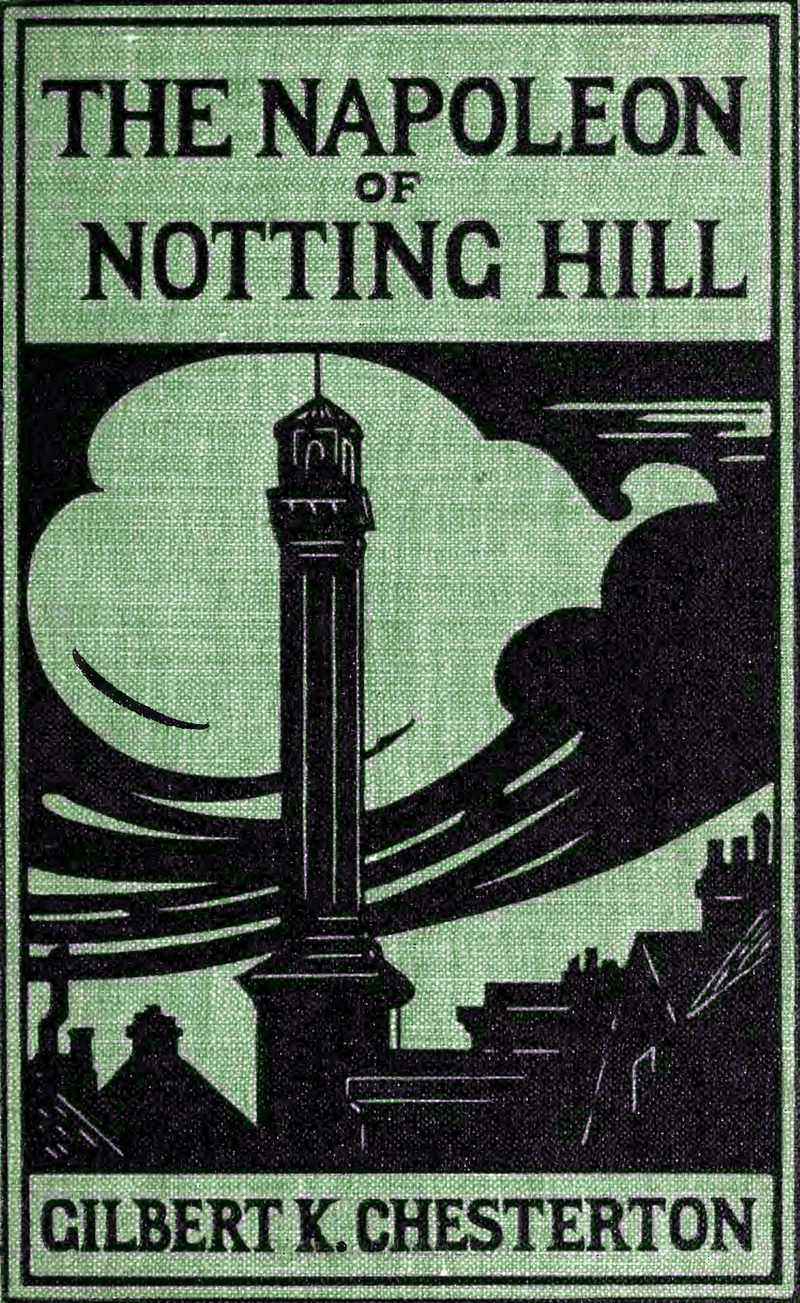
Imagine London neighborhoods going to war with each other over street boundaries and local pride.
G. K.
Chesterton’s 1904 novel creates a future where one man takes local patriotism so seriously that it sparks actual conflict. The book mixes satire, adventure, and genuine emotion in surprising ways.
Chesterton questions whether modern progress truly improves human life or just makes existence more boring. Readers who enjoy thoughtful satire that makes them laugh while reconsidering their assumptions will find this forgotten gem absolutely delightful and thought-provoking.
17. Zanoni (Edward Bulwer-Lytton)
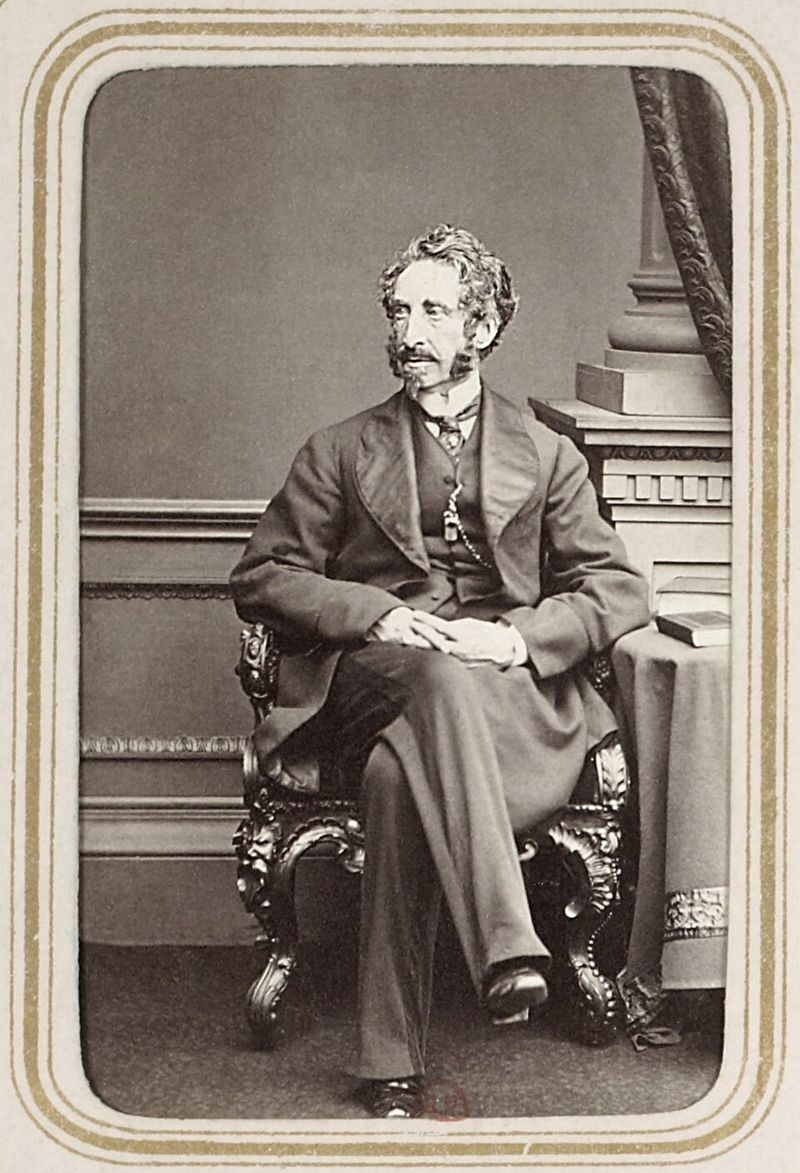
Two immortal mystics with opposing philosophies clash against the backdrop of the French Revolution. Edward Bulwer-Lytton published his ambitious 1842 novel, Zanoni, blending romance, occultism, and historical drama.
Exploration of whether pursuing mystical knowledge brings enlightenment or isolates individuals from human experience drives the narrative. Dense philosophical discussions mix with dramatic action sequences throughout this lengthy tale.
Readers willing to invest time in a challenging but rewarding book will discover a fascinating study of immortality, love, and the price of supernatural wisdom.
18. The Book Of The Damned (Charles Fort)
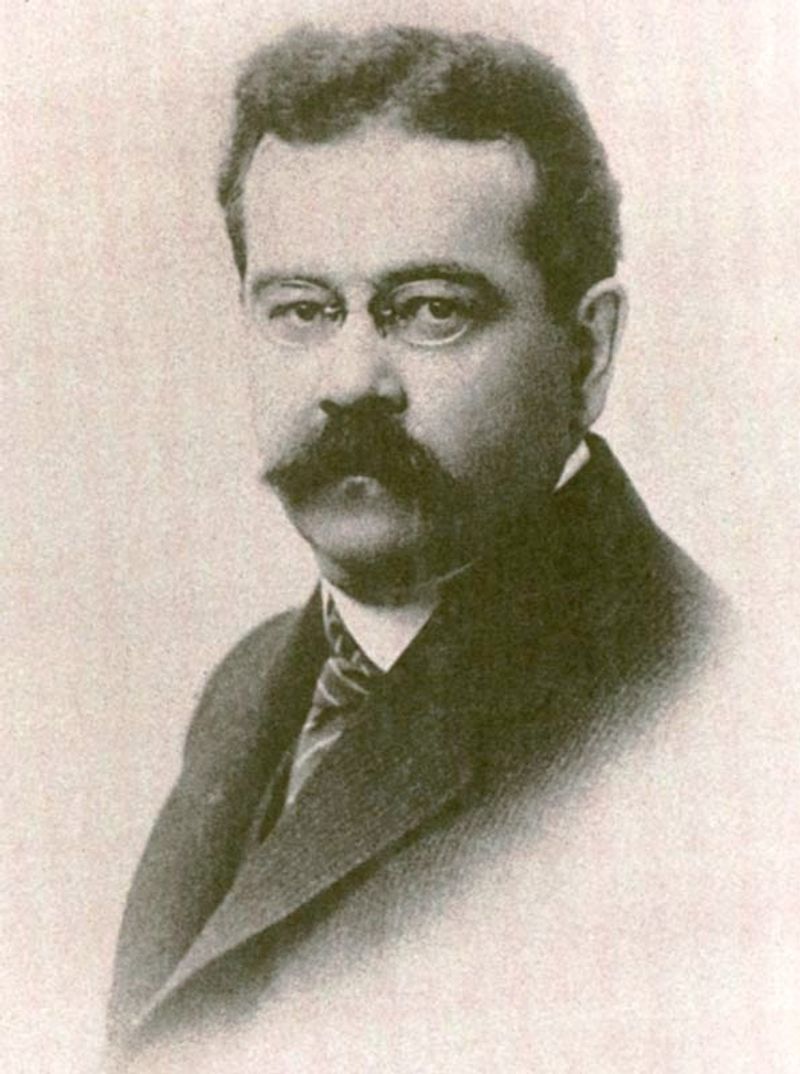
What happens to all the scientific data that mainstream science refuses to acknowledge or explain?
Charles Fort collected thousands of reports about strange phenomena – rains of frogs, mysterious disappearances, unexplained lights – in this 1919 work. Fort challenges readers to question what authorities tell them about reality.
His sarcastic writing style makes even bizarre reports entertaining to read. Anyone fascinated by unsolved mysteries, UFOs, or paranormal events will appreciate how Fort pioneered investigating phenomena that conventional science dismisses without proper examination.
19. The Ragged Trousered Philanthropists (Robert Tressell)
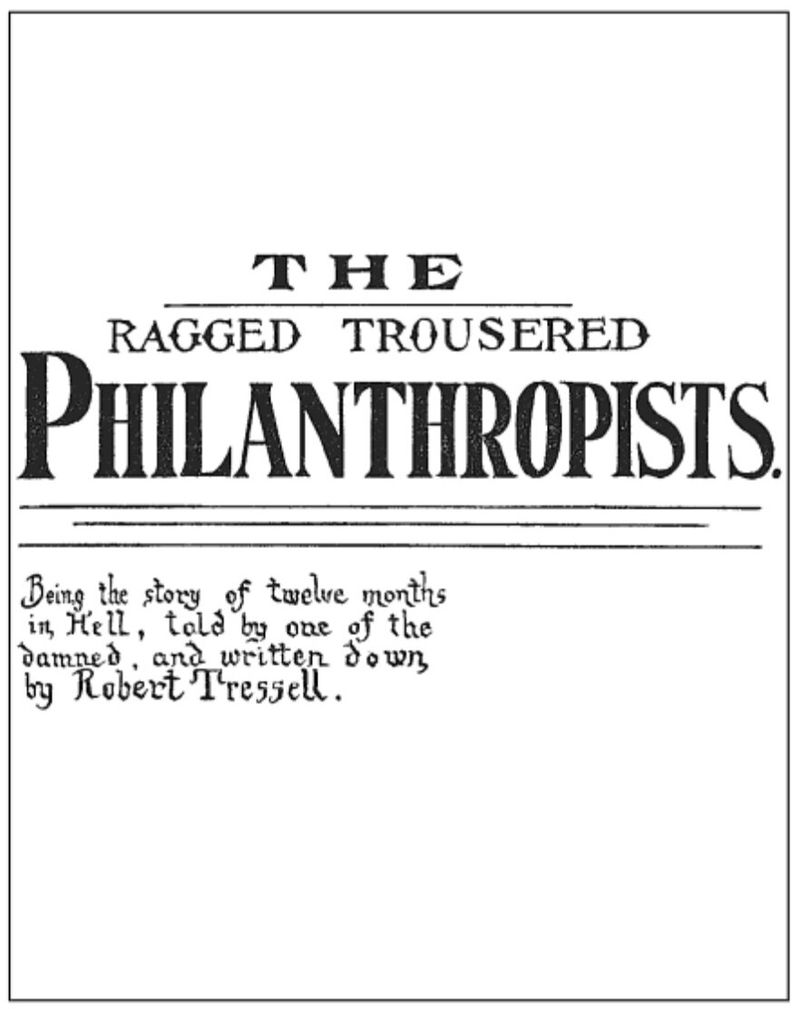
Working-class house painters in early 1900s England struggle to survive while their labor enriches others.
Robert Tressell wrote his passionate 1914 novel, The Ragged-Trousered Philanthropists, based on personal experiences as a decorator.
Capitalism’s exploitation of workers becomes painfully clear as the story shows why many laborers vote against their own economic interests.
Tressell’s socialist message remains powerful without overwhelming the human stories of individual characters. Readers interested in labor history and social justice will find this forgotten classic surprisingly relevant to modern economic debates and workplace struggles.
20. The Hill Of Dreams (Arthur Machen)
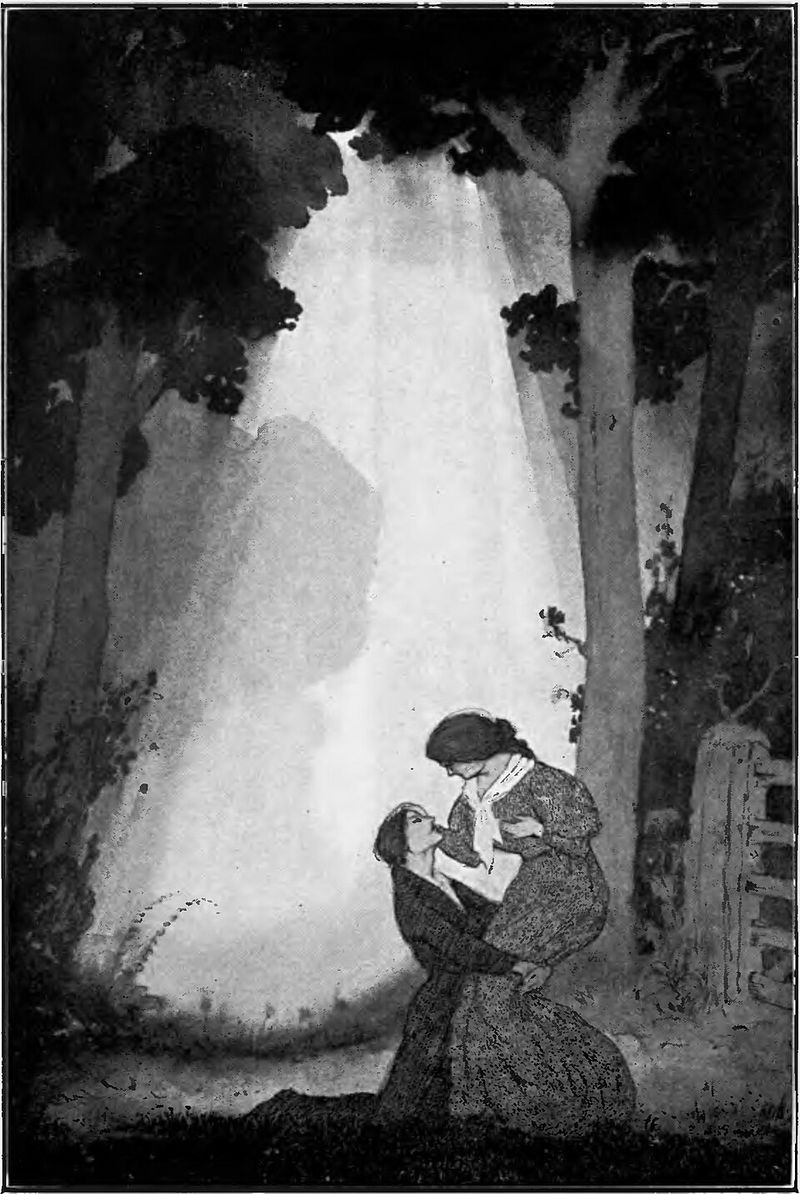
A sensitive young writer in rural Wales gradually loses his grip on reality while pursuing artistic perfection.
Arthur Machen’s 1907 novel follows Lucian Taylor as his imagination blurs with hallucinations and ancient visions. The semi-autobiographical story captures the isolation and desperation of artistic ambition.
Machen’s lyrical prose creates a dreamlike atmosphere that mirrors the protagonist’s mental state. Writers and artists who understand the struggle between creative vision and practical survival will recognize themselves in this haunting, melancholy portrait of artistic obsession taken too far.
21. The Land Of Little Rain (Mary Austin)
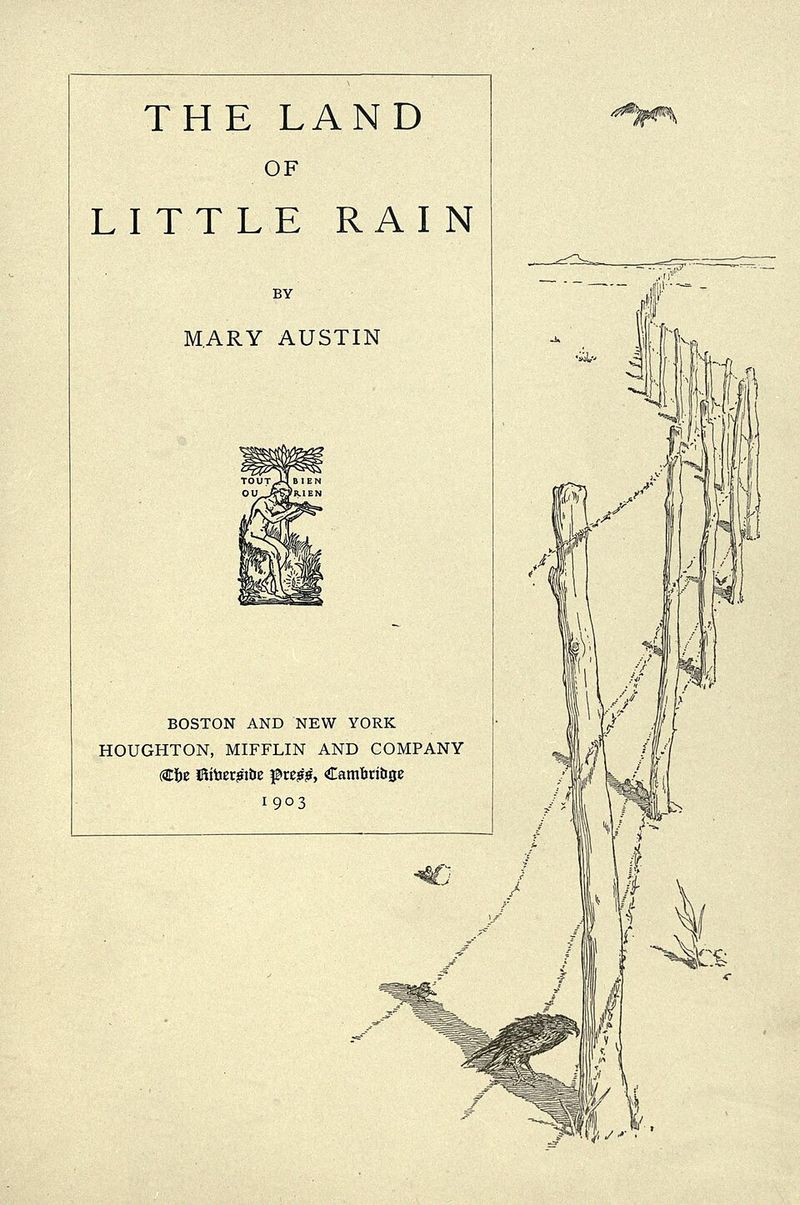
Desert landscapes often get dismissed as empty wastelands, but Mary Austin saw incredible beauty there.
Her 1903 collection of essays celebrates the Mojave Desert and the people, animals, and plants that thrive in harsh conditions. Austin writes with deep ecological awareness decades before environmentalism became mainstream.
Each chapter explores different aspects of desert life with poetic precision. Nature lovers and anyone curious about desert ecosystems will appreciate Austin’s pioneering environmental writing that treats the natural world with respect and wonder.
22. The Club Of Queer Trades (G. K. Chesterton)
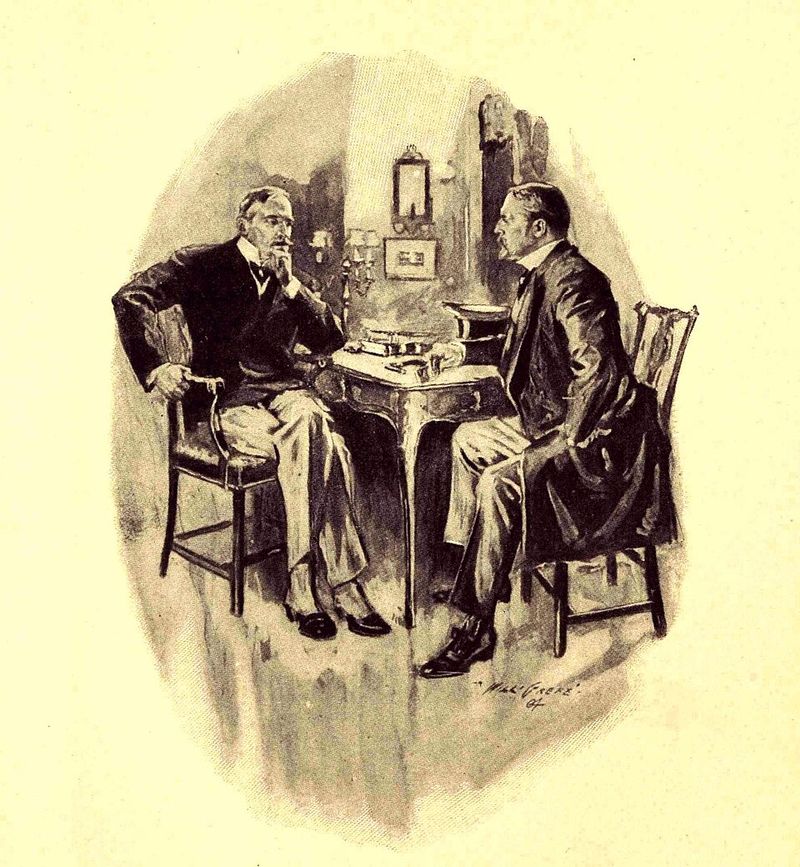
Six linked mystery stories reveal people who invented completely unique and bizarre ways to make a living. G.
K. Chesterton published his 1905 collection, The Club of Queer Trades, about a detective investigating unusual professions that technically break no laws.
Each tale features creative problem-solving and trademark wit. Mysteries here focus on clever ideas rather than violence or danger.
Readers who enjoy cozy mysteries with intellectual puzzles instead of dark crimes will delight in these charming, inventive stories celebrating human creativity and unconventional thinking.
23. The Book Of Tea (Kakuzō Okakura)
Tea ceremonies contain entire philosophies about art, simplicity, and how to live meaningfully.
Kakuzō Okakura wrote this elegant 1906 essay explaining Japanese tea culture to Western readers.
The book goes far beyond describing how to prepare tea, exploring Zen Buddhism, aesthetics, and the Japanese approach to beauty. Okakura bridges Eastern and Western thought with grace and clarity.
Anyone interested in Japanese culture, mindfulness, or finding meaning in everyday rituals will treasure this short but profound meditation on living with intention and appreciating simple pleasures.
24. The People Of The Abyss (Jack London)
Jack London disguised himself as a vagrant and spent weeks among the poor in London’s East End to report what he saw firsthand. His 1903 investigative journalism book, The People of the Abyss, exposes brutal poverty and suffering hidden within the world’s richest city.
Descriptions of overcrowded workhouses, chronic malnutrition, and constant struggles for survival fill every page.
Firsthand observations make abstract poverty statistics heartbreakingly real for the reader.
Anyone concerned about homelessness and economic inequality will find London’s century-old report depressingly relevant today, as many identical problems persist in modern cities worldwide.
25. The Last Man (Mary Shelley)
Frankenstein’s creator later wrote a dark masterpiece set in the twenty-first century, where a plague gradually leaves one survivor.
Mary Shelley published this 1826 novel following the last survivor wandering through empty cities and abandoned monuments. The story explores themes of loneliness, mortality, and the fragility of civilization.
Shelley based some characters on her famous friends like Lord Byron and Percy Shelley. Science fiction fans interested in the genre’s origins will appreciate how Shelley essentially invented the post-apocalyptic novel nearly two centuries ago.
26. The Iron Heel (Jack London)
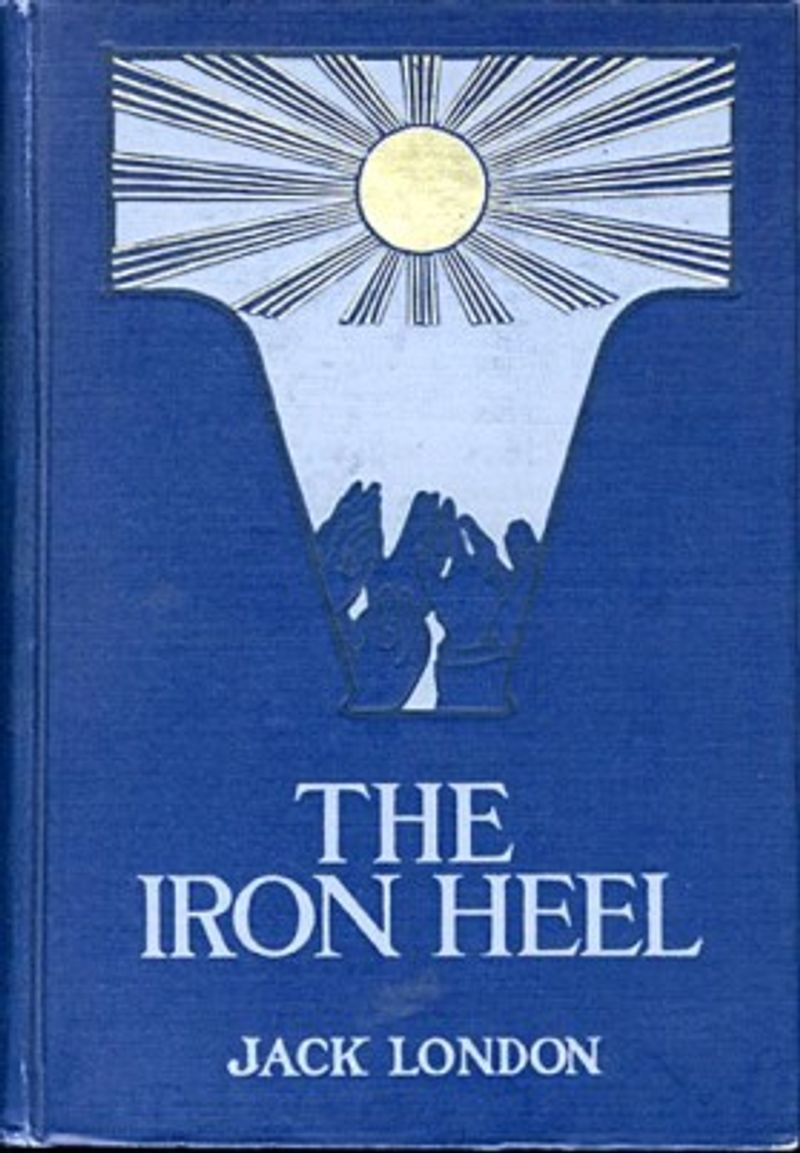
What if wealthy oligarchs crushed democracy and established a brutal dictatorship in America?
Jack London imagined exactly that scenario in his disturbing 1908 dystopian novel. The story follows revolutionaries fighting against corporate tyranny in a future that looks disturbingly plausible.
London predicted the rise of fascism decades before it actually happened in Europe. Political thriller enthusiasts and anyone worried about threats to democracy will find London’s warning about concentrated wealth and power both chilling and uncomfortably prescient for our current times.