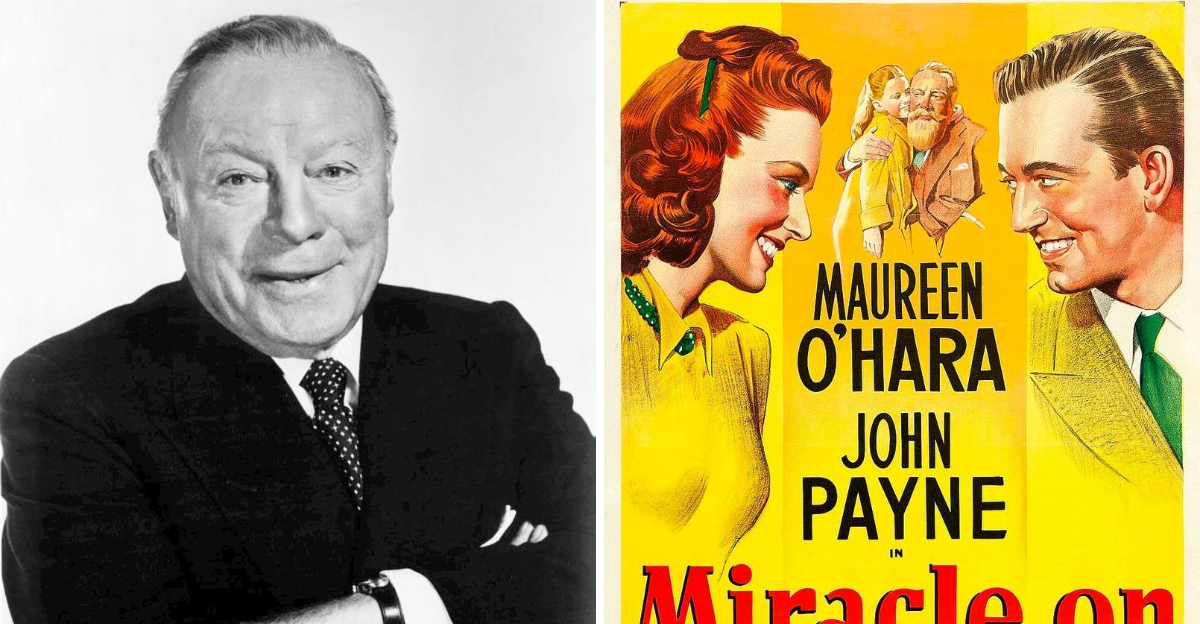
Well-Known Books That Changed Through Later Rewrites
Books are not always set in stone, even after they hit shelves.
Some of the most beloved stories in history went through major makeovers years, or even decades, after their first printing.
Whether an author had a change of heart, an editor wielded a heavy red pen, or society demanded updates, these rewrites reshaped the books we thought we knew.
Get ready, because some of these literary glow-ups are seriously surprising!
1. Frankenstein by Mary Shelley
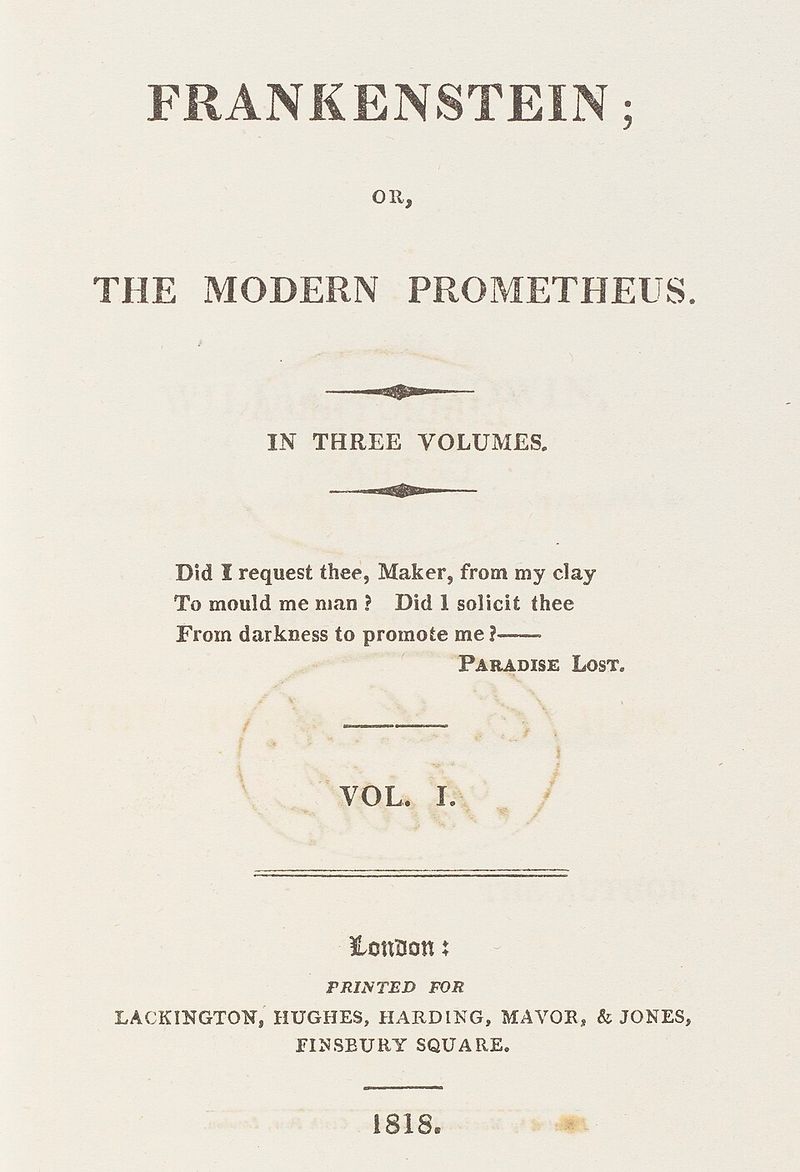
Mary Shelley was only 18 when she dreamed up Frankenstein, and the world has never been the same.
The 1818 original was raw, sharp, and written in a way that felt almost urgent. Then came the 1831 edition, and Shelley made sweeping changes throughout the entire novel.
She rewrote the preface, softened certain character motivations, and added a more fatalistic tone.
Some scholars argue the 1831 version reflects a more cautious, grief-stricken Shelley, who had lost her husband Percy by then. Both versions exist in print today, sparking endless debate among literature fans.
2. Leaves of Grass by Walt Whitman
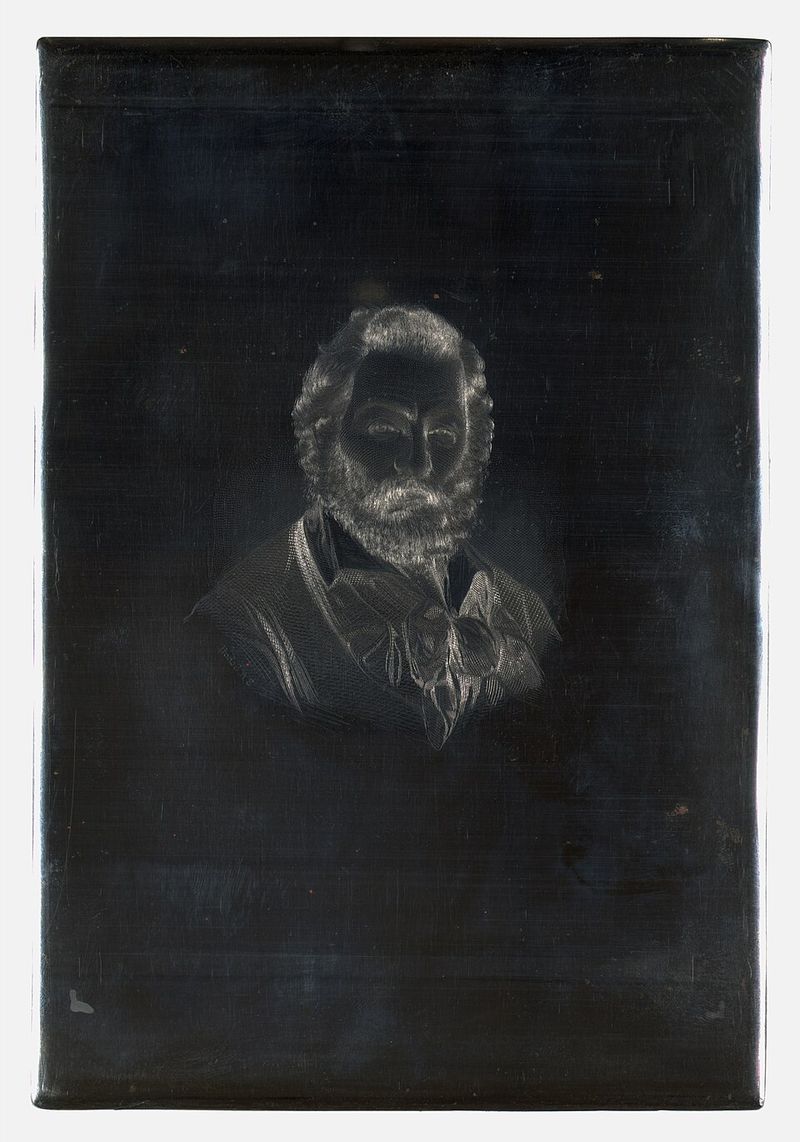
Imagine spending nearly 40 years rewriting the same book. That is exactly what Walt Whitman did with Leaves of Grass.
When it first appeared in 1855, it had just 12 poems and no author name on the cover, only a photo of Whitman himself looking very mysterious.
Over the following decades, he kept adding, cutting, and reshuffling poems across multiple editions. By the final 1891-92 edition, the collection had ballooned to over 400 poems.
Whitman treated the book like a living diary, constantly updating it to reflect who he was becoming. Talk about commitment to your craft!
3. Great Expectations by Charles Dickens
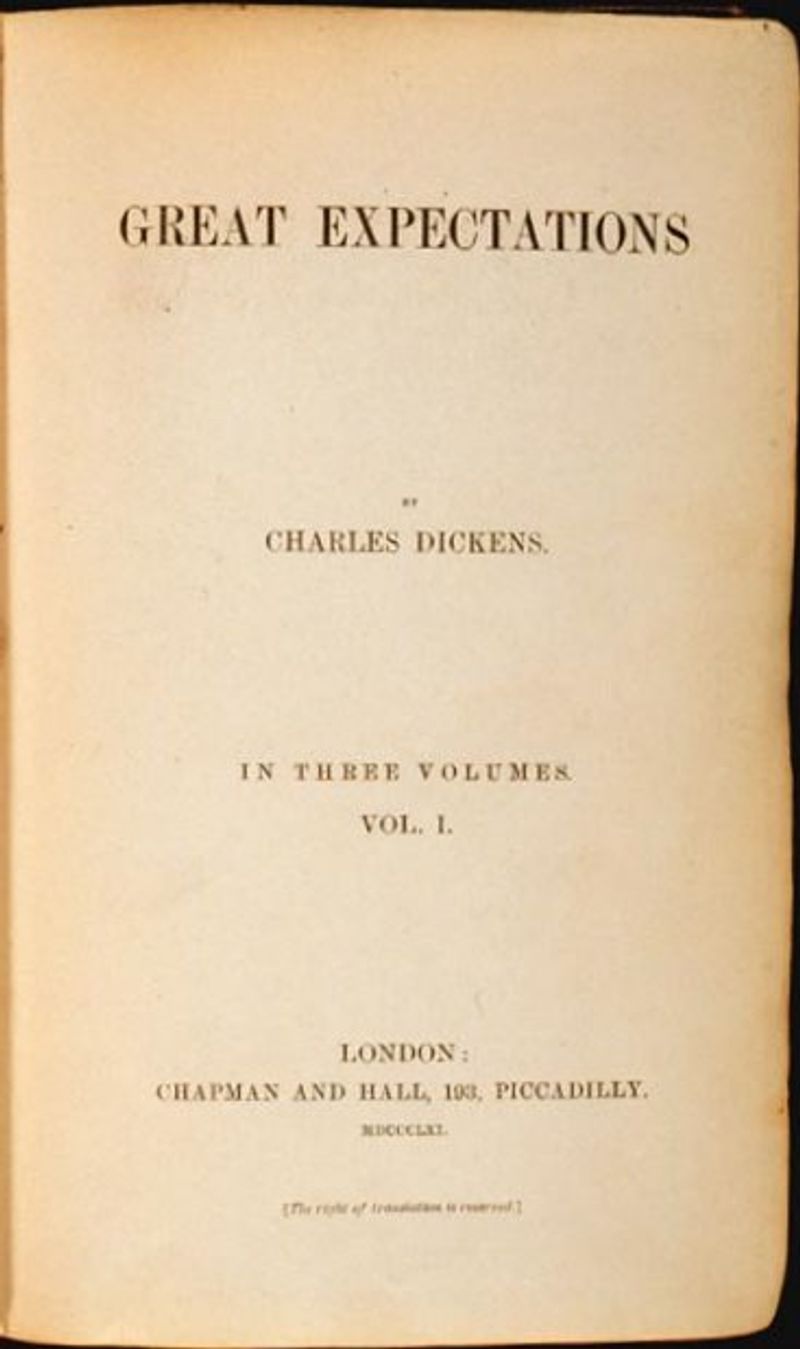
Charles Dickens originally wrote a bittersweet ending for Great Expectations, one where Pip and Estella go their separate ways.
It was realistic and a little heartbreaking. Then his friend, fellow author Edward Bulwer-Lytton, convinced him readers would hate it.
Dickens caved and rewrote the final scene to suggest Pip and Estella might end up together after all. Critics have argued ever since about which ending is better.
Some love the hopeful revision, while others think the original was truer to the story.
Fun fact: both endings are still printed in many editions today, so readers can decide for themselves!
4. The Hobbit by J.R.R. Tolkien
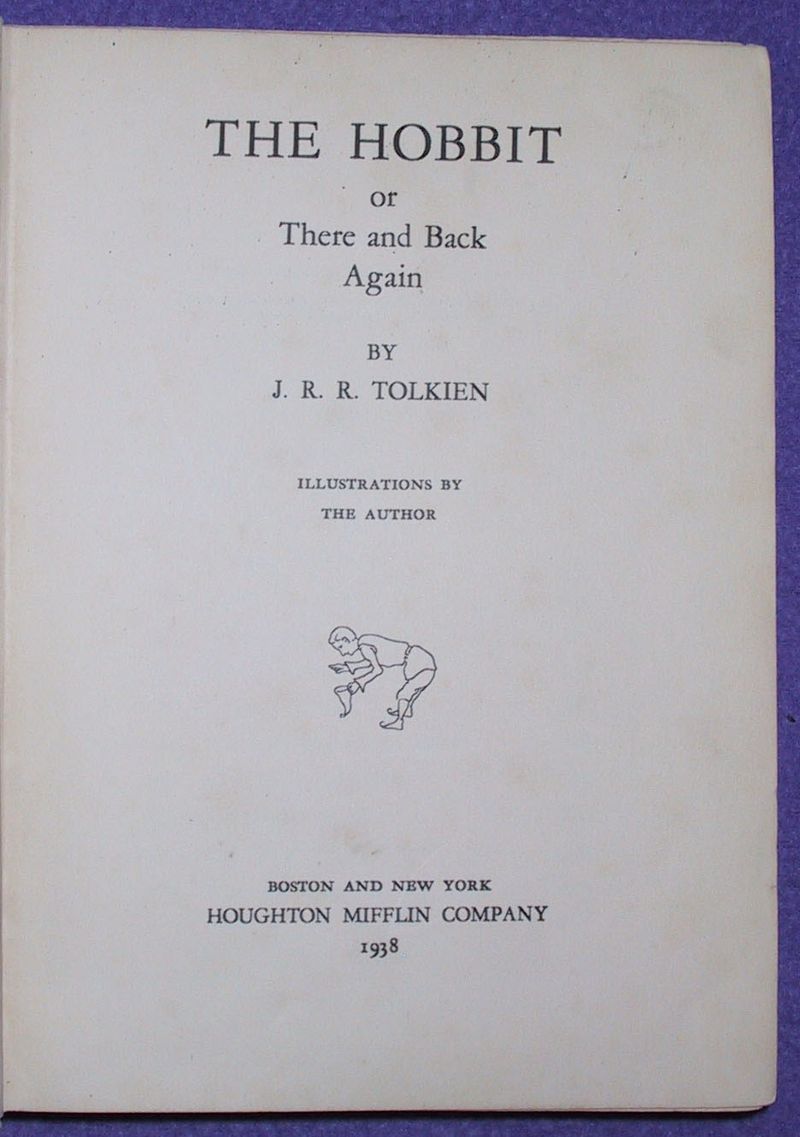
Here is a plot twist worthy of Middle-earth itself. When The Hobbit first appeared in 1937, the chapter called Riddles in the Dark showed Gollum as a much friendlier creature who willingly offered the ring as a prize.
That did not exactly match the obsessed, ring-crazed Gollum fans later met in The Lord of the Rings.
Tolkien rewrote that entire chapter for the 1951 edition, making Gollum possessive and deeply attached to the ring.
He even crafted an in-universe explanation, claiming Bilbo had originally lied about how he got it. Clever storytelling or sneaky retcon? You decide!
5. The Stand by Stephen King
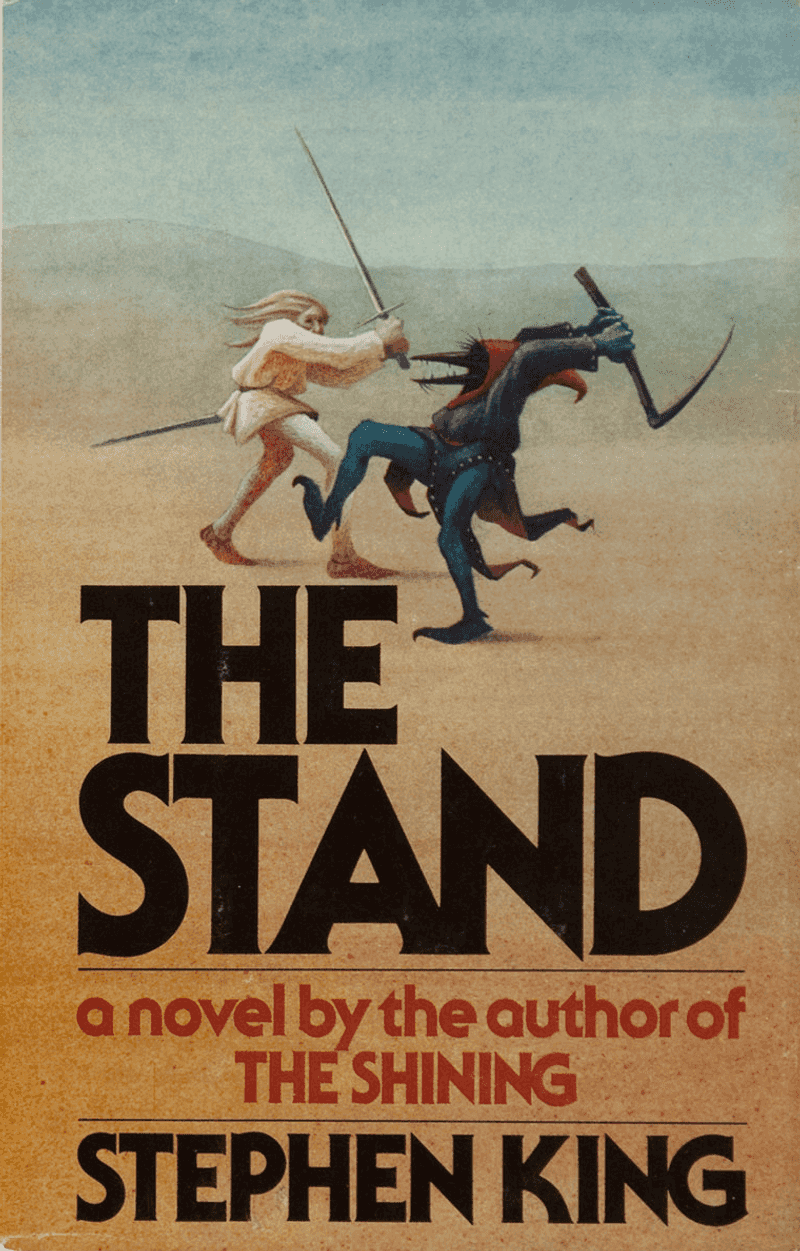
Stephen King’s The Stand was already a big book when it first came out in 1978. But did you know publishers actually made King cut over 500 pages before it went to print?
That is basically an entire extra novel worth of story that readers never got to see.
King finally got his revenge in 1990 with the Complete and Uncut Edition, which restored all that deleted content and added brand-new material, including an updated setting and a rewritten ending.
The restored version feels richer and more complete. If you have only read one version, you have not truly experienced the full epic.
6. The Gunslinger by Stephen King
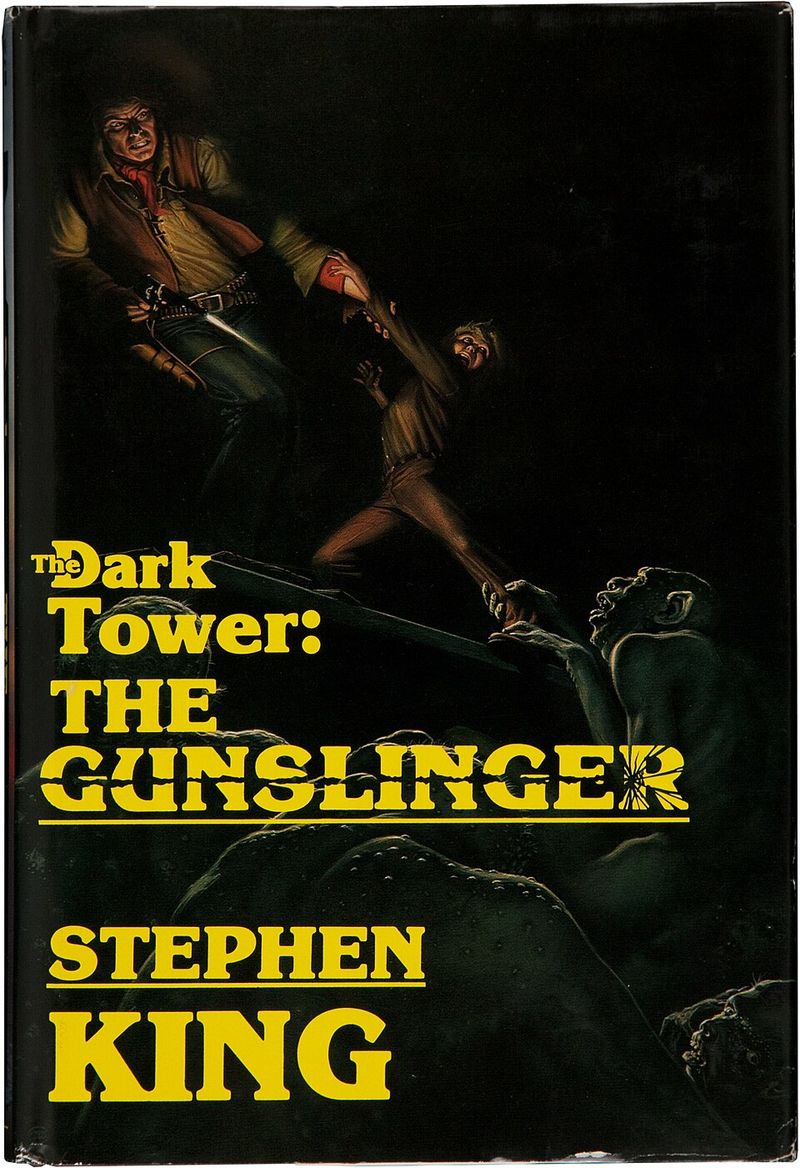
King revisited the Dark Tower series opener in 2003 with a revised edition of The Gunslinger, originally published in 1982.
Why? Because after writing seven more books in the series, certain details in the first book felt inconsistent or out of place.
The updated version smoothed out character voices, fixed continuity errors, and tightened the prose to better match the rest of the saga. King even added a brief new scene.
For Dark Tower fans, reading both versions back to back is a fascinating exercise in seeing how a story universe grows and changes over time.
7. And Then There Were None by Agatha Christie
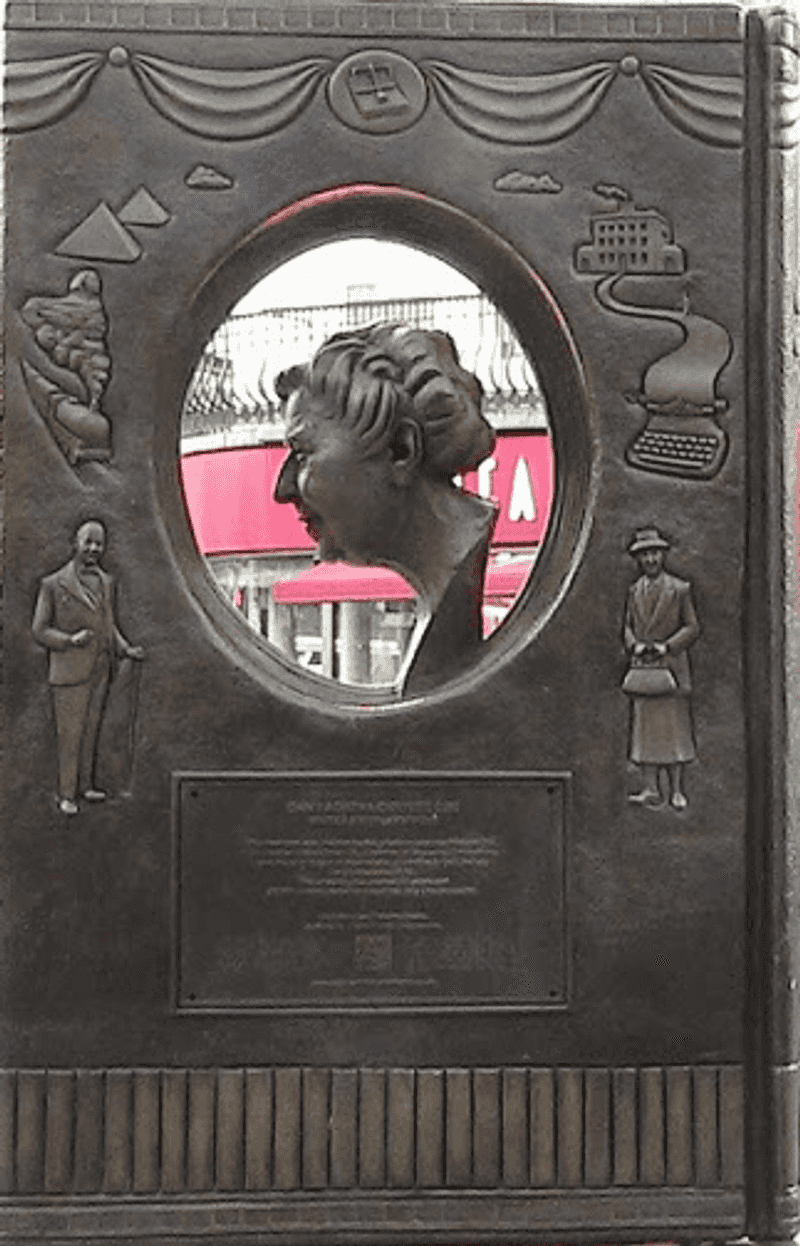
Originally published in 1939, Agatha Christie’s most famous mystery had a title and a nursery rhyme that most publishers today would never dare print.
The original wording was deeply offensive by modern standards, using a racial slur that has since been replaced across all current editions.
The title itself changed multiple times over the decades, eventually landing on And Then There Were None. Even the wording inside the nursery rhyme used throughout the plot was updated.
These changes were not just cosmetic. They reshaped the cultural identity of the book while preserving its brilliantly twisted plot.
8. Grimm’s Fairy Tales by the Brothers Grimm
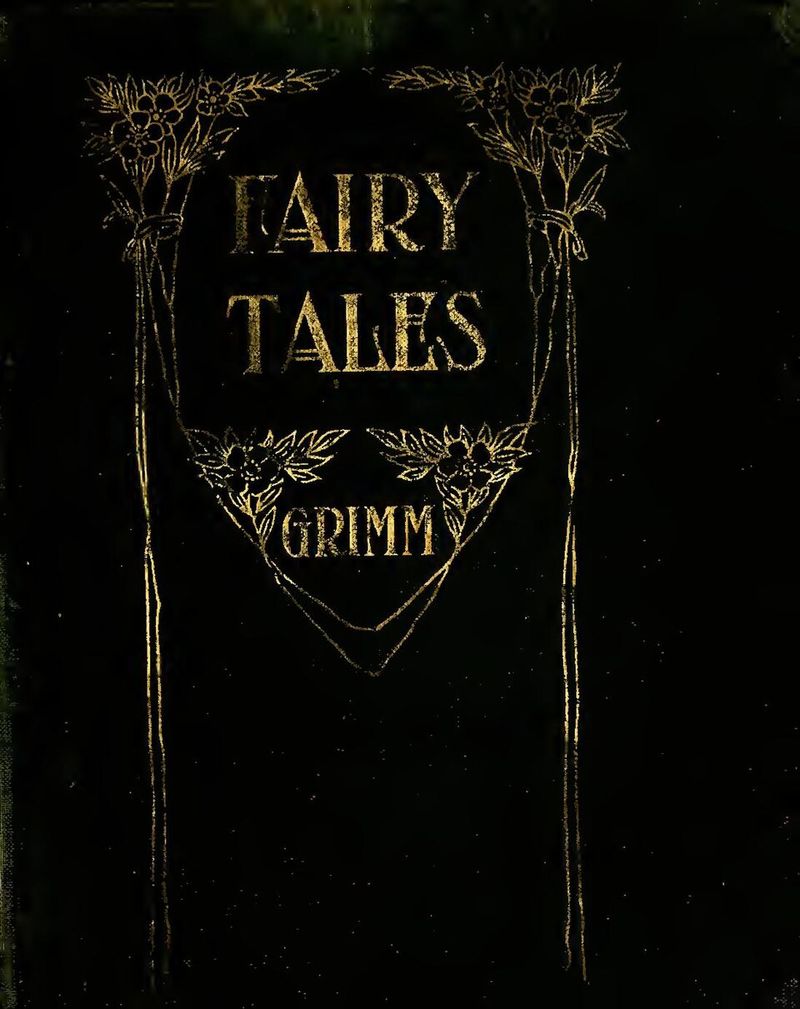
Before you picture cozy bedtime stories, know that the original Grimm’s Fairy Tales were genuinely terrifying.
The first 1812 edition included graphic violence and morally murky characters that would make modern parents gasp.
The Brothers Grimm collected these folk tales from oral traditions, keeping them raw and unfiltered.
Over seven editions published through 1857, the brothers gradually softened the content, adding more Christian themes and toning down the most disturbing scenes.
The result was a collection more suitable for children but noticeably tamer than its origins.
9. Charlie and the Chocolate Factory by Roald Dahl
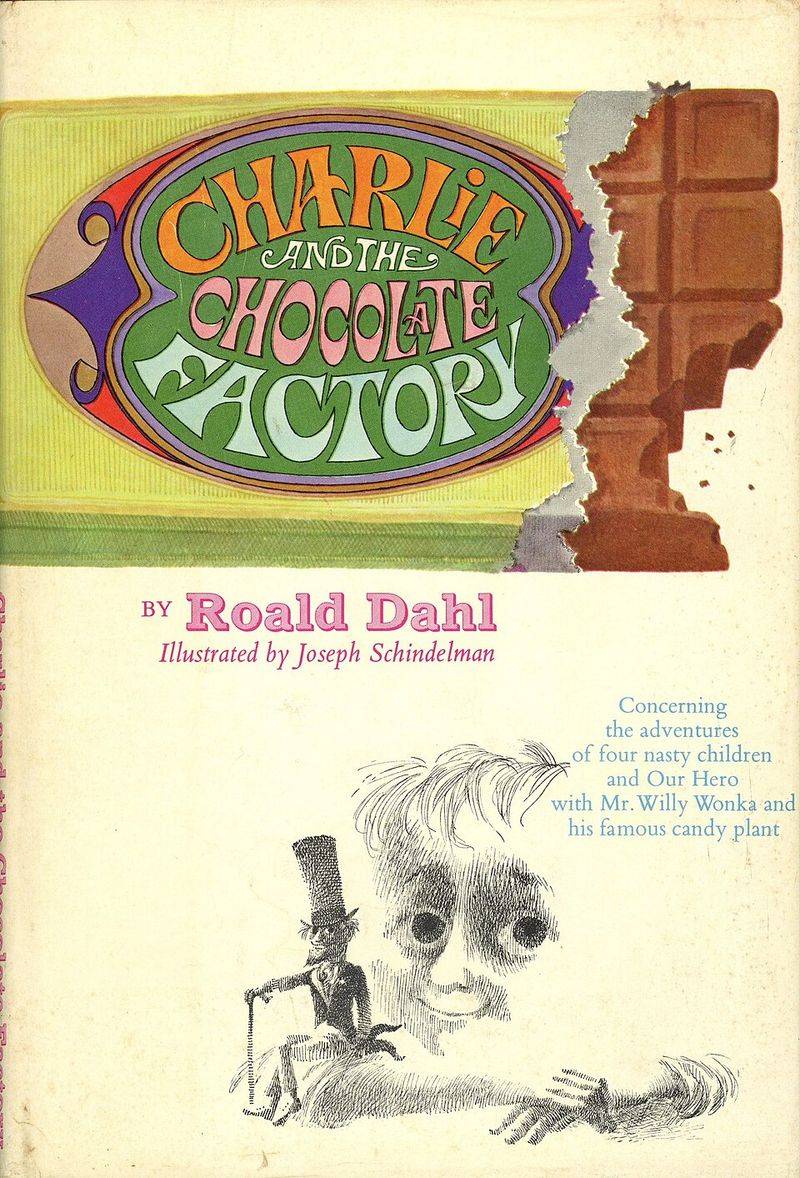
Roald Dahl’s beloved 1964 classic originally portrayed the Oompa-Loompas in a way that drew serious criticism for racial stereotyping.
In the first edition, they were described as African pygmies brought over from their homeland to work in the factory. Understandably, that did not sit well with many readers.
By 1973, Dahl had rewritten their depiction entirely. In the revised version, Oompa-Loompas became small fantasy creatures from a fictional land called Loompaland.
The change removed the problematic colonial undertones while keeping the characters’ playful, musical personality intact.
10. We the Living by Ayn Rand
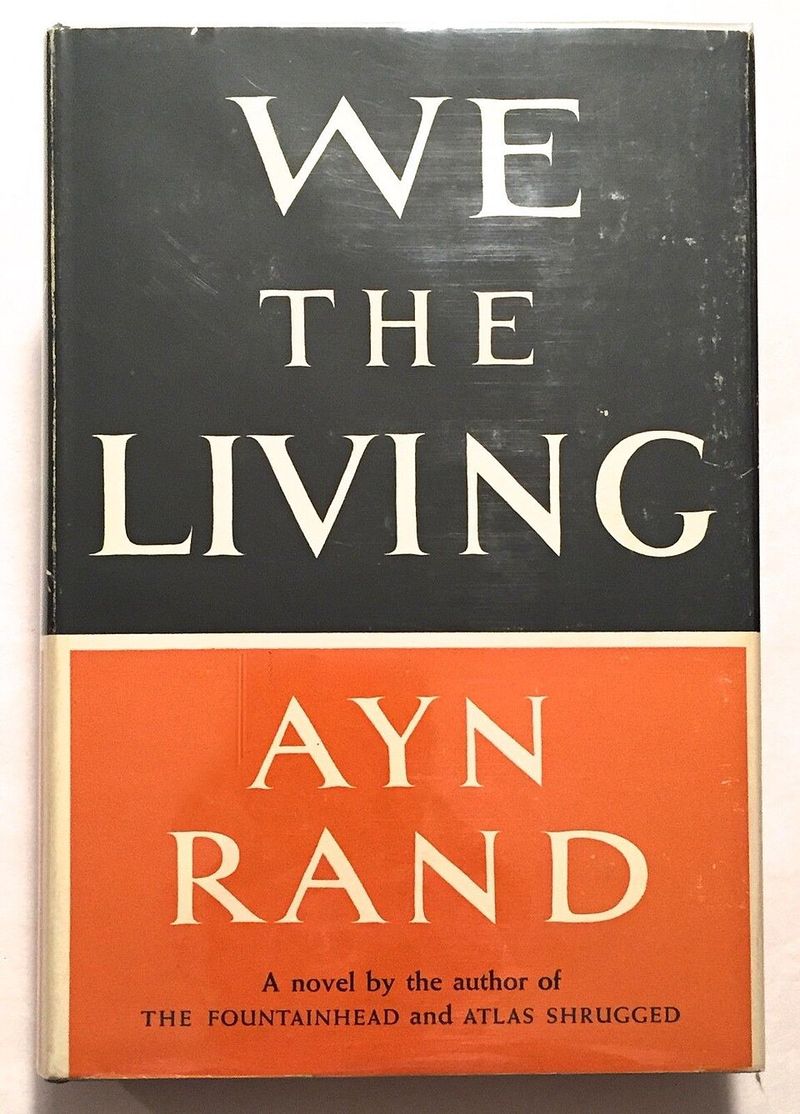
Ayn Rand’s 1936 novel We the Living was her first major work, set in Soviet Russia and deeply personal to her own experiences.
When it was republished in 1959, Rand made editorial changes she described as purely stylistic, fixing grammar and improving flow without altering the story’s meaning.
However, some literary scholars disagree. They argue that certain word changes subtly shifted philosophical nuances, reflecting how Rand’s ideas had evolved over two decades.
Whether you see it as a light polish or a quiet rewrite, the two editions offer a fascinating window into how an author’s worldview can quietly reshape even their earliest work.
11. The Adventures of Huckleberry Finn by Mark Twain
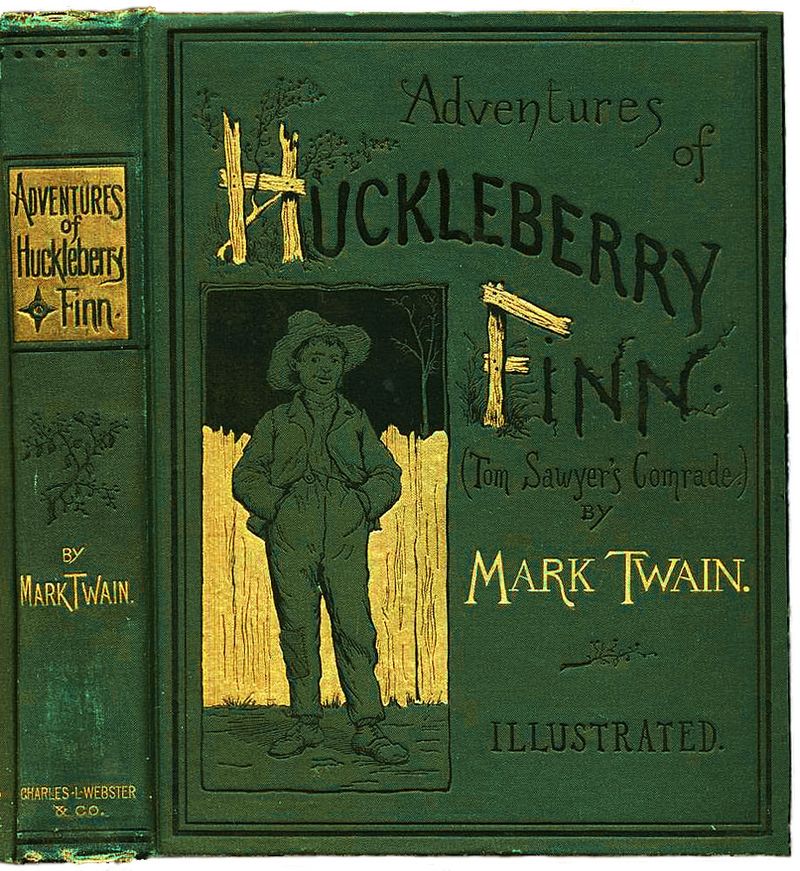
This 1884 masterpiece has had a wild ride through American publishing history.
The novel’s unflinching use of racial language, intended to reflect the harsh reality of pre-Civil War America, has made it one of the most challenged books in U.S. schools for decades.
Various editions have attempted to address this by replacing offensive terms with neutral language. A 2011 edition by NewSouth Books famously substituted the most offensive word throughout the entire text.
Critics were divided: some praised the effort, others argued it sanitized history. Twain himself was a sharp satirist of racism, which makes the debate even more layered.
12. Roald Dahl Titles — Broader 2023 Revisions
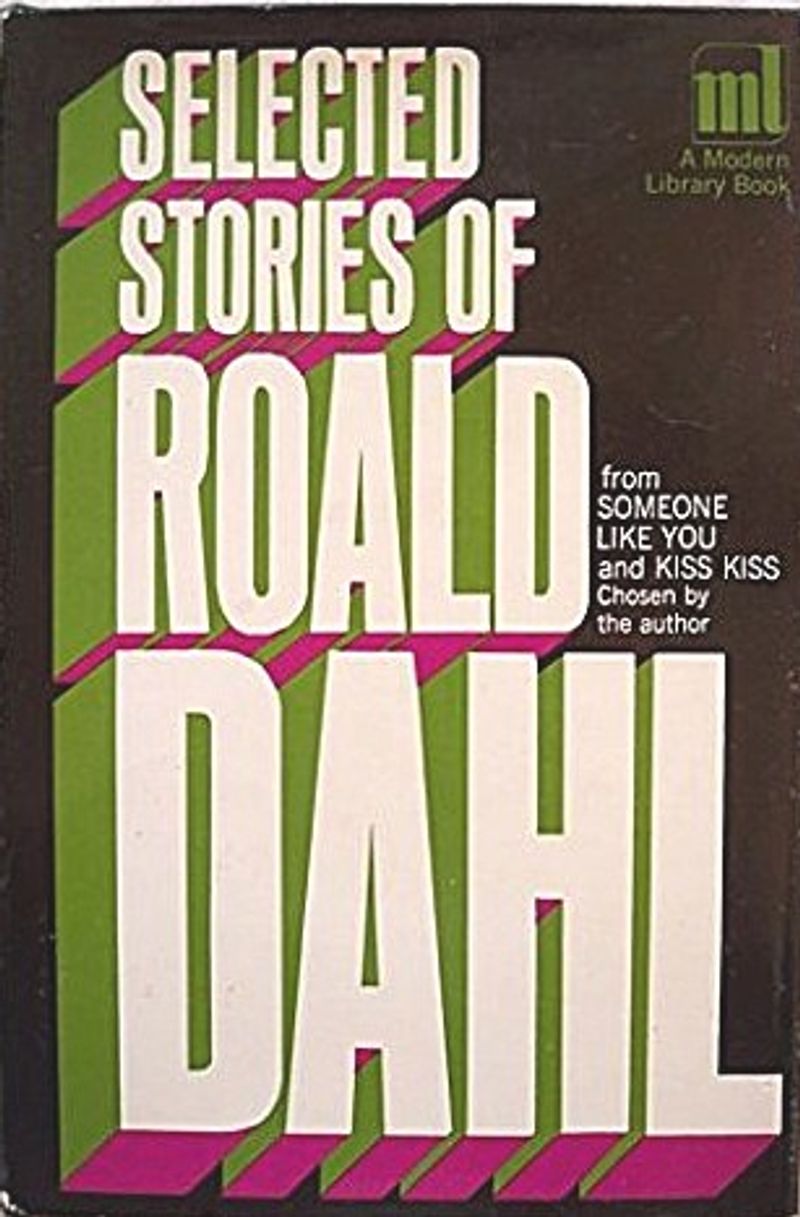
Beyond specific titles, Roald Dahl’s entire catalog became the center of a worldwide debate in 2023 when publisher Puffin Books announced that sensitivity readers had reviewed and updated language across multiple Dahl titles.
Words describing physical appearances, mental health, and gender were among those quietly changed in newer printings.
The backlash was swift and loud enough that Puffin eventually agreed to keep the original texts in print alongside the updated versions.
It became one of the biggest conversations about literary revision in recent memory.