20 Boomer Obsessions Gen Z Will Never Understand
Ever wonder why your grandparents insist on calling you instead of texting, or why they keep a drawer full of random change?
Generations grow up in totally different worlds, shaped by unique technology, culture, and values.
What feels totally normal to Baby Boomers can seem downright bizarre to Gen Z, and vice versa.
Let’s explore the quirky habits and beliefs that separate these two generations like a digital divide the size of the Grand Canyon!
1. The American Dream Blueprint

Success used to come with a checklist: get married, buy a house, work one job until retirement, and boom—you’ve made it!
Boomers grew up believing this formula was the golden ticket to happiness.
Gen Z sees things differently, though.
They value flexibility, side hustles, and creating their own definitions of success.
Owning a home by 25?
Not exactly realistic when student loans are scarier than any horror movie villain.
Different times call for different dreams, right?
2. Strict Baby Nap Schedules

Back in the day, babies napped whenever and wherever they pleased—grocery stores, restaurants, you name it.
Boomers didn’t stress about perfect sleep schedules or worry if Junior snoozed at 2 PM instead of 1:30.
Fast forward to today, and Gen Z parents are tracking naps with apps like they’re launching rockets to Mars.
Sleep training guides?
Check.
Blackout curtains?
Double check.
It’s a whole new level of parenting precision that would make Boomer grandparents chuckle and shake their heads.
3. Inclusive Language Confusion
Pronouns can feel like a minefield for Boomers who grew up with straightforward he/she rules.
Why say “they” when you’re talking about one person?
It genuinely puzzles many older folks.
Gen Z, however, embraces inclusive language as a sign of respect and awareness.
Using someone’s correct pronouns isn’t about grammar nitpicking—it’s about acknowledging their identity.
Language evolves, just like fashion and music.
What seems strange today might be totally normal tomorrow, so why not adapt?
4. Oversharing On Social Media

Boomers treat Facebook like a digital scrapbook, sharing vacation photos, medical updates, and even their exact location in real time.
Privacy settings?
What are those?
Gen Z, meanwhile, guards their online presence like secret agents protecting classified intel.
Private accounts, carefully curated posts, and definitely no embarrassing family photos without permission.
Growing up with the internet means understanding that once something’s online, it’s there forever.
Boomers learned social media as adults; Gen Z was basically born scrolling.
5. Mental Health Stigma

Therapy was once whispered about like a shameful secret, something only for people with “serious problems.”
Boomers were taught to tough it out, keep emotions bottled up, and never admit weakness.
Gen Z flipped the script entirely.
Going to therapy is now as normal as going to the gym—just maintenance for your mind instead of your muscles.
Talking about anxiety, depression, or stress isn’t taboo anymore.
Mental health matters, and there’s zero shame in getting help when you need it.
6. Cable TV Devotion
Boomers will pay hundreds of dollars monthly for 500 channels they never watch, just to catch the evening news and a few favorite shows.
Scrolling through endless cable options feels comforting to them, even when nothing good is on.
Gen Z thinks this is absolutely wild.
Why pay for cable when Netflix, Hulu, and Disney+ give you everything on demand?
Commercial breaks?
No thanks!
Streaming changed the game, and younger generations can’t imagine going back to scheduled programming.
7. Loyalty To One Job

Staying at one company for 30 years used to earn you respect, a gold watch, and a comfortable pension.
Boomers valued job security and climbing the corporate ladder slowly but surely.
Gen Z sees job-hopping as smart career strategy, not disloyalty.
Why stay somewhere that doesn’t value you when better opportunities exist elsewhere?
Pensions are practically extinct anyway, and companies rarely reward long-term loyalty anymore.
Switching jobs every few years often means better pay and faster growth.
Adapt or get left behind!
8. Environmental Apathy

Recycling was barely a thing when Boomers were young, and climate change wasn’t on anyone’s radar.
Many still struggle to see environmental issues as urgent, viewing them as exaggerated or someone else’s problem.
Gen Z, however, inherited a planet in crisis and they’re not staying quiet about it.
Reusable straws, thrift shopping, and carbon footprints matter deeply to them.
Climate anxiety is real when you’re watching polar ice caps melt on TikTok.
Saving the planet isn’t just trendy—it’s survival.
9. Retirement As Life’s Goal

Boomers spent decades dreaming about retirement—that magical time when they could finally relax and enjoy life.
Work hard now, play later became the ultimate life philosophy.
Gen Z questions why anyone would postpone happiness for 40 years.
Travel while you’re young and energetic!
Enjoy experiences now instead of waiting until your body aches everywhere.
Plus, with economic uncertainty, retirement might not even be financially possible for many younger people.
Living in the present makes way more sense than banking on a distant future.
10. Avoiding Doctors Until Critical

Boomers treat doctor visits like last resorts, only going when something’s seriously wrong.
Preventive care?
Nah, just walk it off!
This tough-it-out mentality comes from a time when healthcare was less accessible and complaining was seen as weakness.
Gen Z approaches health totally differently, Googling symptoms immediately and scheduling appointments proactively.
With endless health information online, younger generations understand that catching problems early beats ignoring them until they’re emergencies.
Your body isn’t invincible, no matter how tough you think you are!
11. Life Coaches Seem Unnecessary

Paying someone to help you figure out your life goals sounds absolutely ridiculous to many Boomers.
Just make decisions yourself!
Why spend money on something friends and family can help with for free?
Gen Z sees life coaches as valuable investments in personal growth and career development.
Sometimes you need professional guidance to navigate complex modern life.
Coaches offer accountability, expertise, and fresh perspectives that friends can’t always provide.
Self-improvement isn’t selfish—it’s smart.
Different generations, different tools for success!
12. Traditional Travel Agents

Boomers remember when planning trips meant visiting travel agencies, flipping through brochures, and trusting agents to book everything.
That personal touch felt reassuring and professional.
Gen Z plans entire vacations from their phones in minutes.
Why talk to a travel agent when Expedia, Airbnb, and Skyscanner exist?
Compare prices instantly, read real reviews, and book flights at 2 AM in your pajamas.
Technology made travel planning faster, cheaper, and infinitely more convenient.
The world is literally at your fingertips now!
13. Health Supplement Skepticism

Vitamins and supplements seem like unnecessary expenses to Boomers who believe real food provides everything your body needs.
Just eat your vegetables and you’ll be fine!
Gen Z embraces wellness culture wholeheartedly, taking probiotics, collagen, vitamin D, and whatever trending supplement TikTok recommends.
Whether it’s backed by science or just good marketing doesn’t always matter—wellness feels proactive and empowering.
Optimizing health through supplements aligns with Gen Z’s preventive mindset.
Why wait to feel bad when you can feel great now?
14. Physical Newspapers Daily
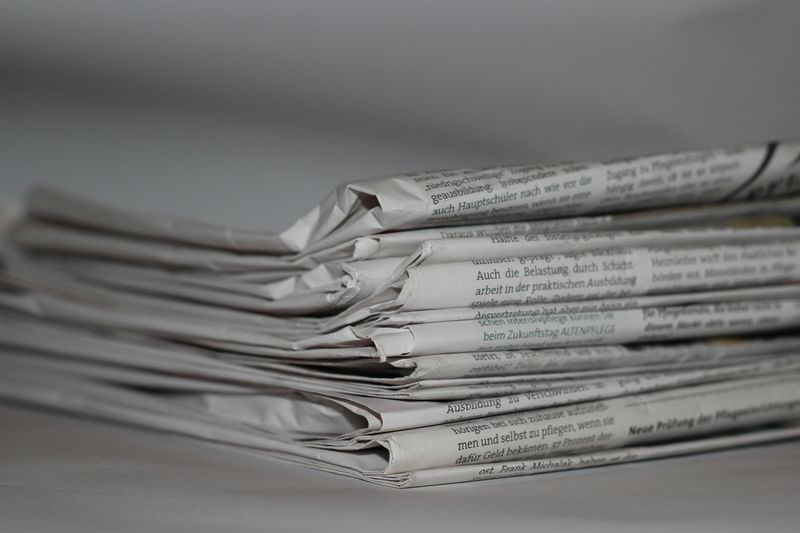
Starting the day with a physical newspaper and coffee is sacred ritual for many Boomers.
Feeling the paper, flipping pages, and reading actual print creates a tangible connection to current events.
Gen Z gets news from Twitter, Instagram, and push notifications on their phones.
Why wait until morning when breaking news happens instantly?
Plus, digital news is free, searchable, and doesn’t end up piling up in recycling bins.
Newspapers feel outdated and slow compared to real-time digital updates.
Information moves fast now—adapt or miss out!
15. Writing Checks For Purchases

Watching someone write a check at the grocery store feels like time travel to Gen Z.
Who still carries checkbooks around?
Boomers find checks trustworthy and official, a paper trail proving payment happened.
Younger generations tap their phones or cards and they’re done in seconds.
Venmo, Apple Pay, and contactless payments make checks seem painfully slow and outdated.
Why write, sign, and wait when technology handles everything instantly?
Checks belong in museums next to rotary phones and VHS tapes at this point!
16. Clipping Physical Coupons
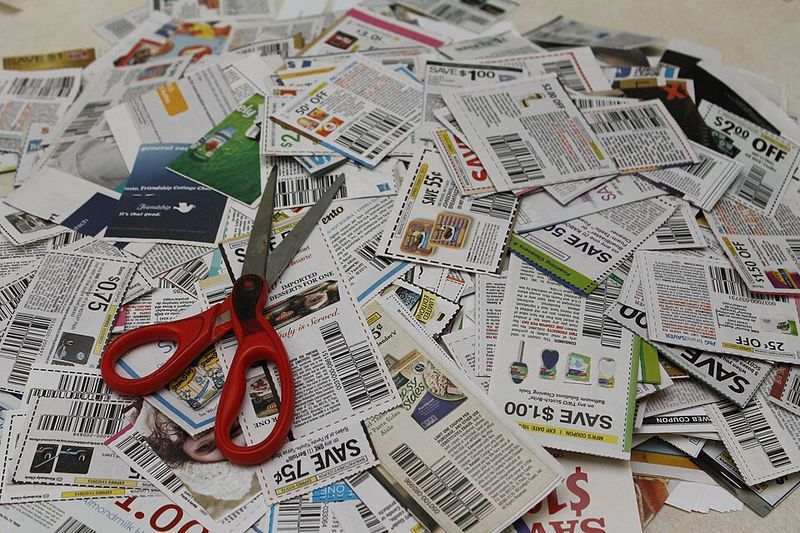
Boomers dedicate Sunday mornings to clipping coupons from newspapers, organizing them meticulously, and planning shopping trips around sales.
Saving 50 cents feels like victory!
Gen Z uses apps like Honey, Rakuten, and RetailMeNot that automatically apply discounts at checkout.
No scissors required!
Digital coupons are easier, faster, and you can’t forget them at home.
Technology does the work while you focus on more important things.
Why clip when you can click?
Efficiency wins every single time in the modern world!
17. Calling Instead Of Texting
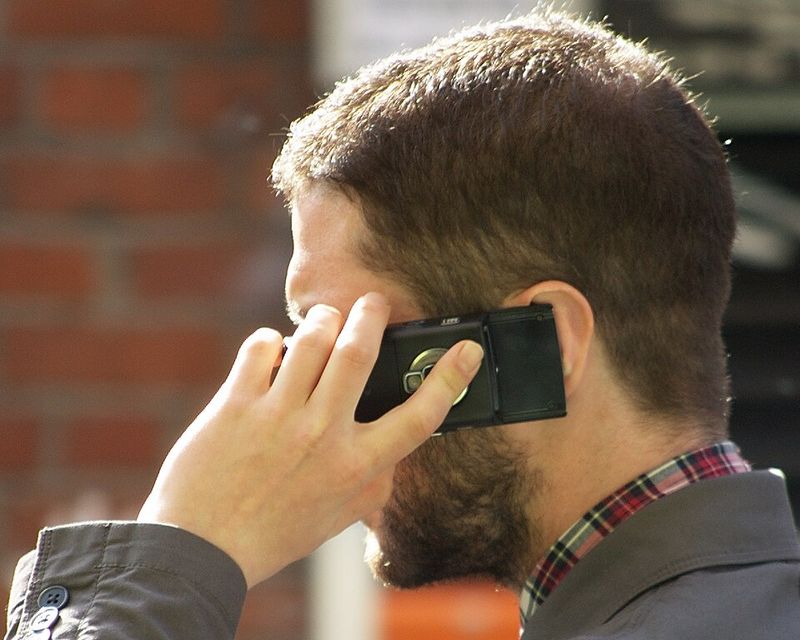
Boomers pick up the phone for everything—quick questions, long conversations, even just saying hello.
Hearing someone’s voice feels personal and important to them.
Gen Z treats phone calls like emergencies.
Why call when you can text?
Texting lets you respond on your own time, avoid awkward small talk, and keep convenient records of conversations.
Phone calls demand immediate attention and feel intrusive.
Unless it’s urgent, just send a text!
Different communication styles for different generations, but texting clearly dominates now.
18. Drawer Full Of Loose Change

Boomers hoard loose change like treasure, filling jars, drawers, and car cup holders with random coins.
Eventually they’ll roll them up and cash them in!
Gen Z rarely handles physical money at all.
Debit cards, credit cards, and mobile payments mean coins are basically obsolete.
When was the last time you actually needed a quarter?
Parking meters take cards now!
Physical currency feels inconvenient and old-fashioned compared to seamless digital transactions.
Loose change belongs in piggy banks, not daily life anymore!
19. Cash For Large Purchases

Boomers sometimes prefer paying cash for cars, furniture, or appliances, believing it gives them negotiating power and avoids debt.
Cash feels real and final.
Gen Z finances big purchases with credit cards that earn rewards points, offer buyer protection, and build credit history.
Why carry thousands of dollars when cards are safer and more convenient?
Plus, digital transactions create automatic records for budgeting.
Cash might feel tangible, but it doesn’t earn you travel miles or cashback bonuses!
Smart spending means maximizing benefits.
20. Rigid 9 To 5 Office Hours
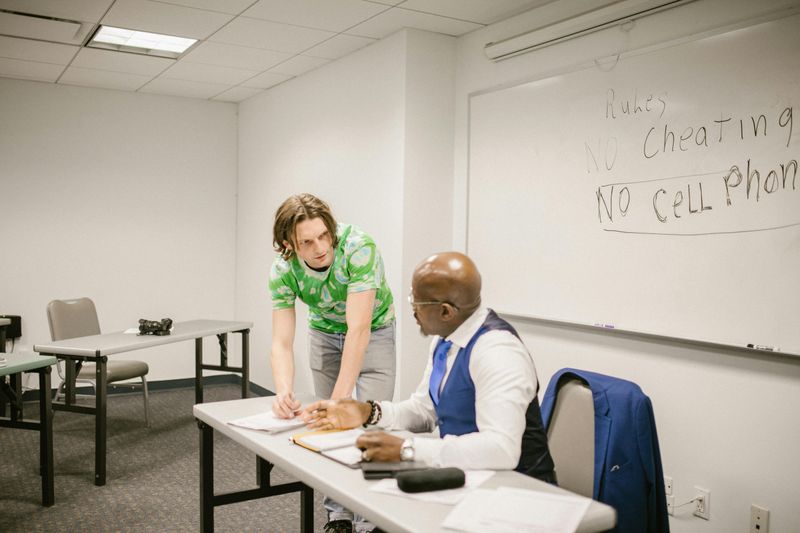
Boomers built careers around strict office schedules—arrive at 9, leave at 5, no exceptions.
Being physically present at your desk proved you were working hard.
Gen Z values flexibility and results over rigid schedules.
Why sit in an office when you can work remotely from anywhere?
Productivity matters more than hours logged.
Technology enables working whenever and wherever you’re most effective.
The pandemic proved remote work works beautifully.
Flexibility isn’t laziness—it’s the future of work, whether Boomers understand it or not!