15 Bottle Movies That Made The Most Of One Setting
Bottle movies have a special kind of nerve. Strip away the grand locations, the constant movement, the usual feeling that a story needs to keep expanding, and all that remains is pressure.
Pressure in the room, pressure between people, pressure building in corners the camera cannot quite let go of. That is what makes these films so satisfying when they work.
One setting can start to feel elastic, suddenly big enough to hold paranoia, comedy, grief, danger, or the slow realization that nobody is getting out of this conversation unchanged.
A locked space also leaves no place for a weak idea to hide. Performances have to carry more and writing has to tighten up.
When filmmakers know how to use those limits instead of fighting them, the result feels unforgettable.
Disclaimer: This article is intended for general informational and entertainment purposes only. Film selections and interpretations of bottle movies reflect editorial opinion, and individual views on what qualifies as a single-setting classic may vary.
1. 12 Angry Men (1957)
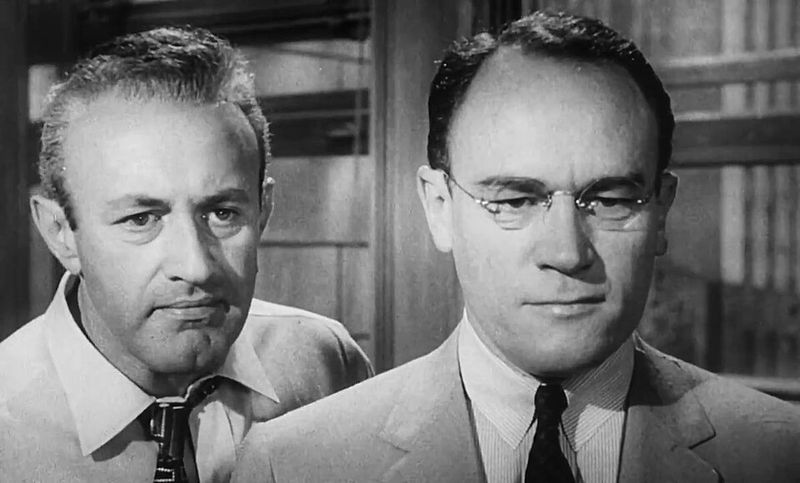
Picture twelve strangers crammed into a sweltering room, one man’s life hanging in the balance.
That’s the setup for this 1957 classic, and it never leaves that jury room. Director Sidney Lumet turned a single table into a battlefield of logic, prejudice, and conscience.
Henry Fonda plays the lone holdout who refuses to rush a verdict, forcing everyone to actually think. The film won three Academy Award nominations and is still studied in law schools today.
If you ever want proof that dialogue alone can be heart-pounding, this is your movie.
2. Rope (1948)
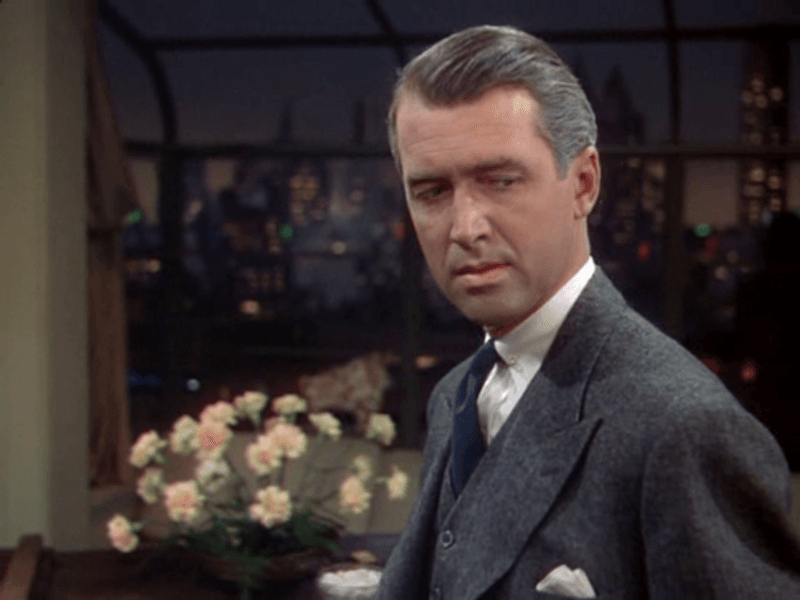
Alfred Hitchcock once said he made this film as a stunt, and honestly, what a stunt it was.
Two men commit crime, hide the body in a chest, then throw a dinner party right on top of it. The whole film plays out in real time inside one Manhattan apartment.
Hitchcock filmed it to look like one continuous take, a wild technical challenge for 1948.
The tension builds not from action but from watching guests get dangerously close to the truth. It’s like watching someone balance a stack of plates on one finger. Absolutely nerve-wracking.
3. Rear Window (1954)
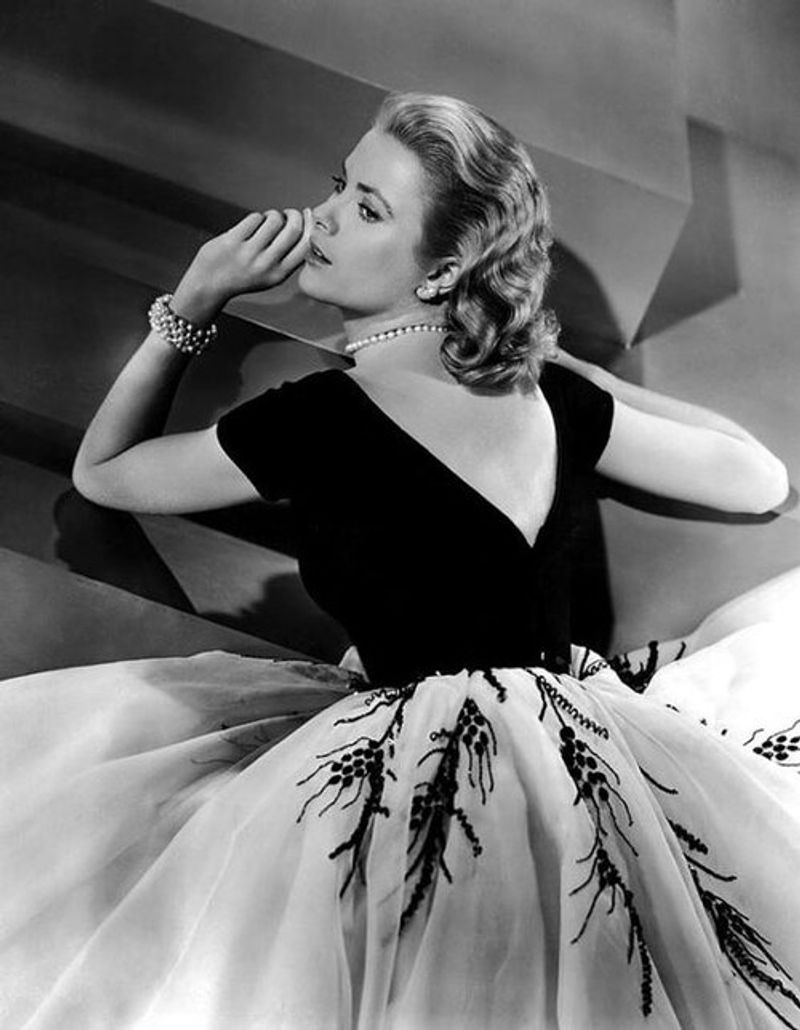
How much trouble can you get into just by looking out your window? Quite a lot, it turns out.
Jimmy Stewart plays a photographer stuck at home with a broken leg, and he starts spying on his neighbors out of pure boredom.
Then he thinks he witnesses a crime. Hitchcock masterfully traps both the character and the audience in that one apartment, making the courtyard outside feel like an entire world.
The whole film is basically a metaphor for watching movies itself. You’re the nosy neighbor, and you love every second of it.
4. Lifeboat (1944)
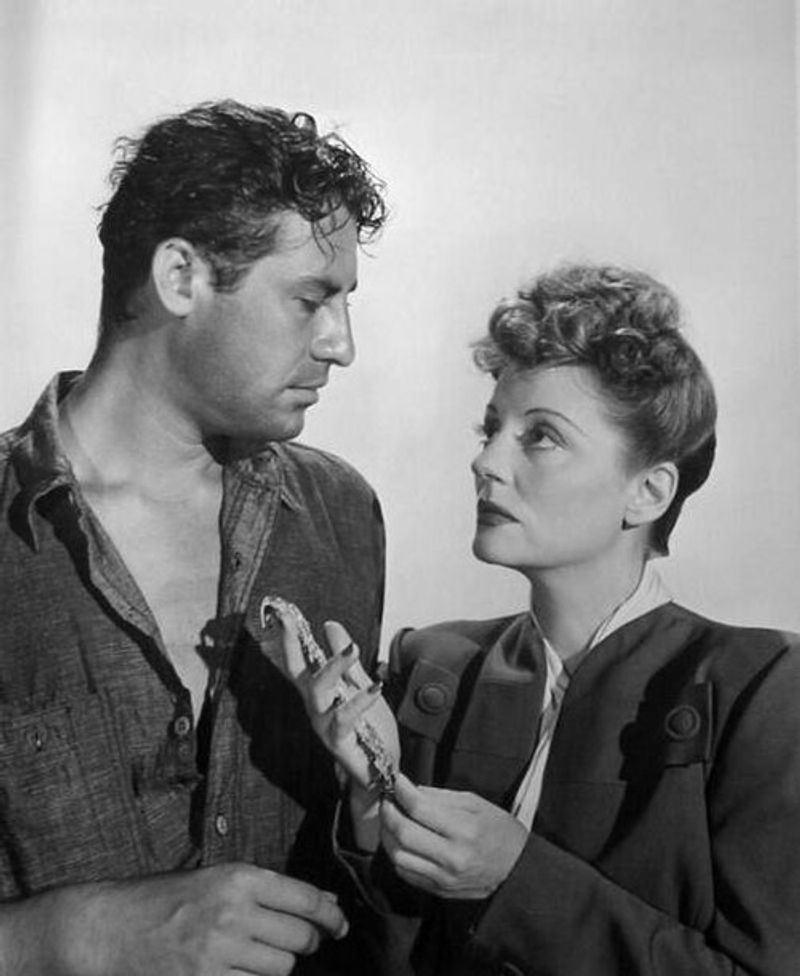
Surviving a shipwreck sounds bad enough. Now imagine sharing your tiny lifeboat with the enemy.
That’s exactly the dilemma in this 1944 Hitchcock wartime thriller, set entirely on one small boat in the Atlantic Ocean.
A group of Allied survivors rescue a German U-boat commander, and things get complicated fast. With no room to escape and nowhere to hide, every character’s true nature gets exposed.
Hitchcock himself famously appeared in a newspaper ad seen on the lifeboat as his signature cameo. The ocean feels enormous, but the film feels incredibly, claustrophobically tight.
5. Wait Until Dark (1967)
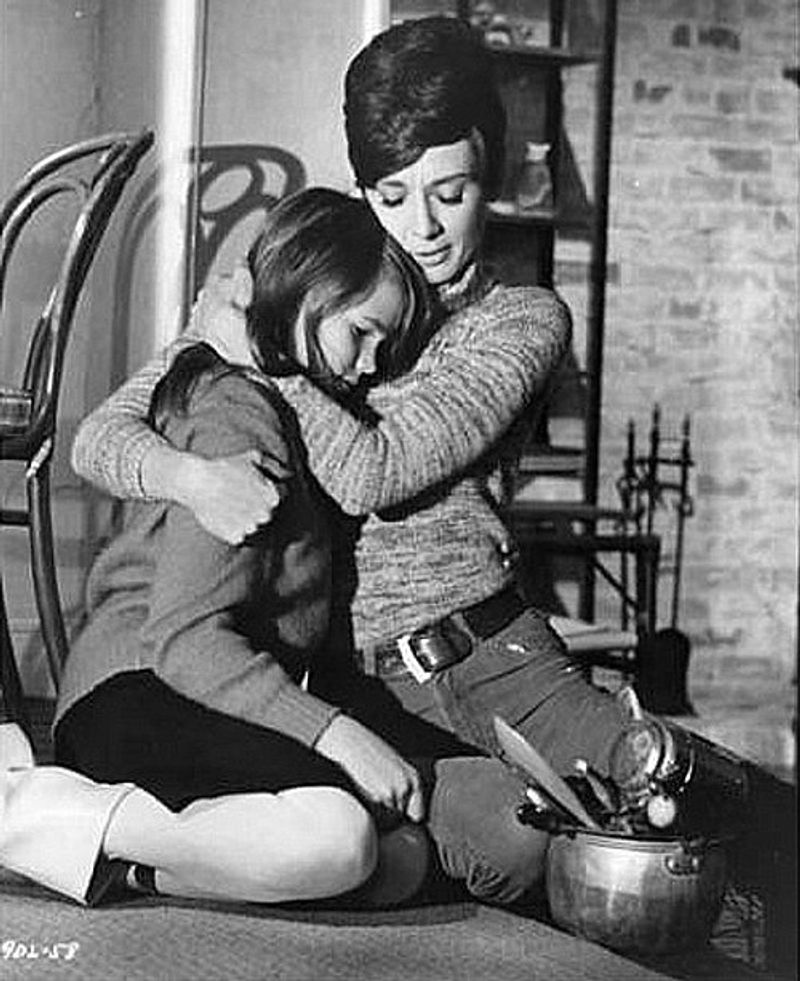
Imagine being blind, alone, and knowing that someone dangerous is in your home. That’s the nightmare fuel powering this 1967 thriller starring Audrey Hepburn in one of her most intense performances ever.
Hepburn plays a blind woman being terrorized by criminals searching for a doll stuffed with heroin.
The climax, set in near-total darkness, was so terrifying that theaters reportedly turned down their lobby lights for effect.
Her character fights back by making herself the one with the advantage in the dark. Smart, scary, and completely unforgettable.
6. Sleuth (1972)
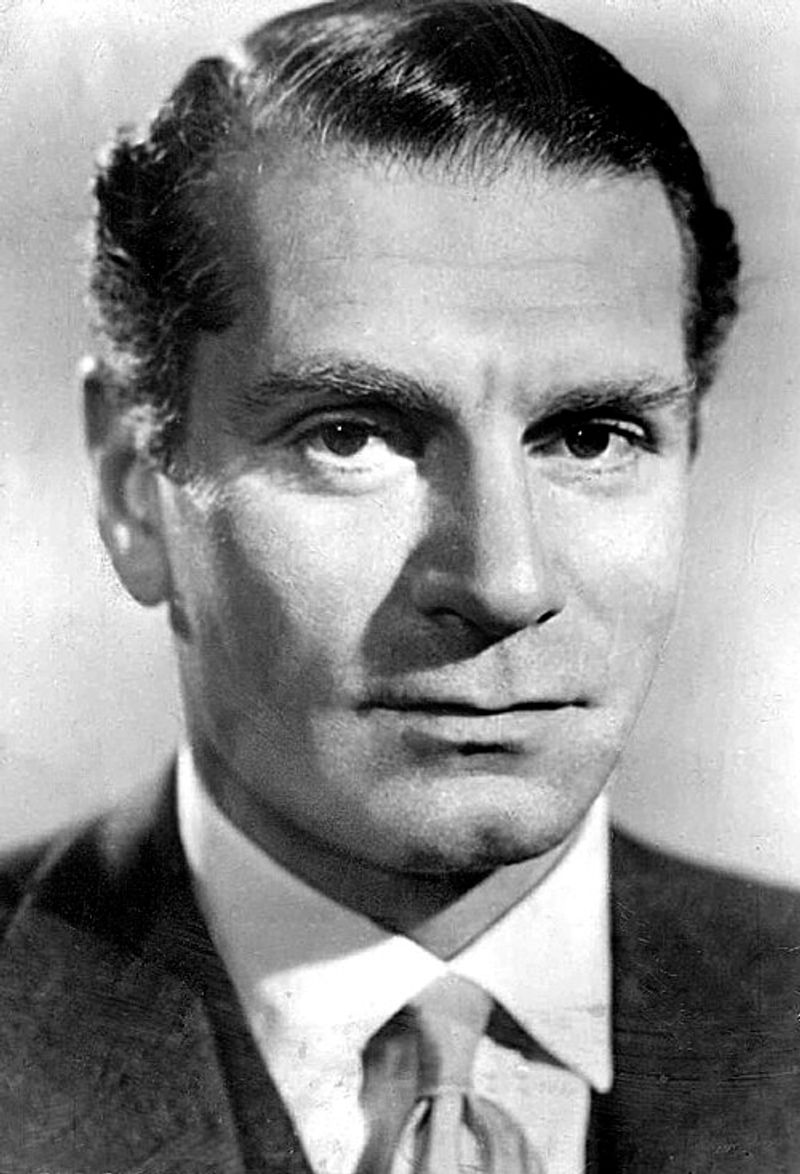
Two men. One house. A game that keeps changing its rules.
This 1972 British thriller is basically a chess match played with human beings, and you’ll keep guessing who’s winning right up to the final frame.
Laurence Olivier plays a wealthy mystery writer who invites his wife’s lover, played by Michael Caine, to his elaborate game-filled mansion.
What starts as a bizarre proposition spirals into a twisted battle of wits. Both actors received Academy Award nominations, making it one of only two films ever to achieve that.
7. My Dinner with Andre (1981)
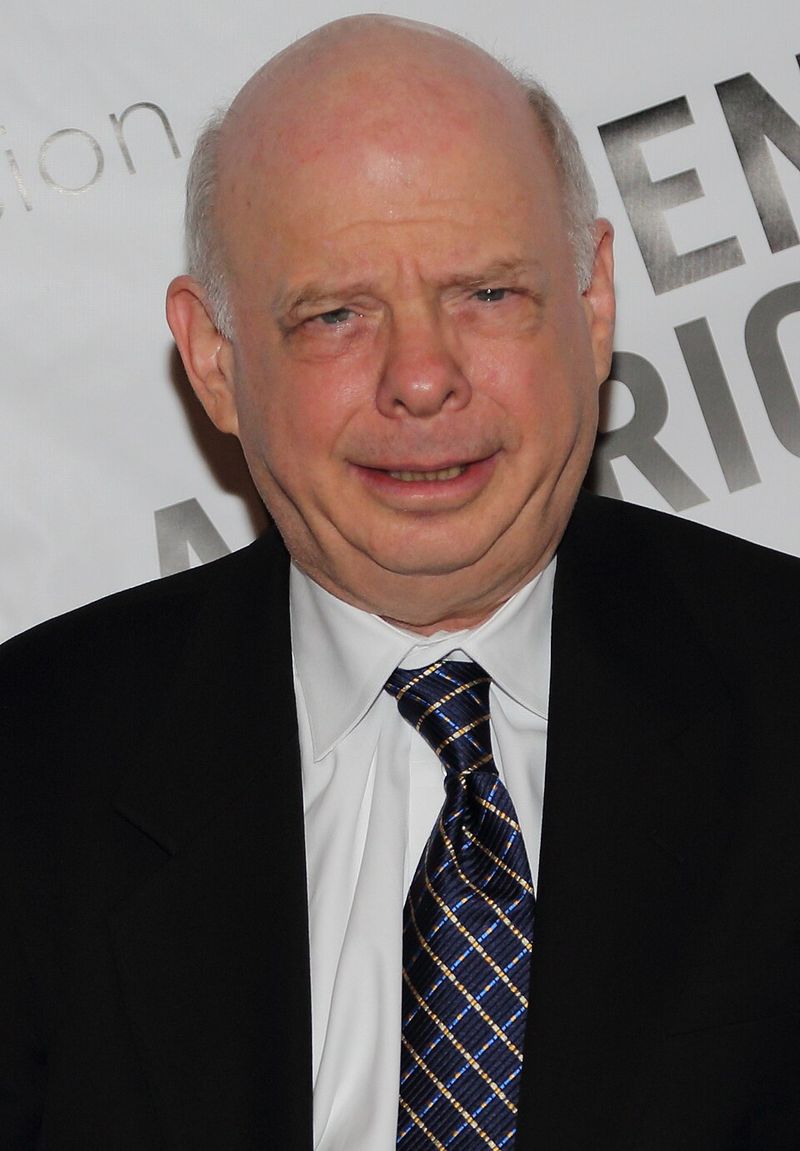
Here’s a wild idea: what if the entire movie was just two guys talking over dinner? No action, no chase scenes, just conversation.
Somehow, this 1981 film by Louis Malle is completely riveting from start to finish.
Wallace Shawn and Andre Gregory play versions of themselves, discussing life, theater, and the meaning of existence over a long meal in a fancy New York restaurant.
It sounds like it should be boring. Instead, it’s like eavesdropping on the most fascinating dinner conversation you’ve never been invited to.
8. Misery (1990)
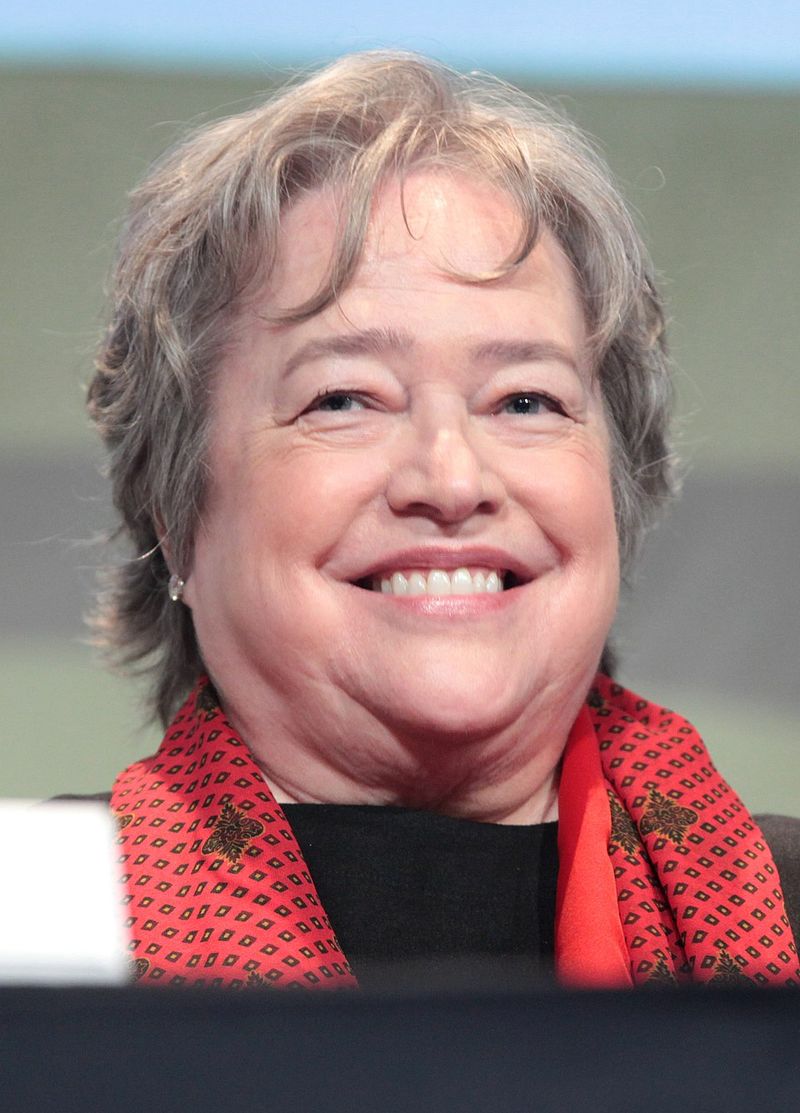
What’s scarier than your biggest fan? Your biggest fan who has you completely trapped.
Based on Stephen King’s novel, this 1990 thriller stars James Caan as a novelist rescued after a car crash by an obsessed superfan played by Kathy Bates.
Bates won the Academy Award for Best Actress, and she absolutely deserved it. The film takes place almost entirely in one isolated cabin bedroom, and the walls genuinely feel like they’re closing in.
That infamous ankle scene? Still making audiences wince over thirty years later.
9. Reservoir Dogs (1992)

Quentin Tarantino’s debut film barely shows the heist at all.
Instead, it drops you into the bloody, panicked aftermath inside a grimy warehouse, where nobody trusts anyone and everyone has a color-coded nickname. Genius move.
The tension comes from not knowing who the police informant is, and neither do the characters. Every conversation feels like a ticking clock.
The film launched Tarantino’s career and proved that a movie could be more exciting talking about violence than actually showing it.
10. Cube (1997)
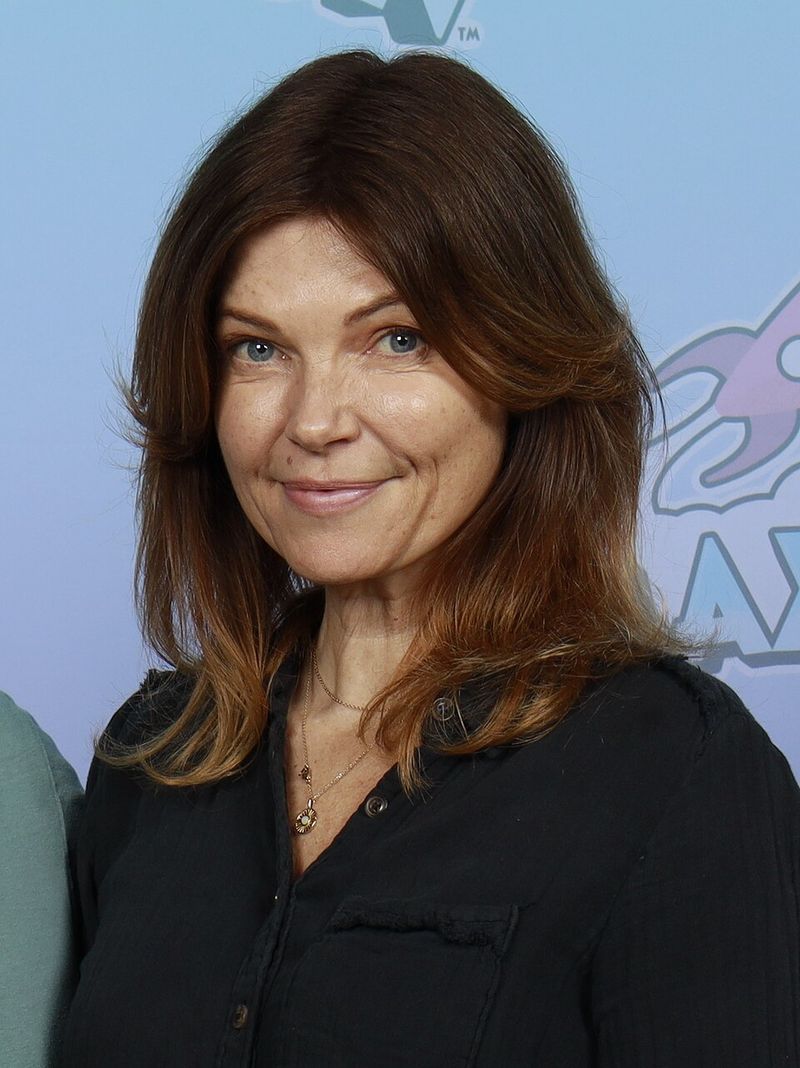
Six strangers wake up inside a giant cube with no memory of how they got there. Each room connects to another cube, some rigged with traps. That’s the entire setup, and it’s absolutely terrifying in its simplicity.
This 1997 Canadian sci-fi horror film works because the setting itself is the bad guy.
The characters have to use math, logic, and teamwork to survive, which makes it feel almost like the world’s most dangerous escape room.
Nobody explains why they’re there, and somehow that makes it scarier. If puzzles stress you out, this film is not your friend.
11. Phone Booth (2002)
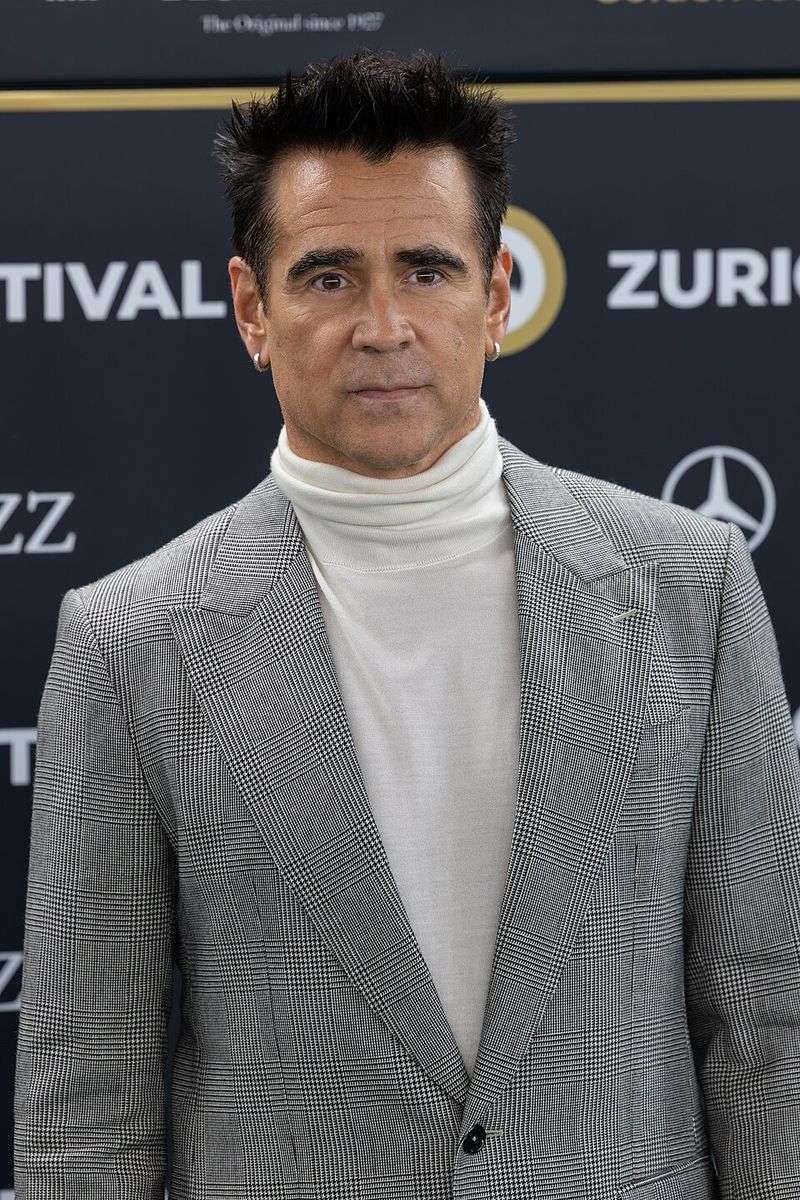
Stuck in a phone booth with a sniper watching your every move. That’s the entire movie, and somehow director Joel Schumacher keeps it thrilling for 80 minutes straight.
Colin Farrell plays a publicist who answers a ringing payphone and can’t hang up.
The voice on the other end, played by Kiefer Sutherland, knows everything about him and threatens to shoot if he leaves.
Filmed almost entirely on one city block, the film proves that claustrophobia doesn’t require walls. Just the right threat at the right moment can shrink the whole world down to a glass box.
12. Buried (2010)
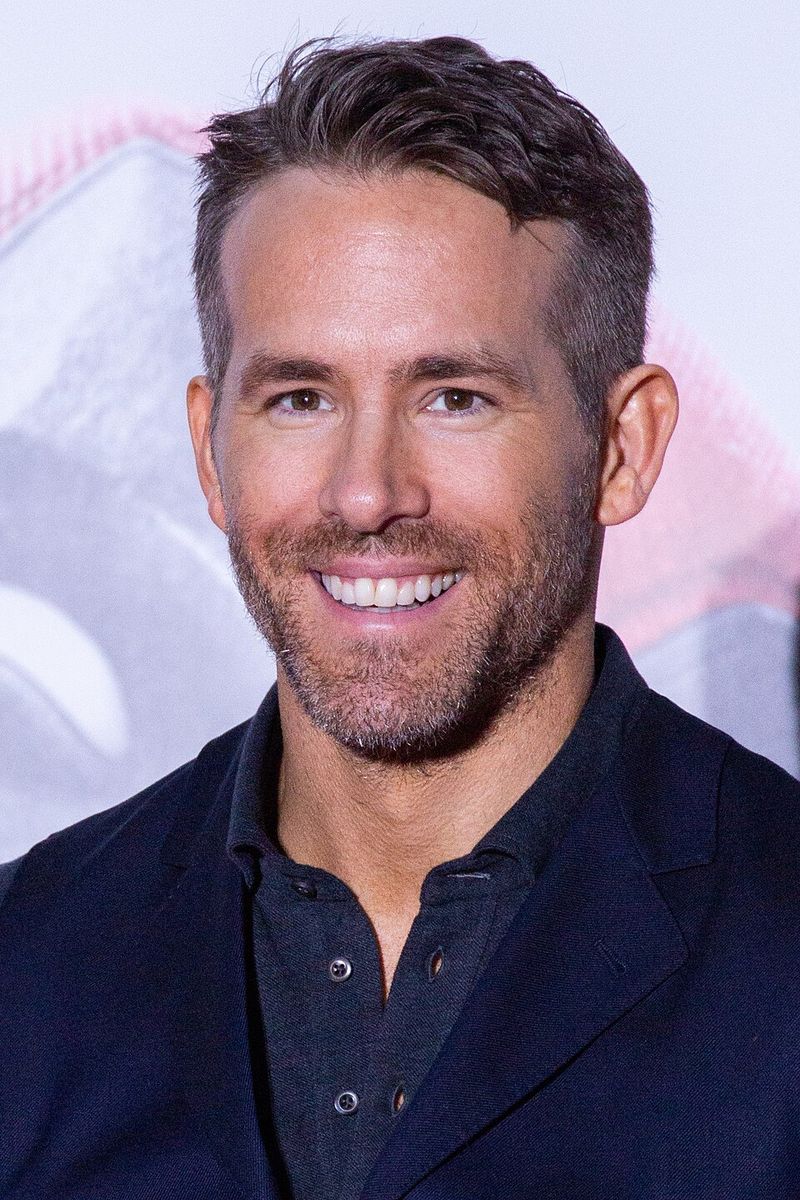
Ryan Reynolds. A coffin. Ninety minutes. That’s it. No cutaways, no flashbacks, no relief from the darkness.
This 2010 Spanish-American thriller is possibly the most claustrophobic movie ever committed to film, and it’s remarkable.
Reynolds plays a truck driver who wakes up buried alive armed only with a lighter and a cell phone with limited battery. The entire film is shot inside that box.
Director Rodrigo Cortes somehow makes it visually dynamic despite never leaving the coffin.
Your palms will sweat. Your breathing will get shallow. Watch it with the lights on, seriously.
13. 127 Hours (2010)
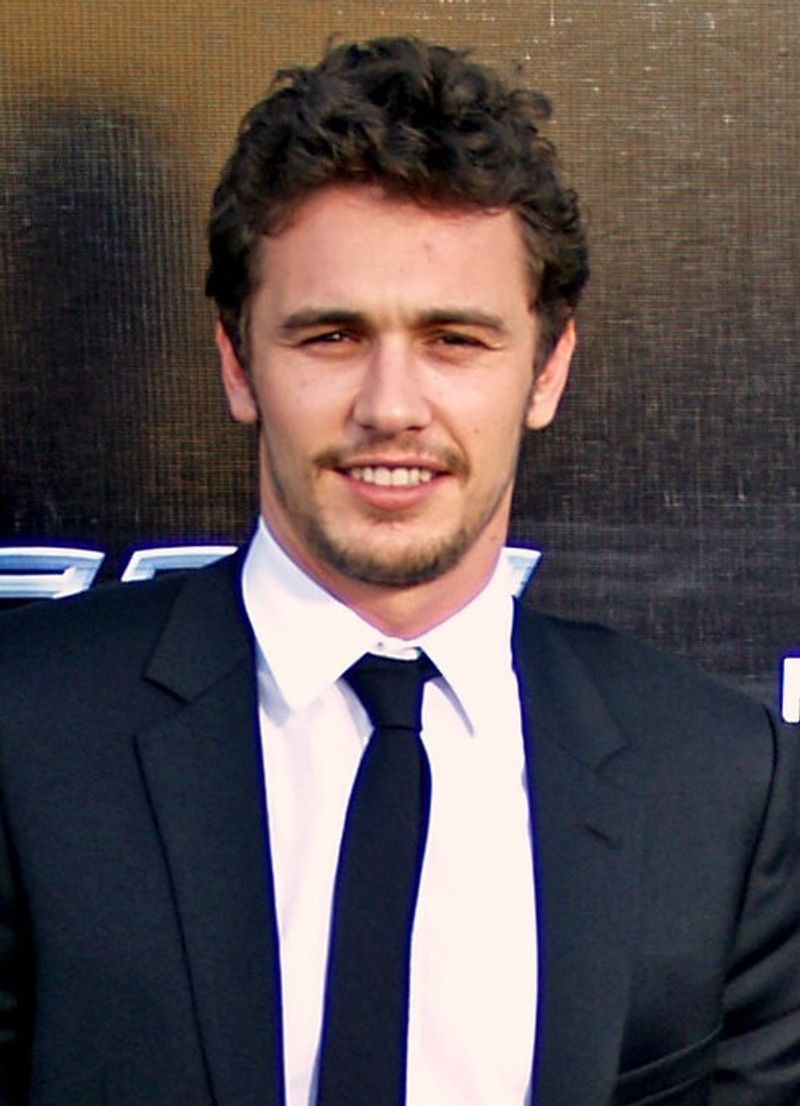
Based on an absolutely true story, this film follows hiker Aron Ralston, who got his arm pinned under a boulder in a Utah canyon in 2003.
Director Danny Boyle turns one man’s five-day ordeal into a visual and emotional feast.
James Franco gives the performance of his career, carrying nearly every scene completely alone.
The film expands beyond its tiny canyon setting through flashbacks and hallucinations, yet always returns to that immovable rock. That final act decision is one of the most intense moments in modern cinema.
14. The Hateful Eight (2015)
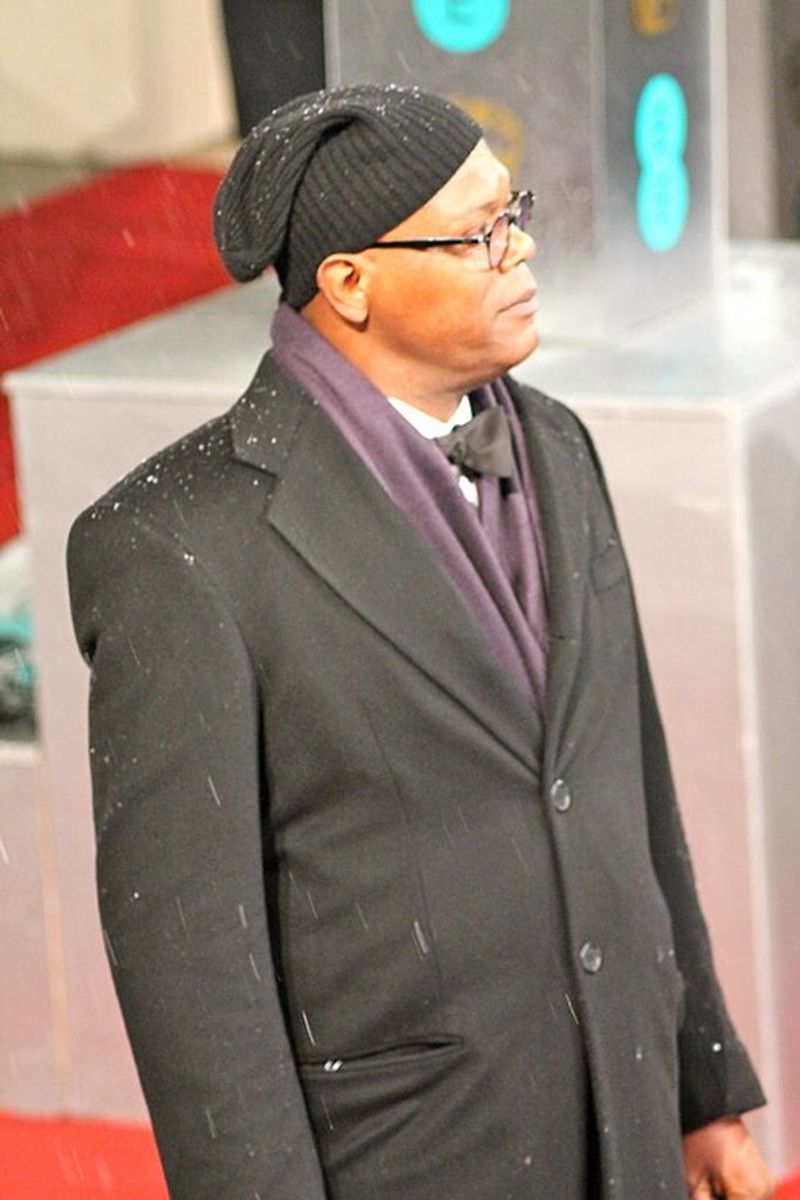
Quentin Tarantino loves a room full of people who don’t trust each other, and this 2015 Western takes that concept to its frostiest extreme.
Eight strangers are snowed in at a remote Wyoming haberdashery, and at least one of them is lying about who they are.
Shot in gorgeous 70mm widescreen, the film uses its single-room setting to build paranoia layer by layer.
Samuel L. Jackson, Jennifer Jason Leigh, and Kurt Russell lead an ensemble that crackles with tension and dark humor. The mystery at its center keeps you guessing constantly.
15. Ex Machina (2014)
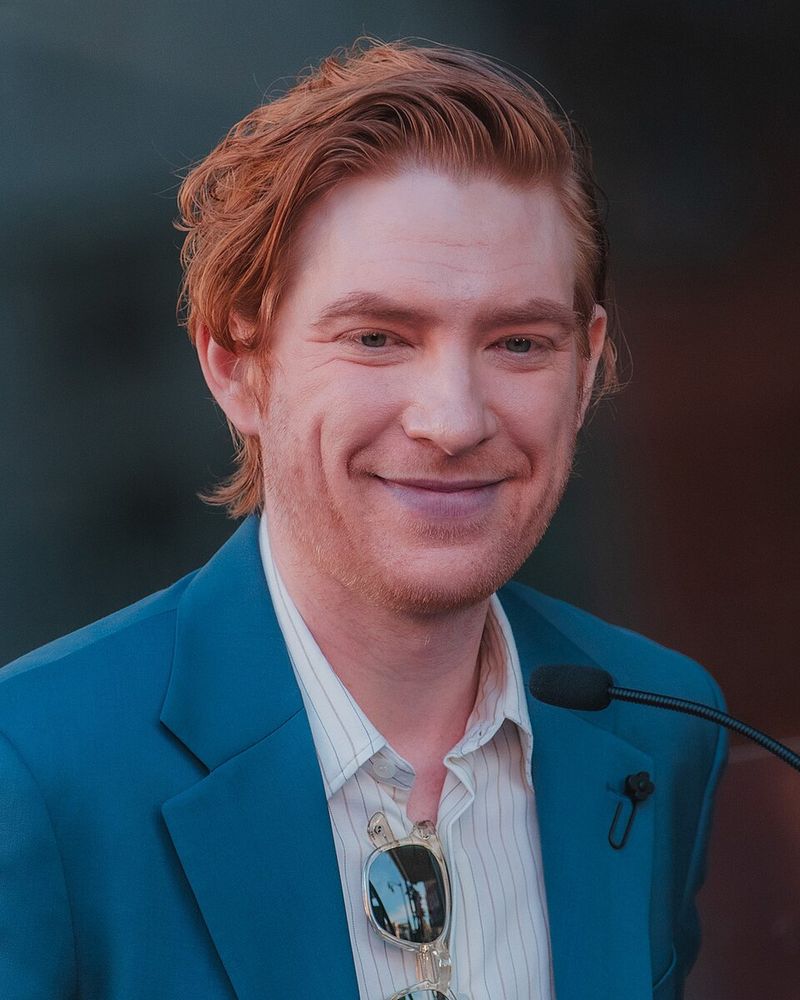
What happens when you can’t tell if the most intelligent being in the room is actually feeling something or just performing it?
That question drives this stunning 2014 sci-fi thriller set almost entirely in a billionaire’s isolated underground research complex.
Domhnall Gleeson plays a programmer invited to evaluate an AI robot, played with eerie brilliance by Alicia Vikander.
Director Alex Garland uses the sleek, glass-walled facility to mirror the film’s themes of containment and observation.