10 Boy Bands That Dominated The 1990s And Still Shape Pop
Pop did not just sound different in the 1990s, it arrived as a full-blown event with bigger visuals and bigger movement.
Boy bands turned songs into stadium moments and fandom into a lifestyle, with fame packaged to match.
The ripple effect never stopped. Here is how that decade’s biggest groups rewired pop forever.
Important: This article is provided for general informational and entertainment purposes and reflects widely reported music history and release details available at the time of writing. Interpretations of cultural influence are inherently subjective and may vary by listener, region, and era.
1. Backstreet Boys
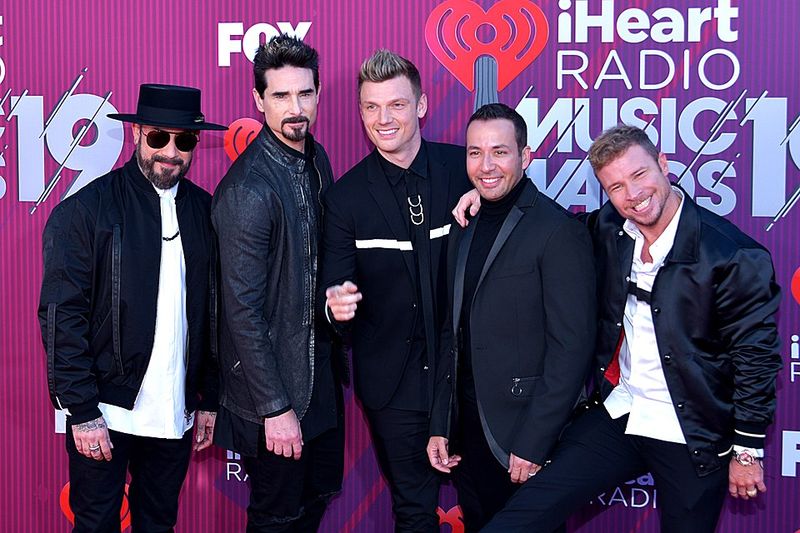
Arena sized pop energy, razor tight harmonies, and polished choreography set the gold standard for late 90s and early 2000s boy band launches. Even now, modern pop groups pull from that formula of blended vocals and stadium ready staging to fire up massive crowds.
Across the globe, K pop sensations and Western chart toppers echo that same mix of synchronized dance and hook packed anthems.
By selling out arenas and sustaining decades long careers, the Backstreet Boys showed the world that boy bands could be powerhouse headliners, not just passing teen crazes.
2. *NSYNC

High-energy performance and personality-driven branding pushed the format into peak TRL era pop culture. The group also helped set the template for how solo breakouts can still elevate a group’s legacy.
Justin Timberlake’s success proved a solo career could amplify the original band’s impact rather than diminish it.
Their innovative music videos and dance routines became cultural touchstones. Even today, fans reference their iconic looks and moves as quintessential 90s nostalgia.
3. Boyzone
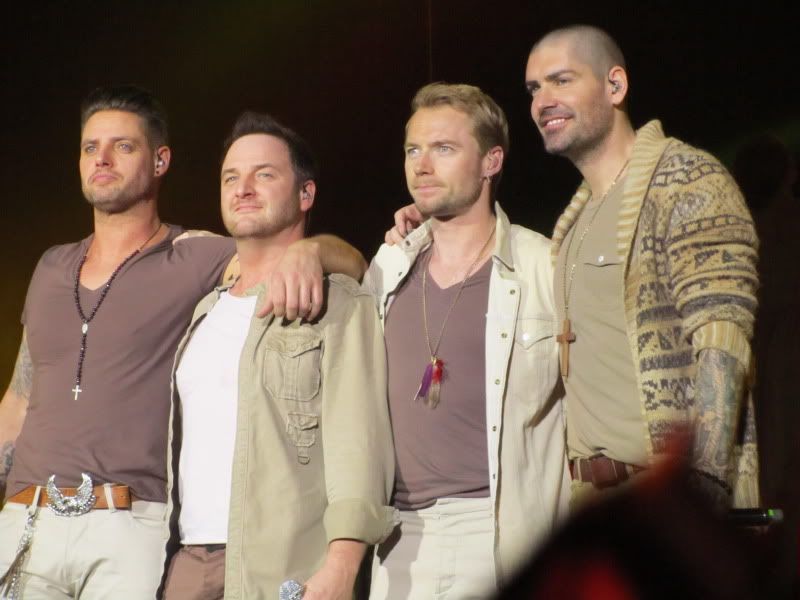
Leaning into emotional ballads and more mature pop, Boyzone helped shape a path for boy bands to grow alongside their audience instead of chasing teen trends forever. That grown up evolution now echoes through reunion tours and later era releases across the genre.
Because of their willingness to shift musically, longevity became possible long after the original chart peak faded.
Plenty of groups now follow that blueprint, putting out deeper, more reflective albums as both artists and fans move into new stages of life.
4. Westlife
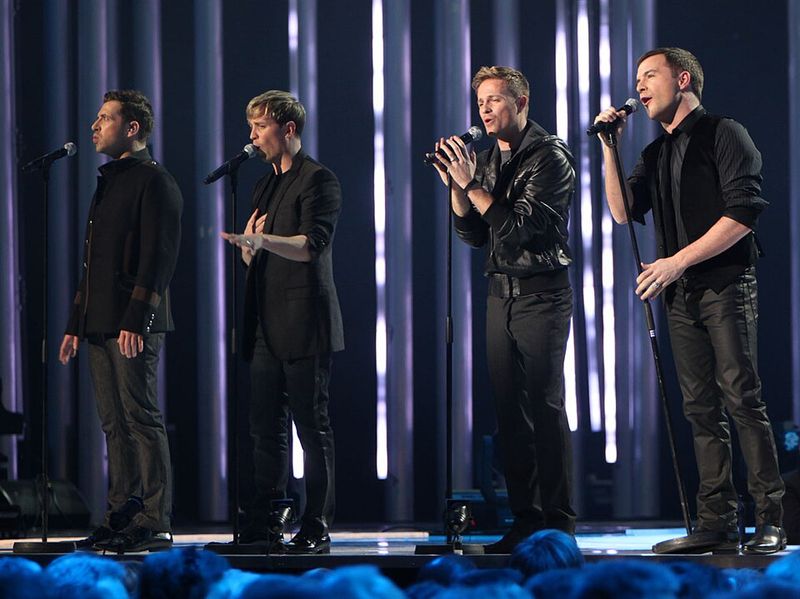
Westlife’s harmony-first ballad style helped keep classic pop crooning alive in a decade packed with dance and teen pop.
Their model of consistent live touring remains a playbook for long-running vocal groups. They prioritized vocal precision over flashy choreography, carving out a unique niche.
This approach influenced countless vocal-focused acts who realized they didn’t need elaborate dance routines to succeed. Strong harmonies and heartfelt delivery could be enough to captivate audiences worldwide.
5. Take That
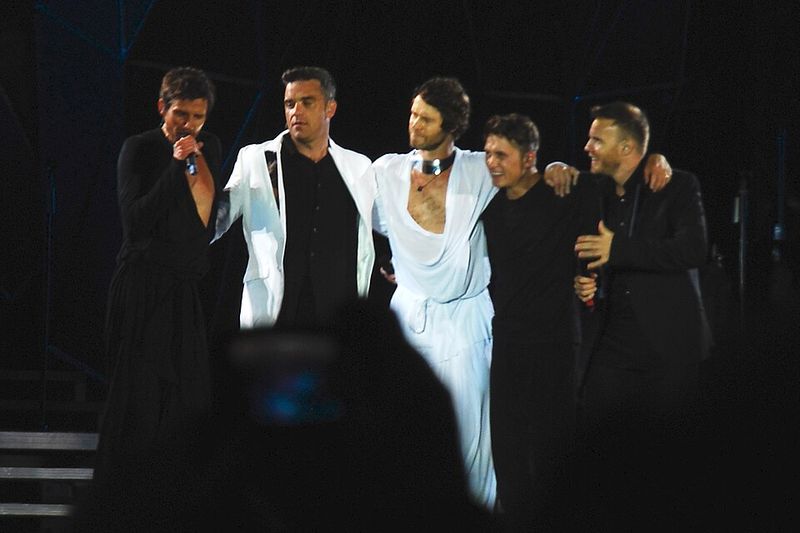
Straddling teen idol charm and adult pop ambition, Take That proved reinvention could be a powerful second act rather than a fading footnote.
That pivot toward grander stagecraft and broader songwriting later became a playbook many pop groups eagerly followed. When reunion tours rolled out in the 2000s, record-setting crowds showed how nostalgia could drive enormous commercial success.
Over time, a shift from bubblegum beginnings to more mature, introspective music turned their journey into a clear blueprint for lasting relevance in the industry.
6. Boyz II Men
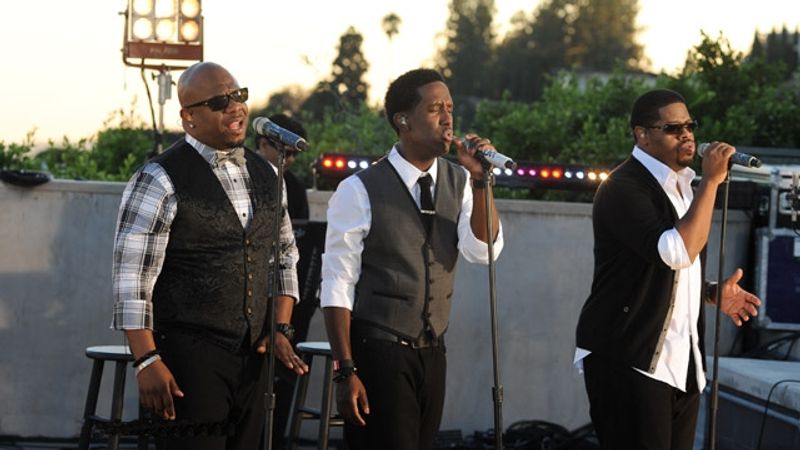
Silky R&B harmonies and pinpoint vocal control shaped pop ballads for decades, especially in the way modern groups layer lead lines over lush backing parts. That signature sound helped keep vocal groups at the center of the charts throughout the 1990s.
With chart smashing hits like “End of the Road,” they proved emotional storytelling and technical skill could shine side by side.
Even now, contemporary R&B and pop artists study those vocal stacks and soulful phrasing when crafting their own records.
7. 98 Degrees
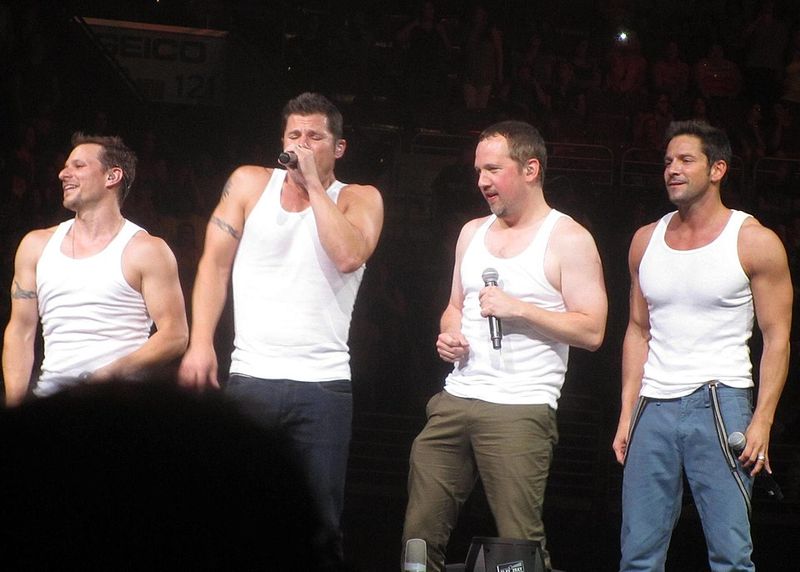
Leaning harder into R&B and romantic slow jams, another lane opened beside the flashier dance pop boy band style. Even today, that lane lives on in vocal driven pop groups built around harmonies first.
Ballads such as “Because of You” delivered heartfelt emotion without leaning on heavy production tricks.
That stripped back focus on melody and harmony influenced artists who wanted singing, not spectacle, at the center, proving multiple styles could thrive within the boy band world.
8. East 17
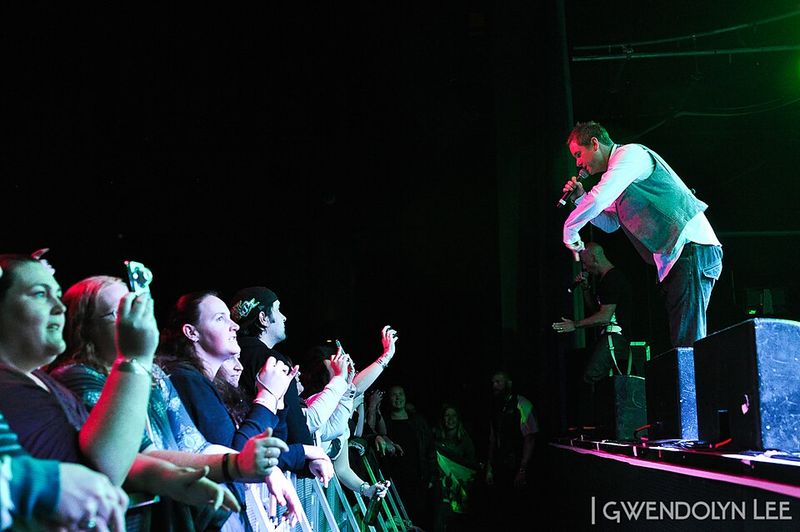
Blending a tougher, street pop edge with huge hooks and emotional singles showed the boy band format could stretch well beyond clean cut polish. That fusion of grit and melody continues to resurface across UK pop scenes today.
By leaning into a rougher aesthetic, they pushed back against expectations about how boy bands should look and sound.
Tracks like “Stay Another Day” showed vulnerability and street credibility could sit side by side, shaping future acts chasing a more authentic feel.
9. Five (5ive)

Rap-pop verses over punchy choruses helped normalize hybrid boy band tracks that felt closer to hip hop and dance music.
Plenty of later pop groups used that same swagger-forward energy. Their high-energy performances and genre-blending tracks opened doors for acts that wanted to mix singing with rapping.
This fusion approach became standard in the 2000s and beyond, proving boy bands didn’t have to stay in one musical lane to succeed commercially.
10. 911
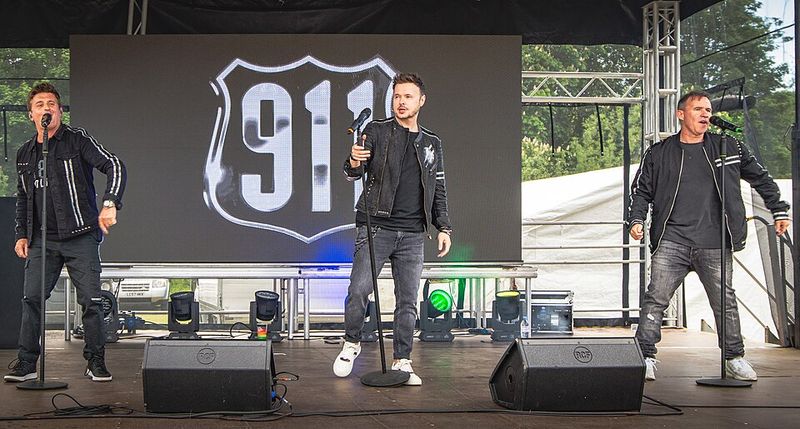
Big power ballads and clean vocals kept the classic heart on sleeve boy band style shining through the late 90s. Years of steady live appearances have shown just how durable that sound can be when the songs truly connect.
Anthems like “A Little Bit More” delivered pure pop emotion without trying to sound edgy or ironic.
That devotion to sincerity and strong melody inspired later groups who cared more about connection than coolness, proving timeless pop craftsmanship never really fades.