9 Brilliant Novels That Sparked Entire Subgenres And Changed The Course Of Storytelling
Some books do more than tell a story. A rare few rewrite the rules of storytelling itself, shifting what readers expect from every page that follows.
A single breakthrough idea can ripple outward for generations, shaping genres long before those genres even have names. Gothic horror emerged through early tales that leaned into shadow, emotion, and unease, building an atmosphere that still lingers in modern thrillers.
Science fiction followed with bold visions of invention and consequence, long before space travel became more than imagination. Magical realism softened the boundary between the ordinary and the impossible, turning everyday moments into something quietly surreal.
Cyberpunk arrived with neon futures, tangled technology, and human struggle at the center of it all. High fantasy expanded storytelling into entire worlds built from language, myth, and carefully constructed rules, inviting readers to step fully outside reality.
Each of these movements began with a spark that challenged what fiction could do. Writers kept building on those foundations, layering new ideas over old breakthroughs until storytelling became a vast, ever evolving landscape.
Modern novels, films, and even games still carry echoes of those early revolutions. Every page turned now is part of a much longer creative chain, and every reader stepping into it adds another link.
1. The Castle of Otranto by Horace Walpole
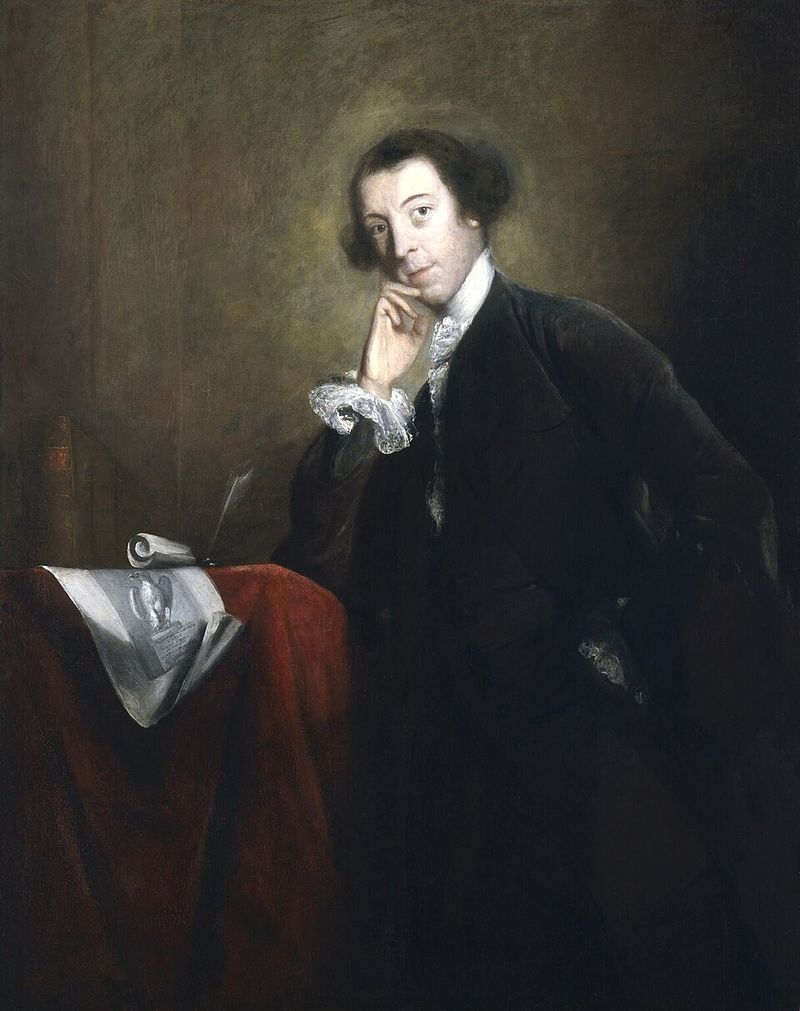
Back in 1764, Horace Walpole pulled off one of literature’s greatest pranks. He published The Castle of Otranto and pretended it was a translated Italian manuscript, not his own invention.
Readers believed him! Once the truth came out, nobody cared, because the story was too gripping to dismiss.
Crumbling castles, family curses, mysterious ghosts, and secrets buried in stone walls, all of it debuted right here. Gothic horror as a genre was officially born.
Every haunted house story, every brooding vampire novel, every spooky manor mystery traces its DNA straight back to Walpole’s wild, dramatic imagination.
2. Frankenstein by Mary Shelley

A teenage girl won a ghost story competition and accidentally invented an entirely new genre. Mary Shelley was just 18 when she dreamed up Frankenstein, published in 1818, and science fiction has never recovered from how brilliant it turned out to be.
Long before robots and spaceships dominated pop culture, Shelley asked the questions that still haunt us: What happens when science goes too far? Who is truly the monster?
How does creation carry responsibility? Every sci-fi story exploring artificial intelligence, genetic engineering, or mad science owes a standing ovation to Shelley’s extraordinary, rule-smashing imagination.
3. Dracula by Bram Stoker
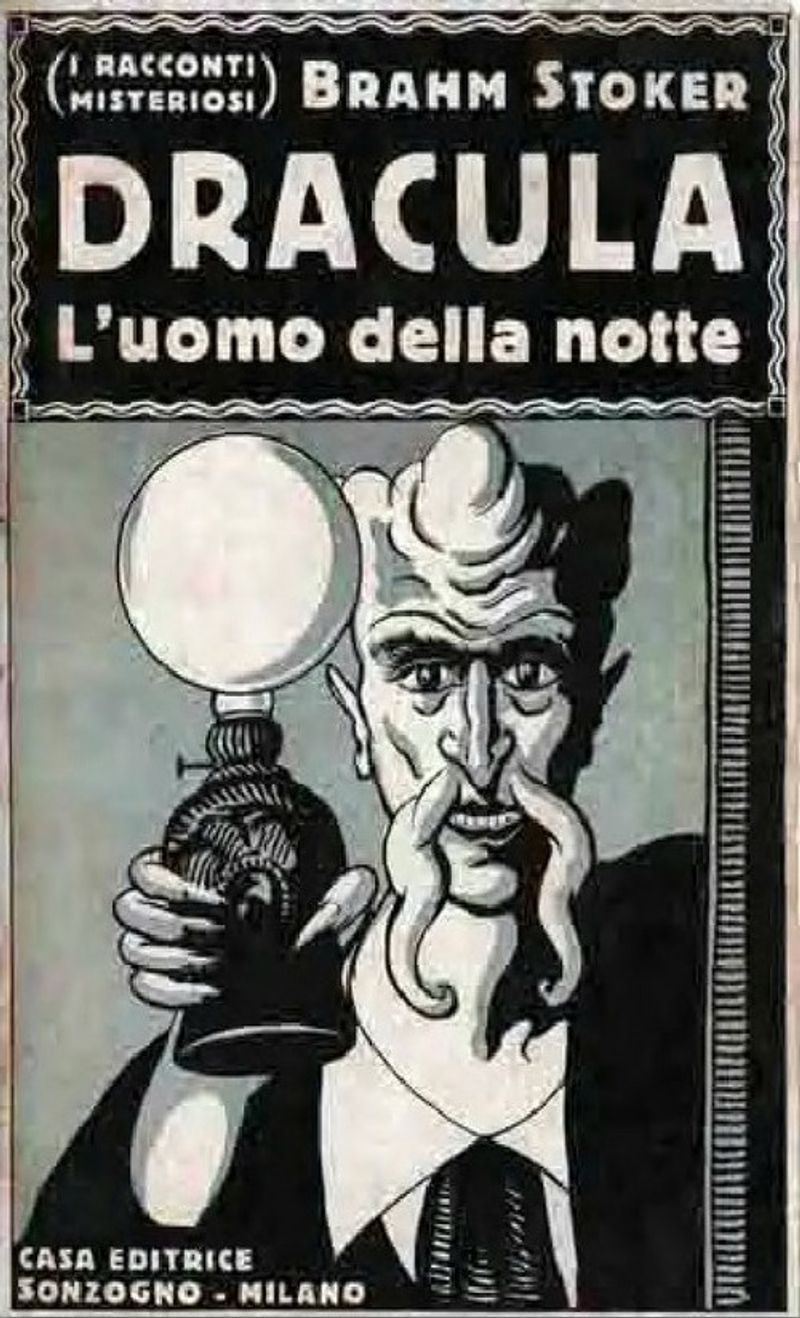
Published in 1897, Bram Stoker’s Dracula did not invent vampires, but it absolutely perfected them. Stoker combined Eastern European folklore, Victorian anxieties, and pure Gothic dread into a creature so magnetic that Hollywood has never stopped casting him in new films.
Count Dracula set the template: the charismatic villain, the vulnerable victims, the brave band of heroes racing against time. Vampire fiction as a subgenre exploded because of Stoker’s blueprint.
Interview with the VampireTwilightWhat We Do in the Shadows, , , all of it flows directly from one unforgettable count lurking in his Transylvanian fortress.
4. The War of the Worlds by H.G. Wells
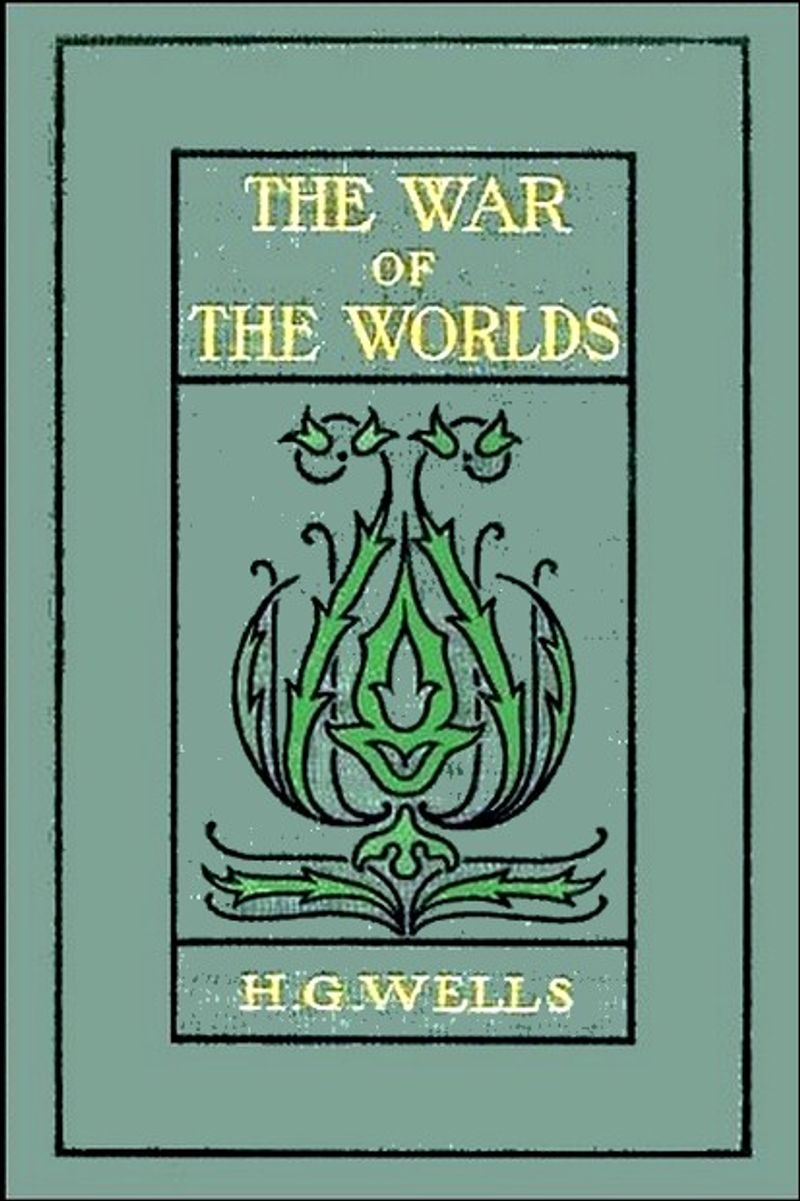
H.G. Wells fired a rocket straight into the heart of storytelling in 1898.
The War of the Worlds introduced alien invasion as a serious narrative concept, and the shockwaves are still reverberating through every blockbuster alien movie, video game, and disaster novel published since.
What made Wells so clever was using Martians as a mirror. Victorian Britain had colonized much of the world, and suddenly Wells flipped the script, showing readers what it felt like to be the ones invaded.
Science fiction rarely gets more politically sharp or more breathlessly exciting. Even a 1938 radio broadcast of it caused mass panic!
5. The Lord of the Rings by J.R.R. Tolkien
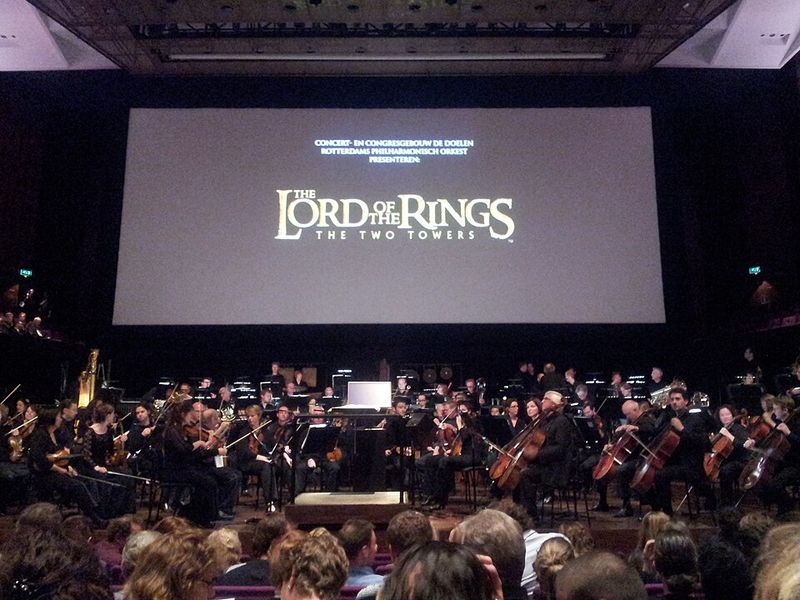
No single author built a world quite like J.R.R. Tolkien did.
Published between 1954 and 1955, The Lord of the Rings did not just tell an epic story, it constructed an entirely new universe complete with multiple languages, detailed histories, and maps readers could actually follow.
High fantasy as a genre was essentially born here. Before Tolkien, adventure stories existed.
After Tolkien, writers understood how deep a fictional world could go. Every sprawling fantasy series, every role-playing game, every epic film trilogy building an immersive world is standing on the enormous shoulders of Middle-earth.
Frodo really did carry the weight of an entire genre.
6. One Hundred Years of Solitude by Gabriel Garcia Marquez
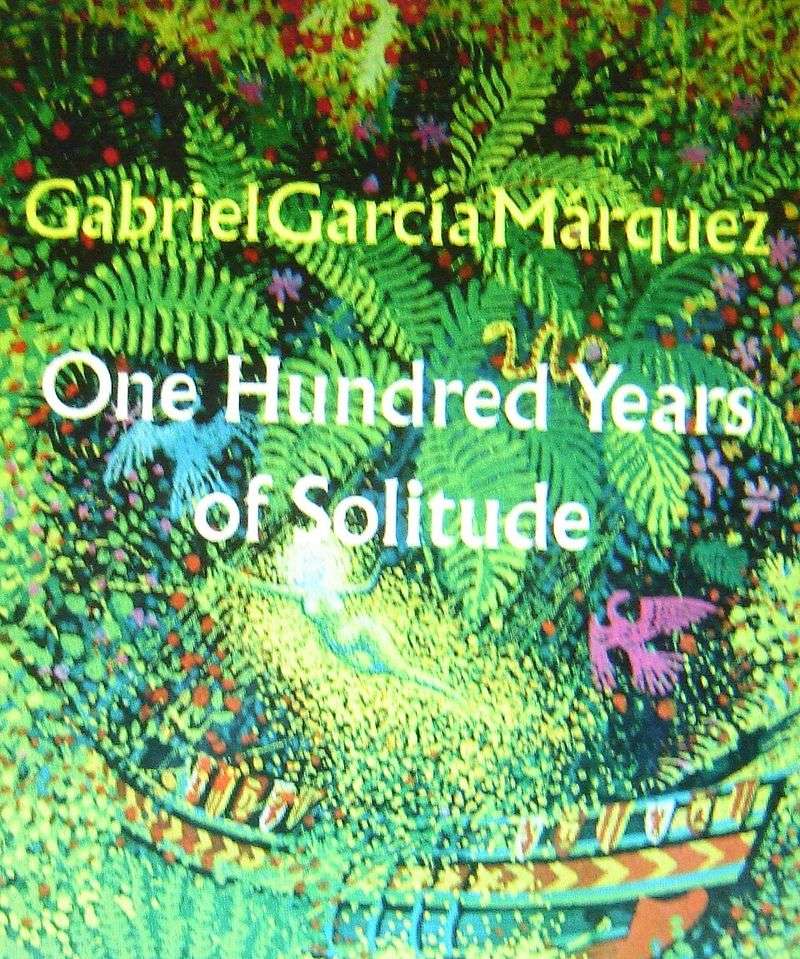
Magic falling like rain. A man so charismatic that yellow butterflies follow him everywhere.
A family living through a century of love, war, and forgetting. Gabriel Garcia Marquez published One Hundred Years of Solitude in 1967, and the literary world simply had no category for what it was reading.
Magical realism, the art of blending extraordinary events into everyday life without a single raised eyebrow, became a recognized genre almost overnight. Latin American literature exploded globally as a result.
Garcia Marquez won the Nobel Prize in 1982, and writers across every continent started asking: what if the impossible and the ordinary walked hand in hand?
7. Neuromancer by William Gibson

Before the internet became everyone’s second home, William Gibson described it with jaw-dropping accuracy. Published in 1984, Neuromancer coined the word cyberspace and built the entire aesthetic of cyberpunk fiction: corporate dystopias, hackers navigating virtual realities, artificial intelligence running rogue, and neon-drenched cities drowning in inequality.
Gibson’s vision shaped the Matrix films, influenced the design of the internet itself, and inspired a generation of tech innovators who read his book as teenagers. Cyberpunk as a genre owes its leather jackets, glowing implants, and paranoid energy entirely to one novel written on a manual typewriter.
The irony is almost too perfect.
8. The Handmaid’s Tale by Margaret Atwood

Margaret Atwood built a nightmare so precisely engineered it reads like a warning manual. Published in 1985, The Handmaid’s Tale created the feminist dystopia subgenre by grounding every terrifying detail in actual historical events, not fantasy.
Atwood once said she included nothing in the book that had not already happened somewhere.
Offred’s story sparked a genre of speculative fiction focused on gender, power, and resistance. Decades later, the red robe and white bonnet became recognized protest symbols worldwide.
How often does a novel inspire both a Hulu series and real-world demonstrations? Atwood managed both, proving literature still carries enormous, world-shaking power.
9. The Hitchhiker’s Guide to the Galaxy by Douglas Adams
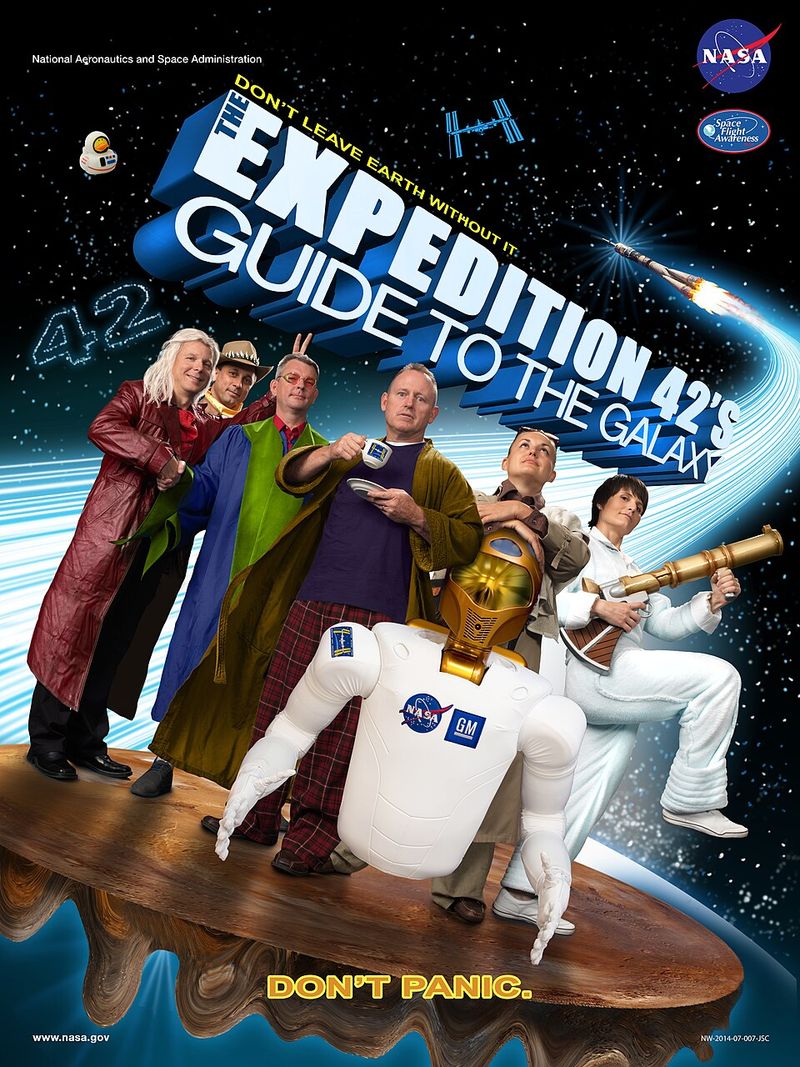
Forty-two. If you already know why that number is hilarious, Douglas Adams already changed your life.
First broadcast as a BBC radio show before becoming a novel in 1979, The Hitchhiker’s Guide to the Galaxy invented comedic science fiction as a proper literary subgenre.
Adams proved that spaceships and existential crises could be absolutely, painfully funny. Satirical sci-fi, absurdist adventure, humor-driven speculative fiction, all roads lead back to Arthur Dent clutching his towel.
Terry Pratchett, Rob Grant, and countless comedy writers cite Adams as a defining influence. Science fiction had explored infinite space before, but Adams was the first to laugh all the way through it.