9 British Foods That Make Locals Smile And Visitors Hesitate
Britain has given the world Shakespeare, the Beatles, and some truly puzzling food choices that make visitors scratch their heads in confusion.
While fish and chips might be universally loved, there are certain dishes lurking in British kitchens that only someone who grew up on these islands could truly appreciate.
From jiggly meat products to spreads that divide nations, these foods are an acquired taste that locals defend with fierce pride.
Ready to explore the wild side of British cuisine that tourists often avoid?
Disclaimer: This article is meant for lighthearted entertainment and reflects subjective opinions about traditional British foods.
It is not intended to insult British culture or cuisine. Taste is personal, and many people love and proudly enjoy the dishes mentioned.
9. Marmite
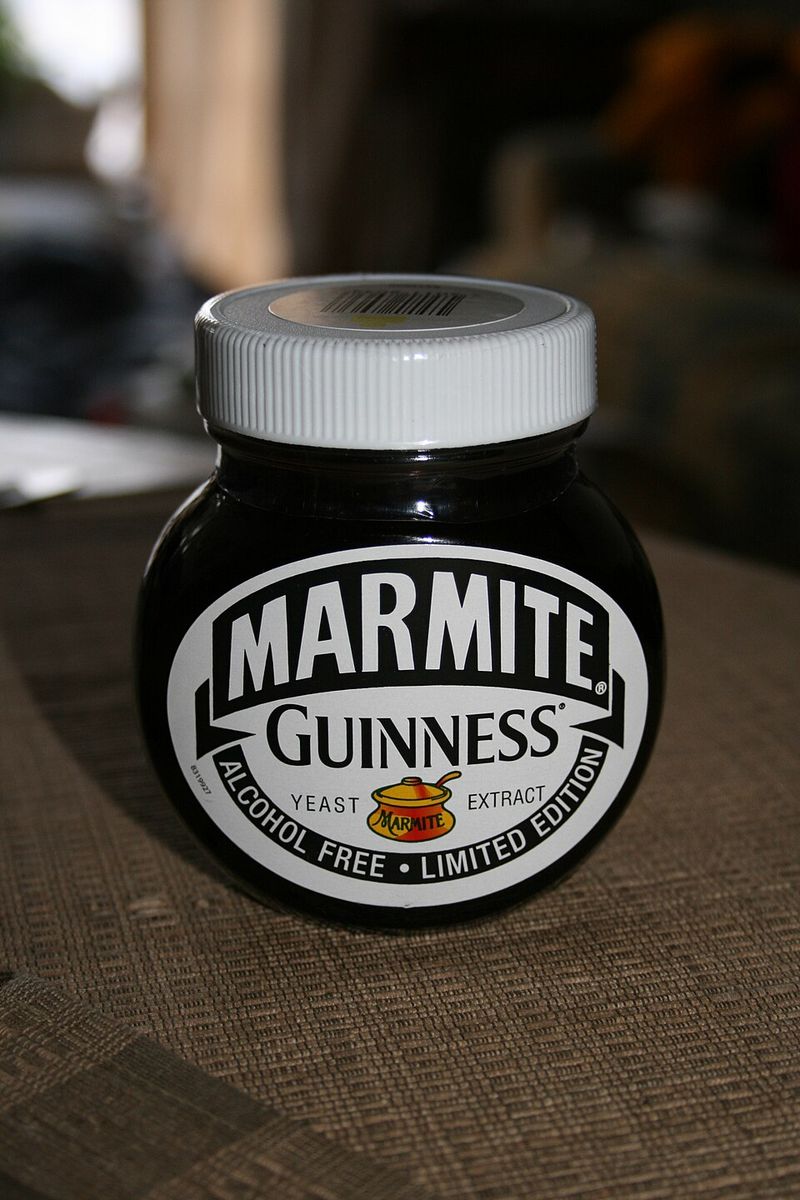
Love it or hate it, that is the question Marmite poses to anyone brave enough to crack open that iconic yellow-topped jar.
This thick, dark brown spread tastes like concentrated umami mixed with salt and a hint of mystery that scientists probably cannot even explain.
Made from yeast extract, a byproduct of beer brewing, Marmite has been dividing British households since 1902.
Most Brits are introduced to this polarizing paste as children, either becoming lifelong devotees or sworn enemies with no middle ground.
The flavor hits your taste buds like a savory explosion that either delights or horrifies, depending on your genetic makeup (just kidding, but it feels that way).
Spread thinly on buttered toast, Marmite provides a salty, tangy kick that locals crave for breakfast.
Visitors often make the mistake of slathering it on thick like peanut butter, leading to instant regret and dramatic facial expressions worthy of a viral video.
Fun fact: During World War One, Marmite was included in soldier rations because of its high vitamin B content!
The company even embraced the controversy with their famous advertising campaign that acknowledged some people absolutely despise their product.
That takes confidence, right?
Whether you are Team Love or Team Hate, Marmite remains a British cupboard staple that confuses the rest of the world.
8. Black Pudding
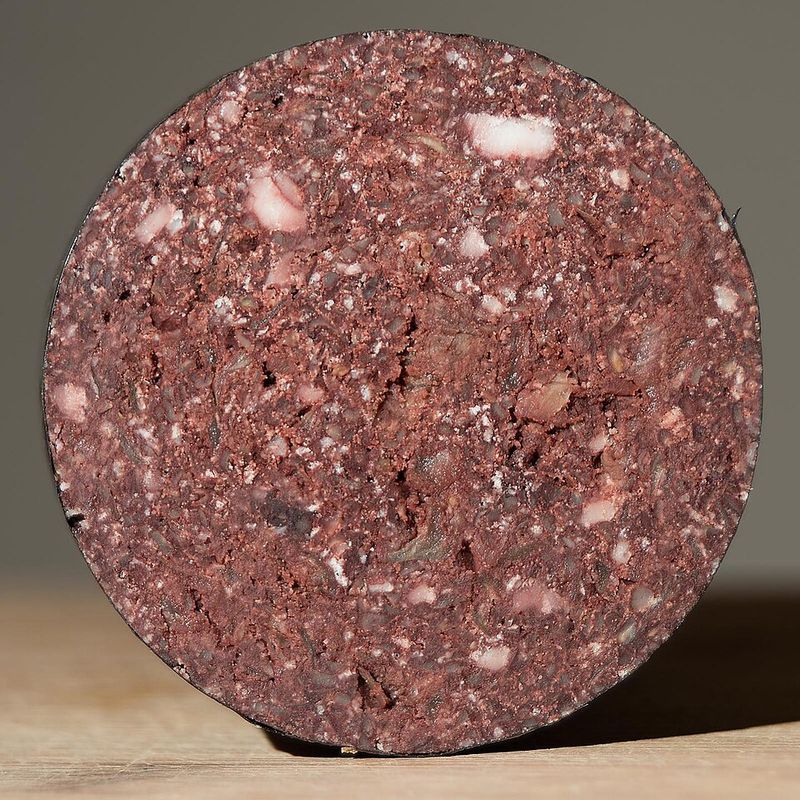
Imagine starting your morning with a slice of sausage made primarily from blood, and you will understand why tourists often pass on this breakfast item.
Black pudding is exactly what it sounds like: a dark, crumbly sausage made from pork blood, fat, and oatmeal or barley, seasoned with spices.
Originating centuries ago as a way to use every part of the animal, this thrifty creation has become a beloved component of the Full English Breakfast.
The texture is dense and slightly grainy, while the flavor is rich, earthy, and intensely savory in a way that either captivates or repels.
British locals grow up seeing black pudding as normal as bacon, but newcomers often struggle with the idea of eating coagulated blood for breakfast.
Different regions have their own variations, with the Stornoway black pudding from Scotland being particularly famous and even having protected status.
When cooked properly, the outside gets crispy while the inside stays moist and flavorful, creating a contrast that devotees absolutely adore.
Chefs in fancy restaurants have even started using black pudding in gourmet dishes, proving this humble ingredient has serious culinary credentials.
Still, no amount of Michelin stars will convince some people to try it!
For Brits, black pudding represents heritage, resourcefulness, and a no-nonsense approach to food that wastes nothing.
7. Jellied Eels
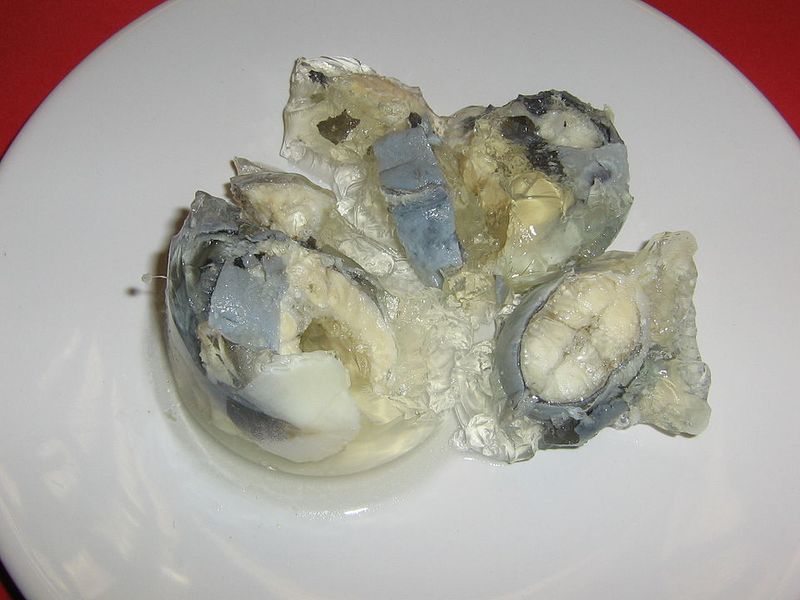
Picture chunks of eel suspended in wobbly gelatin, and you have jellied eels, a London delicacy that makes even some Brits raise their eyebrows.
This dish dates back to the 18th century when eels were abundant in the Thames River and provided cheap protein for working-class Londoners.
The eels are chopped, boiled with spices, and then left to cool, allowing the natural gelatin from the fish to set into a shimmering jelly.
The result looks like something from a science experiment rather than a meal, with pale eel pieces trapped in translucent aspic.
Traditionally served cold with vinegar, pepper, and sometimes a bit of chili sauce, jellied eels have a texture that challenges even adventurous eaters.
The jelly is slippery and cold, while the eel itself is oily and fishy in a way that requires serious commitment to enjoy.
Once sold from street stalls throughout East London, jellied eels are now harder to find as younger generations prefer less challenging foods.
A few traditional pie and mash shops still serve them, keeping this quirky culinary tradition alive for nostalgic locals and curious food tourists.
Did you know eels can travel thousands of miles from the Sargasso Sea to reach British waters?
That journey deserves respect, even if the final jellied form does not appeal to everyone!
6. Haggis
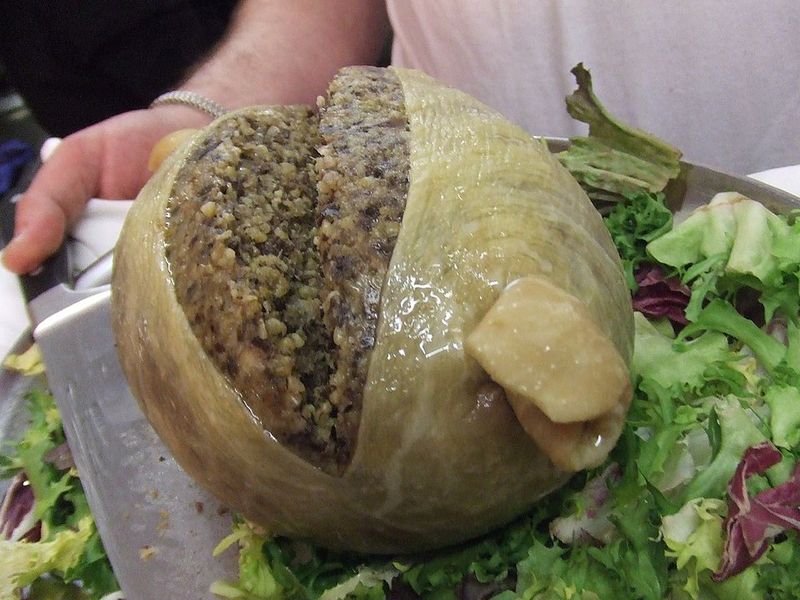
Scotland’s national dish sounds like something from a dare rather than a dinner menu, but locals defend it with passionate intensity.
Haggis consists of sheep heart, liver, and lungs, minced with onion, oatmeal, suet, and spices, then traditionally encased in the animal’s stomach lining.
Before you run away screaming, know that modern versions usually use synthetic casings, making it slightly less medieval.
The mixture is boiled for hours until it becomes a savory, peppery pudding with a crumbly texture and robust flavor.
Served with neeps and tatties (turnips and potatoes, for those not fluent in Scottish), haggis is the star of Burns Night celebrations every January 25th.
The famous poet Robert Burns even wrote an entire poem praising this unusual creation, calling it the Great Chieftain of the Puddin-race!
When you taste haggis, expect earthy, gamey flavors with a peppery kick that warms you from the inside out.
The oatmeal gives it substance while the offal provides depth that regular sausage simply cannot match.
Many visitors are surprised to discover they actually enjoy haggis once they get past the ingredient list.
Some restaurants even serve haggis bonbons, haggis nachos, and other creative variations that make this traditional food more approachable.
Still, the original remains gloriously weird and wonderfully Scottish!
5. Stargazy Pie
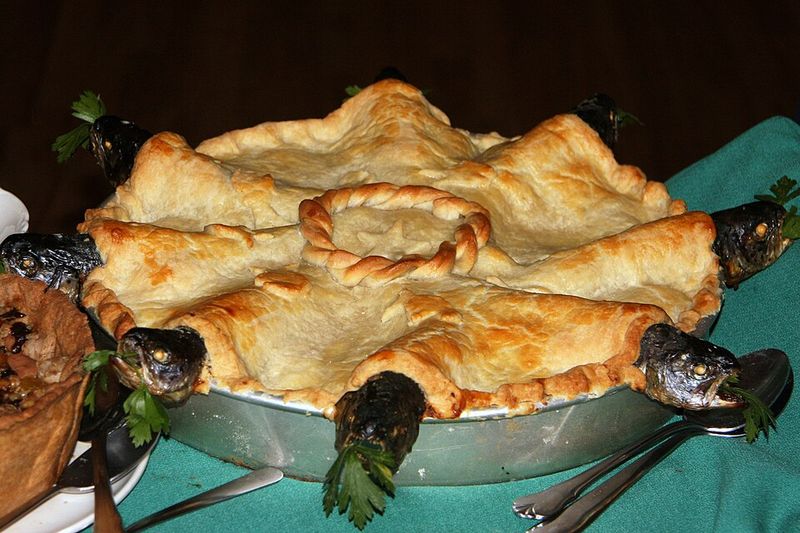
When fish heads stare at you from beneath a pastry crust, you know you’ve encountered one of Britain’s most distinctive regional specialties.
Stargazy pie hails from the Cornish village of Mousehole and features whole pilchards or sardines baked so their heads poke through the top, appearing to gaze at the stars. Legend says a fisherman named Tom
Bawcock braved stormy seas to catch fish and save his starving village, and this pie commemorates his bravery.
The fish are arranged with their heads and tails sticking out to prove the pie contains actual fish, not just scraps.
Underneath the pastry, you will find eggs, potatoes, and sometimes bacon mixed with the fish, creating a hearty filling that has sustained fishing communities for generations.
The visual presentation is definitely the most challenging aspect, as those glassy fish eyes watching you eat can be unsettling for the uninitiated.
Locals celebrate Tom Bawcock’s Eve every December 23rd with this special pie, singing traditional songs and honoring their maritime heritage.
The taste is actually quite pleasant, like a fishy pot pie, but getting past the appearance requires either childhood familiarity or serious courage.
Food critics have called it simultaneously charming and nightmarish, which pretty much sums up the experience!
Only in Cornwall would staring fish be considered an appetizing dinner presentation.
4. Laverbread
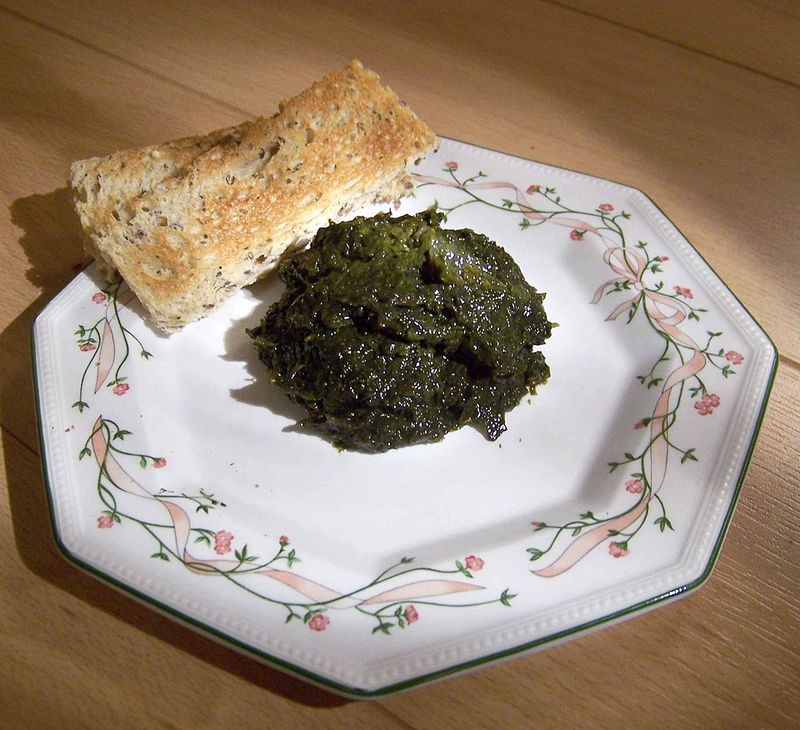
Despite the name, laverbread contains absolutely no bread whatsoever, which is the first of many surprises this Welsh specialty offers.
Actually, it is a thick, dark green paste made from laver seaweed that has been boiled for hours until it resembles something between spinach puree and, well, pond algae.
Collected from rocky coastlines around Wales, laver has been eaten for centuries and provides impressive nutritional benefits including iodine, iron, and vitamins.
The Welsh have traditionally mixed it with oatmeal, formed it into patties, and fried it for breakfast alongside bacon and eggs.
The flavor is intensely oceanic, salty, and mineral-rich, tasting exactly like the sea smells on a breezy morning.
For people unfamiliar with seaweed as food, the strong marine taste and slippery texture can be overwhelming and decidedly acquired.
However, locals appreciate laverbread as a connection to their coastal heritage and a sustainable food source that requires no farming.
Some adventurous chefs have started incorporating it into modern dishes, using it as a sauce base or flavor enhancer that adds umami depth.
The Japanese have nori, the Koreans have gim, and the Welsh have laverbread, proving that coastal cultures worldwide discovered seaweed’s deliciousness independently!
If you can handle the idea of eating what looks like green slime, laverbread might just surprise your taste buds in the best possible way.
3. Tripe
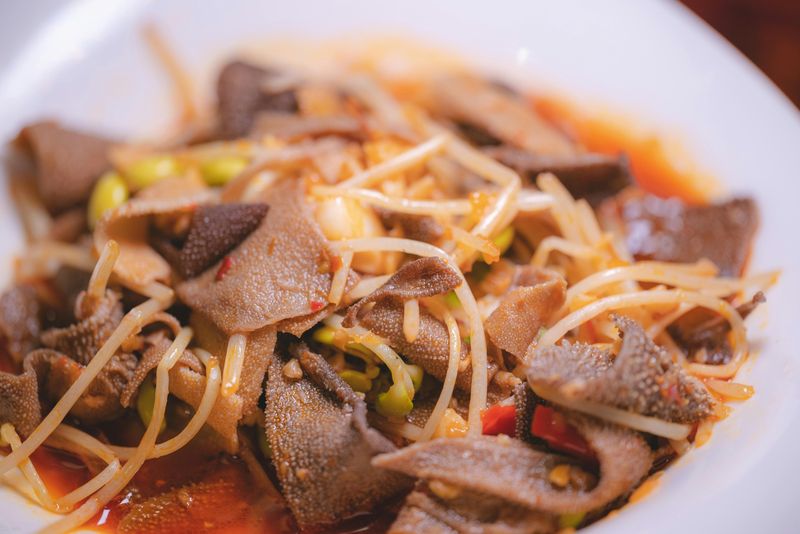
Eating stomach lining might sound like a survival situation rather than a dinner choice, but tripe has been a British working-class staple for centuries.
This dish uses the edible lining from cow stomachs, thoroughly cleaned and then slow-cooked until tender, usually in milk or a white onion sauce.
The texture is the most challenging aspect, described as chewy, rubbery, or gelatinous depending on how long it has been cooked.
Honeycomb tripe, the most common type, has a distinctive pattern that looks exactly like a bee’s honeycomb and feels spongy in your mouth.
Popular in Northern England, particularly in Lancashire and Yorkshire, tripe was once sold from specialized tripe shops that have now mostly disappeared.
Older generations remember tripe and onions as a cheap, filling meal that stretched tight budgets during harder economic times.
The flavor itself is quite mild and slightly sweet, taking on whatever seasonings or sauces accompany it.
Preparing tripe properly requires patience and skill, as undercooked tripe is unpleasantly tough while overcooked tripe becomes mushy.
Many cultures worldwide eat tripe in various forms, from Mexican menudo to Italian trippa, proving this ingredient has global appeal for those willing to try it.
British tripe remains a nostalgic food for older locals while younger generations mostly avoid it!
2. Mushy Peas
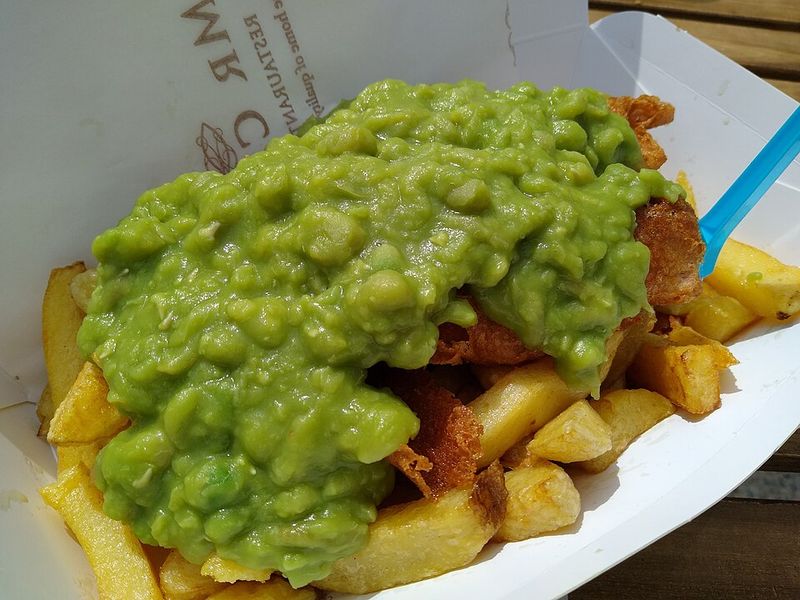
Bright green, thick, and completely lacking in texture, mushy peas look like something Shrek might enjoy as a spa treatment rather than actual food.
Made from marrowfat peas that have been soaked overnight and then boiled into submission until they collapse into a thick puree, this side dish is a fish and chips shop essential.
The color can range from army green to alarming neon depending on whether artificial coloring has been added to make them more visually appealing (spoiler: it does not help).
Mushy peas have a mild, slightly sweet flavor and a texture that is exactly what the name promises, completely mushy with no individual peas remaining intact.
British people either love them as a nostalgic comfort food or tolerate them as tradition, while visitors often cannot understand why anyone would deliberately destroy perfectly good peas.
The dish originated in Northern England, where marrowfat peas were cheap and filling, providing essential nutrition for industrial workers.
Some chip shops add mint to their mushy peas for extra flavor, while others keep them plain and simple.
They are meant to be eaten alongside crispy fried fish and chips, providing a soft, mild contrast to the crunchy, salty main event.
Fun fact: marrowfat peas are actually mature peas that have been allowed to dry naturally in the field!
That makes them different from regular garden peas and contributes to their unique texture when cooked.
1. Bovril
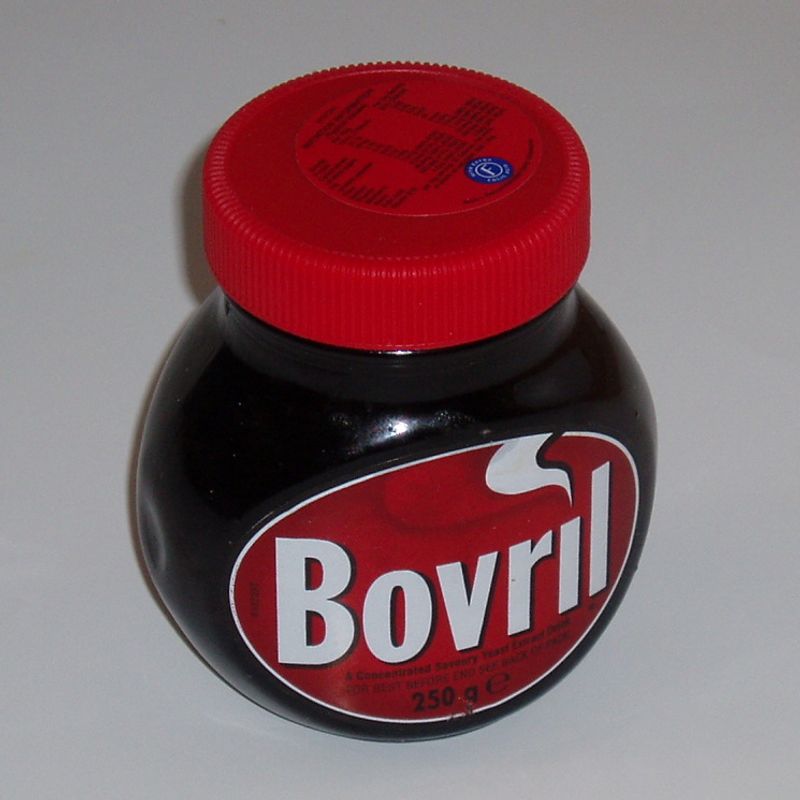
Drinking a hot cup of concentrated beef extract might sound like a prank, but Bovril has been warming British souls since 1886.
This thick, dark brown paste is made from beef stock that has been reduced down to an intensely savory concentrate that can be spread on toast or mixed with hot water to create a meaty drink.
The name Bovril combines the Latin word for beef (bovis) with Vril, a fictional energy source from a Victorian science fiction novel, because apparently Victorians were wonderfully weird.
The taste is powerfully beefy, salty, and umami-rich, like drinking the essence of a roast dinner condensed into liquid form.
British football fans have traditionally sipped hot Bovril at cold winter matches, using it to warm their hands and insides simultaneously.
The company briefly made a vegetarian version using yeast extract, but outcry from devoted fans brought back the original beef formula in 2006.
Spreading Bovril on toast creates a savory snack that locals crave but visitors find utterly baffling, as it tastes strongly of meat without any actual meat texture.
The drink version is even more polarizing, as the concept of beef tea seems medieval to modern sensibilities.
However, Bovril remains a British cupboard staple, used in cooking to add depth to stews, gravies, and casseroles.