14 Cartoon Secrets That Make Childhood TV Look Different Now
Remember when Saturday mornings meant cereal bowls and cartoons?
Those colorful shows felt pure and simple back then, but rewatching them as an adult can feel like stepping into a whole new dimension.
Suddenly you catch jokes that sailed over your head, notice animation shortcuts you never questioned, and realize some episodes tackled surprisingly heavy themes.
The truth is, your favorite childhood cartoons were hiding secrets in plain sight, and once you see them, you can never unsee them.
1. Adult Jokes Flew Right Over Your Head
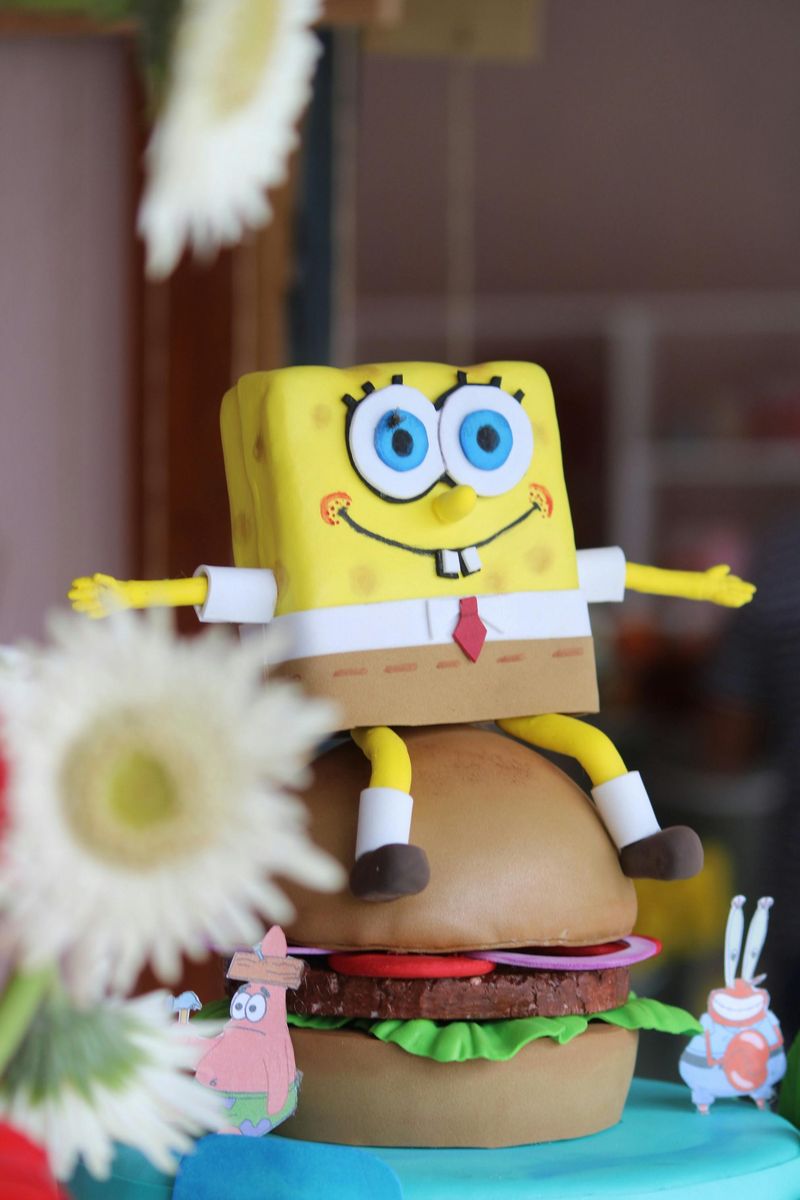
Writers packed cartoons with layered humor so parents watching alongside kids wouldn’t lose their minds.
Clever wordplay, pop culture references, and double entendres were woven into scripts like secret codes only grown-ups could crack.
Kids laughed at the slapstick while adults caught the sarcasm about taxes or relationships.
Rewatching these shows now feels like discovering a parallel script you never knew existed, proving the writers were absolute geniuses at multitasking entertainment across age groups.
2. Network Censors Quietly Rewrote Scenes
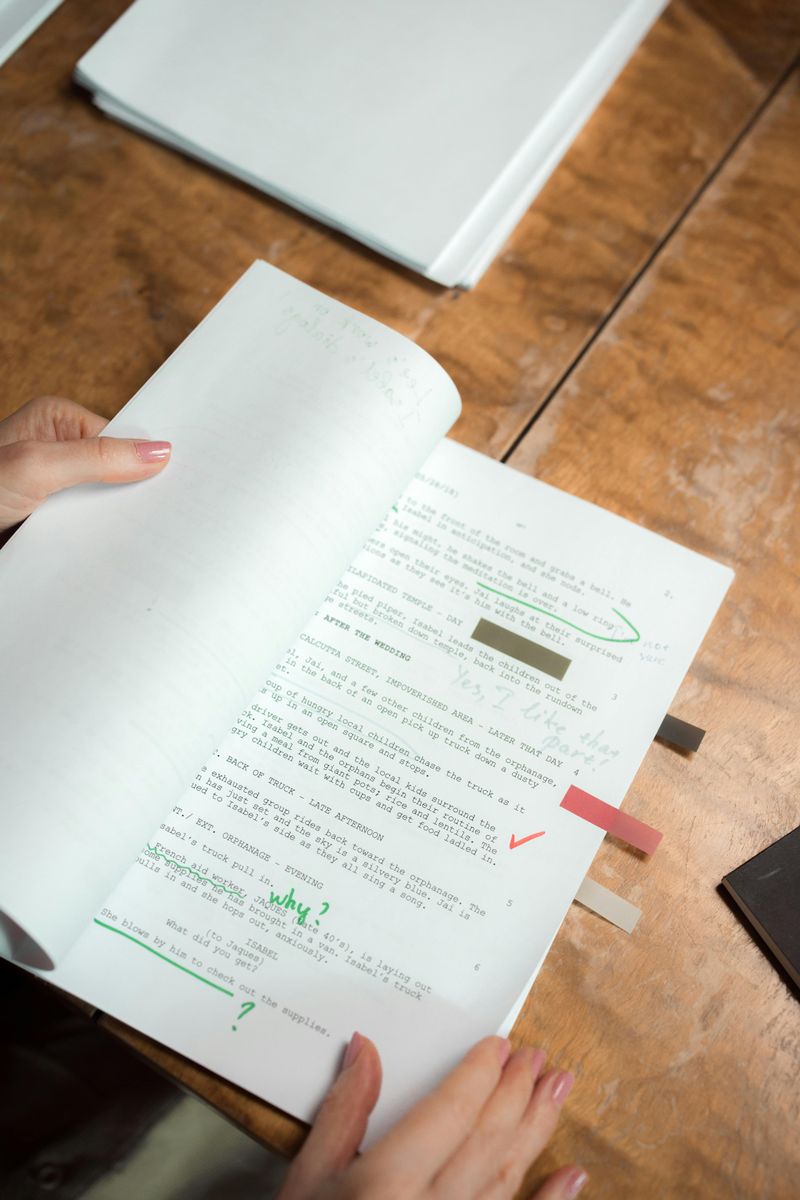
Standards and practices departments had the power to chop dialogue, soften visuals, or demand entire scene rewrites before episodes could air.
This is why some older episodes feel weirdly choppy or have awkward pauses where a joke should land.
Animators would draw one thing, and censors would flag it as too scary or inappropriate.
The final version you saw was often a watered-down compromise, leaving behind traces of something edgier that almost made it to your screen.
3. Storyboards Were Way Sharper Than What Aired

Original storyboards often featured bolder gags, snarkier comebacks, and visual punchlines that got softened before animation wrapped.
Artists sketched their wildest ideas first, then production realities toned everything down.
If you ever find leaked storyboards online, you’ll spot jokes that got replaced with gentler versions.
The energy and edge are still visible in the final animation if you know where to look, like fossils of funnier, riskier humor preserved in the drawings.
4. Background Jokes Were Hidden for the Crew
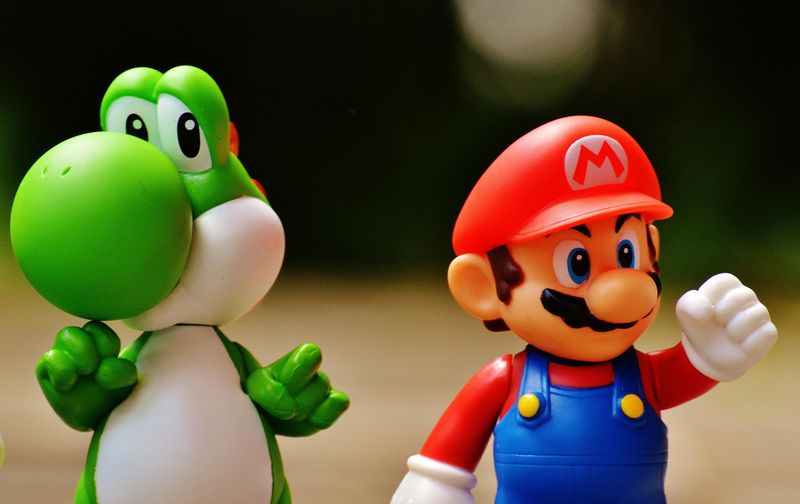
Animators loved slipping Easter eggs into backgrounds, knowing kids would never pause to catch them but adults might.
Fake posters, silly signs, or inside jokes about the production team appeared in blink-and-you-miss-it moments.
These gags were basically love letters from the crew to themselves and eagle-eyed viewers.
5. Bottle Episodes Saved Money and Time
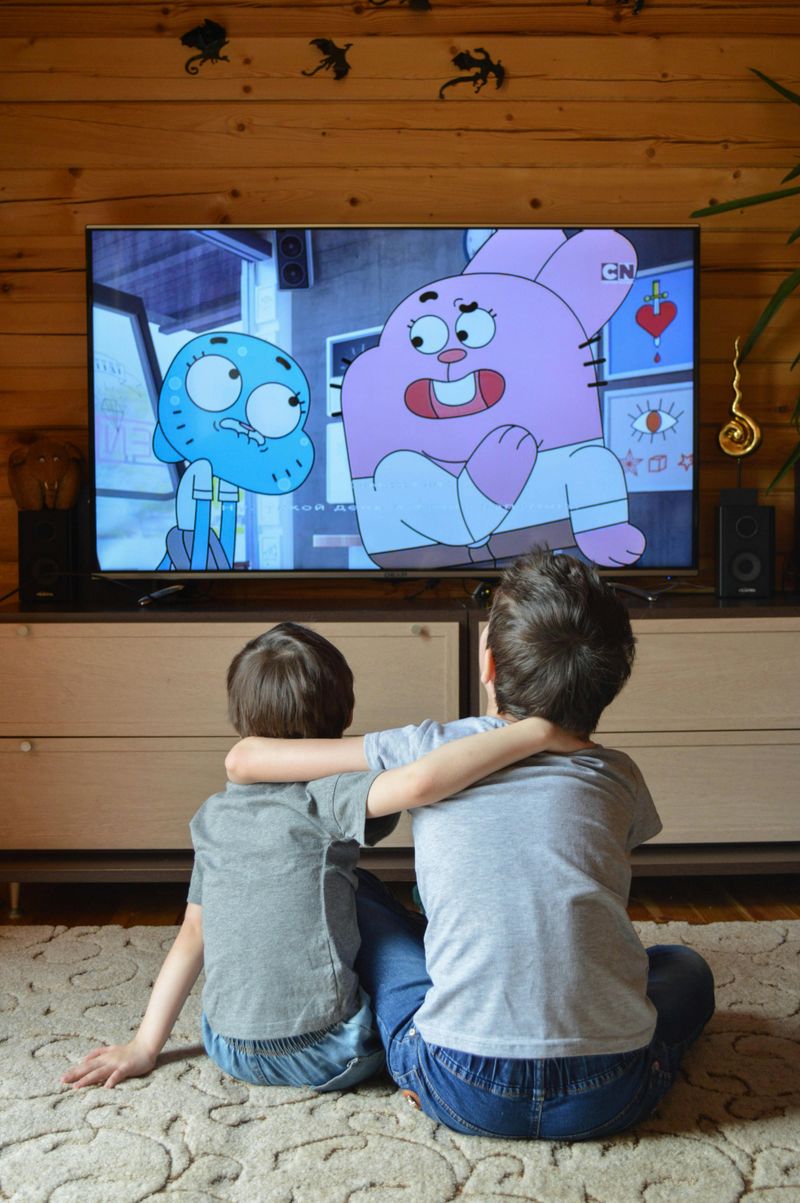
Animation studios faced tight budgets just like live-action shows, so they relied on bottle episodes with minimal locations and fewer characters.
That episode where everyone stays in one room all day? Budget survival move.
Fewer backgrounds meant less drawing, and limiting the cast reduced voice actor fees.
Though these episodes felt simpler, writers often used the constraints to craft character-driven stories that ended up being fan favorites, proving creativity thrives under pressure.
6. Animation Loops Were Reused Constantly
That epic chase scene you loved? Probably the same run cycle copied and pasted from five episodes earlier.
Animators recycled walk cycles, transformation sequences, and background scrolls to meet deadlines without drawing everything from scratch.
Once you notice the pattern, it’s impossible to unsee.
7. Slice of Life Cartoons Tackled Heavy Topics
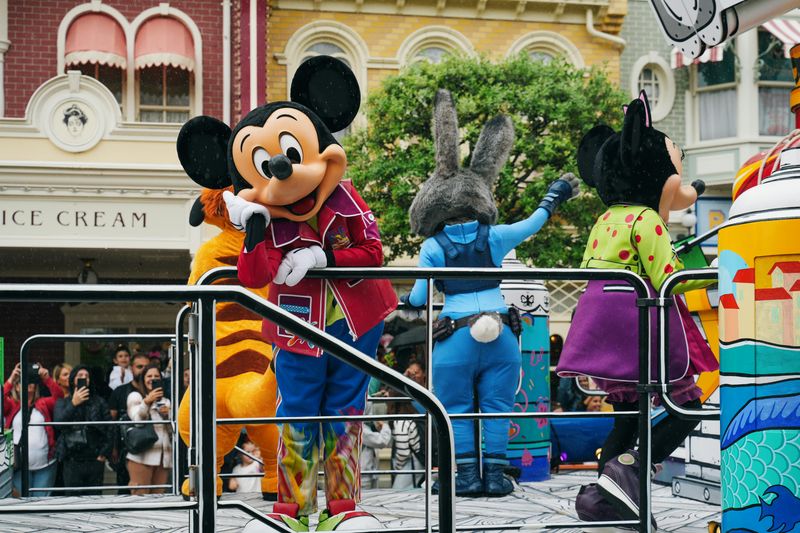
Bright colors and cheerful music masked episodes about divorce, grief, bullying, poverty, and loneliness.
Writers knew kids experienced these struggles but needed them wrapped in accessible, hopeful storytelling.
A character moving away became a lesson in loss. A family struggling to pay bills taught empathy.
These shows didn’t talk down to their audience; they respected kids enough to address real pain, just filtered through animation that made hard truths easier to swallow and discuss.
8. Villains Represented Real-World Fears

Monsters weren’t just scary for scares’ sake. They symbolized growing up, moving away, not fitting in, or losing control.
Writers coded adult anxieties into kid-friendly antagonists, making the stakes feel deeply personal.
That shape-shifting villain? Fear of change. The monster that feeds on loneliness? Social isolation.
Rewatching these episodes as an adult hits harder because you recognize the metaphors you couldn’t name as a kid, turning cartoon conflicts into emotional gut punches.
9. Iconic Characters Were Easy to Animate
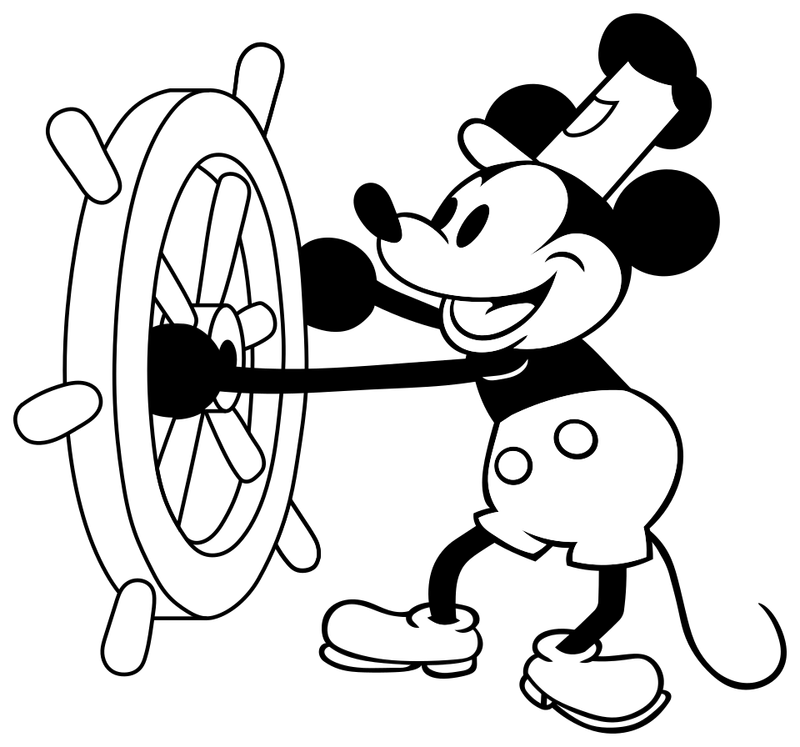
Some beloved character designs weren’t artistic choices but budget survival strategies.
Simple shapes, minimal details, and repetitive features made it faster to draw them frame after frame without exhausting the animation team.
What looked like a distinctive style was often practical necessity, proving that constraints can accidentally create timeless designs that still feel fresh decades later, even if they started as shortcuts.
10. Voice Actors Played Multiple Roles
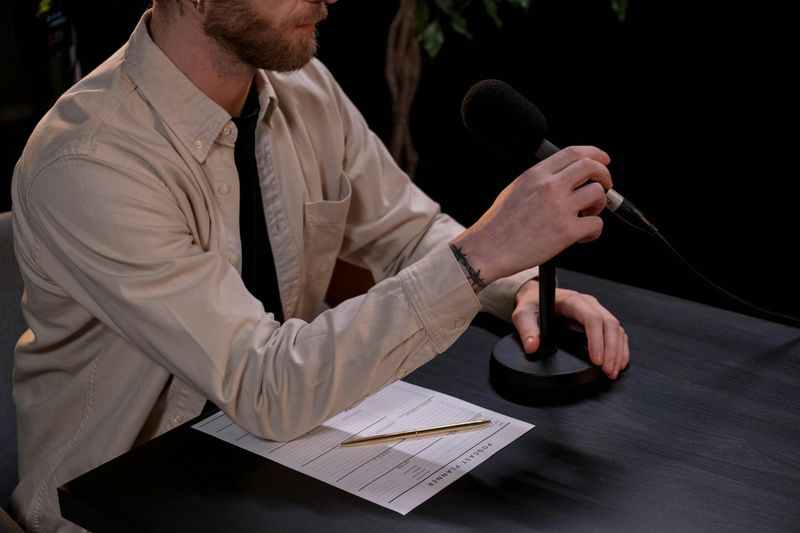
Budget constraints meant one talented voice actor often voiced three or four characters in the same show.
Once you realize it, certain scenes sound like a one-person improv showcase, especially when those characters interact.
That hero and villain having a dramatic showdown? Same person talking to themselves in a recording booth, switching voices mid-scene like a vocal gymnastics routine that deserves way more credit.
11. Toy-Driven Cartoons Were Long Commercials
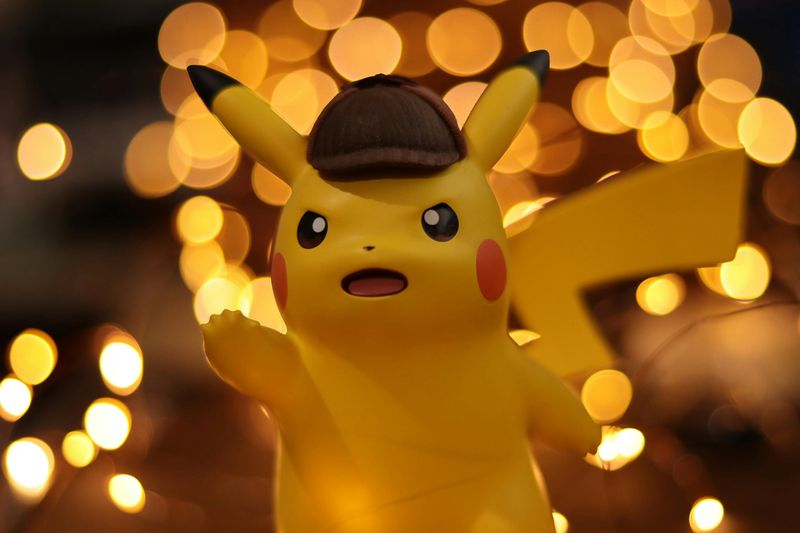
Many beloved shows existed primarily to sell action figures, playsets, and accessories. Every new character conveniently came with a new gadget, vehicle, or transformation that would hit store shelves within weeks.
Noticing the pattern changes everything. That cool new hero introduced mid-season? Designed to move merchandise.
The entire plot was a 22-minute toy catalog, brilliantly disguised as entertainment, making you beg your parents for products you didn’t know you needed until the episode aired.
12. Music Cues Did Heavy Emotional Lifting
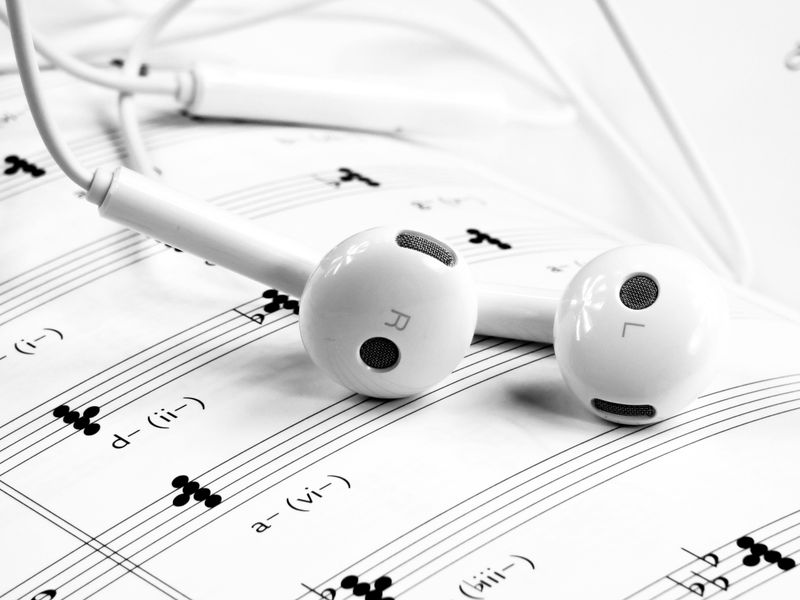
Composers used specific melodies, instruments, and tempos to tell you exactly how to feel before dialogue even started.
That scary scene you remember? The music probably did 80 percent of the work building tension.
Rewatching with attention to the score reveals how manipulative (in the best way) these soundtracks were.
Sad violin swells, ominous drumbeats, or playful flutes guided your emotions like invisible puppet strings, proving music is the secret weapon of storytelling.
13. Mature Satire Hid in Plain Sight

Some shows smuggled sharp commentary about bosses, school systems, media trends, and societal norms into silly plots.
Kids saw goofy antics while adults recognized biting satire about corporate culture or bureaucratic nonsense.
A principal acting ridiculous? Commentary on authoritarian education systems. A villain obsessed with ratings? Media industry critique.
14. Production Crunch Changed Episode Tone

Tight deadlines and last-minute rewrites could transform an episode’s entire vibe overnight.
That weirdly intense moment or jarring tonal shift? Probably the result of rushed animation fixes or emergency script changes.
When studios faced time crunches, quality control slipped. Animation looked rougher, pacing felt off, or scenes ended abruptly.