
Casting Stories Where Stars Pushed Back On Appearance Demands
Hollywood has never been shy about telling actors how they should look, offering notes that sometimes sound more like makeover orders than casting direction. While many performers went along with the changes, a few stars decided certain lines weren’t worth crossing, even if it meant losing major roles.
Sometimes the boldest performance happens off screen, when an actor refuses to change who they are just to fit the part.
Note: the content is provided for general informational and entertainment purposes and is not legal, financial, medical, or professional advice.
1. Sarah Jessica Parker – Footloose
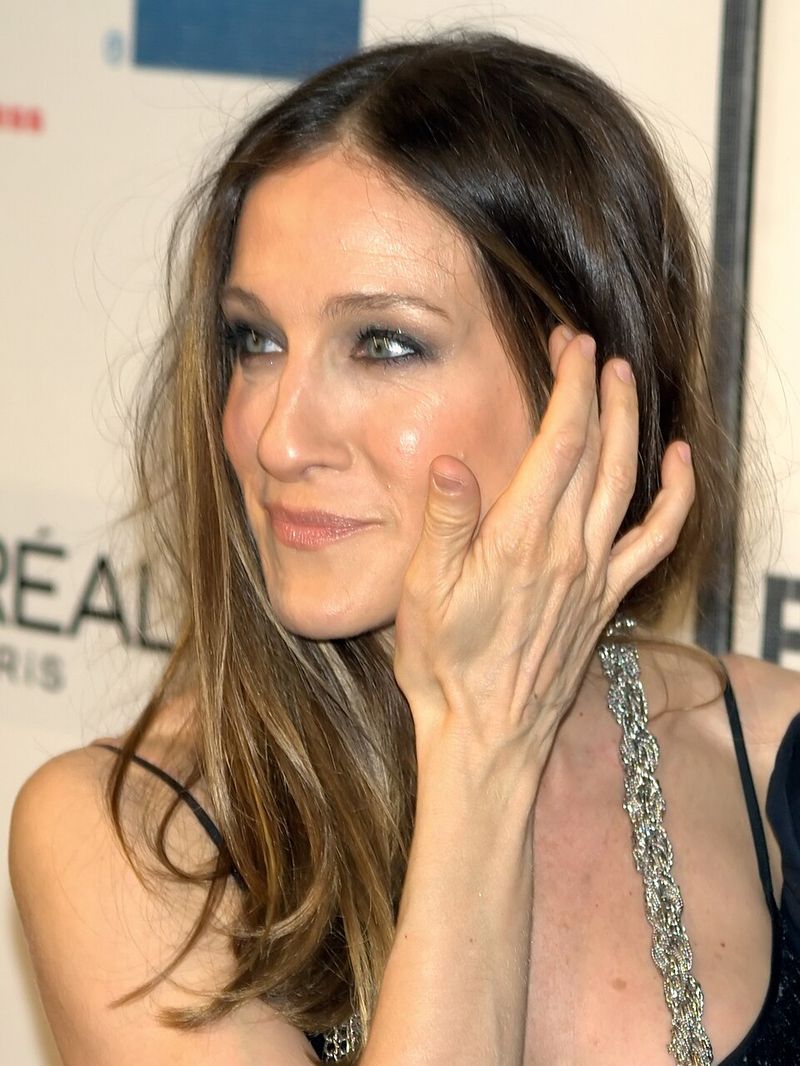
Landing a dream role in a major dance movie sounds like the moment everything finally clicks.
Some accounts say appearance notes came up early in the process, but the specifics vary by retelling, so it’s best to avoid locking this to one exact demand without a primary source.
An iconic film moved forward without her after she chose self-respect over early career momentum. Standing firm at a young age required real backbone, especially with a breakthrough opportunity on the line.
Sometimes a natural look becomes a signature worth protecting.
2. Kirsten Dunst – The Lovely Bones
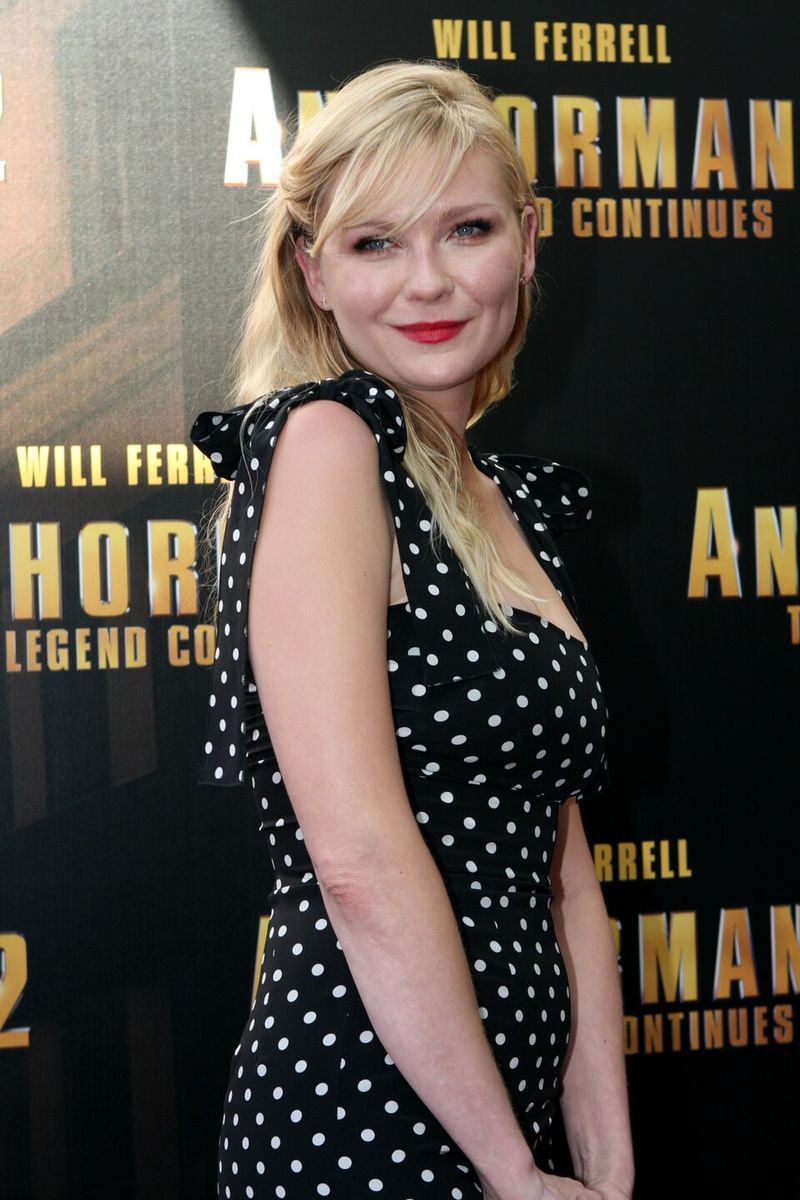
Warm, recognizable smile has long been central to Kirsten Dunst’s on-screen charm.
Dunst has said she was asked to lose weight for a role and chose not to, deciding the request crossed a personal line.
Personal features often carry history and identity that cannot be easily replaced. The project moved forward without her involvement.
Film moved forward regardless, while Dunst kept the smile that had already carried her through Spider-Man and many other successes.
3. Naomi Watts – Diana
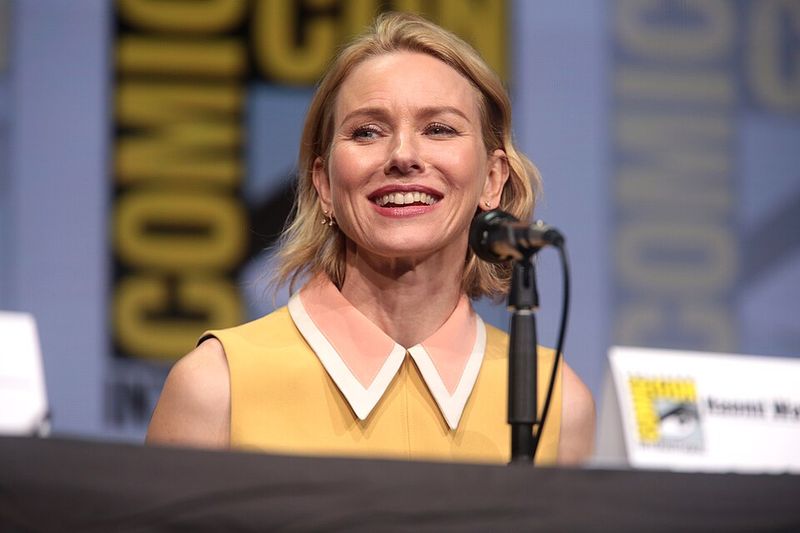
Playing Princess Diana meant capturing her iconic hairstyle. Production wanted Watts to cut her actual hair to match the late princess’s famous bob precisely.
She drew a boundary there.
Instead, the team used a wig throughout filming, letting Watts keep her own hair intact underneath. It’s a small stand that shows you can honor a character without permanently altering yourself, even when portraying someone as recognizable as Diana.
4. Carrie Fisher – Star Wars
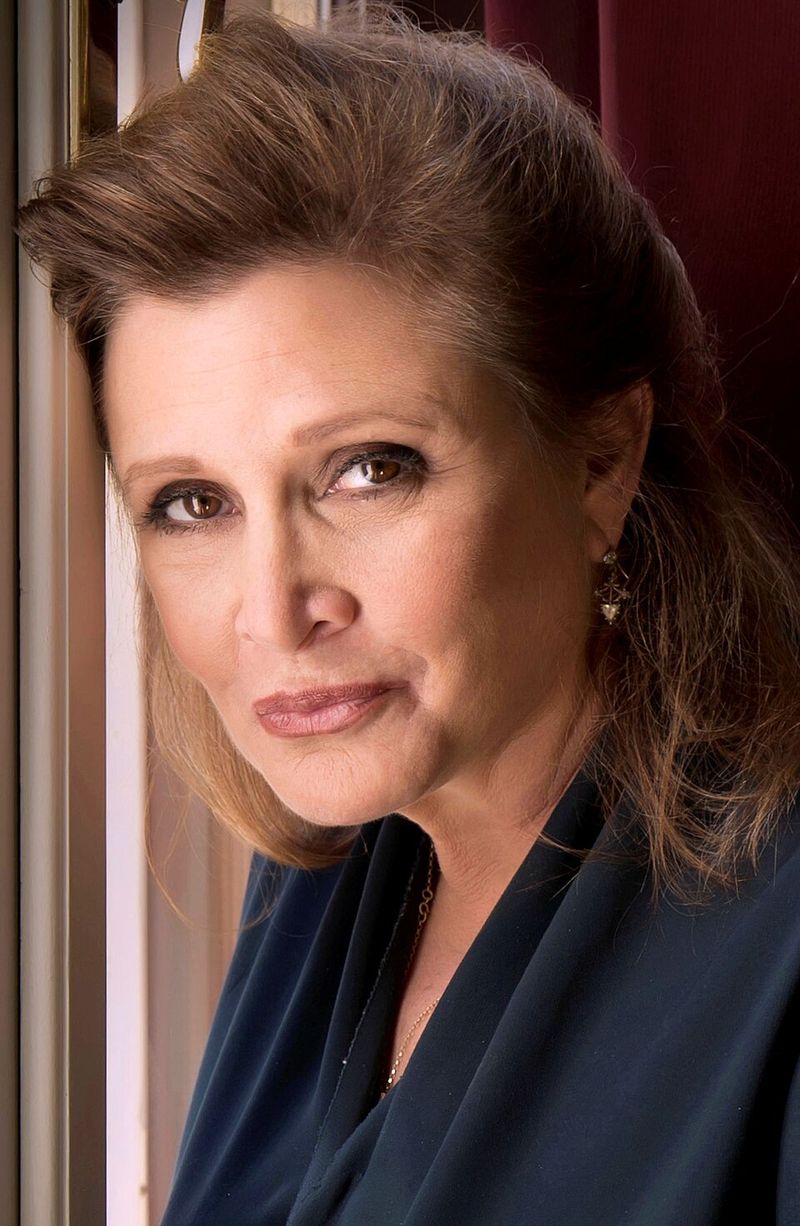
Carrie Fisher refused to sugarcoat the pressure placed on her early in her career.
Before becoming Princess Leia, studio executives told her to lose weight, pressure she later described as being pushed toward a weight-loss program. Speaking openly about the experience for decades, she turned personal frustration into advocacy for more realistic body standards.
Honesty like hers helped countless people recognize the hidden costs behind Hollywood glamour.
That famous white gown carried expectations few viewers ever saw beyond the screen.
5. Harrison Ford – American Graffiti
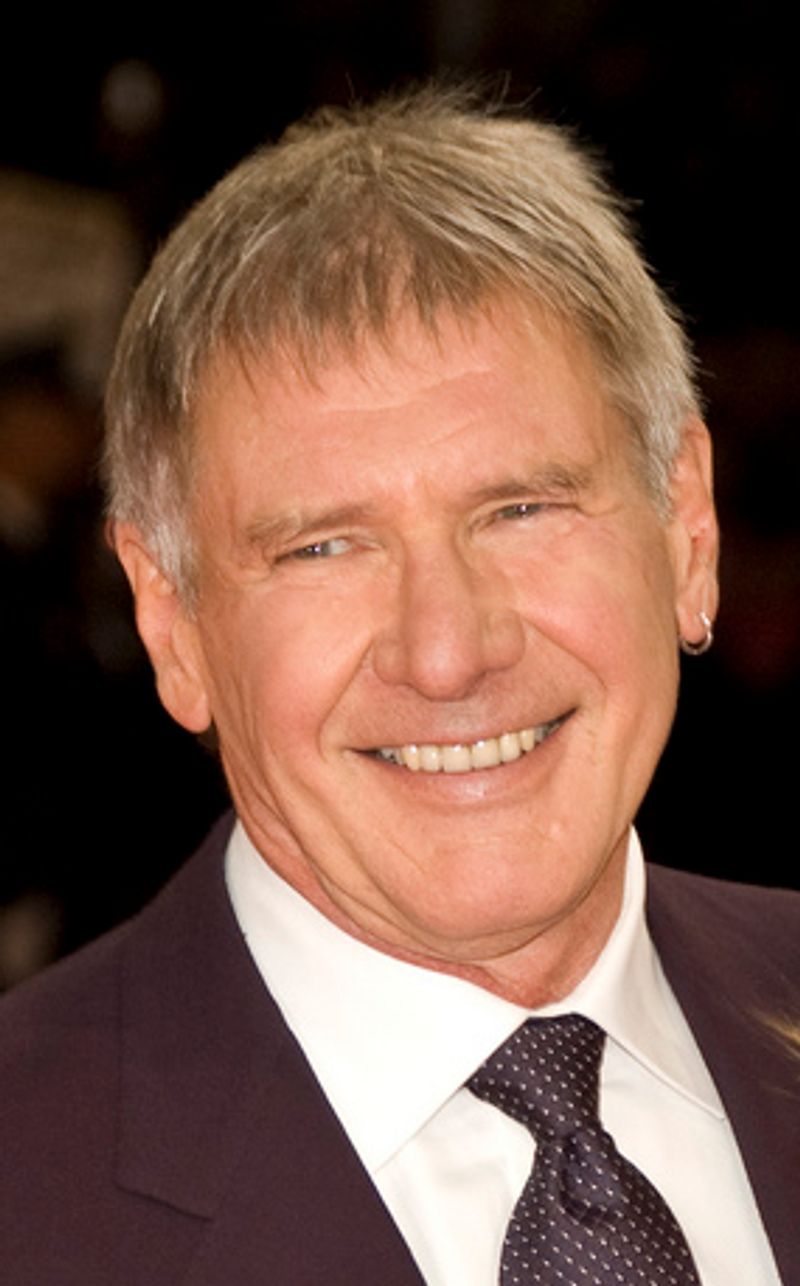
Director George Lucas imagined a perfect 1950s flattop haircut for Harrison Ford’s character.
Some behind-the-scenes retellings describe a disagreement over the haircut. Creative tension eventually settled into a classic Hollywood compromise.
Wardrobe choices helped land the character’s vibe without forcing a permanent hair change.
Occasionally, iconic costume choices emerge simply because an actor refuses to change something fundamental about themselves.
6. Cesar Romero – Batman (1966–68) / Batman: The Movie (1966)
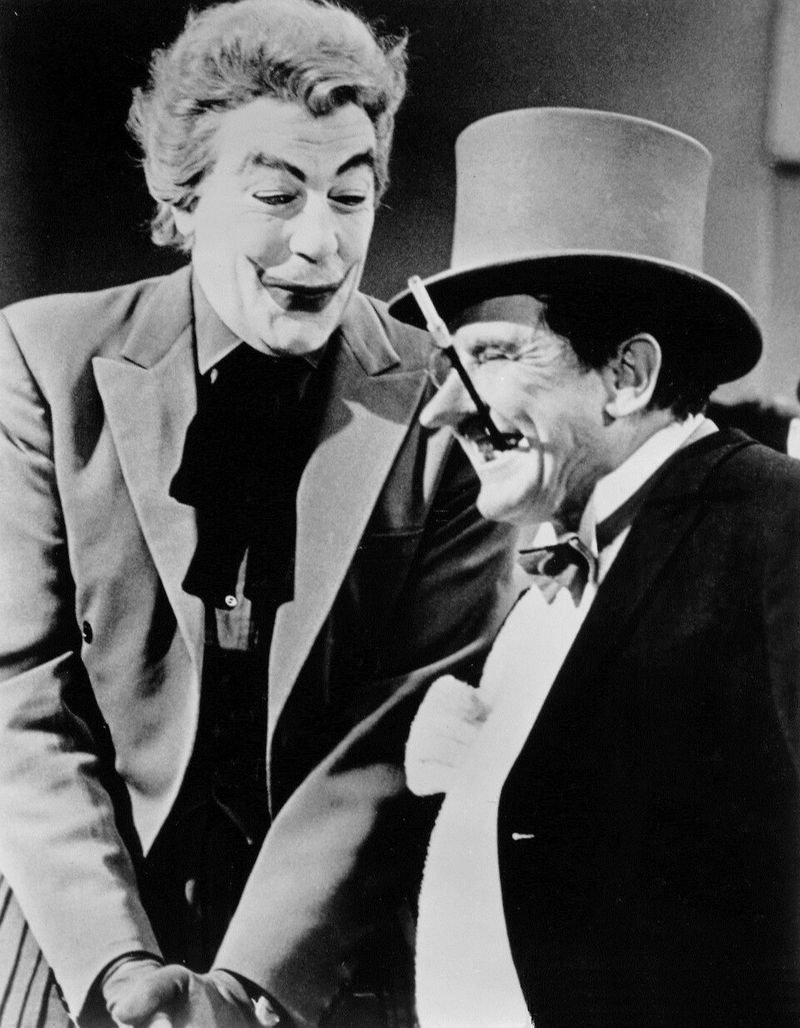
Romero’s moustache was his trademark.
When cast as the Joker, producers wanted it gone for the character’s smooth, creepy look.
Reports about the production say he kept his moustache, and makeup was applied over it. If you look closely at the 1960s Batman episodes, you can actually see his moustache under the Joker makeup, adding an unintentionally hilarious layer to the campy villain.
7. Pankaj Dheer – Mahabharat
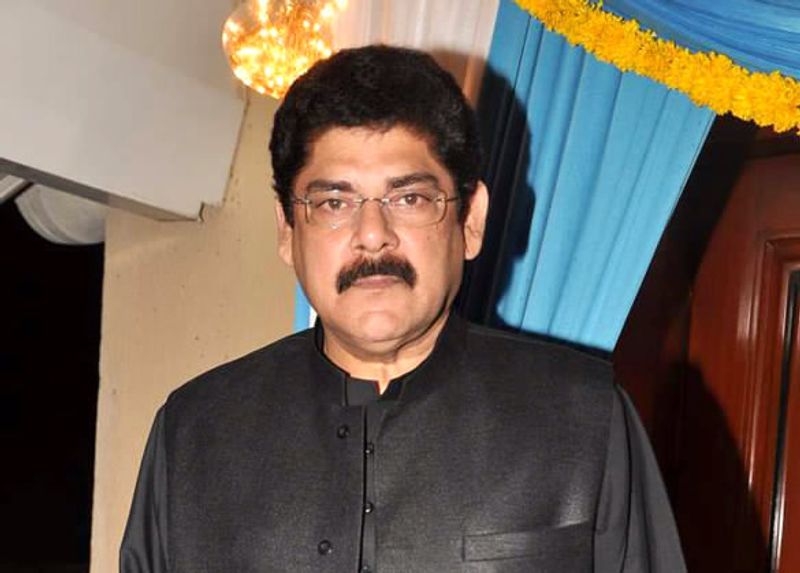
Ambition pointed Dheer toward the role of Arjun in the legendary Mahabharat series.
Producers requested a clean-shaven look to match the noble archer, yet he refused to part with his moustache.
Casting shifted rather than ending the collaboration, and he was reassigned as Karna, a character whose presence suited his facial hair far more naturally. Occasionally, saying no to one opportunity opens the door to something more authentic, even within the very same project.
8. Gene Hackman – Superman
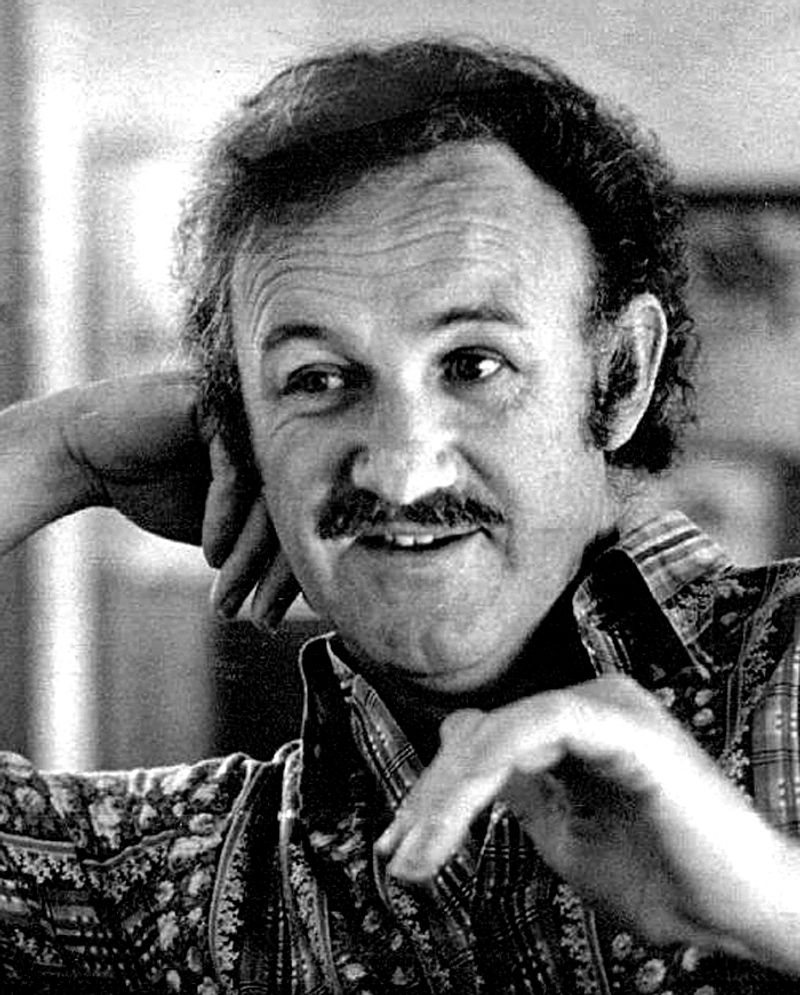
Lex Luthor’s bald head stands as one of the character’s most recognizable traits. Hair and wig styling helped create Lex Luthor’s look on screen.
Creative solutions followed as wigs and strategic styling helped suggest the villain’s look throughout Superman.
Hollywood still points to the situation as one of the most famous appearance standoffs in film history. Dignity and follicles both survived, while Hackman delivered a performance that remains iconic.
9. Sylvester Stallone – Early Career
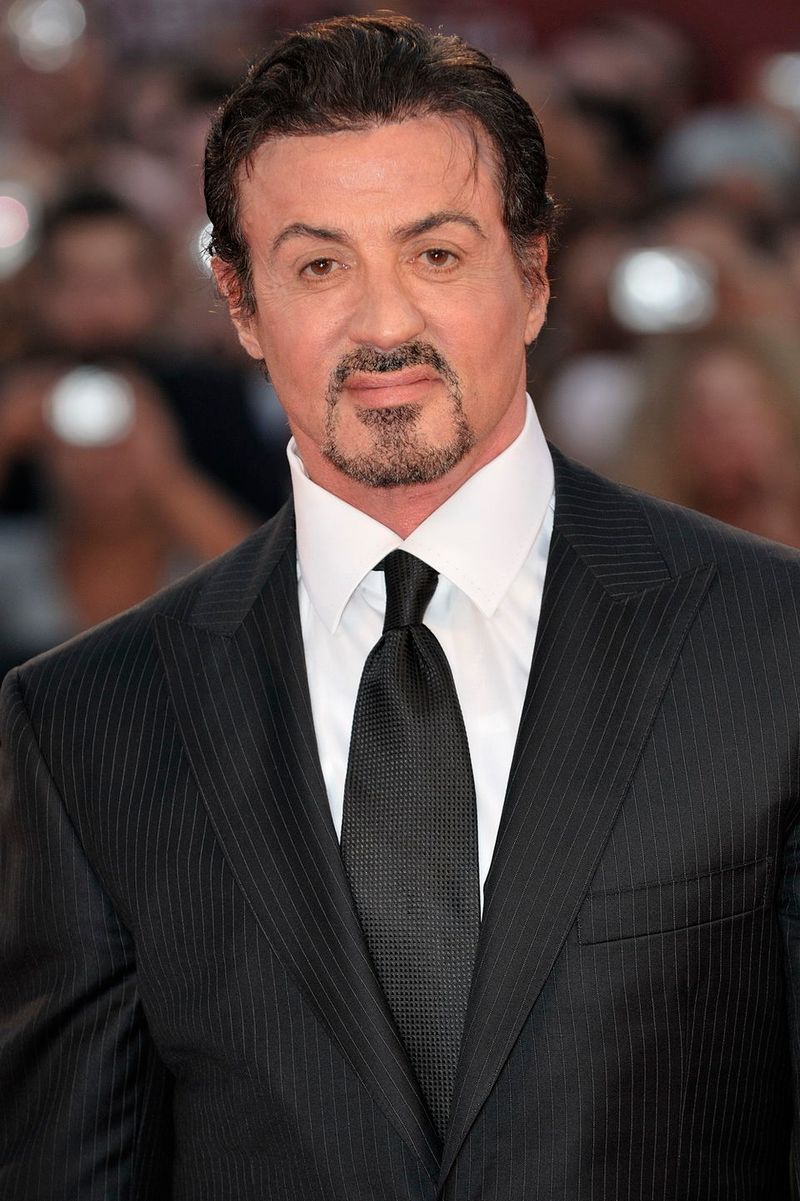
Agents told Stallone his facial difference could limit the roles he was offered.
They suggested surgery to fix the droop or adopting a completely different persona. He refused every suggestion, believing his unique look gave him an edge nobody else had.
Years of struggle followed until Rocky proved his instinct right. That drooping smile became one of cinema’s most recognizable features, turning what others saw as a flaw into a multimillion-dollar asset.


.jpg)
.jpg)


_-_Sylvester_Stallone_(26).jpg)