12 Celebrities Banned From Entering The U.K. Over The Years
Nothing says humble like a celebrity getting rejected at the border.
The U.K. has turned away rappers, TV stars, and other big names for everything from past records to questionable comments. Fame gets you private jets and fancy hotels.
It does not get you into Britain.
1. Kanye West (Ye)
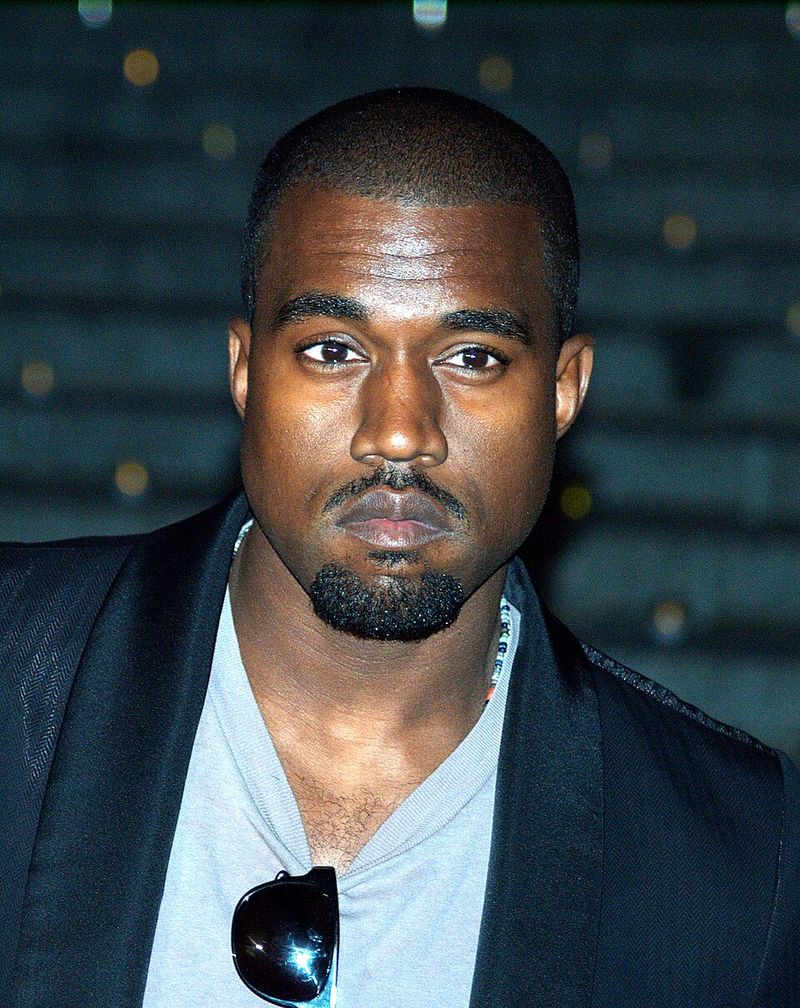
Wireless 2026 looked set for one of its loudest headlines when Kanye West was booked to headline, only for the whole plan to unravel before he even got near the airport.
The U.K. Home Office blocked his travel request under the Electronic Travel Authorisation system, leaving fans staring at their phones and hoping for a last-minute plot twist that never arrived.
Call it a festival billing that vanished faster than a packet of crisps at a family gathering.
2. Tyler, The Creator
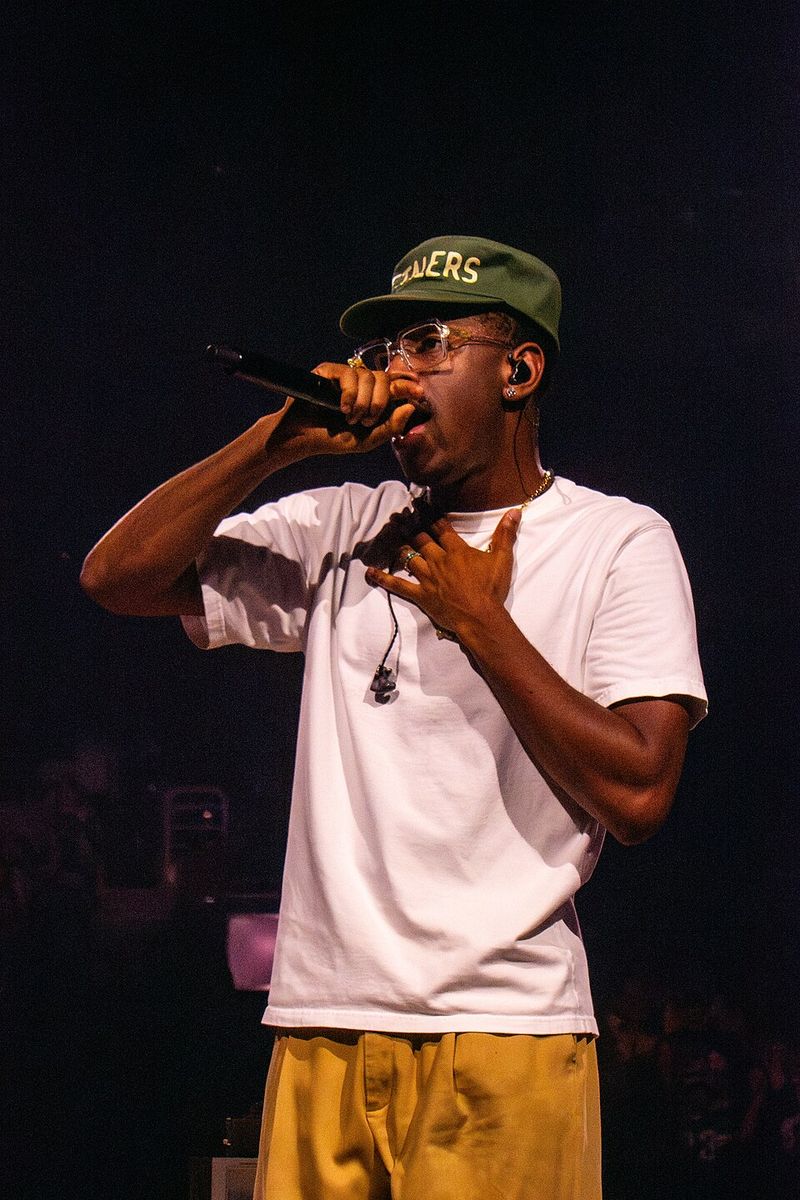
Back in 2015, Tyler, the Creator ended up blocked from entering the U.K. after officials pointed to lyrics from earlier material they said promoted violence and intolerance. Plenty of fans found the move a bit odd, especially since his public image and music had already shifted well beyond that earlier shock-heavy phase.
Eventually the restriction was lifted, and British stages were back on his schedule where they rather obviously belonged.
3. Chris Brown
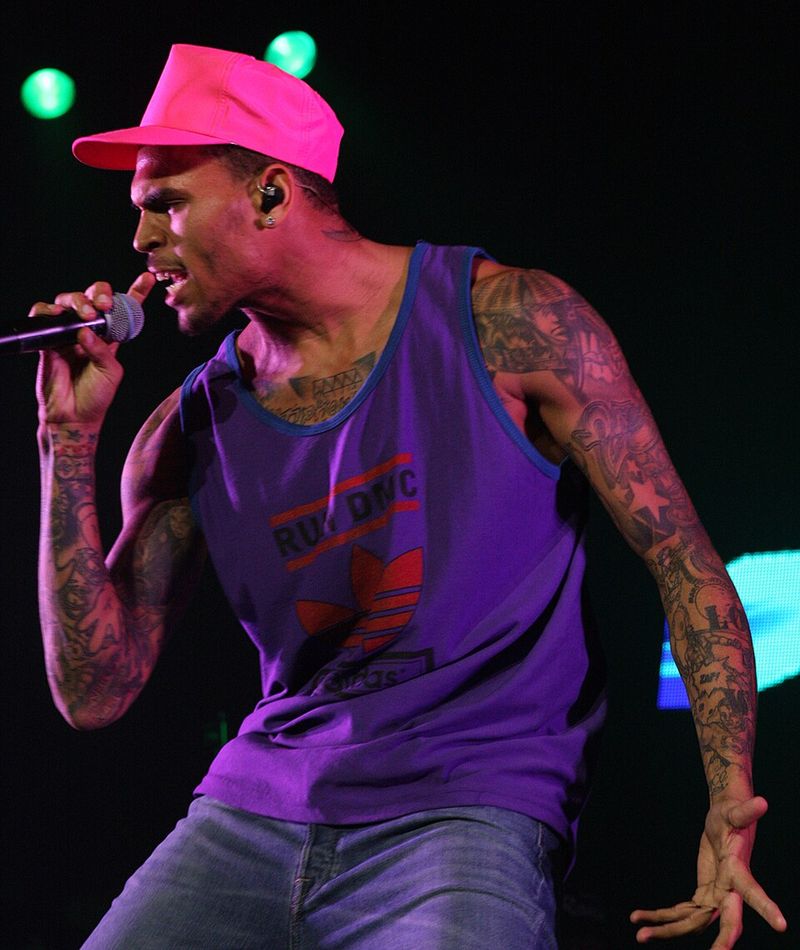
Serious immigration rules caught up with Chris Brown in 2010 after his 2009 conviction in the widely reported Rihanna case.
Fame did not buy him any special shortcut, and British officials refused him entry on that basis. Public reaction split in familiar fashion, with arguments over accountability and second chances soon doing the rounds.
Border control, meanwhile, kept things brisk and unsentimental.
4. Snoop Dogg
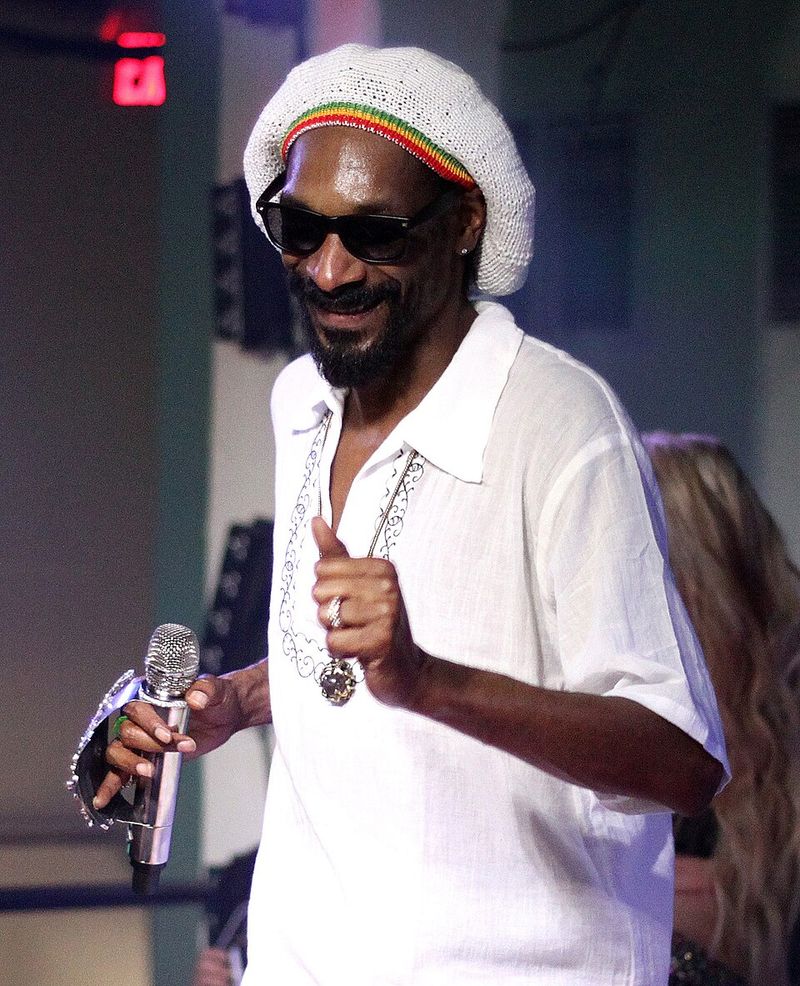
Heathrow managed to become part of Snoop Dogg’s story after a 2006 confrontation involving members of his entourage.
That incident led to a visa refusal the following year, which was not exactly in keeping with his famously easygoing image.
Appeal papers eventually did the trick, and he returned to U.K. stages after all. Even laid-back legends, it seems, can end up having quite a tense date with admin.
5. Martha Stewart
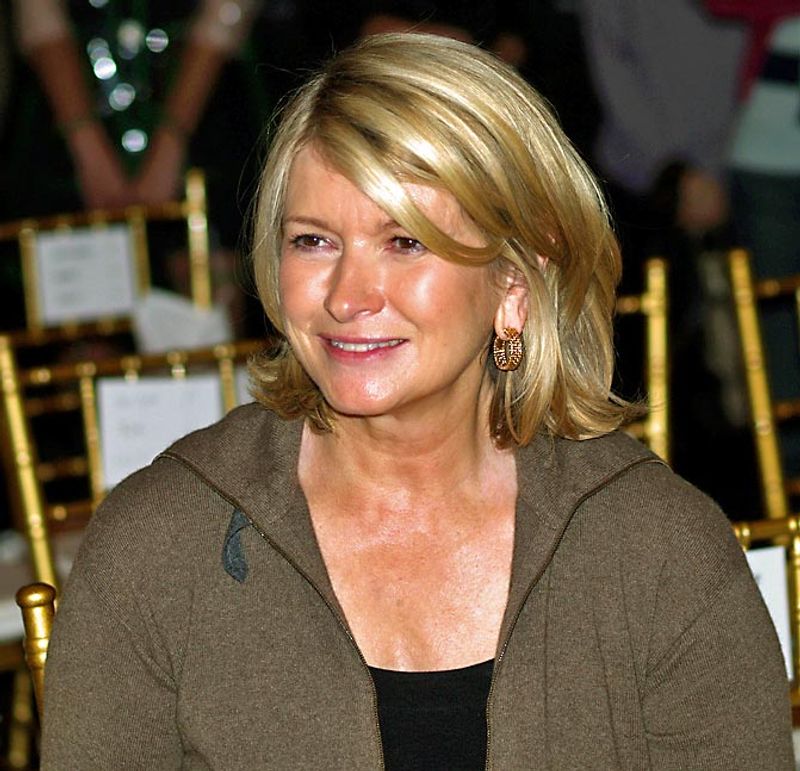
Perfect napkins and polished dinner tables did not count for much once Martha Stewart’s U.S. felony conviction entered the picture. British officials denied her entry in 2008, creating one of those stories that feels oddly surreal the more you read it.
Wholesome branding met cold immigration rules and came off second best.
Not even domestic perfection can iron out every crease.
6. Mike Tyson
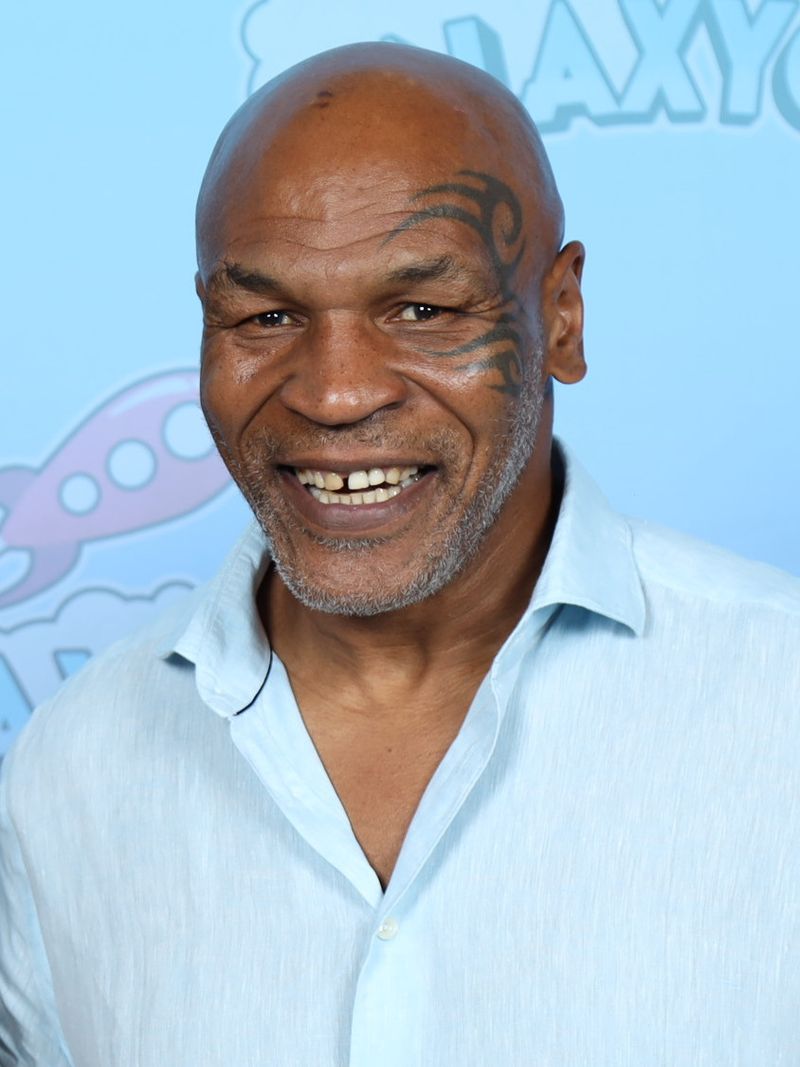
Long shadows have a habit of following famous people, and Mike Tyson’s 1992 conviction was no exception.
British immigration rules blocked him in 2013, despite assumptions in some quarters that enough time had passed for the matter to fade. Officials clearly did not share that view.
Years may roll on, but paperwork can remain stubborn as ever.
7. Lil Wayne
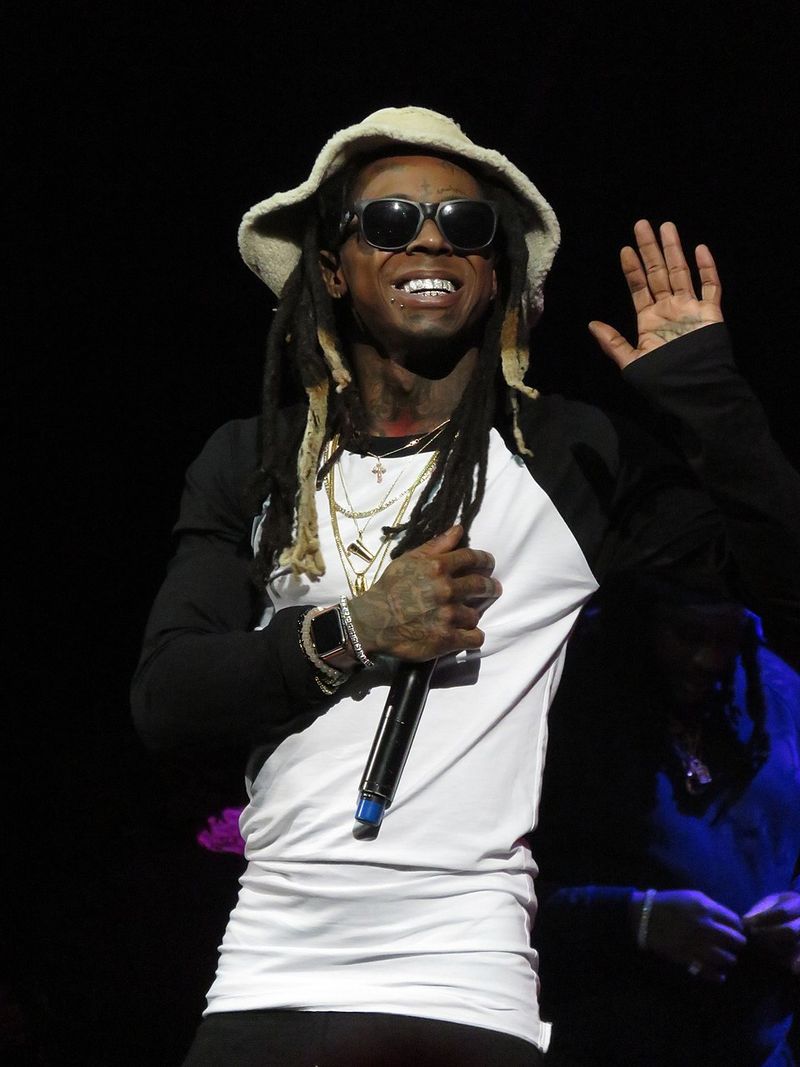
Festival posters promised Lil Wayne at Strawberries and Creem in 2022, then reality had other plans.
Entry was refused before the trip could happen, and no detailed official explanation was publicly spelled out at the time.
His earlier firearms conviction was widely seen as the likely reason behind the decision. Somewhere, one imagines, a promoter let out the longest sigh in Britain.
8. Busta Rhymes
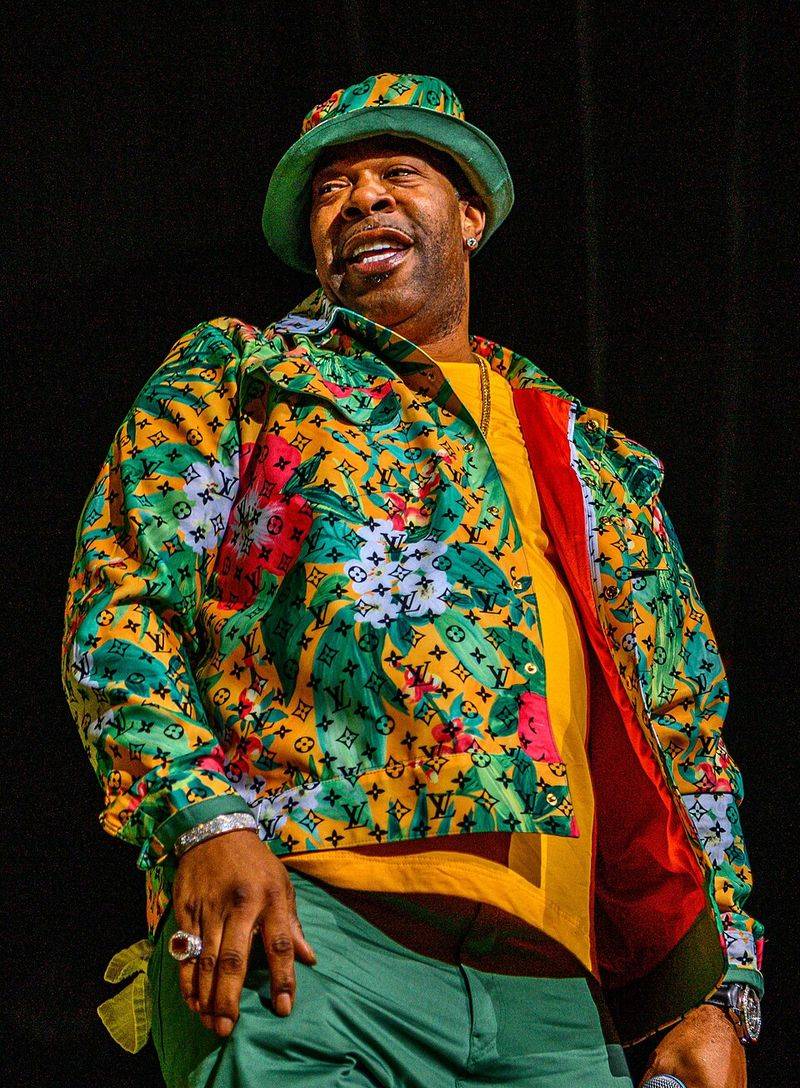
Landing in London only to be detained and turned away is not anyone’s idea of a cheerful arrival. Busta Rhymes ran straight into that scenario in 2008 when unresolved U.S. convictions triggered trouble at the border.
Legal action followed, and eventually he won the right to enter and perform.
Persistence, good representation, and a fair bit of patience carried that one over the line.
9. Duane “Dog The Bounty Hunter” Chapman
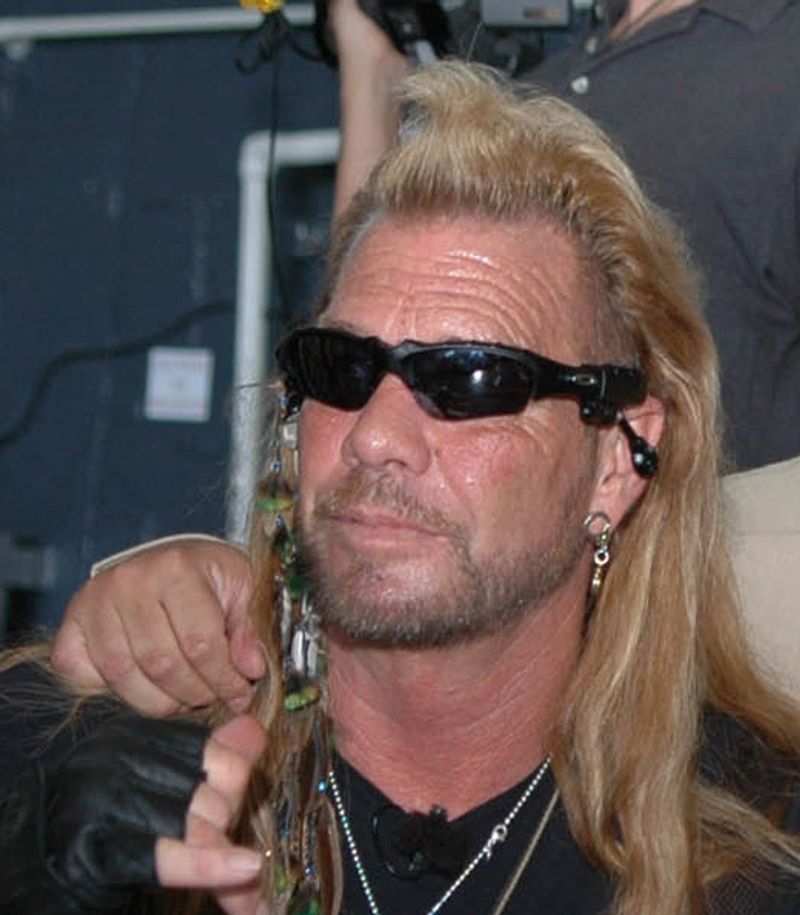
Irony was doing quite a bit of work here, given Duane Chapman’s television reputation for tracking down people on the run.
U.K. officials stopped him from entering in 2012 because of his past conviction connected to a 1976 case in Texas.
Career built on chasing fugitives did not translate into a smooth welcome at British customs. Whole thing sounds like the sort of plot twist a producer would reject for being too on the nose.
10. Michael Savage
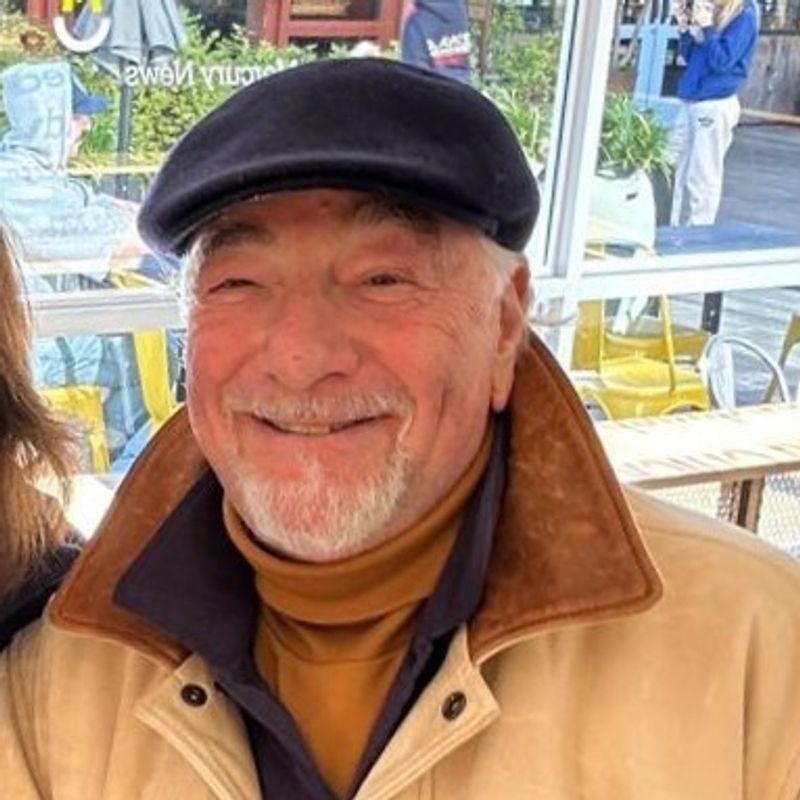
Publication of the Home Office exclusion list in 2009 brought Michael Savage unwanted attention in especially public fashion.
Officials said his statements could foster hatred and provoke serious criminal acts, which he rejected loudly and at length. Court action followed, because quiet acceptance was never likely to be the chosen route.
Some people get barred; others make sure absolutely everyone hears about it.
11. Fred Phelps
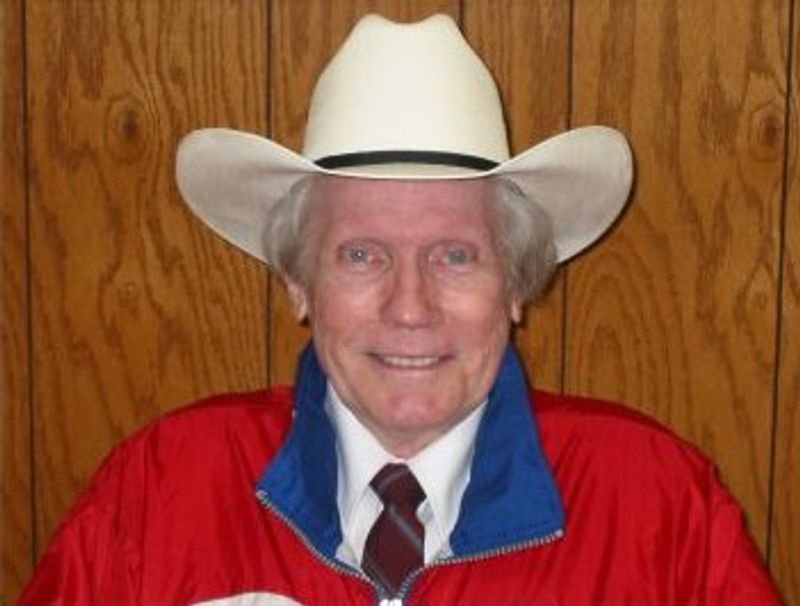
Fred Phelps, founder of the Westboro Baptist Church, was barred from Britain in 2009 after the government decided his presence could stir hatred and inflame tensions.
Phelps had planned to protest a school production of a play about Matthew Shepard, and U.K. authorities stepped in before that could happen. The ban drew broad support across the political spectrum.
Even countries that pride themselves on free speech draw the line somewhere firm.
12. Louis Farrakhan
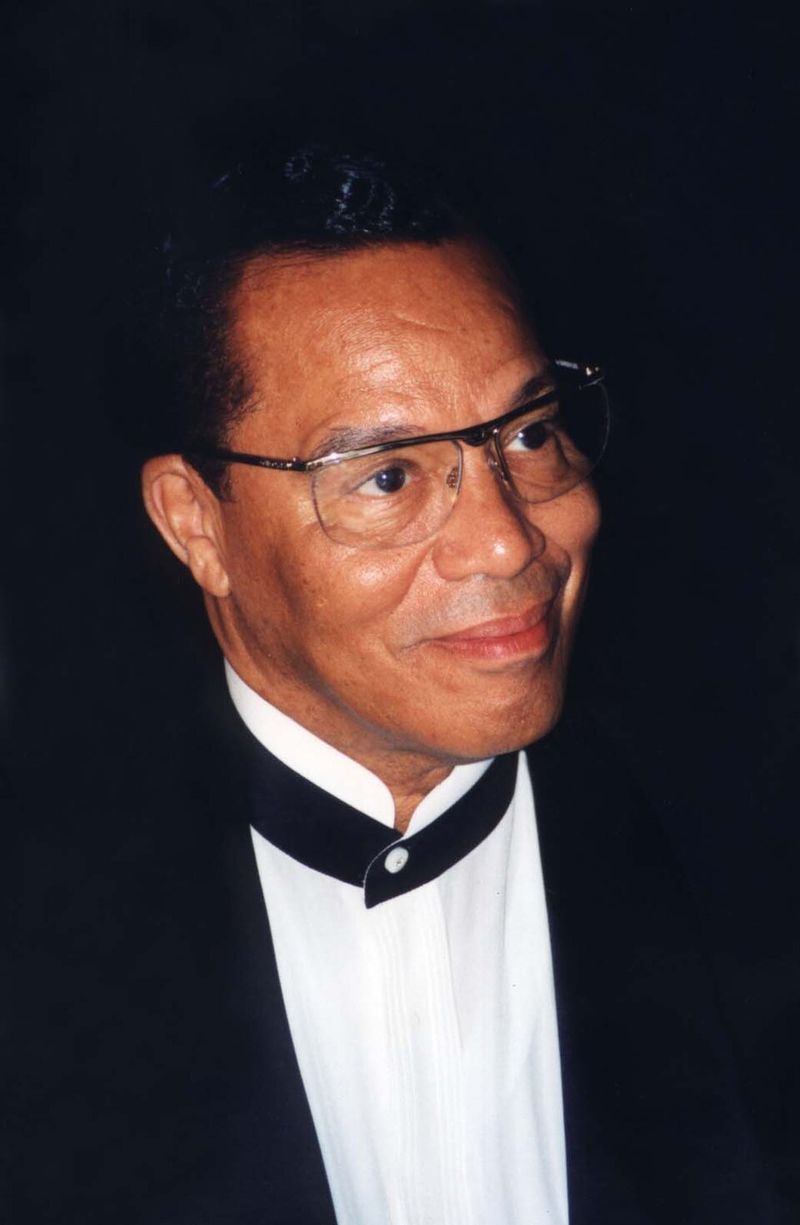
Years of exclusion were not undone when Louis Farrakhan challenged his ban in court in 2002.
Judges upheld the government’s position, citing concerns that his views could threaten public order if he were allowed into Britain.
Decision confirmed that long-running bans do not simply melt away through repetition. Knock often enough and sometimes the answer is still the same locked door.
Note: This article discusses publicly reported immigration refusals, exclusions, and travel restrictions involving high-profile figures over the years. Dates, names, and core details were reviewed against reputable news coverage available at the time of writing