Celebrities Who Have Publicly Shared Their Learning Disorders
Learning disorders are far more common than people realize, yet stigma still pushes many to hide their challenges in silence.
When celebrities speak openly about dyslexia, dyscalculia, ADHD, and other learning differences, it can be a game-changer, replacing shame with understanding and pushing more people to seek support.
Their stories prove success doesn’t require a “typical” brain, it requires persistence, self-belief, and the right support to thrive.
Disclaimer: This article is based on publicly available interviews, reputable reporting, and first-person statements from the individuals referenced as of January, 2026.
15. Steven Spielberg
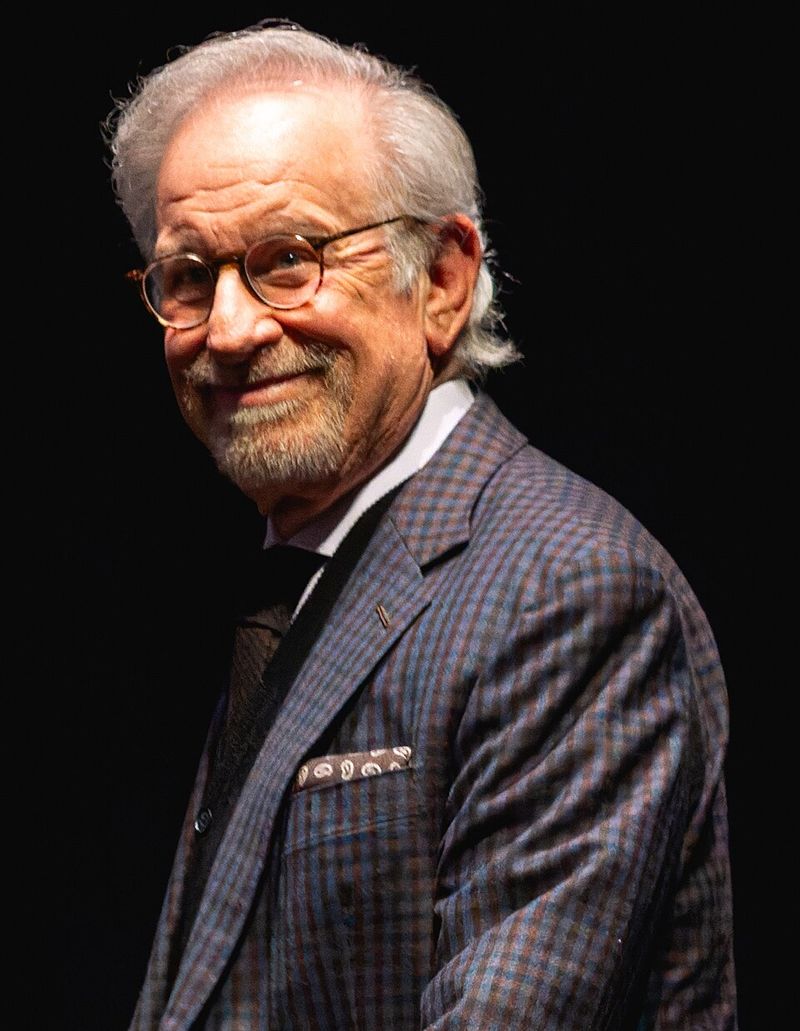
Creating some of cinema’s most beloved films while struggling to read scripts like everyone else takes a kind of quiet resilience.
A dyslexia diagnosis didn’t come until his early 60s for the legendary director behind E.T., Jurassic Park, and Schindler’s List. For decades, Spielberg believed something was wrong with him, never realizing his brain simply processed information differently.
His story shows that a late diagnosis doesn’t define destiny. Finding out later in life brought relief and clarity, helping explain childhood struggles that once felt isolating.
14. Keira Knightley

Reading scripts seemed impossible at first, but determination transformed obstacles into opportunities. Diagnosed with dyslexia as a child, Knightley made a deal with her parents: if she worked on reading, they’d support her acting dreams.
That bargain paid off spectacularly.
From Pirates of the Caribbean to Pride and Prejudice, the British actress built an impressive career despite early challenges. Daily practice and supportive adults made all the difference during those formative years.
13. Whoopi Goldberg
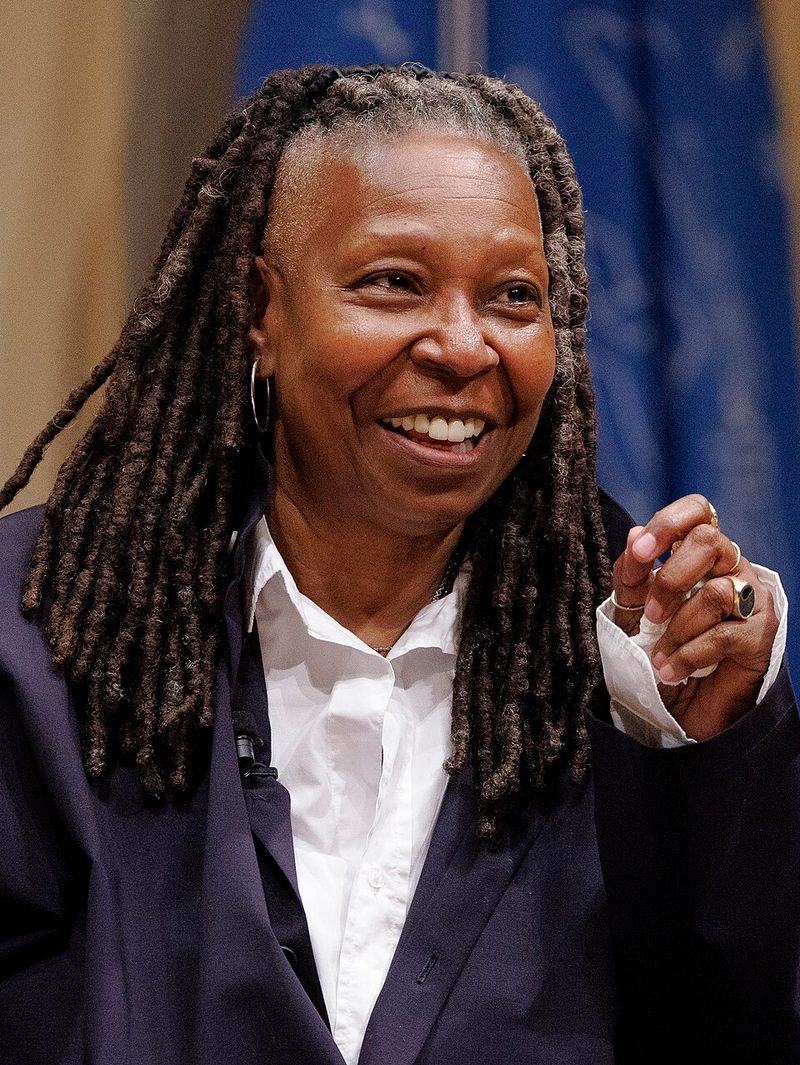
School felt like a puzzle with missing pieces.
Growing up without a dyslexia diagnosis, Goldberg faced constant frustration in classrooms that didn’t understand her unique learning style. Teachers and peers sometimes made harsh judgments about intelligence based solely on reading speed.
None of that stopped the future EGOT winner. Comedy became an outlet, acting became a passion, and talent proved stronger than any label.
Goldberg has spoken openly about dyslexia in public settings, including on talk shows and at awareness events.
12. Henry Winkler
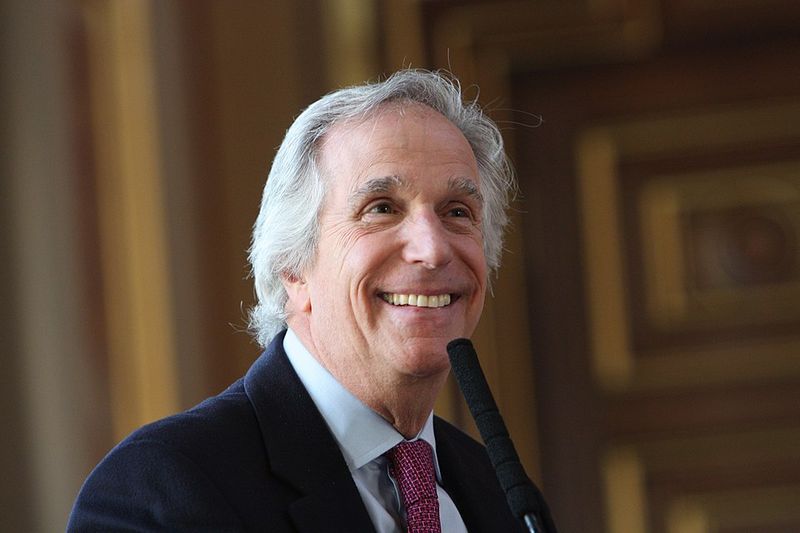
On screen, The Fonz made everything look effortless, yet memorizing lines required plenty of creative strategy behind the scenes.
Dyslexia wasn’t identified until much later in life for Winkler, even as reading remained a constant struggle. Across his acting career, workarounds became essential, including listening to scripts repeatedly, improvising with sharp instincts, and leaning on strong spoken-word memory instead of printed pages.
Personal experience also shaped the Hank Zipzer children’s book series about a dyslexic kid. That mix of hope and humor has helped young readers feel seen while facing similar challenges.
11. Orlando Bloom
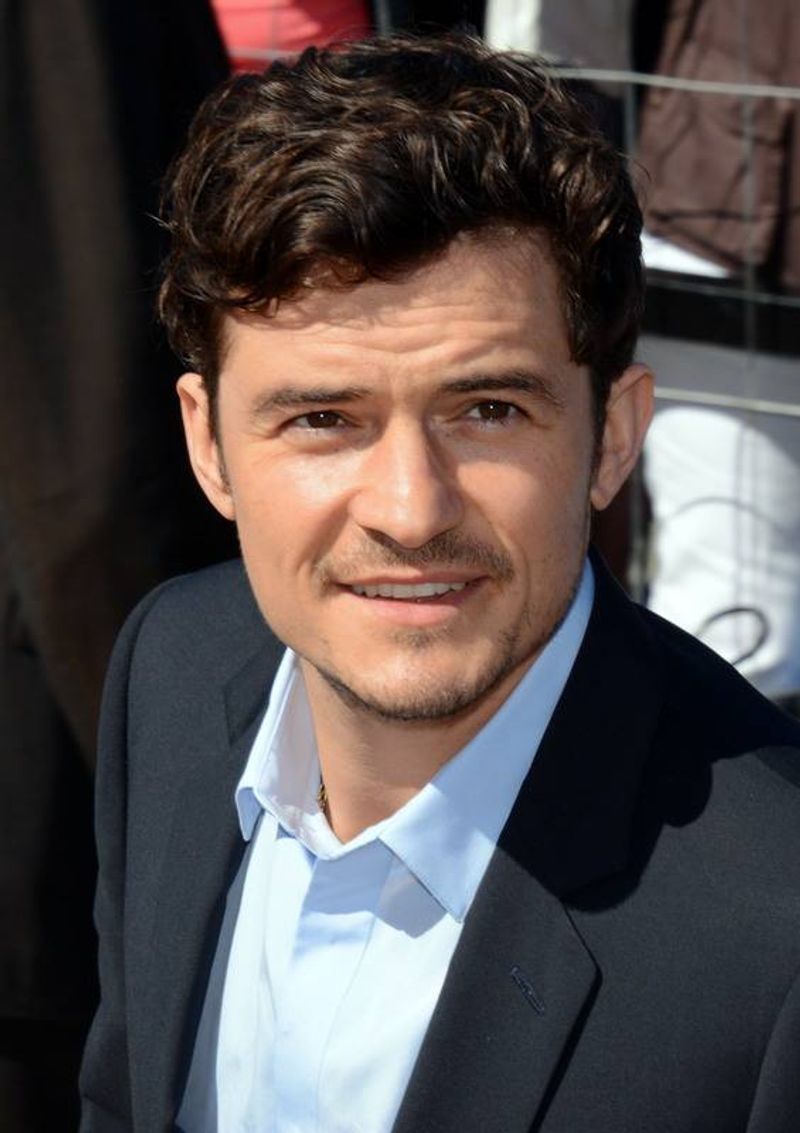
Action roles and romantic leads don’t come easy when scripts look like jumbled letters at first glance.
Bloom has openly discussed how dyslexia shaped both his educational journey and professional approach. Reading takes longer, requiring extra preparation time before filming begins.
Yet those challenges built resilience that served him well through demanding roles in The Lord of the Rings and Pirates of the Caribbean franchises. Patience and persistence matter more than perfect reading speed when pursuing dreams.
10. Tom Holland
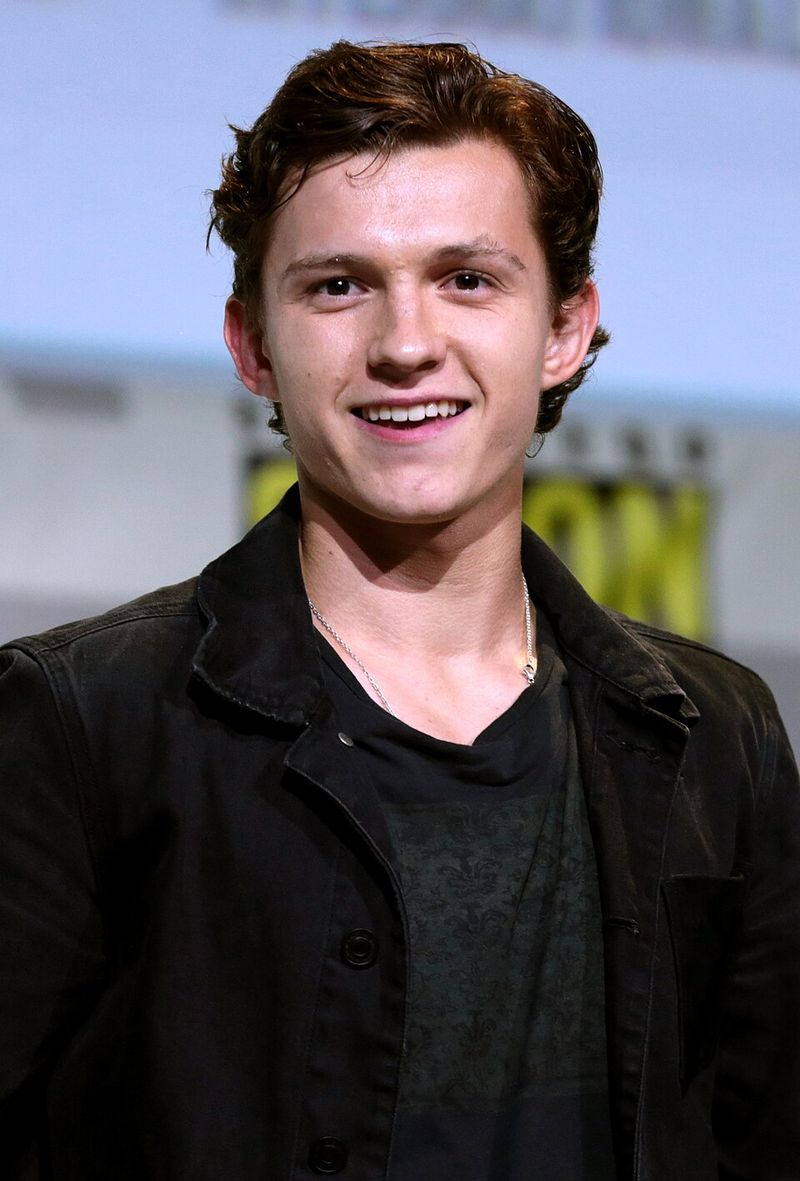
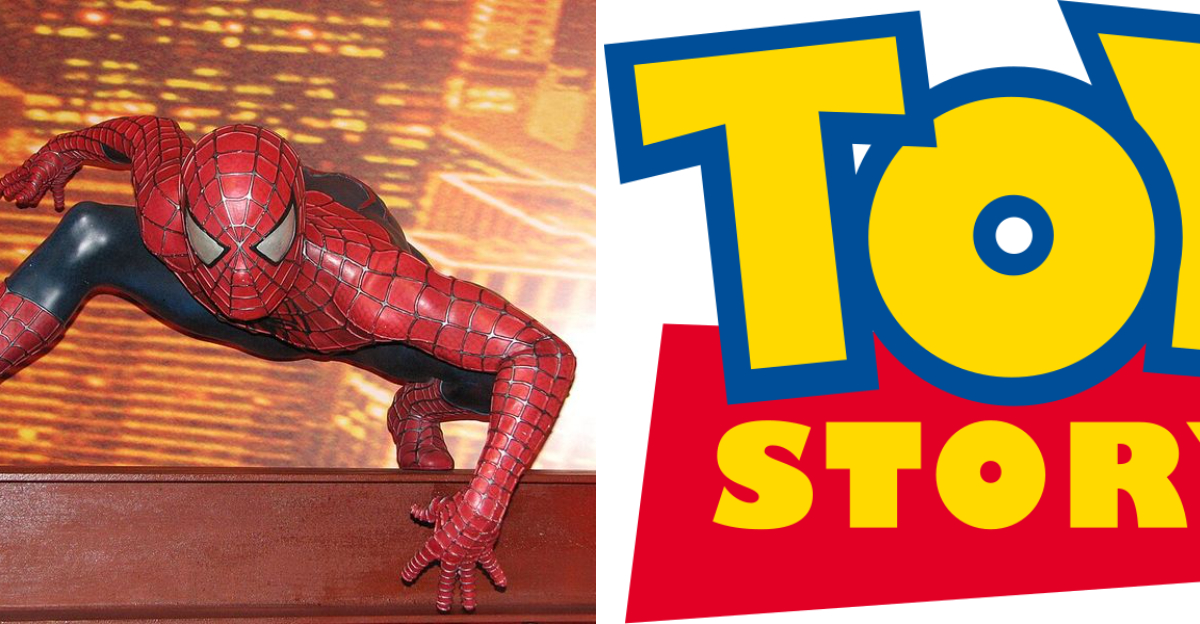
Swinging through New York as Spider-Man takes incredible physical coordination, yet scripts brought a completely different challenge.
Living with dyslexia has been something Holland speaks about with refreshing honesty, including how it shaped schoolwork growing up. Holland has talked about living with dyslexia and how support at home and his own work habits helped him push through school and early career demands.
Young fans have responded strongly to that openness. Hearing a superhero talk about learning differences helps normalize struggles many kids face quietly, often believing they’re alone.
9. Jamie Oliver

Recipes require precise measurements and careful reading – ironic, considering one of Britain’s most famous chefs struggled with dyslexia throughout school.
Oliver left traditional education early, finding his calling in kitchens where hands-on learning made perfect sense. Cooking offered immediate feedback and creative expression that classrooms never provided.
His success proves that intelligence comes in many forms. Practical skills, passion, and innovation matter just as much as test scores when building a meaningful career.
8. Patrick Dempsey
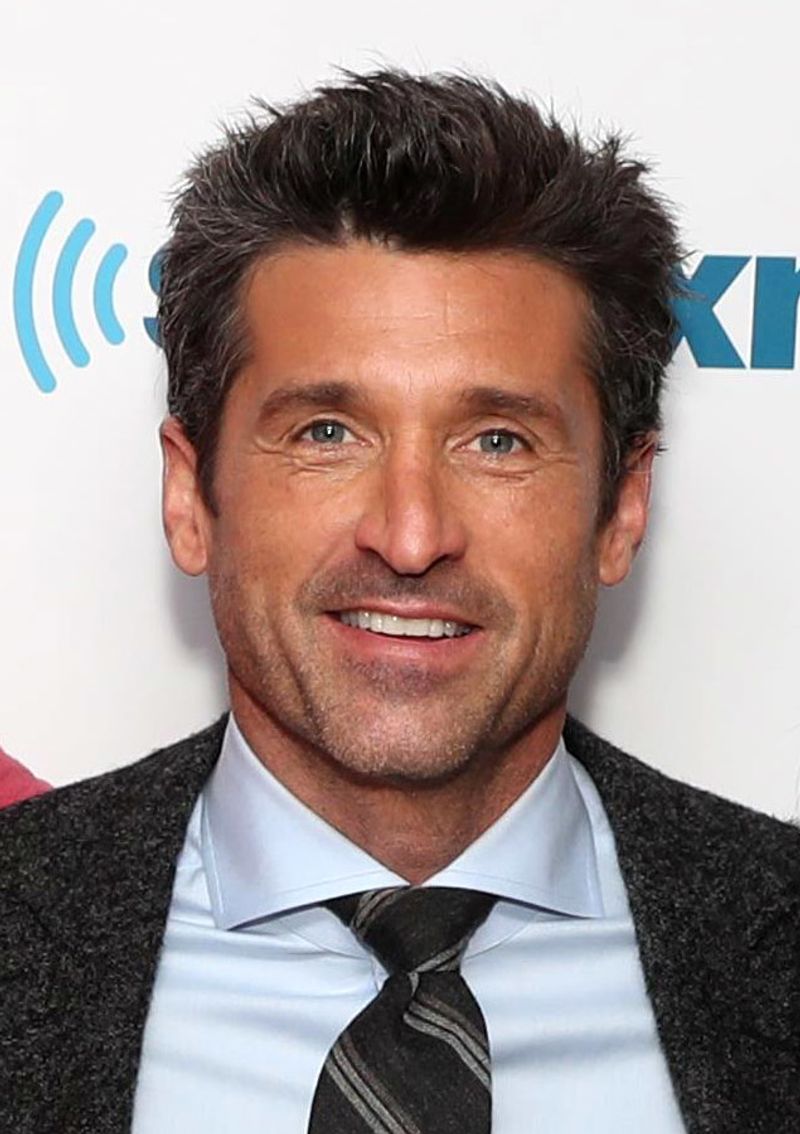
On Grey’s Anatomy, McDreamy made medicine look effortless, yet learning off camera came with real obstacles.
Dyslexia shaped Dempsey’s education and early career, and memorizing dense medical terminology for TV required extra time and personalized strategies that many actors never have to consider.
Adaptations like that also strengthened problem-solving skills beyond acting. Racing cars became another major passion, demanding quick thinking and spatial awareness, areas where many dyslexic minds can thrive.
7. Cher
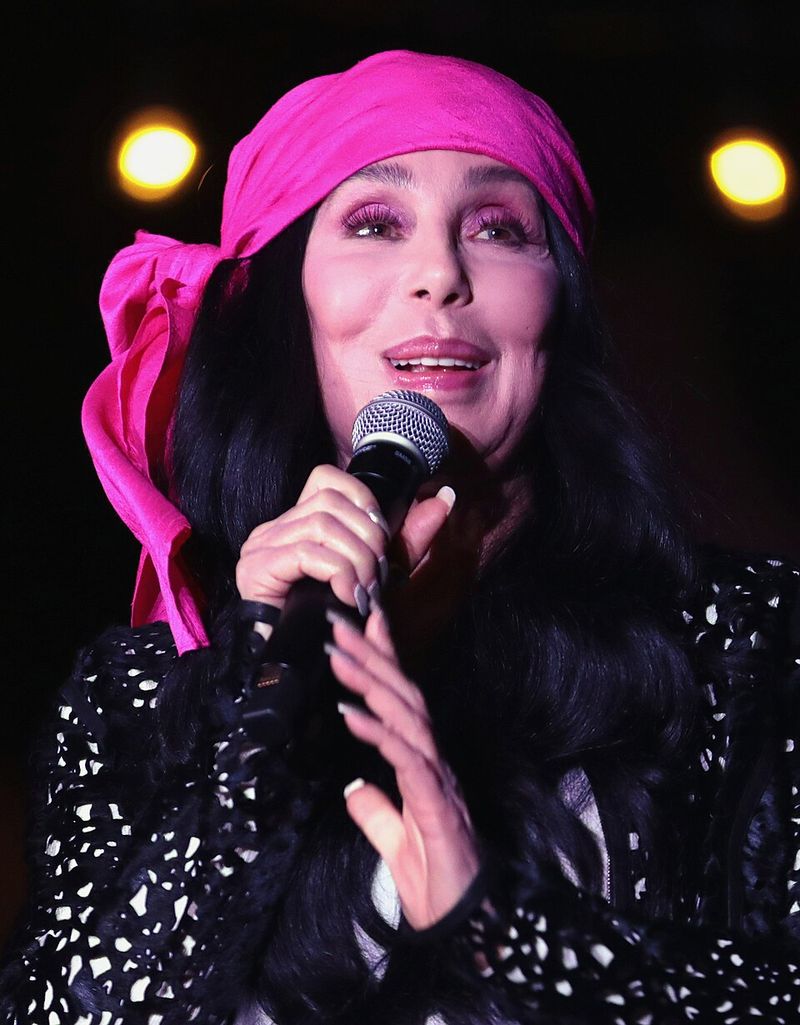
Finding out dyslexia was part of the story at age 30 likely answered countless questions about earlier struggles.
Decades passed without understanding why reading felt so difficult for the iconic singer and Oscar-winning actress. Finally learning the reason brought a mix of relief and frustration, with clarity arriving alongside the sting of support coming so late.
Even with a delayed diagnosis, an extraordinary career still flourished. Determination and raw talent proved stronger than any learning challenge along the way.
6. Bella Thorne

Dealing with both dyslexia and dyscalculia meant schoolwork felt doubly challenging from an early age.
Thorne has been vocal about these learning differences, particularly how they affected reading scripts and managing finances as a young actress. Math homework became especially frustrating when numbers seemed to rearrange themselves on the page.
Openness about these struggles helps younger fans feel less alone. Social media allows direct connection with followers facing similar challenges, creating supportive communities around shared experiences.
5. Channing Tatum
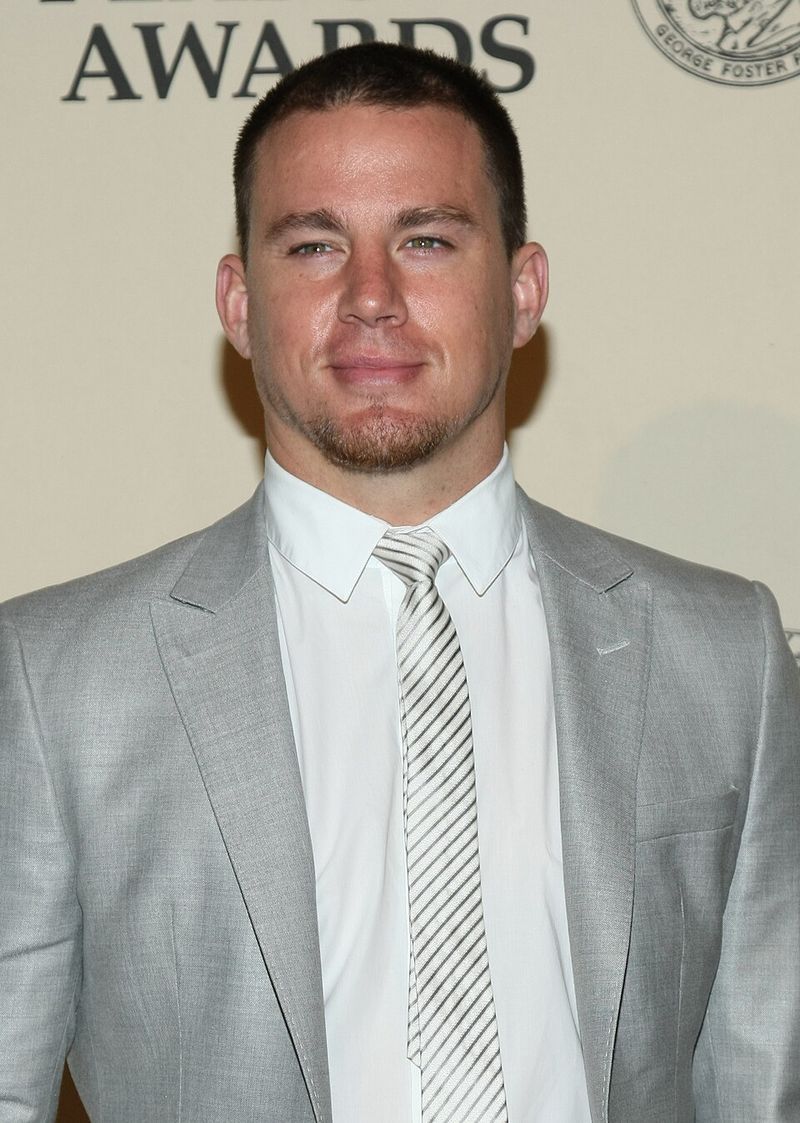
Action sequences and dance choreography came naturally, but traditional academics told a different story entirely.
Tatum struggled with dyslexia and ADHD throughout school, often feeling like the education system wasn’t built for learners like him. Physical expression through sports and eventually dancing provided outlets where he could truly shine.
Hollywood success followed when he embraced those strengths. Sometimes the skills that matter most can’t be measured by standardized tests or report cards.
4. Anderson Cooper
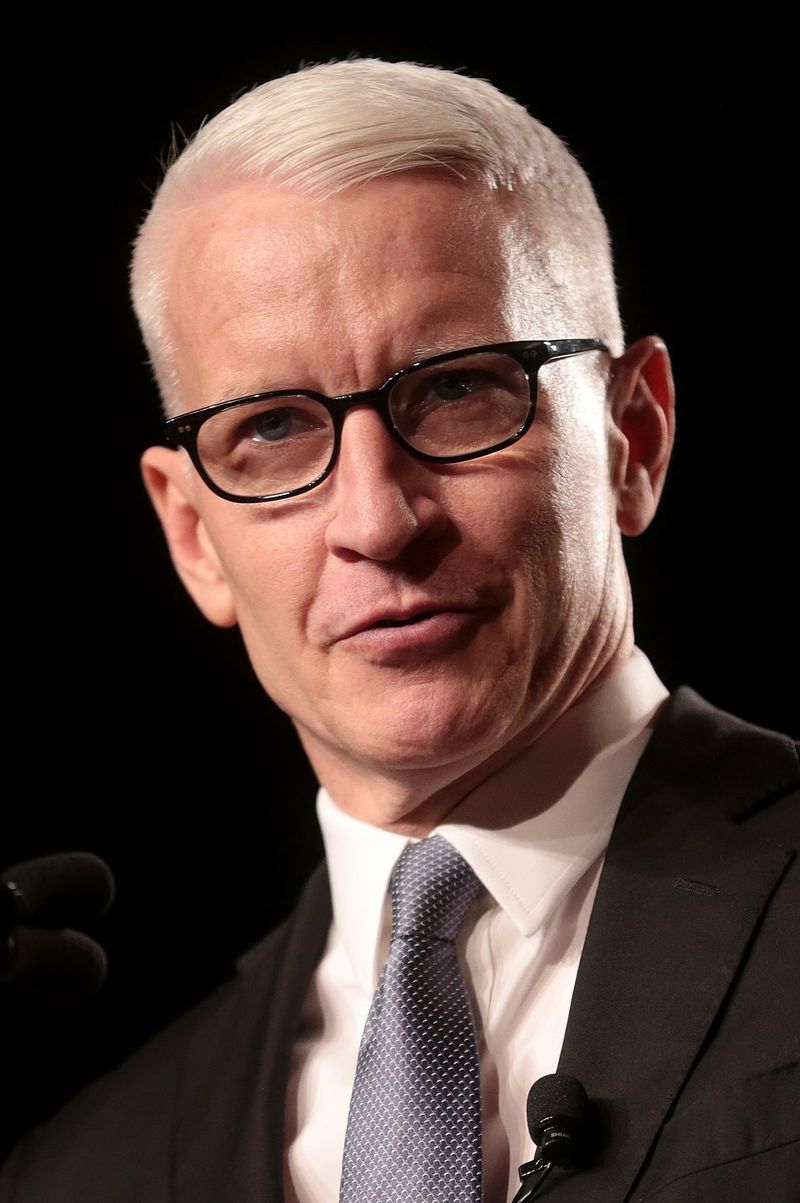
Live news leaves zero room for hesitation, yet one of journalism’s most trusted voices grew up with mild dyslexia.
A supportive teacher helped Cooper build strategies to manage reading challenges, and that early intervention changed everything. Struggles didn’t get the chance to derail educational progress or long-term professional goals.
Proper support systems can unlock real potential, and his career reflects that clearly. Learning differences may not disappear, yet the right tools can make them manageable instead of limiting.
3. Octavia Spencer
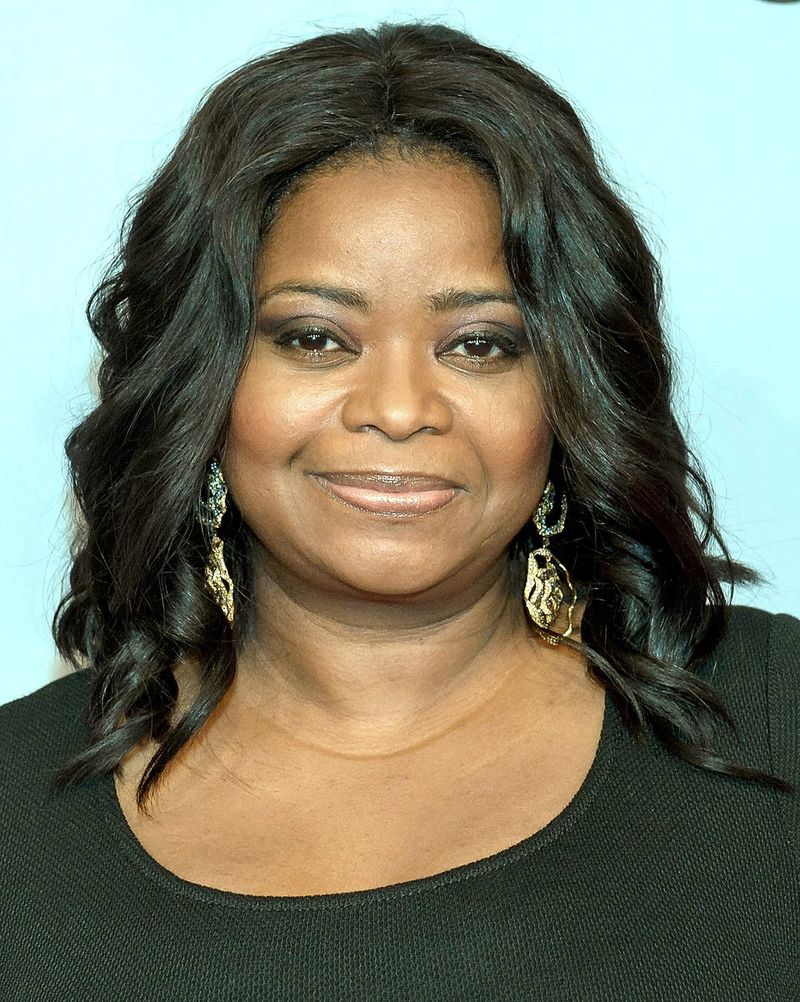
Academy Awards don’t care about childhood reading struggles, thankfully.
Spencer has spoken about growing up with dyslexia in Alabama, where understanding and resources for learning differences were limited. School presented constant challenges that required creative problem-solving and extraordinary perseverance to overcome.
That resilience built character that shines through powerful performances. From The Help to Hidden Figures, the Oscar-winning actress proves that early obstacles can forge strength rather than weakness.
2. Jay Leno
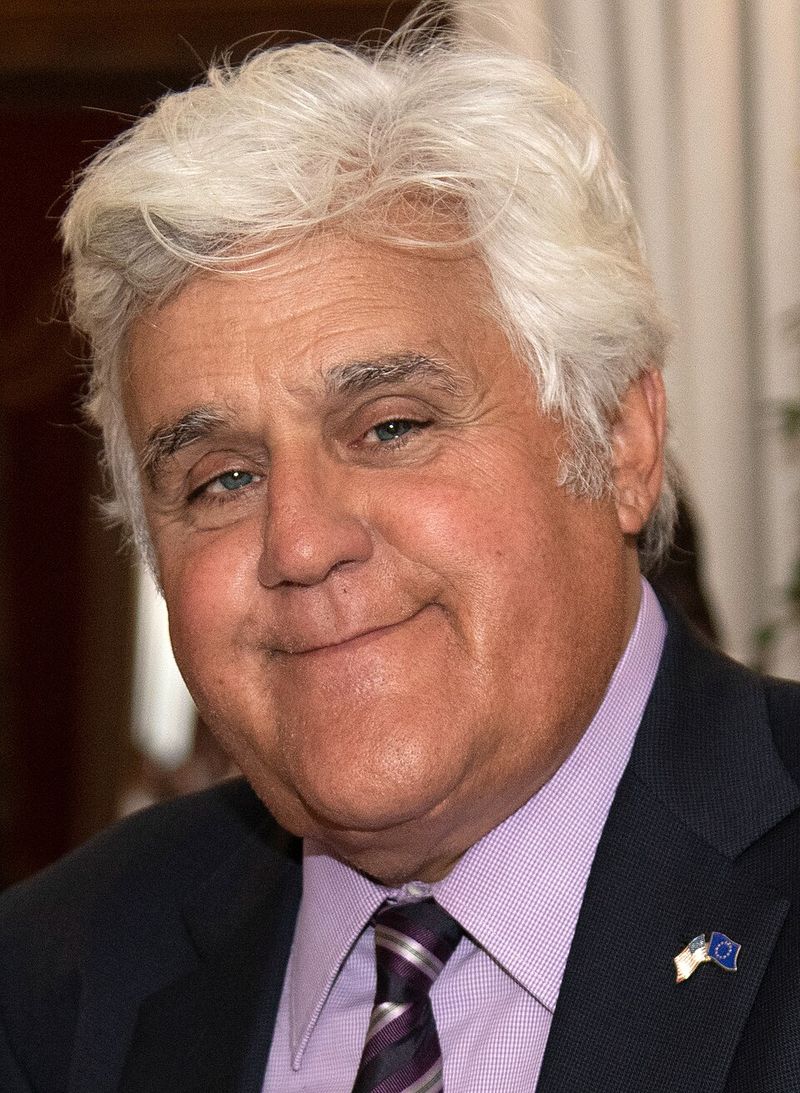
Perfect timing and razor-sharp wit matter more in comedy than flawless reading.
Living with dyslexia has been something the former Tonight Show host has discussed throughout his career. Writing material often took longer, and reading cue cards created challenges many performers never have to think about.
Comedy still became the ideal outlet. Quick thinking, verbal skill, and strong spoken-word memory mattered far more than reading speed, and decades of late-night success proved learning differences don’t limit laughter.
1. Victoria Beckham
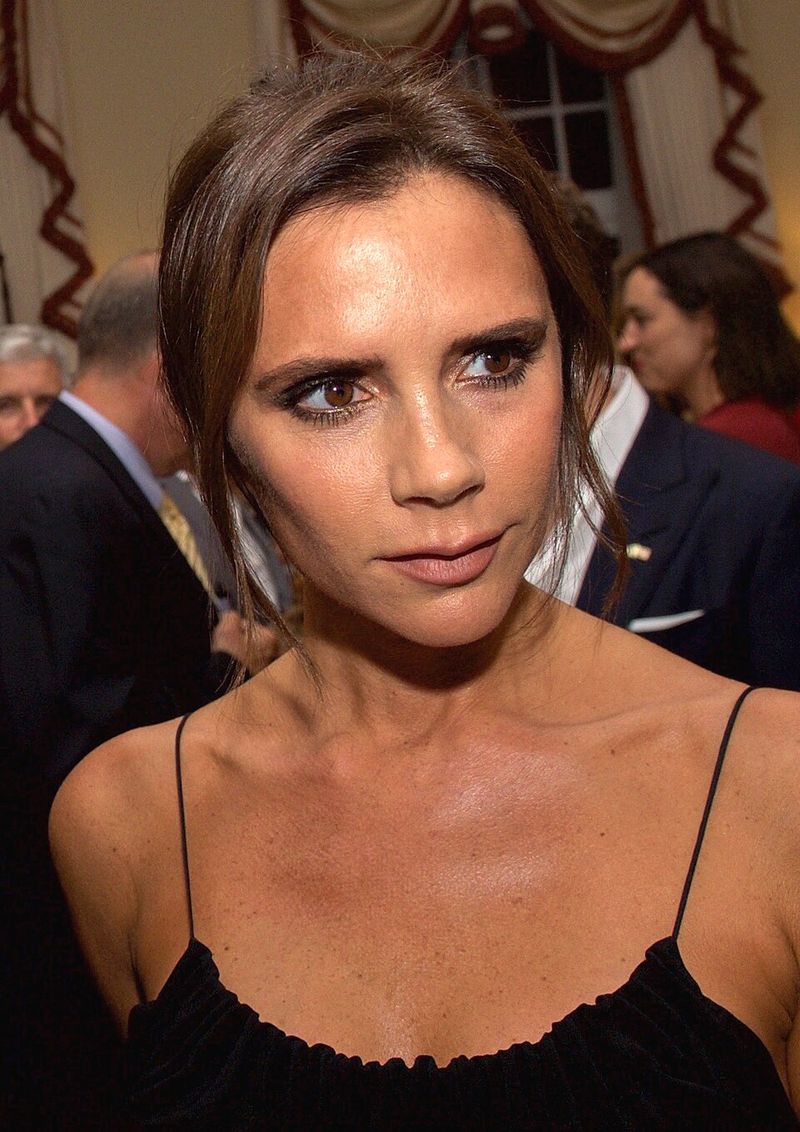
Fashion design requires spatial reasoning and creative vision, not advanced math skills – fortunate for someone with dyscalculia.
Beckham has said she has dyscalculia and struggles with numbers, and she’s also said she believes she may be dyslexic. Managing finances and calculations required extra support and assistive tools that others might take for granted.
Building a successful fashion empire proved that entrepreneurial success doesn’t depend on mathematical genius. Creativity, vision, and business savvy matter more than perfect calculation abilities when designing beautiful clothes.