
Celebrities With Complicated Relationships With Fans
Fame comes with fans, but sometimes it also comes with chaos, crossed boundaries, and the occasional “please stop doing that” moment.
While celebrities appreciate support, a few have had to step in like exhausted referees, setting rules, blowing the whistle on toxic behavior, and reminding everyone that admiration isn’t a free-for-all.
These stars learned the hard way that fandom can feel less like applause and more like crowd control.
1. Chappell Roan
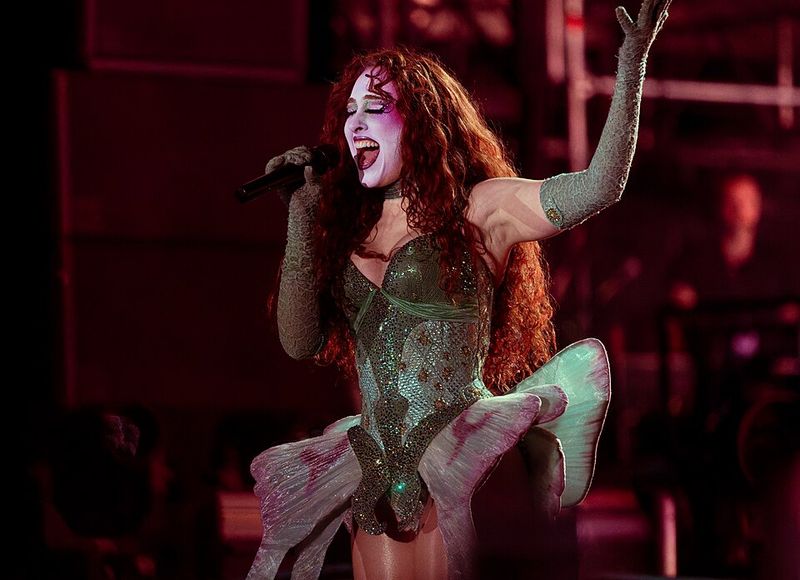
Fame can turn ordinary moments into unwanted interruptions, especially when strangers treat access like a given. Her public persona often gets discussed in the context of boundaries, especially around being treated like a ‘character’ instead of a person.
Setting limits does not signal ingratitude; it simply reflects basic humanity, and fame should never erase someone’s right to say no.
Even pop stars deserve the freedom to buy groceries in peace.
2. Doja Cat
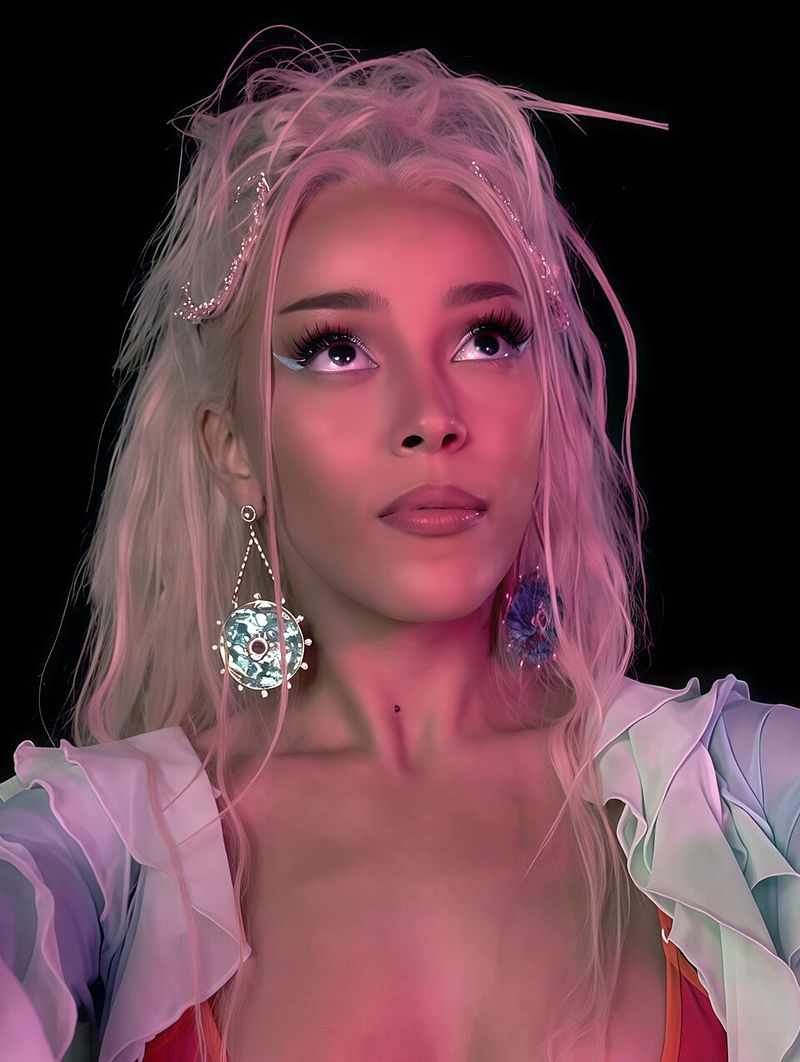
If you’re taking fandom seriously as a career, you might be surprised by how direct her online tone can be. She frequently experiences a dynamic connection with stan culture, particularly when admiration turns into possessiveness.
Refreshing candor stands out in an industry often built on constant people-pleasing.
Personal boundaries remain clear, rejecting expectations of becoming anyone’s best friend or parasocial project. Music stays the priority, even if that approach occasionally ruffles a few feathers.
3. Mitski
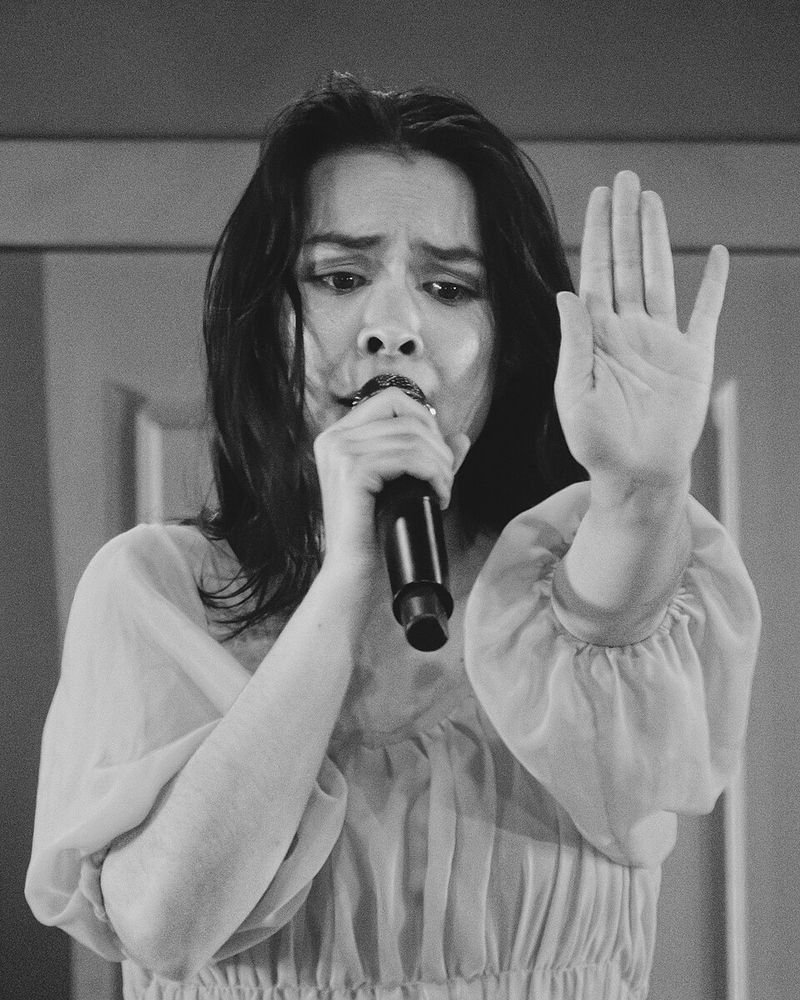
A ‘less filming, more presence’ vibe has hovered around the conversation in her live-show orbit. The broader message reads like a reminder that performers aren’t content machines.
Concerts used to be about shared presence, not Instagram stories.
Her request wasn’t harsh. It was a plea to experience art together, not through a screen, and to remember that performers aren’t products on a shelf.
4. Selena Gomez
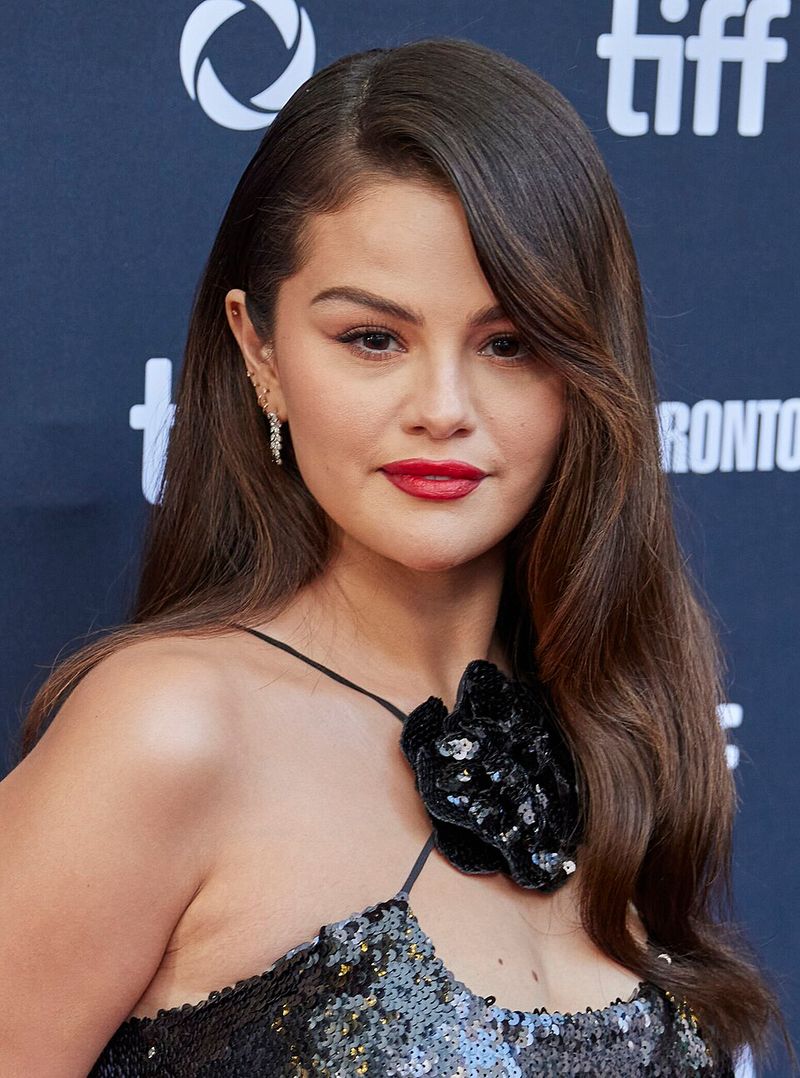
The public narrative around her fans frequently emphasizes that showing support should not be misconstrued as an attack on those close to her.
Online intensity around her personal-life headlines has, at times, seemed loud enough to warrant a general ‘please don’t do that’ reminder.
Loyalty within her fanbase can sometimes morph into cruelty, leaving her caught in the middle of conflicts she never encouraged.
Loving someone should never mean tearing down everyone around them. Real support builds people up instead of becoming suffocation wrapped in hashtags.
5. Nicki Minaj
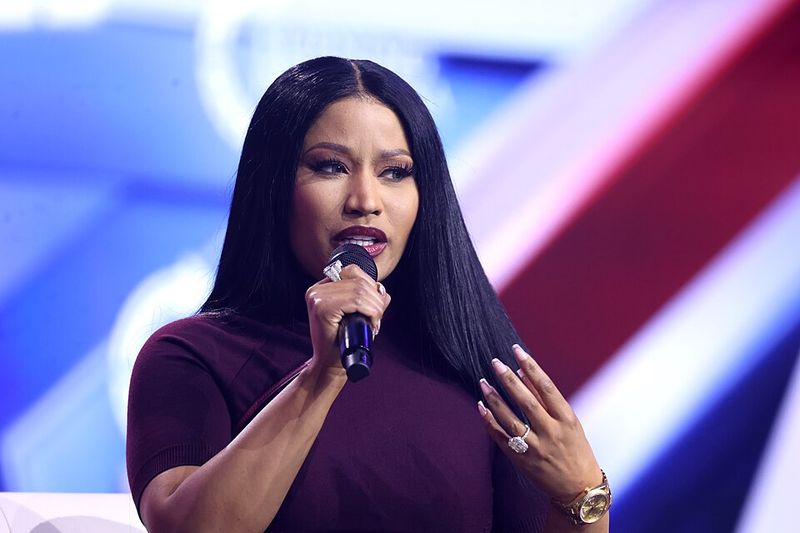
Legendary devotion has long defined the Barbz fan community.
Online dogpiles are part of the reputation people associate with the community, and backlash can flare fast when discourse turns heated.
Nicki Minaj’s connection with her fanbase remains complicated, since the same passion that celebrates her can also weaponize her name. Fame becomes a double-edged sword when loyal supporters transform into aggressive defenders.
6. Taylor Swift
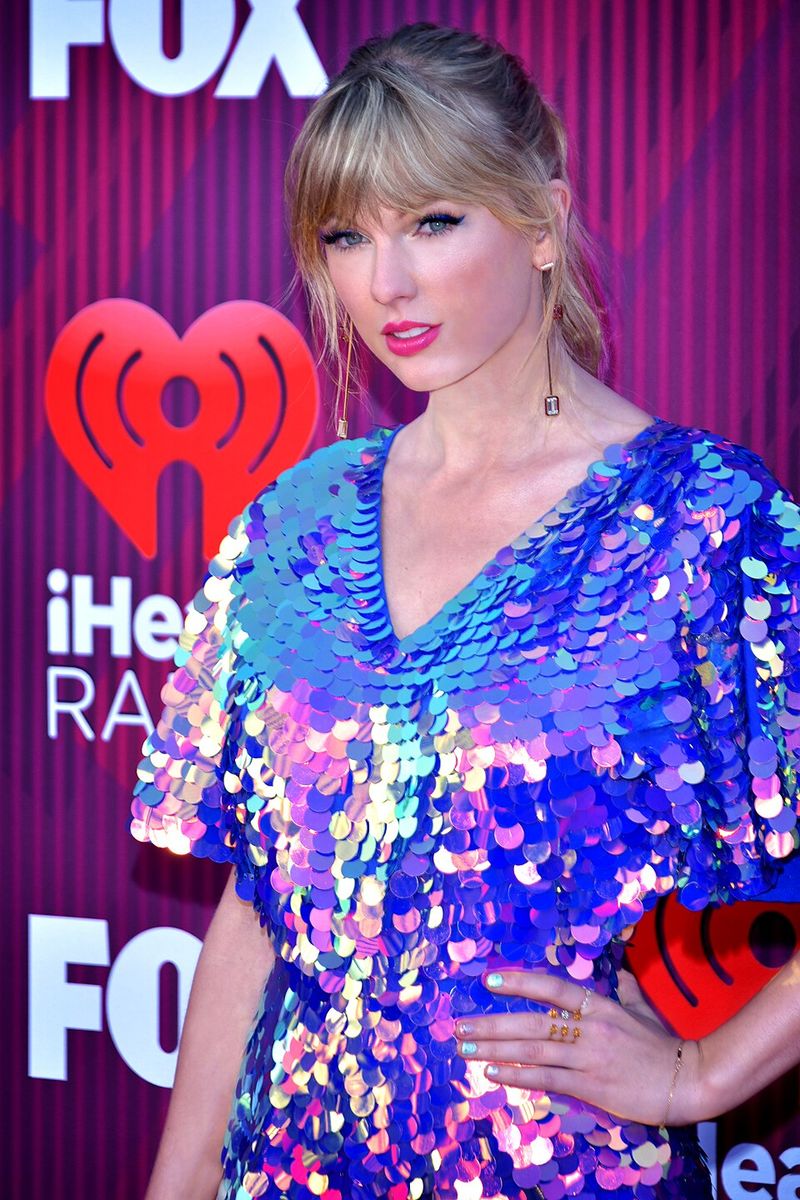
Sometimes it’s necessary to remind the Swiftie community that engaging in malicious comment-section conduct is not justified by lyric detective work. Lyric sleuthing often plays out like a detective novel, yet it sometimes spills into comment sections filled with vitriol.
Passion can be appreciated without cruelty, and fandom never grants a right to harass strangers on her behalf.
7. Justin Bieber
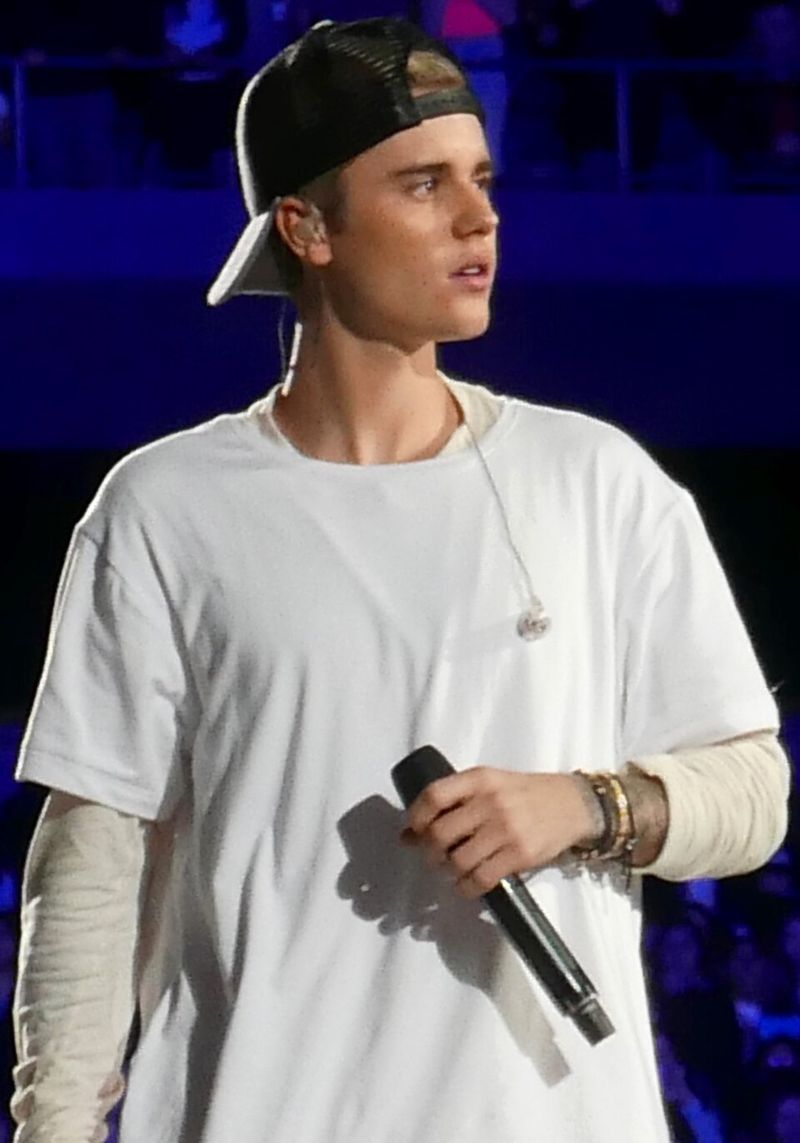
His public image has long carried that ‘treated like a machine’ feeling – constant access, constant output, constant pressure.
The constant demands for photos, performances, and perfect behavior wore him down. At various points, the vibe has been: boundaries first, distance second, recovery always allowed.
Child stars grow up, and so do their boundaries. Respecting that shouldn’t be controversial.
8. Billie Eilish
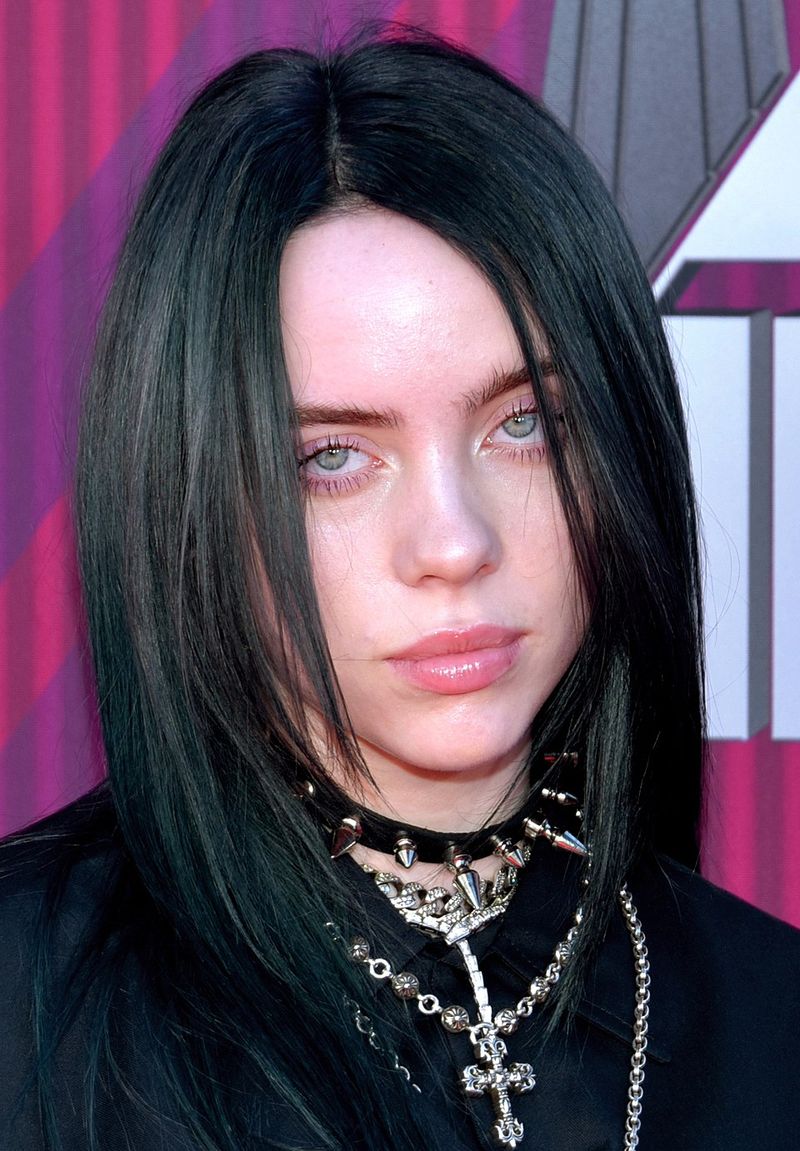
Concert etiquette has been part of the conversation around her shows, especially the idea that ‘nothing should be flying toward the stage.’
The general sentiment reads clear: excitement doesn’t excuse putting performers at risk.
Love for her audience remains strong, yet feeling unsafe during her own shows creates an uneasy contradiction. Concert etiquette stays simple: keep hands to yourself and personal belongings in your bag.
9. Britney Spears
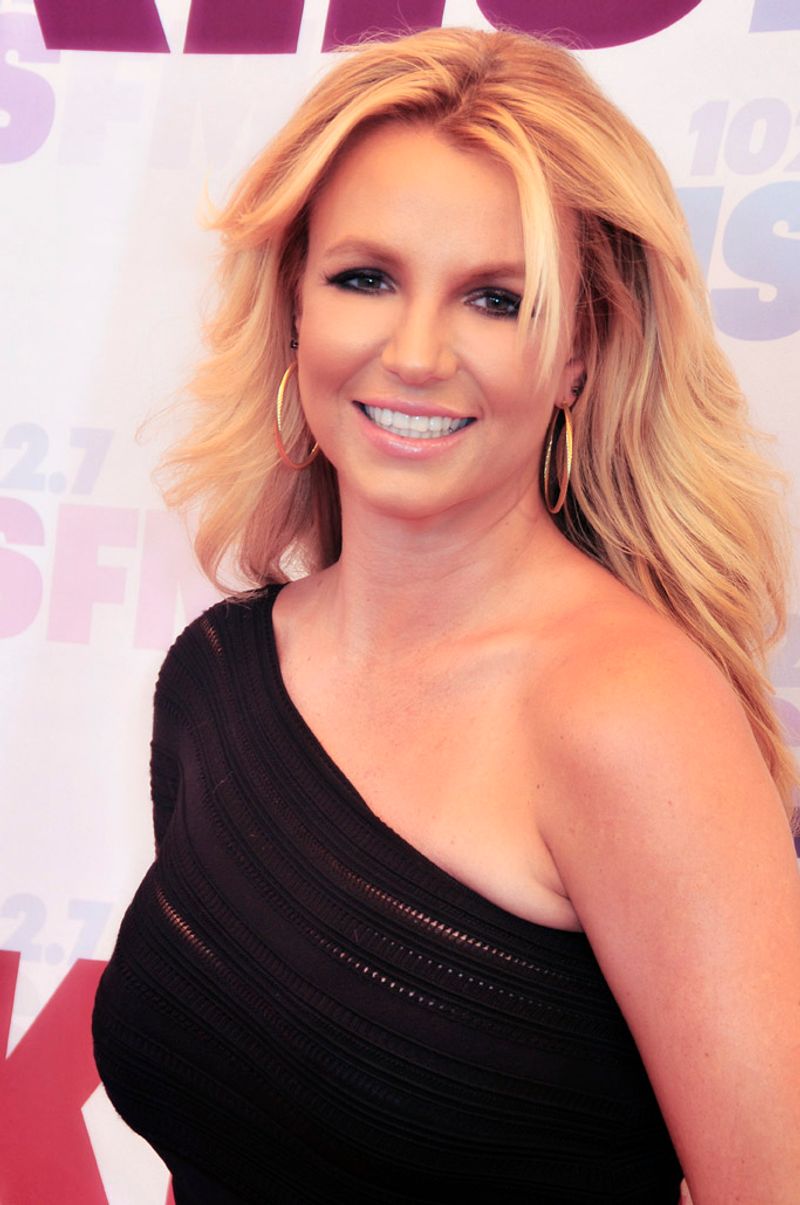
FreeBritney showed how fandom and activism can overlap, sometimes helpfully, sometimes uncomfortably.
Intense attention can slide from concern into overreach, where every post gets treated like evidence.
Boundaries between advocacy and intrusion quickly became difficult to define, even when intentions came from genuine concern. True liberation should never arrive with a new set of watchers waiting in the wings.
10. Benedict Cumberbatch
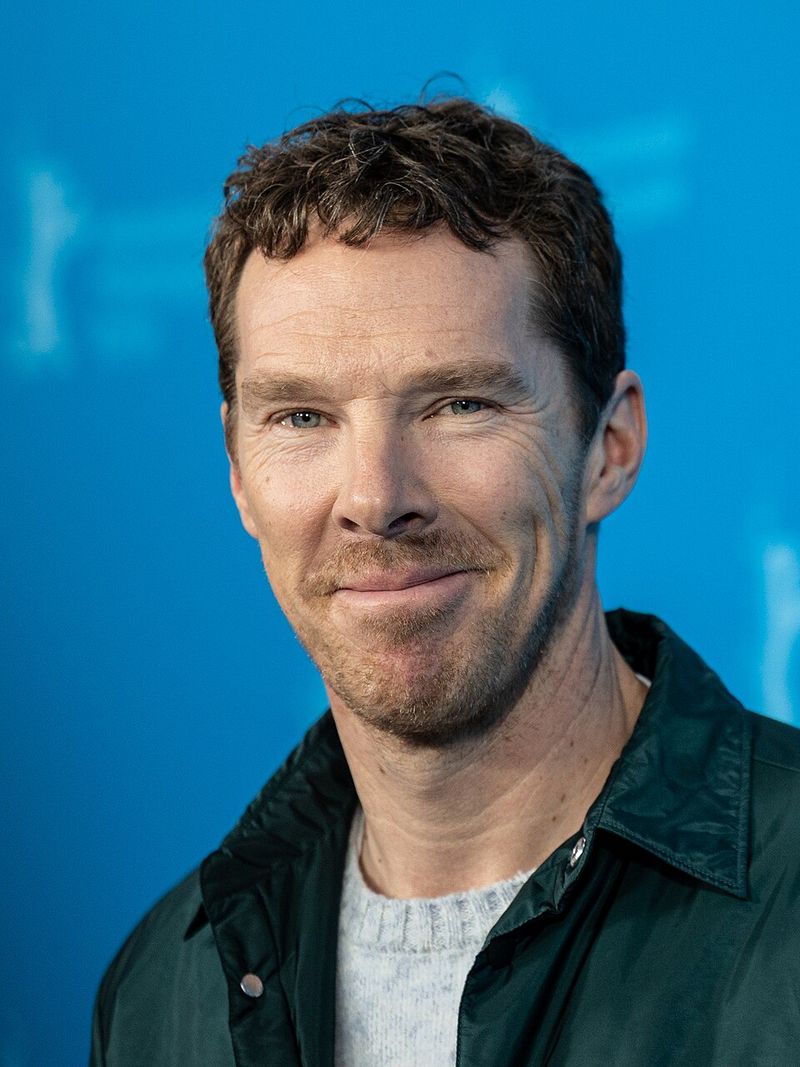
The ‘too extreme’ side of fandom, when boundaries become the major focus, has sometimes been used to frame his fame.
Occasionally, the fan narrative can drift into fantasy-land – people feeling unusually certain they ‘know’ someone they’ve never met. It gets unsettling when admiration turns into fixation, and he’s had to address it publicly more than once.
Actors aren’t characters, and fiction isn’t an invitation.
11. Robert Pattinson

Twilight mania placed Robert Pattinson at the center of an overwhelming wave of attention and expectation.
Projection feels like the subtext of his post-heartthrob era – fans loving an idea, while the person keeps moving.
His career vibe leans ‘swerve the expectation,’ which naturally puts distance between him and the old fantasy. Rejecting the fantasy can sometimes be the healthiest path forward.
Disclaimer: Commentary reflects public-facing narratives and cultural impressions, so interpretations of celebrity–fandom dynamics can vary by person, platform, and time.
This content is provided for general informational and entertainment purposes, not legal, financial, medical, or professional advice.


.jpg)

.jpg)
.jpg)


_2.jpg)


