Iconic Movie Characters Who Made An Impact Without Dialogue
Silence can be louder than a monologue, especially in movies. Certain characters walk on screen and instantly change the temperature of a scene without saying a word.
Expression, posture, and timing do all the talking, and the audience ends up leaning in harder because nothing is being explained out loud.
That quiet can feel eerie, tender, hilarious, or oddly comforting, depending on the story, yet the effect is the same: a presence that sticks.
Icon status often comes down to a few unforgettable details. A mask, a silhouette, a signature gesture, or even the way someone turns their head can become the kind of visual shorthand pop culture never lets go.
Characters like these prove that dialogue is only one tool, and sometimes it isn’t even the strongest one.
1. WALL·E — WALL·E (2008)
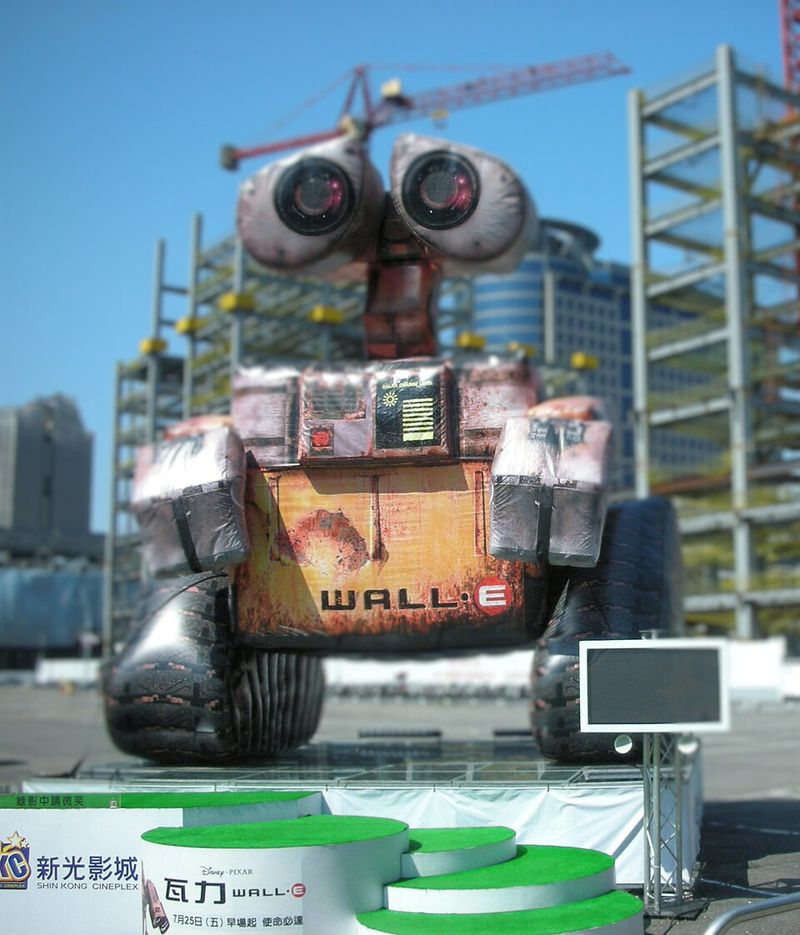
Picture a rusty little robot with binocular eyes, cleaning up Earth all by himself. WALL·E became Pixar’s most emotionally powerful character using only mechanical sounds and body language.
His curious head tilts and nervous fidgeting made audiences fall in love instantly. When he watches Hello, Dolly! on repeat, you feel his loneliness without hearing a word.
The way he holds EVE’s hand speaks louder than any romantic speech ever could.
2. The Tramp — Modern Times (1936)
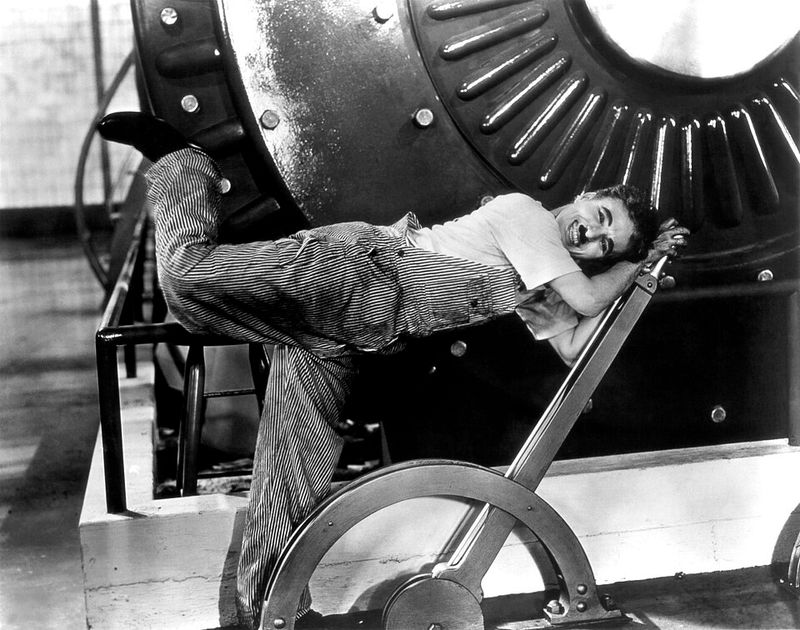
Bowler hat, cane, and that famous waddle walk. Charlie Chaplin’s Tramp character defined silent comedy and became cinema’s first global superstar.
In Modern Times, he battles assembly line machinery with perfect comic timing. Every stumble, every confused glance, every graceful tumble tells a complete joke without punchlines.
His physical comedy influenced everyone from Buster Keaton to Jim Carrey, proving movement beats words when done right.
3. The Little Tramp — City Lights (1931)
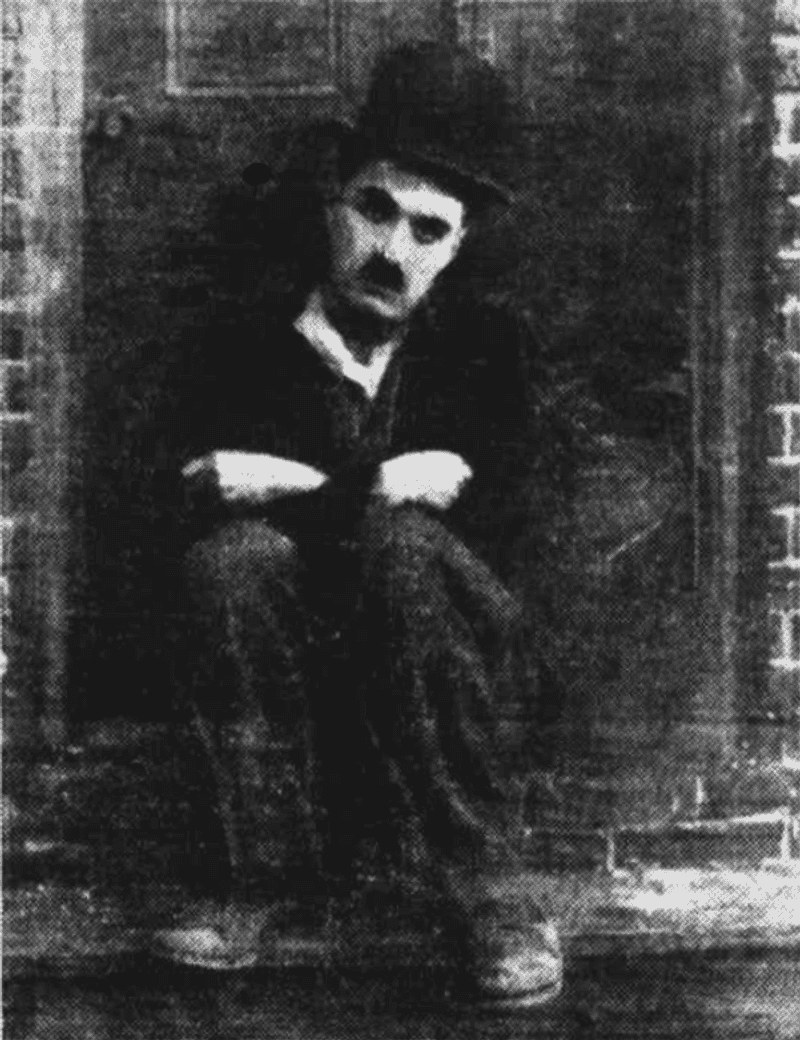
That final scene where the blind flower girl sees the Tramp for the first time? Grab tissues, because Chaplin’s face says everything.
His gentle interactions with the flower girl showcase tenderness through gesture alone.
When he takes odd jobs to pay for her surgery, his determination shines without dialogue.
The boxing match scene remains comedy gold, pure physical storytelling that needs zero explanation. Just saying, this performance makes grown adults cry.
4. Gill-man — Creature from the Black Lagoon (1954)
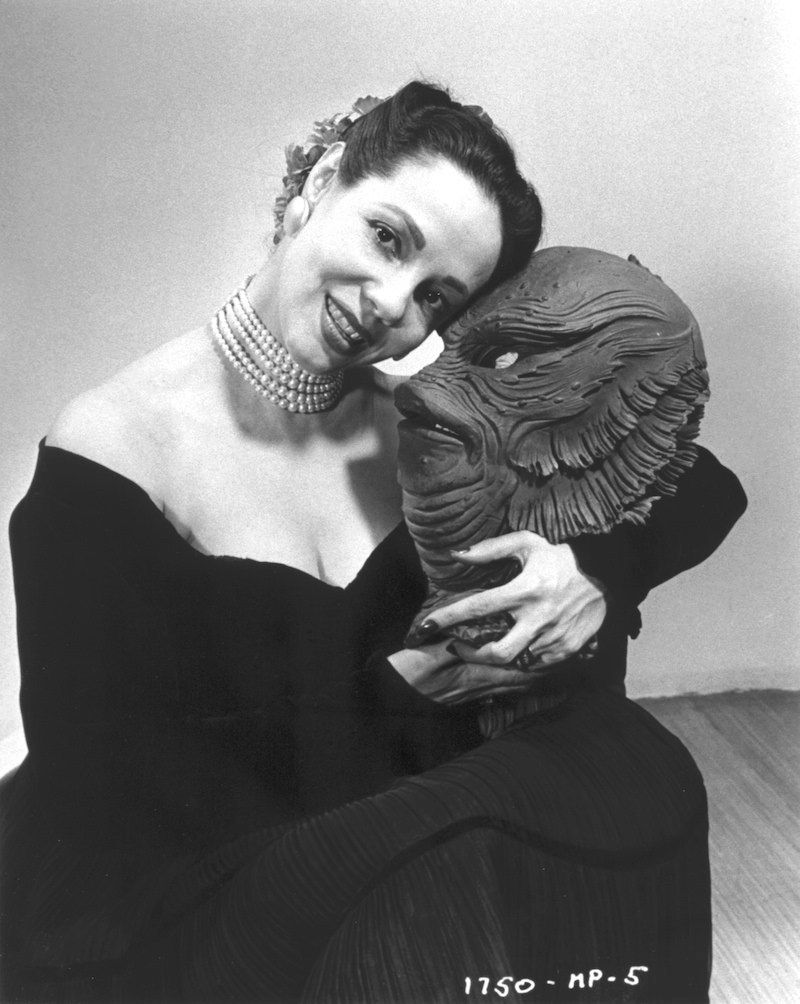
Half-man, half-fish, all nightmare fuel for 1950s audiences. The Gill-man became an instant icon through eerily human movements underwater.
Ricou Browning’s swimming choreography gave this creature unexpected grace and menace simultaneously.
When he reaches toward Kay Lawrence, you sense both danger and tragic longing.
The suit design and physical performance created cinema’s most sympathetic outer being, proving scary creatures work best when they feel almost relatable.
5. George Valentin — The Artist (2011)
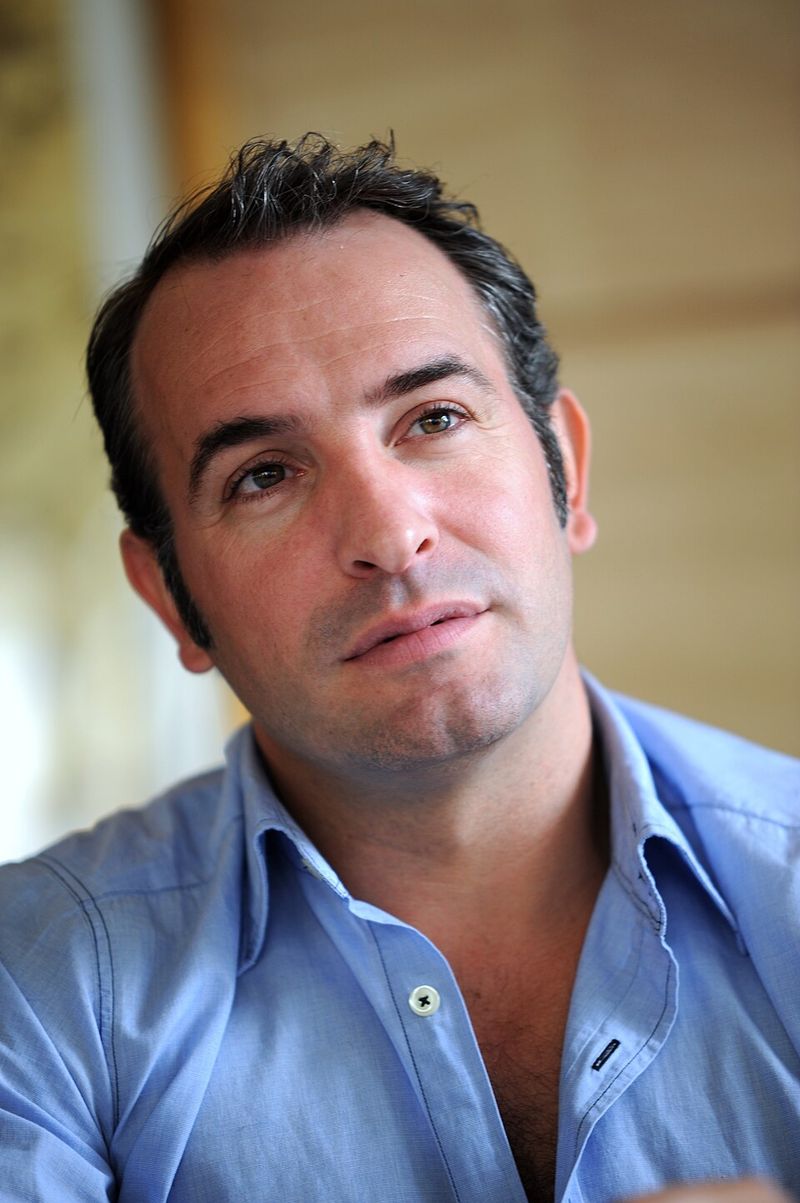
Jean Dujardin brought silent cinema back to life in this black-and-white love letter to Hollywood’s golden age.
George Valentin embodies every classic silent film star, relying entirely on exaggerated expressions and graceful physicality.
His raised eyebrow speaks volumes about pride and confusion as talkies take over. The famous dream sequence where he suddenly hears sound?
Absolutely brilliant storytelling.
6. Frankenstein’s Creature — Frankenstein (1931)
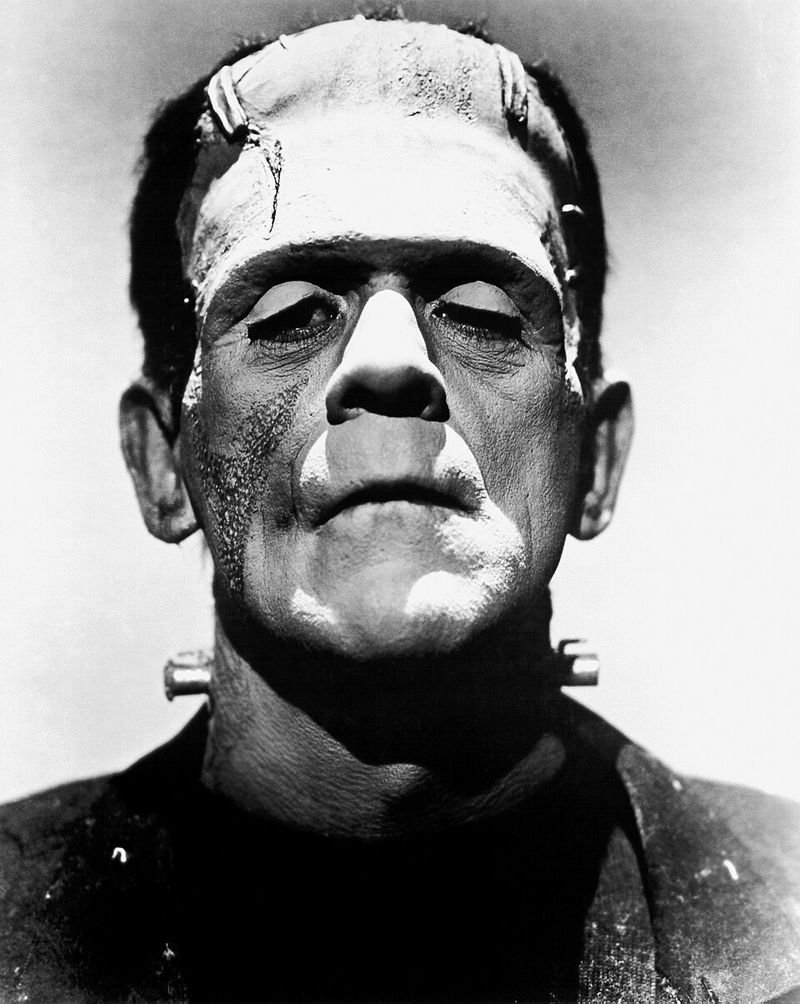
Boris Karloff transformed under heavy makeup into cinema’s most misunderstood creatire. Those sad, confused eyes beneath the flat-top head told tragic stories of rejection and loneliness.
His stiff-armed walk became instantly recognizable worldwide, copied in everything from Halloween costumes to cartoons.
When he encounters the little girl by the lake, his gentle confusion breaks hearts.
7. Jason Voorhees — Friday the 13th Series
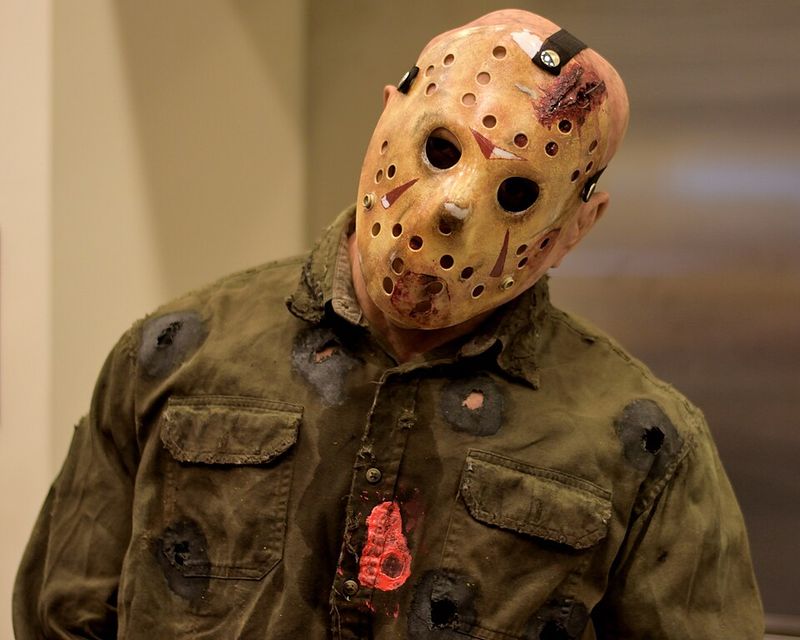
Hockey mask, machete, and zero conversation. Jason Voorhees built an entire horror franchise on silent stalking and creativite crimes.
His heavy footsteps and breathing became audio cues that made audiences tense instantly. Unlike chatty villains, Jason’s wordless presence feels more unstoppable and inhuman.
The franchise proved you don’t need witty one-liners when your physical presence does all the terrifying.
8. The Iron Giant — The Iron Giant (1999)
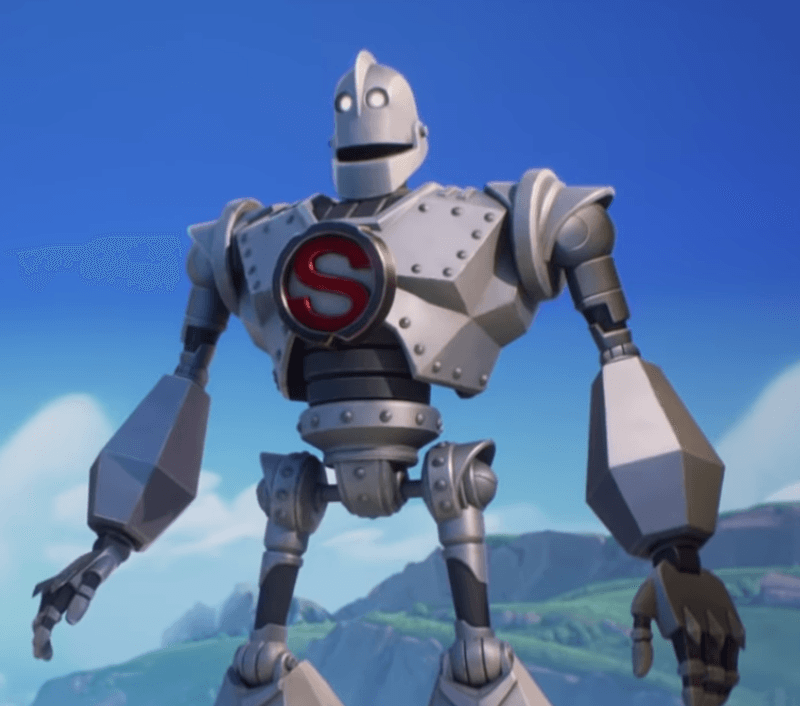
A fifty-foot robot from space who learns about friendship, sacrifice, and Superman. The Iron Giant’s limited vocabulary forces him to communicate through actions and expressions.
Vin Diesel provided the voice, but animator Brad Bird ensured the Giant’s body language told complete emotional stories.
When he chooses to be Superman instead of a weapon? Waterworks guaranteed.
9. E.T. — E.T. the Extra-Terrestrial (1982)
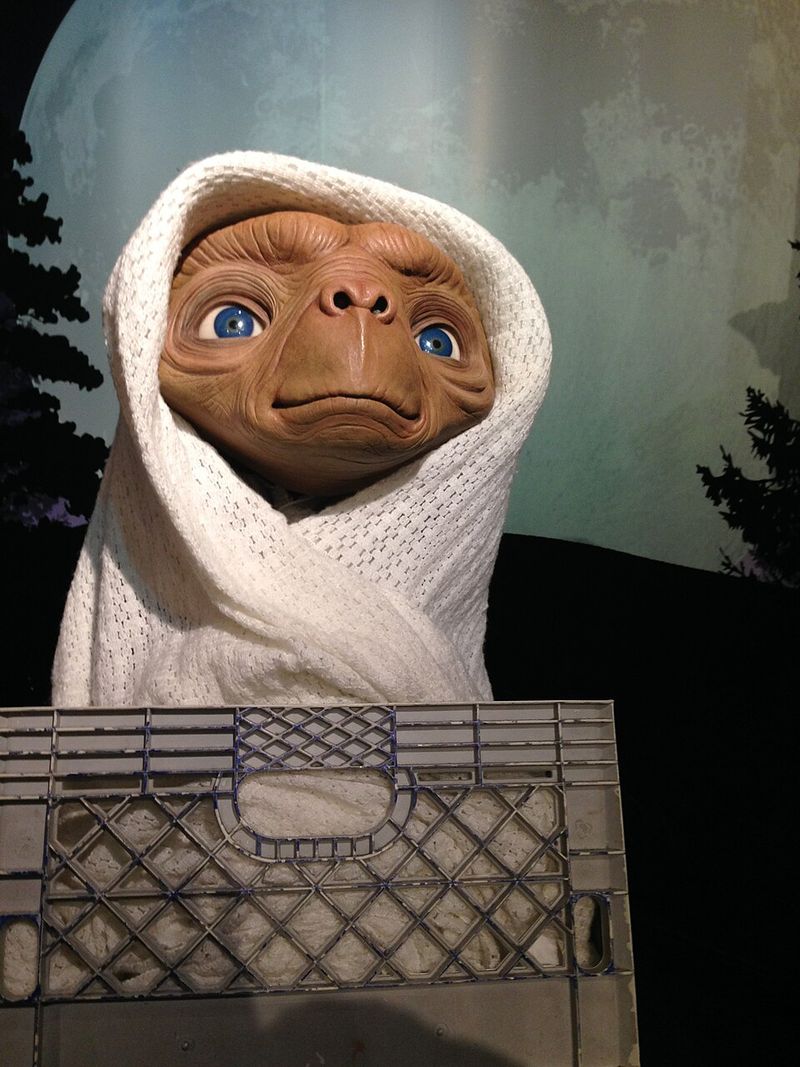
Phone home. Those two words aside, E.T. communicated mostly through glowing fingers, waddles, and heartfelt expressions.
Spielberg’s alien visitor connected with audiences through vulnerability and childlike wonder rather than dialogue.
That extending neck and those huge expressive eyes convey fear, joy, and love without complex language.
The bike-flying scene remains magical because E.T.’s delighted reactions speak louder than any words.
10. R2-D2 — Star Wars (1977)
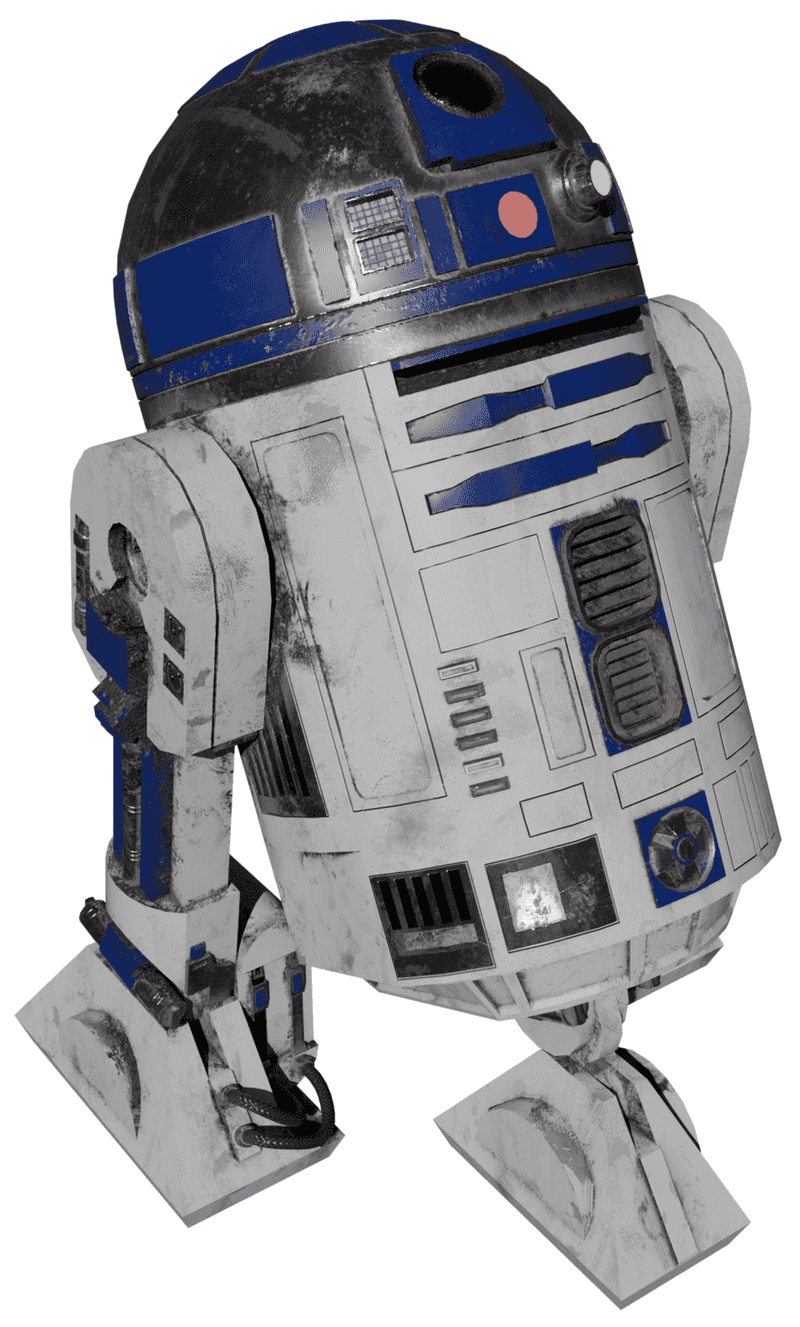
Beeps, whistles, and attitude. R2-D2 became Star Wars’ most beloved character despite speaking only in electronic sounds.
His timing and reactions make every beep feel like complete sentences. When he argues with C-3PO or zaps someone, you understand exactly what he’s saying without translation.
Ben Burtt’s sound design and the puppeteers’ movements created cinema’s most expressive trash can.
This little droid proves personality beats vocabulary every time, making him a galactic treasure.
11. Michael Myers — Halloween (1978)
That blank white mask and slow, relentless walking created horror cinema’s most terrifying approach.
Michael Myers never runs, never speaks, yet audiences flee from theaters screaming.
His head tilt when observing victims became iconic body language for pure evil. The way he simply appears in backgrounds or doorways?
Nightmare material that still works today.
John Carpenter understood that silence and stillness can be scarier than any roar or villain monologue.
12. Buster Keaton — The General (1926)
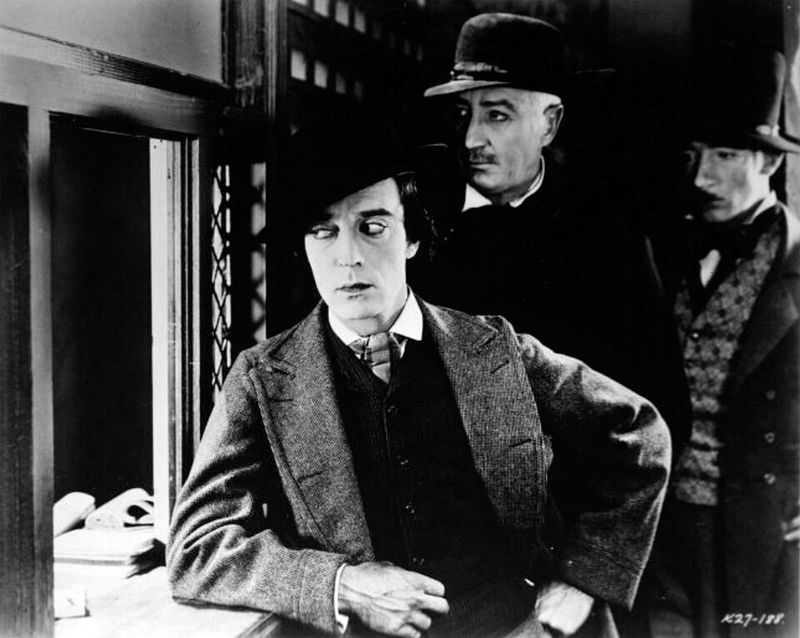
The Great Stone Face never smiled, yet Buster Keaton’s expression became comedy gold. His physical stunts in The General remain jaw-dropping nearly a century later.
That famous scene where he sits on the train’s cowcatcher, completely unfazed? Pure Keaton genius.
His acrobatic precision and fearless stunt work influenced every physical comedian since.
While Chaplin showed emotion, Keaton’s blank face made his incredible athleticism even funnier.
13. Gort — The Day the Earth Stood Still (1951)
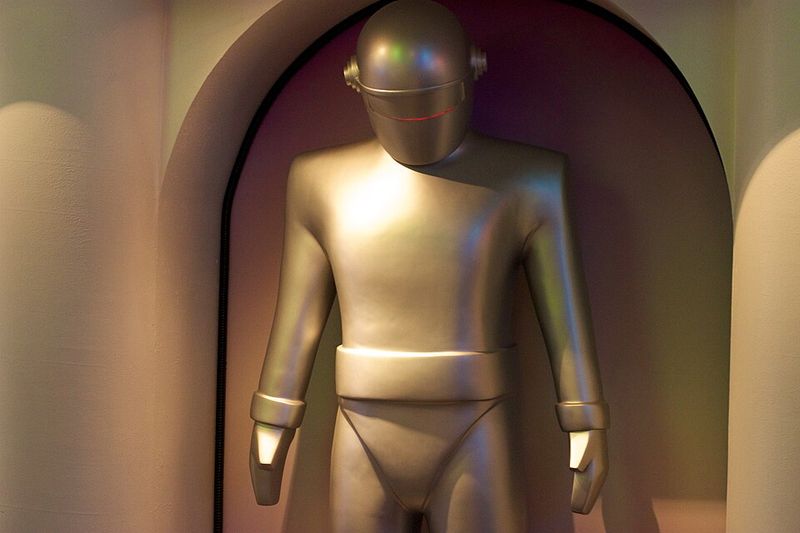
A seven-foot-tall robot with a disintegration ray and zero personality. Gort’s imposing silence made him scarier than any chatty villain could be.
His slow, deliberate movements and expressionless visor created an alien presence that felt genuinely otherworldly.
When he starts melting tanks and walls? Pure intimidation without threats.
Lock Martin’s towering physical presence gave 1950s audiences their most memorable robot, proving sometimes the strong, silent type works best for intergalactic peacekeepers.