14 Childhood Movies That Seem Cringe And Offensive As Adults
Remember those Saturday afternoons when you could watch the same movie five times and never question a single scene? Childhood has a magical way of filtering out things we simply weren’t equipped to notice yet.
Revisiting those beloved classics as an adult can feel like looking at a crayon drawing you once thought was a masterpiece, only to realize it’s a bit messy. Many films we grew up loving are packed with racial stereotypes, outdated gender roles, and jokes that would never fly in a modern writers’ room.
Watching them again is both a nostalgia trip and a reality check. Some scenes make you laugh, some make you wince, and a few might genuinely surprise you.
No childhood is ruined here; it’s upgraded with a touch of critical thinking and awareness. Exploring these 14 films lets you enjoy memories while seeing them in a whole new light.
1. Sixteen Candles (1984)
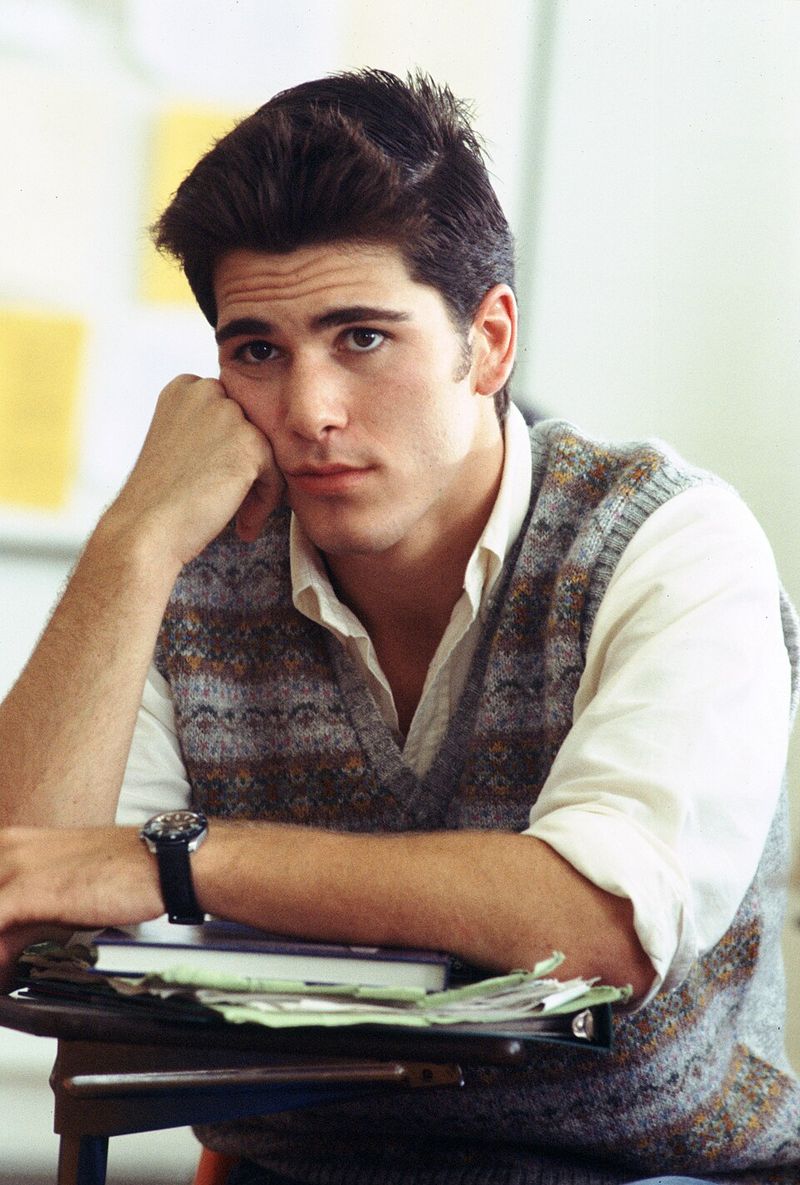
Few movies scream “80s teen comedy” louder, yet rewatching it as an adult feels like stepping on a Lego in the dark. The character Long Duk Dong relies on a deeply racist caricature of Asian men, complete with a gong sound effect every time he appears on screen.
Just saying, that aged about as well as a warm milk carton.
Beyond the cringe-worthy stereotyping, the film treats a scene involving an unconscious girl as comedic material. How nobody flagged that during production remains a genuine mystery.
John Hughes had real talent, but Sixteen Candles carries some seriously heavy baggage worth acknowledging now.
2. Revenge Of The Nerds (1984)
On the surface, it sold itself as an underdog story about outcasts finally winning. Underneath, however, several scenes normalize behavior that would be considered serious crimes today, not quirky pranks.
A hidden camera scene and a consent-free romantic moment are played entirely for laughs, which is genuinely alarming to watch now.
If a superhero movie pulled stunts like Revenge of the Nerds did, the internet would absolutely implode overnight. The film had moments of genuine heart buried under layers of deeply problematic content.
Recognizing both sides of it is part of growing up and watching movies with wider, more informed eyes.
3. Ace Ventura: Pet Detective (1994)
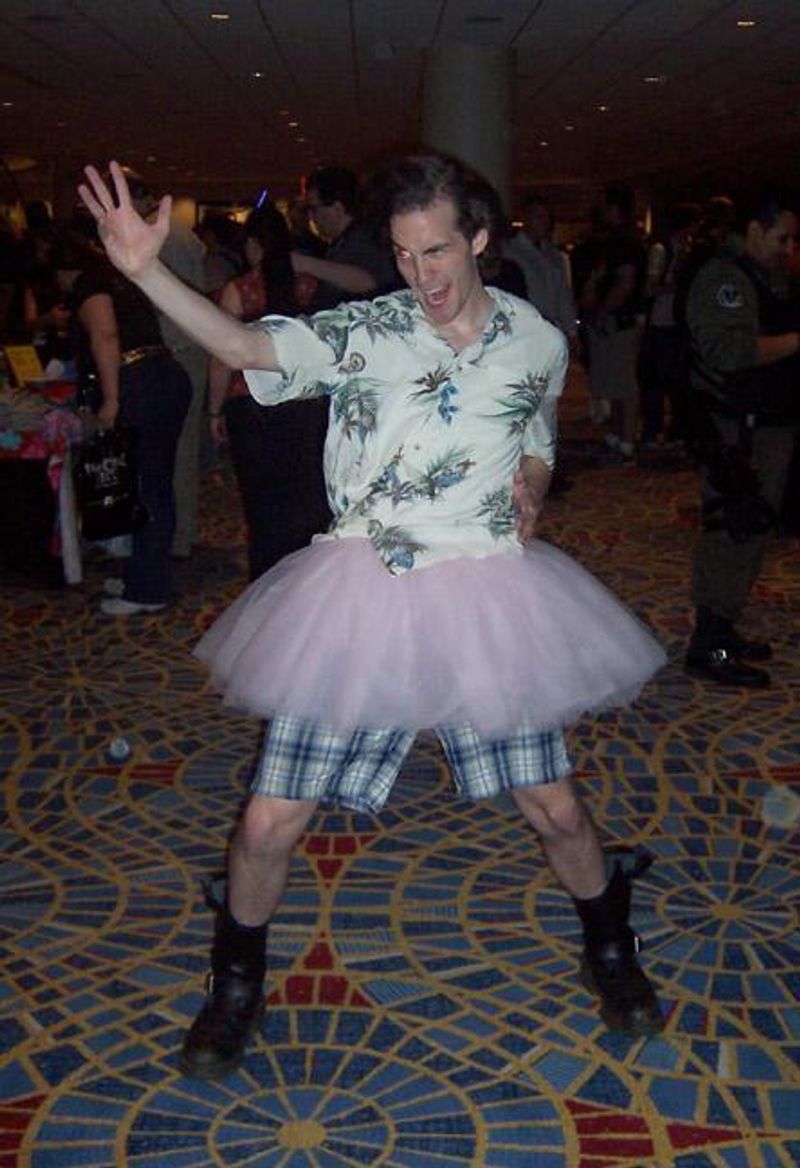
Rubber-faced comedy and unstoppable energy made Jim Carrey unforgettable in this role, with entire generations quoting every line. Yet a pivotal scene near the film’s climax centers on a transphobic reveal treated as the movie’s biggest joke, complete with exaggerated disgust from every character on screen.
Watching it now feels uncomfortable in a way that goes beyond simple awkwardness. Humor built around humiliating a specific group of people just doesn’t land the same way once you’ve grown enough to understand the real-world impact.
Carrey’s physical comedy still holds up beautifully. If only the writers had matched his energy more thoughtfully.
4. Indiana Jones And The Temple Of Doom (1984)

Adventure movies were basically their own food group in the 1980s, and Indiana Jones was the undisputed king. Temple of Doom, however, leaned hard into caricatures of Indian culture that many viewers found deeply offensive even at the time of release.
The film portrays Indian villagers as primitive and helpless, waiting for a white hero to save them.
Chilled monkey brains at the dinner table scene became legendary, though it was rooted in mockery of non-Western cuisine. Even Steven Spielberg has expressed regret about certain elements of the film.
It remains visually spectacular while carrying cultural baggage that deserves honest conversation rather than quiet dismissal.
5. Breakfast At Tiffany’s (1961)
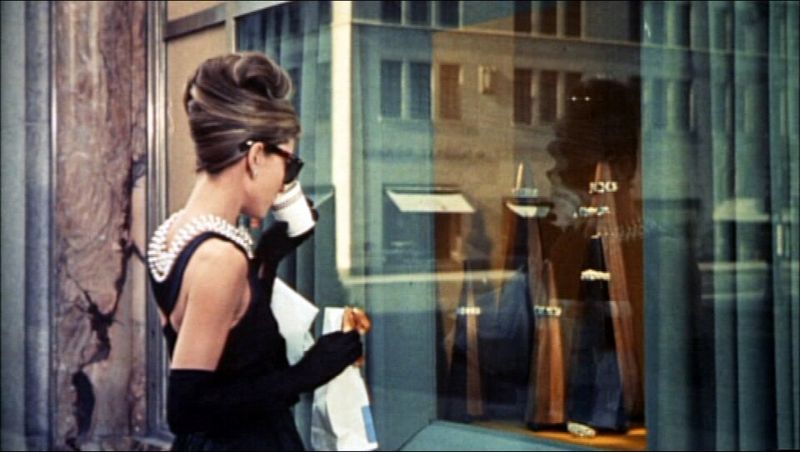
Iconic charm and style define Holly Golightly, a role immortalized by Audrey Hepburn. Yet Mickey Rooney’s portrayal of Mr. Yunioshi, a Japanese neighbor, is so cartoonishly offensive it practically has its own gravitational pull of cringe.
He wore prosthetic teeth, taped his eyes, and spoke in an exaggerated accent throughout every scene.
Even Rooney himself later admitted he regretted taking the role. Hollywood’s history of casting white actors in Asian roles, known as yellowface, is a painful chapter that Breakfast at Tiffany’s represents in embarrassingly vivid color.
Holly Golightly deserved a better supporting cast, and audiences deserved better storytelling choices altogether.
6. Gone With The Wind (1939)
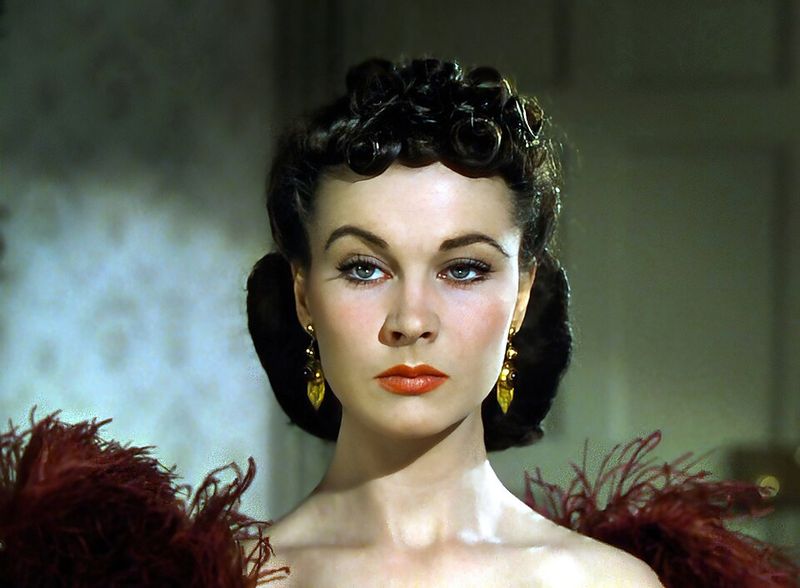
For decades, Gone With the Wind was considered the greatest American film ever made, sweeping ten Academy Awards and breaking box office records worldwide. Revisiting it now reveals a deeply troubling romanticization of the antebellum South, where enslaved people are portrayed as happy, loyal servants rather than human beings living under brutal oppression.
Mammy and Prissy, two Black characters, are written almost entirely as comic stereotypes rather than fully realized people. HBO Max famously added a disclaimer before streaming the film in 2020.
Appreciating the technical achievement of a 1939 epic doesn’t require pretending its racial politics were anything other than a harmful, whitewashed fantasy of history.
7. Big (1988)
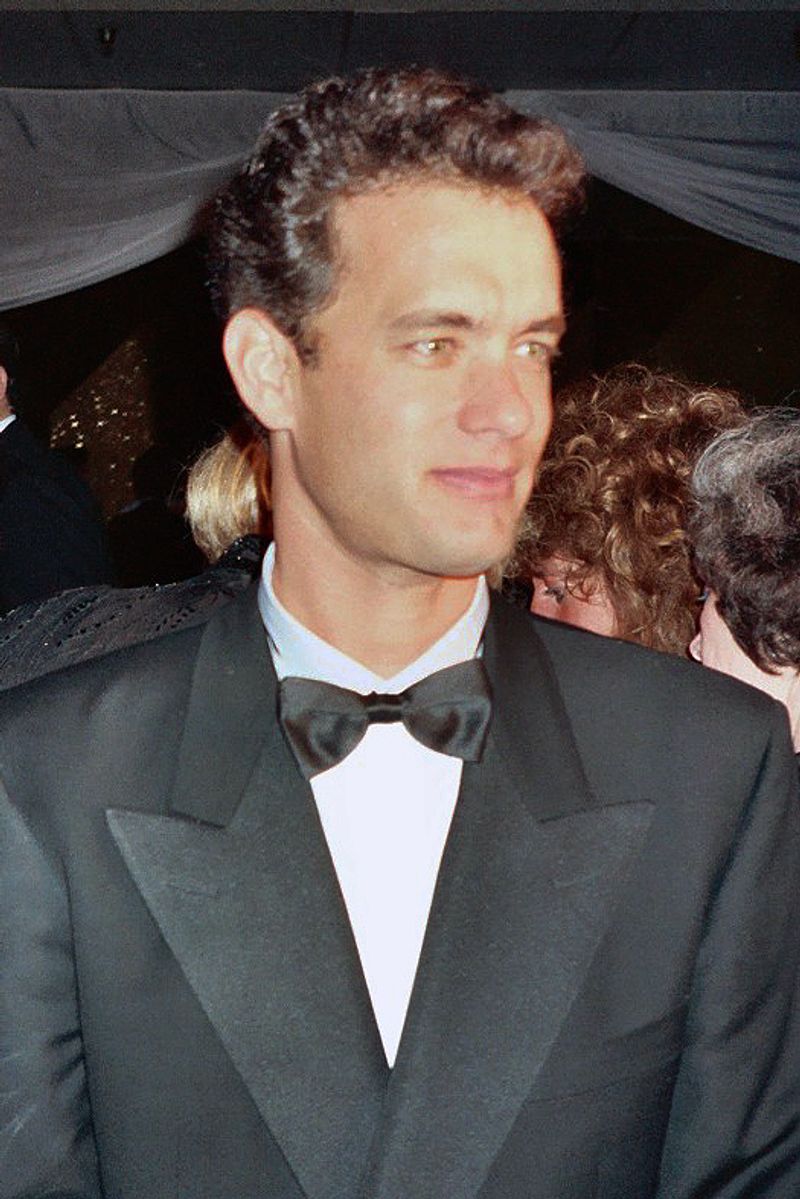
Tom Hanks was absolutely magnetic as Josh, a 13-year-old boy magically transported into an adult body. However, the romantic subplot between Josh and an adult woman named Susan is genuinely uncomfortable once you stop and think about what’s actually happening.
Susan believes she’s dating a grown man, but she is essentially in a relationship with a middle schooler.
No amount of Tom Hanks charisma fully erases how strange that storyline becomes under adult scrutiny. The film handles it with surprising lightness, never once pausing to address the obvious ethical issue at hand.
Big remains a genuinely fun movie in many ways, though the romance subplot deserves way more critical examination than it typically receives.
8. Aladdin (1992)
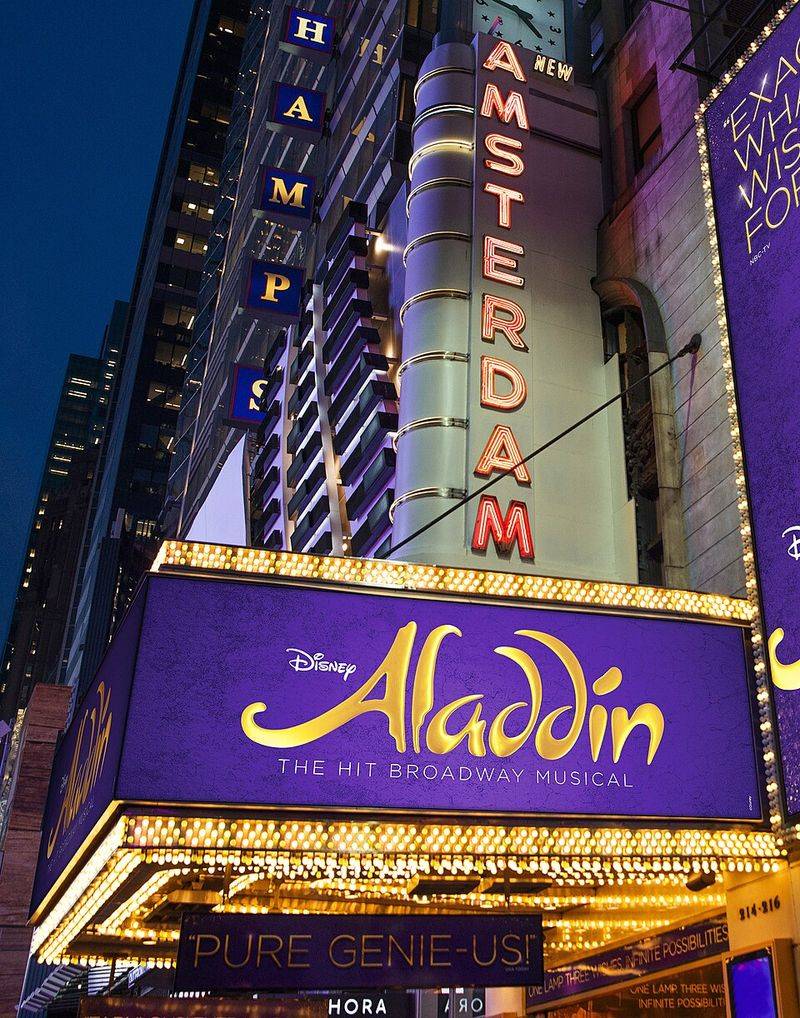
Humor, romance, and Robin Williams’ legendary genie performance helped Disney’s Aladdin enchant an entire generation. Yet the original opening song included a lyric describing the Arabian homeland as barbaric, a word that sparked immediate controversy when the film released.
Disney later changed the lyric for home video, responding to valid criticism from Arab American advocacy groups.
Beyond the song, many background characters lean on broad Middle Eastern stereotypes, portraying merchants as sneaky and aggressive. Aladdin himself, notably lighter-skinned and American-accented, is framed as the civilized exception.
How a studio creates a love letter to a culture while simultaneously caricaturing it remains one of animation’s most complicated and important ongoing conversations.
9. The Little Mermaid (1989)

Ariel’s story captured hearts worldwide, making The Little Mermaid one of Disney’s most beloved classics. However, rewatching it as an adult reveals a central message that deserves a raised eyebrow or two.
A 16-year-old girl gives up her voice, her family, and her entire world for a man she has never actually spoken to even once.
King Triton, meanwhile, is portrayed as the villain for trying to protect his teenage daughter from reckless decisions. The film accidentally teaches young viewers that true love justifies abandoning everything you are for someone who barely knows you exist.
Ariel’s adventurous spirit is genuinely wonderful. If only the story had let her keep her voice AND her prince.
10. Peter Pan (1953)
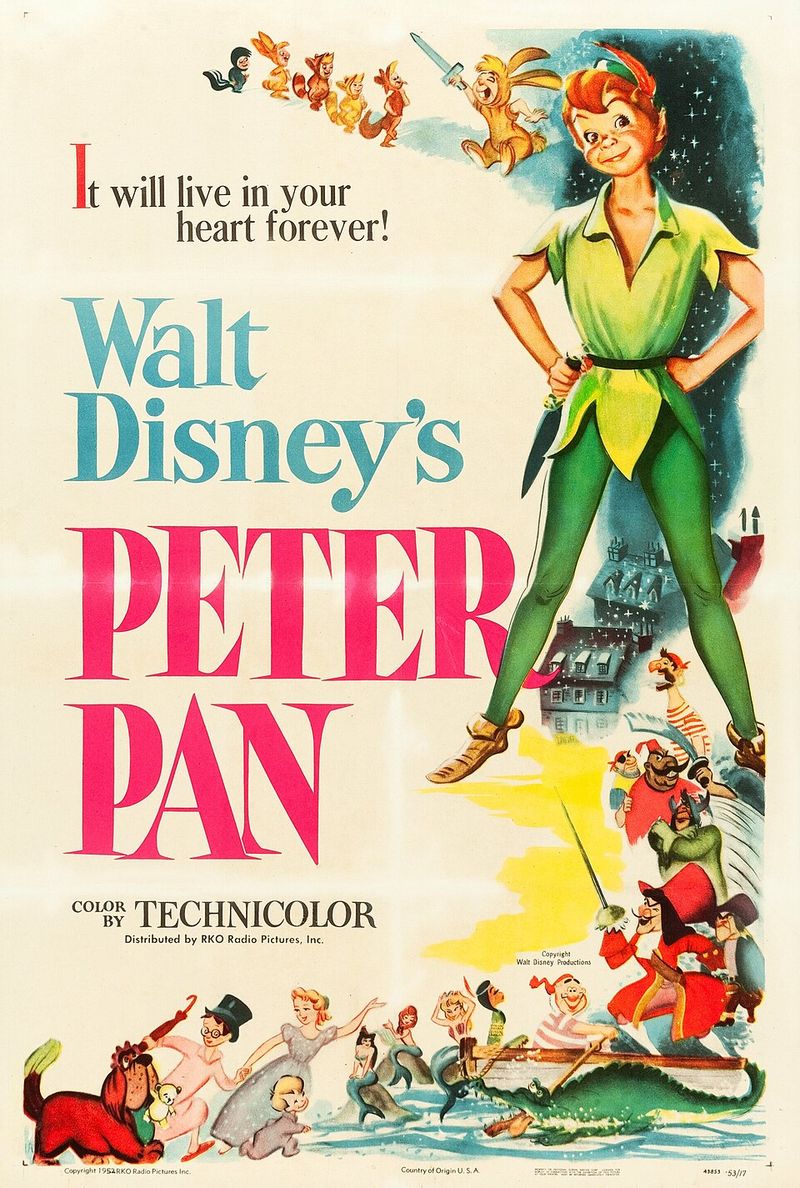
Peter Pan soaring over London rooftops remains one of animation’s most magical images. However, the film includes a deeply offensive musical number called What Makes the Red Man Red, which portrays Native American people as childlike, primitive caricatures complete with exaggerated “war whoops” and broken English dialogue throughout the entire sequence.
Disney’s own streaming service now places a content warning before the film, acknowledging the harmful stereotyping. Tiger Lily, the only significant Native character, has almost no personality beyond being a prop for the plot.
A story about the magic of childhood imagination deserved far better than reducing an entire culture to a punchline dressed up in feathers and face paint.
11. Dumbo (1941)
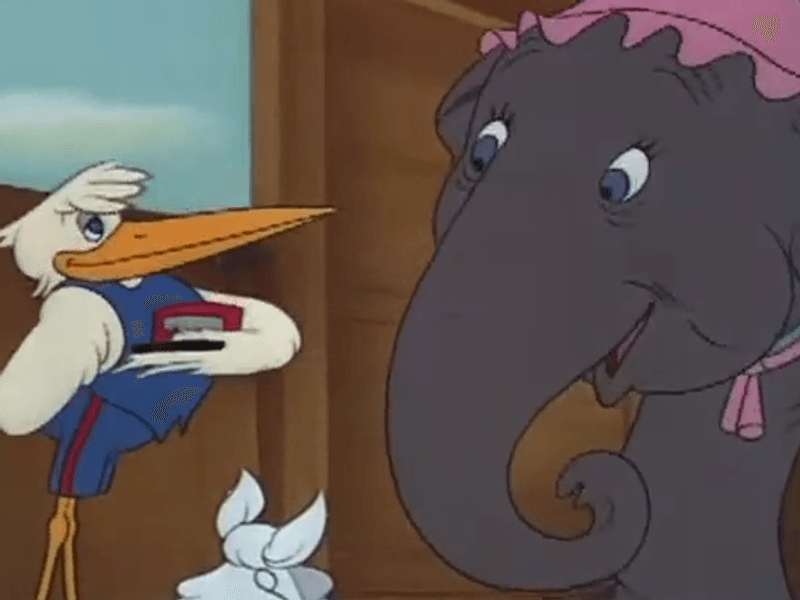
Heart and resilience define the tale of a small elephant who discovers strength in the very trait that once invited ridicule. Disney’s Dumbo still carries emotional weight, celebrating courage, acceptance, and the idea that differences can become sources of power.
Yet a group of crows appears coded as Black characters through exaggerated dialect and mannerisms, including one named Jim Crow, a reference tied to the racial segregation laws once enforced across the American South.
The name alone is a staggering choice that speaks volumes about the era’s casual racism embedded in mainstream entertainment. Disney Plus added a content advisory to Dumbo acknowledging its harmful racial depictions.
Recognizing the film’s emotional core doesn’t require ignoring the parts that reflect a painful history of stereotyping that real communities lived through every single day.
12. Mulan (1998)
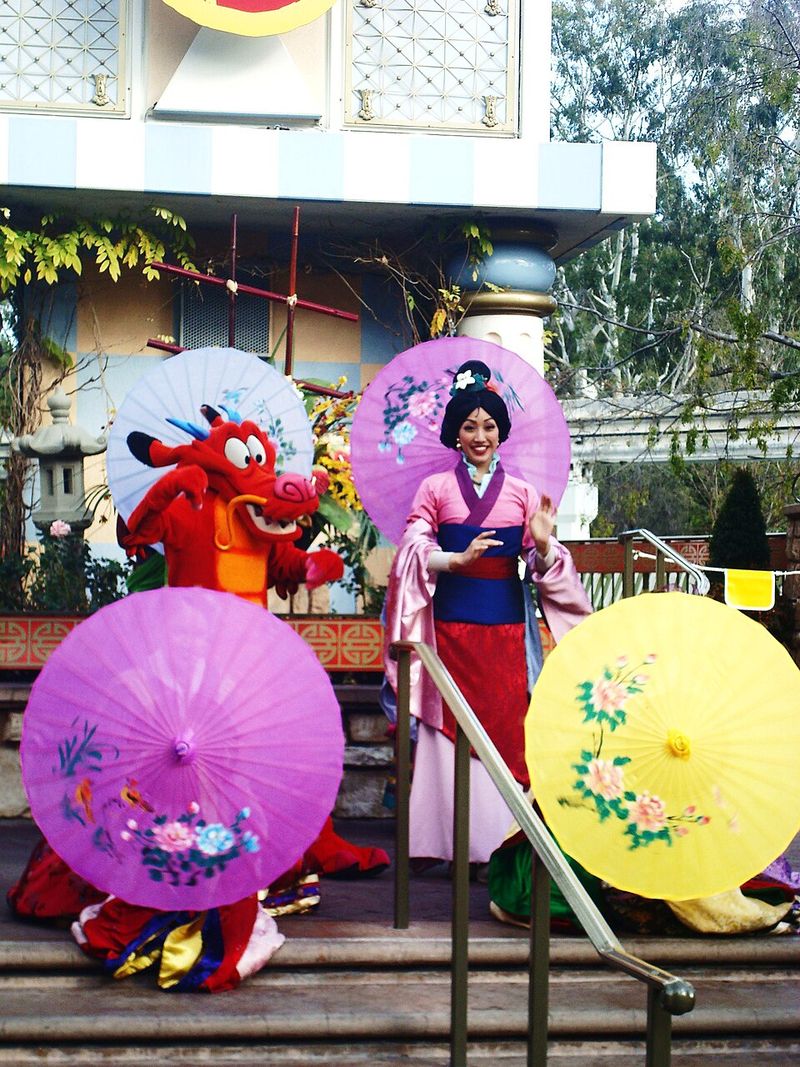
Disguised as a soldier to protect family, a determined heroine rises through courage and strategy to save an entire nation. Disney’s Mulan stands among the studio’s most empowering animated stories, following a young woman who risks everything for loved ones and ultimately changes the course of a war.
However, the portrayal of ancient Chinese culture leans heavily on surface-level aesthetics rather than deeper cultural research, borrowing visual elements loosely and blending them into a generaliz
Several Chinese viewers and scholars have noted inaccuracies and oversimplifications that flatten a rich, complex civilization into a backdrop for a Western hero’s journey template. Mulan’s bravery remains inspiring and worth celebrating loudly.
Acknowledging where cultural representation falls short helps future storytellers do better and honor the source material more fully.
13. Breakfast Club (1985)

A legendary teen drama earned iconic status by capturing teenage loneliness and connection better than almost any film before or since. However, Brian Johnson’s subplot ends with him writing everyone else’s essay while receiving nothing meaningful in return, a detail many viewers miss while focusing on the emotional finale.
Additionally, Bender’s relentless harassment of Claire throughout the story is framed as edgy flirting rather than the uncomfortable boundary crossing it actually represents.
Claire ultimately ends up with Bender despite his behavior, sending a mixed message about what romantic pursuit should look like. The film’s emotional honesty still resonates powerfully.
A few of its relationship dynamics, however, deserve more critical conversation than nostalgic rewatches typically allow.
14. Hook (1991)

Hook gave an entire generation the gift of Robin Williams playing a grown-up Peter Pan rediscovering his inner child, and honestly, that premise still slaps. However, Tinker Bell’s characterization leans heavily on the idea that her entire purpose is romantic devotion to Peter, fueled by jealousy of any woman who gets near him.
Her emotional arc essentially revolves around a man who barely notices her existence.
Beyond Tinker Bell, the film’s portrayal of the Lost Boys borders on chaos-for-chaos’s sake without much depth for any character beyond Peter himself. Hook remains a wildly fun adventure.
Still, fairy characters and female sidekicks in general deserved far more agency and complexity than Hollywood was typically willing to give in 1991.