15 Christian Pop Artists From The 1970s Worth Revisiting
Hey there, friend. Pull up a chair and dust off that old turntable for a second.
Long before streaming playlists and arena worship lights, a few brave musicians were plugging in electric guitars and sliding onto piano benches with something new to say. The 1970s felt like the moment faith put on denim, grew out its hair a little, and decided it could sing about real life without whispering.
If you remember flipping that vinyl over to side two, you already know the feeling. And if you are discovering these songs now, welcome to the kind of nostalgia that sounds better every time the needle drops.
1. Amy Grant
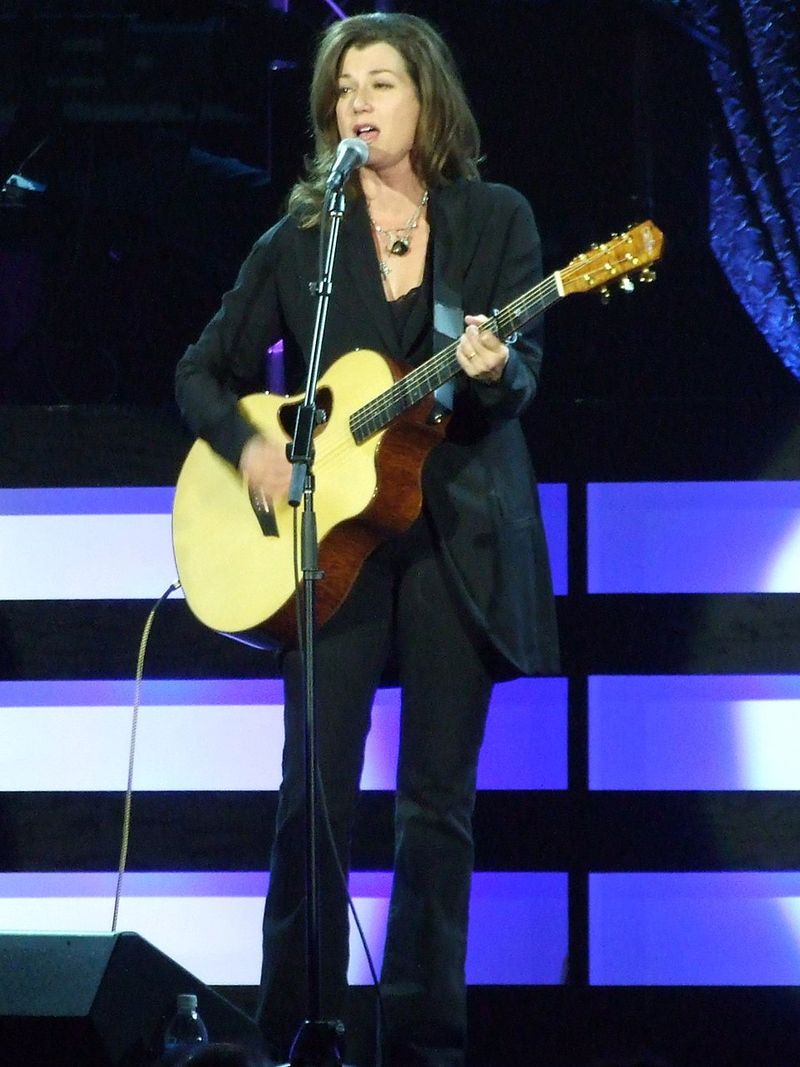
Teenage songwriter walks into a recording studio carrying little more than raw talent and pages of handwritten lyrics.
Amy Grant released her self-titled debut album in 1977 while still a teenager, and her follow-up era soon brought a major milestone when the title track ‘My Father’s Eyes’ became her first Christian No. 1 hit.
Blend of softness and resolve in her voice transformed hymn-inspired themes into songs that resonated on mainstream radio. Morning routines often felt brighter with those melodies playing in the background.
Career path positioned her as a link between traditional gospel roots and younger listeners seeking music that sounded both sincere and contemporary.
2. Andraé Crouch
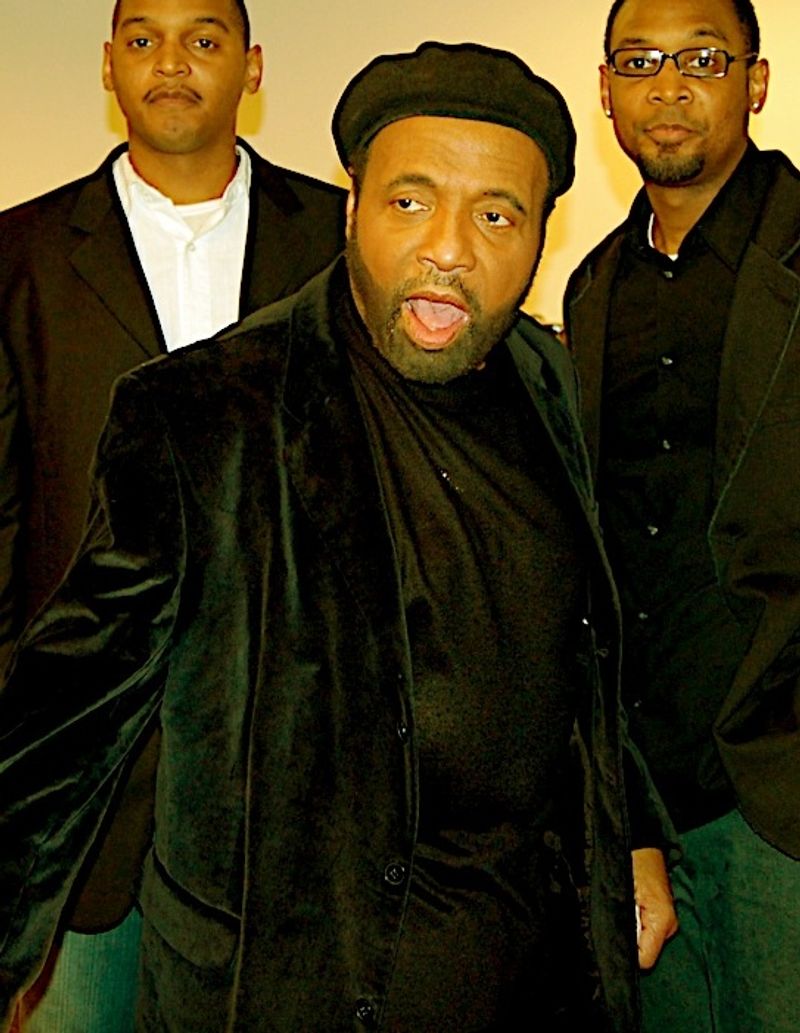
Crouch didn’t just write songs; he penned anthems that entire congregations would sing for decades. His fingers danced across piano keys with the kind of joy that made even the shyest listener want to clap along.
“The Blood Will Never Lose Its Power” became a staple in churches worldwide, blending traditional gospel roots with contemporary arrangements that felt both timeless and urgent.
By transforming Sunday mornings into festivities, his music demonstrated that rhythm and devotion could coexist. Each chord sequence weighed the weight of unquestionable groove and sincere belief.
3. Keith Green
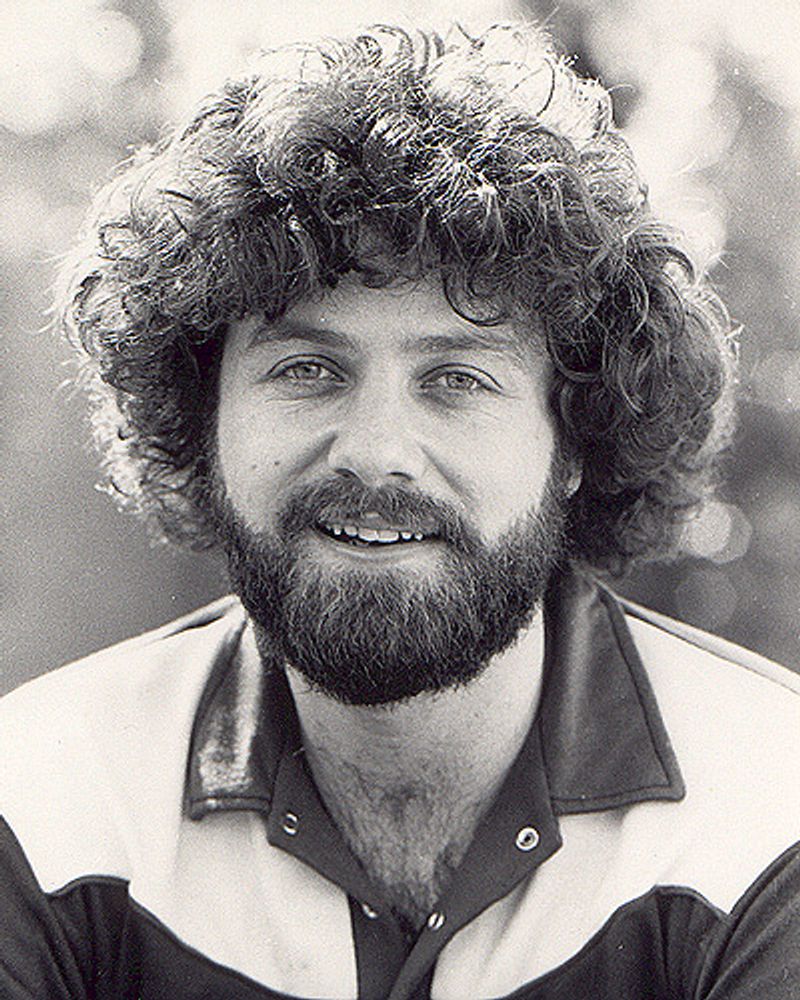
Keith Green’s performances often resembled open confessions rather than traditional concerts.
Piano-driven ballads reached directly into questions of faith and commitment that many listeners hesitated to voice. “Oh Lord, You’re Beautiful” removed ornamentation and focused on unguarded emotion and sincere devotion.
Throughout his work, he urged audiences to examine their spiritual lives instead of resting in easy assurances.
Late-night listening sessions with his records frequently turned into quiet stretches of reflection, with pauses that invited deeper thought.
4. Larry Norman

To the surprise of traditional churchgoers, Norman turned the electric guitar into a tool for evangelism.
His album “Only Visiting This Planet” tackled social issues alongside spiritual themes, proving that Christian rock could be both edgy and thoughtful. He sang about faith with the same intensity as any secular rocker sang about love or rebellion.
Critics called him controversial; fans called him revolutionary. His music became the soundtrack for believers who wanted to engage with culture rather than retreat from it, turning faith into something vibrant and unafraid.
5. Randy Stonehill
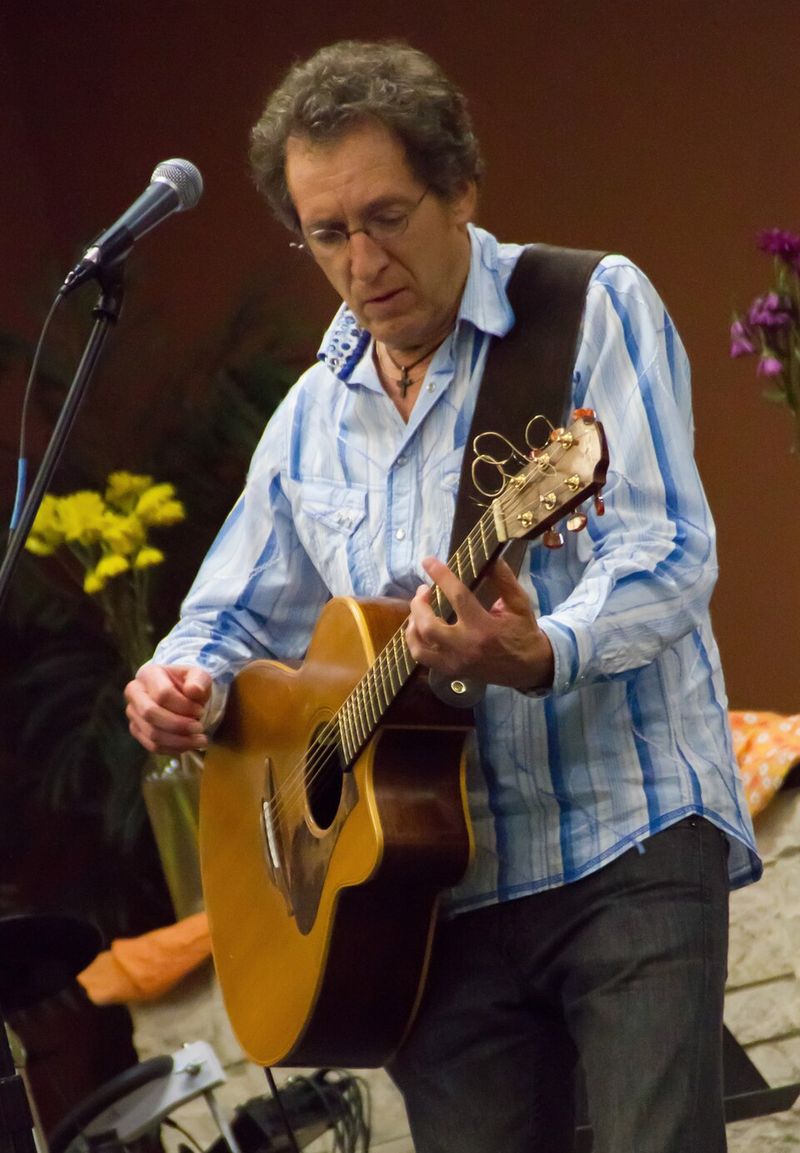
Randy Stonehill’s folk-rock style blended West Coast brightness with the sincerity that defined the early Jesus Movement.
Acoustic textures and conversational lyrics gave his songs the feel of talks shared between old friends, wrestling with doubt and belief in equal measure.
“Born Twice” highlighted his storytelling instinct, threading parable-like reflections into melodies that lingered long after the record stopped spinning.
Rather than delivering sermons, he offered personal experience and welcomed listeners to travel alongside him. Long drives gained a quiet depth when his records filtered through slightly worn car speakers.
6. Phil Keaggy

Keaggy’s guitar work could make even non-musicians stop mid-conversation and ask, “Who is that playing?”
His instrumental prowess earned respect far beyond Christian music circles, with critics comparing him to the best guitarists of any genre.
Albums like “What A Day” and “Love Broke Thru” balanced technical brilliance with heartfelt worship, never letting skill overshadow substance. Each note seemed intentional, chosen not just for sound but for meaning.
Quiet evenings felt complete with his fingerpicking patterns filling the room, turning ordinary moments into something almost sacred.
7. The Imperials
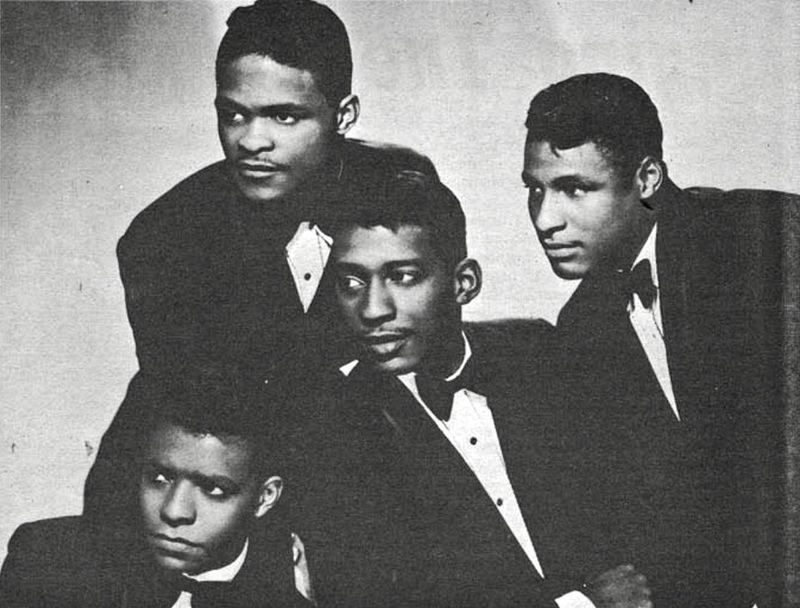
Few vocal groups matched the precision of The Imperials’ four-part harmonies on stage.
Carefully polished arrangements linked Southern gospel roots with emerging contemporary Christian pop, widening their audience beyond church circles.
Time spent touring with Elvis Presley introduced them to mainstream listeners, while songs such as “No Shortage” confirmed their strength as headliners.
Balance among the voices produced layered textures that refreshed even well-known hymns. Sunday afternoon drives often turned into small sing-alongs once their cassettes slid into the tape deck.
8. 2nd Chapter of Acts
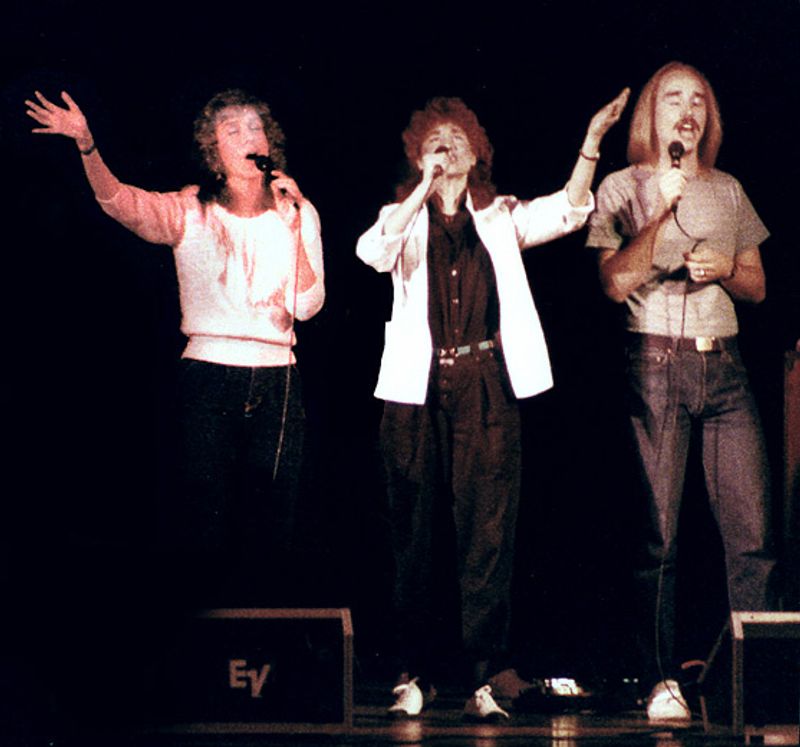
Three voices intertwined like vines on a trellis, creating harmonies so pure they seemed almost otherworldly.
Matthew, Annie, and Nelly Ward sang as if their lives depended on every note, pouring vulnerability into songs that explored both joy and struggle.
Their self-titled album became a Jesus Movement staple, with tracks that felt equally at home in coffeehouses and cathedrals. They proved that family harmony wasn’t just about genetics but about shared passion and purpose.
Kitchen cleanup became worship time when their records spun in the background.
9. Love Song
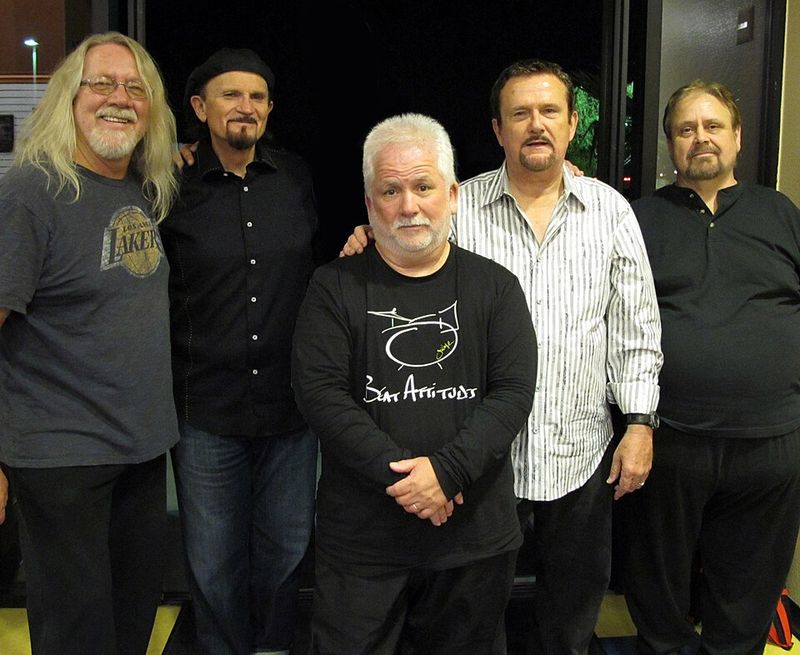
Emerging from the Calvary Chapel movement in Costa Mesa, Love Song reflected a meeting point between counterculture spirit and renewed faith. Gentle folk-rock textures echoed the melodic style of Simon and Garfunkel while carrying the conviction of recent converts telling their stories.
“Welcome Back” extended an invitation to wanderers with melodies that felt comforting rather than admonishing.
Through denim and sandals as easily as through more formal attire, their message showed that belief could thrive in everyday spaces. Evening beach bonfires often took on a reflective tone when their music floated over the sand.
10. Petra
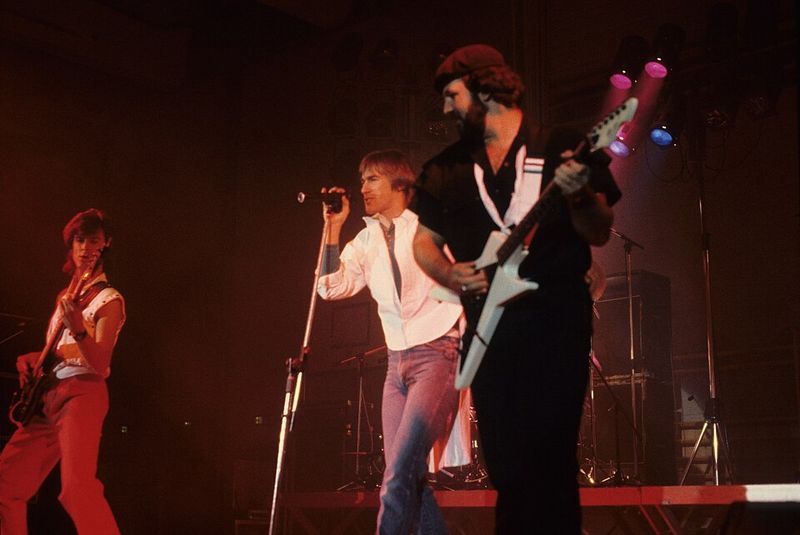
Turning up their amplifiers, Petra questioned the notion that rock music was appropriate for settings other than churches.
Formed in 1972, the band helped shape a style that was boldly loud while remaining openly rooted in faith.
Early releases established a foundation for a career that would span decades, demonstrating that Christian rock could achieve commercial success without losing spiritual depth. Driving power chords carried a sense of defiance toward critics who doubted that belief and electric guitars could share the same stage.
11. Debby Boone
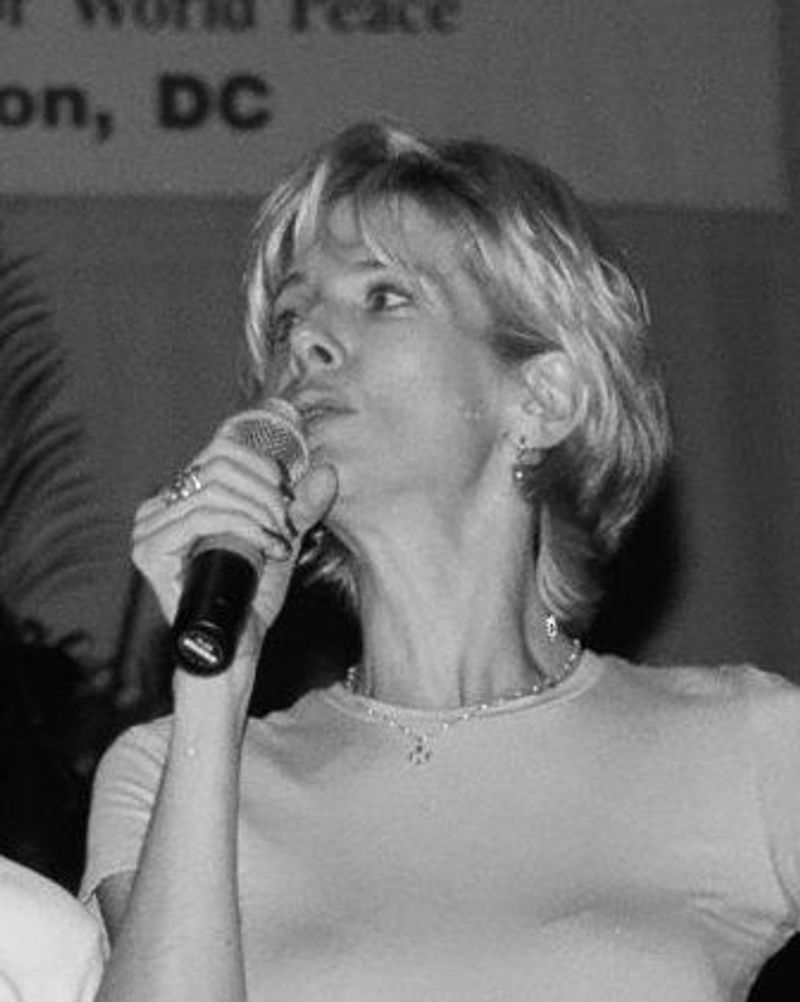
“You Light Up My Life” became an inescapable hit, but Boone’s faith-centered albums revealed depths beyond that crossover smash.
Pat Boone’s daughter carved her own path, blending pop sensibility with spiritual substance in ways that appealed to both Christian and mainstream audiences. Her voice carried sweetness without sacrificing sincerity, making even the simplest lyrics feel meaningful.
Radio stations couldn’t resist her polished sound, and believers appreciated that her success came without compromising her convictions.
Morning coffee tasted better when her gentle melodies floated through the kitchen.
12. B. J. Thomas
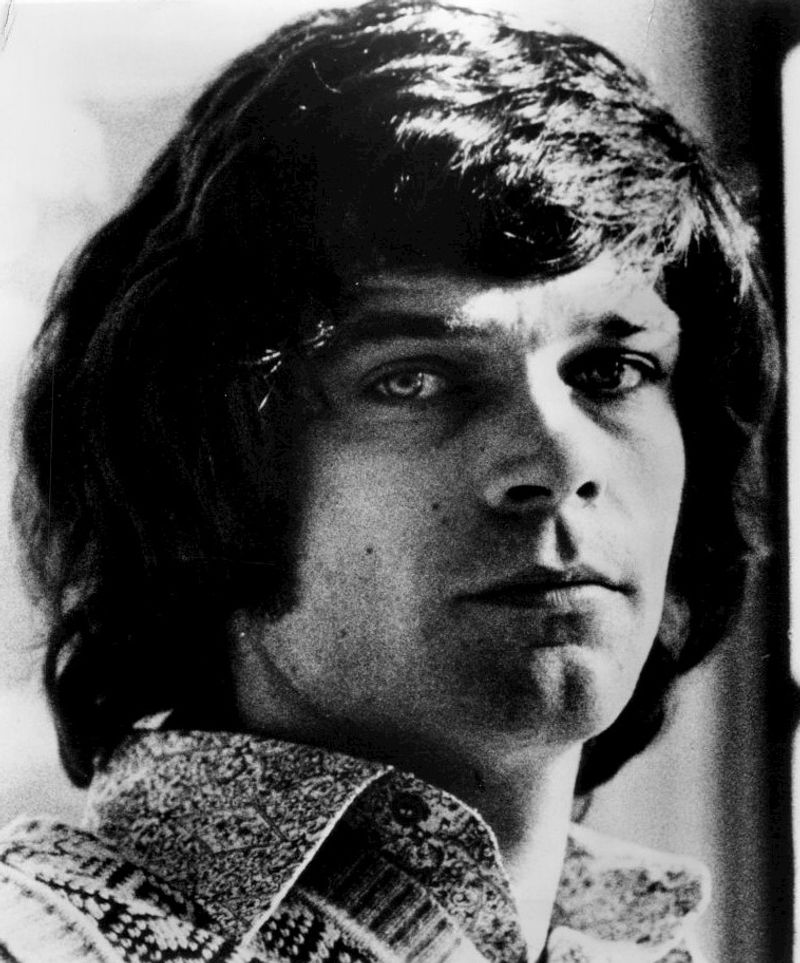
Hits like “Raindrops Keep Fallin’ on My Head” had already put B.J. Thomas at the top of the charts when a spiritual epiphany changed his course.
Renewed faith steered him toward gospel recordings, where the same smooth vocals that fueled his pop success now carried themes of redemption and grace. The Grammy Award-winning song “Home Where I Belong” proved that a well-known artist may switch to Christian music without losing their artistic integrity.
Shift from secular acclaim to a more faith-centered focus offered encouragement to those questioning whether belief and public recognition could exist side by side.
13. Barry McGuire
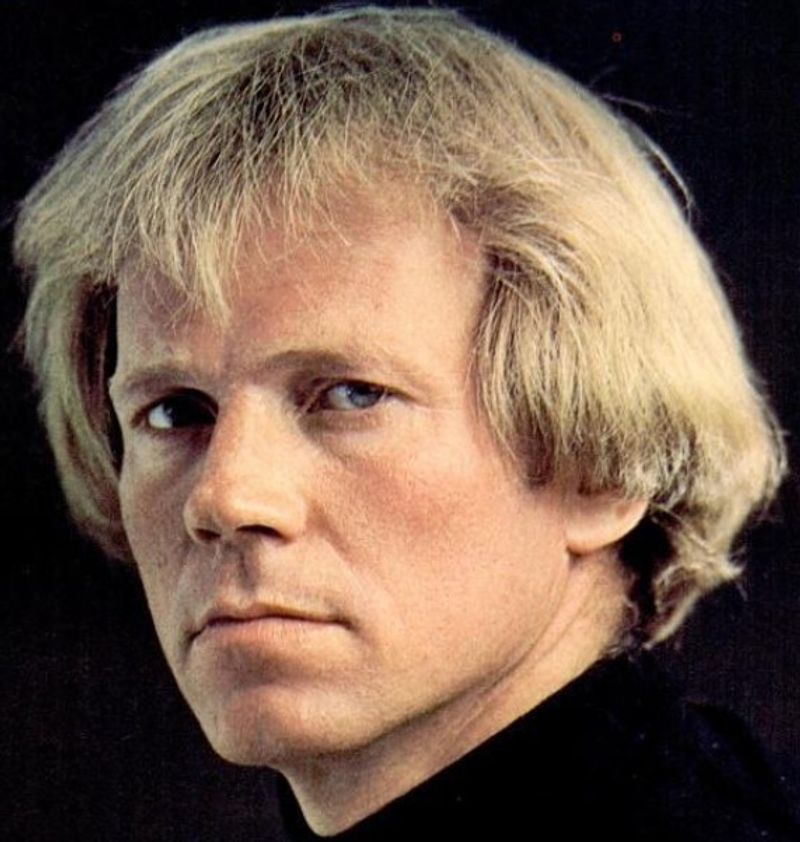
McGuire’s raspy voice had already warned about the “Eve of Destruction” before he found peace in faith.
His post-conversion albums traded protest anthems for praise songs, though his folk-rock sensibility remained intact.
“Cosmic Cowboy” and other Jesus Music recordings showed that his edge hadn’t dulled; it had simply found a new target. He sang about transformation with the authenticity of someone who had lived through it, making his testimony all the more compelling.
Late-night listening sessions with his albums felt like heart-to-heart conversations with a wise friend who’d seen both darkness and light.
14. Sister Janet Mead
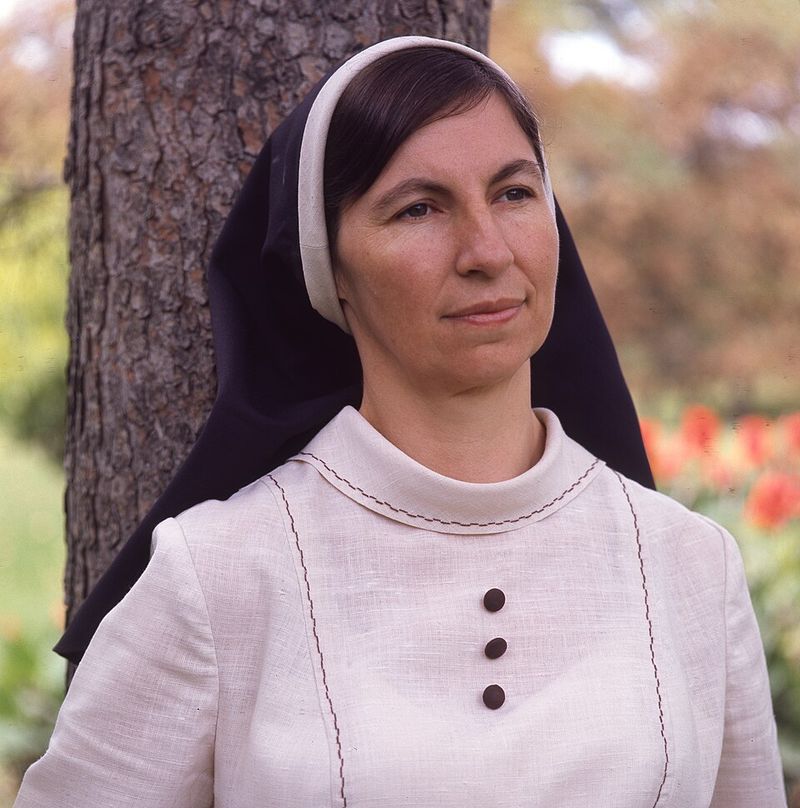
Rock-infused rendition of the Lord’s Prayer by a Catholic nun could have sounded improbable, yet Sister Janet Mead turned it into an international hit. “The Lord’s Prayer” rose on secular charts in multiple countries, showing that centuries-old text could resonate through contemporary production.
Dual identity as both a religious sister and a recording artist intrigued audiences unfamiliar with anything quite like it.
Airplay on mainstream AM stations placed the prayer between pop singles, reaching listeners who might not otherwise encounter it in a church setting.
15. John Michael Talbot
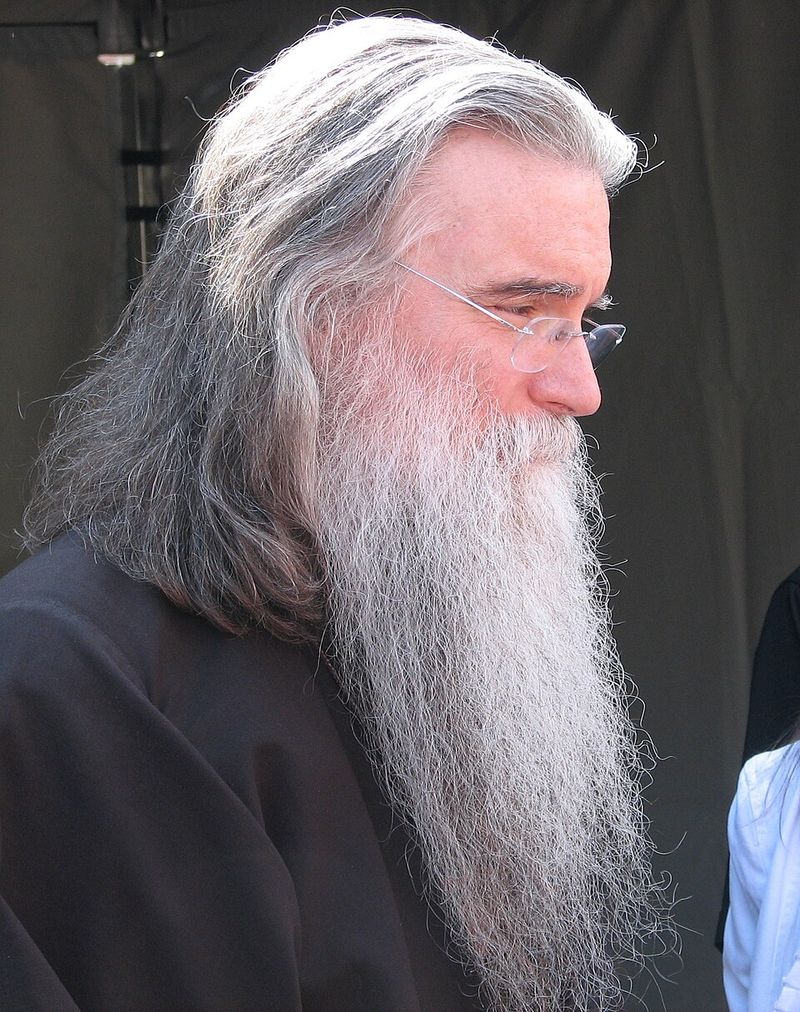
Talbot’s transformation from rock star to Catholic convert and Third Order Secular Franciscan seems to have been lifted from a medieval story and set in the 1970s.
His early Christian albums blended folk simplicity with contemplative depth, creating soundscapes perfect for meditation and prayer. Songs stripped down to essentials, guitar and voice became tools for drawing listeners into sacred spaces.
In a decade that was frequently marked by excess and cacophony, his music offered a different route for those looking for spiritual depth by beckoning silence.
Evening prayers felt richer when his gentle melodies created an atmosphere of peace and reflection.
Disclaimer: The content is provided for general informational and entertainment purposes and reflects a curated editorial perspective on 1970s-era Christian pop and related recordings.