18 Christmas Cookie Traditions From Around The World
Once December arrives, kitchens around the world fill with the scent of cinnamon, butter, and unmistakable holiday magic.
Crispy waffle cookies in Norway, almond shortbread in Spain, and countless other festive treats give each culture its own sweet way to mark the season.
Get ready for a flavor-filled journey that lets your taste buds explore the globe without leaving the comfort of your couch.
Disclaimer:
This article offers general cultural and culinary information for entertainment and inspiration.
Holiday traditions, recipes, and ingredients may vary by region and household.
All descriptions are intended for informational purposes only.
1. Lebkuchen Hearts From Germany
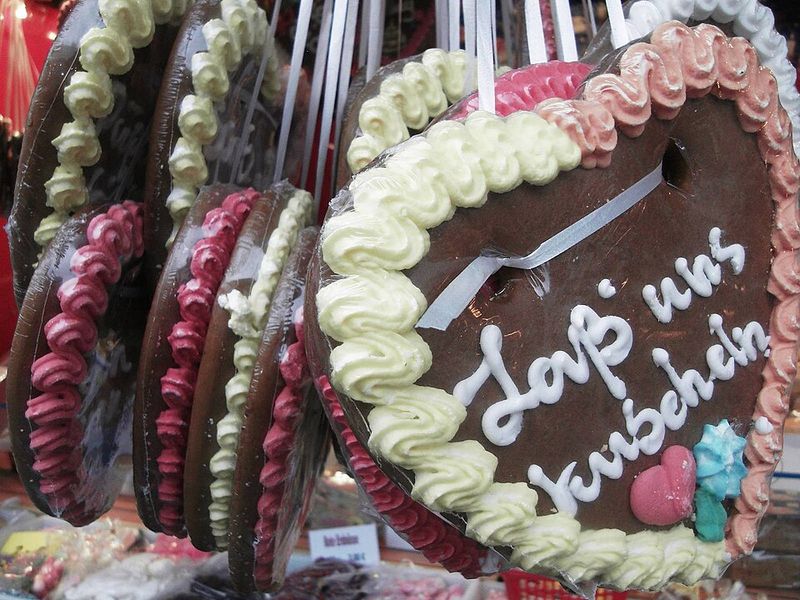
Picture a gingerbread cookie wearing fancy icing like a superhero cape.
Honey, nuts, and warm spices like cinnamon and cloves create that signature flavor that makes German Christmas markets irresistible.
Bakers often decorate them with sweet messages or elaborate designs using royal icing.
Fun fact: These treats date back to medieval times when monks first baked them!
Families hang them as decorations before eventually eating them, because who can resist?
2. Czech Vánoční Perníčky
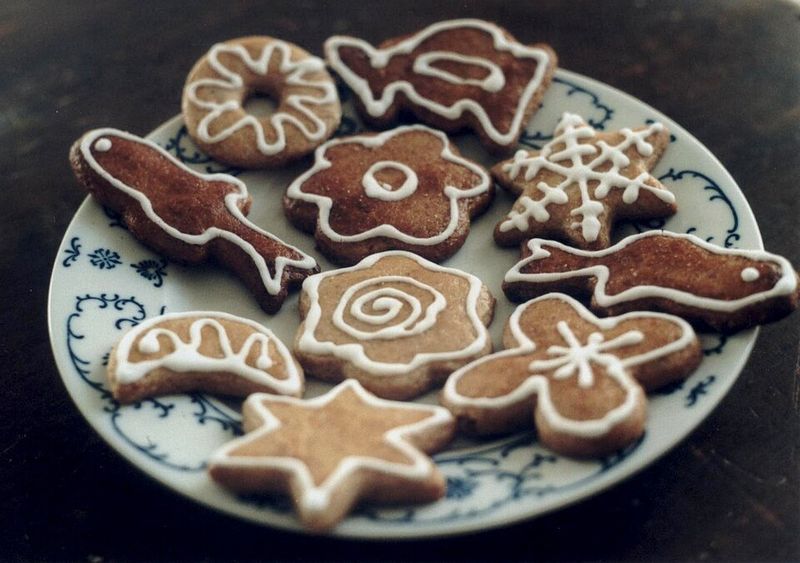
If cookies could tell stories, these gingerbread beauties would have epic tales.
Czech families spend entire December afternoons rolling dough and cutting out stars, hearts, and tiny gingerbread people.
Spices blend together creating that warm, cozy feeling you get from your favorite blanket.
Kids love decorating them with white icing, turning each cookie into edible art.
However, the best part might be how they make your whole house smell like a winter wonderland!
3. Polish Pierniki
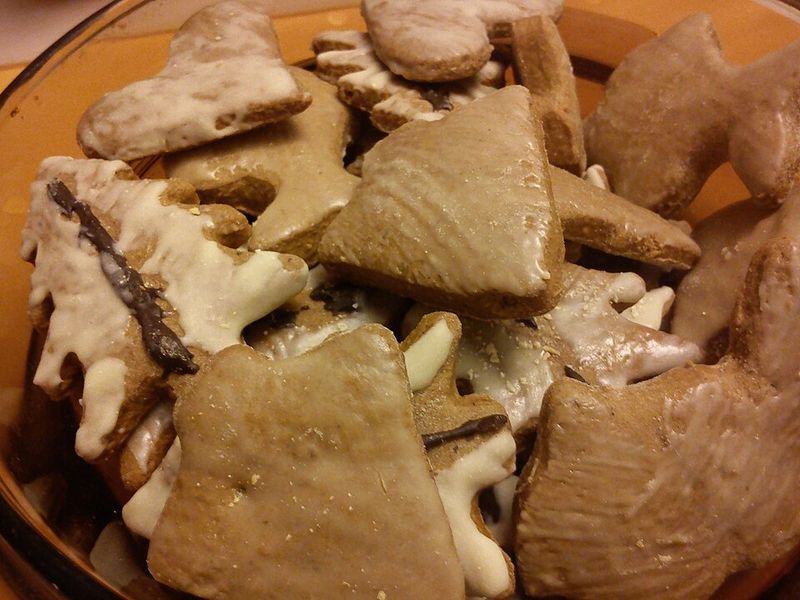
Poland takes gingerbread seriously, like really seriously.
Bakers craft these spiced cookies with recipes passed down through generations, each family guarding their secret ingredient ratio.
Honey sweetness meets bold spices in perfect harmony, creating flavors that dance on your tongue.
Some get chocolate coatings, others stay simple with powdered sugar dusting.
Though they appear at markets year-round, Christmas brings out the fanciest versions with elaborate decorations that look almost too pretty to eat.
4. Swedish Pepparkakor
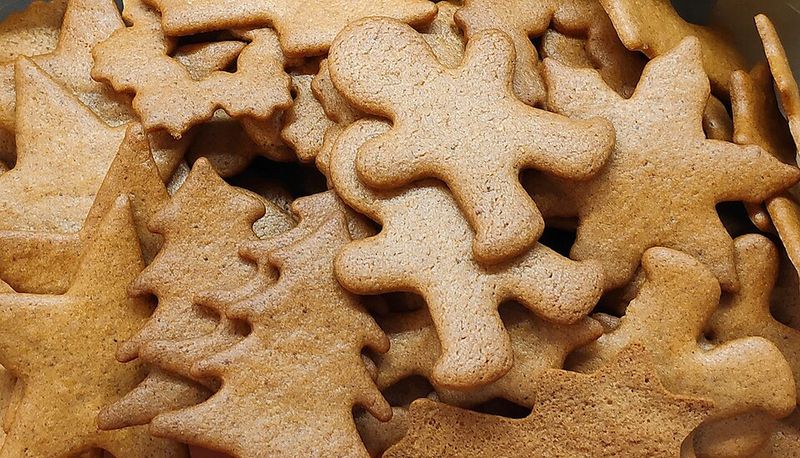
Snap, crackle, and absolutely delicious!
Swedish kids make wishes by placing these thin ginger cookies in their palms and tapping the center.
If it breaks into three pieces, legend says your wish comes true.
Ginger, cinnamon, and cloves give them that signature kick that wakes up your taste buds.
Families compete to roll them thinner than paper, because thinner means crispier, and crispier means better bragging rights at holiday gatherings.
5. Norwegian Krumkake
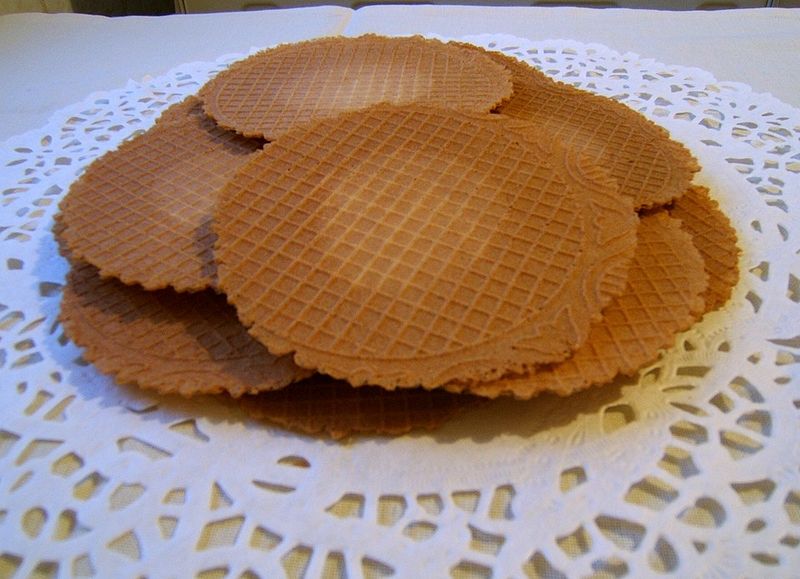
Imagine a cookie that started life as a waffle and decided to become something fancier.
Bakers press batter between hot iron plates creating delicate patterns, then quickly roll them into cone shapes while still warm.
Timing matters here – wait too long and they become too firm to roll if they cool for even a moment.
Vanilla and cardamom flavors make them taste like edible snowflakes.
Norwegian grandmas have been perfecting this technique for centuries, and honestly, they nailed it!
6. Finnish Joulutorttu
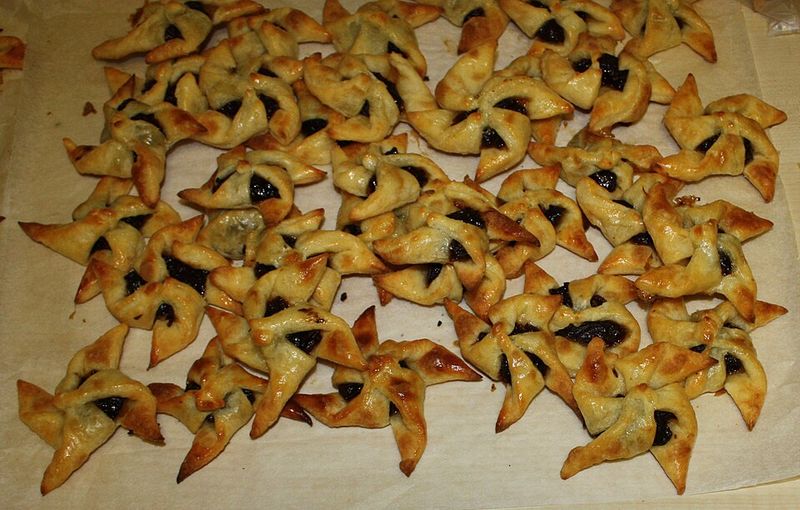
Star-shaped pastries that look like edible origami!
Finnish bakers fold puff pastry corners toward the center, creating four-pointed stars that hold sweet prune jam.
Before you say eww to prunes, trust the process, the filling tastes like concentrated Christmas magic.
Golden, flaky edges contrast perfectly with the dark, glossy center.
Every December, Finnish kitchens produce thousands of these little stars, because one batch never survives long enough to make it through the holidays.
7. Alsatian Bredele
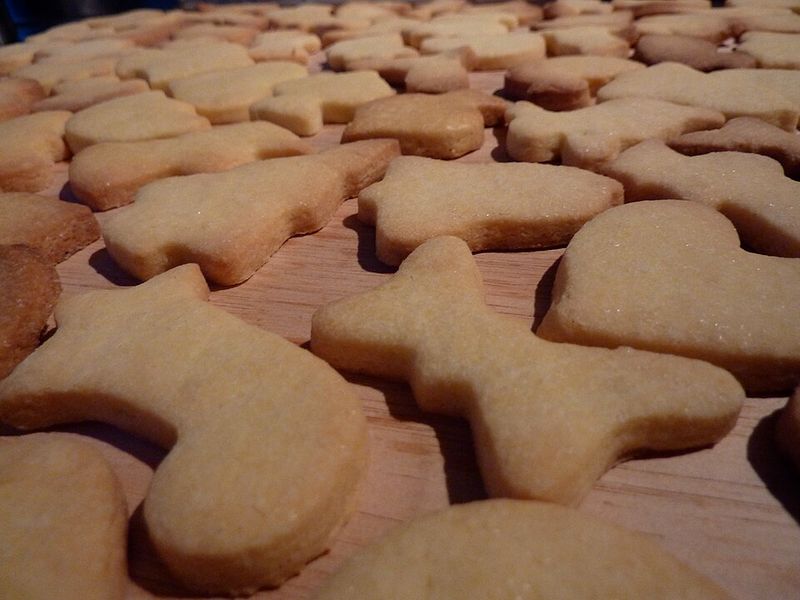
Alsace takes the everything bagel approach to Christmas cookies.
Families bake not one, not two, but dozens of different varieties throughout December.
Anise stars, cinnamon crescents, chocolate dipped rounds, and jam-filled sandwiches all share the same festive platter.
Grandmothers guard recipe books like dragon treasure, each page stained with butter and dusted with flour from decades of use.
Walking into an Alsatian home during Christmas feels like entering a bakery where every cookie tells its own delicious story.
8. Speculaas Windmill Cookies
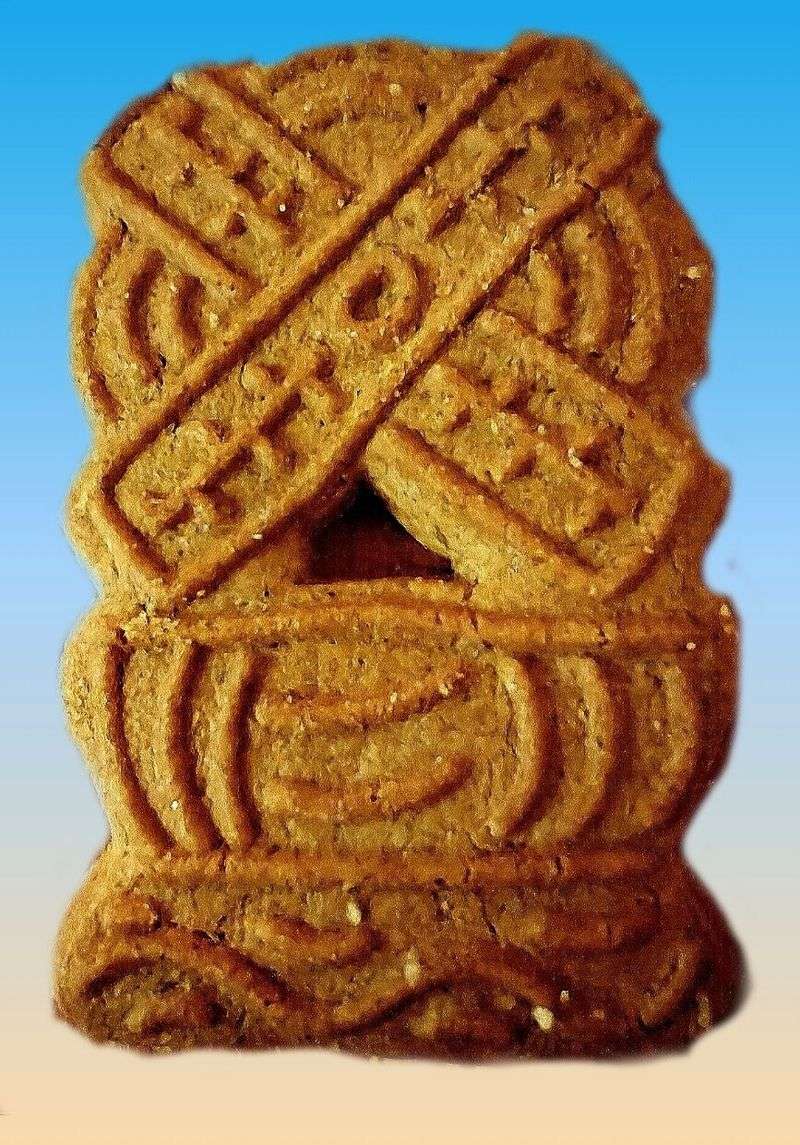
Wooden molds press intricate windmill designs into these spiced cookies, making them look like edible postcards from the Netherlands.
Cinnamon, nutmeg, cloves, and cardamom team up like a perfect team of warm spices to create unforgettable flavor.
Bakers throughout Belgium, Netherlands, and Germany each claim to make the best version.
Honestly, they all win because speculaas cookies are basically perfect.
Pair them with hot cocoa and suddenly your living room feels like a cozy European café, minus the expensive plane ticket!
9. Italian Ricciarelli
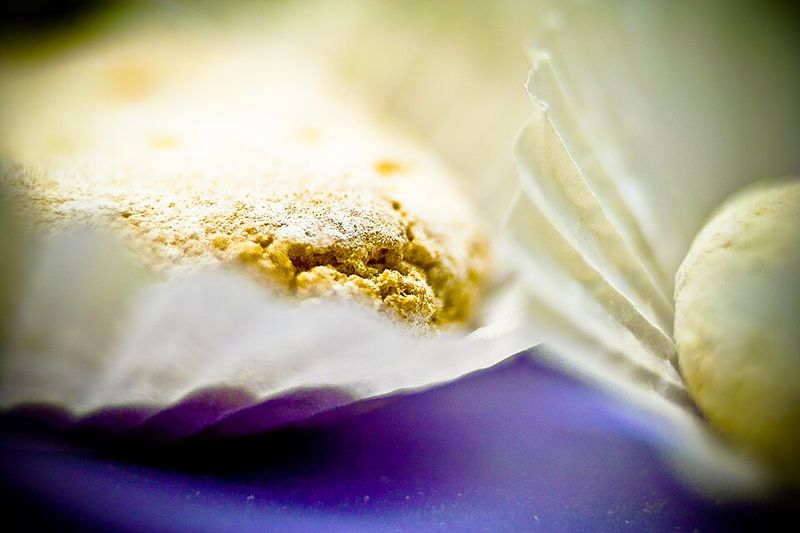
Siena gave the world these chewy almond clouds that practically melt on your tongue.
Ground almonds replace most flour, creating texture somewhere between marzipan and macarons.
Orange zest and vanilla add brightness while powdered sugar coating adds sweetness without overwhelming delicate almond flavor.
Legend traces them back to a knight returning from the Crusades, though honestly they taste way better than any old folktale.
One bite and you’ll understand why Italians have kept this recipe alive for centuries!
10. New Mexican Biscochitos
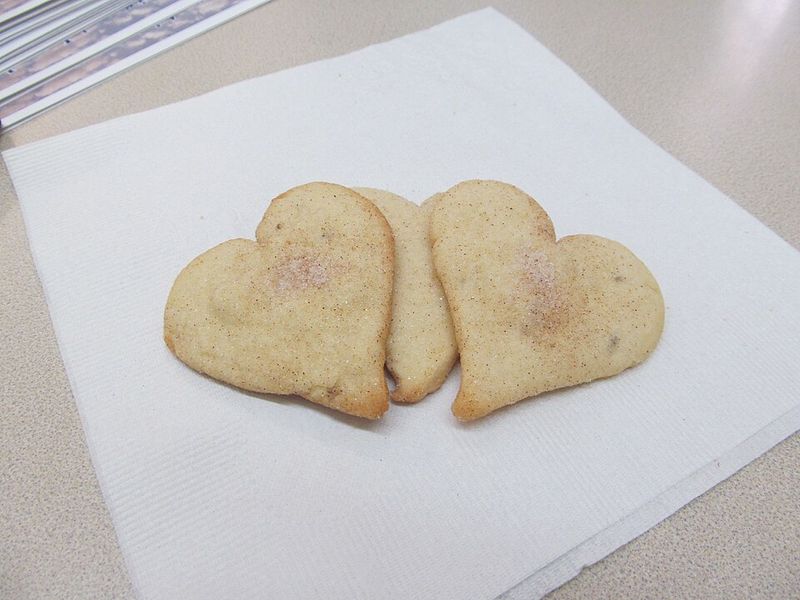
New Mexico’s official state cookie brings Spanish heritage to American holiday tables!
Anise seeds give them distinctive licorice notes that divide cookie lovers into passionate fans or confused skeptics.
Lard makes them extra flaky – yes, lard sounds weird, but it creates texture butter simply cannot match.
Cinnamon sugar coating adds sparkle and sweetness to every bite.
Families pass down recipes like heirlooms, each generation tweaking ratios while maintaining that authentic New Mexican flavor that tastes like home.
11. North American Sugar Cookies
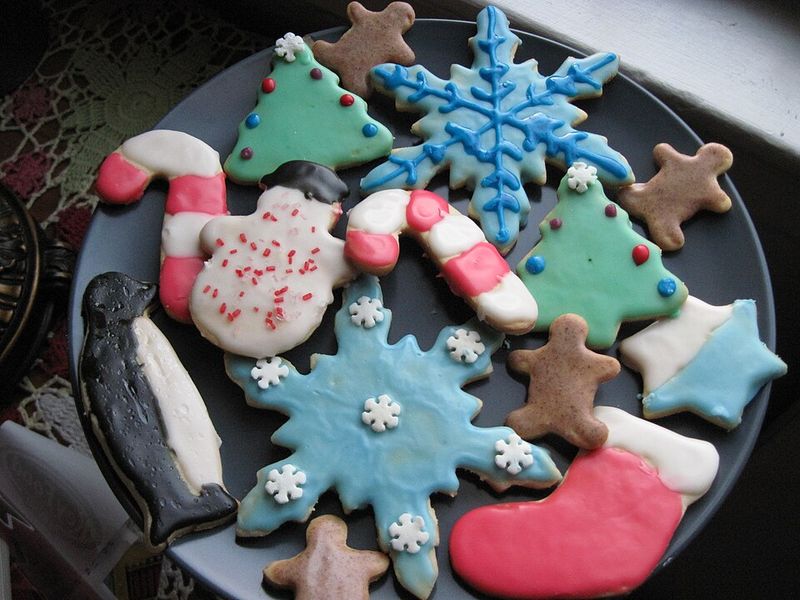
Cookie decorating parties turn ordinary December evenings into frosting-covered art sessions.
Kids armed with piping bags transform simple sugar cookie cutouts into colorful masterpieces.
Reindeer get googly candy eyes, Christmas trees wear sprinkle ornaments, and snowmen sport frosting scarves in every color imaginable.
Sure, half the icing ends up on fingers, faces, and somehow the ceiling, but that’s part of the magic.
Instagram has turned cookie decorating into competitive sport, but honestly, the lopsided ones taste just as good!
12. Spanish Polvorones
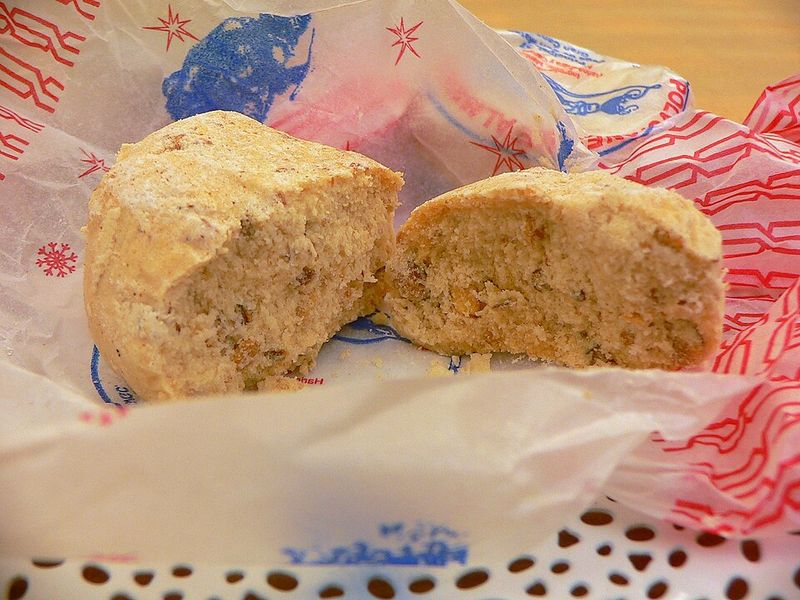
Warning: These crumbly cookies require strategic eating techniques to avoid powdery avalanches!
Almonds, flour, and lard create texture so delicate they practically disintegrate when you unwrap them.
Spanish families wrap each cookie individually in paper, making them look like tiny edible presents.
Cinnamon or lemon zest variations add subtle flavor twists to the buttery base.
Pro tip from locals: pop the whole thing in your mouth at once, or prepare for your shirt to wear half the cookie as decoration!
13. Filipino Polvoron
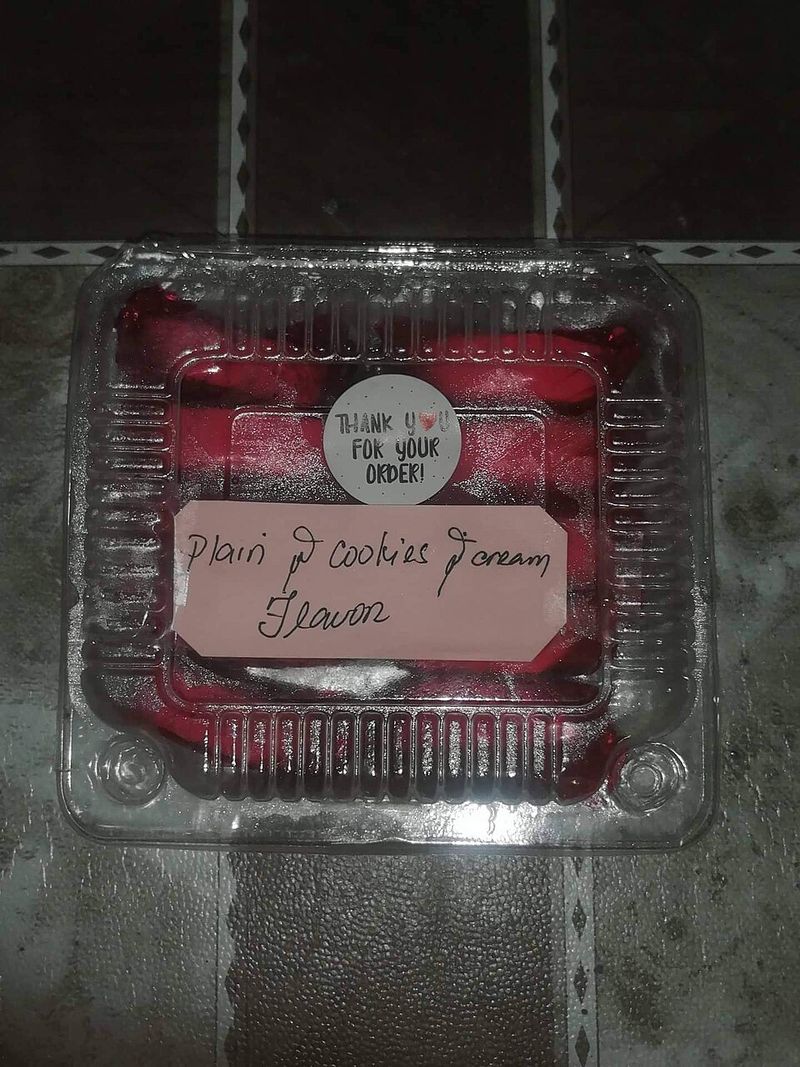
Filipino holiday gift boxes wouldn’t be complete without these powdery milk cookies.
Toasted flour, powdered milk, butter, and sugar pressed into molds create texture unlike any Western cookie.
They crumble instantly on your tongue, releasing sweet milky flavor that brings childhood memories flooding back for Filipino families worldwide.
Cellophane wrappers come in rainbow colors, turning each cookie into a tiny celebration.
Though not exclusively Christmas treats, they shine brightest during holiday seasons when families share them like edible hugs across distances!
14. Argentine Alfajores
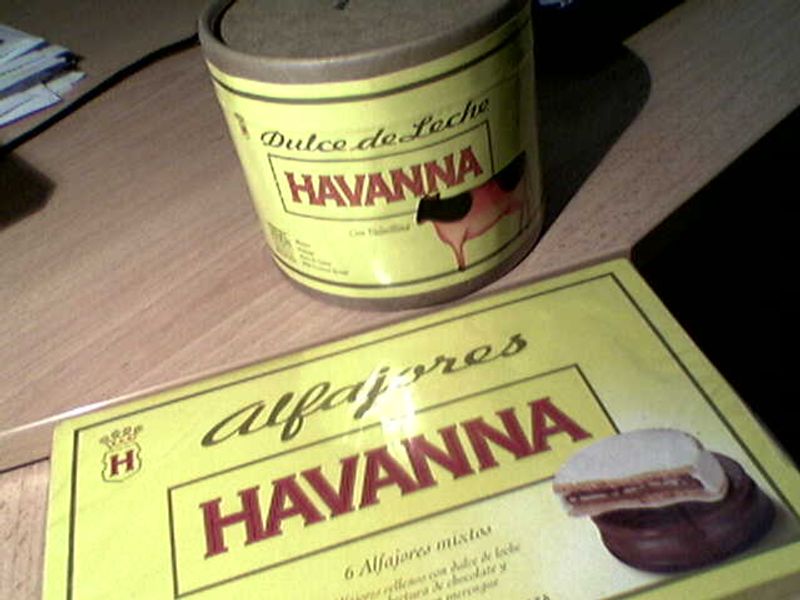
Dulce de leche makes everything better, especially when sandwiched between tender shortbread cookies!
Argentine bakers sandwich generous layers of caramel between delicate cookies, then roll edges in coconut flakes or powdered sugar.
Holiday tins filled with alfajores appear in homes across Argentina every December, disappearing faster than you can say feliz navidad.
Some versions get chocolate coatings, creating triple-threat combinations that cookie lovers dream about year-round.
Just saying, one alfajore never feels like enough when that caramel center calls your name!
15. Czech Vánoční Cukroví Platter
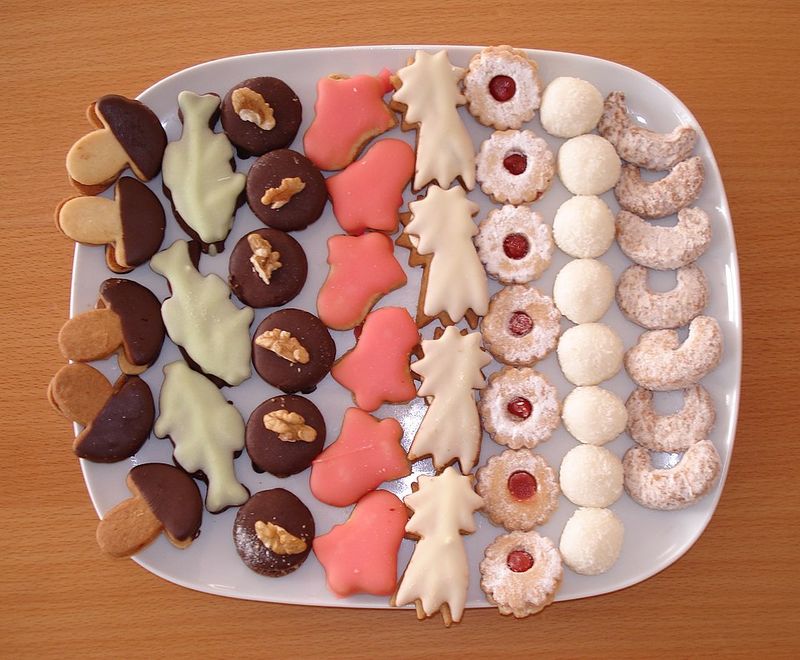
Czech Christmas means cookie platters loaded with enough variety to make your head spin!
Families spend weeks baking different types: vanilla crescents, linzer cookies, coconut peaks, spiced chocolate balls, and chocolate squares all sharing space.
Grandmothers orchestrate cookie production like conductors leading symphonies, ensuring perfect balance between flavors and textures.
Guests receive elaborate platters as gifts, each cookie representing hours of love and labor.
How do Czech families decide which cookie to try first when faced with such beautiful abundance?
16. German Frankfurter Brenten
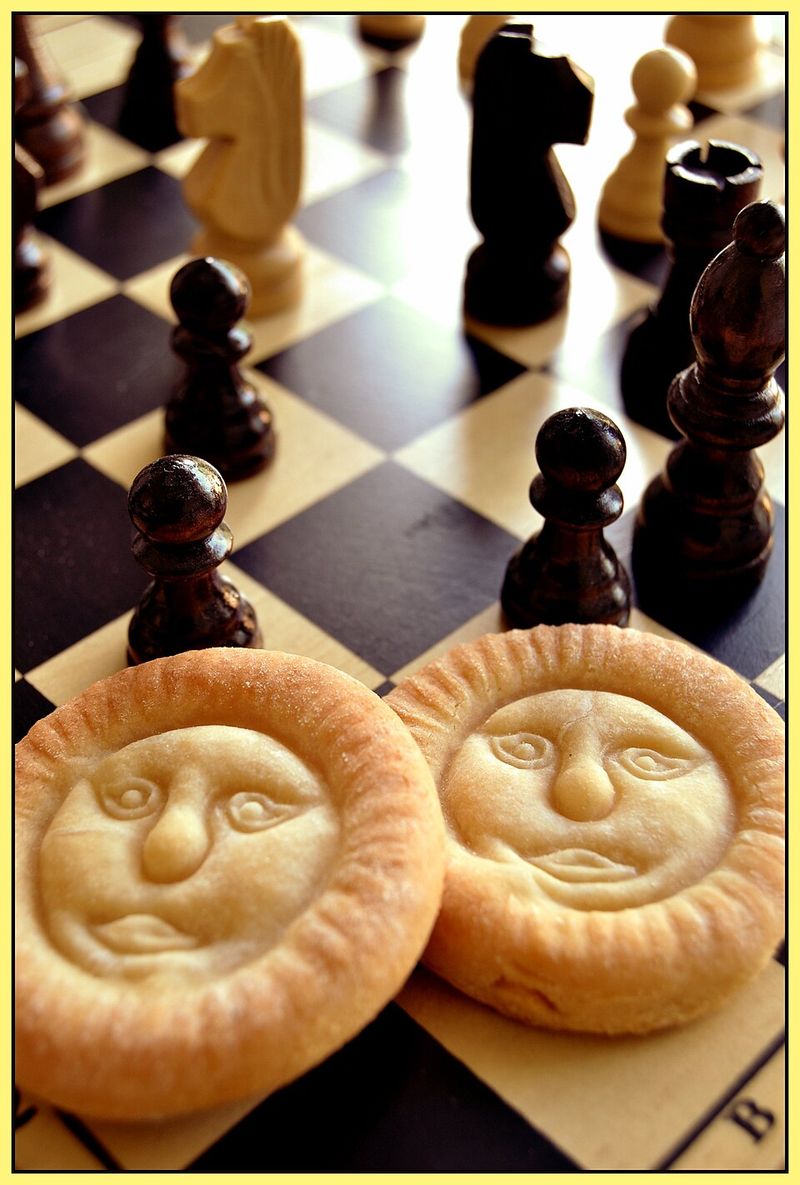
Frankfurt’s historic cookie tradition uses wooden molds to create cookies that look like miniature sculptures.
Almond paste, spices, and rosewater combine into dough pressed into carved molds featuring intricate patterns.
After baking, these cookies develop crispy exteriors while staying chewy inside, creating perfect textural contrast.
Medieval guilds originally made them, and modern Frankfurt bakers still honor those ancient recipes.
Though less famous than lebkuchen, brenten cookies deserve way more recognition for bringing artistry and flavor together in every single bite!
17. Hungarian Vaníliás Karika
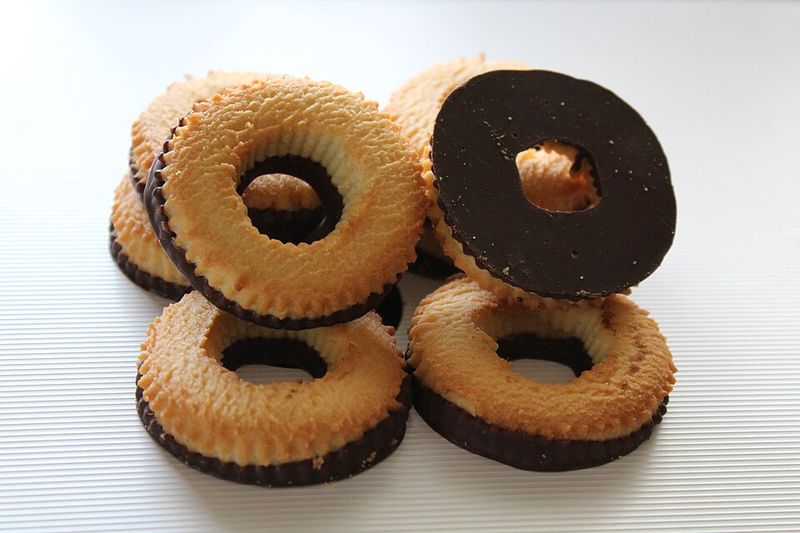
Crescent moons or perfect circles – Hungarian families debate proper vanilla cookie shapes with surprising passion!
Ground walnuts join flour in the dough, adding nutty richness that regular butter cookies simply cannot achieve.
Fresh vanilla sugar coating happens while cookies still warm from the oven, creating that signature snowy appearance.
Christmas plates across Hungary feature these alongside other traditional treats, but vanilla rings often disappear first.
Their delicate, melt-in-your-mouth texture makes them dangerous – suddenly the entire batch vanishes and nobody remembers eating them!
18. Filipino Rosquillos
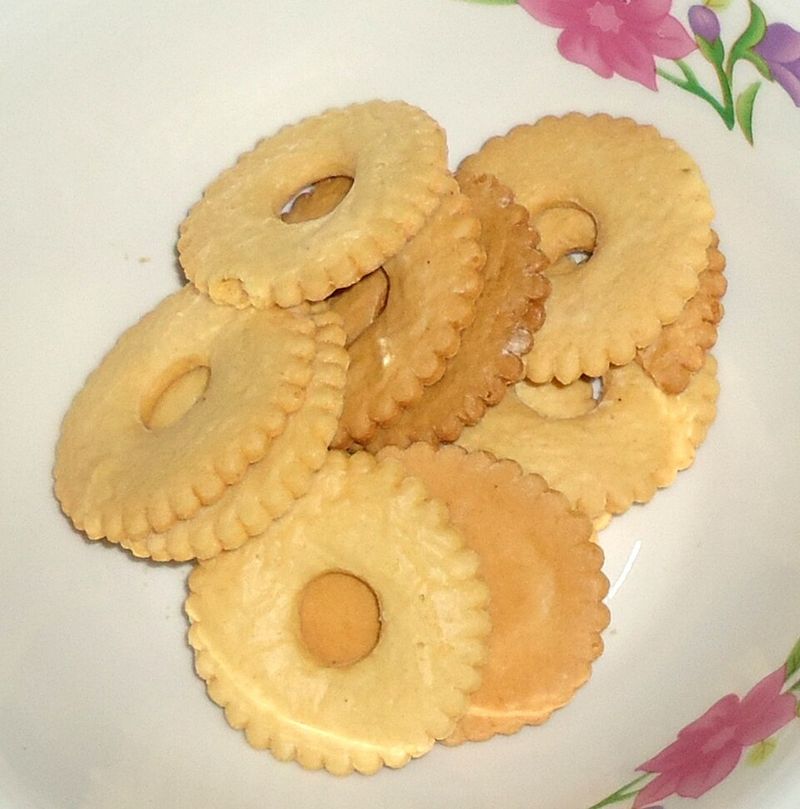
Cebu’s famous ring cookies show up at every Filipino festive gathering, including Christmas celebrations.
Flour, eggs, and coconut milk create simple dough shaped into rings and baked until golden brown.
Their crunchy texture makes them perfect for dunking in hot chocolate or coffee during holiday mornings.
Though they seem plain compared to frosted Western cookies, their subtle sweetness and satisfying crunch win over skeptics every time.
Share your thoughts below – have you tried these crispy rings that connect Filipino families across generations and continents?