20 Cities Across America That Transformed From Risky To Remarkable
American cities have always been places of change, where neighborhoods rise and fall like the tides.
Some places that once felt dangerous or forgotten have made incredible comebacks, turning into spots where people actually want to live, work, and play.
These transformation stories prove that with the right mix of community effort, smart planning, and a little patience, even the toughest cities can reinvent themselves into thriving hubs of culture and opportunity.
1. Pittsburgh, Pennsylvania
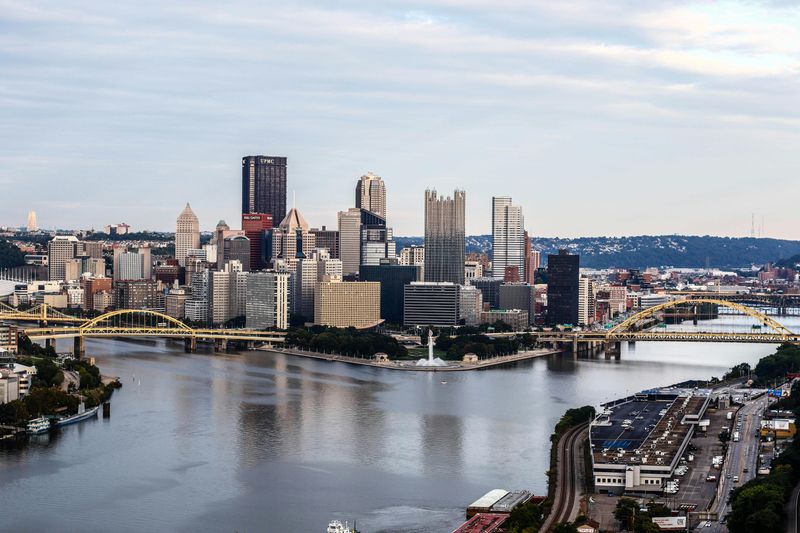
Once known as America’s smoky steel capital, this Pennsylvania powerhouse shed its industrial grime to become a tech and healthcare leader.
Factories that belched black smoke have given way to innovation districts buzzing with robotics companies and medical research centers.
Young professionals now flock to neighborhoods that were once abandoned, drawn by affordable housing and a surprising food scene. The transformation didn’t happen overnight, but patience paid off big time.
2. Detroit, Michigan
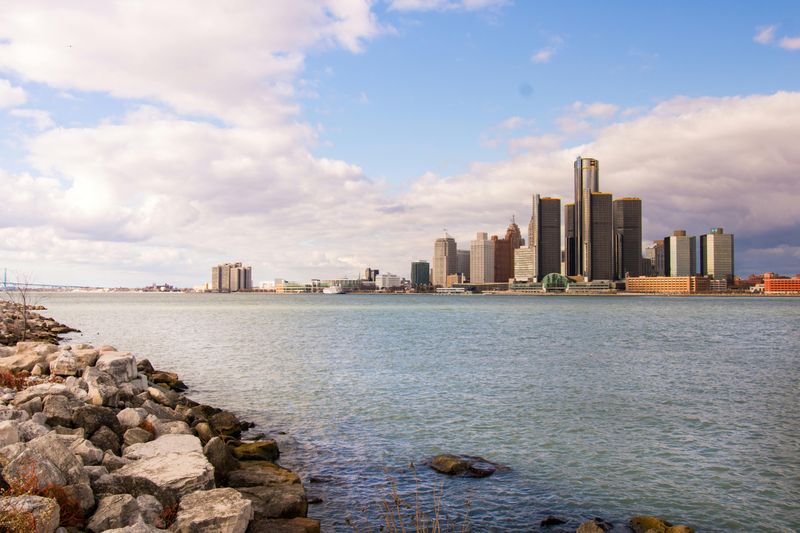
Motor City hit rock bottom when the auto industry collapsed, leaving behind empty factories and entire blocks of abandoned homes.
But creative types saw opportunity where others saw ruins, moving in to start galleries, urban farms, and quirky businesses.
Today, downtown pulses with energy as new restaurants and shops fill spaces that sat empty for decades. The comeback is real, even if there’s still work to do.
3. Cleveland, Ohio
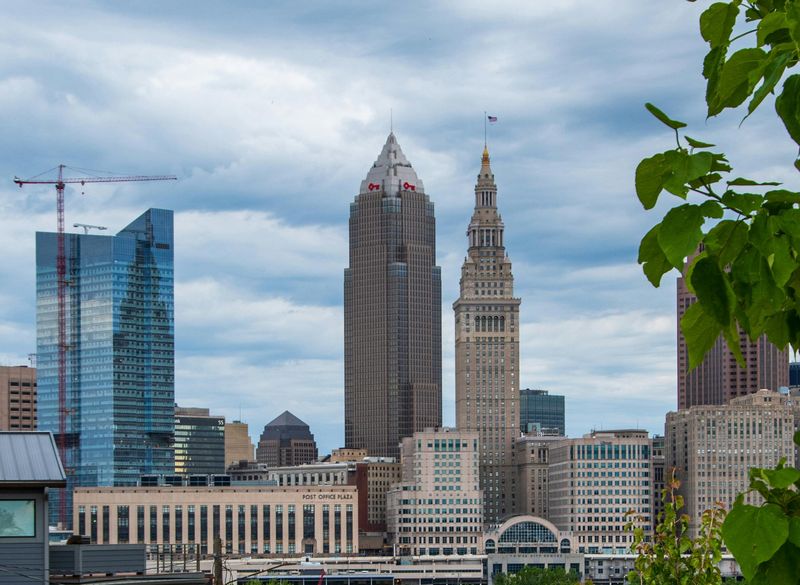
Remember when Cleveland was the punchline of every urban decline joke?
Those days are fading fast as this lakeside city polishes its reputation with a booming healthcare sector and world-class cultural institutions.
Neighborhoods near downtown have transformed from sketchy to sought-after, with converted warehouses becoming trendy lofts. Sports fans and foodies now have plenty of reasons to visit beyond just sympathy.
4. Brooklyn, New York
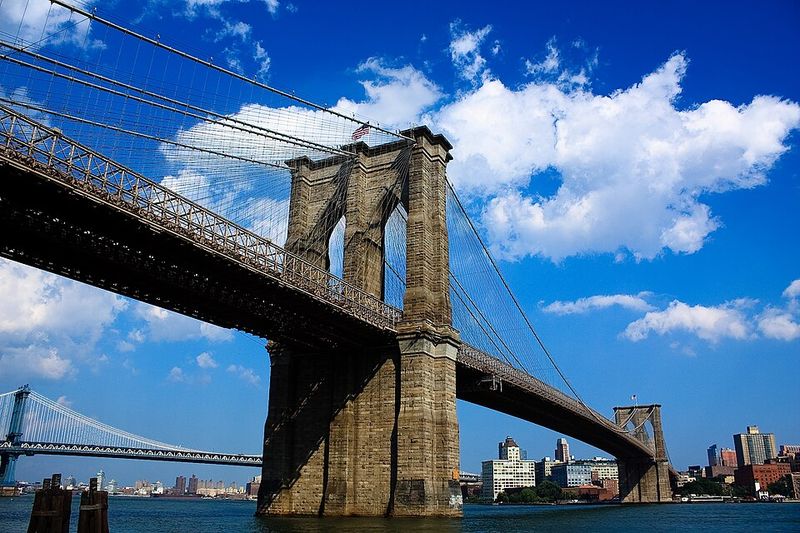
Brooklyn wasn’t always the hipster paradise it is today – certain neighborhoods were downright dangerous in the 1980s and 90s.
Williamsburg, Bushwick, and other areas have completely flipped the script, becoming some of the most expensive real estate in America.
Artists and musicians pioneered the change, though many can no longer afford the rents they helped create. The borough proves that urban renewal can be both impressive and complicated.
5. Chattanooga, Tennessee
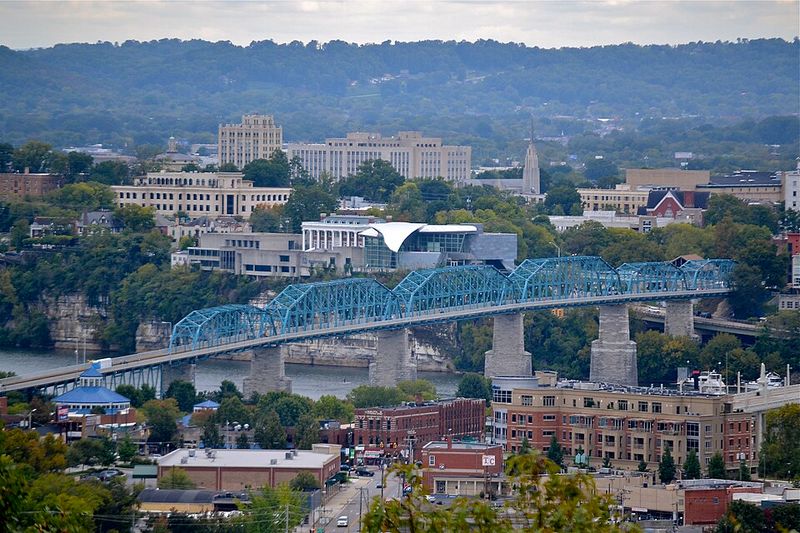
Nicknamed America’s dirtiest city in the 1960s, Chattanooga breathed new life by investing in its riverfront and becoming a tech hub.
The city installed the nation’s first community-wide gigabit internet, attracting startups and remote workers.
Outdoor enthusiasts love the easy access to hiking and rock climbing, while downtown offers a surprisingly vibrant arts scene. Sometimes smaller cities show the big ones how it’s done.
6. Denver, Colorado
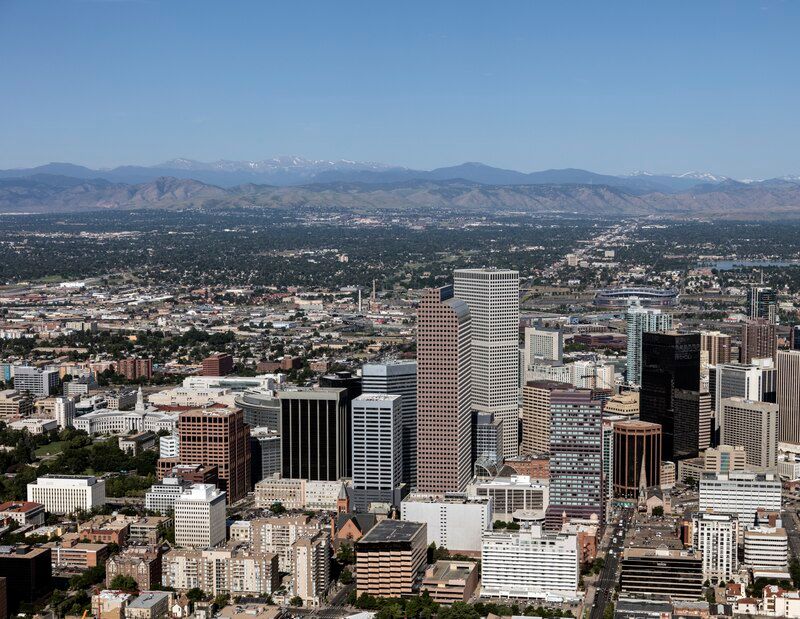
Denver’s sketchy Lower Downtown district was full of warehouses and dive bars that most locals avoided after dark.
Fast forward a few decades, and LoDo is now the heart of the city’s entertainment and dining scene.
Legal cannabis tourism certainly helped the transformation, but so did smart urban planning and a booming job market. Mountain views and 300 days of sunshine don’t hurt either when attracting new residents.
7. Boise, Idaho
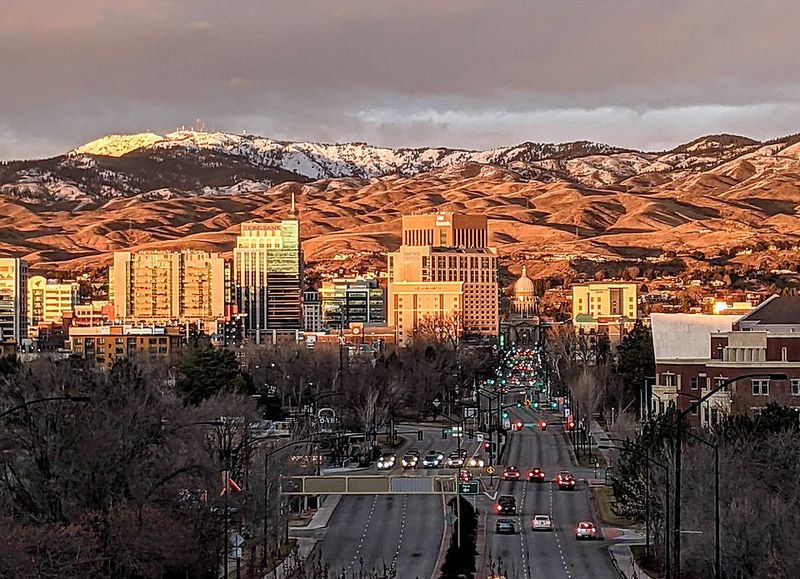
Who would have predicted that Boise would become one of America’s fastest-growing cities?
What was once a sleepy agricultural town has exploded with tech companies and transplants fleeing expensive coastal cities.
The downtown area went from quiet to buzzing with breweries, farm-to-table restaurants, and outdoor gear shops.
Housing prices have skyrocketed, proving that even remote cities can experience dramatic transformation when word gets out.
8. New Orleans, Louisiana
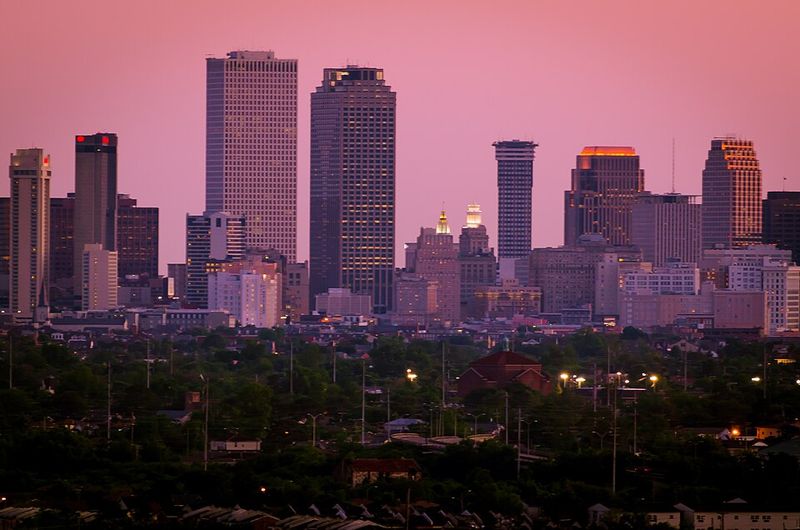
Hurricane Katrina nearly destroyed this cultural treasure in 2005, leaving neighborhoods underwater and residents scattered across the country.
The Big Easy could have stayed down for good, but instead showed remarkable resilience.
While recovery hasn’t been perfect or equal across all neighborhoods, the city has rebuilt much of its infrastructure and economy.
9. Cincinnati, Ohio
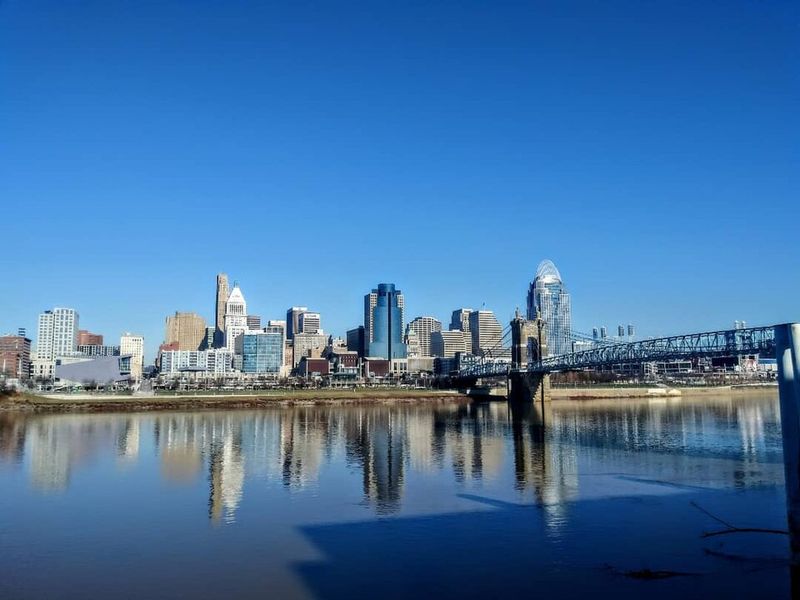
Over-the-Rhine was once considered one of America’s most dangerous neighborhoods, with crumbling 19th-century buildings and rampant crime.
Today, those same historic structures have been lovingly restored into some of the city’s hottest real estate.
Craft breweries and farm-to-table restaurants line streets where people once feared to walk. The turnaround shows how preserving architectural heritage can anchor neighborhood revival when done thoughtfully.
10. Austin, Texas
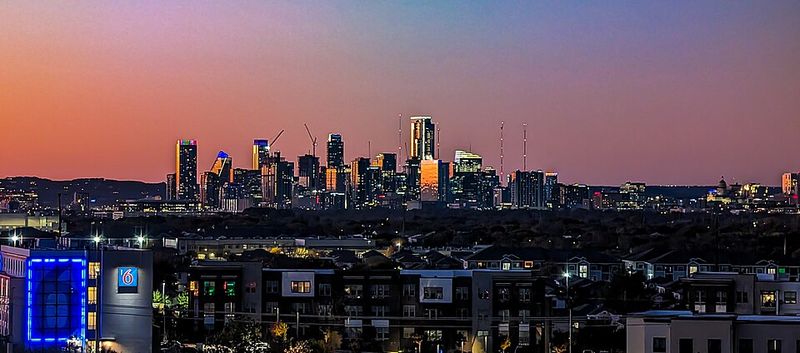
Austin went from a quirky college town to a major tech hub faster than you can say “Keep Austin Weird.” The transformation brought jobs and prosperity but also traffic jams and housing affordability challenges.
What was once affordable and laid-back now competes with Silicon Valley for cost of living.
Still, the music scene, food trucks, and outdoor culture maintain some of that original Austin charm, even as tech towers rise.
11. St. Louis, Missouri
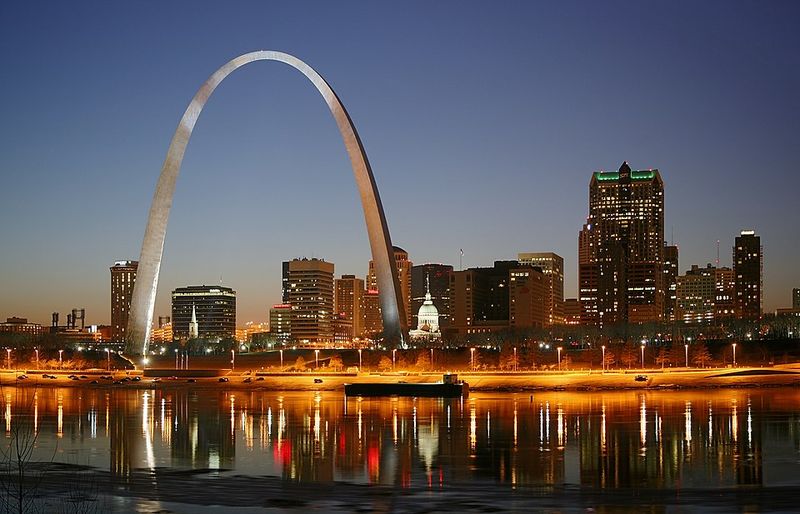
St. Louis faced decades of population decline and urban decay that left entire neighborhoods looking post-apocalyptic.
But recent years have seen targeted revivals in areas like the Central West End and the Delmar Loop.
Historic architecture is being preserved rather than demolished, and new businesses are taking chances on areas others wrote off.
12. Atlanta, Georgia
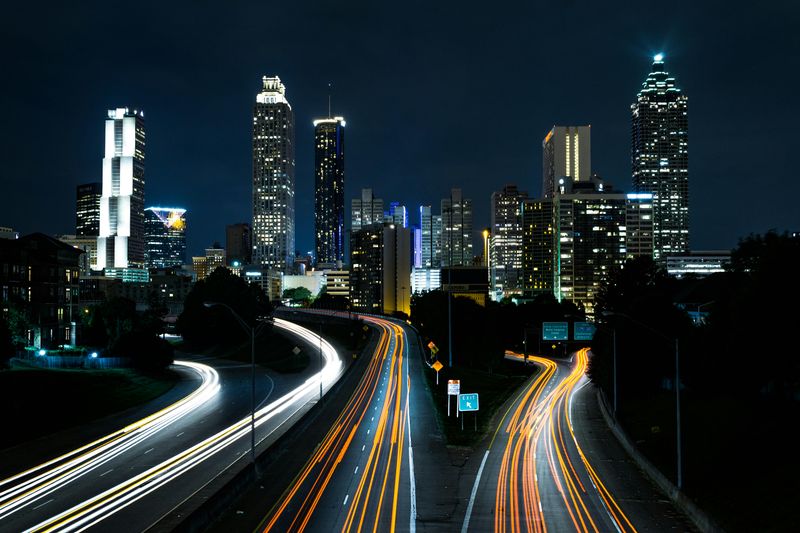
Atlanta’s transformation story centers on the BeltLine, a massive urban redevelopment project converting old railroad corridors into parks and trails.
Neighborhoods that were once ignored have become some of the city’s most desirable addresses.
The city’s booming film industry and tech sector have brought new energy and residents. Traffic remains legendary, but the cultural and economic growth has been undeniable for this Southern capital.
13. Tampa, Florida
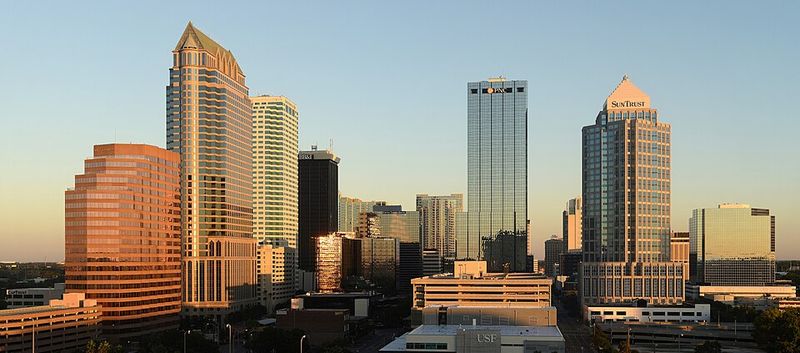
Tampa shed its reputation as Florida’s boring middle child by investing heavily in its downtown and waterfront areas.
The Riverwalk transformed an underused waterfront into a vibrant public space connecting museums, restaurants, and parks.
Young professionals are choosing Tampa over pricier Miami, drawn by job opportunities and a lower cost of living. The city finally figured out how to make the most of its greatest asset – that gorgeous bay.
14. Sacramento, California
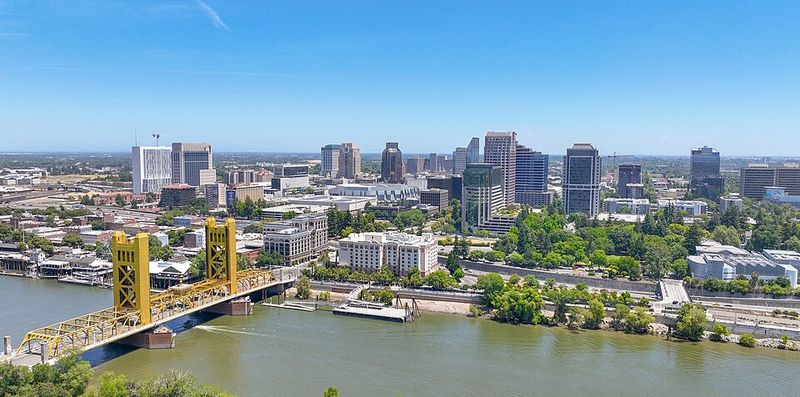
California’s capital was long overshadowed by flashier cities, dismissed as a government town without much personality.
That changed as Bay Area residents priced out of San Francisco discovered Sacramento’s affordability and charm.
The farm-to-fork movement took root here, transforming the dining scene from forgettable to fantastic.
Midtown and downtown now buzz with energy that was missing just a decade ago, proving location isn’t everything.
15. Nashville, Tennessee
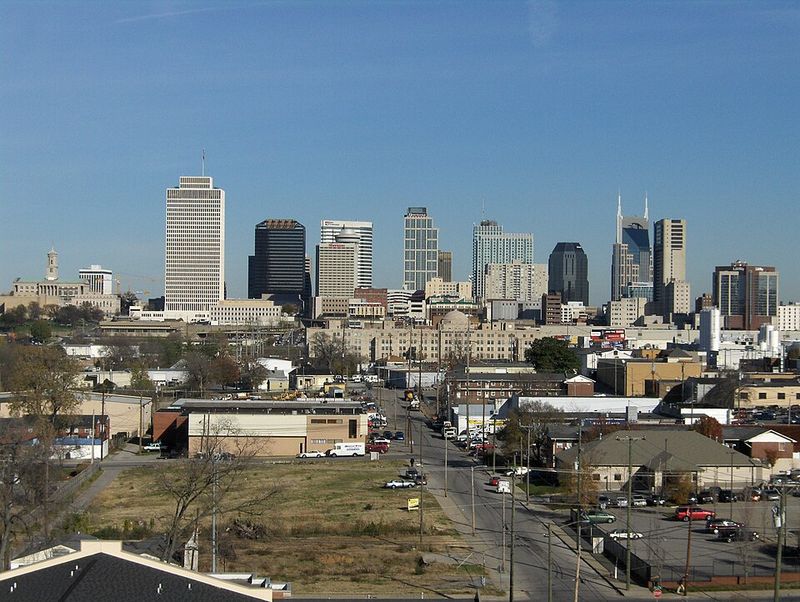
Nashville exploded from a country music destination into a full-blown boomtown that’s barely recognizable from twenty years ago.
Neighborhoods beyond downtown have transformed as developers rush to build condos and apartments.
The growth brought prosperity but also growing pains, with longtime residents priced out and traffic becoming nightmarish.
Still, the energy is undeniable as Music City becomes a major player in healthcare, tech, and entertainment industries.
16. Philadelphia, Pennsylvania
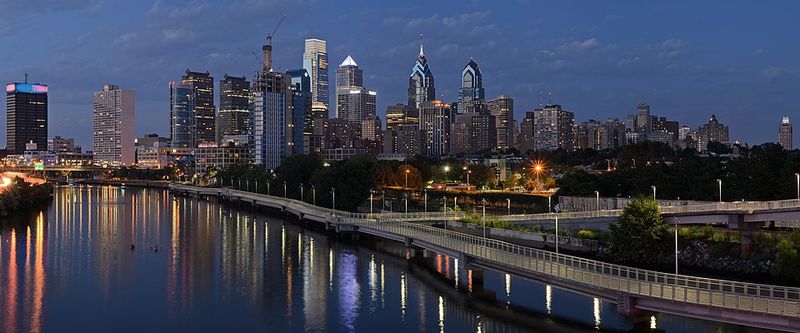
Philadelphia neighborhoods like Fishtown and Northern Liberties went from rough-and-tumble to trendy faster than you can say cheesesteak.
Old factories became hip restaurants and breweries, while row homes got renovated by young families.
The city offers big-city amenities at prices that don’t require selling a kidney, attracting people tired of New York’s costs. History buffs and food lovers find plenty to appreciate in this underrated East Coast gem.
17. Milwaukee, Wisconsin
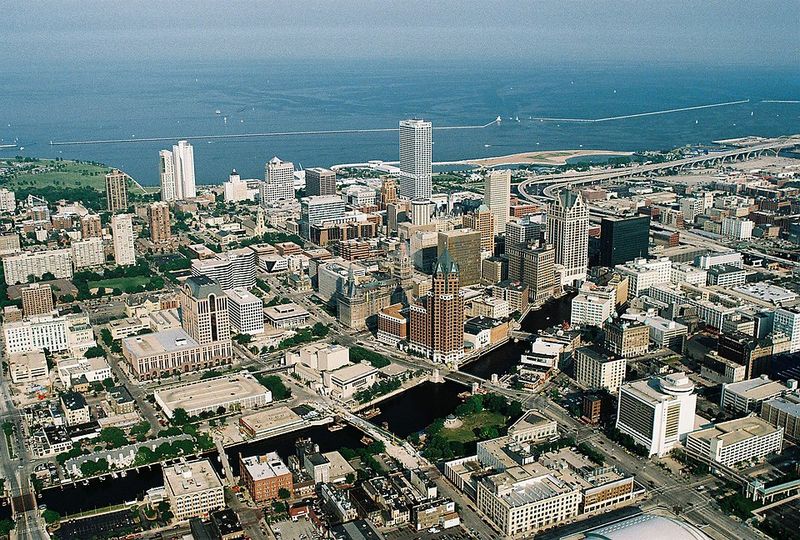
Milwaukee shook off its rust-belt reputation by embracing its brewing heritage while diversifying its economy beyond beer and manufacturing.
The Historic Third Ward transformed from an abandoned warehouse district into a trendy shopping and dining destination.
Lakefront development finally takes advantage of Milwaukee’s greatest natural asset—its location on Lake Michigan.
18. Oklahoma City, Oklahoma
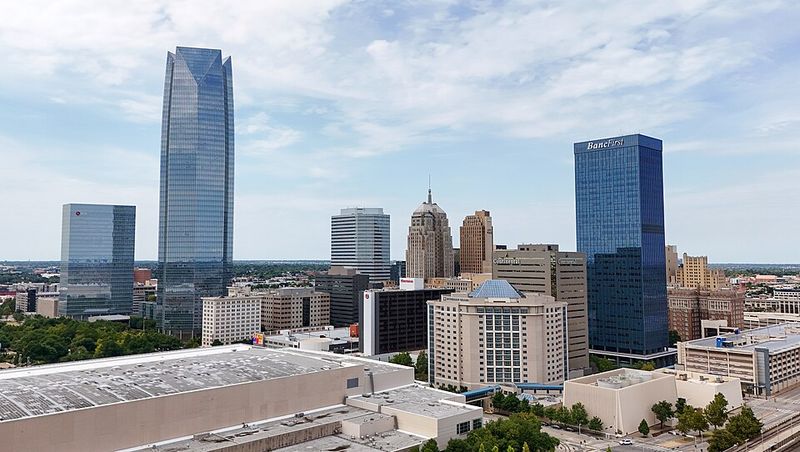
Oklahoma City was the definition of urban sprawl, with a dead downtown that emptied out after 5 PM. Then city leaders made a bold move, passing a self-imposed sales tax to fund massive improvements.
The result? Bricktown entertainment district, a downtown arena, and a renewed urban core that actually attracts residents and visitors.
19. Providence, Rhode Island
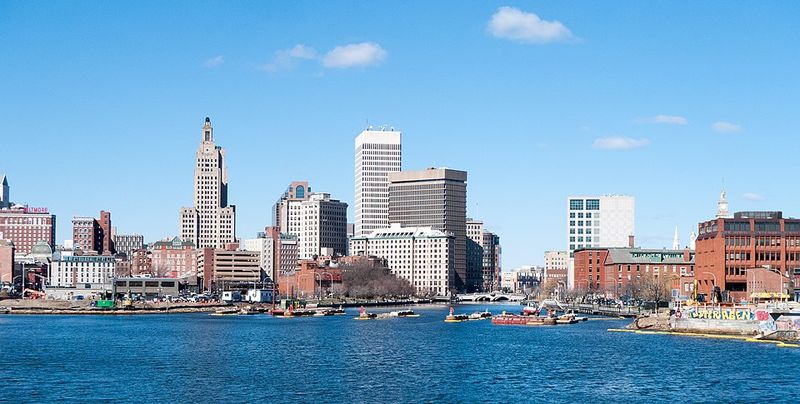
Providence languished in the shadow of Boston for decades, with a downtown that felt forgotten despite beautiful historic architecture.
But the city capitalized on its college town energy and creative community to spark a revival.
The restaurant scene exploded, earning Providence recognition as a foodie destination that punches above its weight.
Art schools and tech startups now share space in renovated mills, breathing new life into old industrial buildings.
20. Buffalo, New York
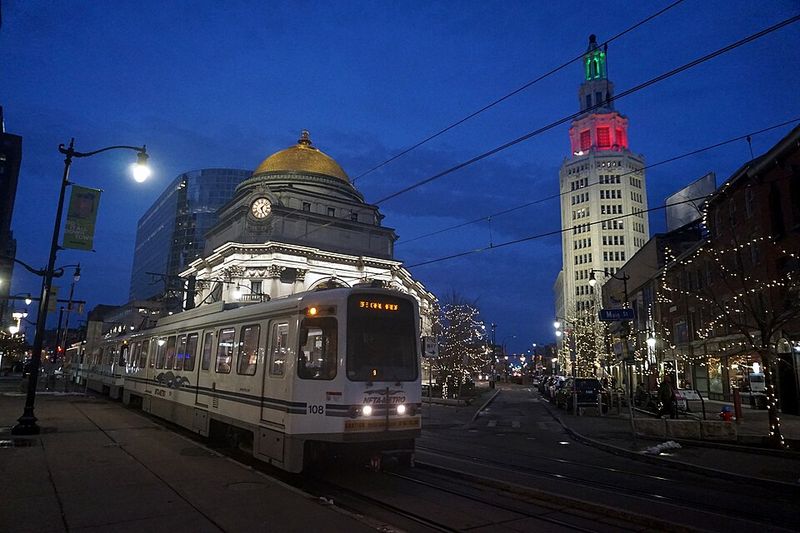
Buffalo lost half its population as manufacturing jobs disappeared, leaving behind stunning architecture in empty, crumbling neighborhoods.
But affordable real estate and proximity to Canada have attracted artists, young families, and entrepreneurs.
The Canalside development transformed the waterfront into a year-round destination with concerts, festivals, and recreation.
Buffalo proves that even cities that fell the hardest can stage impressive comebacks with the right ingredients.