16 Cities That Once Sat At The Heart Of Global Power
Power leaves a weird kind of residue. A city can stop ruling the world and still carry itself like it remembers exactly where the throne used to be.
Walk the streets, look at the buildings, notice the layout, and the old importance still hangs in the air with almost embarrassing confidence.
They shaped empires and hosted the kind of decisions that sent ripples far beyond their walls. Now the spotlight may have lessened from some, but the atmosphere never fully got the memo.
You can still feel the scale of what once happened there.
A ruined palace, a grand avenue, a harbor that changed everything, and suddenly history stops feeling abstract and starts looking like it had a mailing address.
1. Rome
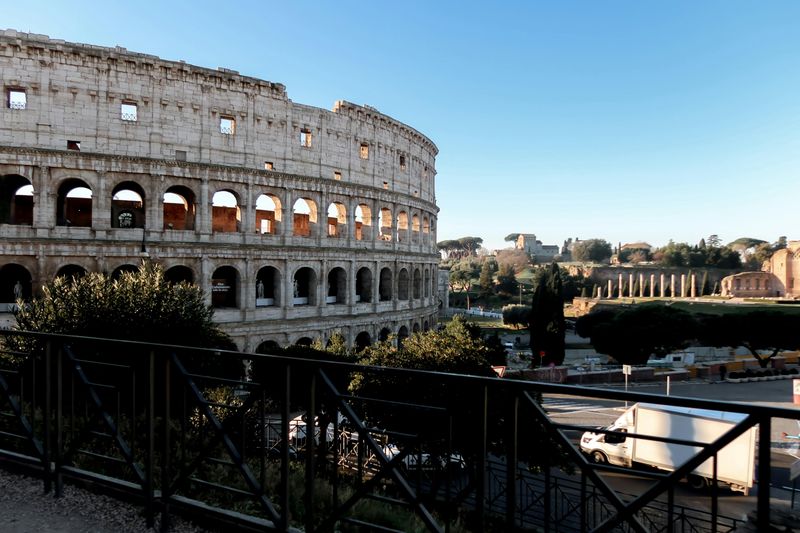
Walking through Rome means stepping on layers of history that stretch back over two thousand years.
This was the beating heart of an empire that stretched from Britain to Egypt, bringing roads, laws, and aqueducts to millions.
Emperors ruled from palatial hills while gladiators fought below in the Colosseum, entertaining crowds of fifty thousand.
Even after the empire crumbled, Rome’s legacy lived on through its language, legal systems, and architectural genius.
2. Babylon
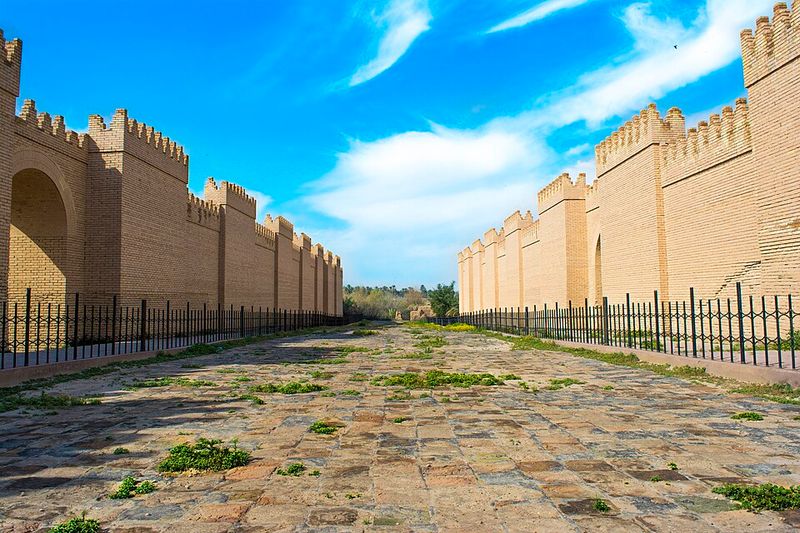
Picture gardens so magnificent they were called one of the Seven Wonders of the Ancient World.
Babylon wasn’t just beautiful; it was a center of mathematics, astronomy, and law under King Hammurabi, whose famous code established justice throughout Mesopotamia.
The Ishtar Gate, covered in brilliant blue tiles and golden lions, welcomed traders carrying goods from India to the Mediterranean.
Priests studied the stars from towering ziggurats, making calculations that helped create our modern calendar.
Though only ruins remain near modern Baghdad, Babylon’s influence on civilization remains absolutely huge.
3. Alexandria
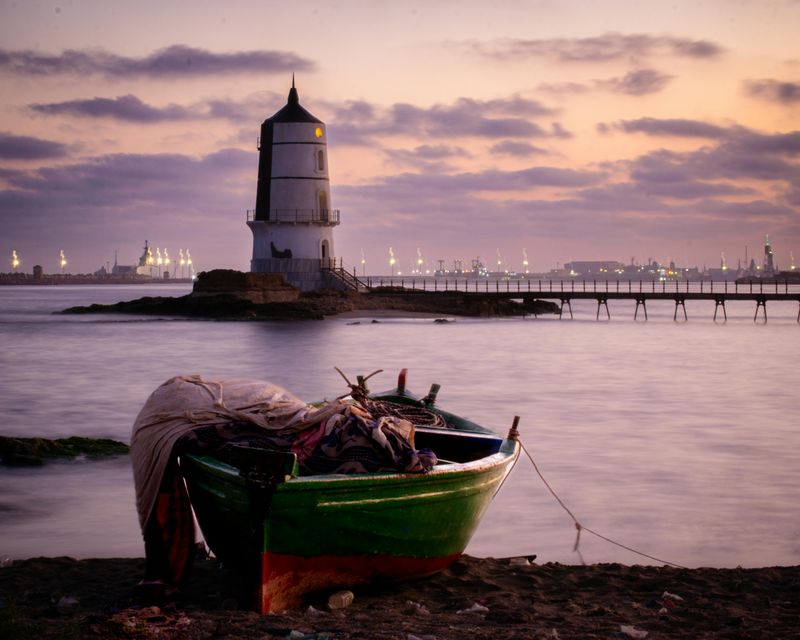
Alexander the Great knew how to pick a spot! Founded in 331 BC, Alexandria became the intellectual capital of the ancient world, where Greek, Egyptian, and Jewish cultures blended beautifully.
Its legendary library held hundreds of thousands of scrolls, attracting scholars like Euclid and Archimedes who made discoveries still taught in schools today.
The towering Pharos lighthouse guided ships safely to harbor, standing as one of antiquity’s greatest engineering achievements.
Cleopatra ruled from here, making Alexandria a political powerhouse too. Knowledge truly was power in this remarkable city!
4. Athens
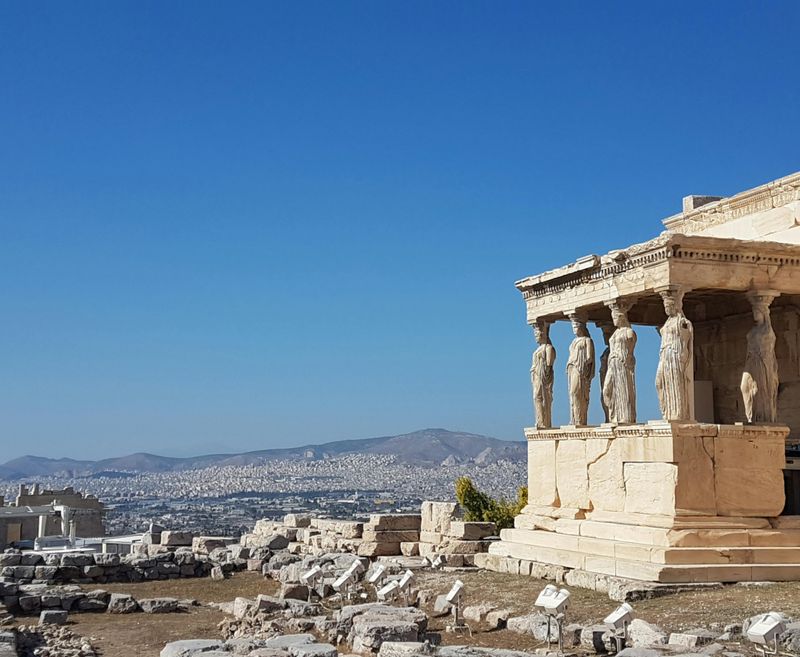
Democracy was born here, changing how humans govern themselves forever.
Athens in the 5th century BC sparkled with genius: Socrates questioned everything, Plato founded his Academy, and Aristotle tutored future kings.
The Parthenon crowned the Acropolis, a temple so perfectly proportioned it still takes your breath away.
Citizens gathered in the agora to debate and shape policies that gave common people unprecedented power.
Athenian playwrights created drama as we know it, while sculptors and architects set standards of beauty that inspire artists today. Small city, enormous impact!
5. Carthage
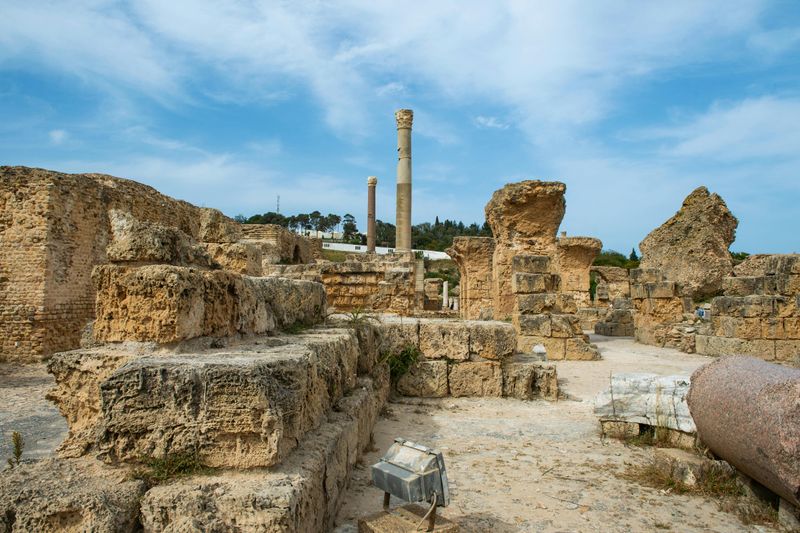
Phoenician traders founded Carthage around 814 BC, and it grew into Rome’s greatest rival.
This North African powerhouse controlled Mediterranean trade routes, making its merchants fabulously wealthy through commerce in precious metals, ivory, and textiles.
Hannibal, Carthage’s most famous general, famously crossed the Alps with war elephants to challenge Rome on its home turf.
The city’s sophisticated harbor could shelter over two hundred warships, showcasing impressive naval engineering.
Rome eventually destroyed Carthage completely, but its legacy as a commercial and military giant endures in history books worldwide.
6. Beijing
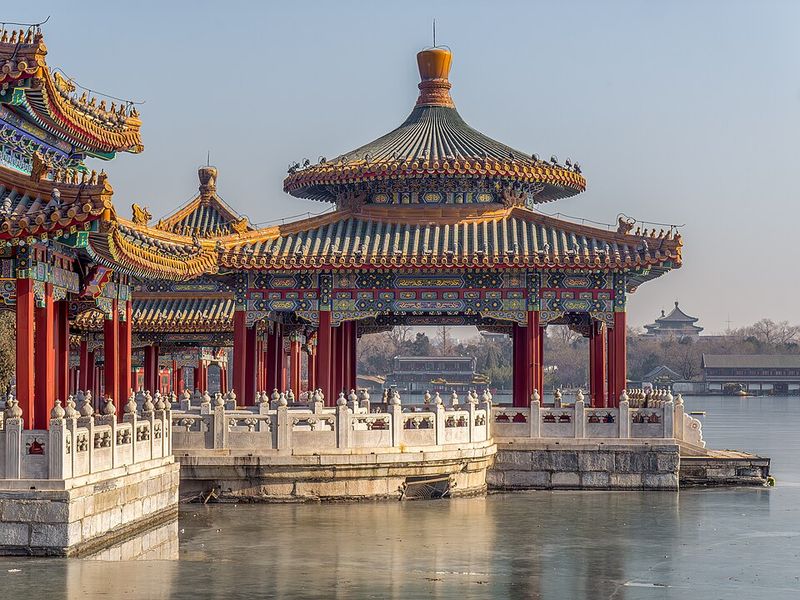
Kublai Khan made Beijing his capital in 1271, beginning centuries of imperial rule from this northern stronghold.
The Forbidden City’s nine hundred buildings housed emperors who commanded the world’s most populous nation.
Massive walls protected the city while the Temple of Heaven showcased architectural perfection where emperors performed sacred rituals.
Marco Polo marveled at its grandeur, describing wonders European readers could barely imagine. Today’s Beijing still pulses with that imperial legacy!
7. Kyoto
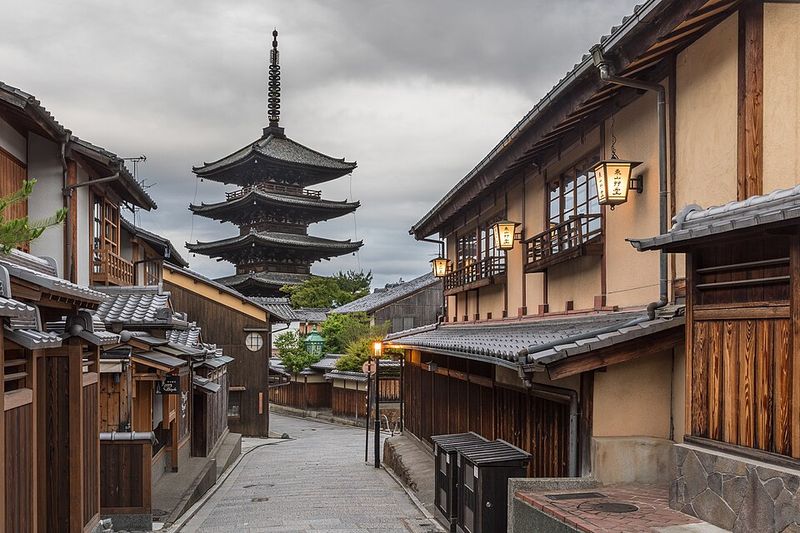
For over a thousand years, Kyoto served as Japan’s imperial capital, preserving traditions that define Japanese culture.
Emperors resided in elegant palaces while samurai clans competed for influence in this refined city.
Seventeen UNESCO World Heritage sites dot Kyoto, from golden pavilions to serene rock gardens that embody Zen philosophy.
Geisha districts maintained arts of music, dance, and conversation to extraordinary levels.
Unlike many capitals, Kyoto avoided wartime destruction, keeping its temples, gardens, and wooden machiya houses intact.
8. Damascus
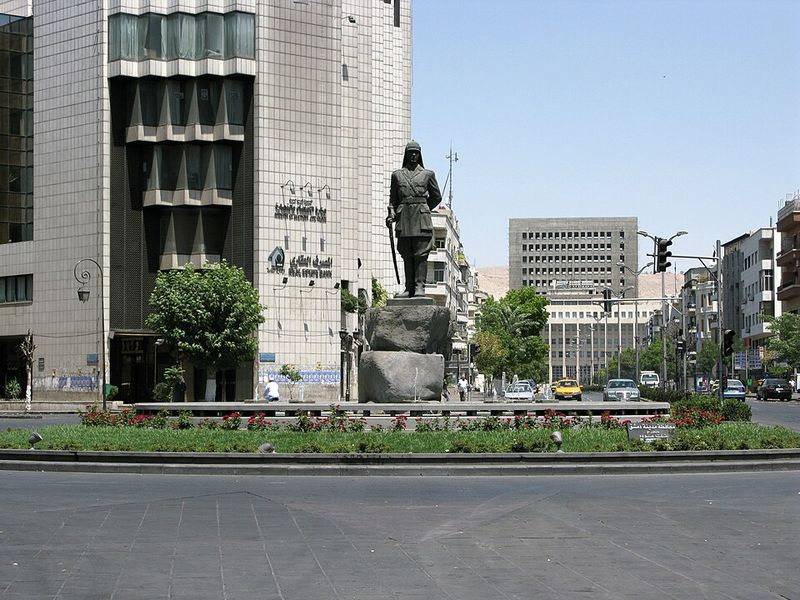
Claiming to be the world’s oldest continuously inhabited city, Damascus has witnessed empires rise and fall for over four thousand years.
The Umayyad Mosque, built in 715 AD, remains one of Islam’s holiest sites, its mosaics glittering with Byzantine-influenced artistry.
Caravans stopped in Damascus’s legendary souks, trading goods along routes connecting Asia, Africa, and Europe.
Paul’s conversion happened on the road to Damascus, changing religious history forever. Few cities can match its historical depth!
9. Vienna
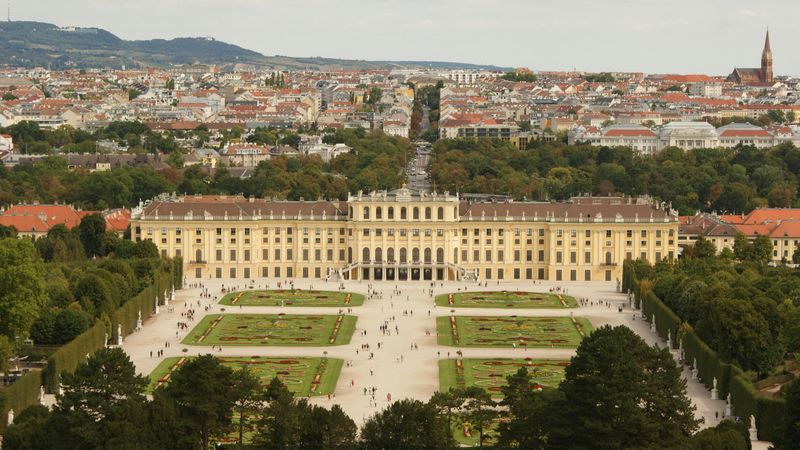
The Habsburg dynasty ruled from Vienna for over six centuries, making it the glittering center of Central European power.
Magnificent palaces like Schönbrunn showcased imperial wealth while composers like Mozart and Beethoven premiered symphonies that changed music forever.
Vienna hosted the Congress of 1814-1815, where European powers redrew maps after Napoleon’s defeat.
Coffeehouses became intellectual salons where artists, writers, and thinkers debated ideas that shaped modern psychology and philosophy.
10. Paris
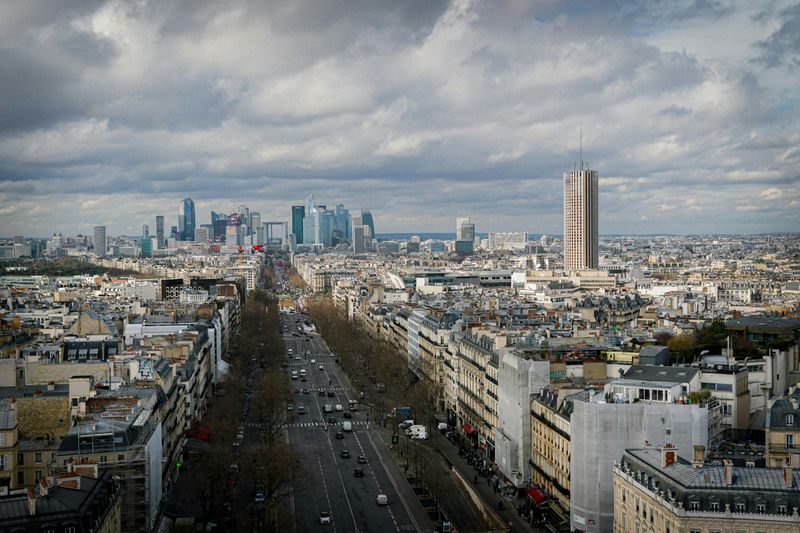
From medieval kings to revolutionary citizens to Napoleon’s empire, Paris repeatedly claimed center stage in European affairs.
The Palace of Versailles epitomized royal power while the French Revolution’s ideas of liberty and equality echoed worldwide.
Napoleon crowned himself emperor in Notre-Dame, launching conquests that redrew Europe’s borders.
Later, Paris became the art capital where Impressionists revolutionized painting and writers like Hemingway found inspiration.
11. London
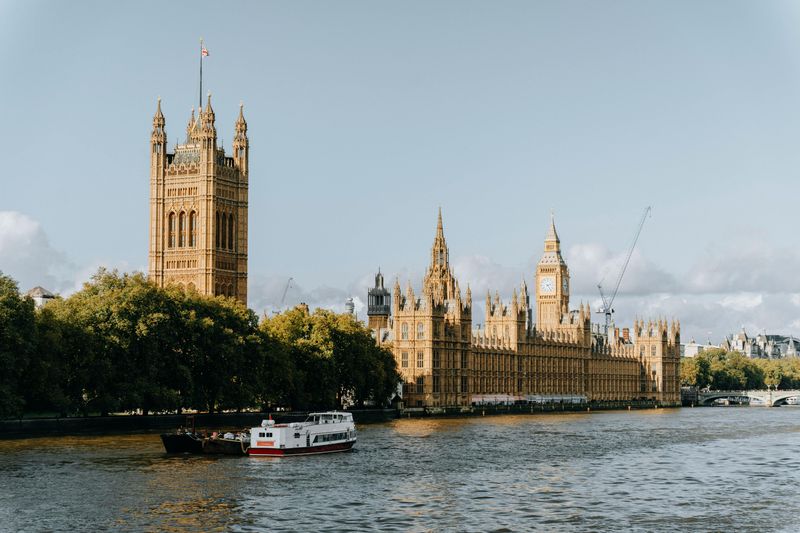
When people said the sun never set on the British Empire, they meant it.
London commanded territories spanning a quarter of Earth’s land, administering colonies from Parliament’s gothic halls beside the Thames.
The Industrial Revolution transformed London into the world’s largest city, where innovation in manufacturing, finance, and transportation changed human civilization.
Shakespeare’s plays premiered here centuries earlier, while later, the Beatles launched from nearby Liverpool. London’s influence on language, law, and culture remains absolutely massive!
12. Madrid
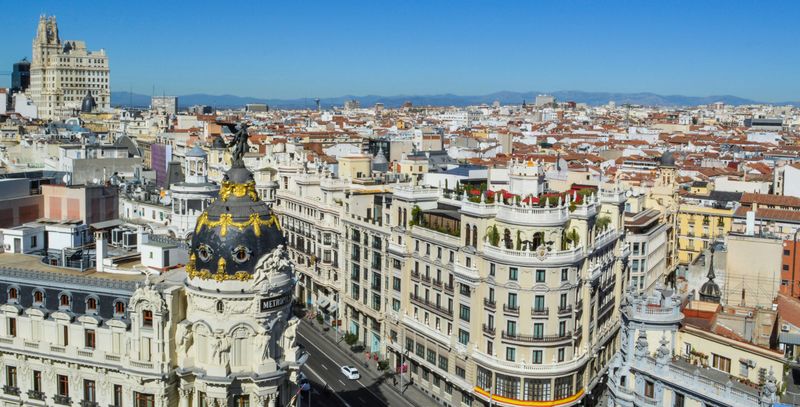
Philip II made Madrid Spain’s capital in 1561, positioning it to govern an empire where the sun famously never set.
Spanish galleons carried South American gold and silver here, funding palaces and armies that dominated Europe.
The Royal Palace, with its 3,418 rooms, reflects Spain’s imperial ambitions during its golden age.
Madrid’s museums now house artistic treasures collected when Spain was Europe’s superpower. That legacy lives on in every grand plaza!
13. Lisbon
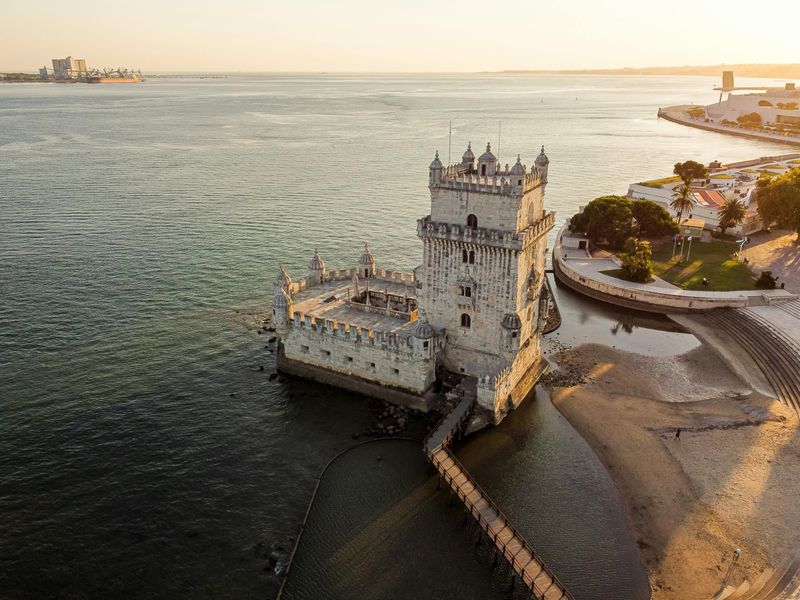
Portuguese explorers set sail from Lisbon’s harbor, discovering sea routes that connected continents for the first time.
Vasco da Gama reached India, while others claimed Brazil, establishing a maritime empire that stretched from Africa to Asia.
Spices, silks, and precious goods flowed through Lisbon, making it fabulously wealthy during the Age of Discovery.
Lisbon’s navigators literally changed world maps. Not bad for a city on Europe’s western edge!
14. Istanbul
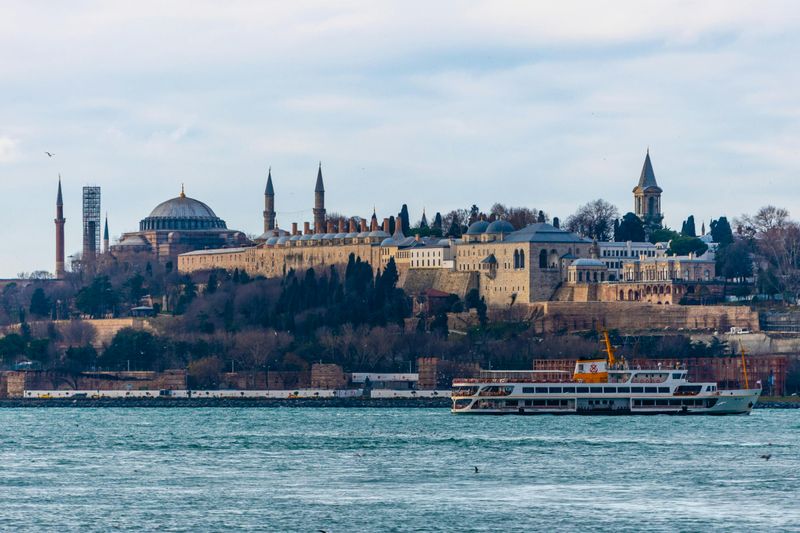
After conquering Constantinople in 1453, Ottoman sultans renamed it Istanbul and made it their empire’s magnificent heart.
The Blue Mosque and Topkapi Palace showcased Islamic architecture while the Grand Bazaar’s 4,000 shops sold treasures from three continents.
Suleiman the Magnificent ruled an empire stretching from Hungary to Yemen, making Istanbul a cultural melting pot where European, Asian, and Middle Eastern influences blended beautifully.
Controlling the Bosphorus gave Istanbul strategic power that lasted centuries. It remains one of the world’s most captivating cities today!
15. St. Petersburg
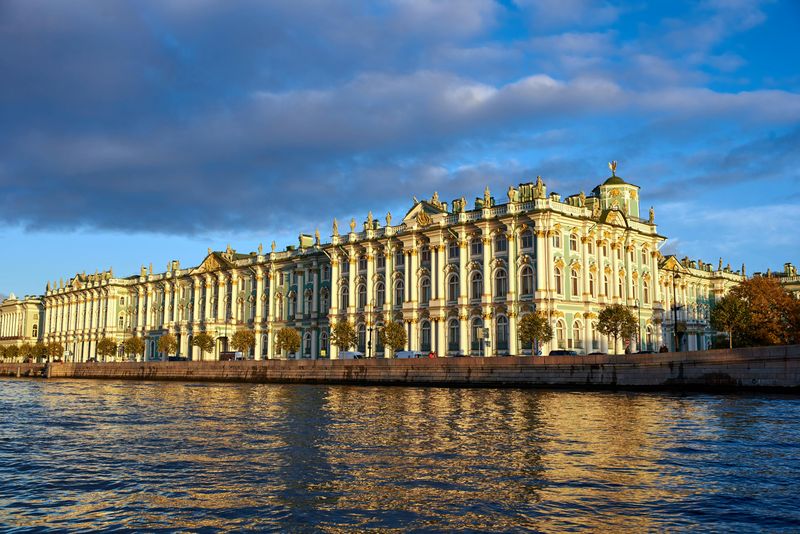
Peter the Great built St. Petersburg from swampland, creating Russia’s “window to the west” in 1703. The Winter Palace’s 1,500 rooms housed tsars who transformed Russia into a European great power.
Baroque and neoclassical buildings line canals modeled after Venice and Amsterdam, reflecting Peter’s desire to modernize Russia.
The Hermitage Museum now holds treasures collected when Russian emperors commanded the world’s largest country.
Revolutionary events here in 1917 changed world history dramatically. St. Petersburg witnessed Russia’s transformation from empire to superpower!
16. Washington, D.C.
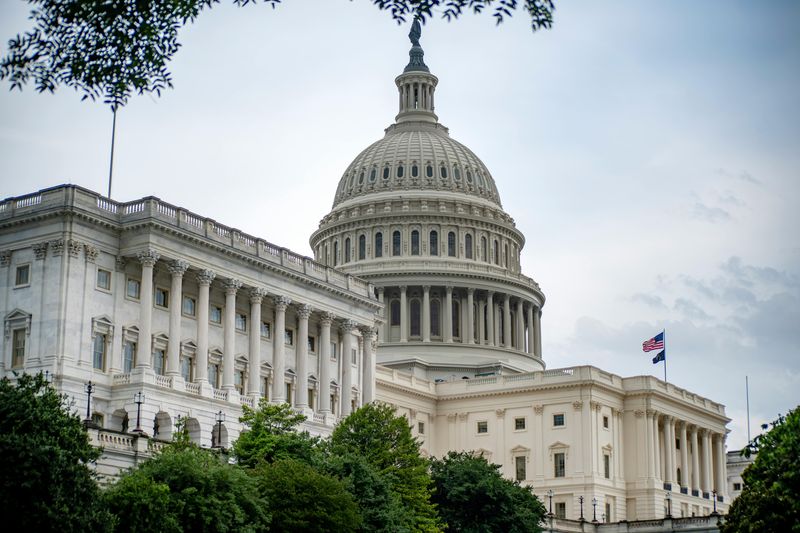
Purpose-built as America’s capital in 1790, Washington became the nerve center of a nation that would dominate the 20th century.
The Capitol’s dome symbolizes democracy while the White House has hosted decisions affecting billions worldwide.
After World War II, Washington emerged as the Western world’s political headquarters, where Cold War strategies and international policies took shape.
Love it or criticize it, Washington’s influence on modern world affairs remains undeniable.