10 Classic Bands Who Survived Tragedy And Kept On Rocking
Rock and roll history is filled with moments that could have silenced the music forever. Tragedy has knocked on the doors of some of the greatest bands, testing their strength and resolve in unimaginable ways.
Yet, these legendary groups refused to let heartbreak end their journey. Instead, they picked up their instruments, honored their fallen friends, and kept the music alive for millions of fans around the world.
1. AC/DC: Thunder Strikes Back

When Bon Scott passed away suddenly in 1980, many thought AC/DC would never recover from such a devastating blow. However, the band brought in Brian Johnson, whose powerful vocals helped create something extraordinary.
Back in Black became one of the best-selling albums ever, proving that sometimes the greatest tributes come through continuing the mission. Johnson’s raspy voice gave the band a fresh energy while honoring everything Scott had built.
The album’s opening guitar riff still makes audiences jump to their feet decades later.
2. Queen: The Show Must Go On

Freddie Mercury’s death in 1991 left a hole in music that seemed impossible to fill. His voice, style, and presence were truly one of a kind.
Rather than calling it quits, the remaining members found ways to celebrate his legacy through collaborations with Paul Rodgers and Adam Lambert. These partnerships allowed Queen’s music to reach new generations while keeping Mercury’s spirit alive.
Though nobody could replace Freddie, the band discovered that honoring him meant sharing his gift with the world, not locking it away in memories.
3. Lynyrd Skynyrd: Southern Rock Lives
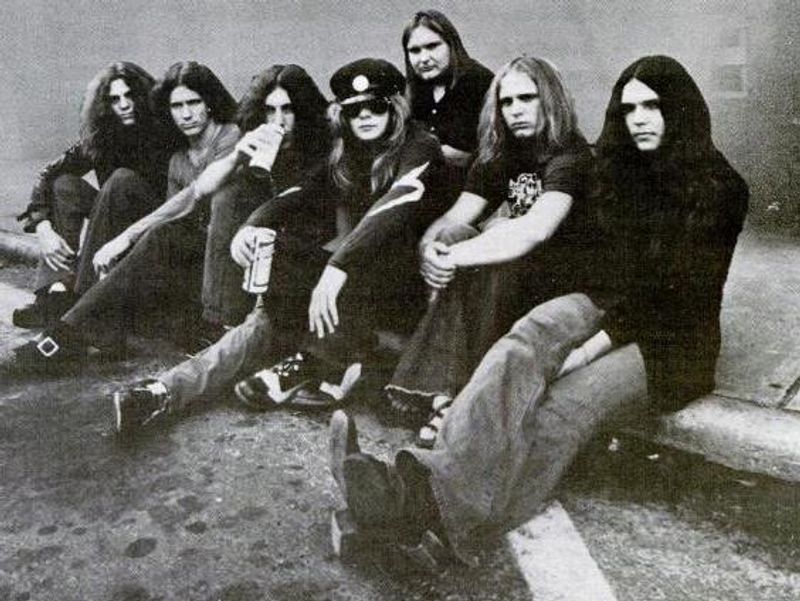
A plane crash in 1977 took the lives of Ronnie Van Zant, Steve Gaines, and several others, nearly destroying Lynyrd Skynyrd forever. For ten years, the music stopped, and fans wondered if they’d ever hear those Southern rock anthems again.
In 1987, the band reformed with Johnny Van Zant, Ronnie’s younger brother, taking the microphone. His voice carried echoes of his brother while bringing his own passion to classics like Sweet Home Alabama.
The decision to continue wasn’t easy, but it kept Southern rock’s heart beating strong.
4. The Who: Drumming Forward

Keith Moon wasn’t just The Who’s drummer; he was a wild force of nature behind the kit. His death in 1978 shocked the rock world and left his bandmates wondering how to move forward.
They brought in Kenney Jones, and later Zak Starkey, to keep the rhythm section alive. Though Moon’s chaotic energy could never be replicated, these drummers brought respect and skill to the role.
The Who adapted their sound, proving that evolution doesn’t mean forgetting where you came from, just finding new paths ahead.
5. Metallica: Justice For All

Cliff Burton’s death in a 1986 bus accident could have ended Metallica’s rise to metal greatness. The bassist’s creative genius and musical influence were massive parts of the band’s identity.
Instead of giving up, Metallica recruited Jason Newsted and channeled their grief into creating And Justice for All. The album showcased technical brilliance and raw emotion, cementing their status as metal legends.
Burton’s legacy lived on through every thundering bass line and complex arrangement that followed, inspiring countless musicians to pick up instruments and create something powerful.
6. The Allman Brothers Band: Brothers Forever

Losing Duane Allman in 1971 was heartbreaking enough, but when bassist Berry Oakley died just a year later, the future looked impossibly dark. Two core members gone in such a short time seemed like a sign to quit.
Yet, The Allman Brothers Band released Brothers and Sisters in 1973, which topped charts and gave fans Ramblin’ Man. The album proved that their Southern rock magic could survive even the cruelest losses.
Music became their way of keeping their brothers’ memories alive and vibrant.
7. The Rolling Stones: Satisfaction Continues

Brian Jones was a founding member of The Rolling Stones, but his 1969 death could have derailed everything. His guitar work helped define the band’s early sound and British rock invasion.
Mick Taylor stepped in, bringing blues-rock mastery, and later Ronnie Wood added his own flair to the lineup. The Stones evolved their sound while maintaining the rebellious spirit that made them legends.
Decades later, they’re still touring, proving that rock and roll really never dies. Their ability to adapt shows true musical resilience and dedication to fans worldwide.
8. Alice In Chains: Grunge Rises Again

Layne Staley’s haunting voice defined Alice in Chains’ grunge sound, making his 2002 death feel like the end of an era. His struggles and talent were intertwined with the band’s darkest, most powerful songs.
William DuVall joined as lead vocalist, bringing respect for the past and fresh energy for the future. The band released new material that honored their Seattle grunge roots while exploring new territory.
Fans initially skeptical found themselves moved by how DuVall carried Staley’s legacy forward without trying to imitate what couldn’t be copied.
9. Stone Temple Pilots: Finding New Voices

Scott Weiland’s death in 2015 left Stone Temple Pilots searching for a path forward. His distinctive voice and stage presence had been central to their alternative rock success throughout the 90s.
The band auditioned several talented singers, including Chester Bennington from Linkin Park and eventually Jeff Gutt. Each brought unique qualities while respecting the songs fans loved.
Though transitions weren’t always smooth, the band’s determination to continue showed how music can heal and unite. Their journey proves that bands can honor the past while building something new and meaningful.
10. Def Leppard: Unstoppable Spirit

Rick Allen’s 1984 car accident cost him his left arm, a devastating blow for any drummer. Most would have considered their career over, but Allen refused to accept that ending.
He worked with engineers to create a custom electronic drum kit that let him play using his feet for parts normally handled by his left hand. When Def Leppard released Hysteria in 1987, it became a massive hit, proving that determination beats any obstacle.
Allen’s story inspires musicians and non-musicians alike, showing that challenges are just opportunities to innovate and overcome.