15 Classic Books Baby Boomers Grew Up Reading
Stories read early tend to leave the deepest marks, shaping imagination long before adulthood takes over.
For many Baby Boomers, certain books were more than school assignments or bedtime reading.
These titles became companions during formative years, passed around classrooms, libraries, and living rooms.
Adventures felt endless, lessons landed quietly, and characters often stayed vivid long after the covers closed.
1. To Kill a Mockingbird
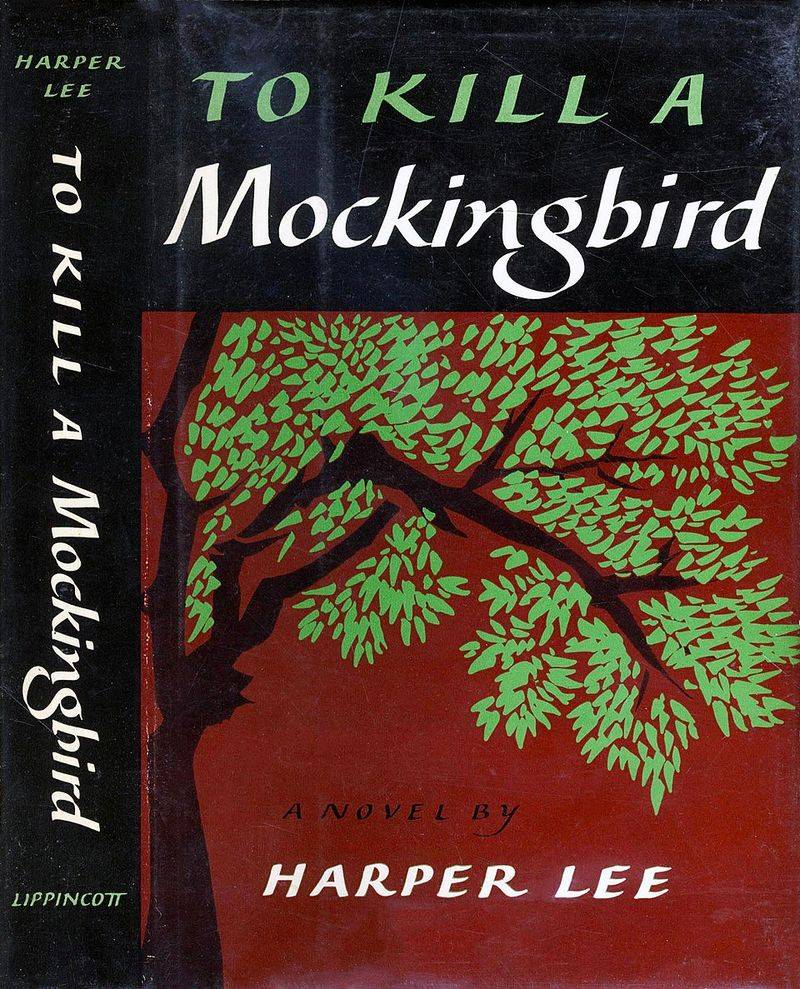
Harper Lee’s masterpiece hit shelves in 1960 and immediately became required reading for anyone trying to understand justice and compassion.
Scout Finch’s coming-of-age story in small-town Alabama tackles heavy themes like racism and moral courage through a child’s honest perspective.
Atticus Finch became the dad everyone wished they had – wise, brave, and standing up for what’s right even when the whole town disagreed.
2. The Catcher in the Rye
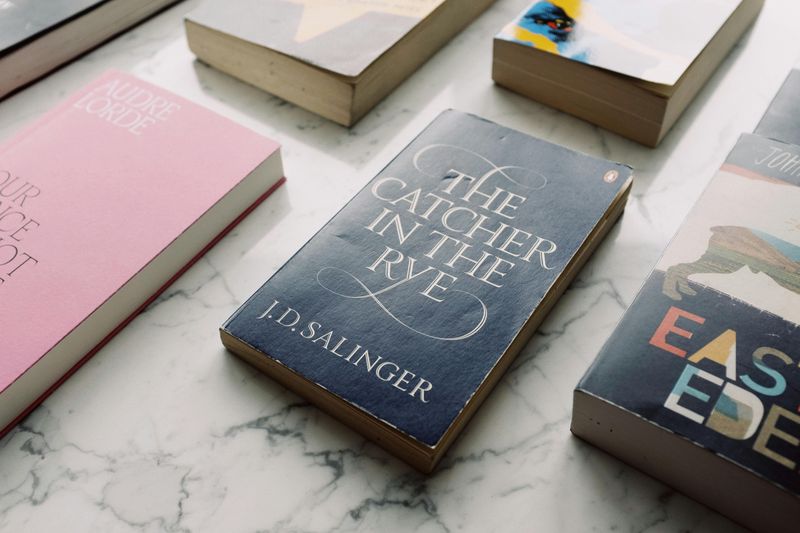
J.D. Salinger created the ultimate teenage rebel in Holden Caulfield, whose cynical voice spoke directly to every kid feeling misunderstood.
Published in 1951, this novel follows Holden’s wild weekend in New York City after getting kicked out of yet another prep school.
His rants about phonies and his desperate search for authenticity made readers feel seen and validated.
3. Of Mice and Men
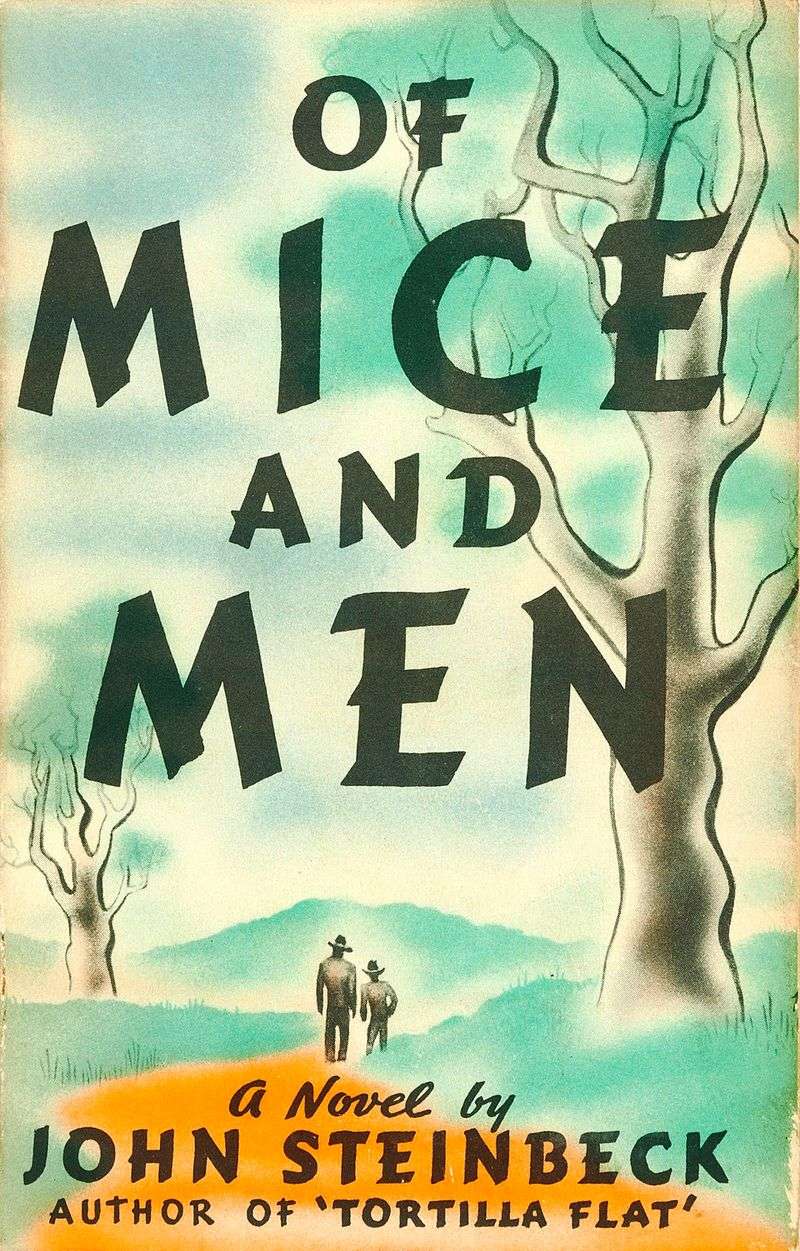
John Steinbeck’s 1937 novella packs an emotional punch in just over 100 pages, telling the story of George and Lennie during the Great Depression.
Two migrant workers dream of owning their own farm where Lennie can tend rabbits, but tragedy shadows their every step.
Lennie’s childlike innocence combined with his immense strength creates heartbreaking tension throughout.
4. 1984
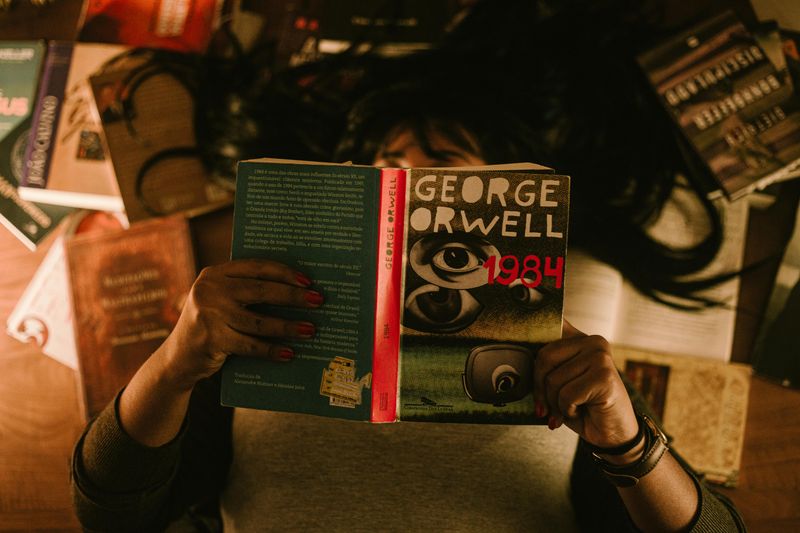
George Orwell’s chilling vision of a totalitarian future arrived in 1949 and felt uncomfortably relevant to Cold War kids.
Winston Smith lives under Big Brother’s constant surveillance in a world where truth is whatever the Party says it is.
Doublethink, thoughtcrime, and Room 101 became cultural touchstones warning against government overreach and mind control.
5. Animal Farm
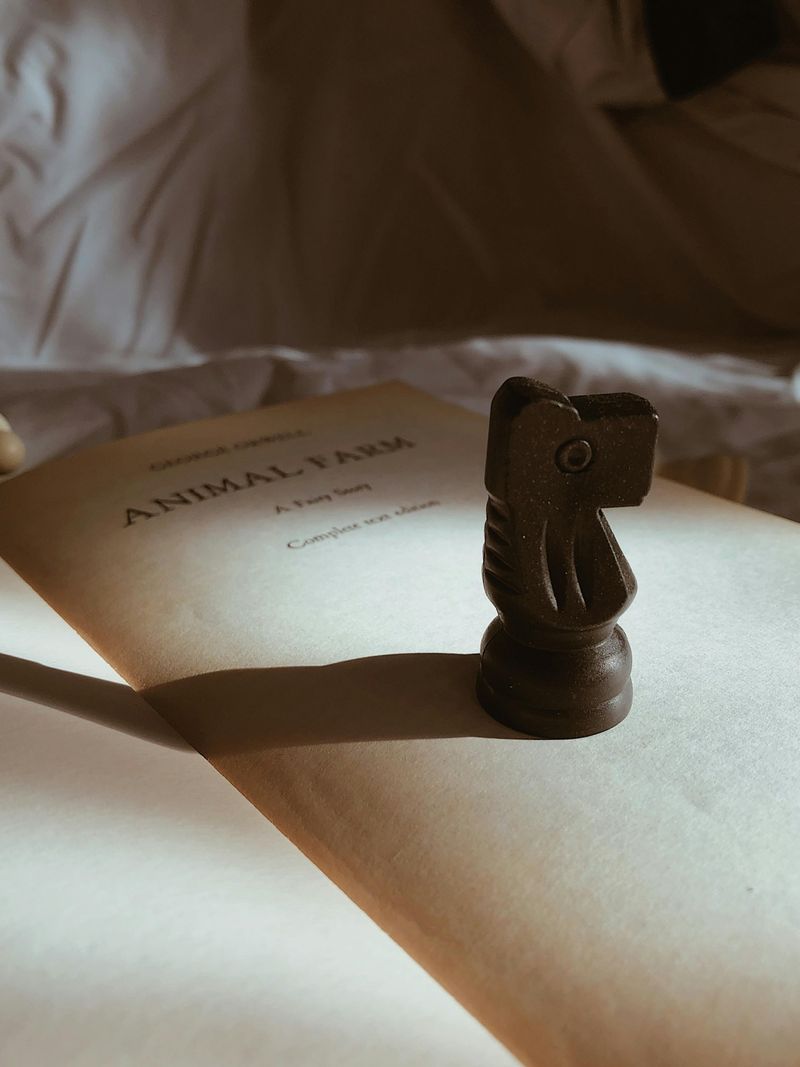
Before Orwell wrote 1984, he gave us talking farm animals in 1945 who overthrow their human farmer to create a better society.
Spoiler alert: it doesn’t work out the way the animals hoped, and soon the pigs are acting just like the humans they replaced.
Napoleon, Snowball, and Boxer taught readers about power corruption through allegory that even kids could grasp.
The famous line “All animals are equal, but some animals are more equal than others” became shorthand for hypocrisy everywhere.
6. The Great Gatsby

F. Scott Fitzgerald captured the glittering excess and hollow core of the Jazz Age in this 1925 masterpiece about obsessive love.
Jay Gatsby throws legendary parties hoping to win back his lost love Daisy, but his American Dream turns into a nightmare.
Nick Carraway narrates this tragedy of wealth, desire, and the impossible past with prose so beautiful it hurts.
7. The Old Man and the Sea
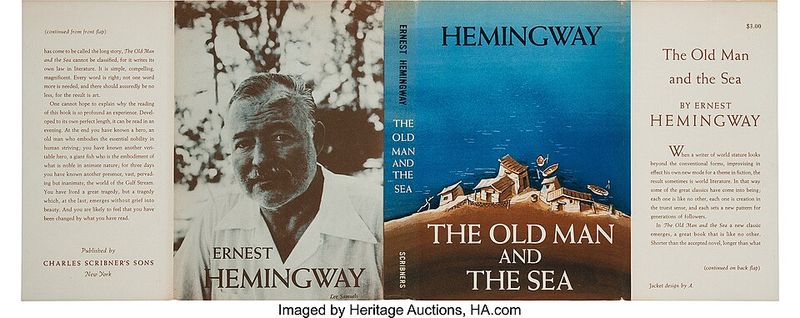
Ernest Hemingway won the Pulitzer Prize in 1953 for this lean, powerful tale of an aging Cuban fisherman’s epic battle with a giant marlin.
Santiago hasn’t caught a fish in 84 days, but he refuses to give up or accept defeat from the sea he loves.
His struggle with the massive fish becomes a meditation on dignity, perseverance, and man’s relationship with nature.
8. Little Women
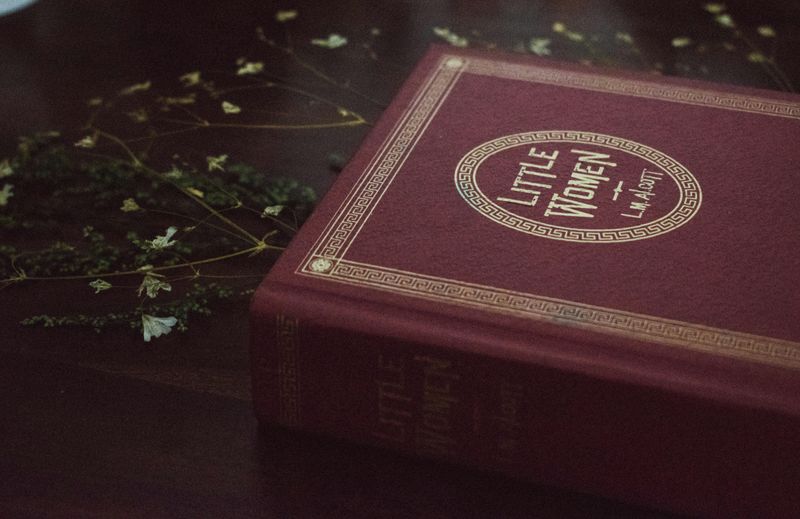
Louisa May Alcott’s 1868 novel about the March sisters became essential reading for understanding family, ambition, and growing up female in America.
Jo, Meg, Beth, and Amy navigate poverty, love, loss, and their dreams during and after the Civil War.
Jo March especially resonated with girls who wanted more than marriage and domesticity – she wanted to write and live life on her own terms.
The sisterhood portrayed felt authentic and timeless, making readers laugh, cry, and feel less alone in their own family drama.
9. The Chronicles of Narnia

C.S. Lewis created an entire magical world behind a wardrobe in this seven-book series published between 1950 and 1956.
Four siblings discover Narnia, where talking animals, mythical creatures, and the great lion Aslan fight eternal battles between good and evil.
Each book offered new adventures mixing Christian allegory with pure fantasy fun that worked whether you caught the symbolism or not.
10. The Hobbit
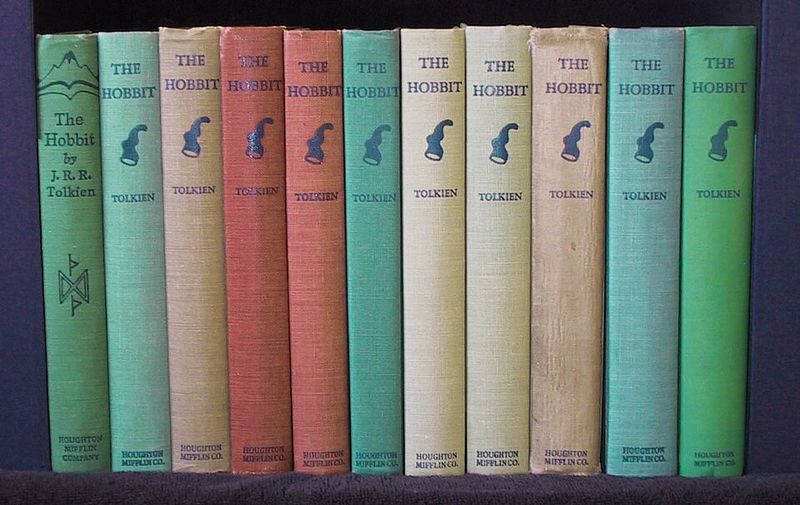
J.R.R. Tolkien introduced Middle-earth in 1937 with Bilbo Baggins, a respectable hobbit who gets dragged on an unexpected adventure by a wizard and thirteen dwarves.
What starts as a simple quest to reclaim stolen treasure becomes an epic journey featuring trolls, goblins, elves, and one very important ring.
Bilbo discovers courage he never knew he had while readers discovered a fully realized fantasy world with its own languages, histories, and songs.
11. The Outsiders
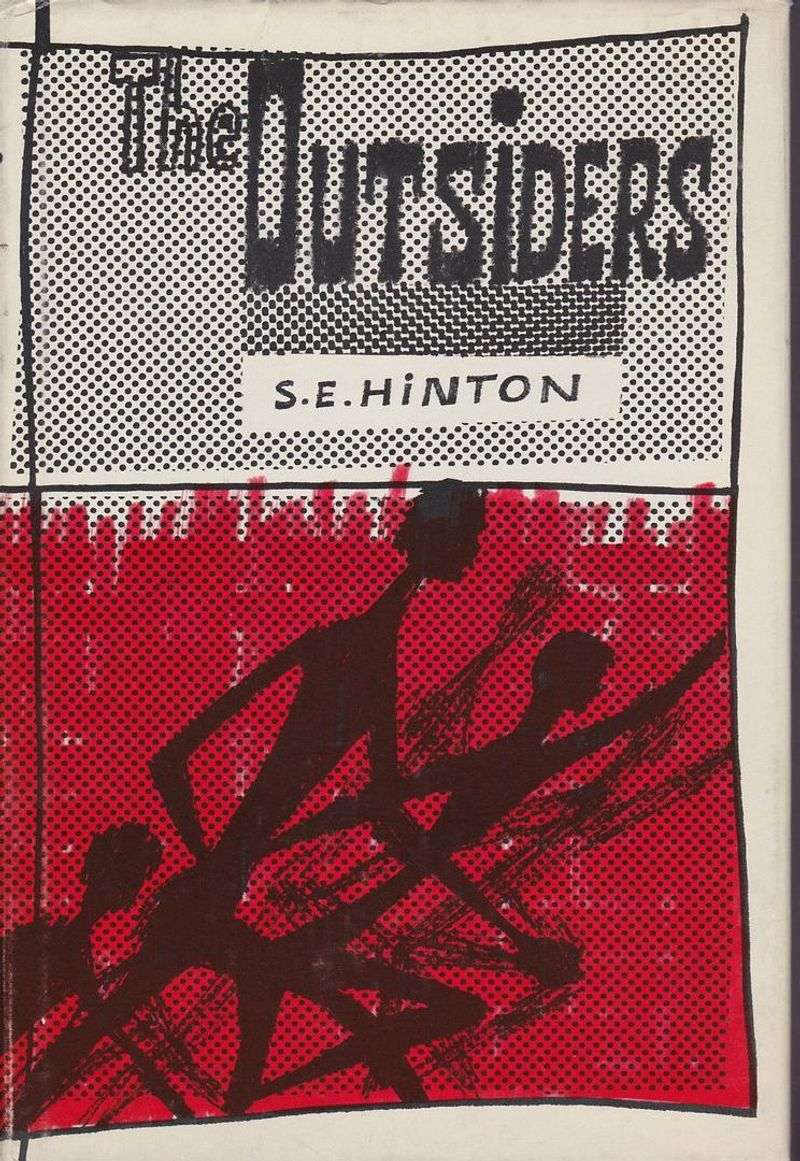
S.E. Hinton was only 16 when she wrote this raw, honest novel about Greasers versus Socs in 1967 Oklahoma.
Ponyboy Curtis navigates class warfare, gang loyalty, and tragedy in a story that refuses to romanticize teenage life or violence.
“Stay gold, Ponyboy” became an iconic line reminding readers to hold onto innocence in a harsh world.
12. A Wrinkle in Time
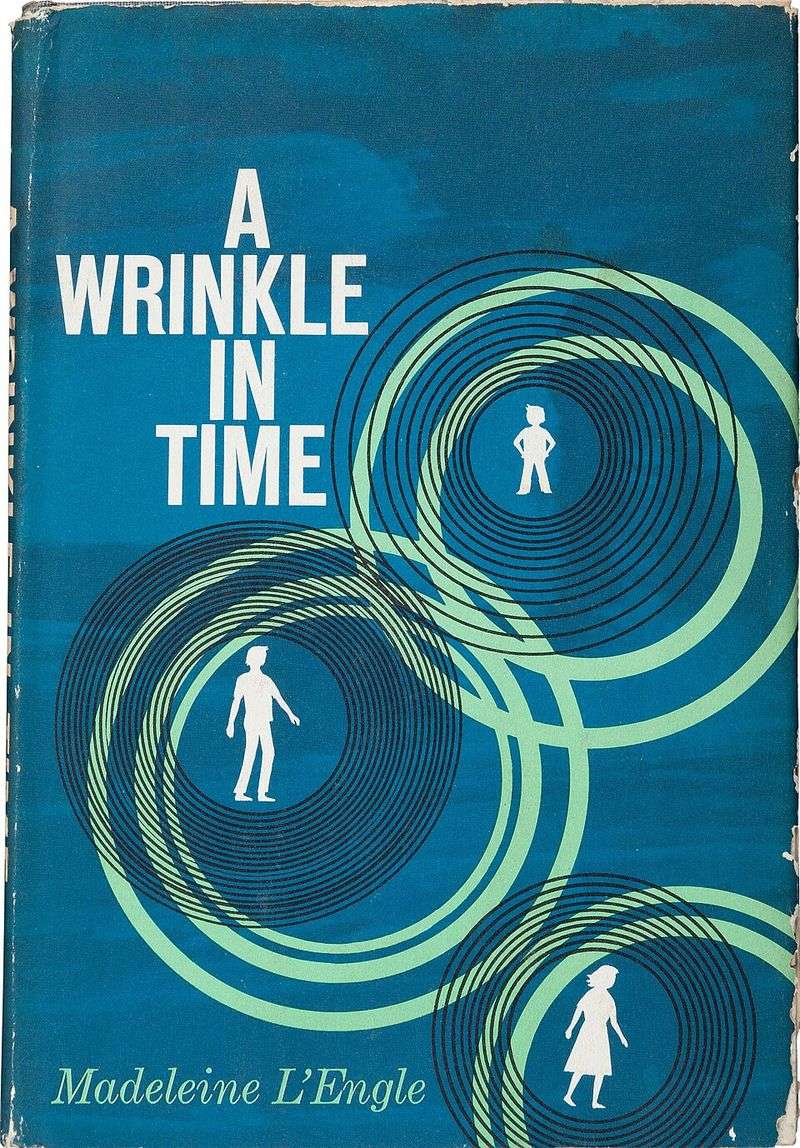
Madeleine L’Engle blended science fiction, fantasy, and philosophy in 1962 when Meg Murry traveled through space and time to rescue her scientist father.
With her brother Charles Wallace and friend Calvin, Meg battles the evil IT on the planet Camazoer, where conformity crushes individuality.
The book celebrated being different, thinking independently, and the power of love over darkness – revolutionary messages for young readers, especially girls interested in science.
13. The Call of the Wild

Jack London’s 1903 adventure follows Buck, a domestic dog stolen from California and forced into the brutal life of an Alaskan sled dog during the Gold Rush.
Buck transforms from pampered pet to fierce survivor, eventually answering the call of his wild wolf ancestors.
London’s vivid descriptions of the frozen North and Buck’s internal struggle between civilization and primitive instinct created an unforgettable journey.
14. Treasure Island
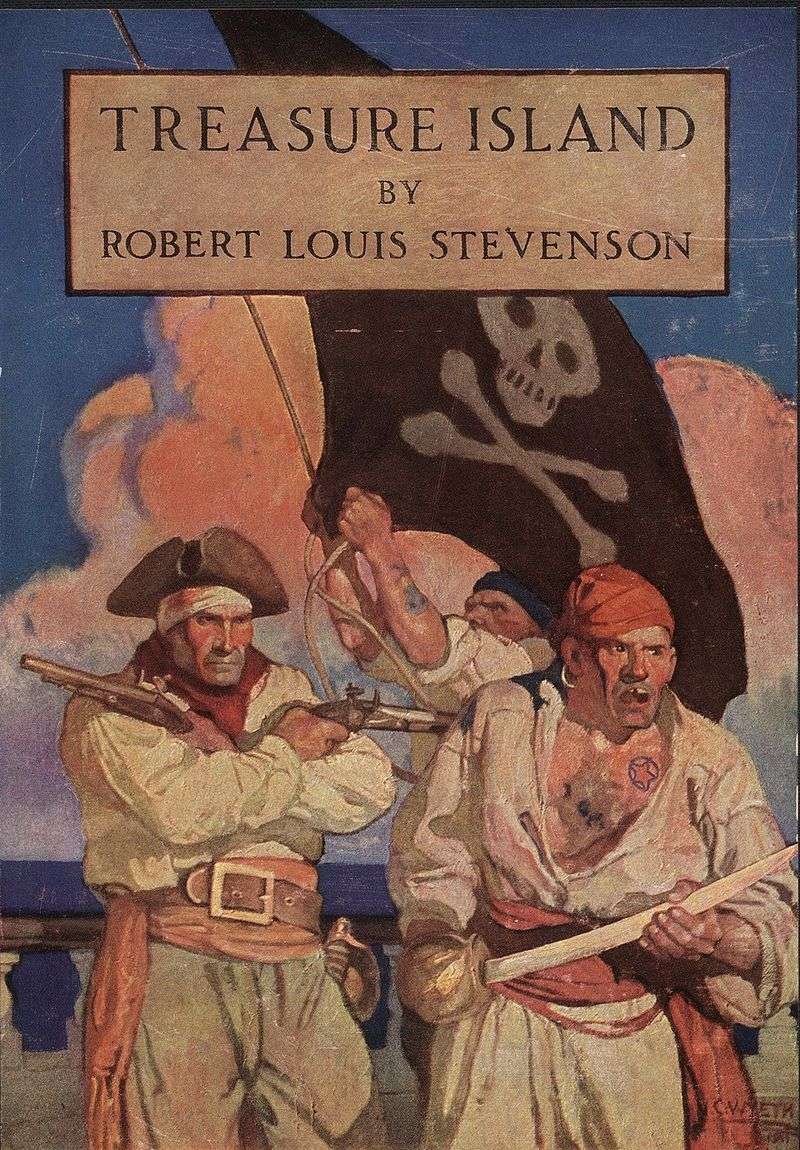
Robert Louis Stevenson created the ultimate pirate adventure in 1883, giving us Long John Silver, buried treasure, and the classic treasure map marked with an X.
Young Jim Hawkins stumbles into danger when pirates seek the treasure map left by a dead sailor at his family’s inn.
Sailing aboard the Hispaniola, Jim faces mutiny, discovers who to trust, and proves courage isn’t about size or age.
15. The Grapes of Wrath
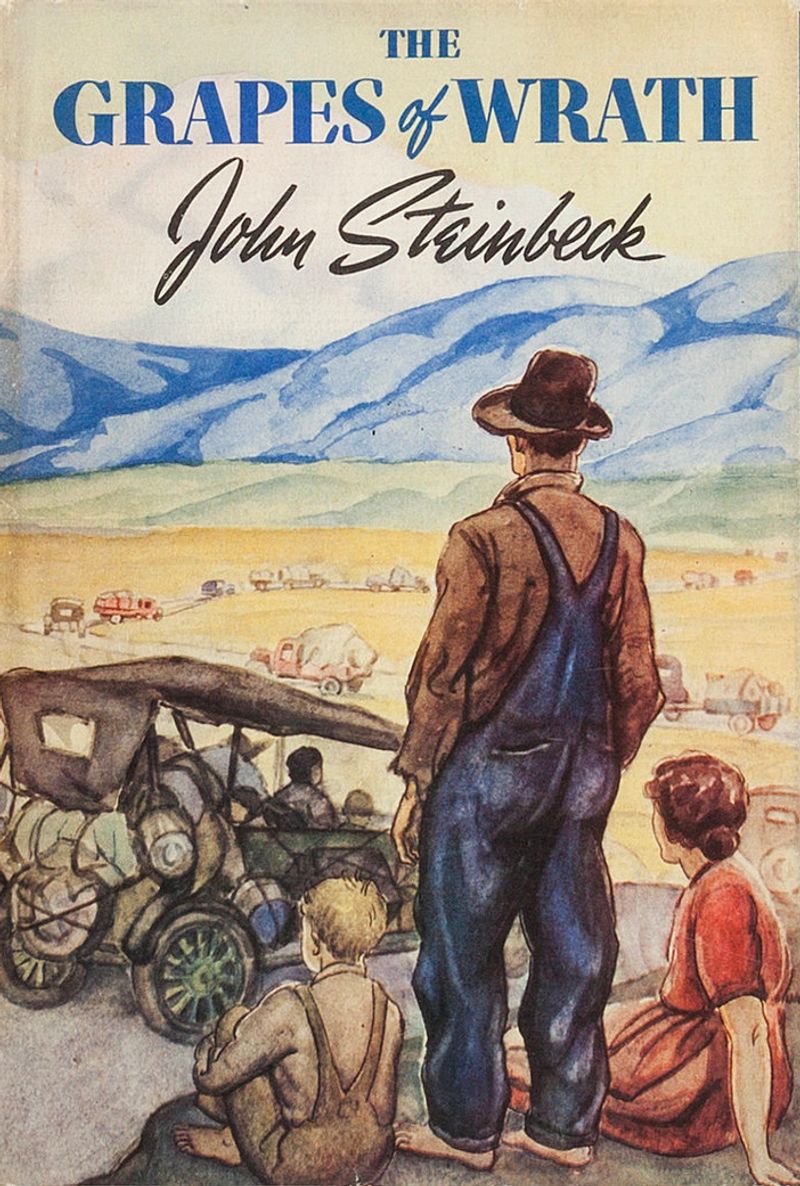
John Steinbeck’s 1939 epic follows the Joad family as they flee the Oklahoma Dust Bowl for California, hoping to find work and dignity.
Instead, they encounter exploitation, poverty, and the harsh reality that the American Dream isn’t available to everyone equally.
Tom Joad’s transformation from ex-con to social activist inspired readers to question economic injustice and stand up for the powerless.