20 Classic Movies That Remain Regulars On TV Schedules
Flip through the channels and suddenly you’re time-traveling in sweatpants. That familiar movie pops up again, and somehow you’re “just watching five minutes” until the credits roll.
These aren’t random reruns, they’re the comfort-food classics of television, the ones that feel like running into an old friend who still tells the same great stories.
Turns out, some films never leave the rotation because we never really want them to.
Disclaimer: This article highlights classic films that have remained popular in television programming based on widely reported broadcast patterns, film history coverage, and publicly available information. Availability can vary by country, network, and streaming or syndication rights, and some titles may appear more often in certain seasons or on specific channels.
20. A Trip To The Moon
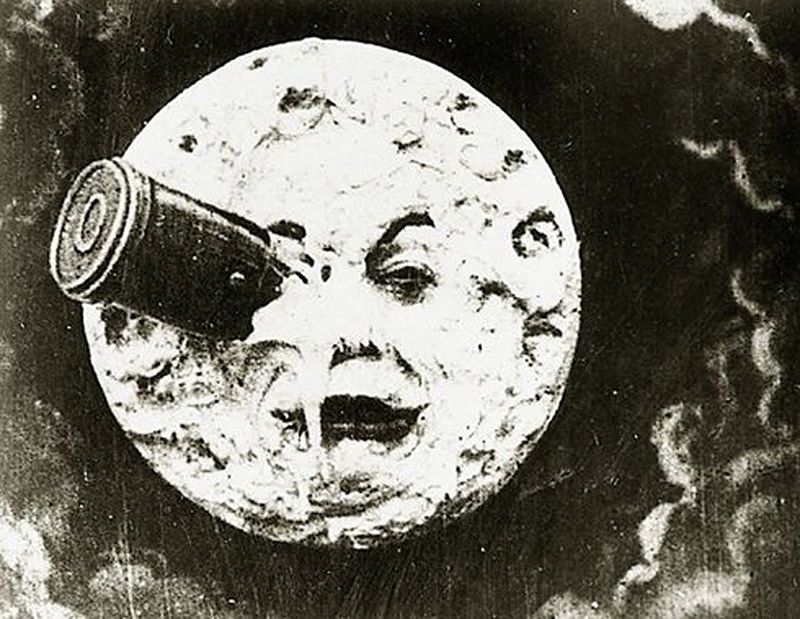
A rocket ship lodged in the moon’s eye captures one of cinema’s earliest and most unforgettable visual tricks. In 1902, Georges Méliès brought that fantasy to life in A Trip to the Moon, using hand painted frames and theatrical illusions that still charm audiences today.
Film history programs often spotlight the short during silent era showcases because it proves imagination once mattered more than budget. Viewers more than a century ago may have reacted with the same awe modern audiences feel during late night classic screenings.
Watching it now feels like opening a postcard from a time when movies were still learning how to move.
19. Safety Last!
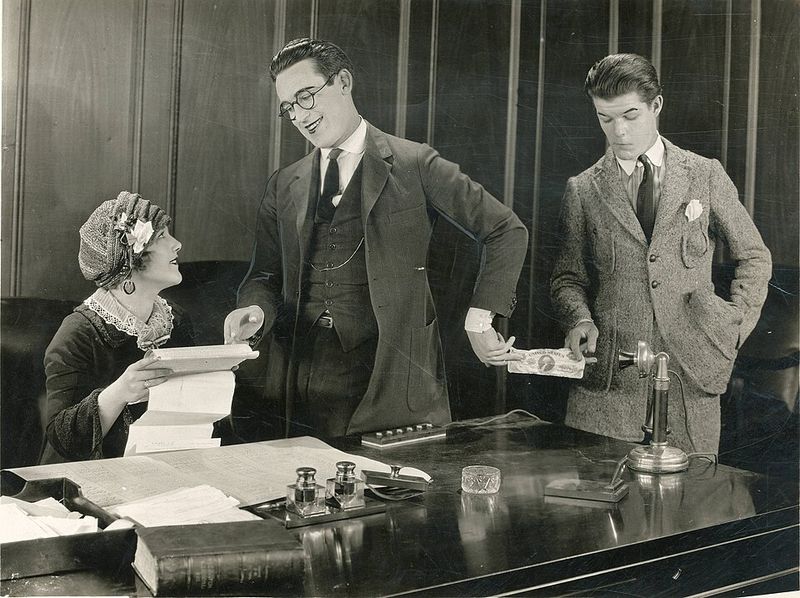
Harold Lloyd dangled from a clock face several stories above Los Angeles, and somehow that image never gets old. Every time a classic comedy marathon rolls around, there he is again, clinging to those clock hands while pigeons circle and your heart does a little flip.
The stunt was real, the danger mostly manufactured with clever camera angles, but the thrill remains genuine. Silent comedians risked their necks for laughs, and this particular gamble paid off with a scene that’s been replayed for over a century.
You can almost hear the ticking.
18. Sherlock Jr.
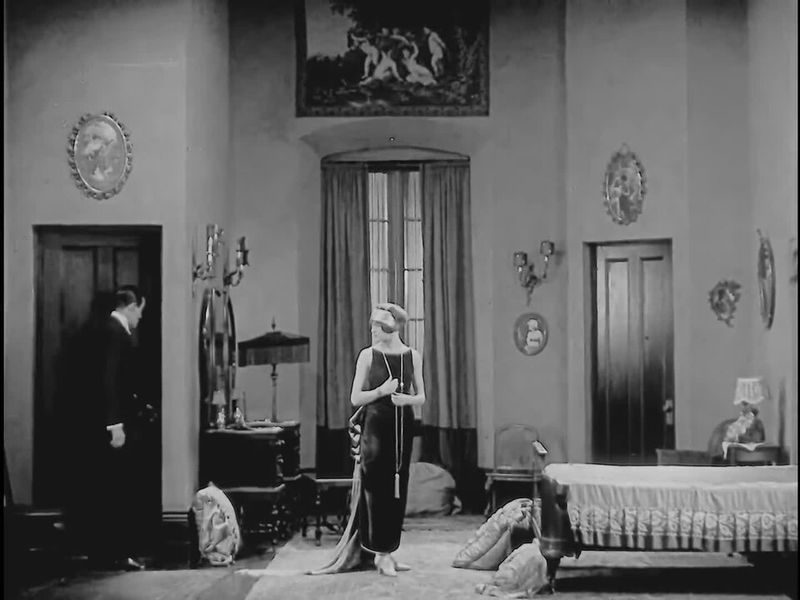
Silent film audiences saw boundaries shatter when Buster Keaton leapt straight into the movie screen.
In Sherlock Jr., his projectionist character steps inside the film he is showing, blending reality and fantasy in a way that still feels inventive during late night classic movie marathons.
Running under an hour, the film delivers a quick burst of visual imagination, while Keaton’s famously calm expression masks a creative mind that understood cinema’s magic better than many directors with far bigger budgets.
17. The Mark Of Zorro
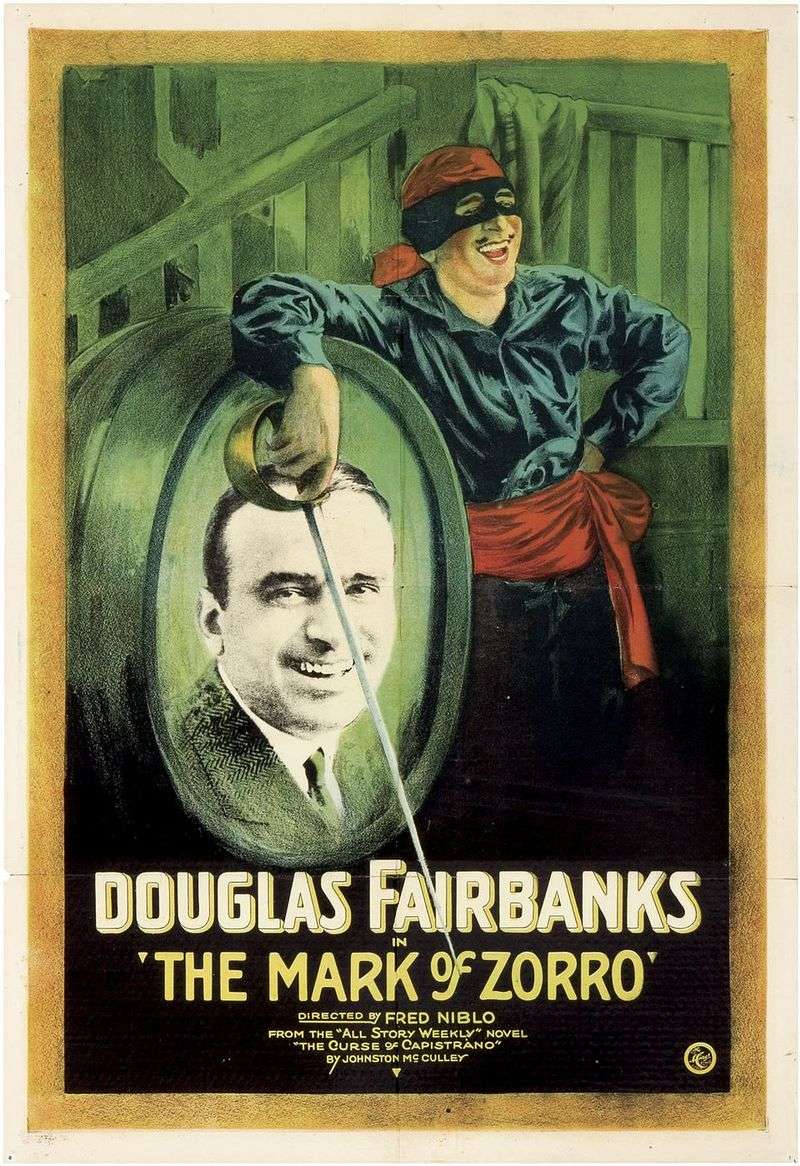
Douglas Fairbanks carved a “Z” into the scenery and invented the masked hero as we know him. His athletic stunts and swashbuckling charm made this 1920 adventure the template for every caped crusader who followed.
Vintage Hollywood programming blocks trot out this original masked avenger whenever they need a reminder that superheroes existed long before comic books. Fairbanks leaps across rooftops with a grin that suggests saving the day should always look this fun.
Cable channels know viewers still appreciate a hero who uses both sword and wit.
16. The Cabinet Of Dr. Caligari
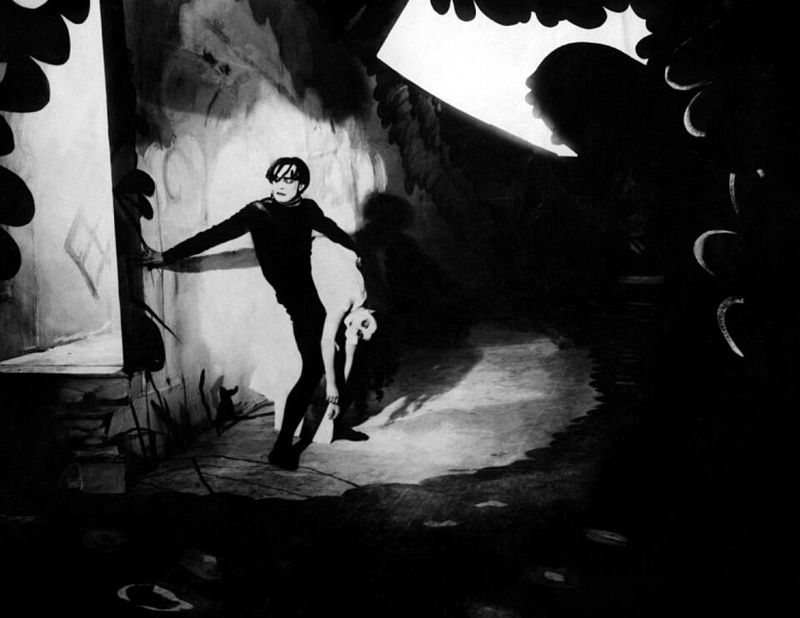
Crooked walls and stretched shadows create an unsettling dreamscape in The Cabinet of Dr. Caligari. Directed by Robert Wiene, the film’s twisted sets and eerie mood make it a perfect pick for late night horror lineups, especially during October programming.
Painted shadows and warped perspectives shaped the visual language of countless horror movies that followed, showing how atmosphere can unsettle viewers more effectively than gore.
Generations of film students and late night viewers still find themselves captivated by its strange, slanted world.
15. Battleship Potemkin
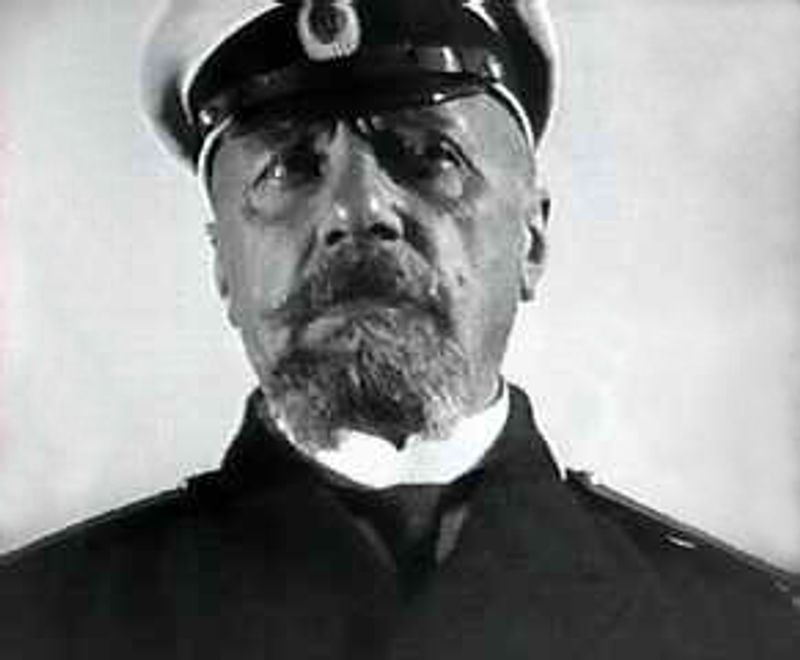
A baby carriage tumbling down the Odessa Steps became one of the most studied sequences in film history. In 1925, Sergei Eisenstein crafted Battleship Potemkin, a landmark work that still anchors film school lessons and history showcases.
Rapid cutting, rising tension, and carefully arranged images collide to create meaning that goes far beyond what is literally on screen.
Students and cinephiles continue to revisit it as a masterclass in visual storytelling, proving how editing alone can shape emotion even without heavy dialogue or music.
14. The Gold Rush
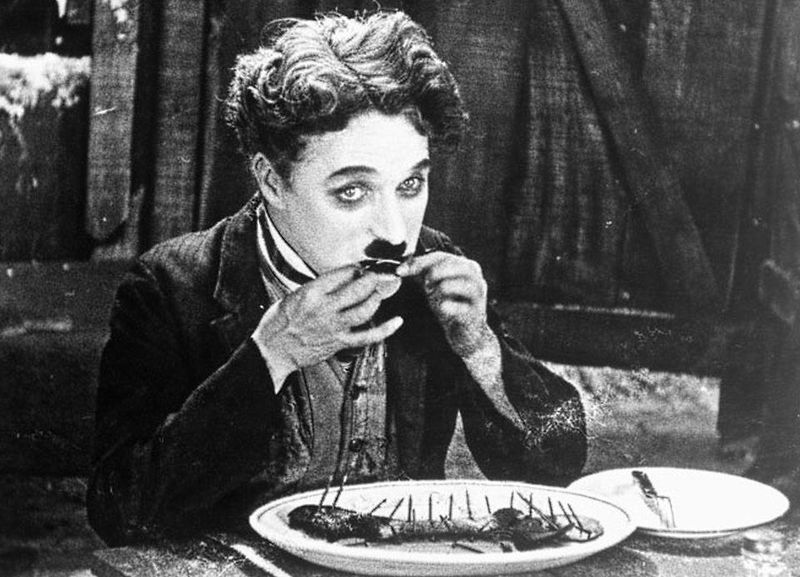
One unforgettable gag features a man calmly eating a boot as if it were a gourmet meal. In The Gold Rush, Charlie Chaplin sends the Little Tramp wandering through the Klondike, blending slapstick comedy with genuine emotion.
That balance keeps the film in steady rotation at silent film festivals and classic holiday screenings. Famous bread roll dance remains a highlight, with two rolls on forks turning into tiny tapping feet in a burst of pure whimsy.
Chaplin’s gift for placing laughter and heartbreak side by side still gives the film its lasting magic.
13. Nosferatu
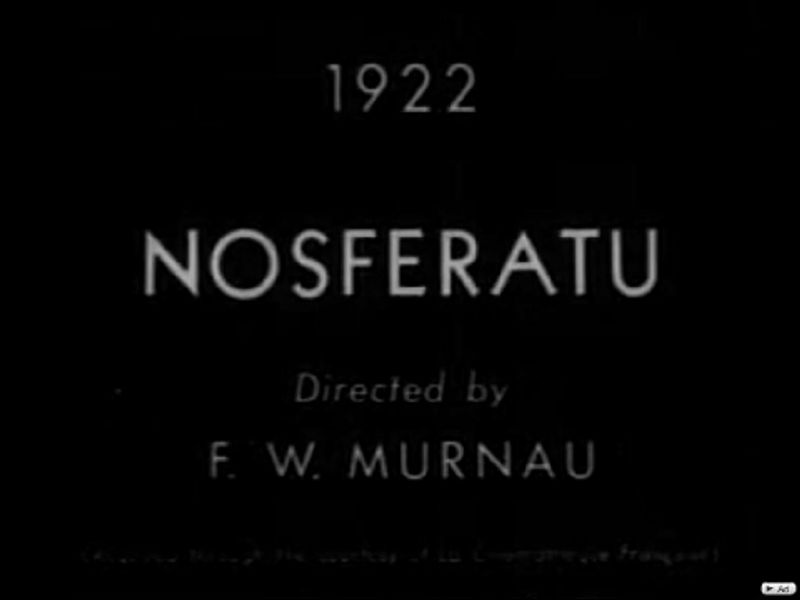
Count Orlok’s shadow creeps up the stairs, and suddenly every vampire movie that followed seems like it’s just borrowing his moves. F.W.
Murnau’s 1922 unauthorized adaptation of Dracula remains a Halloween staple, returning to screens every October like the undead creature it depicts. Those rat-like fangs, the elongated fingers, the way sunlight finally destroys him.
Modern vampires might sparkle or brood, but Orlok reminds us that early screen vampires were meant to terrify, not charm.
12. Metropolis
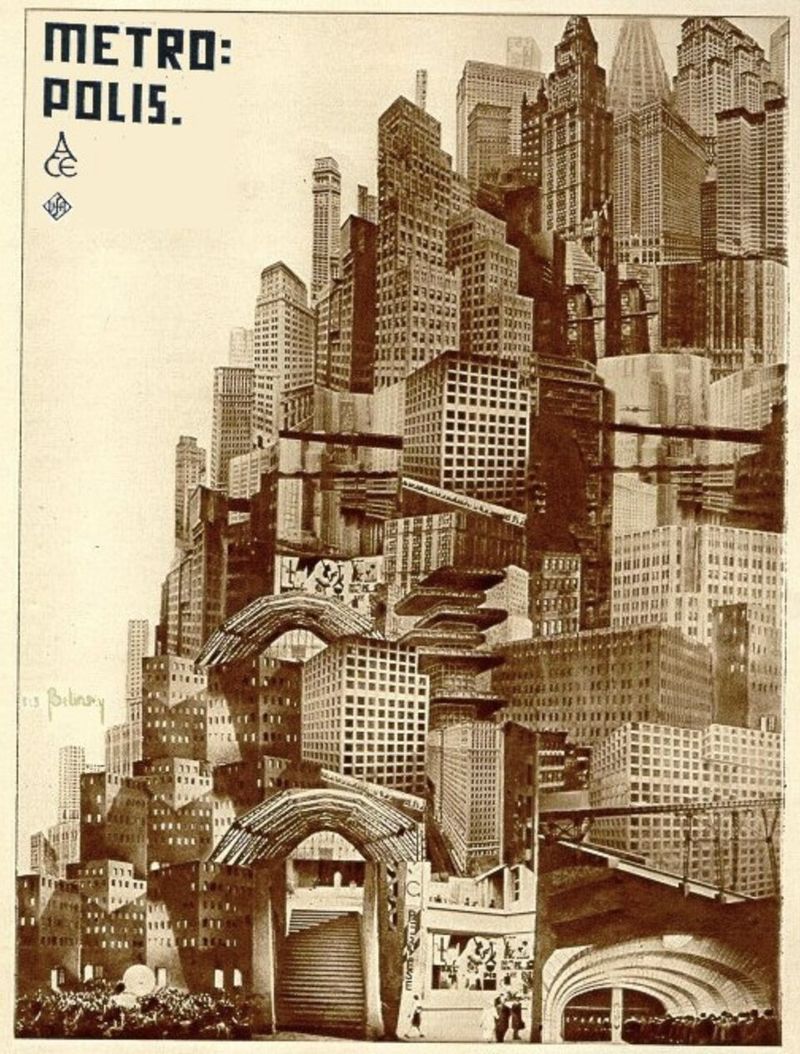
Towering skyscrapers and sprawling factories defined a vision of the future that still feels striking today. In 1927, Fritz Lang unveiled Metropolis, a science fiction epic whose scale and design remain astonishing nearly a century later.
Iconic robot Maria, with her sleek art deco form and blank stare, became one of cinema’s most copied and referenced images.
Restored prints often appear on classic film channels, reminding viewers that silent era storytelling could imagine futures as layered as anything built with modern effects.
Sharp divide between wealthy elites above and struggling workers below continues to feel uncomfortably relevant in every era.
11. The Phantom Of The Opera
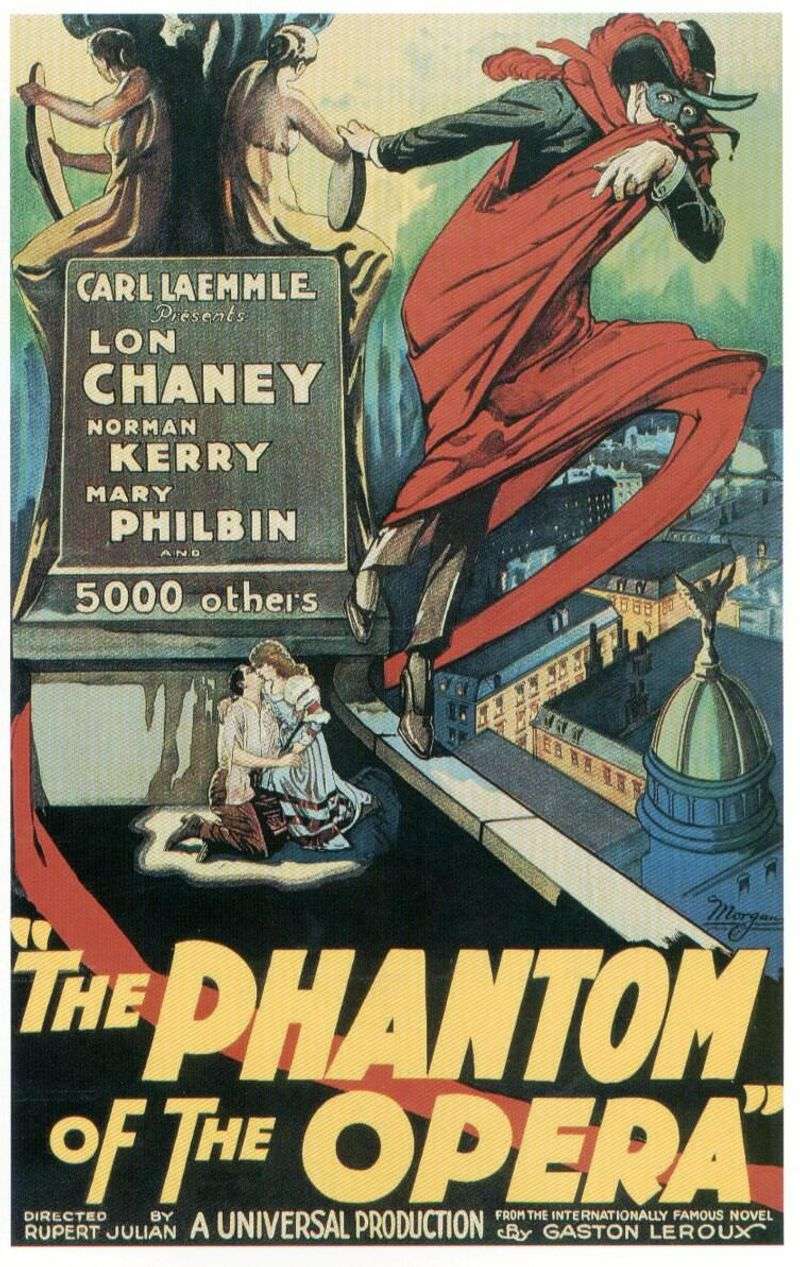
Lon Chaney did his own makeup, and the skull-like face he created still startles audiences when Christine finally yanks off that mask.
This 1925 silent version remains the gold standard for vintage horror programming, partly because Chaney’s performance transcends the lack of sound.
His eyes convey more pain and madness than pages of dialogue ever could. The grand opera house setting, the underground lair, the chandelier crash – it’s gothic romance at its most melodramatic, which is exactly why networks keep bringing it back.
10. The General
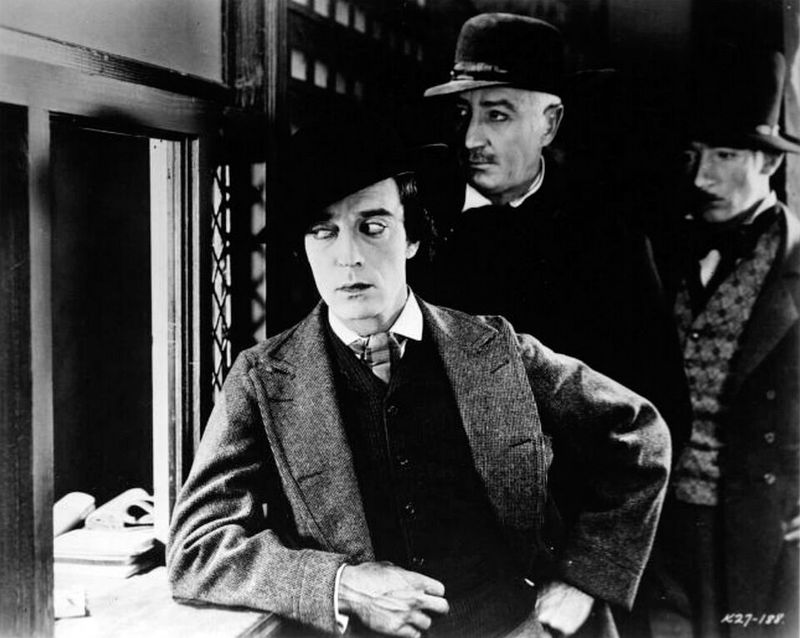
A real locomotive crashing through a burning bridge is often cited as the most expensive single shot of the silent era.
In 1926’s The General, Buster Keaton packed Civil War era train chases, split second timing, and fearless physical comedy into one relentless ride.
Classic film channels return to it again and again to show how practical effects and genuine danger once created thrills no green screen can fully duplicate. All the while, Keaton’s deadpan expression never flickers as engines crash and cannons misfire around him, making the chaos somehow even funnier and more astonishing.
9. King Kong
A giant ape climbed the Empire State Building, and that image became cinema’s most recognizable monster moment. Willis O’Brien’s stop-motion animation gave Kong a personality that transcended the technical limitations, making audiences care about a creature that existed only as a tiny puppet filmed one frame at a time.
Cable movie channels revisit this 1933 creature feature constantly because it invented the modern monster movie formula: exotic location, beautiful woman, tragic beast.
Every kaiju and giant creature that followed owes Kong a debt they can never fully repay.
8. The 39 Steps
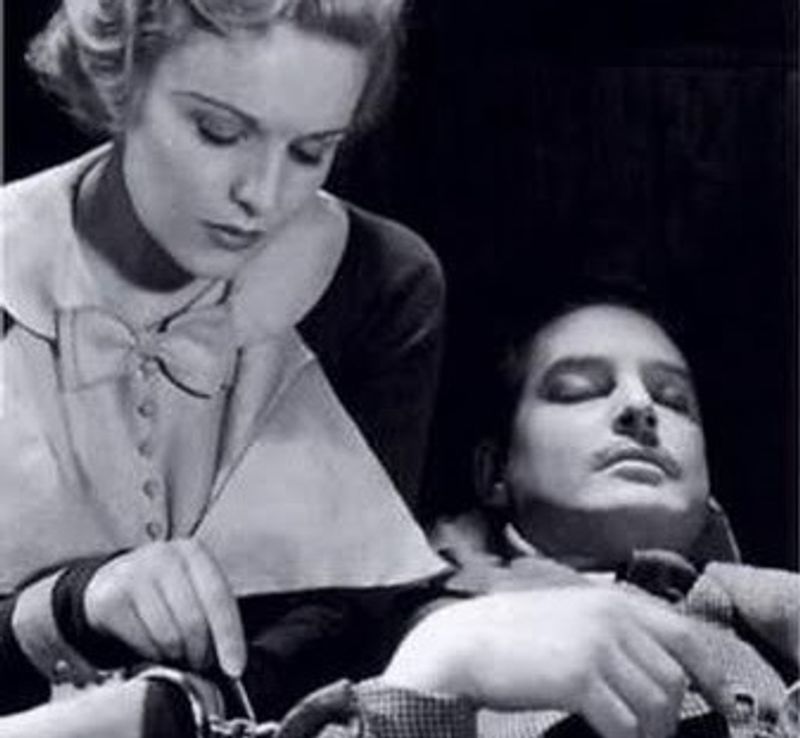
Handcuffed leads on the run helped launch one of Alfred Hitchcock’s defining thriller blueprints. Released in 1935, The 39 Steps packs mistaken identity, a mysterious MacGuffin, and the cool blonde dynamic that would echo through much of his later work.
Across the Scottish moors, Robert Donat dashes from danger while trying to clear his name, with romance blooming at the most inconvenient possible moments.
Frequent showings during suspense marathons prove how this lean British production captures Hitchcock’s style in a tighter, purer form than many of his later, glossier Hollywood thrillers.
7. Bringing Up Baby
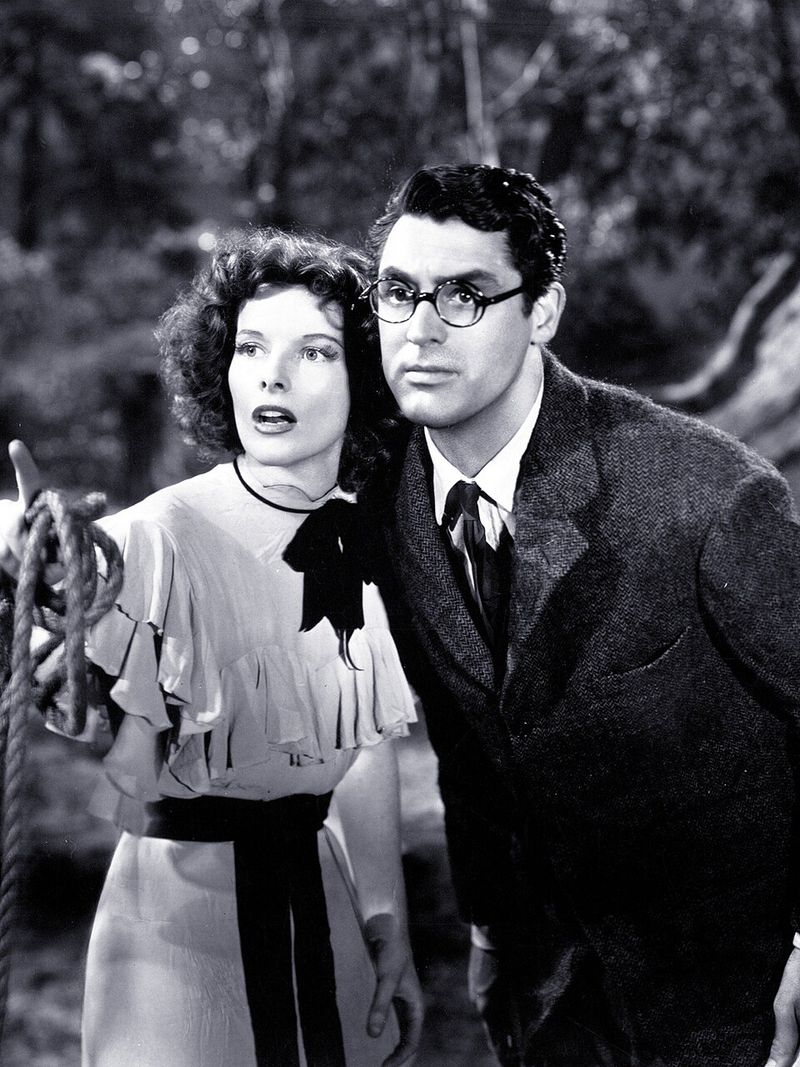
Cary Grant loses his dinosaur bone, his dignity, and possibly his mind while Katharine Hepburn talks a mile a minute and drags a leopard around Connecticut.
This 1938 screwball comedy moves so fast that catching every joke requires multiple viewings, which conveniently justifies its constant presence on classic romance and comedy programming blocks.
The banter crackles, the physical comedy escalates, and the sexual tension hides behind rapid-fire dialogue that censors couldn’t quite catch. It’s chaos as courtship, and networks know viewers still appreciate watching two stars at their absolute peak.
6. Singin’ In The Rain
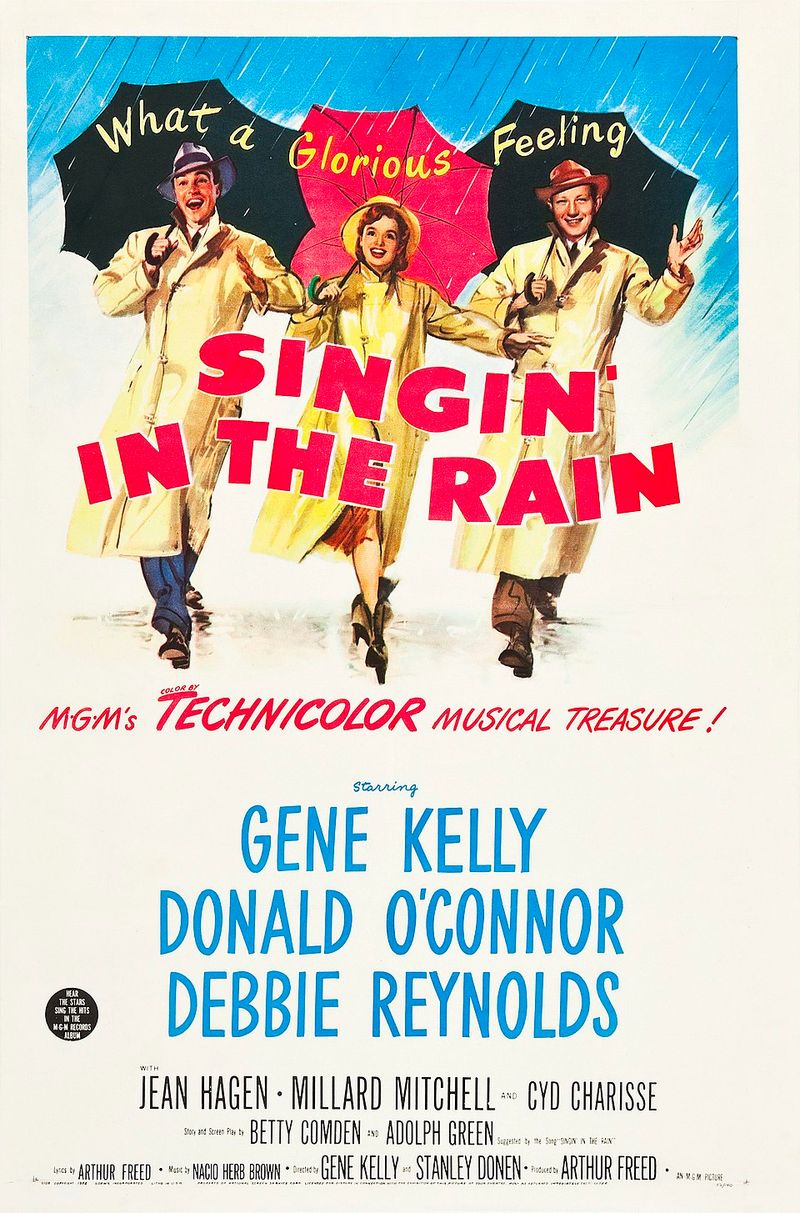
Rain-soaked pavement turns into pure joy once Gene Kelly starts splashing and spinning. Made in 1952, Singin’ in the Rain captures Hollywood’s rocky shift from silent movies to talkies while keeping the tone light and playful.
Catchy songs and sharp physical comedy keep momentum high from the opening scene to the final bow. Holding her ground beside seasoned performers, Debbie Reynolds delivers charm and stamina despite limited dance training.
Love for movie magic shines through without turning syrupy, mostly because audiences stay too busy tapping their feet to get sentimental.
5. Night Of The Living Dead
George Romero made zombies shamble into our nightmares on a shoestring budget, and the film’s U.S. public-domain status is one reason it’s aired so widely.
Networks often lean on it during October horror lineups because the film itself doesn’t require a U.S. licensing fee to air, while still delivering genuine scares.
The grainy black-and-white photography makes everything feel more documentary-real, like you’re watching actual news footage of the apocalypse. Modern zombie shows and movies trace their DNA directly back to this Pennsylvania farmhouse where the dead first learned to crave human flesh on screen.
4. It’s A Wonderful Life
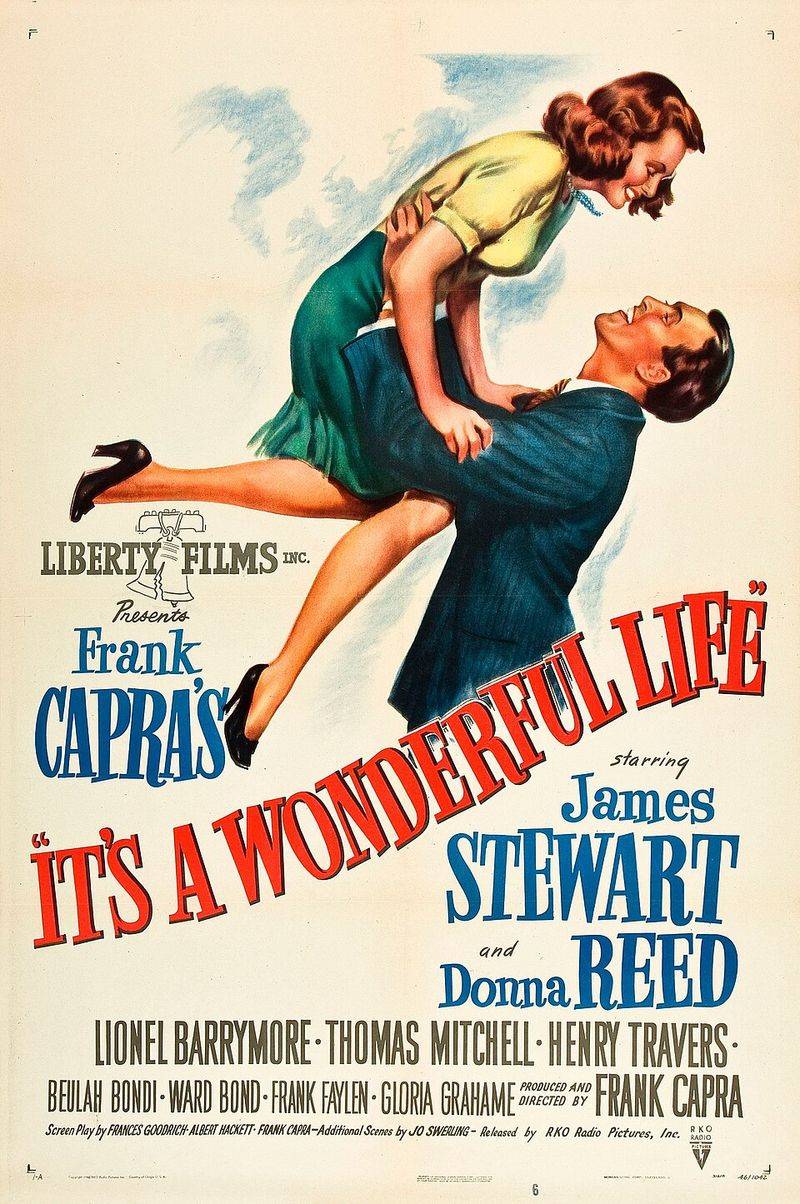
Each December brings George Bailey back to that snowy bridge, while Clarence the angel earns his wings all over again. Released in 1946, It’s a Wonderful Life from Frank Capra slowly grew into a holiday staple after a copyright renewal was missed, which opened the door to heavy TV airings, even as other rights issues later complicated the picture.
James Stewart’s portrayal of an overwhelmed everyman gives the story an emotional weight that still feels deeply relatable. Snowy small town streets, a guardian angel with a mission, and the reminder that one life touches countless others land differently when winter settles in and the year draws to a close.
Television networks keep scheduling it because viewers tend to stop flipping channels and settle in for the full journey.
3. The Wizard Of Oz
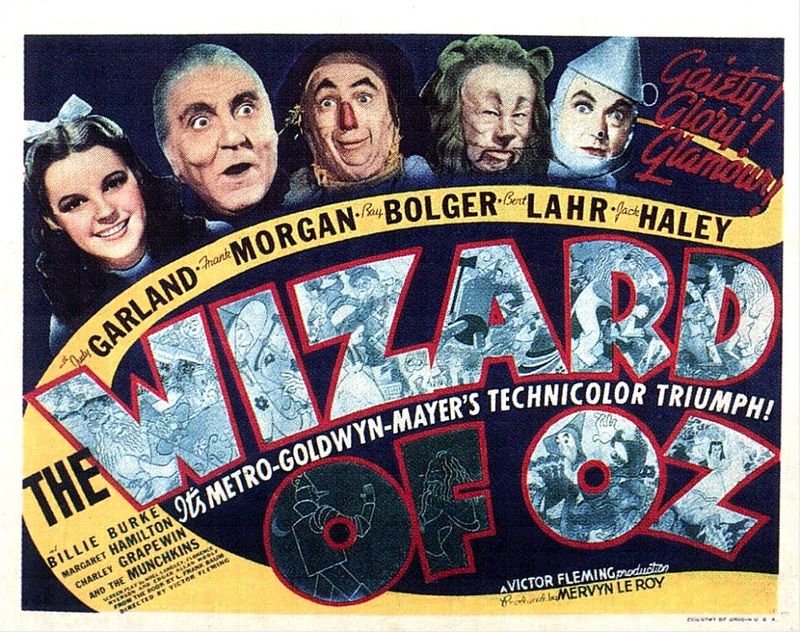
Ruby slippers click together, and generations of viewers can finish Dorothy’s line in perfect unison. Few films match the staying power of The Wizard of Oz, which moved from special network events to near constant cable rotation without losing its charm.
Sepia Kansas giving way to bright Technicolor Oz still feels magical, even when everyone knows the transition is coming. Judy Garland’s soaring voice, memorable companions, and moments of shadow balanced with hope create a story that resonates at any age.
Enduring appeal keeps it on television schedules year after year, proving some movies never lose their spell.
2. Casablanca
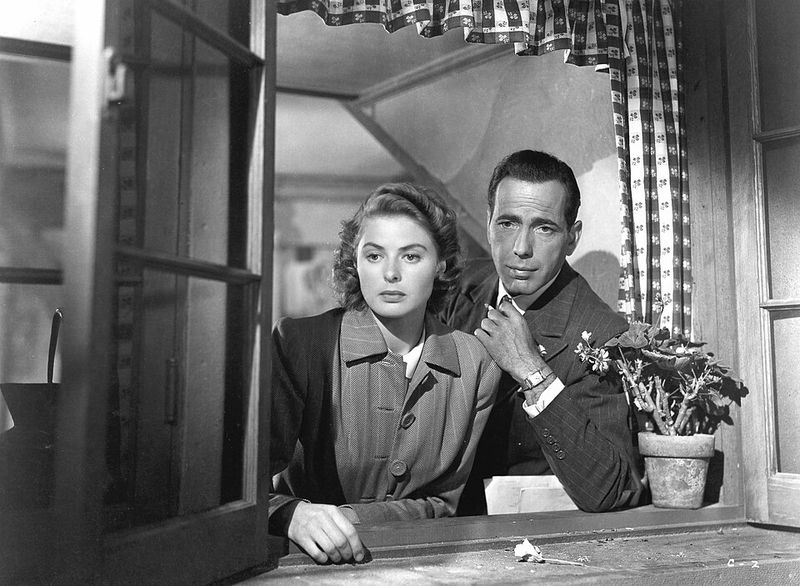
Humphrey Bogart tells Ingrid Bergman that they’ll always have Paris, and classic movie networks ensure we’ll always have Casablanca.
This 1942 romantic drama airs year-round on channels dedicated to Hollywood’s golden age because every element clicks perfectly: the exotic wartime setting, the cynical hero with a hidden heart, the impossible love triangle.
The dialogue is endlessly quotable, the supporting cast adds depth to every scene, and the ending sacrifices personal happiness for something larger without feeling preachy. It’s the film that proves sometimes the problems of three little people really do amount to a hill of beans.
1. The Sound Of Music
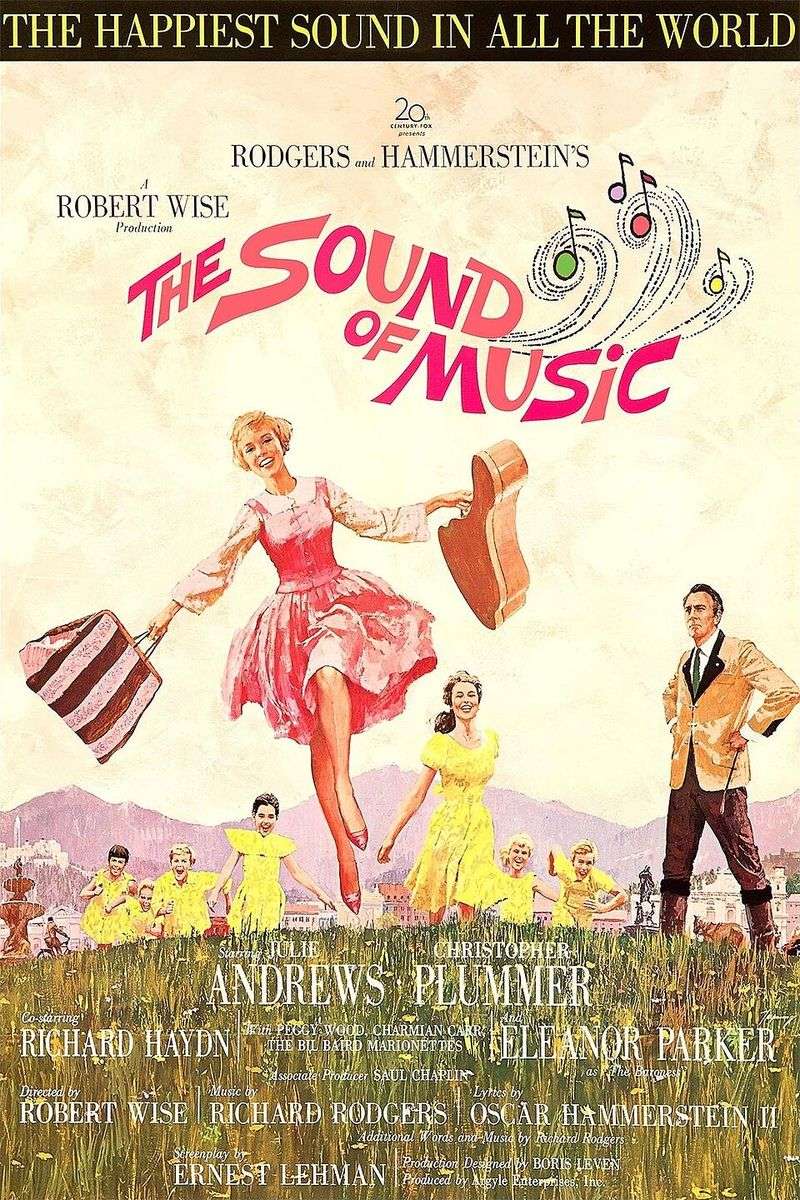
Alpine hills come alive the moment Julie Andrews twirls across the mountainside. Television programmers keep returning to The Sound of Music, sliding it into holiday lineups and family movie blocks because audiences reliably show up.
Singalong songs, a gently growing romance between Maria and the Captain, and rising danger during the escape from the N*zis give the story more weight than simple sweetness.
Generations have watched the von Trapp family climb every mountain, and networks trust that new viewers will keep discovering it year after year.