15 Classic Mystery Series That Modern Viewers May Struggle With
Television has transformed dramatically over the decades, and nowhere is that more obvious than in mystery series.
What once kept audiences glued to their screens now feels like watching paint dry for viewers raised on streaming platforms and rapid-fire editing.
These classic whodunits might test your patience, but they also reveal how storytelling has evolved from generation to generation.
Disclaimer: This article reflects subjective editorial perspectives on older mystery television series and should not be interpreted as definitive fact or universal viewer experience.
1. Columbo
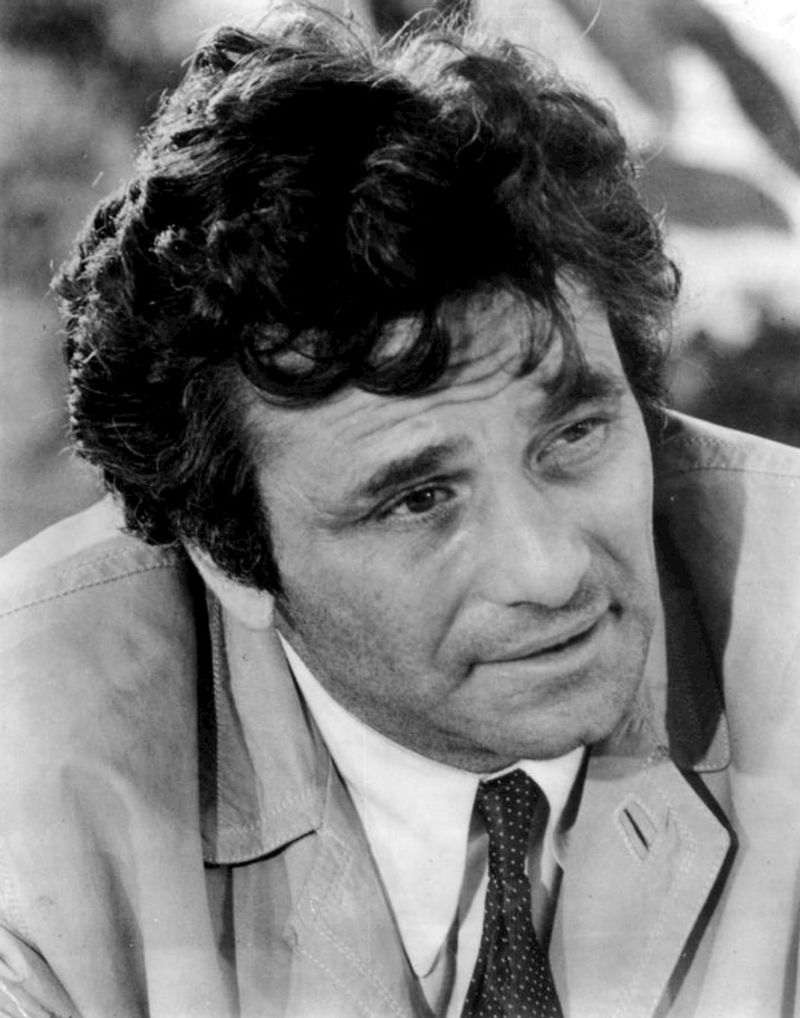
Lieutenant Columbo wore the same wrinkled raincoat for years, and somehow that made him television gold.
Peter Falk played the unassuming detective who always caught killers by pretending to be less clever than he was.
The show revealed the murderer at the beginning, flipping the mystery format completely upside down.
Modern audiences might find the episodes painfully long at 90 minutes each, with pacing that feels slower than a snail race.
2. Perry Mason
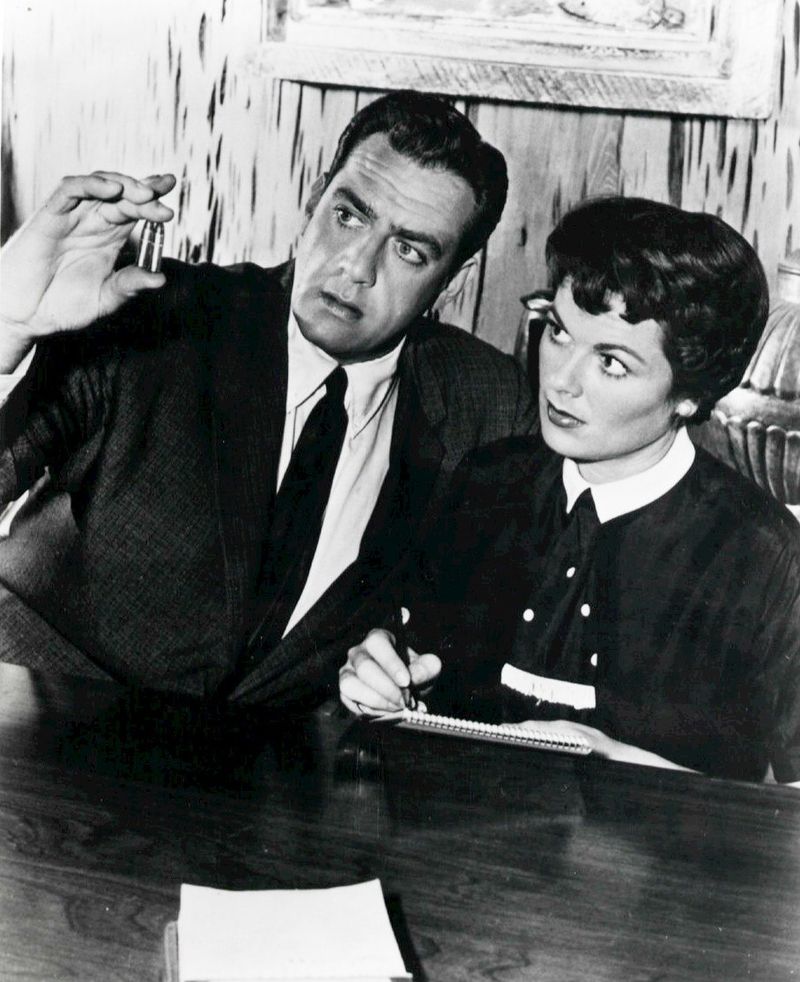
Raymond Burr defended clients with the intensity of a superhero fighting crime, except his weapon was legal jargon.
Every single episode followed the same formula: someone gets accused, Mason investigates, courtroom drama erupts, and the real villain confesses on the witness stand.
If you think that sounds predictable, you would be absolutely correct!
The gender roles feel stuck in a time capsule, which can make today’s viewers cringe.
3. Murder, She Wrote

Jessica Fletcher wrote murder mysteries for a living, but somehow real murders followed her everywhere like a dark cloud.
Angela Lansbury played the kindly author who solved crimes in the fictional town of Cabot Cove, Maine.
Statistically speaking, that town had more murders per capita than any war zone!
Younger viewers might struggle with the slow reveals and predictable plot twists that feel like déjà vu.
4. Quincy, M.E.
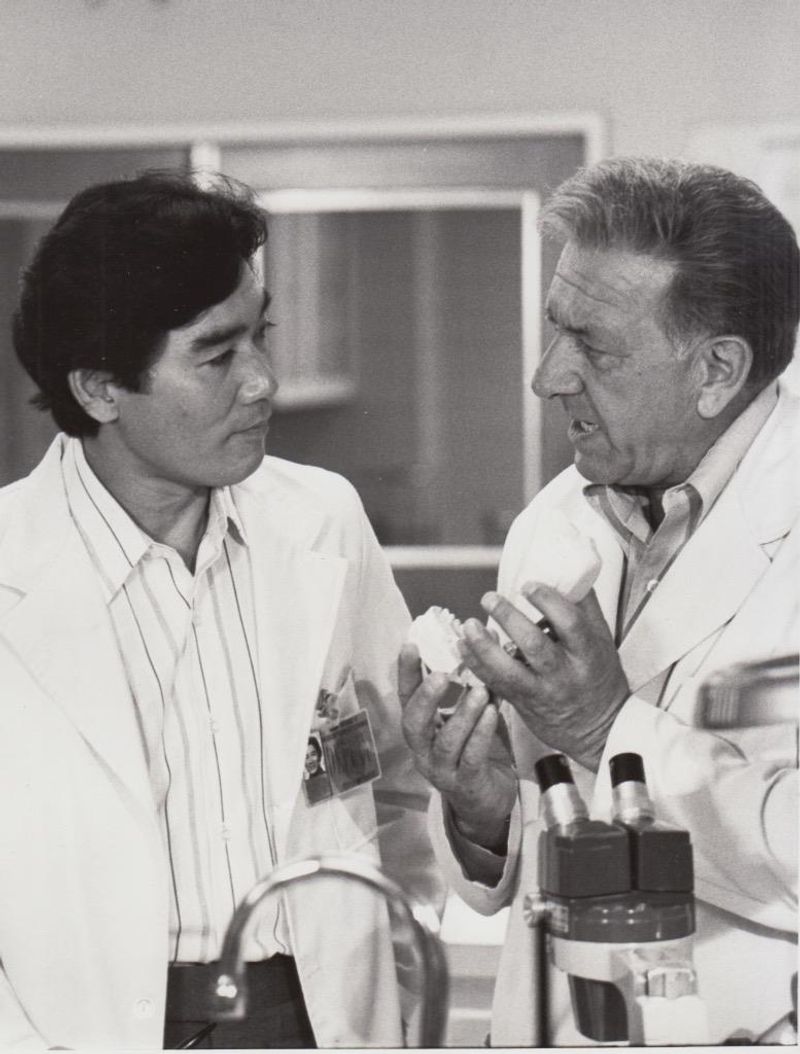
Before CSI made forensic science cool, Quincy was solving crimes with autopsy reports and righteous anger.
Jack Klugman played the passionate medical examiner who never met a case he couldn’t turn into a crusade for justice.
The show tackled serious social issues, from drug abuse to workplace safety violations.
However, the medical procedures look laughably outdated now, and the acting style feels theatrical rather than naturalistic.
5. Barnaby Jones
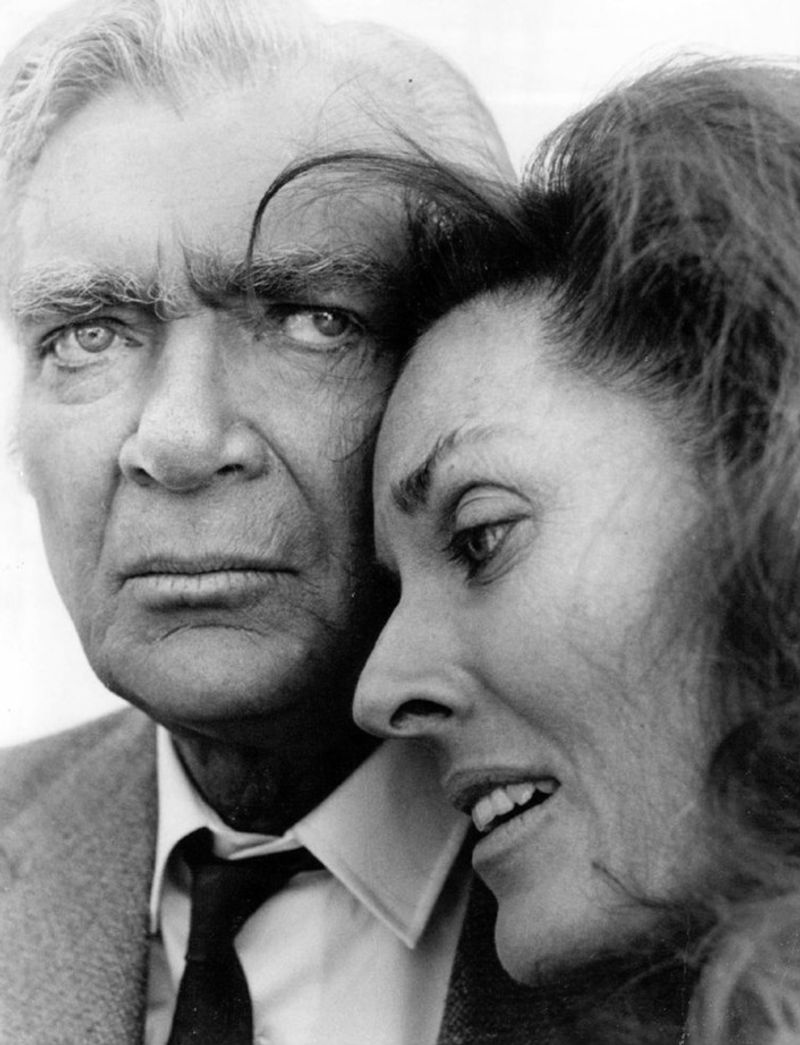
Buddy Ebsen traded his Beverly Hillbillies overalls for a detective’s badge and proved retirement was just a suggestion.
The show featured an elderly private investigator using old-school methods to catch criminals across California.
Barnaby relied on legwork, phone calls, and good instincts rather than computers or fancy gadgets.
Today’s viewers raised on technology-driven crime shows might find his methods frustratingly slow and outdated.
6. Mannix
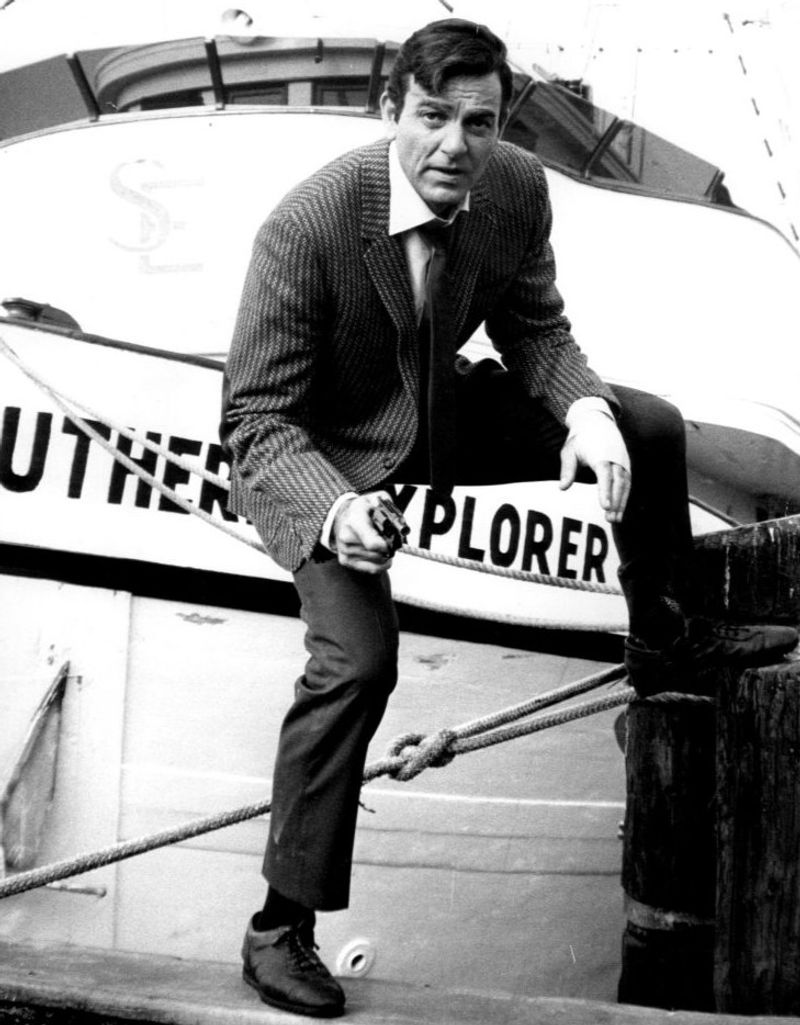
Joe Mannix got punched in the face more than any detective in television history, yet he kept coming back for more.
Mike Connors starred as the tough private investigator who solved cases with his fists as often as his brain.
The show featured car chases, fistfights, and explosions that seemed excessive even for its era.
Modern viewers might laugh at the staged fight choreography that looks like dance moves in slow motion.
7. Ironside
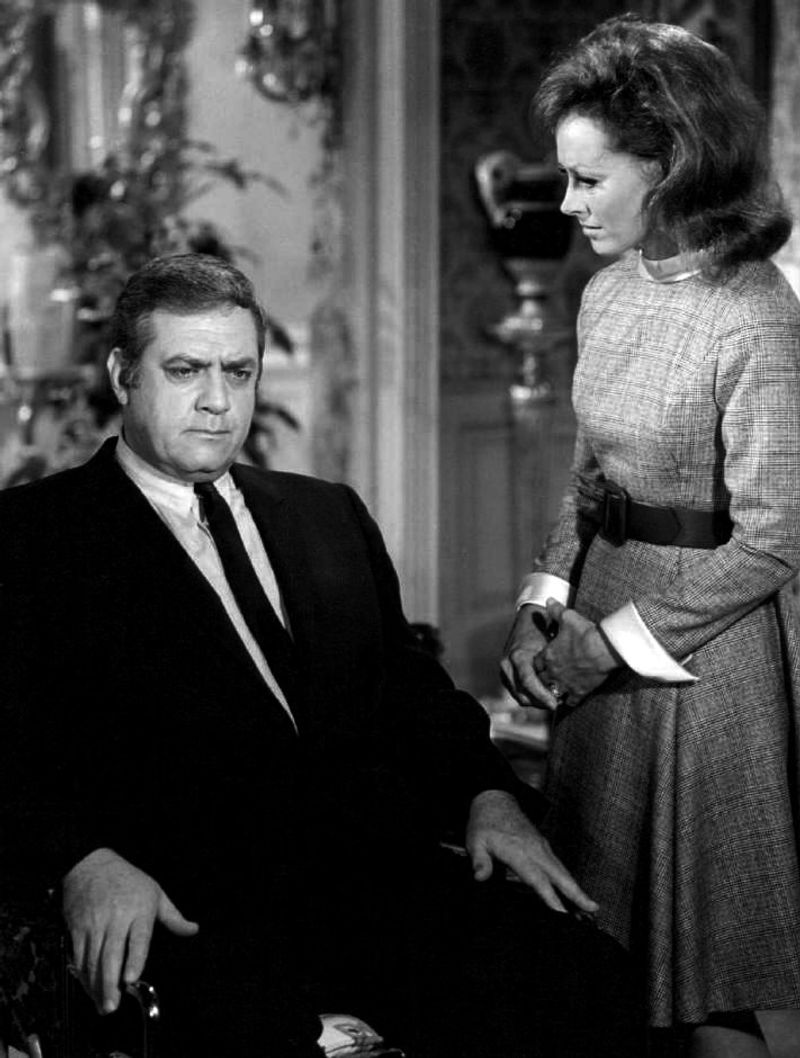
Chief Robert Ironside proved that a wheelchair couldn’t stop a determined detective from catching bad guys.
Raymond Burr returned to television as the San Francisco consultant who solved crimes using brilliant deductive reasoning.
The show deserves credit for featuring a disabled protagonist during an era when representation was practically nonexistent.
Still, the slow pacing and dated special effects make it tough viewing for impatient modern audiences.
8. Kojak
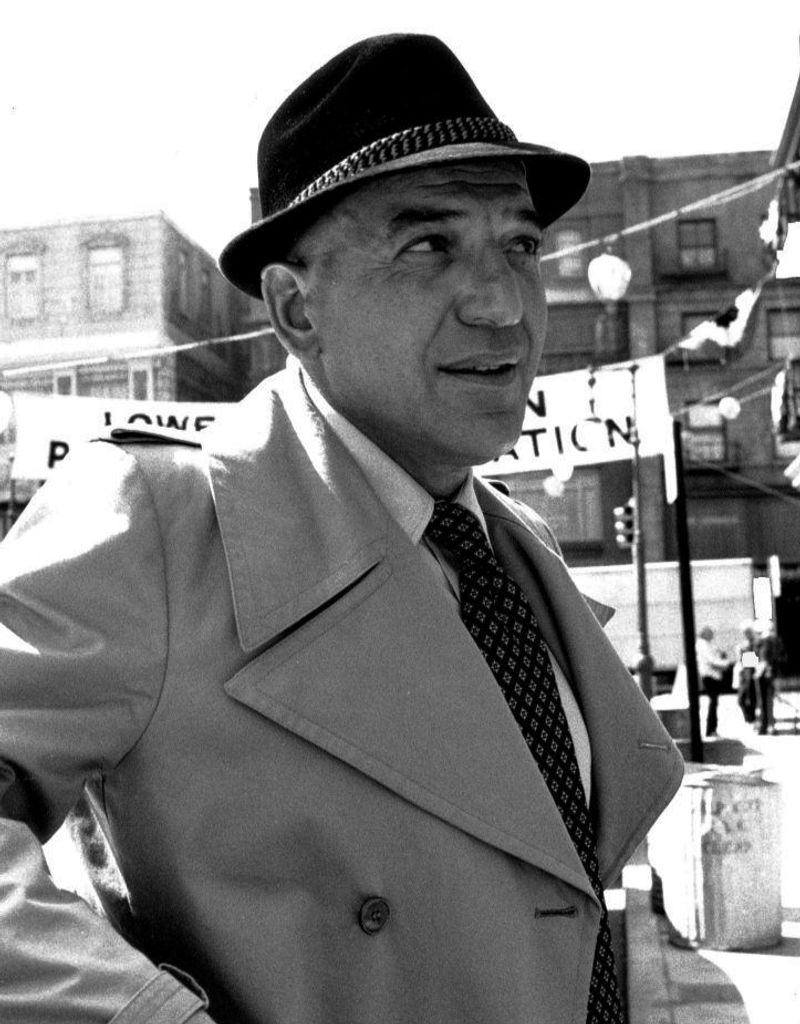
Who loves ya, baby?
That catchphrase made Telly Savalas an icon as the lollipop-loving New York detective.
Kojak’s bald head and tough-guy attitude defined 1970s crime television, and his unconventional methods kept criminals guessing.
The gritty urban settings and casual attitudes toward police procedures might shock viewers accustomed to today’s more politically correct programming standards.
9. Diagnosis: Murder

Dr. Mark Sloan treated patients and solved murders, apparently having enough energy for two full-time careers.
The show featured family-friendly mysteries without graphic violence or complex moral dilemmas.
That wholesome approach feels almost quaint now, and the simplistic plots might bore viewers who crave darker, edgier storytelling.
10. The Rockford Files
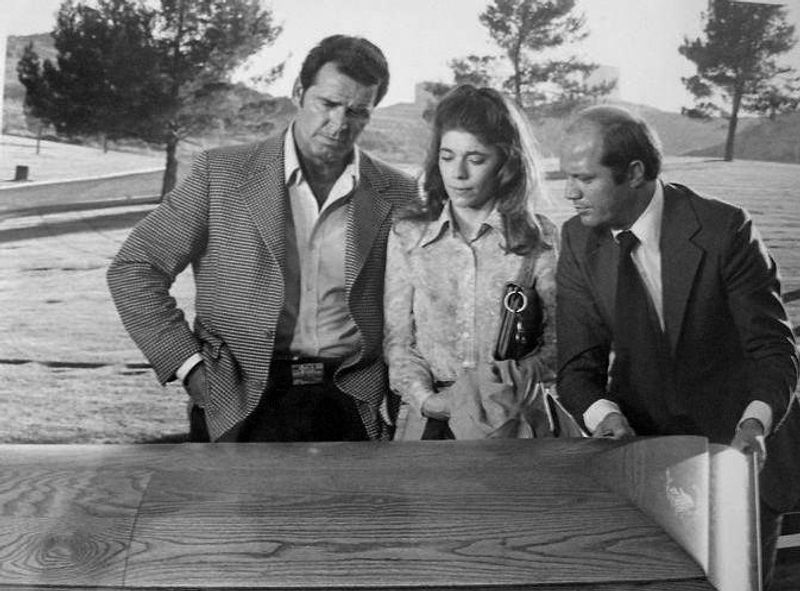
Jim Rockford lived in a beach trailer, charged two hundred dollars a day plus expenses, and avoided danger whenever possible.
James Garner created an anti-hero detective who was more relatable than the typical tough guys on television.
The show mixed humor with mystery, featuring creative plots and memorable characters.
Even so, the answering machine gags and leisurely pacing feel ancient to viewers spoiled by instant gratification.
11. Ellery Queen
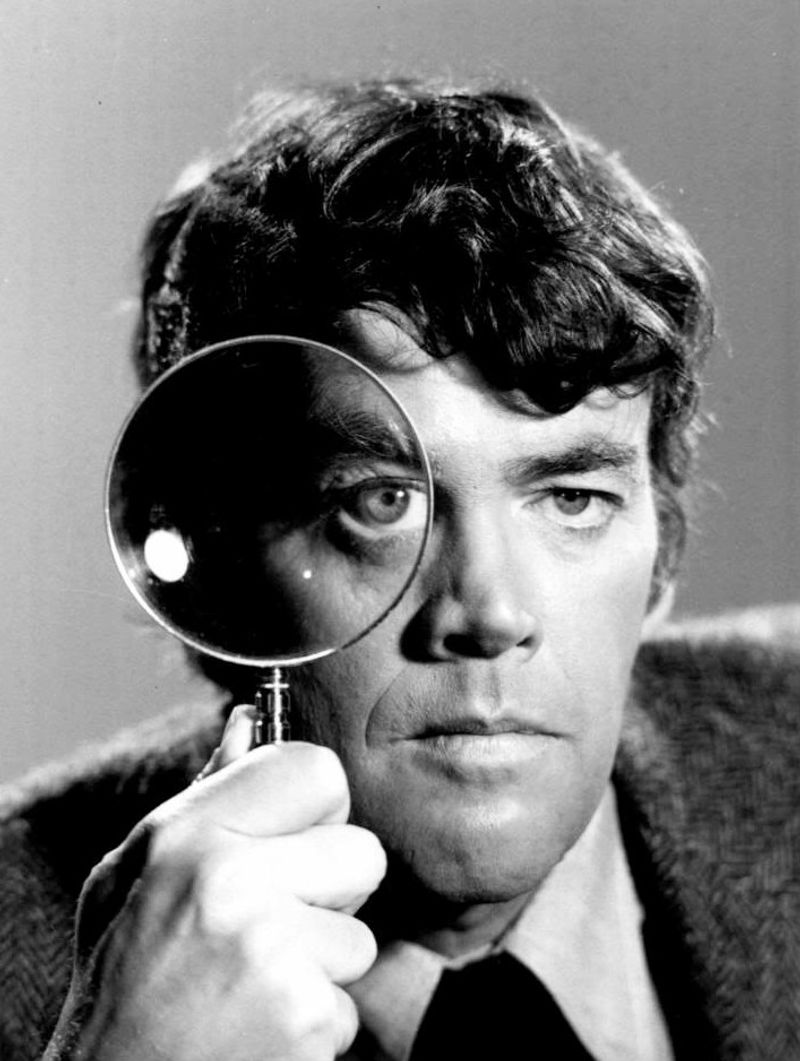
Ellery Queen broke the fourth wall before it was trendy, asking viewers to solve mysteries alongside him.
Jim Hutton starred as the mystery writer-detective in this short-lived series set during the 1940s.
The show faithfully adapted the beloved novels, complete with period costumes and settings.
Unfortunately, only one season aired, and modern audiences might find the theatrical acting style and slow reveals frustratingly old-fashioned.
12. The Saint
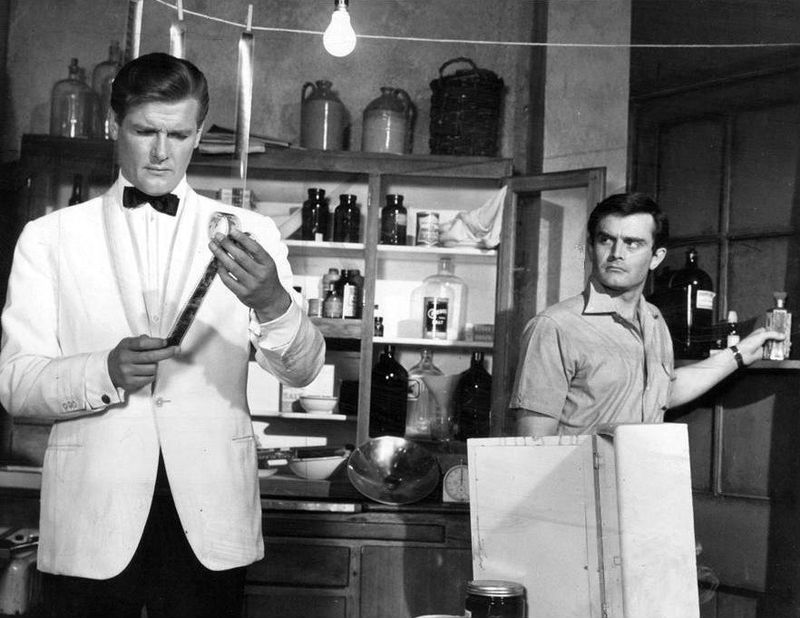
Before Roger Moore became James Bond, he played Simon Templar, the gentleman thief with a halo for a calling card.
The Saint traveled the world righting wrongs and outsmarting villains with style and sophistication.
The British series showcased exotic locations and glamorous adventures that defined 1960s spy fiction.
However, the black-and-white episodes and theatrical acting feel incredibly dated compared to modern action-mystery hybrids.
13. Dragnet
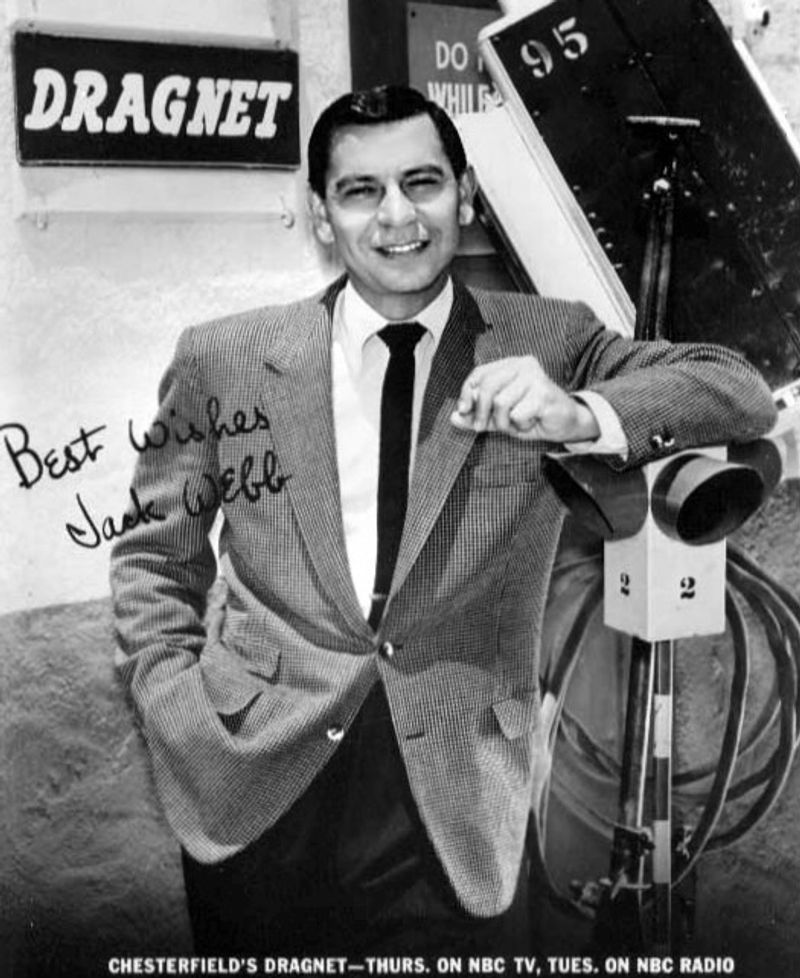
Just the facts, ma’am.
That phrase defined Sergeant Joe Friday’s no-nonsense approach to police work in this revival series.
Jack Webb returned to his iconic role, bringing his trademark deadpan delivery and rigid professionalism.
The documentary-style presentation and moral lectures about law and order feel preachy and stiff to modern viewers who prefer morally complex characters.
14. Matlock

Ben Matlock wore the same gray suit for years, proving that fashion takes a backseat to justice.
Andy Griffith played the folksy Atlanta defense attorney who outsmarted opponents with Southern charm and clever courtroom tactics.
Like Perry Mason before him, Matlock always got dramatic confessions from the real killers.
The formulaic episodes and predictable outcomes make it difficult for modern audiences to stay engaged.
15. Banacek

Thomas Banacek specialized in solving impossible thefts, recovering stolen items that seemed to vanish into thin air.
George Peppard played the suave Polish-American investigator who collected hefty insurance rewards for his detective work.
The show featured clever locked-room mysteries and impossible crime scenarios that challenged viewers’ logic.
Despite the intriguing premises, modern audiences might struggle with the dated production values and episodic storytelling format.