13 Classic Rock Songs That Would Spark Outrage Today
Rock and roll once roared through radio waves with wild abandon, ignoring boundaries that today’s world holds sacred.
Many legendary tracks from decades past carried lyrics that now feel storm marked by outdated views on relationships, identity, and respect.
What once climbed the charts might now ignite fierce debate across social platforms and newsrooms alike.
Here are thirteen songs that would face a mythbound reckoning if released in our current era.
Disclaimer:
This article examines how certain classic rock songs contain themes, language, or portrayals that conflict with today’s cultural expectations.
All descriptions are based on well-documented public information and historical context surrounding each track.
1. Brown Sugar – The Rolling Stones
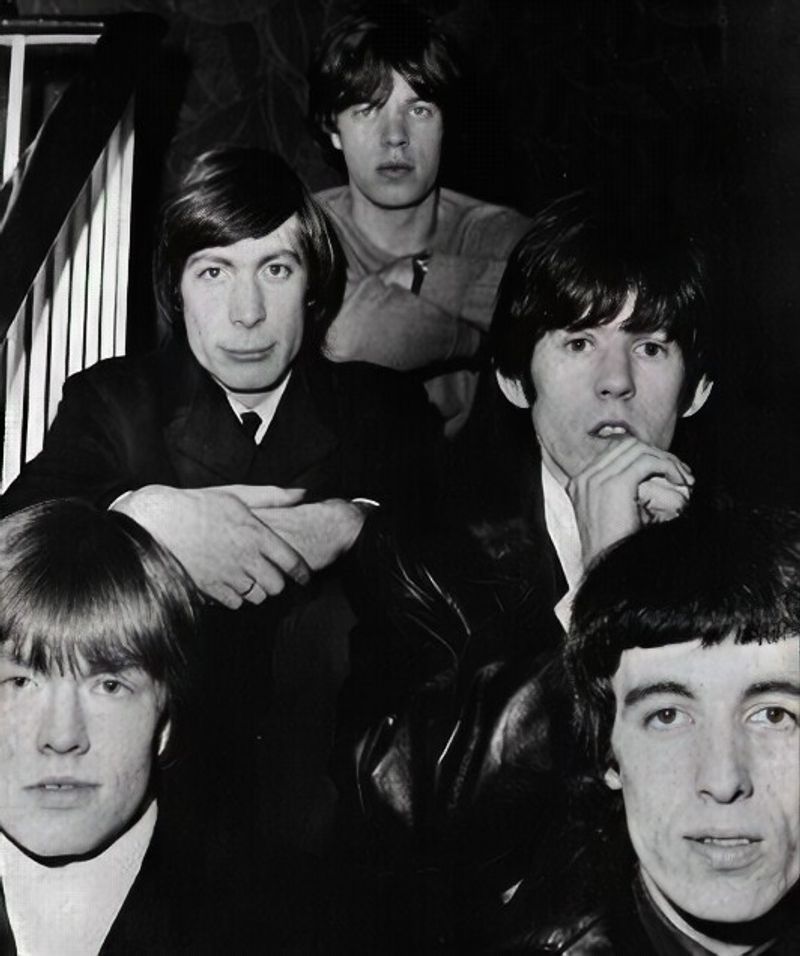
Mick Jagger’s raspy howl carries words that reference slavery and violence in ways that chill modern listeners.
Released in 1971, this track climbed charts while addressing themes of exploitation with a reckless edge.
Today’s audiences would see those verses as deeply harmful rather than rebellious.
The song’s energy cannot mask the shadow wreathed history it invokes.
Cultural sensitivity has shifted, and this anthem would face immediate backlash.
2. Under My Thumb – The Rolling Stones
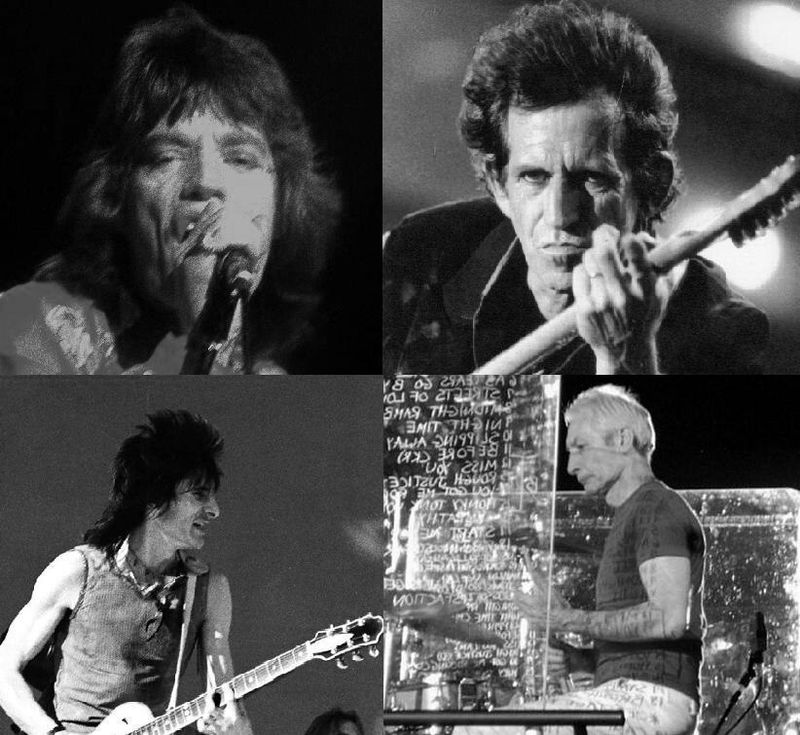
Dominance over a romantic partner pulses through every line of this 1966 release.
The lyrics celebrate control and power imbalance in a relationship, themes that modern listeners find troubling.
What once sounded like swagger now reads as a warning sign of unhealthy dynamics.
Equality movements have rewritten the rules for how we view partnership.
This track would ignite fierce criticism if it appeared on streaming platforms today.
3. One In A Million – Guns N’ Roses
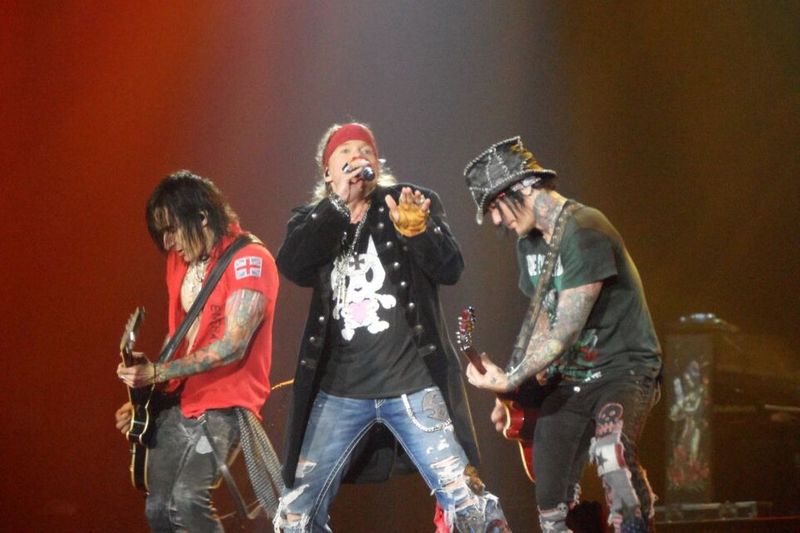
Slurs targeting immigrants and the LGBTQ+ community cut through this 1988 track with sharp hostility.
Even at release, controversy erupted over language that many found deeply offensive.
Axl Rose’s justifications did little to calm the storm that followed.
Today’s social climate would reject this song outright, refusing airplay and promotion.
The band itself distanced from the track over time, recognizing its fractured moonlight legacy.
4. I Used To Love Her – Guns N’ Roses
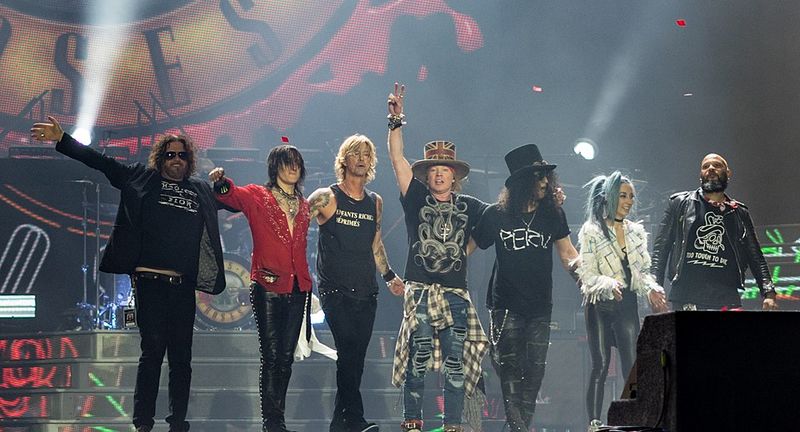
Dark humor about ending a relationship through violence threads through this 1988 tune.
The band claimed it was satire, a joke not meant to be taken seriously.
But listeners today would not find the premise amusing or acceptable in any context.
Violence against partners has become a critical social issue with zero tolerance.
This song would vanish from playlists faster than lightning across a mythbound sky.
5. Run For Your Life – The Beatles
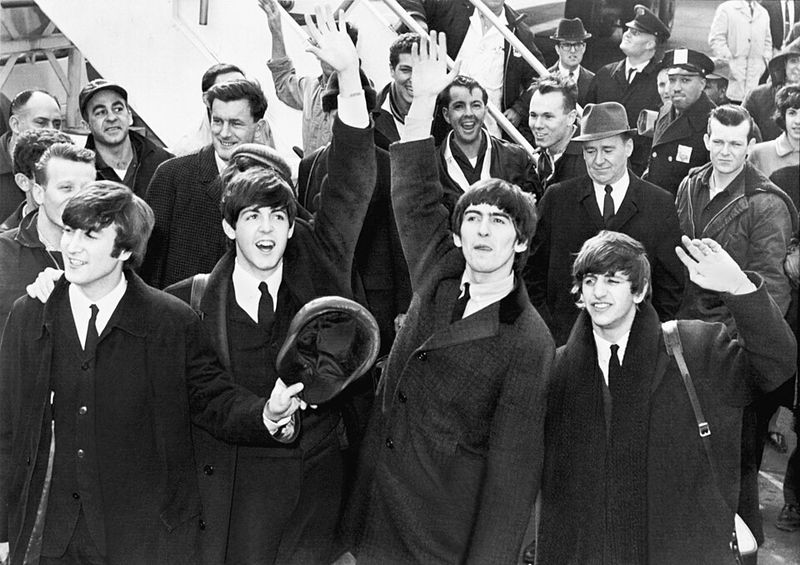
Jealous threats pour from John Lennon’s voice in this 1965 album closer.
The narrator warns his partner that infidelity would lead to deadly consequences.
Even Lennon himself later expressed regret, calling it one of his least favorite compositions.
Modern audiences recognize such language as promoting relationship violence rather than passion.
No radio station would dare spin this track in today’s storm lit cultural landscape.
6. Christine Sixteen – Kiss
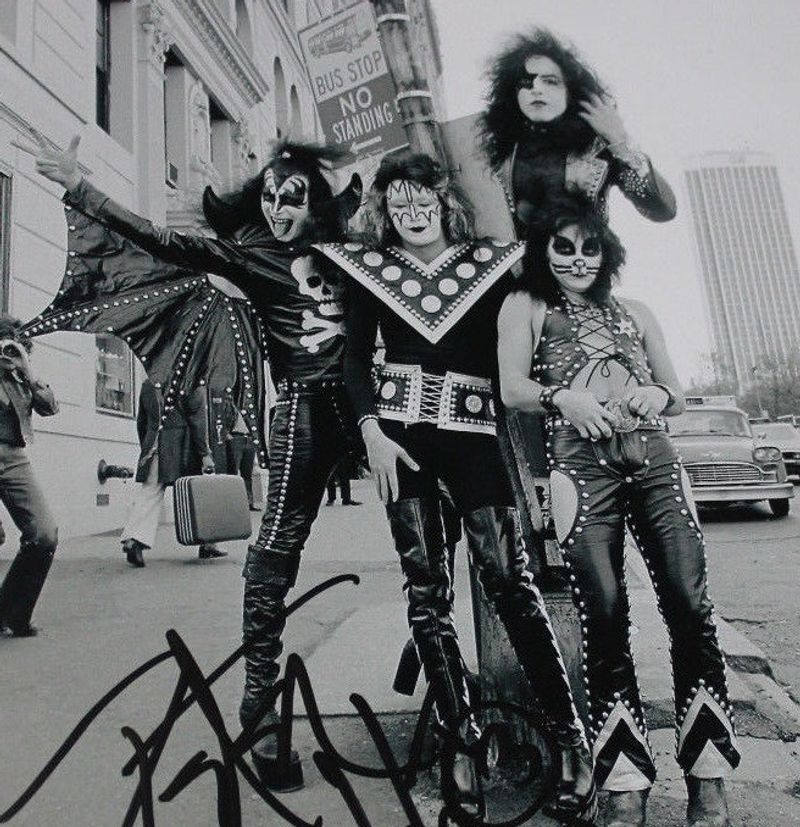
An older man’s fascination with a teenage girl forms the entire foundation of this 1977 song.
Gene Simmons sings about waiting for someone underage, crossing lines that society now guards fiercely.
What might have seemed edgy decades ago now appears predatory and deeply inappropriate.
Laws and cultural norms around consent and age have evolved dramatically.
This anthem would face immediate removal and widespread condemnation if released today.
7. Tonight’s The Night (Gonna Be Alright) – Rod Stewart
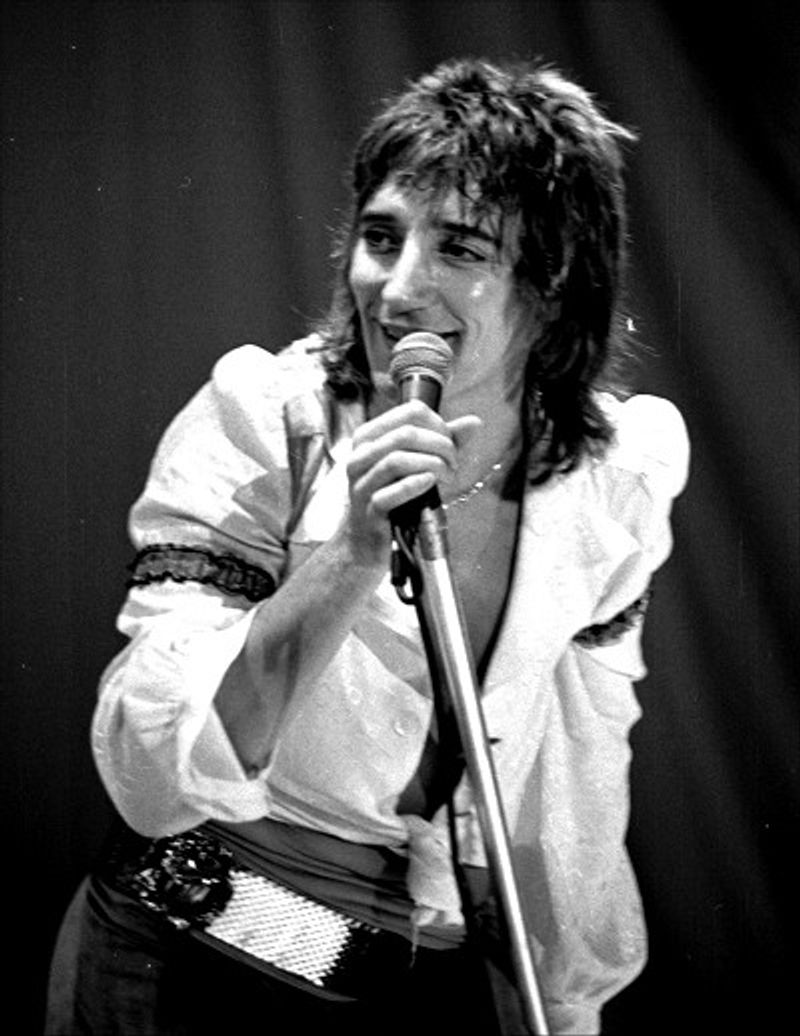
Pressuring a reluctant partner into intimacy becomes the central narrative of this 1976 hit.
Rod Stewart’s raspy delivery describes convincing someone who clearly expresses hesitation and fear.
Consent culture has transformed how we understand and discuss these moments.
Today’s listeners would recognize the coercion woven through the seemingly romantic verses.
The song would spark outrage rather than top charts in our current echo filled era.
8. China Girl – David Bowie
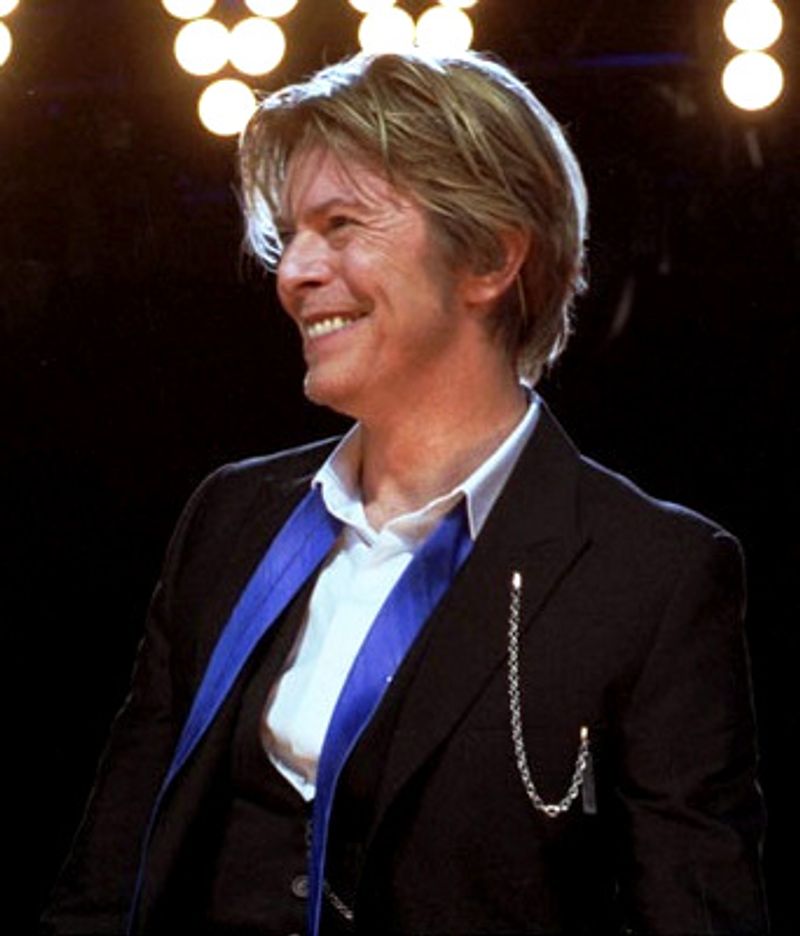
Exotic stereotypes about Asian women shimmer through this 1983 collaboration with Iggy Pop.
The lyrics reduce an entire culture to fantasy, treating identity as costume rather than reality.
Bowie’s artistry often pushed boundaries, but this track crosses into fetishization territory.
Modern conversations about representation would challenge every verse and chorus.
Cultural appreciation versus appropriation debates would awaken fierce criticism if this appeared today.
9. Island Girl – Elton John
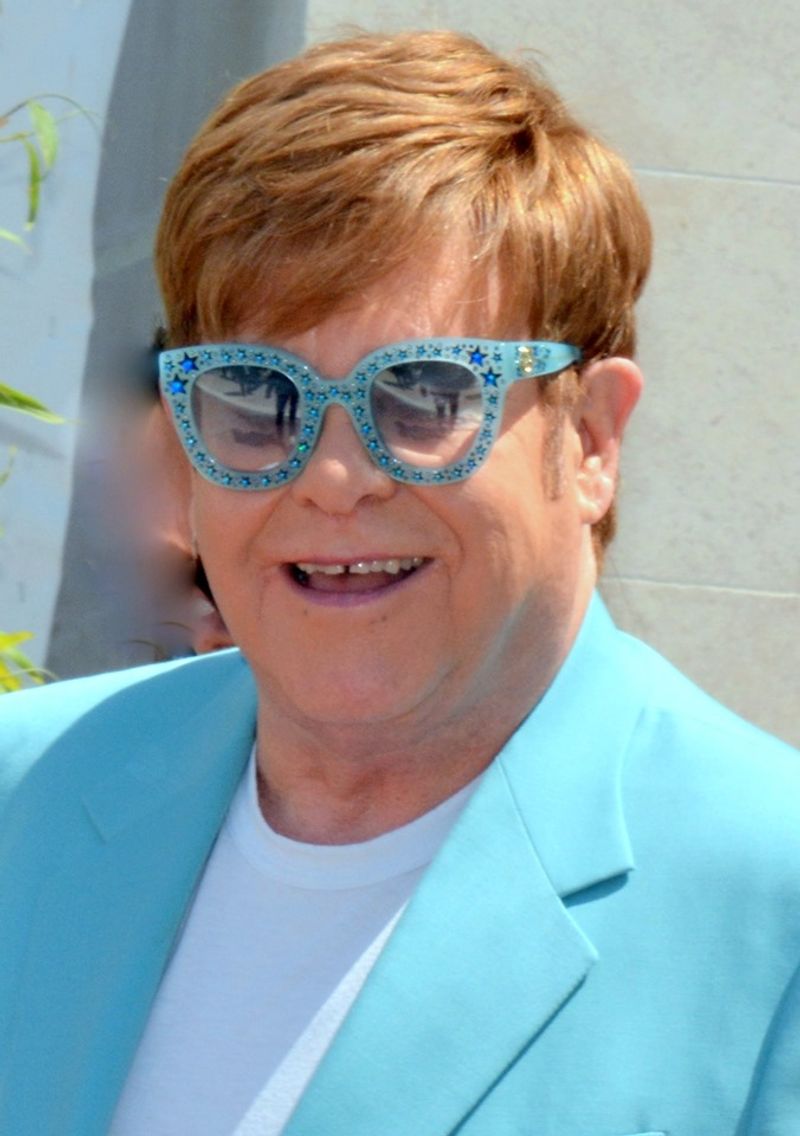
Stereotypes about Caribbean women working in exploitative situations fill this 1975 chart topper.
Elton John’s piano drives a narrative that reduces identity to location and circumstance.
The song treats serious issues with a lightness that modern audiences would find deeply troubling.
Conversations about respectful representation have shifted dramatically over five decades.
This track would face immediate backlash for its shadow wreathed portrayal of vulnerable communities.
10. Money For Nothing – Dire Straits
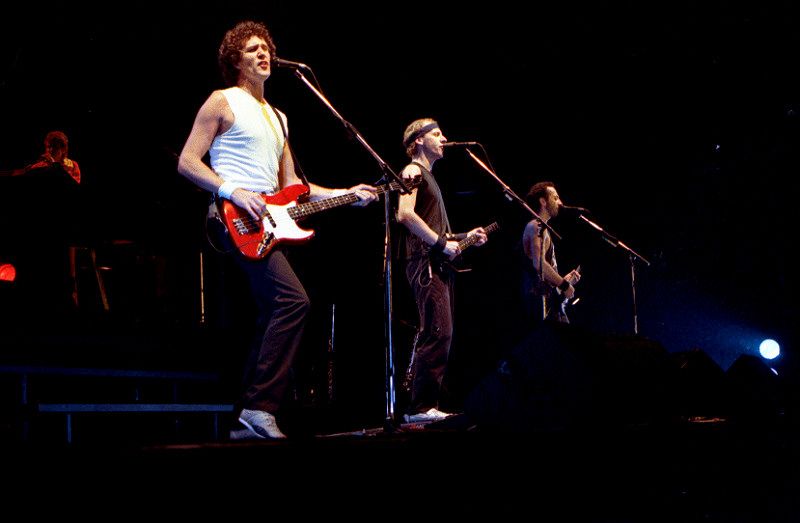
A slur targeting the LGBTQ+ community appears repeatedly throughout this 1985 MTV anthem.
Mark Knopfler claimed the words represented a character’s viewpoint, not his own beliefs.
But context often disappears when offensive language echoes from speakers and headphones.
Radio stations in recent years have edited or banned the track entirely.
Today’s release would ignite immediate controversy and likely never receive airplay at all.
11. Dude (Looks Like A Lady) – Aerosmith
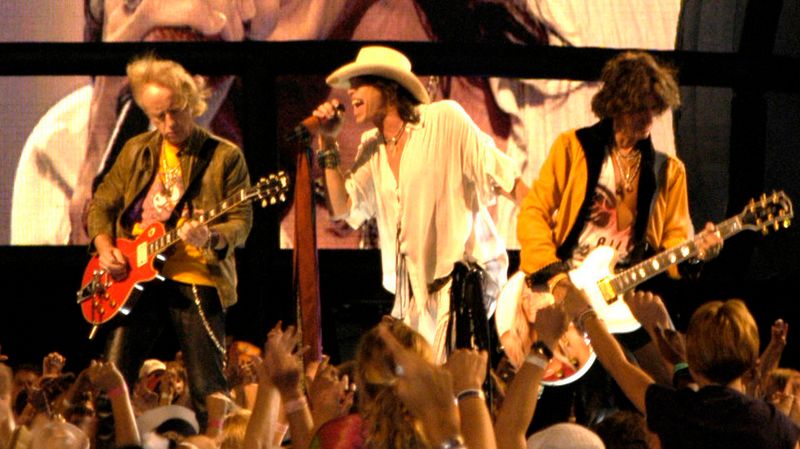
Mocking someone’s gender presentation forms the comedic foundation of this 1987 rock anthem.
Steven Tyler’s lyrics treat gender nonconformity as a punchline rather than valid identity.
What passed as humor decades ago now registers as transphobic and deeply hurtful.
Understanding of gender identity has evolved dramatically, reshaping cultural conversations.
This song would face fierce backlash and accusations of promoting harmful stereotypes if released today.
12. Short People – Randy Newman
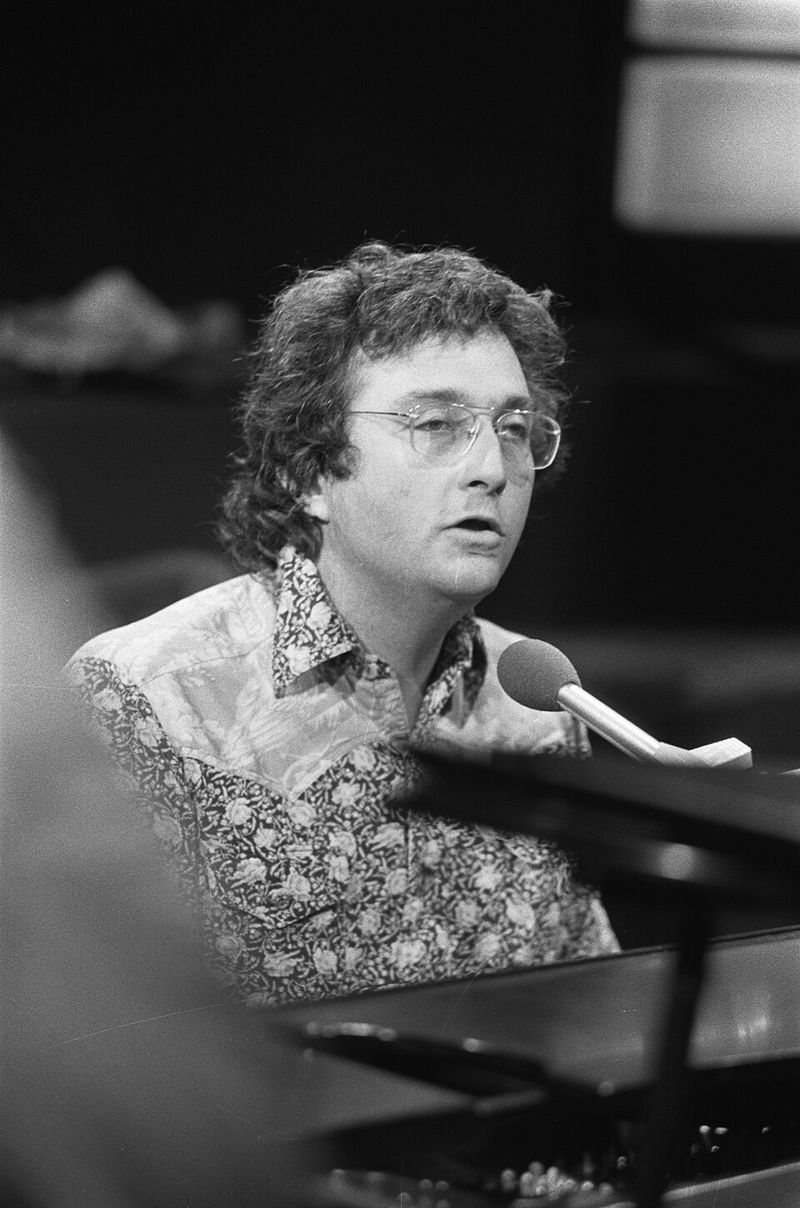
Satirical mockery of prejudice ironically sparked real anger when this 1977 track climbed charts.
Randy Newman intended to critique discrimination itself, but many listeners missed the intended message.
People of shorter stature felt genuinely targeted and hurt by the repeated insults.
Satire requires clear framing, something easily lost in three minute radio singles.
Today’s sensitivity around body shaming would make this song impossible to defend or promote.
13. Walk On The Wild Side – Lou Reed
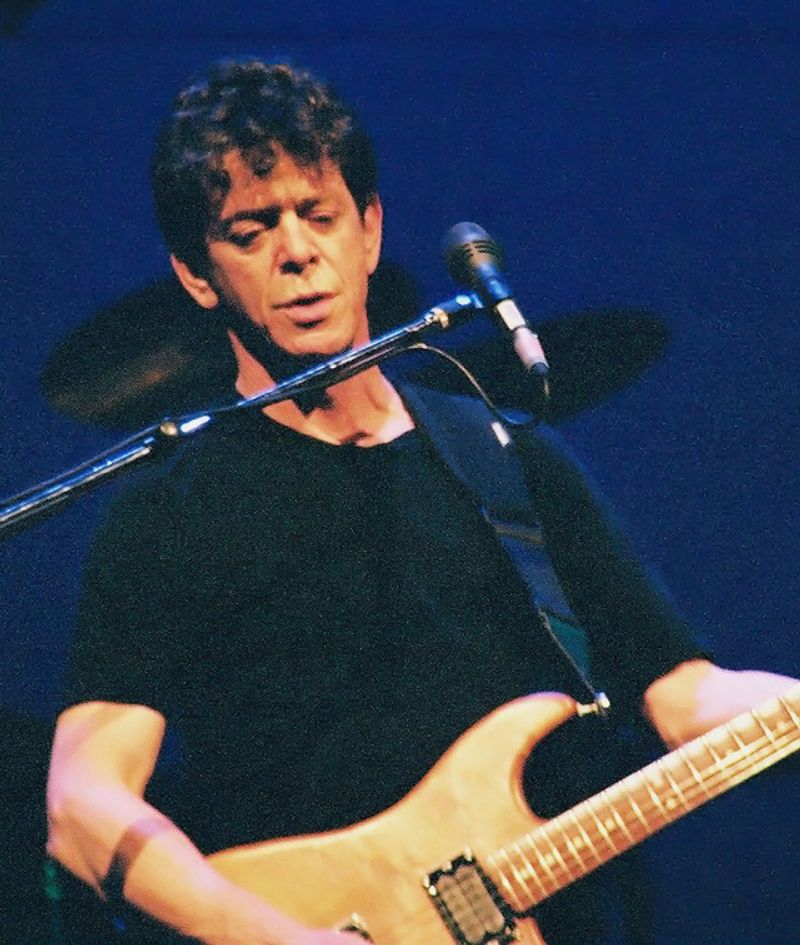
Transgender individuals from Andy Warhol’s circle inspired this 1972 groundbreaking yet problematic track.
Lou Reed’s lyrics use outdated language and terminology that today’s communities reject.
While the song acknowledged marginalized lives, it did so through a lens lacking true respect.
Modern listeners recognize the difference between visibility and genuine representation.
This anthem would require complete rewriting to align with current understanding and language standards.