15 Classic 1960s Songs That Never Got Better With Time
The 1960s produced countless timeless hits, but not every song aged as gracefully as its reputation suggests.
Trends shifted, production styles changed, and lyrics that once felt bold can sound dated through a modern lens.
This list revisits classic 1960s songs that never quite improved with age, proving that even an iconic decade had a few tracks that didn’t grow into their legacy.
Disclaimer: This article reflects subjective editorial perspectives on 1960s songs and how they’re received today and should not be interpreted as definitive fact or universal consensus.
1. Itsy Bitsy Teenie Weenie Yellow Polkadot Bikini — Brian Hyland
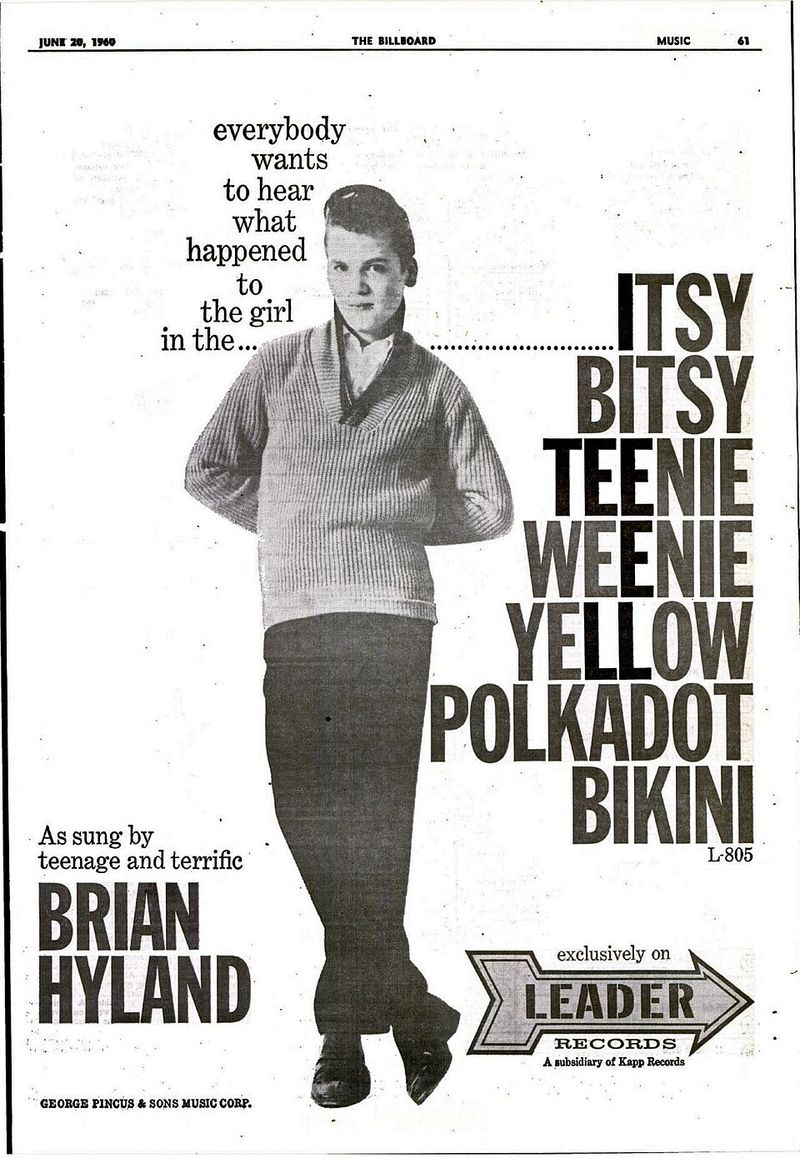
Brian Hyland sang about a shy girl too embarrassed to show off her new swimsuit, and honestly, the whole thing feels a bit uncomfortable now.
What seemed cute and innocent in 1960 comes across as childish and overly simplistic today.
The repetitive lyrics and bouncy melody feel more like a nursery rhyme than a pop song.
2. Hello Muddah, Hello Fadduh (A Letter from Camp) — Allan Sherman
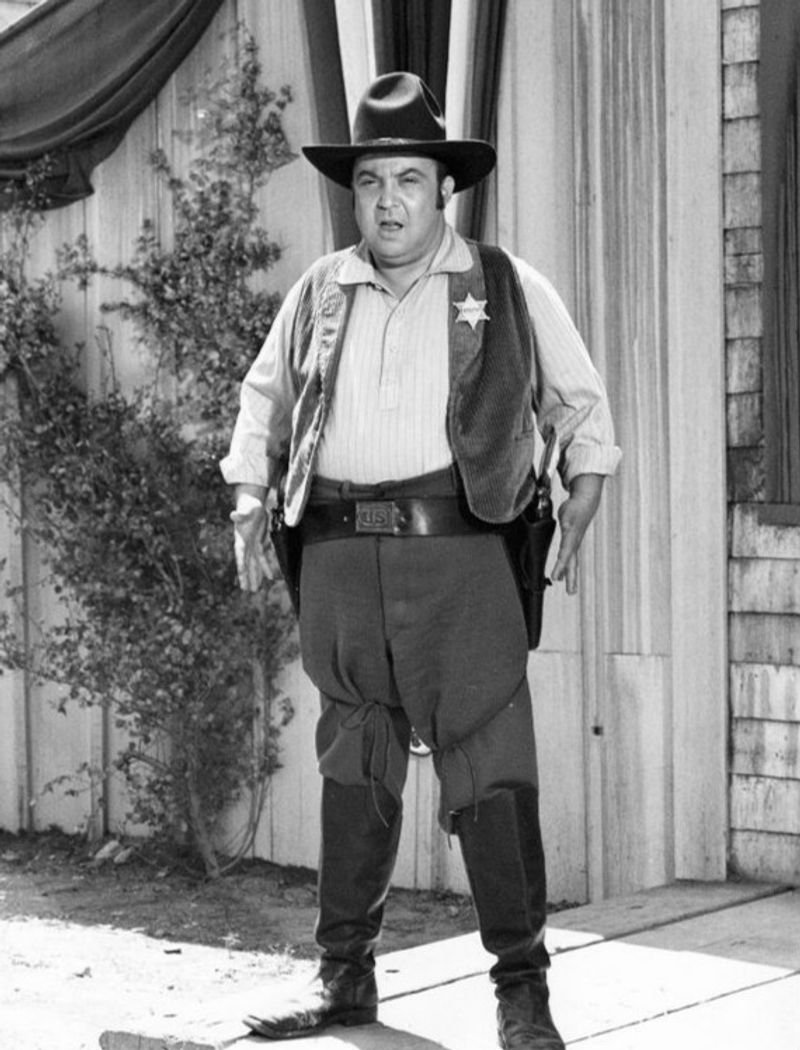
In one classic parody, a classical music piece became a comedy song about a miserable kid stuck at summer camp.
While parents in 1963 found it hilarious, today’s listeners might wonder what all the fuss was about.
The jokes feel obvious and the parody style seems forced compared to modern comedy music.
Kids today would probably just text their parents instead of writing letters anyway!
3. The Name Game — Shirley Ellis
A playground chant slipped into pop form, teaching everyone how to rhyme names in goofy, sing-song ways.
Kids loved it in 1964 because it was basically permission to make up goofy nicknames.
Listening now, the repetitive formula gets old within thirty seconds.
What worked as a schoolyard game doesn’t hold up as actual music.
4. Mrs. Brown, You’ve Got a Lovely Daughter — Herman’s Hermits
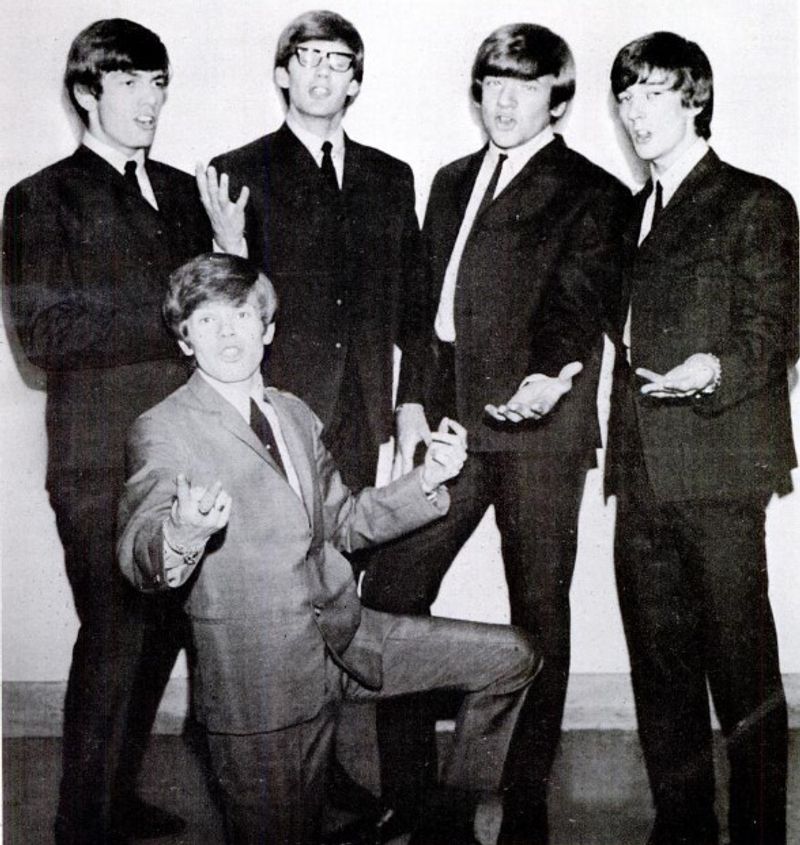
Herman’s Hermits sang this British music hall throwback without realizing it would become a massive American hit.
The overly polite lyrics and old-fashioned melody sound quaint at best, corny at worst today.
Even Peter Noone, the lead singer, admitted they never took the song seriously!
It captured a moment of British Invasion mania but hasn’t aged gracefully.
5. Winchester Cathedral — The New Vaudeville Band
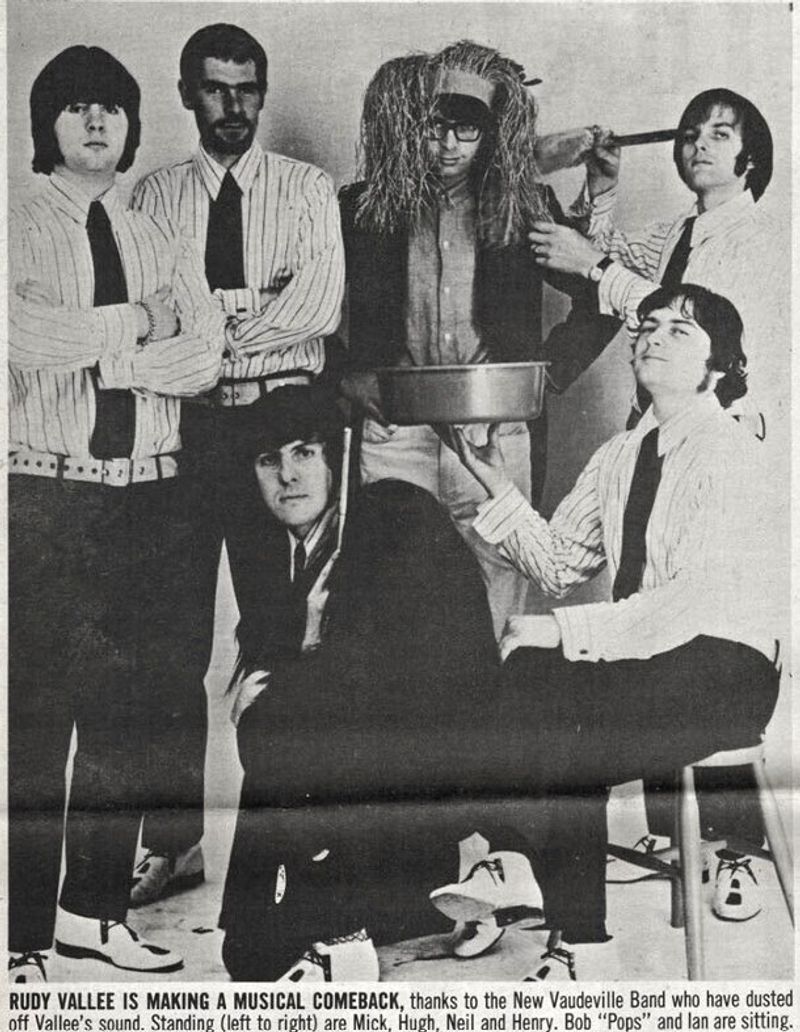
Imagine a 1920s jazz tune accidentally released in 1966, complete with megaphone vocals and tinny sound effects.
That’s Winchester Cathedral, a deliberate throwback that confused as many people as it charmed.
The novelty wore off quickly, leaving behind a song that sounds neither genuinely vintage nor authentically modern.
6. Simon Says — 1910 Fruitgum Company
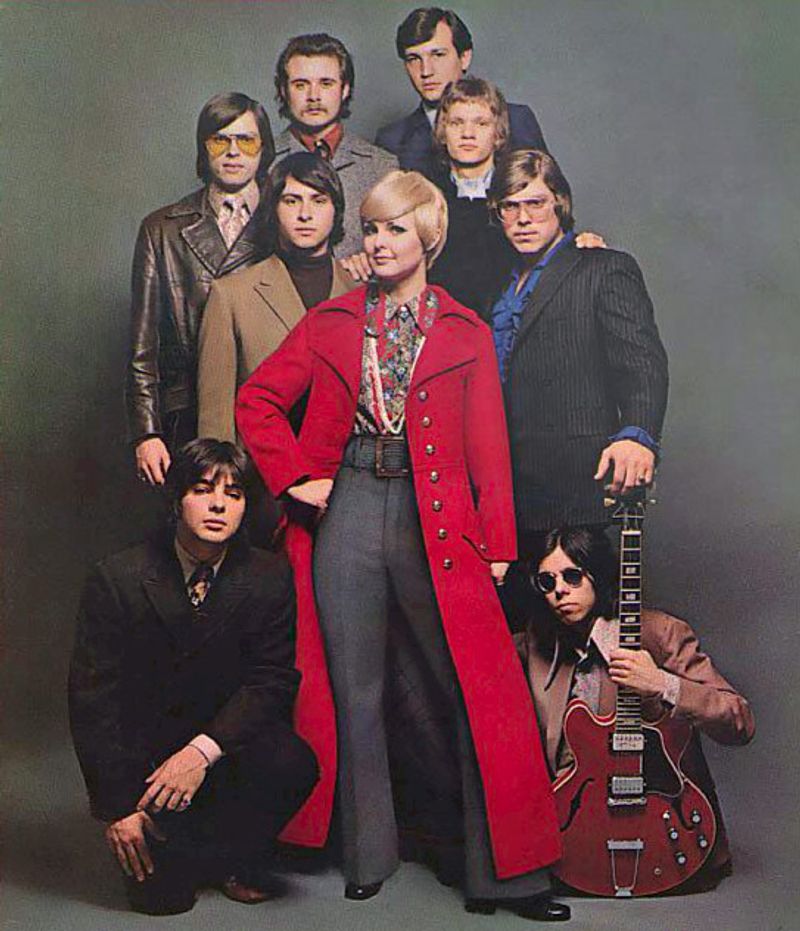
This bubblegum pop anthem turned a children’s game into a dance craze in 1968.
The ultra-simple lyrics basically give instructions for following commands, which gets old incredibly fast.
Though it epitomizes the bubblegum genre, that’s not necessarily a compliment by today’s standards.
The song feels manufactured and disposable, designed for quick consumption rather than lasting impact.
7. Snoopy vs. the Red Baron — The Royal Guardsmen
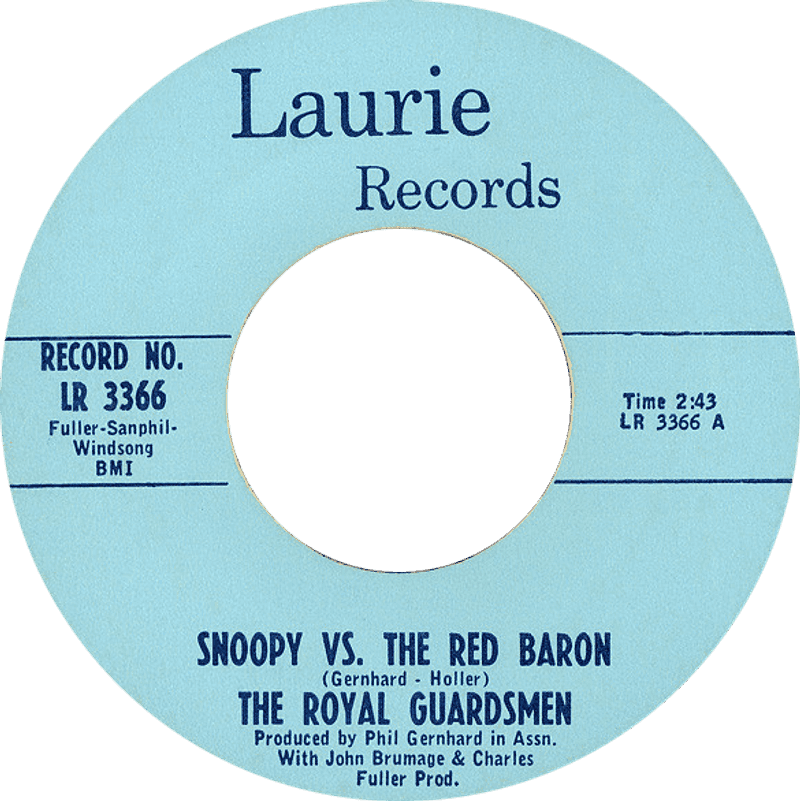
Charles Schulz’s beloved beagle got his own rock song about imaginary World War I dogfights in 1966.
While Peanuts fans appreciated the tribute, the song’s repetitive chorus and childish premise limit its appeal.
The sound effects and narrative style feel more like a Saturday morning cartoon than serious music.
Nostalgia for Snoopy remains strong, but the song itself doesn’t hold up independently.
8. Yummy Yummy Yummy — Ohio Express
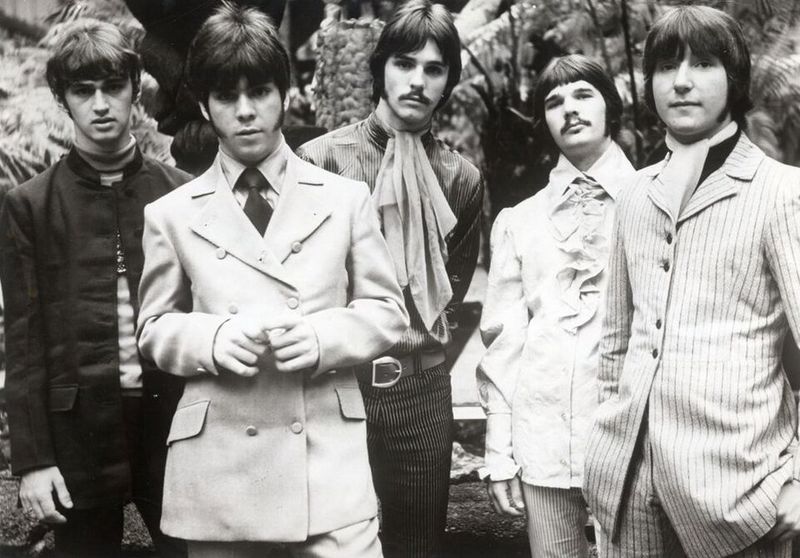
If bubblegum pop could be distilled into pure sugar, this 1968 track would be it.
The Ohio Express sang about love using food metaphors that sound ridiculous rather than romantic today.
Repeating yummy dozens of times doesn’t make a song memorable, it makes it annoying.
Even fans of sixties pop find this one a bit too much to handle.
9. Honey — Bobby Goldsboro
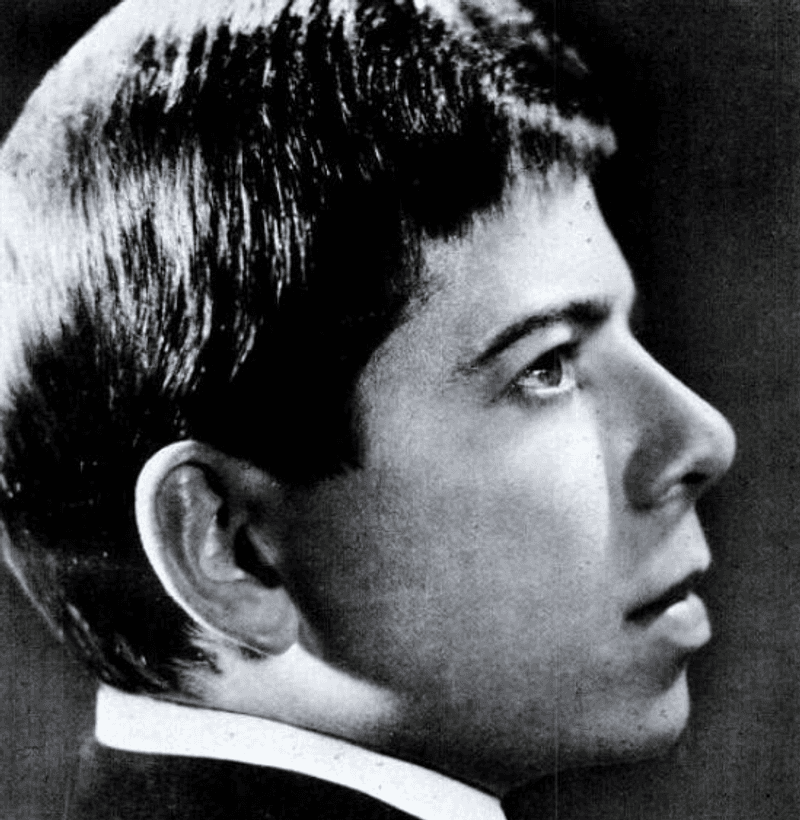
Bobby Goldsboro’s 1968 tearjerker tells the story of a young wife who dies tragically.
While intended as deeply emotional, modern listeners find the lyrics overly sentimental and manipulative.
The production feels syrupy sweet, drowning genuine emotion in strings and dramatic vocals.
10. MacArthur Park — Richard Harris

A dramatic seven-minute 1968 performance turned melting cake in the rain into pure musical theater.
The bizarre metaphors and excessive length made this song controversial even when it was released.
Decades later, the confusion has only intensified as listeners still debate what the lyrics actually mean.
Though ambitious and orchestral, the song collapses under its own pretentious weight.
11. Harper Valley P.T.A. — Jeannie C. Riley
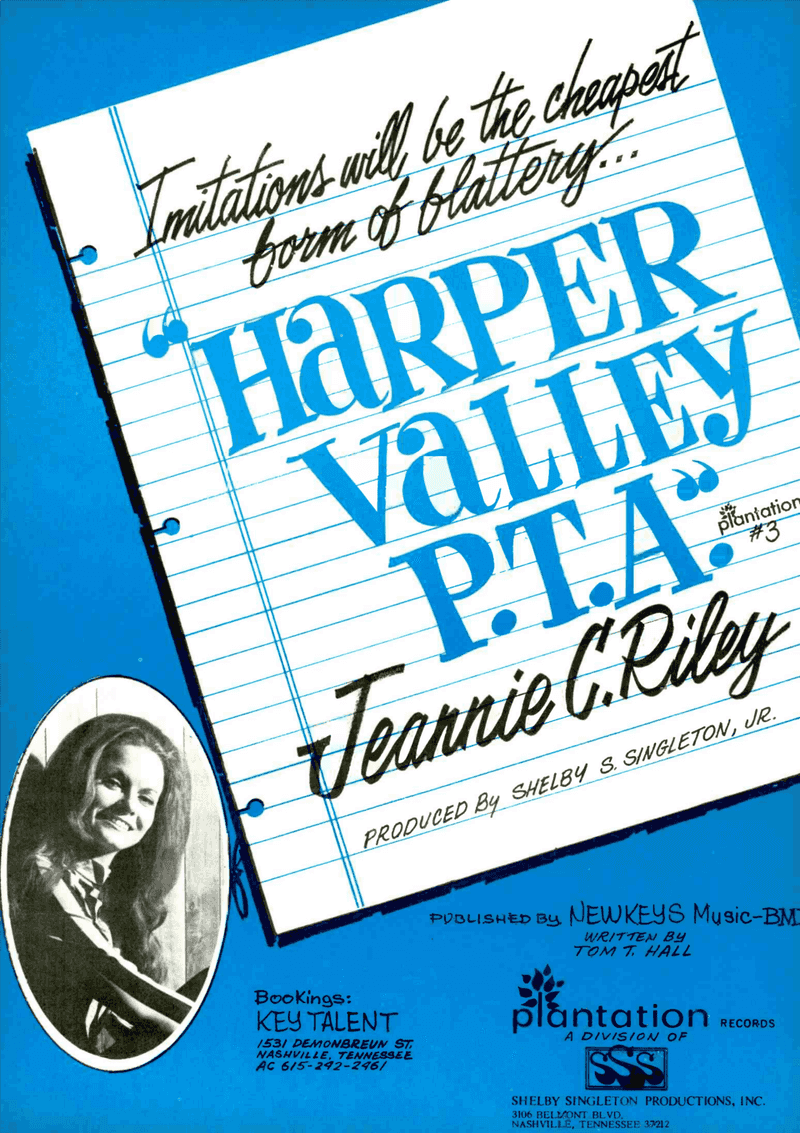
Small-town hypocrisy got put on blast in this 1968 country-pop crossover hit.
The spoken-word storytelling style and moralistic tale feel preachy rather than empowering now.
Though it addressed real issues about judgment and double standards, the delivery seems heavy-handed today.
Modern listeners prefer subtlety in their social commentary rather than obvious lectures.
12. Tiptoe Through the Tulips — Tiny Tim
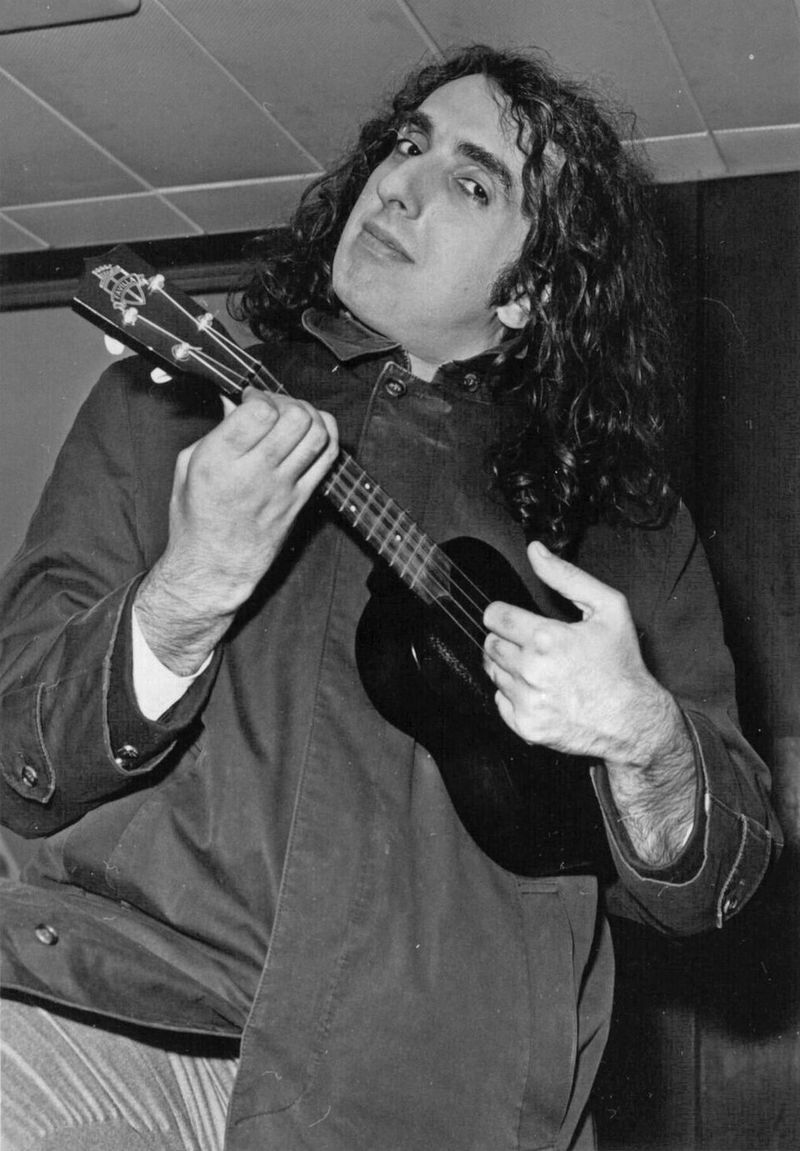
Tiny Tim’s falsetto voice and ukulele made this 1929 song a bizarre hit again in 1968.
His eccentric performance style was fascinating as a novelty but exhausting as actual entertainment.
The song’s old-fashioned sweetness clashes awkwardly with Tiny Tim’s unusual delivery.
What made him a talk show sensation doesn’t translate into repeated listening pleasure.
13. The Unicorn — The Irish Rovers
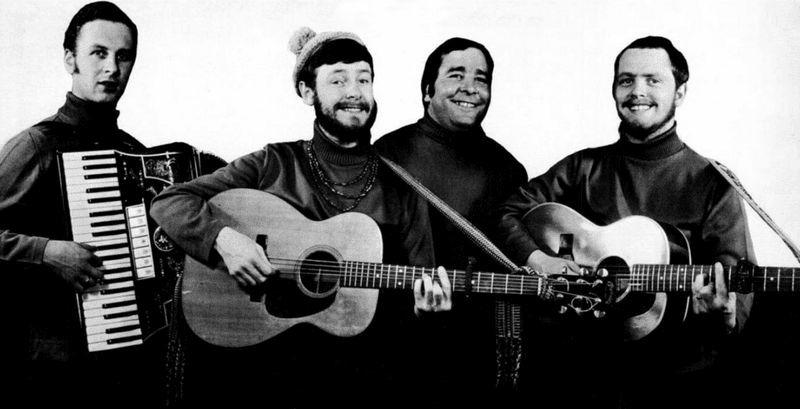
Unicorns skipped Noah’s Ark after getting too caught up in playing around, according to this Irish Rovers tale.
This 1968 children’s song became surprisingly popular with adults, though nobody quite understood why.
The singalong chorus and silly story work fine for kindergarteners but feel juvenile for everyone else.
Whimsical storytelling has its place, but this crosses into overly precious territory.
14. Dizzy — Tommy Roe
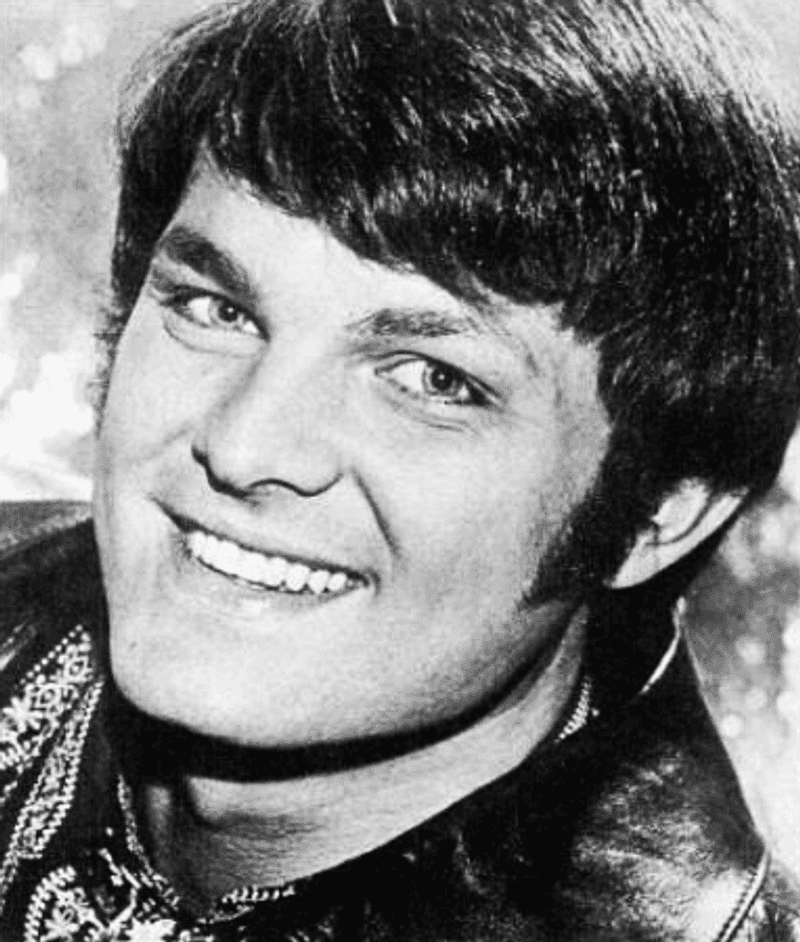
A 1969 hit captured that head-over-heels feeling with lyrics kept as simple as they come.
The bouncy bubblegum melody and repetitive chorus made it catchy but ultimately forgettable.
Modern listeners find the whole thing a bit too lightweight, lacking any real substance or depth.
While perfectly pleasant, it’s the musical equivalent of empty calories.
15. In the Year 2525 — Zager and Evans
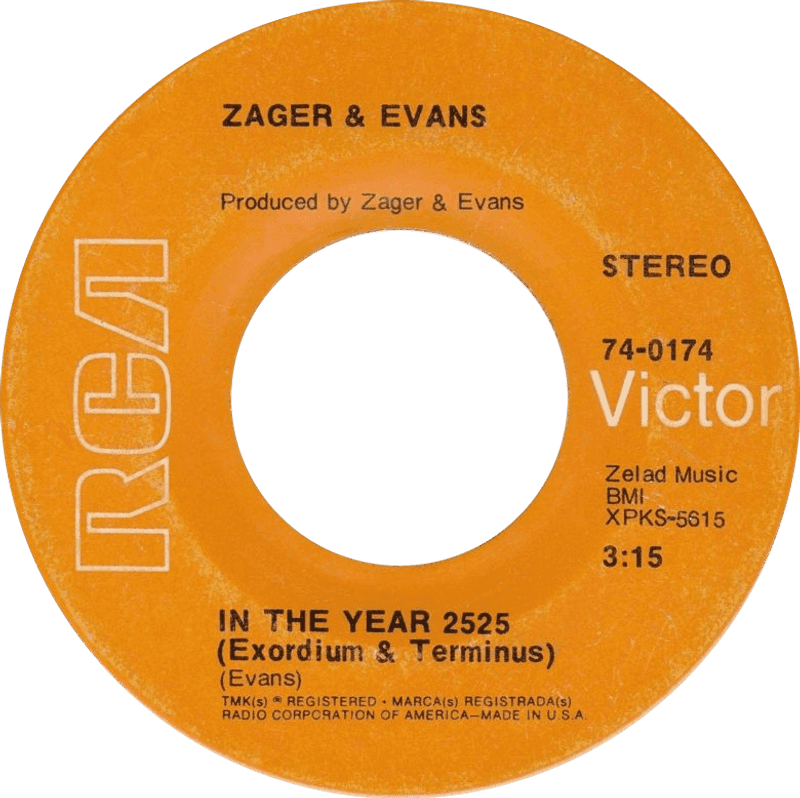
Zager and Evans predicted a dystopian future where humanity loses all purpose and eventually dies out.
Their 1969 hit was depressing then and remains depressing now, with dated predictions that didn’t come true.
The droning melody and pessimistic lyrics create an uncomfortable listening experience throughout.