14 Classic TV Shows That Almost Fell Apart Before They Hit Screens
Behind every iconic series lies a wild backstory filled with rejected pilots, nervous executives, and last-minute fixes.
Some shows survived by sheer luck, while others needed complete makeovers just to get a green light.
Buckle up as we explore the rocky roads these beloved classics traveled before becoming household names!
1. Star Trek
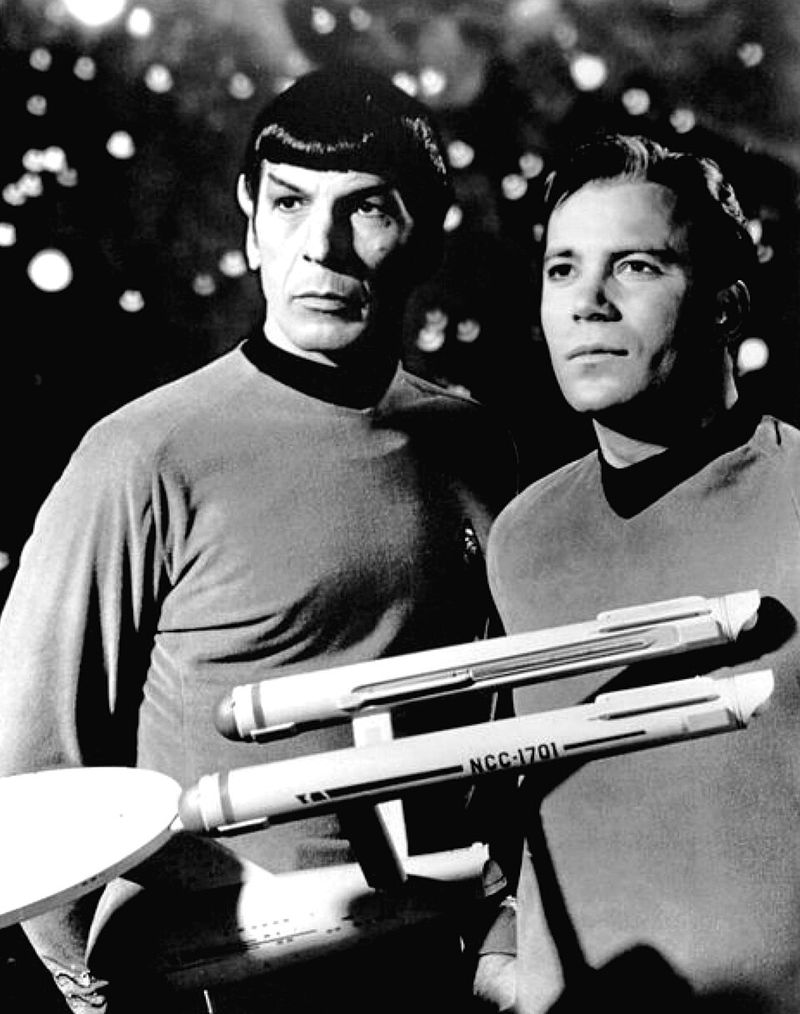
NBC rejected the first pilot, The Cage, calling it too cerebral for mainstream audiences. Network executives doubted viewers would connect with the cerebral sci-fi storytelling and unusual alien characters.
However, NBC did something almost unheard of: they ordered a second pilot.
That rare second chance gave us Captain Kirk and the starship Enterprise, launching a franchise that would span decades and generations of fans worldwide.
2. All in the Family
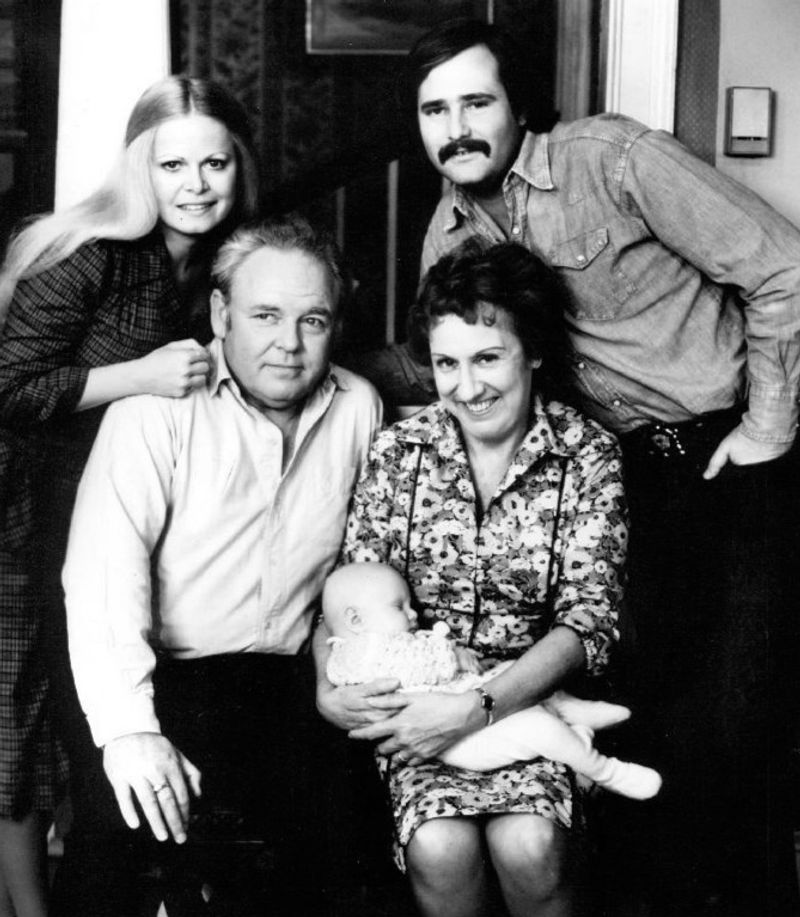
Multiple pilot versions were filmed across several years, each one struggling to find the right tone. CBS kept reworking the concept with major recasting decisions that delayed the premiere significantly.
Network executives worried American audiences wouldn’t accept Archie Bunker’s controversial character and bold social commentary.
When it finally aired in 1971, the gamble paid off, revolutionizing sitcoms and sparking important conversations about prejudice and family dynamics.
3. Frasier

The pilot was initially filmed with a different actress playing radio producer Roz Doyle. After reviewing the footage, producers felt the chemistry with Kelsey Grammer wasn’t quite sparking the way they needed.
Peri Gilpin was brought in to replace the original actress before the 1993 broadcast, bringing sass and warmth to the role.
That crucial recast created one of television’s best supporting characters and helped Frasier become the most Emmy-awarded sitcom in history.
4. Gilligan’s Island
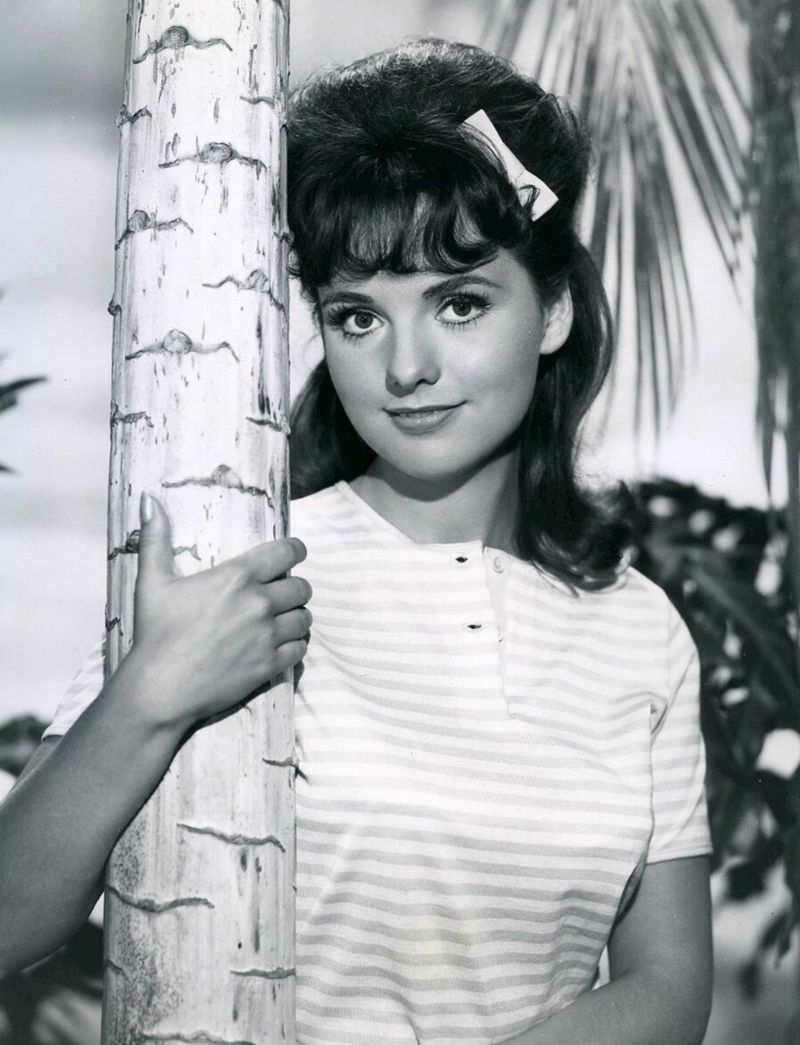
The original pilot featured completely different actors playing Ginger and the Professor. After viewing the test footage, producers decided the chemistry wasn’t quite right and made crucial casting changes.
Tina Louise and Russell Johnson replaced the original performers, bringing fresh energy to their roles.
Those last-minute adjustments transformed a shaky concept into a three-hour tour that lasted three seasons and became a pop culture phenomenon beloved by generations.
5. Three’s Company
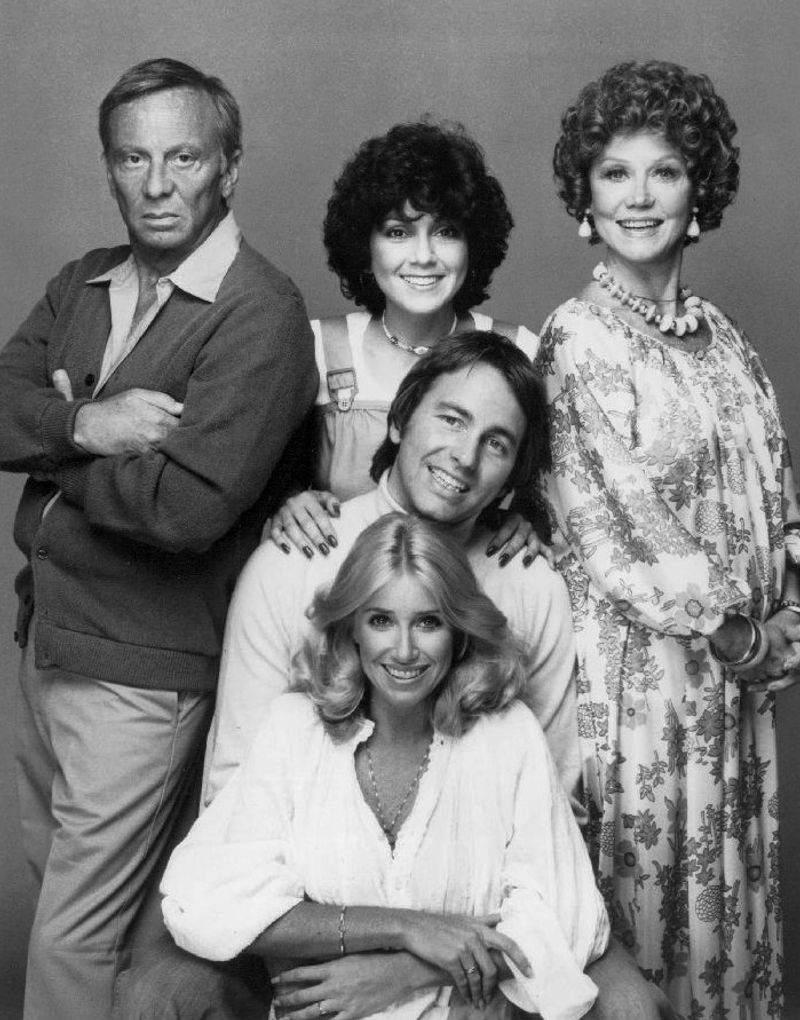
More than one pilot was produced with different cast combinations before settling on the final trio.
Producers experimented with various actors, searching for that perfect comedic chemistry among the roommates.
The show’s risqué premise – a man living with two women – made networks nervous about audience backlash.
After extensive testing and recasting in 1977, the right combination clicked, delivering one of the decade’s biggest comedy hits and launching John Ritter to stardom.
6. Seinfeld
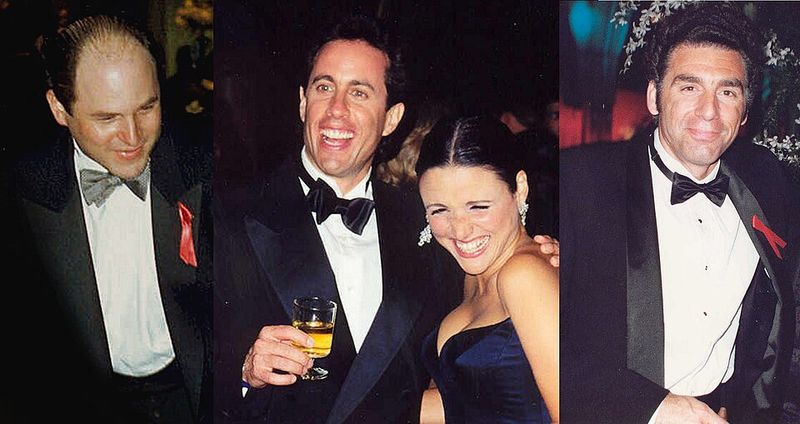
The pilot tested terribly with focus groups who found the characters unlikable and the humor too niche.
Instead of canceling outright, NBC ordered just four episodes – the smallest order in television history.
That tiny vote of confidence from executive Rick Ludwin saved what would become the most influential sitcom of the 1990s and a cultural touchstone.
7. I Love Lucy
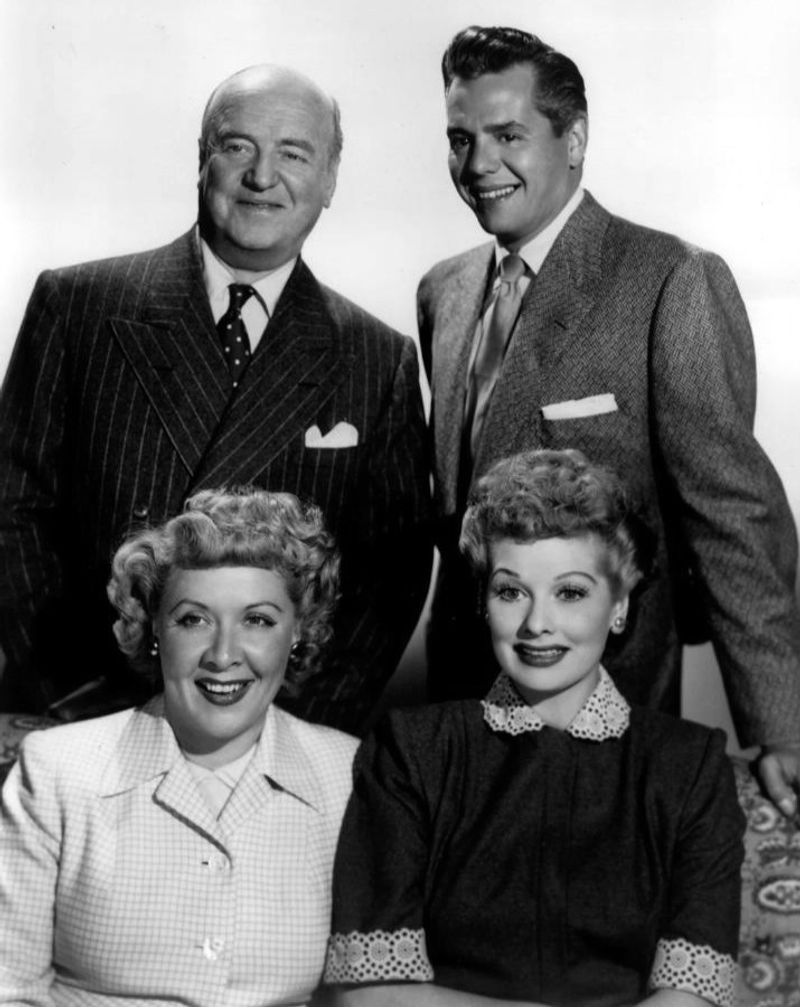
CBS resisted casting Desi Arnaz opposite Lucille Ball, fearing audiences wouldn’t accept an interracial marriage on television.
Network executives doubted Desi’s thick Cuban accent would play well across Middle America.
Lucy and Desi took their act on the road, performing live shows to prove their chemistry worked with real audiences.
Their determination paid off in 1951, creating television’s first true power couple and pioneering the multi-camera sitcom format.
8. Lost

The pilot’s massive budget – reportedly over ten million dollars – triggered serious anxiety within ABC’s executive ranks.
Network bosses worried the risky investment in an unproven concept with an ensemble cast could become a catastrophic failure.
Despite internal panic in 2004, the project survived and moved forward to series, becoming one of the most talked-about shows of the 2000s.
9. The Mary Tyler Moore Show
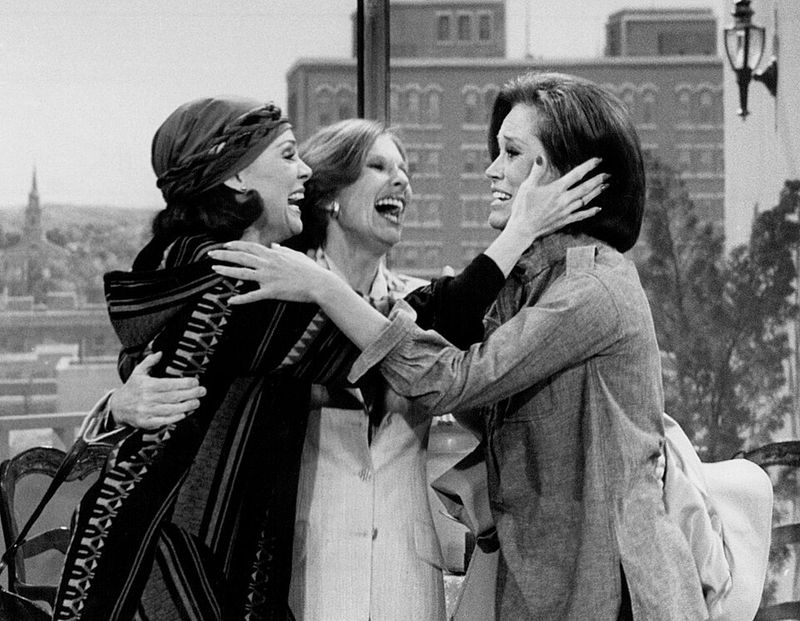
Mary Richards was initially conceived as a divorcée, but CBS executives panicked about audience reaction to divorce on television.
The premise was quickly changed to make Mary single after a broken engagement instead.
That adjustment removed controversy while keeping Mary’s independence intact, paving the way for a groundbreaking portrayal of single working women.
10. Saturday Night Live
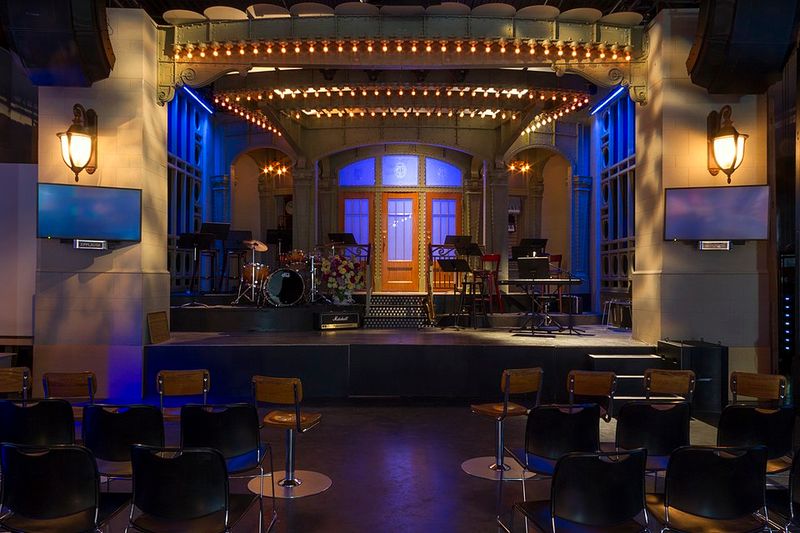
The first dress rehearsal was an absolute disaster, with technical glitches, timing problems, and jokes falling completely flat.
NBC executives watched in horror, seriously questioning whether the live format could work at all.
The network actually prepared contingency programming in case the 1975 premiere bombed spectacularly.
Despite the chaos, the show went live and became an instant cultural phenomenon, launching countless comedy careers and changing late-night television forever.
11. Game of Thrones
HBO’s original pilot was a legendary disaster, with confusing storytelling and miscast roles that failed to capture George R.R. Martin’s epic vision.
Test audiences couldn’t follow the complex plot or distinguish between characters.
The network ordered heavy reworks in 2011, including major reshoots and key recasting decisions before the official premiere.
Those expensive fixes transformed a troubled production into the most-watched series in HBO history and a global cultural phenomenon.
12. The Big Bang Theory
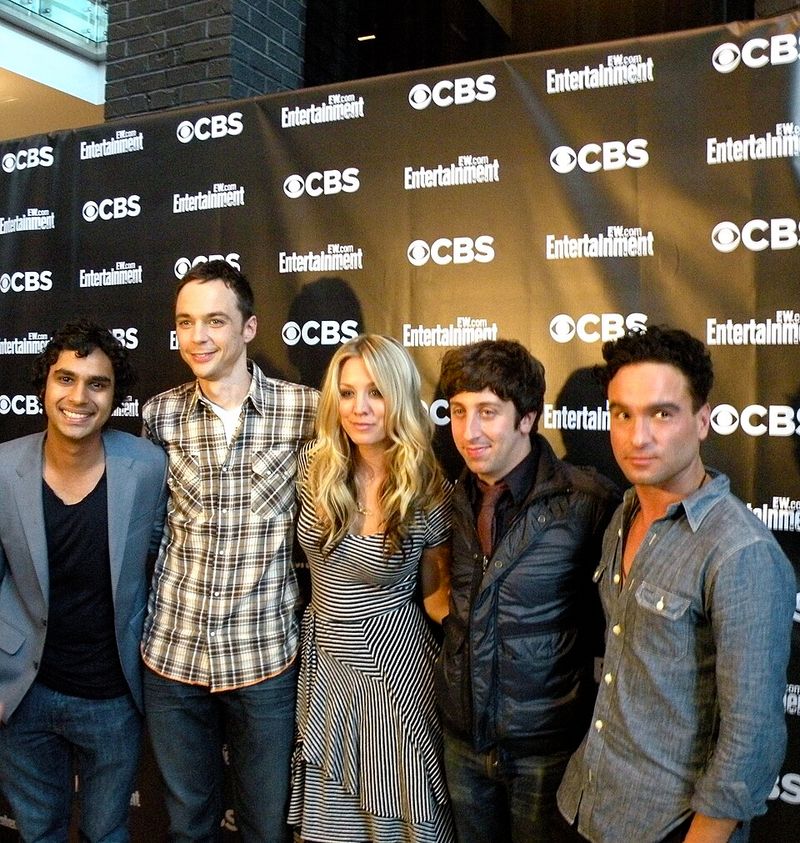
An initial unaired pilot featured completely different female leads and a much darker, cynical tone. CBS executives rejected it outright, finding the characters unlikable and the humor too mean-spirited.
The show was substantially retooled in 2007, introducing Penny and softening the nerdy characters’ personalities.
Those massive changes transformed a failed concept into CBS’s longest-running multi-camera sitcom and a phenomenon that made geek culture mainstream and cool.
13. Happy Days
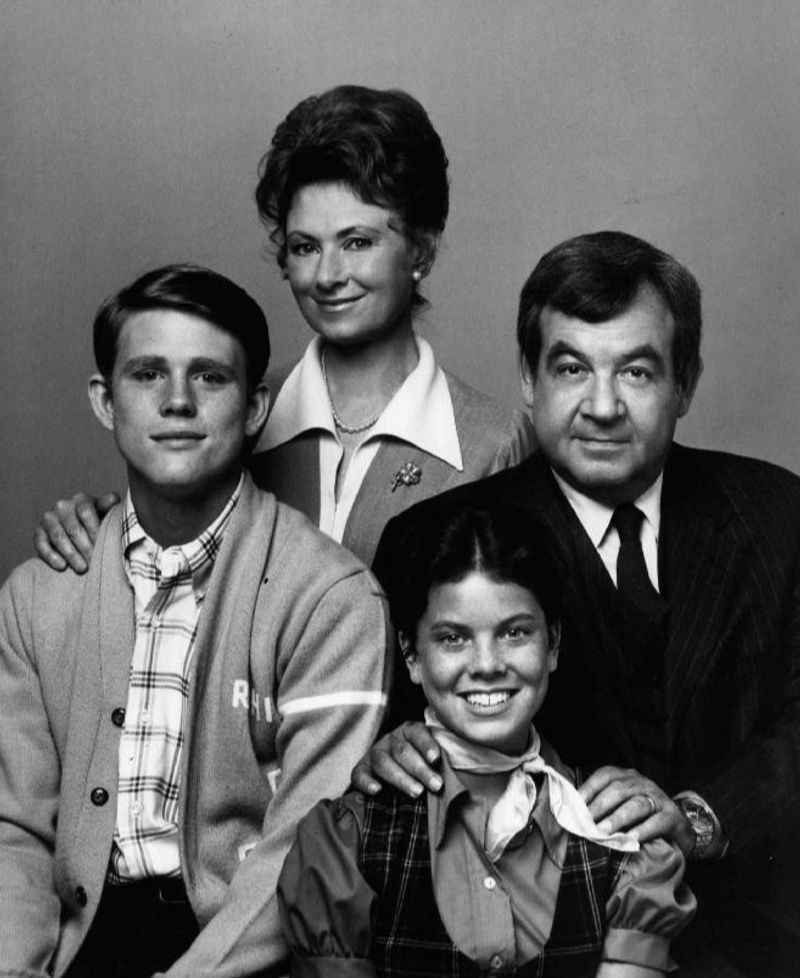
The show started as a backdoor pilot segment on Love, American Style in 1972, testing the nostalgic 1950s concept. ABC wasn’t immediately convinced the premise could sustain a full series.
After reworking and retooling, Happy Days finally premiered in 1974, eventually becoming one of the most successful sitcoms of the decade.
The show launched Henry Winkler’s career as the Fonz and spawned multiple spin-offs, proving patience and persistence pay off.
14. Breaking Bad
Creator Vince Gilligan pitched the concept of a chemistry teacher turned meth cook to multiple networks, facing rejection after rejection.
Executives worried the dark premise was too depressing and the protagonist too unlikable for audiences.
AMC finally committed to the core premise in 2008, taking a chance on Gilligan’s vision when others wouldn’t.
That leap of faith delivered one of the most critically acclaimed dramas in television history, proving antiheroes could captivate viewers.