10 Classics Illustrated Comics Based On Stories That Became Classic Movies
Stories like these never sit still, they just keep finding new ways to show up. Pages turn, artwork pulls everything to life, and suddenly big, classic tales feel a lot more immediate and a little harder to put down.
Reading turns into a full experience, which explains how these comics helped make familiar titles feel vivid and approachable for new readers.
1. The Three Musketeers
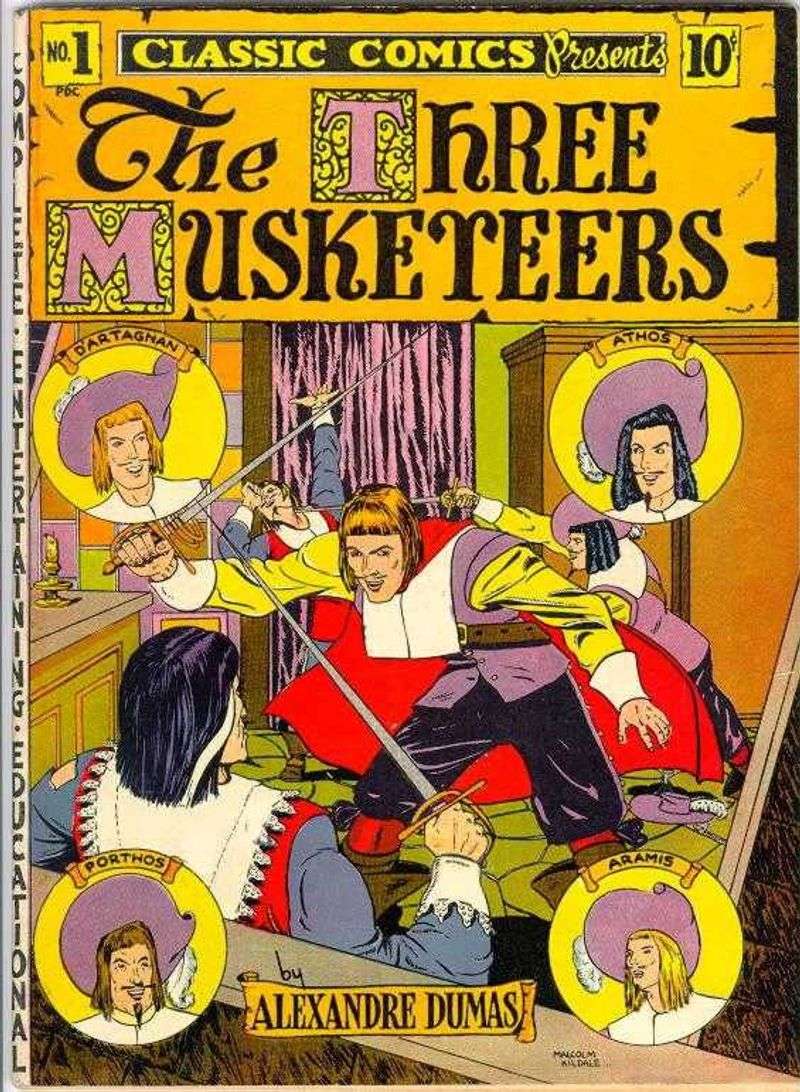
All for one, and one for all, a motto so catchy it basically wrote its own movie poster.
Alexandre Dumas packed this novel with sword fights, royal intrigue, and friendships forged in pure chaos. The Classics Illustrated version put those swashbuckling panels right in your hands on a lazy Saturday afternoon.
Hollywood agreed the story was golden, turning it into multiple films across the decades. Every adaptation owes a quiet nod to the comic that kept the flame burning.
2. The Count Of Monte Cristo
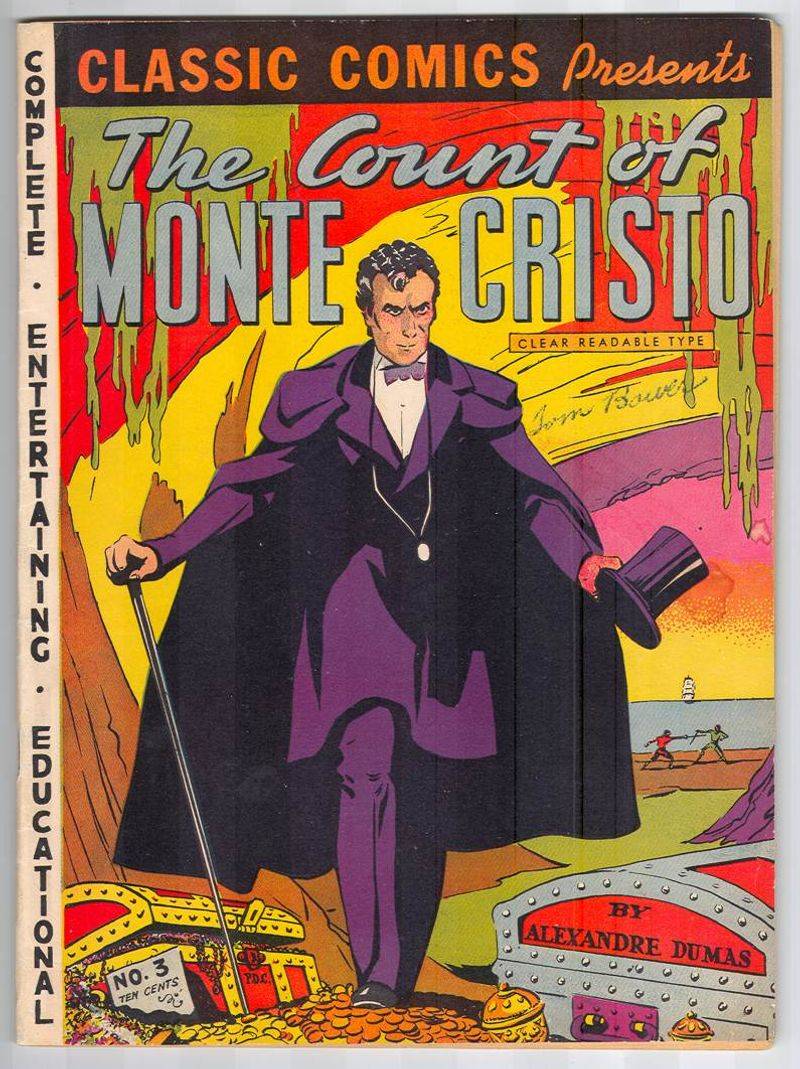
Revenge served cold rarely looks quite this stylish. Wrongful imprisonment turns a young sailor into one of literature’s most memorable agents of revenge.
Panels in the Classics Illustrated edition compressed Dumas’s epic saga into something brisk, sharp, and memorable enough to leave a mark.
Roar of the story reached multiplex screens again in 2002 with Jim Caviezel in the lead, yet readers who found it first through the comic already knew every twist waiting around the corner. Spoiler-proof since 1946.
3. Robin Hood
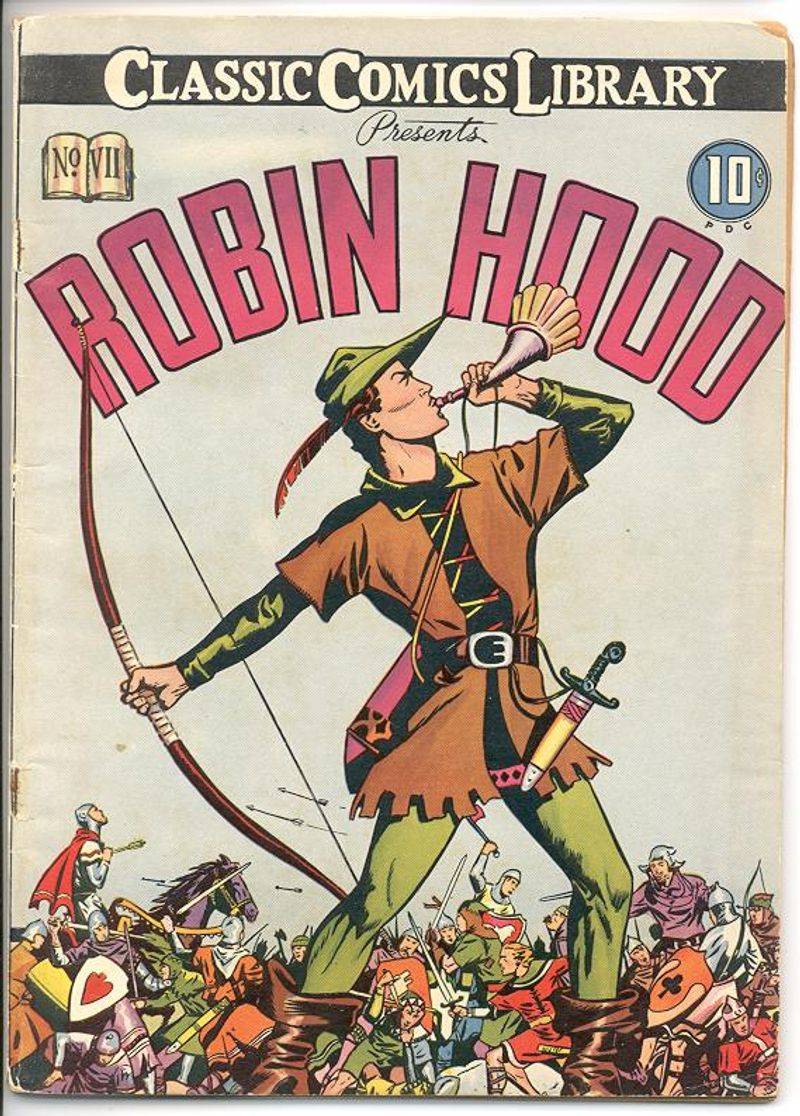
Stealing from the rich to give to the poor carries a kind of energy that comic panels turn into pure fun. Arrow-flying action drives the Classics Illustrated version, with a merry band that actually feels lively instead of just named that way.
Sherwood Forest gives the comic plenty of room for lively chases and ambushes, and the Merry Men seem ready at any moment for their cue.
Hollywood kept returning to the legend for blockbuster material, from Errol Flynn in 1938 to Kevin Costner in 1991.
4. Les Misérables
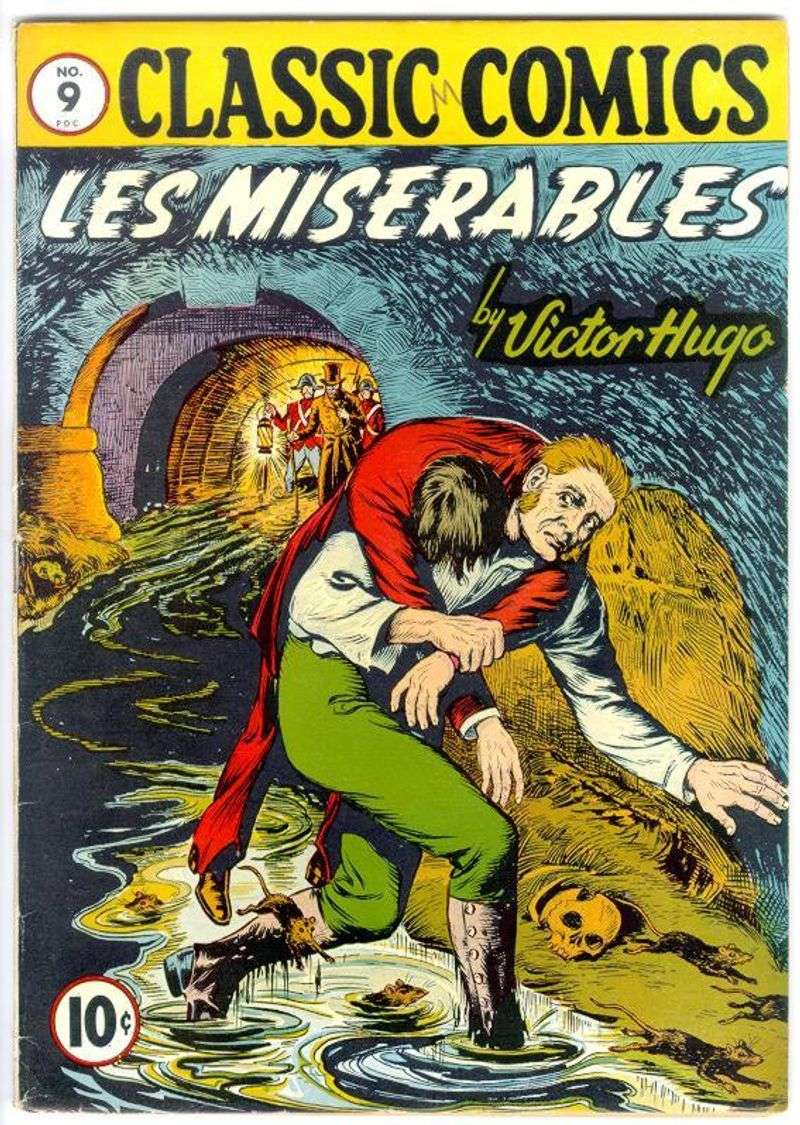
Enormous in scale and emotion, Victor Hugo’s novel practically needs its own zip code, yet the Classics Illustrated team distilled it into pure emotional impact. Through Jean Valjean’s journey, every panel carries the weight of a long walk from bitterness to grace.
Behind all of it, Inspector Javert hangs over the story like a storm cloud that never quite breaks, adding constant dramatic tension.
Renewed attention arrived with the 2012 musical film starring Hugh Jackman, reminding a whole new generation why the story never grows old.
5. Don Quixote
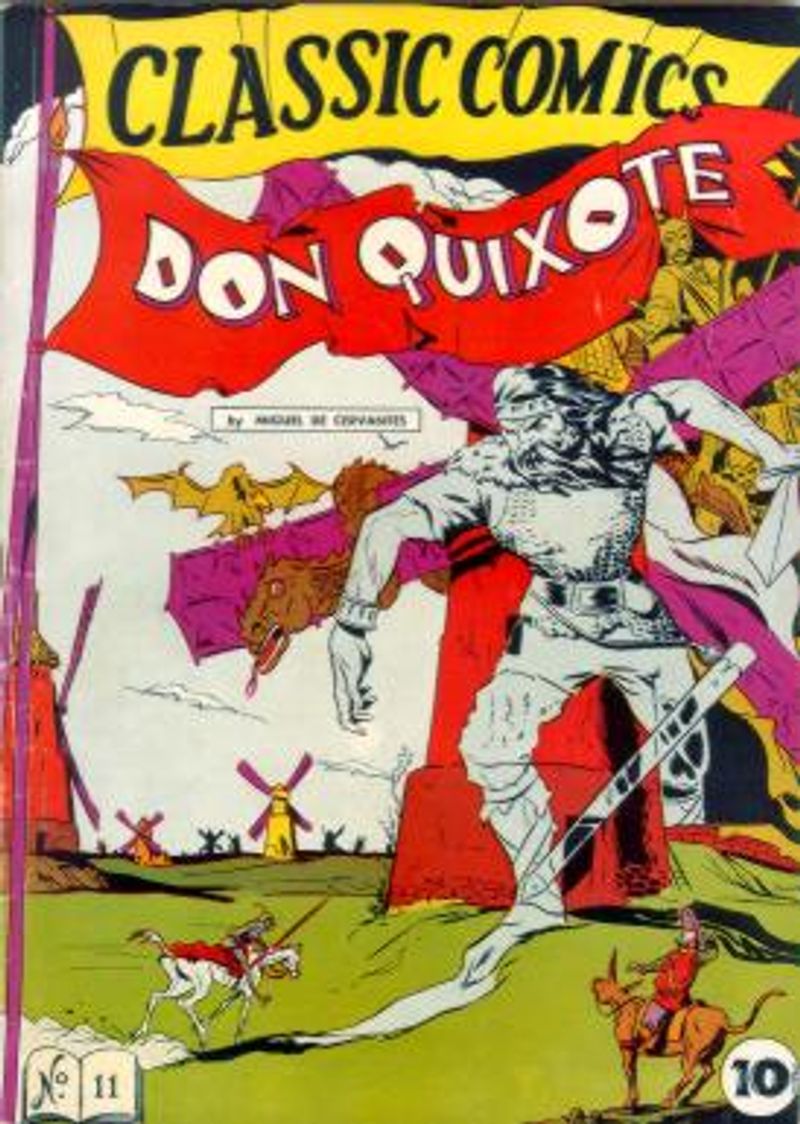
Charging at windmills while convinced they are giants is either madness or the most committed creative vision in literary history.
Cervantes’s novel is often described as one of the first modern novels, and the Classics Illustrated edition made its sun-baked Spanish plains and absurd misadventures wonderfully accessible. Sancho Panza tagging along on a donkey provides the comic relief that keeps the whole thing from tipping into tragedy.
Film adaptations have chased this story for decades, and none have quite caught it.
6. Dr. Jekyll And Mr. Hyde
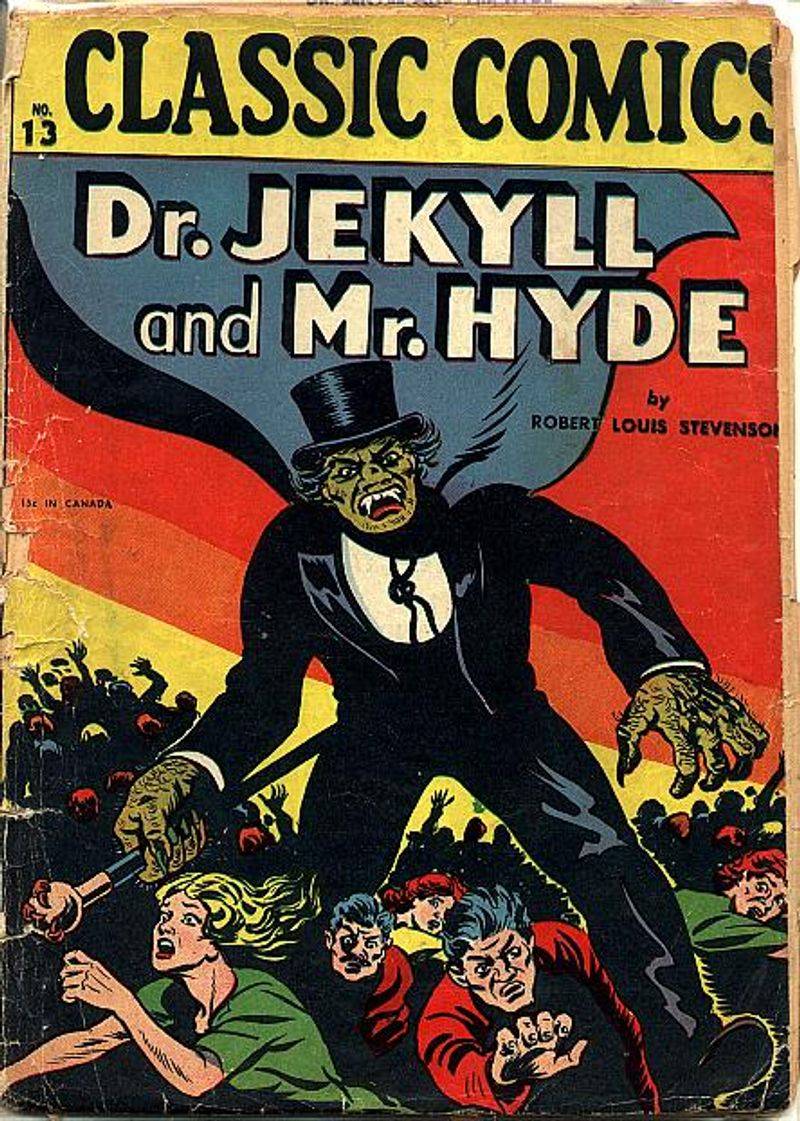
One man, two identities, and a story built around moral collapse. Identity splitting apart and moral collapse unfolding made Robert Louis Stevenson’s story a natural fit for comic panels, where a single close-up could capture transformation in real time.
Horror takes center stage in the Classics Illustrated version, with Hyde coming across as genuinely unsettling instead of exaggerated or cartoonish.
Dual role found new life on screen in 1941 with Spencer Tracy, showing how well the story adapts across formats.
7. Gulliver’s Travels
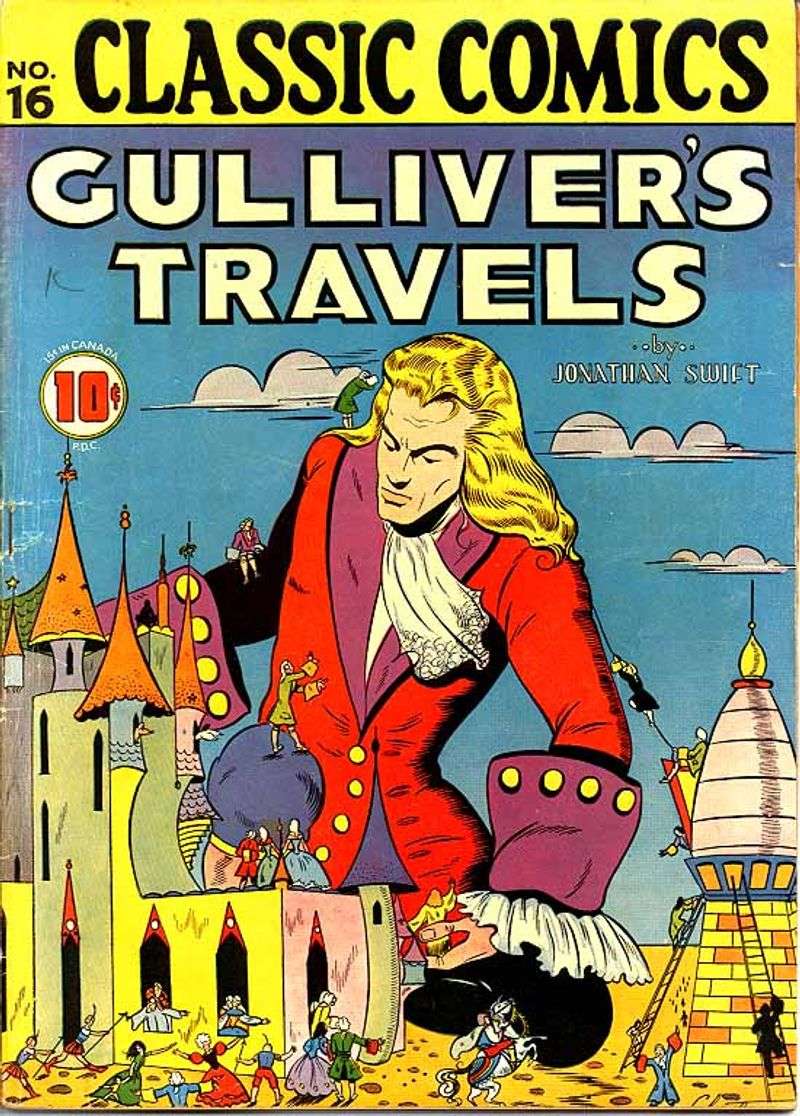
Waking up tied to the ground by people the size of your thumb would ruin most people’s Tuesday morning.
Satirical brilliance found a natural fit in comic form, where the size difference between Gulliver and the Lilliputians unfolds with striking visual drama. Across every panel, a built-in sense of wonder lets the satire sneak up on you.
Loud comedic energy from Jack Black carried the 2010 film version into something younger audiences responded to.
8. The Hunchback Of Notre Dame
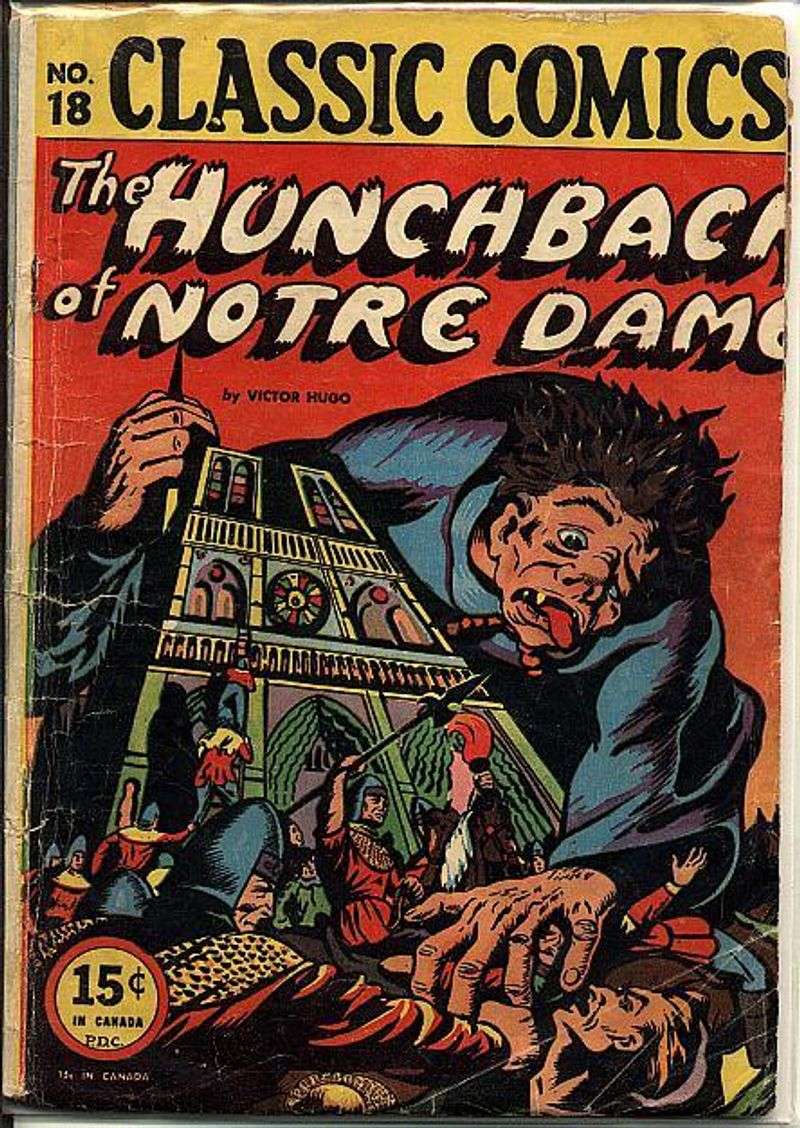
Quasimodo carries so much emotional force that even a comic page can feel too small for him. Emotional weight from Victor Hugo’s original still holds in the Classics Illustrated adaptation instead of shrinking into something overly simplified.
Stone towers of Notre Dame dominate the panels, while cruelty in the crowd below adds a sharper, more dramatic edge to the artwork.
Longing, gentleness, and isolation still come through clearly, even when the story is compressed into a handful of illustrated scenes. Disney’s 1996 film introduced the story to new audiences, softening darker edges for a more accessible, family-friendly tone.
9. Oliver Twist
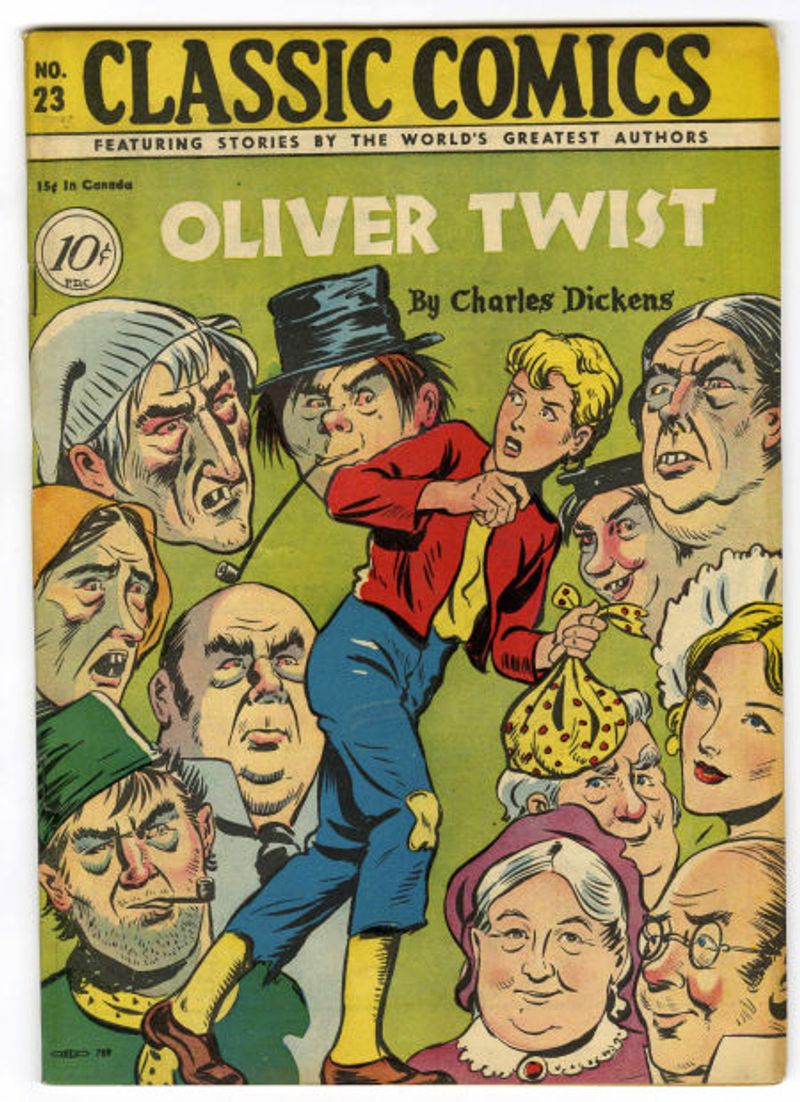
Please, sir, can we have one more brilliant comic adaptation?
Charles Dickens wrote Oliver Twist as a sharp critique of how poor children and vulnerable people were treated, and the Classics Illustrated version kept that anger alive in every gloomy panel. Fagin’s hideout and the foggy London streets feel tense and uneasy, not just decorative.
The 1968 musical film Oliver! won the Academy Award for Best Picture, cementing this story’s place in cultural history forever.
10. Frankenstein
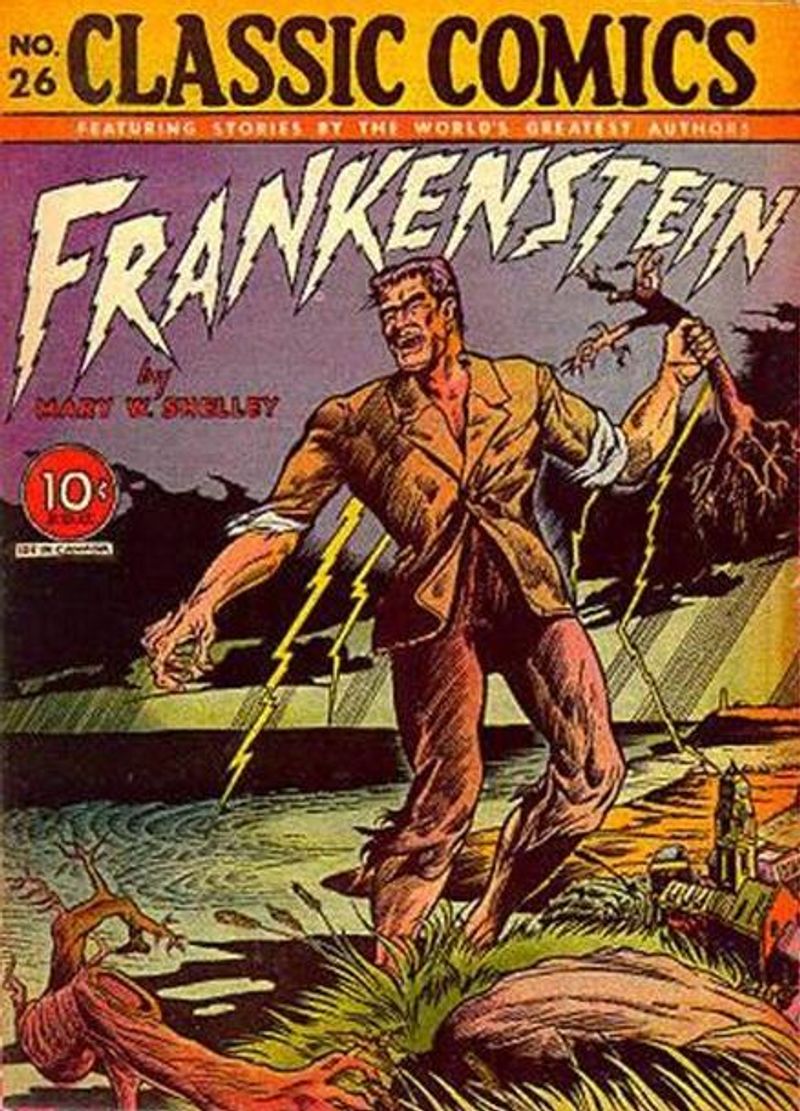
Writing Frankenstein as a teen, Mary Shelley set a bar that still feels intimidating across all of literature.
Gothic atmosphere translates vividly in the Classics Illustrated edition, with crackling lightning, shadowy labs, and a creature whose tragedy feels genuinely moving. On the page, that loneliness lands even harder when it can be seen rather than imagined.
Iconic status took hold with Boris Karloff’s 1931 portrayal, and the image has stayed in popular culture ever since.
Note: This article is intended for general informational and entertainment purposes and is based on publicly available publication histories, literary references, and film records available at the time of writing.