Common Christmas Cooking Errors That Pose Food Safety Risks
Christmas dinner brings families together around tables loaded with delicious food, but hidden dangers can turn your celebration into a serious food safety issue.
Simple mistakes in the kitchen can allow harmful bacteria to multiply and spread, putting everyone at risk.
Understanding these common errors helps you protect your loved ones while still enjoying all those festive flavors.
Note: This article is intended for general informational purposes only and reflects commonly recommended food safety practices.
While the guidance presented is based on widely accepted public health recommendations, individual kitchen setups, appliances, and food handling habits may vary.
1. Skipping A Proper Hand Wash Before Cooking
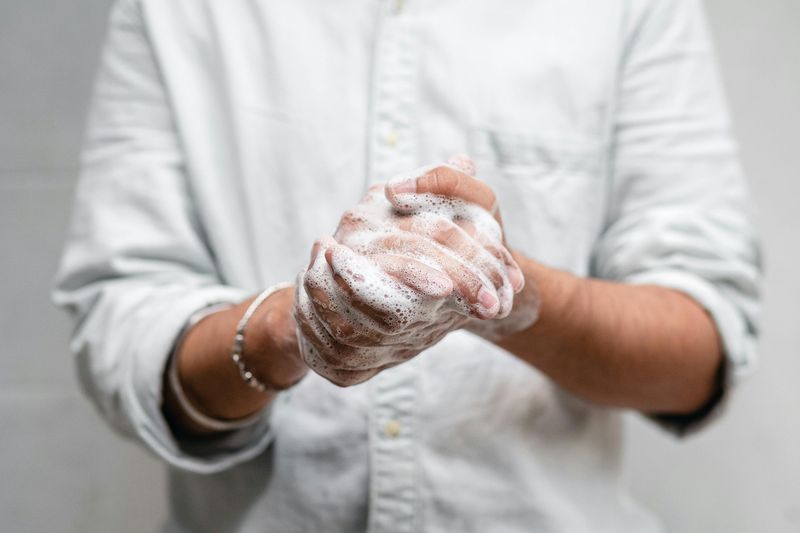
Germs hitch a ride on your hands from every surface you touch, waiting for their chance to contaminate your holiday feast.
Maybe you grabbed your phone to check the recipe, petted the dog, or tossed something in the trash without thinking twice.
Those invisible hitchhikers transfer to utensils, fridge handles, and ready-to-eat foods faster than you can say “Merry Christmas.”
Wash hands with soap and warm water for at least twenty seconds before you start cooking, after handling raw meat, and after touching anything questionable.
2. Washing Raw Poultry In The Sink
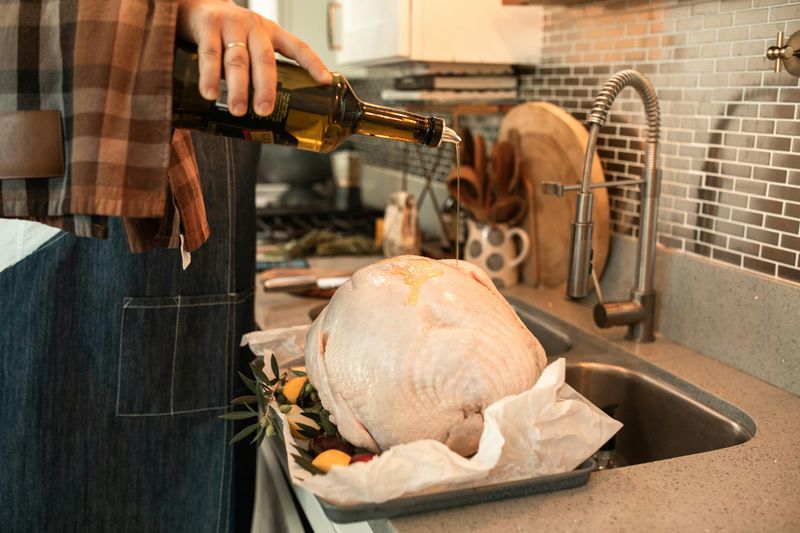
Water droplets become tiny droplets that spread bacteria when you rinse that raw turkey, launching campylobacter and salmonella onto counters, dish towels, and nearby ingredients.
Though it feels like you are cleaning the bird, you are actually spreading germs in a three-foot radius around your sink.
Pat the poultry dry with paper towels if needed, then toss them immediately and sanitize every surface the raw meat touched.
Cooking to the proper temperature kills bacteria far more effectively than any rinse ever could.
3. Cross-Contamination By Reusing Cutting Boards, Knives, Or Plates

Raw meat juices carry millions of bacteria that love nothing more than hitching a ride to foods that will not be cooked again.
Using the same cutting board for raw turkey and then slicing bread turns that innocent loaf into a potential health hazard.
Plates that held raw meat should never welcome cooked food back without a thorough washing in between.
Keep separate boards for raw proteins and ready-to-eat items, or wash thoroughly with hot soapy water between uses.
4. Thawing The Turkey On The Counter
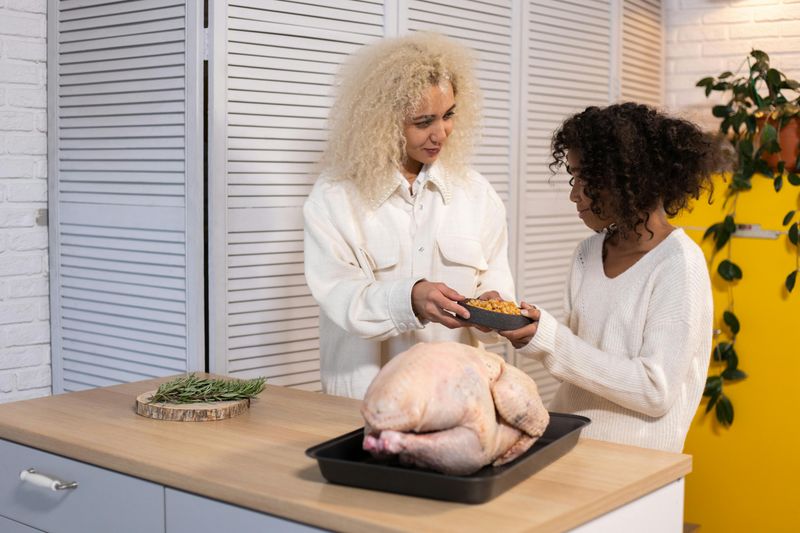
While the center of your bird stays frozen solid, the outside enters the danger zone where bacteria throw a multiplication party.
Room temperature thawing creates a perfect environment for harmful microorganisms to flourish on the surface meat.
Plan ahead and thaw in the refrigerator, allowing about twenty-four hours for every four to five pounds.
If time runs short, submerge the wrapped turkey in cold water, changing it every thirty minutes, or use the microwave and cook immediately afterward.
5. Guessing Doneness Instead Of Using A Thermometer
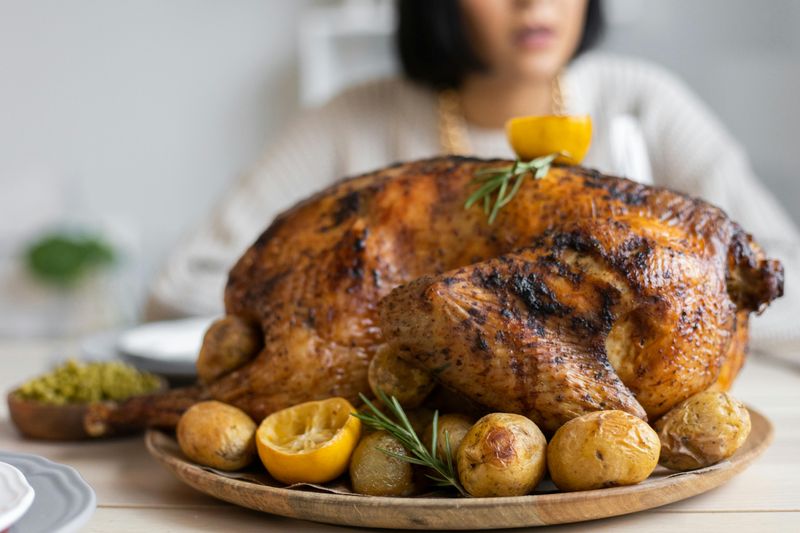
Eyeballing whether the turkey looks done is like taking a serious and unnecessary food safety risk.
Poultry can look perfectly golden and still harbor dangerous bacteria in the center where temperatures remain too low.
Color and texture lie, but a food thermometer tells the truth every single time.
Insert it into the thickest part of the thigh without touching bone, and make sure it reads at least 165°F before you start carving and serving.
6. Stuffing The Bird Without Checking The Center Temperature
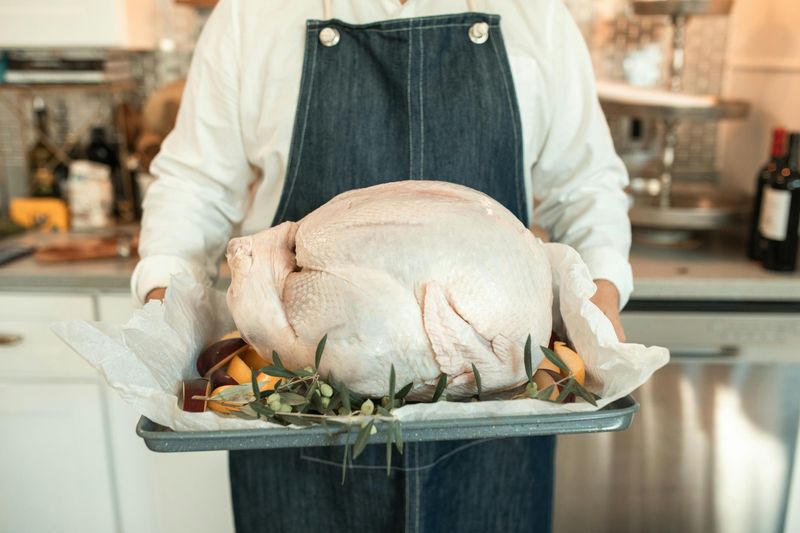
Stuffing absorbs raw turkey juices as it cooks, creating a cozy home for bacteria deep inside where heat takes longest to penetrate.
Even when the turkey reaches a safe temperature, the stuffing might still be dangerously undercooked in the middle.
If you stuff the bird, the center of that stuffing must hit 165°F, which means checking with your thermometer in multiple spots.
Cooking stuffing separately in a casserole dish is faster, easier, and significantly safer for everyone at your table.
7. Leaving Food Out Too Long During A Long, Cozy Christmas Meal
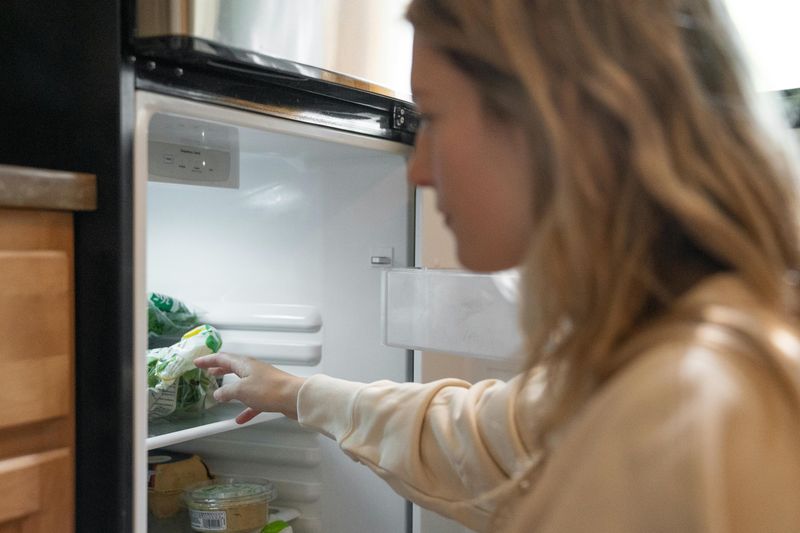
Lingering over Christmas dinner feels magical until you realize perishable foods have been sitting in the danger zone for three hours.
Bacteria multiply exponentially at room temperature, doubling every twenty minutes when conditions are just right.
Follow the two-hour rule religiously, or cut it to one hour if your dining room is particularly warm.
Set a timer on your phone so you remember to refrigerate leftovers before harmful microorganisms turn your feast into a food safety nightmare.
8. Holding Buffet Foods At Warm-ish Temperatures
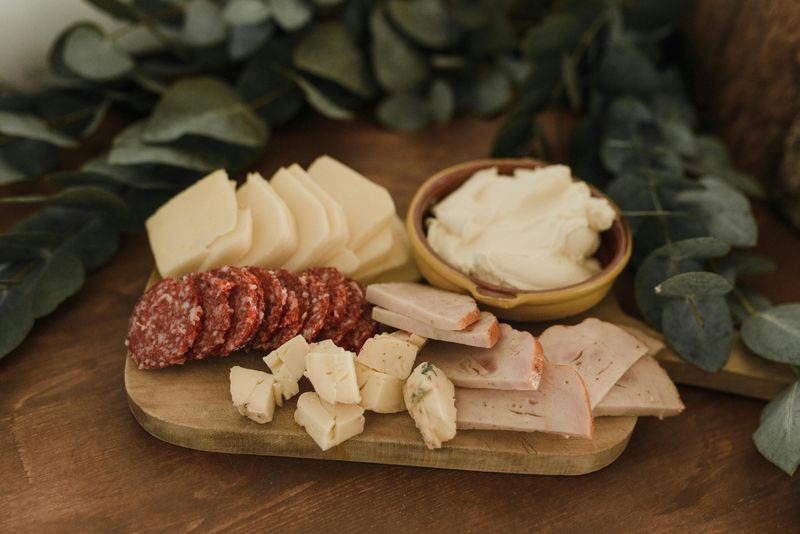
Steam rising from a dish creates an illusion of safety, but lukewarm is the danger zone where bacteria thrive.
Hot foods need to stay above 140°F, and cold foods must remain below 40°F to keep microorganisms from multiplying.
Chafing dishes and slow cookers on the warm setting often fail to maintain safe temperatures throughout the meal.
Check temperatures regularly, replace dishes that have been sitting out, and never leave perishable foods in that dangerous middle ground.
9. Cooling Big Pots Of Soup, Gravy, Or Stew Too Slowly
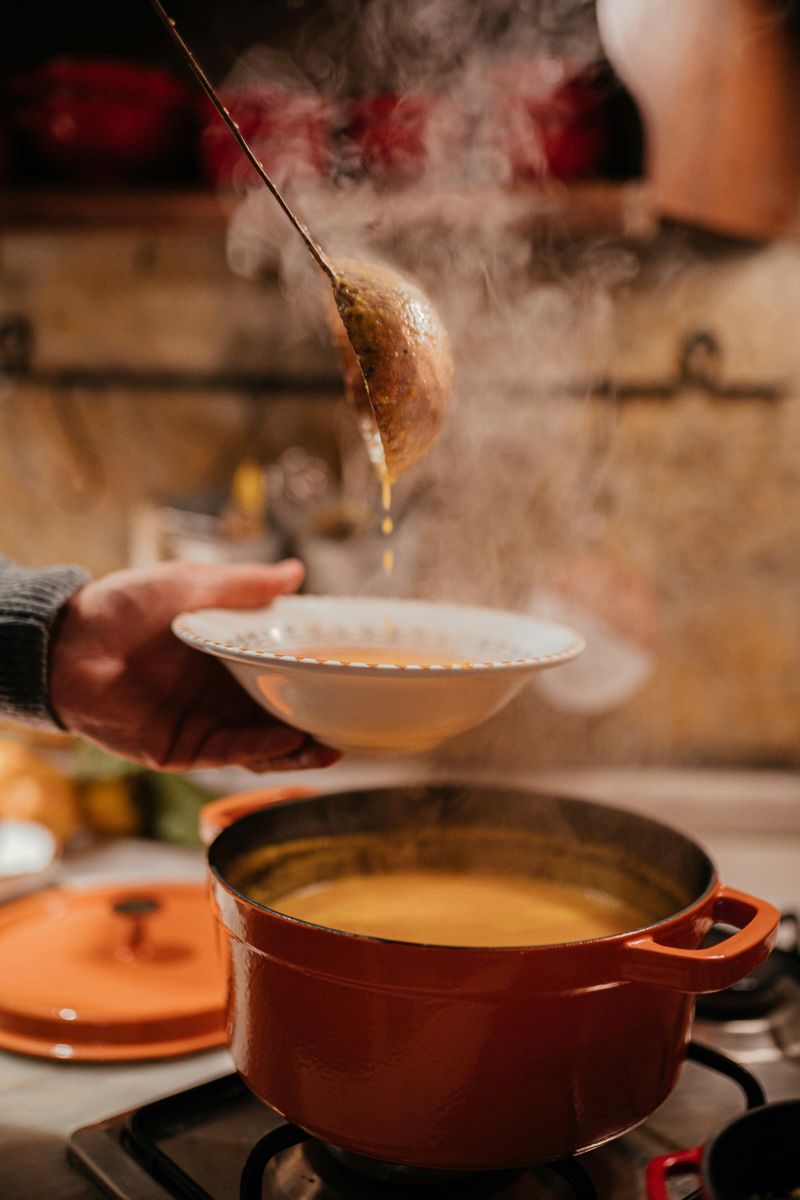
Large volumes hold heat like a thermal battery, staying warm for hours even after you think they have cooled down.
That extended time in the danger zone gives bacteria ample opportunity to multiply to dangerous levels.
Split big batches into smaller portions using shallow pans that allow heat to escape quickly from all sides.
An ice bath speeds things along nicely, and you can refrigerate once the food drops below 90°F to finish chilling safely.
10. Packing Leftovers Into Deep Containers Instead Of Shallow Ones
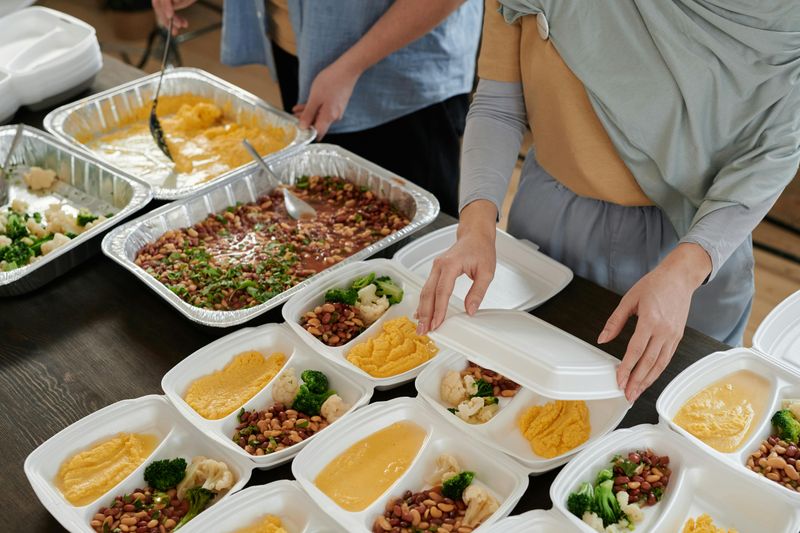
Deep containers trap heat in the center like an insulated thermos, keeping food warm for far too long even inside your refrigerator.
The outer edges might feel cold while the middle remains in the bacterial danger zone for hours.
Shallow containers maximize surface area, allowing cold air to reach all the food quickly and evenly.
Spread leftovers no more than two inches deep, refrigerate within two hours of cooking, and you will keep your family safe from foodborne illness.
11. Reheating Leftovers Without Getting Them Hot Enough
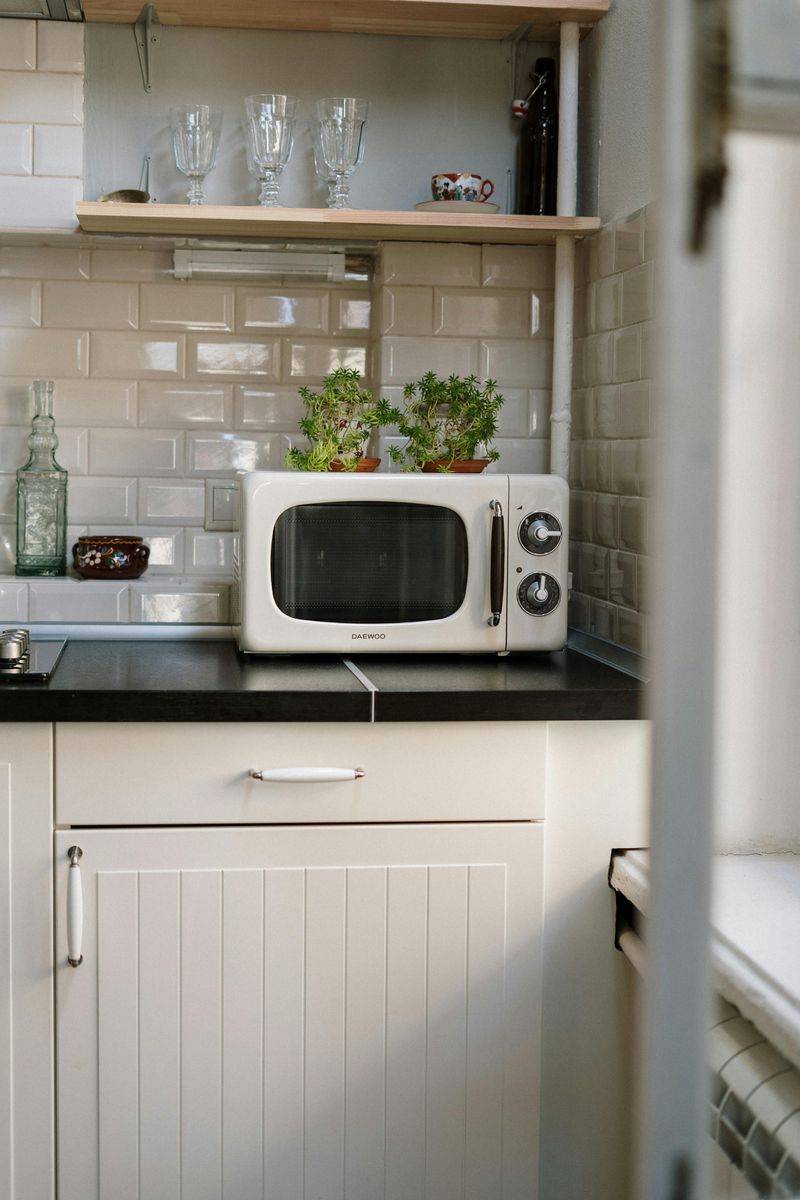
Lukewarm leftovers might taste fine, but any bacteria that survived storage will continue their party in your digestive system.
Microwaves create hot and cold spots, so that casserole might be steaming on the edges while still cool in the middle.
Reheat all leftovers to 165°F, stirring halfway through to distribute heat evenly throughout the dish.
Use your food thermometer to verify the temperature in several spots, especially with dense foods like stuffing or mashed potatoes.
12. Keeping Leftovers Too Long Or Running The Fridge Too Warm
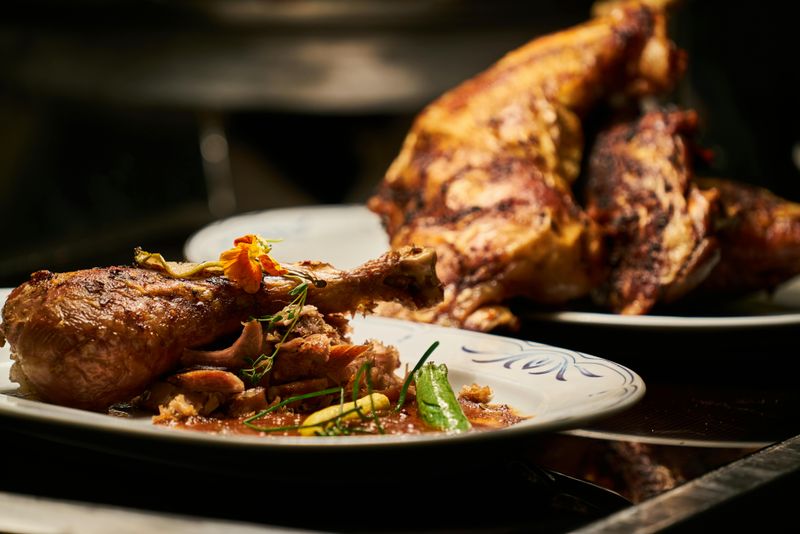
Even refrigerated foods have an expiration timeline, and a fridge running above 40°F accelerates bacterial growth dramatically.
Most leftovers stay safe for three to four days when properly stored at the correct temperature.
Check your refrigerator with an appliance thermometer because the built-in display is not always accurate.
When in doubt, throw it out – no leftover is worth the risk of foodborne illness.