15 Common Foods And Associated Food Safety Risks
Kitchen routines often feel safe and familiar, yet unseen hazards can hide in foods handled every day.
Ordinary ingredients, including sizzling meats and fresh produce, may carry harmful germs if basic precautions are missed.
Awareness matters, because knowing where risks exist makes it easier to protect the people gathered around your table.
According to the CDC’s “Safer Food Choices for People at Higher Risk for Food Poisoning,” the foods listed below are classified as “riskier” choices because they are more likely to contain germs that can make you sick.
Disclaimer: This article is intended for general informational purposes only and does not replace guidance from healthcare or food safety professionals.
Food safety recommendations may vary based on individual health conditions and local regulations.
Readers are encouraged to follow current CDC and USDA guidelines and consult qualified professionals with specific concerns.
1. Raw Or Undercooked Chicken
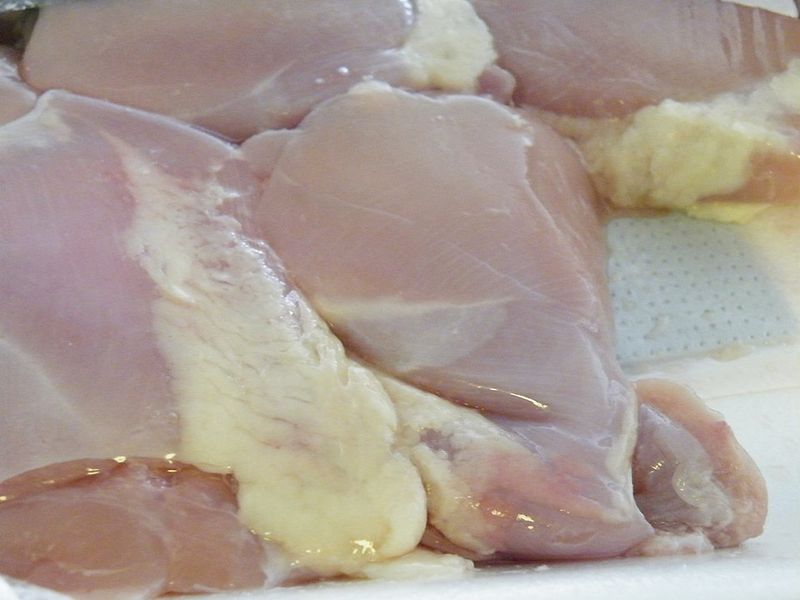
Poultry sitting on your counter might look harmless, but uncooked chicken is one of the most common culprits behind kitchen contamination.
Salmonella and Campylobacter bacteria thrive on raw poultry, and even a tiny amount can cause severe stomach cramps, fever, and diarrhea.
Always cook chicken to an internal temperature of 165°F to kill harmful germs.
Washing raw chicken actually spreads bacteria around your sink and countertops, so skip the rinse and head straight to the heat.
2. Raw Or Undercooked Turkey
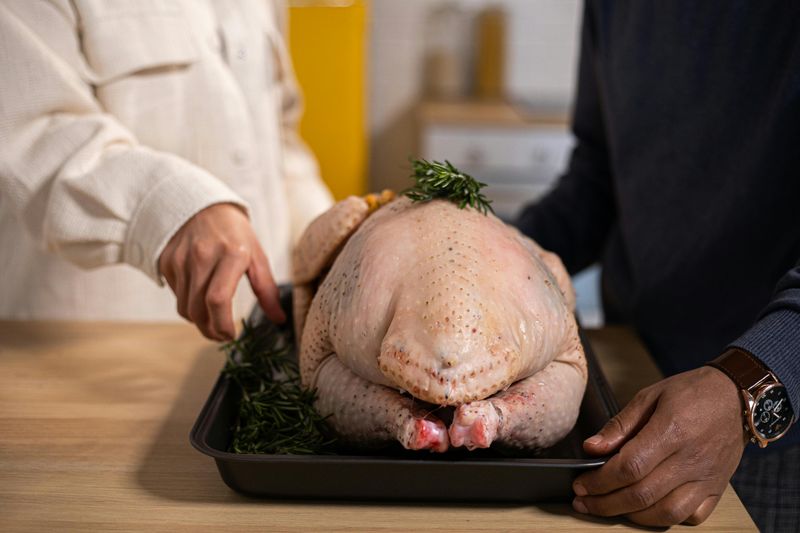
Holiday feasts bring families together, but undercooked turkey can turn celebration into disaster.
Because turkey is so large, it’s easy to misjudge cooking time and end up with pink meat near the bone.
That pinkness signals danger – Salmonella loves to hide in undercooked poultry.
Use a meat thermometer to check that every part of the bird reaches 165°F, including the thickest portions of the breast and thigh, before serving.
3. Raw Or Undercooked Beef
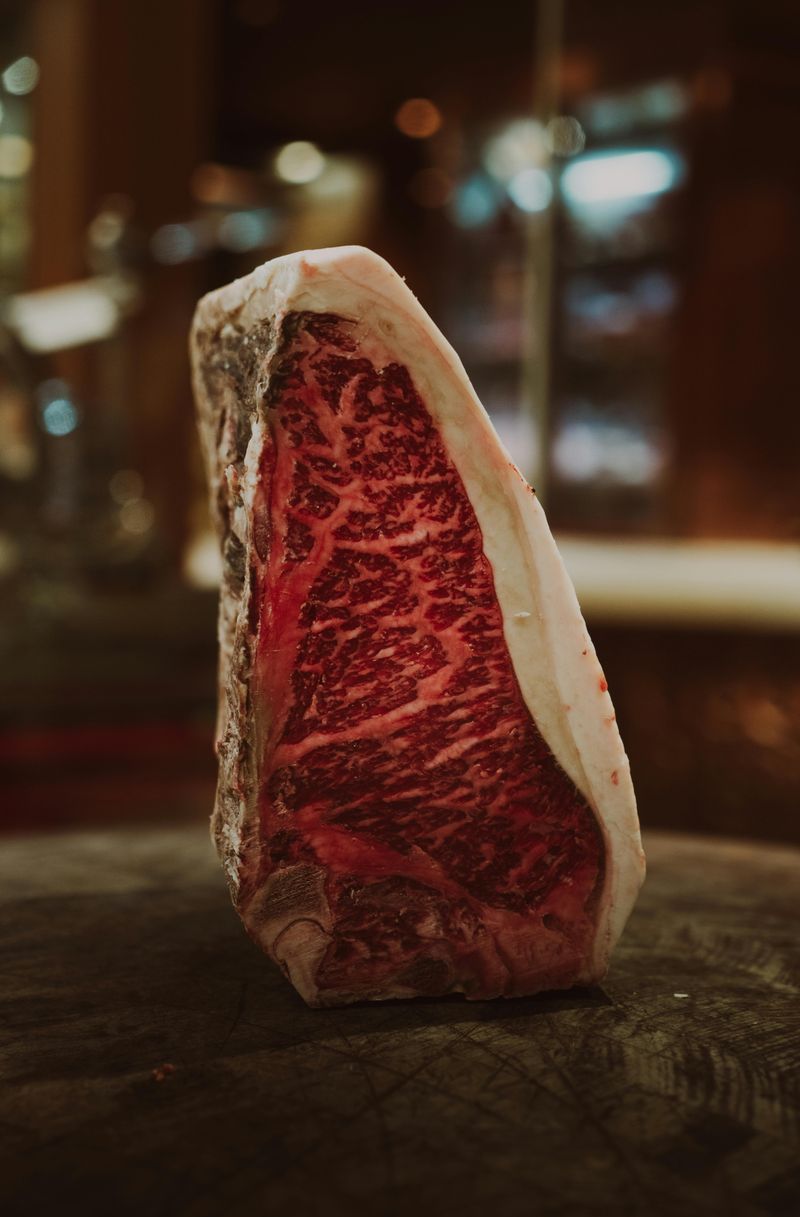
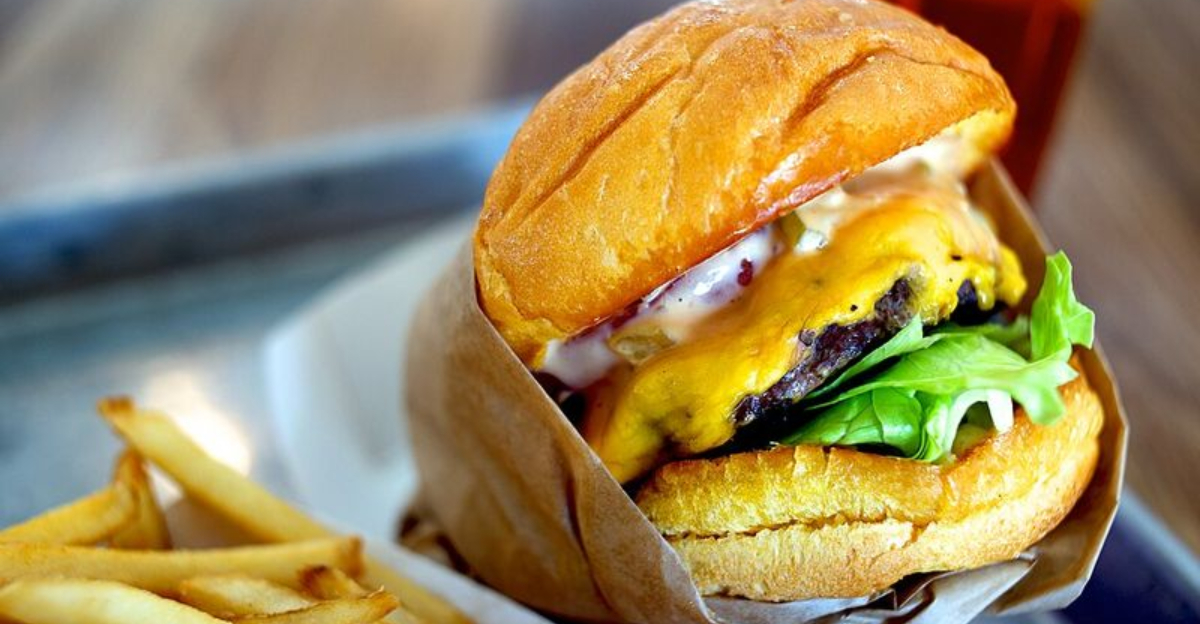
Grilling season means juicy burgers and steaks, but rare beef carries real risks.
Ground beef is especially problematic because bacteria from the surface get mixed throughout during grinding.
E. coli and Salmonella are common contaminants that cause serious illness.
While steaks can be cooked to lower temperatures if the outside is seared, ground beef must reach 160°F internally to ensure safety for everyone at the table.
4. Raw Or Undercooked Pork
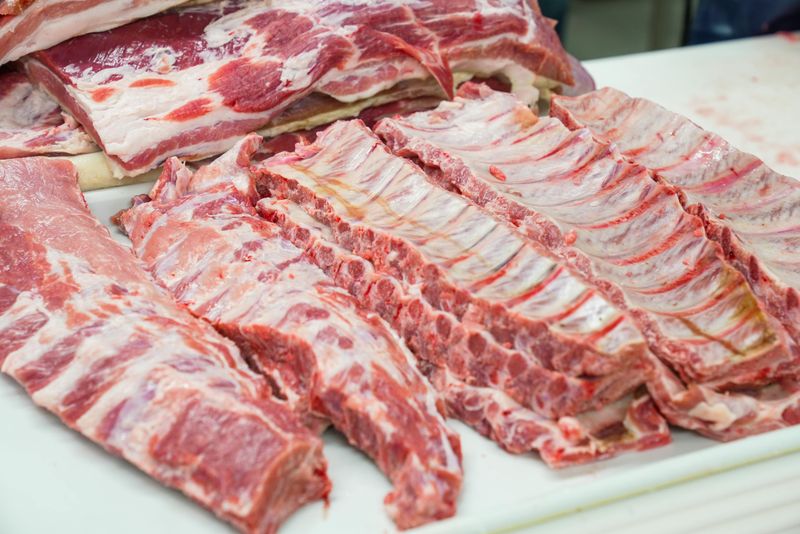
Pork chops and ribs are family favorites, but undercooking them invites trouble.
Though trichinosis is rare today, Salmonella and other bacteria still pose significant threats.
Many people overcook pork out of caution, making it dry and tough.
Pork is considered safe when cooked to an internal temperature of 145°F followed by a three-minute rest period.
5. Raw Sprouts
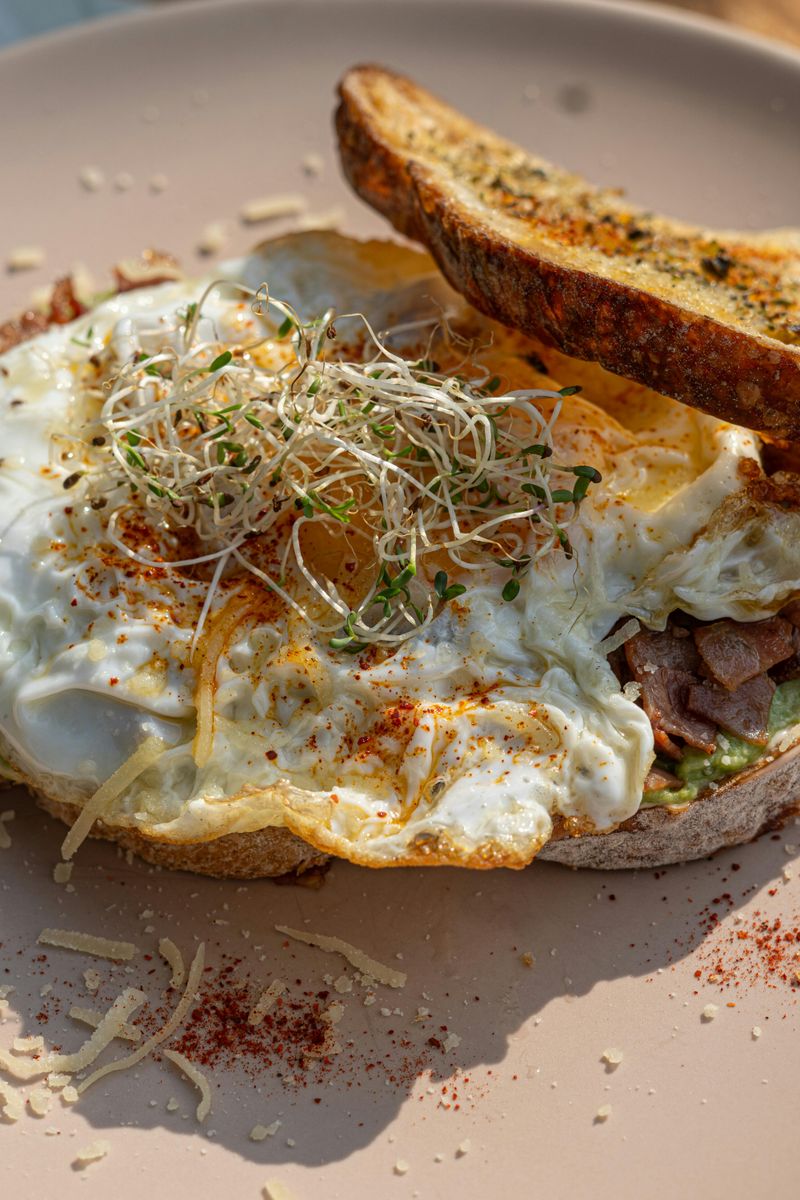
Crunchy sprouts add texture to sandwiches and salads, but their growing conditions create a perfect storm for bacteria.
Warm, humid environments needed for sprouting also encourage E. coli, Salmonella, and Listeria to multiply rapidly.
Even organic sprouts from reputable sources carry risk.
If you’re pregnant, elderly, or have a weakened immune system, skip raw sprouts entirely and opt for cooked vegetables that deliver crunch without the danger.
6. Unwashed Lettuce Or Leafy Greens
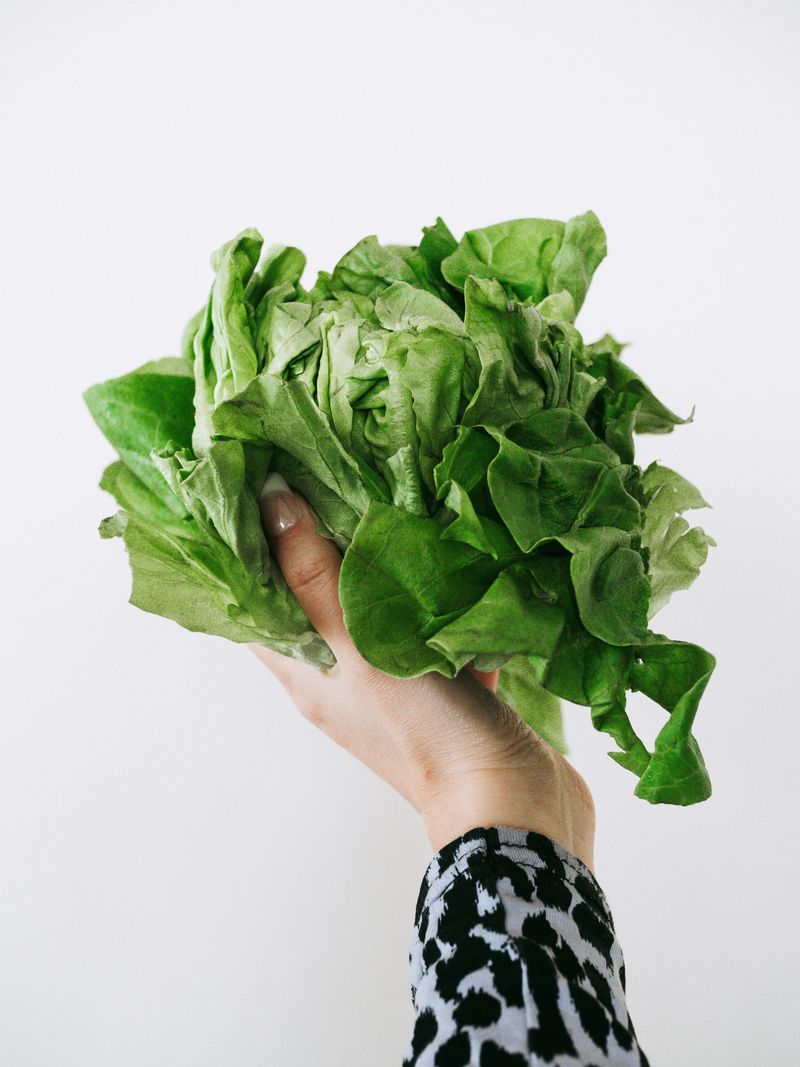
Salad seems like the healthiest choice until you consider what might be lurking on those leaves.
Leafy greens grow close to the ground where soil, water, and animal contamination can introduce harmful bacteria.
E. coli outbreaks linked to lettuce make headlines every year.
Rinse all greens thoroughly under running water, even if the package claims they’re pre-washed, because that extra step could save you from a miserable week of illness.
7. Cut Melon Left At Room Temperature
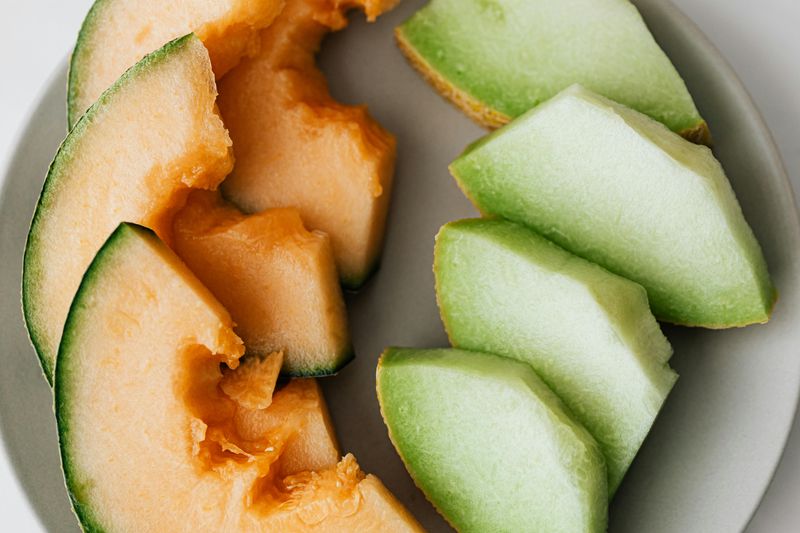
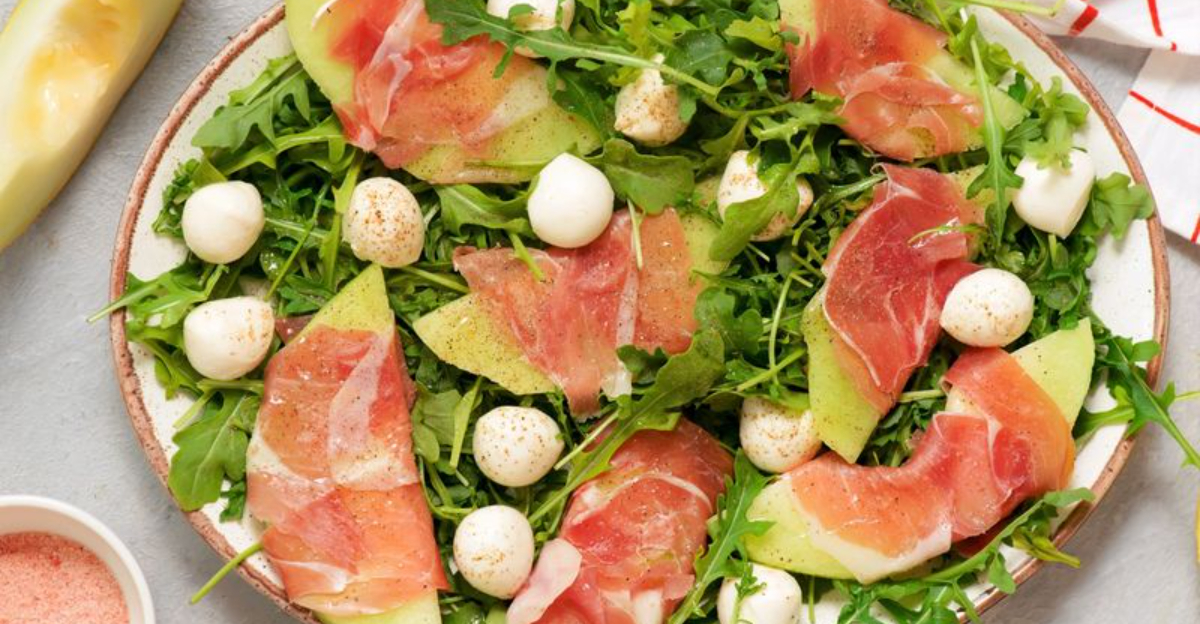
Summer picnics often feature sweet melon slices sitting in the sun, but that’s a recipe for trouble.
Once you slice into melon, bacteria from the rind can transfer to the flesh.
Warm temperatures accelerate bacterial growth, turning a refreshing snack into a health hazard within hours.
Keep cut melon refrigerated and discard any pieces that have sat out for more than two hours – or just one hour if it’s above 90°F outside.
8. Unpasteurized Juice Or Cider
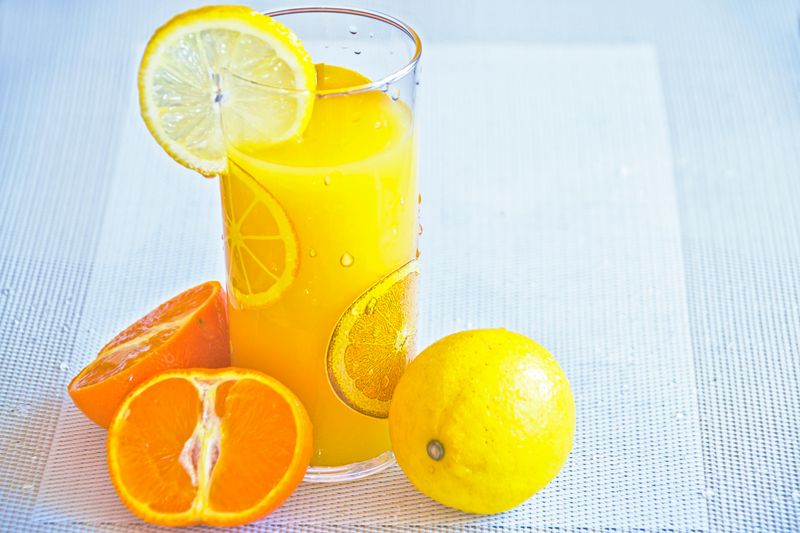
Farm-fresh cider tastes like autumn in a glass, but unpasteurized versions can harbor dangerous germs.
Apples and other fruits sometimes pick up E. coli, Salmonella, or Cryptosporidium from soil or contaminated water.
Pasteurization kills these pathogens without affecting flavor much.
Children, pregnant women, and anyone with compromised immunity should always choose pasteurized juice to enjoy that crisp, fruity taste without risking a trip to the emergency room.
9. Unpasteurized Raw Milk Or Dairy
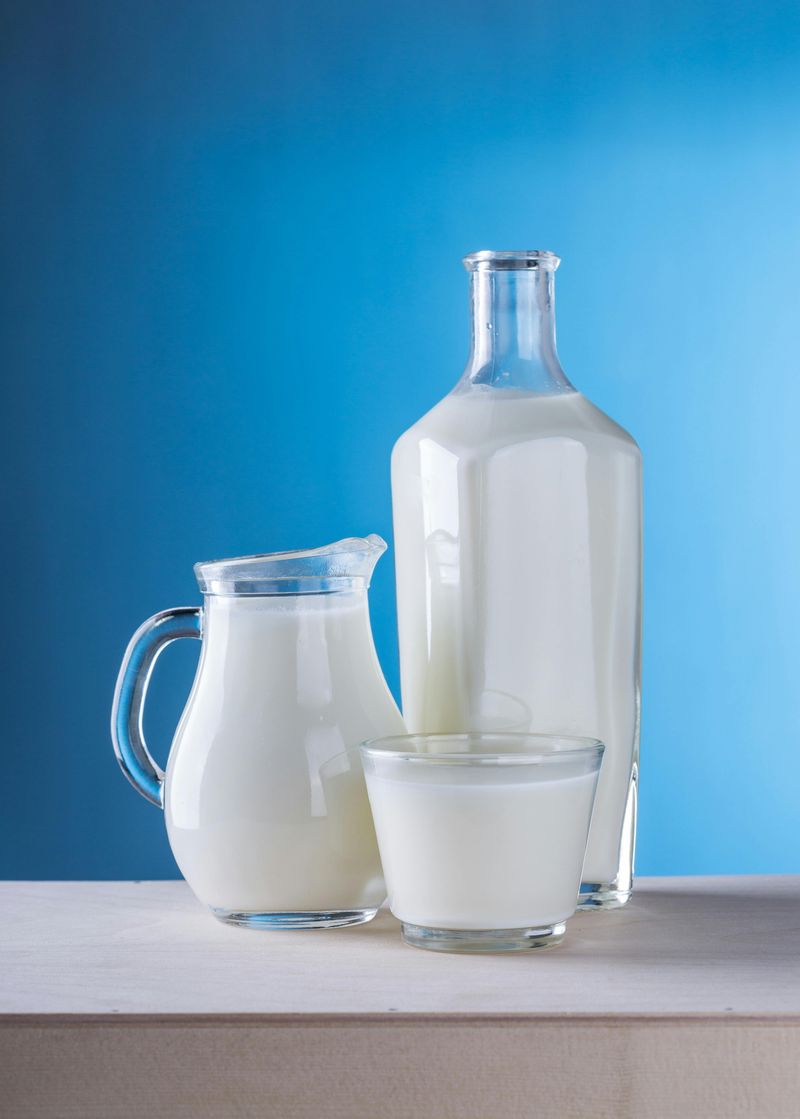
Some folks swear by raw milk for its supposed health benefits, but science tells a different story.
Unpasteurized dairy can contain Listeria, Salmonella, E. coli, and other bacteria that cause serious illness.
Pasteurization heats milk just enough to kill pathogens while preserving nutrients.
Despite claims that raw milk is more natural, the risks far outweigh any perceived benefits, especially for vulnerable populations like young children and pregnant women who need extra protection.
10. Soft Cheese Made With Unpasteurized Milk
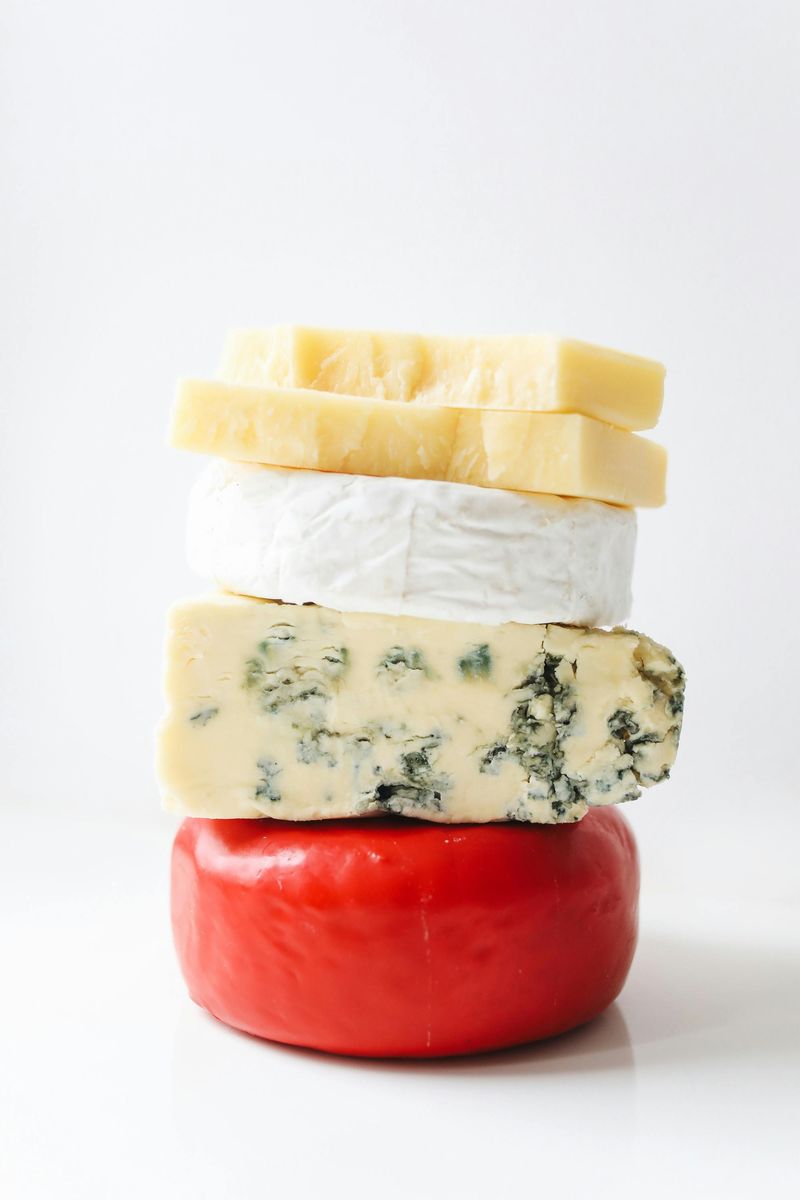
Creamy brie and tangy goat cheese elevate any cheese board, but unpasteurized versions carry hidden dangers.
Soft cheeses provide an ideal environment for Listeria, which can survive and multiply even under refrigeration.
Pregnant women face especially high risk because Listeria can cause miscarriage or stillbirth.
Check labels carefully and choose pasteurized varieties to enjoy that luxurious, melty goodness without increasing the risk of exposure to harmful bacteria.
11. Raw Or Runny Eggs
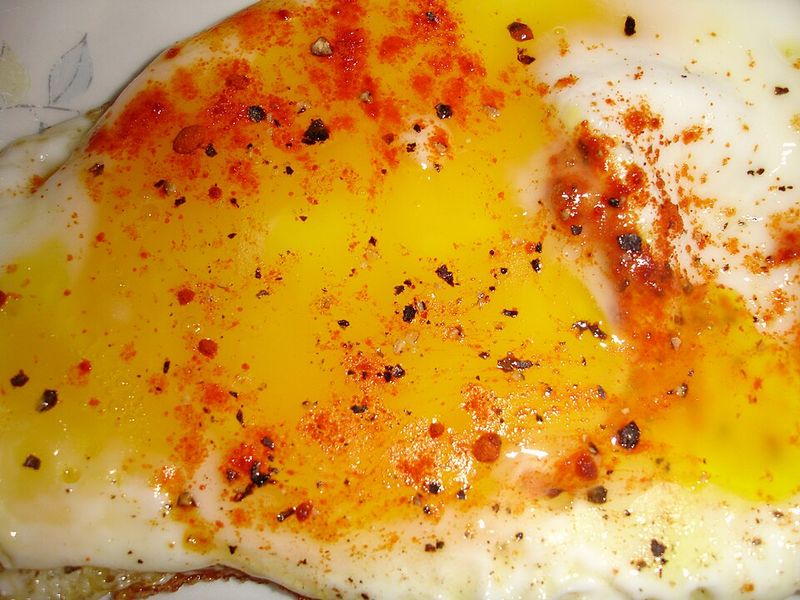
Dipping toast into a runny yolk feels like breakfast perfection, but undercooked eggs can contain Salmonella.
This bacteria lives inside some eggs even when the shell looks perfectly clean.
Cooking eggs until both white and yolk are firm kills any lurking pathogens.
If you love sunny-side-up or over-easy eggs, consider using pasteurized eggs instead, which have been heat-treated to eliminate bacteria while keeping that luscious, liquid center you crave.
12. Caesar Salad Dressing Made With Raw Eggs
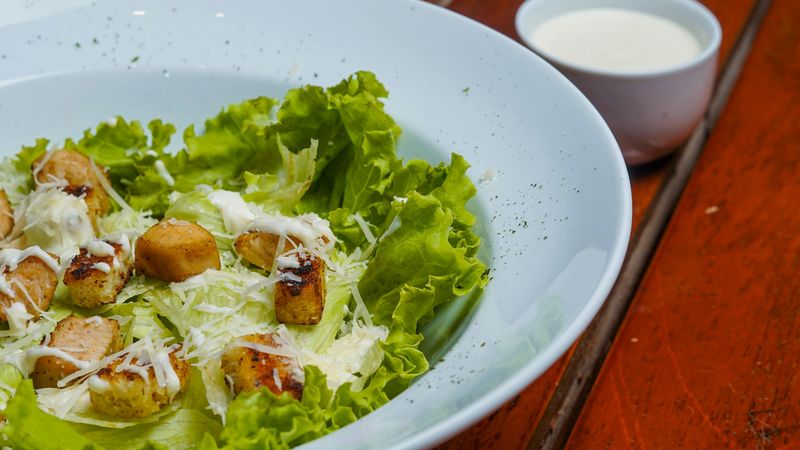
Traditional Caesar dressing gets its rich, tangy flavor from raw egg yolks, but that authentic recipe comes with risks.
Salmonella can hide inside eggs, turning a restaurant favorite into a potential health hazard.
Many commercial dressings use pasteurized eggs or egg substitutes for safety.
When dining out or making dressing at home, ask about ingredients or use coddled eggs heated to 160°F to achieve that classic taste without the worry.
13. Raw Cookie Dough Made With Raw Eggs
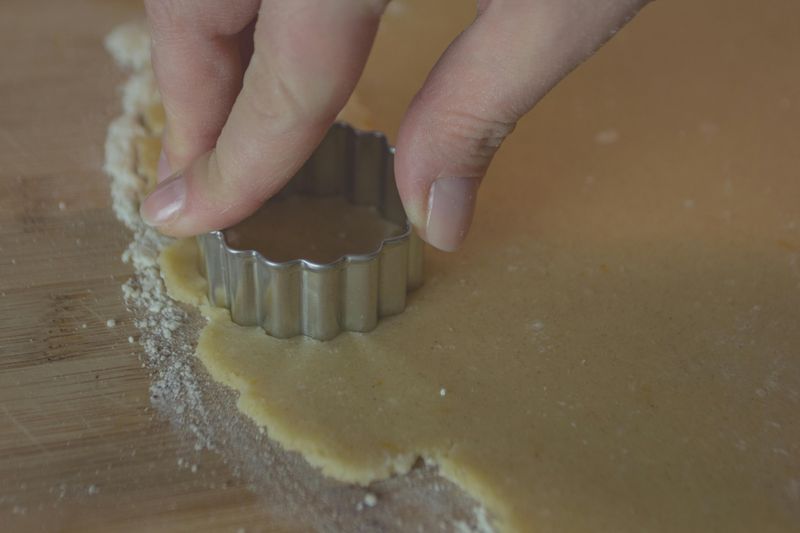
Sneaking spoonfuls of cookie dough while baking is a beloved tradition, but it’s riskier than most people realize.
Raw eggs can carry Salmonella, while raw flour sometimes contains E. coli from contaminated wheat.
Together, they create a double threat.
Fortunately, edible cookie dough made with heat-treated flour and pasteurized eggs lets you indulge that childhood habit safely, satisfying your sweet tooth without the stomachache that might follow.
14. Raw Or Undercooked Fish Or Shellfish
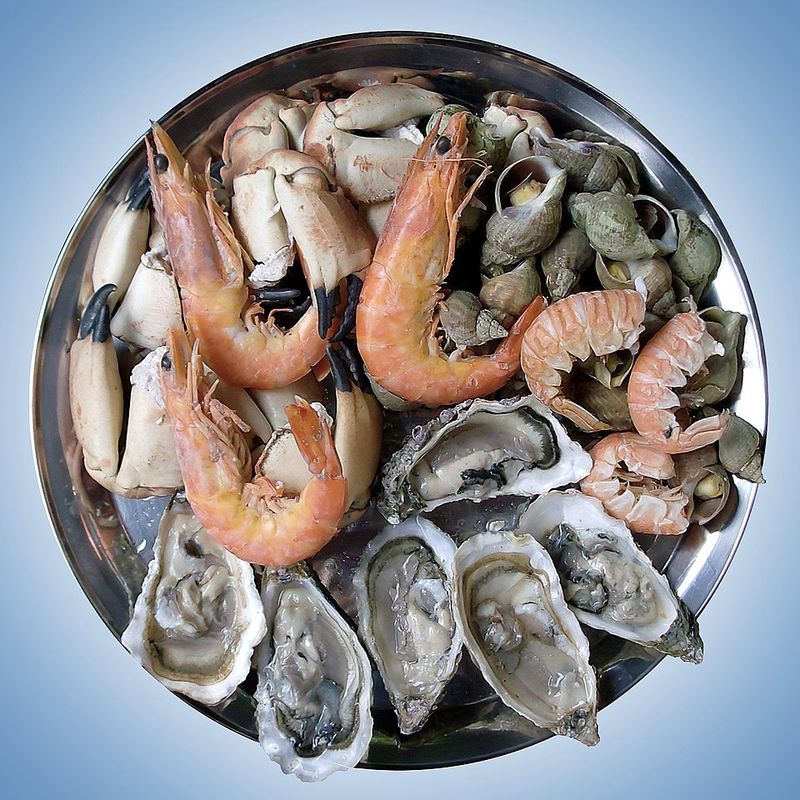
Sushi bars serve up artful plates of raw fish that taste amazing, but they’re not without risk.
Raw seafood can harbor parasites, bacteria like Vibrio, and viruses that cause illness.
Proper freezing kills parasites, which is why reputable restaurants follow strict protocols.
However, people with weakened immune systems, pregnant women, and young children should stick to cooked seafood options to enjoy ocean flavors without gambling on their health.
15. Raw Dough Or Batter Made with Raw Flour
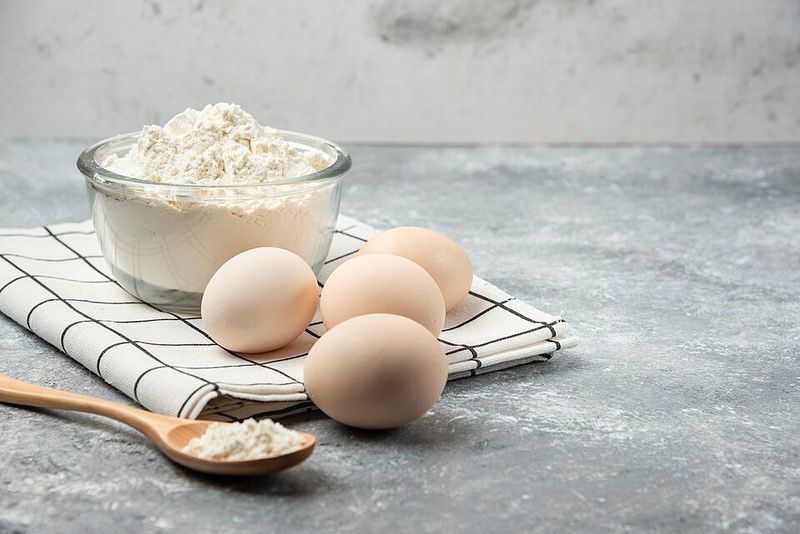
Licking the spoon after mixing pancake batter seems harmless, but raw flour carries surprising risks.
E. coli outbreaks linked to flour have sickened dozens of people in recent years.
Flour comes from wheat grown in fields where animal contamination can occur.
Though baking kills bacteria, eating raw batter means exposing yourself to potential illness, so resist temptation and wait for those golden, fluffy pancakes to finish cooking on the griddle.