14 ’70s Concerts That Are The Definition Of “You Had To Be There”
Some moments in music history refuse to live inside bootleg tapes or grainy clips passed around online.
Concerts during the 1970s carried an electricity so raw and overwhelming that anyone who missed them spent years hearing secondhand stories about the magic that slipped away.
Festival crowds stretching into the hundreds of thousands and emotional farewell nights created performances that felt bigger than the artists themselves.
Record stores, family dinners, and late-night debates kept those memories alive, turning certain shows into legends measured as much by myth as by music.
Disclaimer: This article explores historically documented live music events from the 1970s through a cultural and retrospective lens.
Concert details, dates, attendance estimates, and artist appearances are based on widely cited music history records and archival reporting available at the time of writing.
1. Isle Of Wight Festival (1970)

Picture over 600,000 people crammed onto a tiny British island for five days of pure rock and roll chaos.
Jimi Hendrix delivered one of his final performances here, just weeks before his death, making this festival a bittersweet milestone in music history.
The Who, The Doors, and Miles Davis also graced the stage, creating a lineup so stacked it feels like a fever dream.
Fans traveled from across Europe, sleeping in muddy fields and enduring logistical nightmares just to witness history unfold in real time.
2. The Concert For Bangladesh (1971)
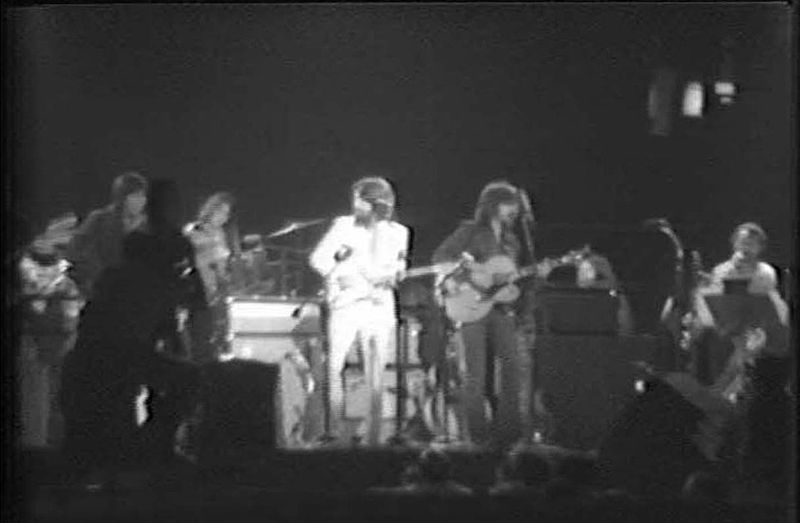
George Harrison organized the first major benefit concert in rock history, proving that music could change the world.
Bob Dylan made a rare appearance after years of semi-retirement, sending shockwaves through the sold-out Madison Square Garden crowd.
Eric Clapton, Ringo Starr, and Ravi Shankar joined forces to raise awareness and funds for refugees affected by the Bangladesh crisis.
However, what made this truly special was watching former Beatles reunite on stage, even if Paul wasn’t there to complete the magic.
3. Ruisrock (1971)
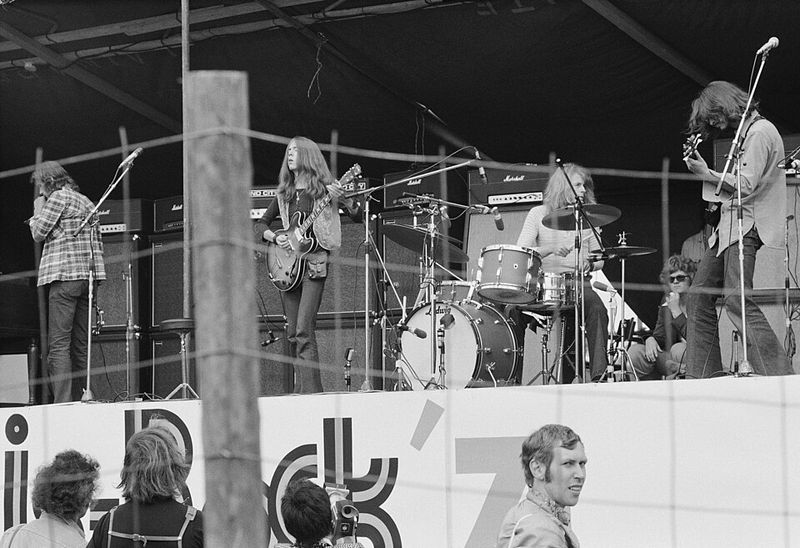
Finland’s oldest rock festival kicked off with a bang, bringing international acts to Turku’s shores for the first time.
Bands like Wigwam and Tasavallan Presidentti proved that Nordic rock could hold its own against British and American giants.
Though smaller than its British cousins, Ruisrock captured the spirit of musical rebellion spreading across Europe like wildfire.
If you were there, you witnessed the birth of Finland’s festival culture, which continues to thrive over five decades later, still drawing crowds every summer.
4. California Jam (1974)

Over 200,000 fans descended on Ontario Motor Speedway for what became one of the biggest single-day rock festivals ever held.
Deep Purple, Black Sabbath, and Emerson Lake & Palmer delivered explosive sets that rattled the California desert.
Ritchie Blackmore famously smashed his guitar and set his amplifiers on fire, creating a spectacle that’s still talked about in rock circles today.
ABC broadcast the event, bringing the raw power of arena rock into living rooms across America for the very first time.
5. Rolling Thunder Revue (1975)
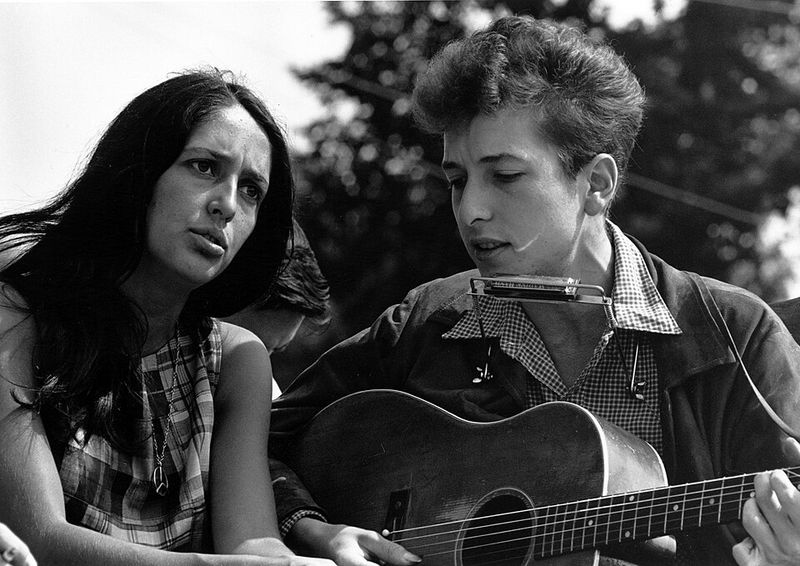
Bob Dylan hit the road with a traveling circus of musicians, poets, and misfits, creating something between a concert tour and a bohemian carnival.
Joan Baez, Allen Ginsberg, and Joni Mitchell joined the rotating cast, performing in small theaters instead of massive arenas.
Dylan wore white face paint and a wide-brimmed hat, transforming himself into a mysterious troubadour straight out of a fever dream.
Though the tour was chaotic and sometimes confusing, it remains one of rock’s most daring artistic experiments.
6. New Orleans Jazz & Heritage Festival (1976)
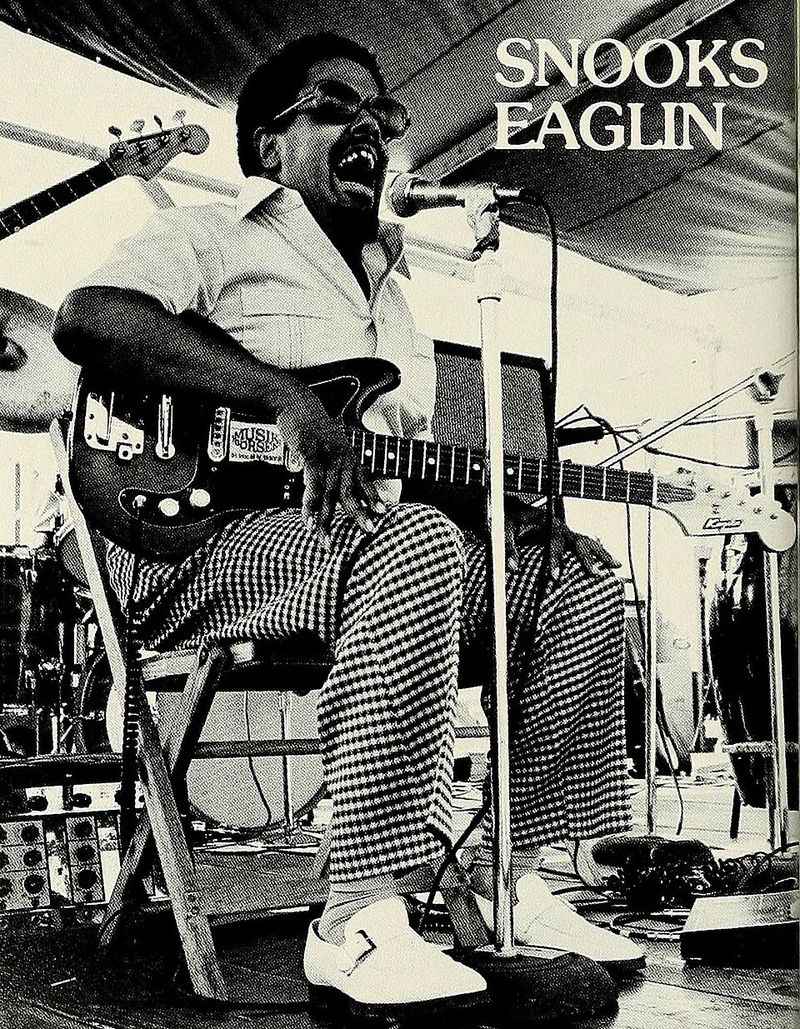
Jazz legends like Professor Longhair and The Meters turned this festival into a celebration of New Orleans’ rich musical heritage.
Unlike massive rock festivals, Jazz Fest felt intimate, with food vendors serving gumbo and jambalaya between sets of soul-shaking music.
Attendees danced in the mud, soaked in Louisiana humidity, and experienced a cultural melting pot that couldn’t be replicated anywhere else on Earth.
If you were lucky enough to attend, you witnessed the moment when Jazz Fest transformed from a local event into an international institution.
7. Queen At Hyde Park (1976)
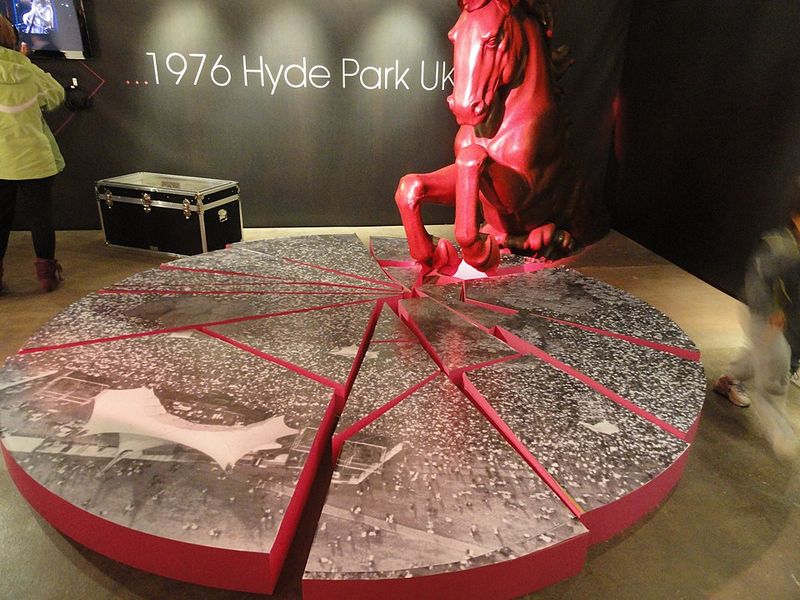
Freddie Mercury commanded a crowd of over 150,000 at this free concert, proving Queen was unstoppable at their peak.
Kiki Dee and Steve Hillage opened the show, but everyone knew they were just warming up the audience for rock royalty.
Fans sprawled across Hyde Park’s lawns, soaking in the rare opportunity to see one of the world’s biggest bands without paying a penny.
Mercury’s voice soared over London, creating a moment of pure musical magic that attendees still brag about to their grandchildren today.
8. The Rolling Stones At Knebworth (1976)
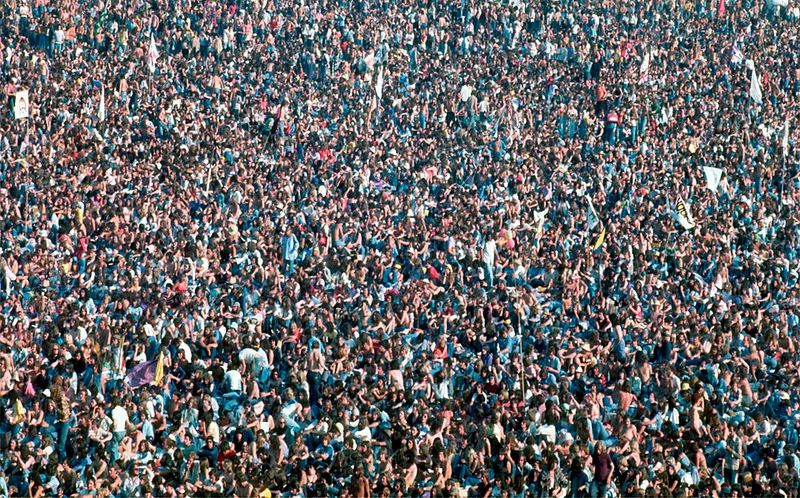
Mick Jagger strutted across the stage at Knebworth House, delivering one of the Stones’ most legendary European performances.
Todd Rundgren and 10cc joined the bill, but the real draw was watching rock’s greatest survivors prove they still had it.
Over 100,000 fans camped on the grounds of the historic estate, turning the English countryside into a temporary rock and roll city.
Though the Stones would play bigger shows later, Knebworth captured them at a perfect moment, balancing youthful energy with seasoned showmanship.
9. The Last Waltz (1976)
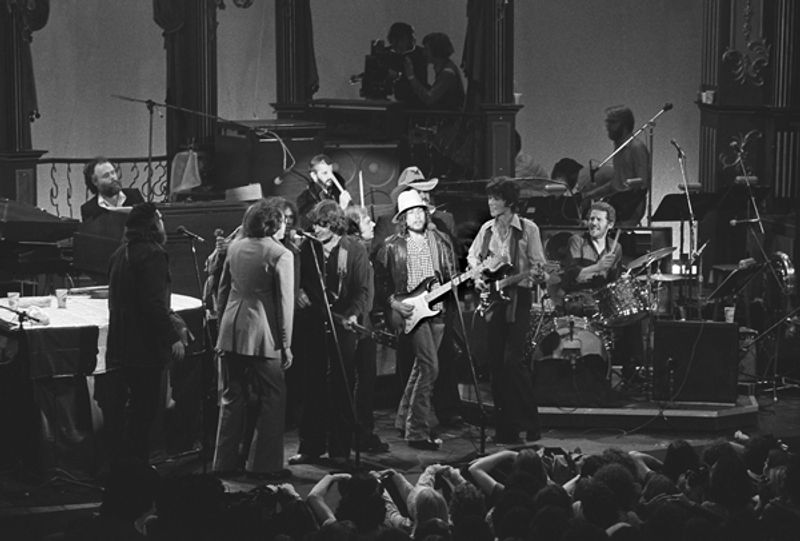
The Band said goodbye with a Thanksgiving concert that became the gold standard for farewell shows.
Bob Dylan, Neil Young, Joni Mitchell, and Eric Clapton showed up to pay tribute, creating a once-in-a-lifetime supergroup jam session.
Martin Scorsese filmed the entire event, turning it into a documentary that’s required viewing for anyone who loves rock history.
Robbie Robertson’s guitar solos and Levon Helm’s drumming created moments so powerful that even through a screen, you can feel what you missed.
10. Thin Lizzy At Dalymount Park (1977)
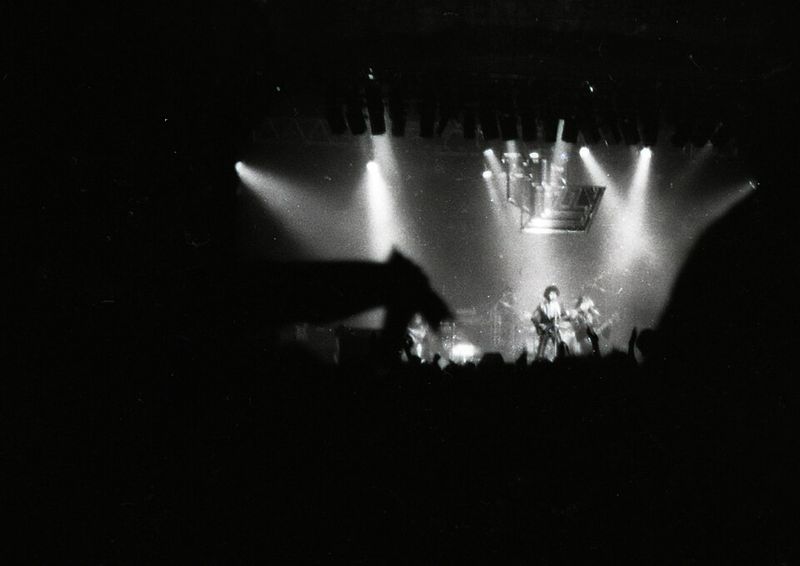
Phil Lynott brought Thin Lizzy home to Dublin for a triumphant show that felt like a national celebration.
Playing at Dalymount Park, a football stadium, the band delivered blistering versions of “The Boys Are Back in Town” and “Jailbreak.”
Irish fans sang along with every word, creating an atmosphere of pure pride as one of their own conquered the rock world.
Graham Parker and The Radiators opened, but this night belonged entirely to Lynott and his twin-guitar attack that still influences rock bands today.
11. Sex Pistols At Winterland (1978)
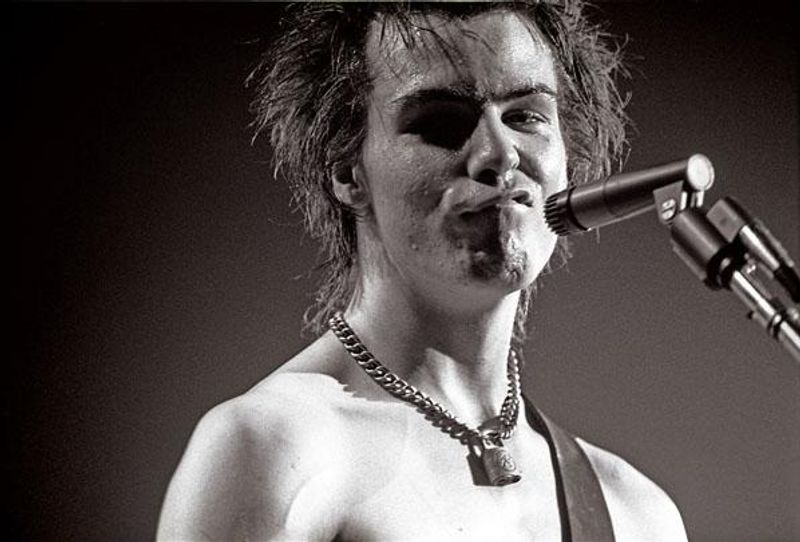
Johnny Rotten ended the Sex Pistols’ final show by asking, “Ever get the feeling you’ve been cheated?” before walking offstage forever.
Sid Vicious stumbled through the performance, barely able to play his bass, embodying punk’s self-destructive spirit in real time.
San Francisco’s Winterland Ballroom became the site of punk rock’s most famous implosion, a train wreck you couldn’t look away from.
Though the band only lasted a few years, this concert cemented their legacy as the ultimate rebels who burned bright and fast.
12. Pinkpop Festival (1978)
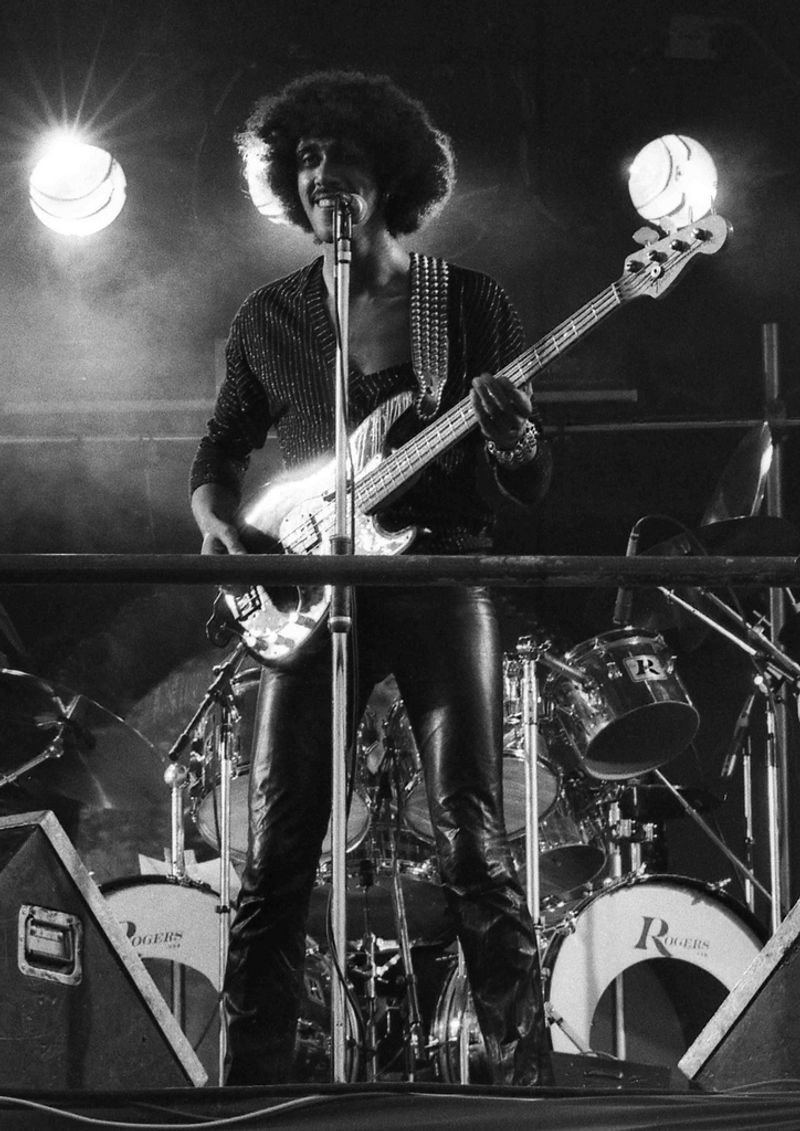
Thin Lizzy returned to headline Pinkpop, one of Europe’s longest-running festivals, delivering another masterclass in hard rock.
The Netherlands festival showcased the Live and Dangerous lineup, considered by many to be the band’s strongest configuration.
Fans traveled from across Europe to witness Phil Lynott’s charisma and the dual guitar harmonies that defined an era.
Though other acts performed, Thin Lizzy’s set became the benchmark that future Pinkpop headliners would be measured against for decades to come.
13. California Jam II (1978)
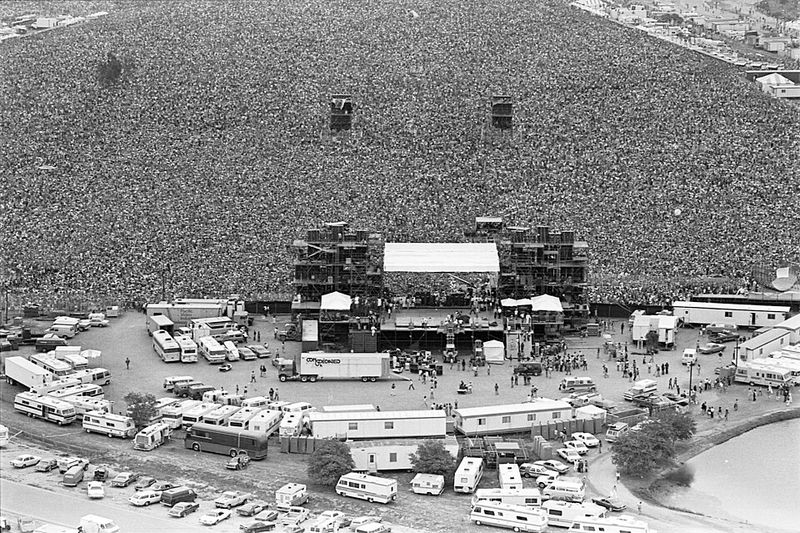
Aerosmith, Heart, and Santana headlined the sequel to 1974’s legendary festival, proving lightning could strike twice.
Over 250,000 fans showed up to Ontario Motor Speedway, making it even bigger than the original California Jam.
Ted Nugent delivered a wild performance that included shooting flaming arrows into the air, because subtlety was never his strong suit.
CBS broadcast highlights, but watching from home couldn’t capture the ground-shaking bass or the collective energy of a quarter-million rockers united under California stars.
14. Woodstock Reunion (1979)
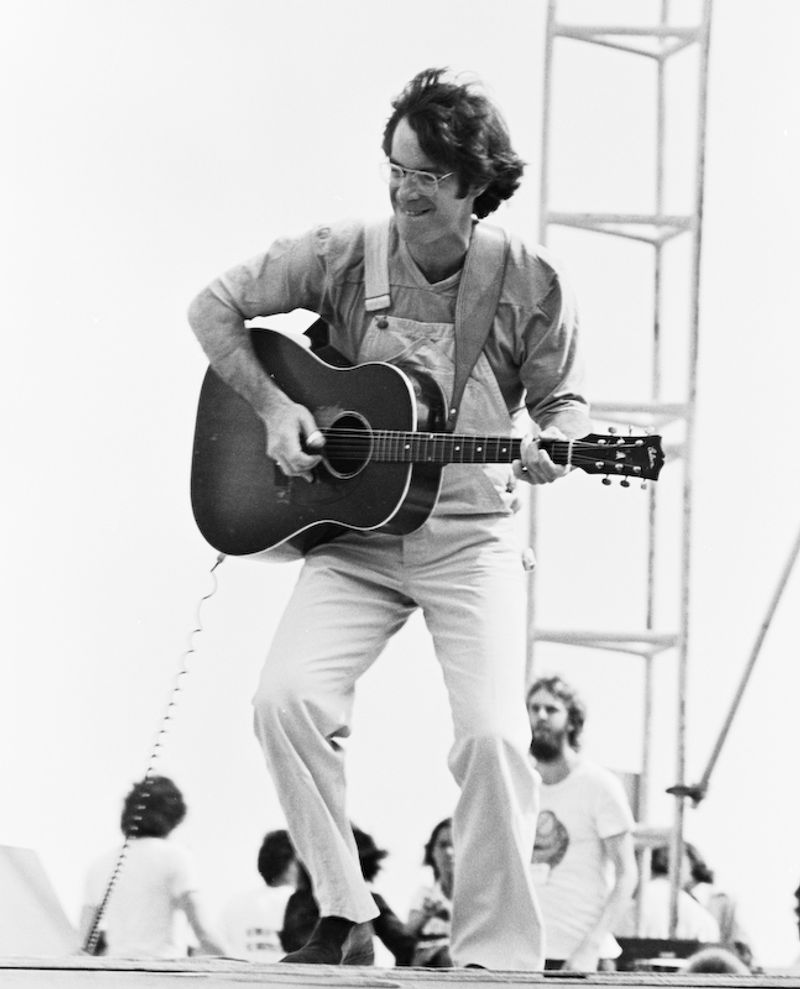
Ten years after the original Woodstock, organizers tried to recapture the magic with a reunion concert that drew mixed reactions.
Johnny Winter shredded through blistering blues-rock sets, reminding everyone why he was considered one of the decade’s guitar heroes.
While the event couldn’t match 1969’s cultural impact, it offered a nostalgic trip for those who’d grown up since the Summer of Love.
Some critics called it a cash grab, but attendees got to relive a piece of history, even if the world had changed too much to truly go back.