15 Clues That Reveal If A Movie Should Be Considered A Christmas Movie
Ever argued with friends about whether a certain flick belongs on your holiday watchlist?
You’re not alone.
The debate over what truly counts as a Christmas movie has sparked passionate conversations for years.
Let’s settle this once and for all with clues that separate genuine holiday films from movies that just happen to have a snowflake or two.
1. The Story Takes Place During The Christmas Season

When a film unfolds between late November and early January, you’re already halfway to holiday territory.
Think about it: if characters are bundling up for winter weather while shops blast Jingle Bells, the Christmas vibe is undeniable.
Setting alone doesn’t seal the deal, but it’s like finding the first piece of a puzzle – everything else starts clicking into place from there.
2. Christmas Decorations, Lights, Trees, Or Parties Appear Throughout

Visual cues matter more than you might realize.
If every other scene features twinkling lights, ornament-laden trees, or folks mingling at holiday parties, the movie is practically screaming its festive identity.
Just saying, when the set designer goes all-in on tinsel and garland, you’re watching something meant for December viewing.
3. A Major Plot Point Depends On Christmas Traditions Or Timing

Remove Christmas from the equation, and the entire story crumbles like a stale gingerbread cookie.
When the plot hinges on Santa’s arrival, a holiday deadline, or a tradition that only happens in December, you’ve got yourself a genuine Christmas film.
However casual it seems, that dependency is the secret ingredient separating holiday classics from regular movies.
4. Characters Exchange Gifts That Meaningfully Impact the Story

Gift-giving isn’t just background noise in true holiday films – it drives character development and plot twists.
Where would countless Christmas movies be without that perfectly timed present revealing someone’s true feelings or solving a major problem?
If wrapped boxes under the tree actually matter to what happens next, you’re watching a Christmas story unfold before your eyes.
5. The Film Uses Christmas Music In Key Scenes Or During Emotional Moments

Nothing hits the feels quite like Silent Night playing during a tearjerker moment.
How many times have you gotten chills when familiar carols underscore a character’s breakthrough or reunion?
Though soundtracks vary across genres, strategic placement of holiday tunes transforms ordinary scenes into memorable Christmas moments that stick with viewers long after credits roll.
6. Themes Of Family Reconciliation Or Togetherness Drive The Narrative

Estranged relatives coming together, old wounds healing, long-lost connections rekindling – these are Christmas movie staples for a reason.
The holiday season naturally amplifies themes of forgiveness and unity, making reconciliation stories feel extra powerful.
If characters spend the film learning that family matters most, you’re experiencing the emotional core of what Christmas cinema is all about.
7. The Movie Highlights Generosity, Forgiveness, Or Personal Transformation

Remember Scrooge waking up a changed man on Christmas morning?
That’s the gold standard for holiday transformation stories.
When grumpy characters discover kindness, selfish ones learn generosity, or bitter folks embrace forgiveness, the Christmas spirit is working its magic through the screenplay in ways that make audiences believe in second chances and fresh starts.
8. A Character Dresses As Santa Or References Santa In A Major Scene

Santa’s presence—whether as costume, conversation topic, or actual character . signals serious Christmas credentials.
If someone suits up in the red velvet or a crucial plot point revolves around believing in jolly old Saint Nick, you’re firmly in holiday territory.
Though some films use Santa sparingly, his appearance almost always marks a turning point in the story.
9. The Climax Unfolds On Christmas Eve Or Christmas Morning

Timing is everything, especially when the biggest moments happen on the most magical night of the year.
When filmmakers save their grand finale for December 24th or 25th, they’re deliberately tapping into the heightened emotions those dates carry.
If the resolution, confrontation, or celebration peaks during Christmas itself, the holiday isn’t just setting – it’s the heartbeat of the entire film.
10. Snowfall Or Wintery Imagery Is Presented As Magical Or Symbolic
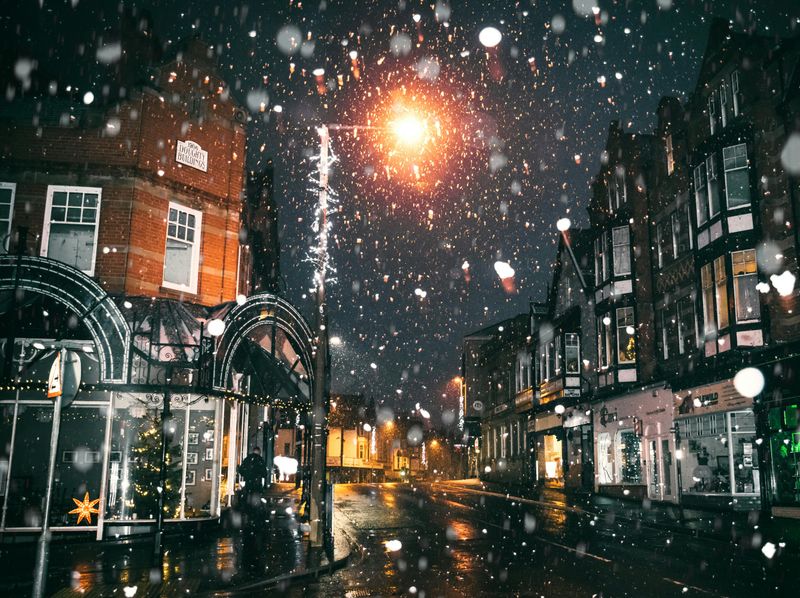
Not all snow is created equal in cinema.
Where regular movies treat snow as weather, Christmas films transform it into something almost supernatural – a symbol of hope, renewal, or wonder.
When that first flake falls and characters gaze skyward with childlike amazement, you’re witnessing winter elevated from mere backdrop to storytelling device that whispers of holiday miracles.
11. The Conflict Only Happens Because It’s The Holiday Season

Some problems only exist in December, and Christmas movies know how to exploit that fact brilliantly.
If the entire conflict evaporates when you remove the holiday element, you’re dealing with a story fundamentally tied to Christmas.
Though it sounds simple, this test reveals which films genuinely need Christmas versus those just borrowing its aesthetic for atmosphere.
12. The Tone Blends Warmth, Nostalgia, Or Cozy Sentiment – Even In Non-Holiday Genres
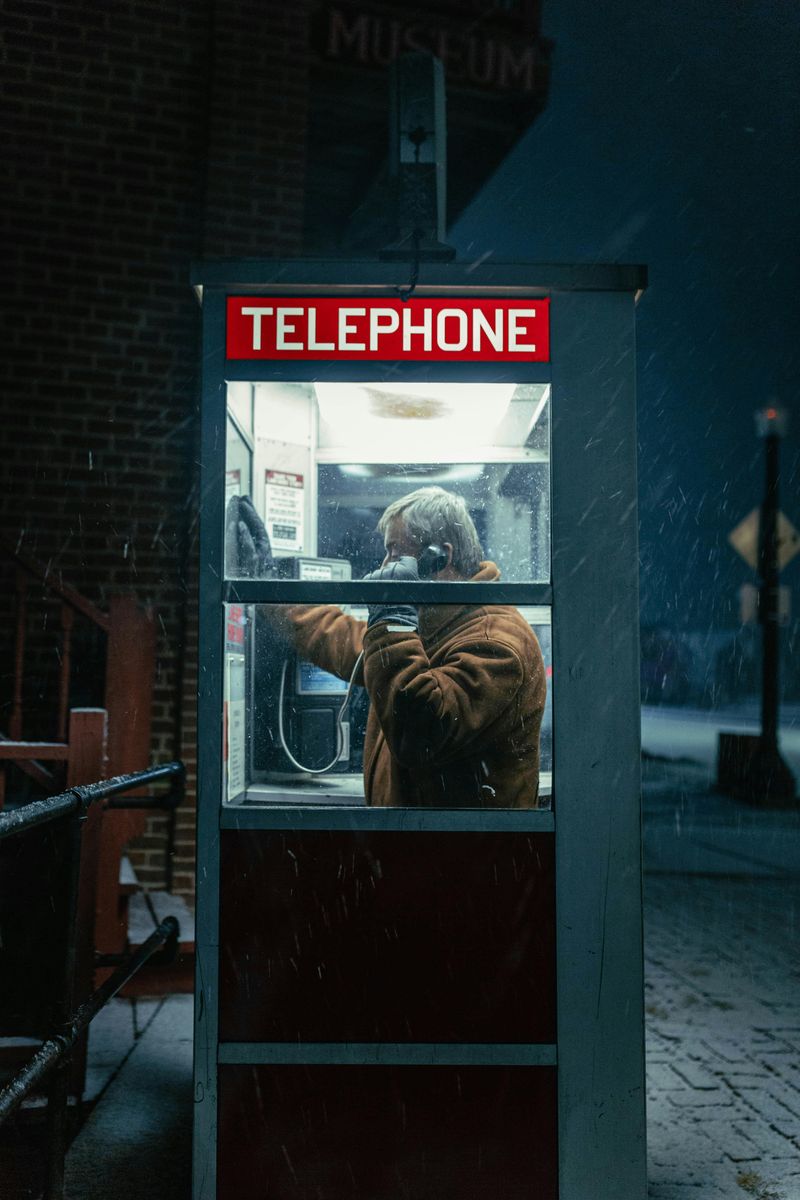
Action movies can feel Christmassy.
Thrillers can radiate holiday warmth.
How is that possible? It’s all about tone – that intangible quality making viewers want to grab cocoa and fuzzy socks while watching.
If a film wraps you in emotional comfort regardless of its genre, sprinkling nostalgia and coziness throughout, it’s channeling pure Christmas energy.
13. A Holiday Dinner, Gathering, Or Party Becomes A Turning Point For Characters

Big revelations, long-awaited confessions, unexpected reunions – they all seem to happen around the Christmas dinner table.
When holiday gatherings serve as stages for dramatic turning points rather than simple background events, they become narrative powerhouses.
If characters’ lives change forever during that festive meal or party, the Christmas setting is doing serious storytelling work.
14. Holiday Stress, Travel Chaos, Or Gift-Shopping Woes Shape The Plot

Airport nightmares, last-minute shopping panic, family hosting stress – these uniquely December disasters fuel countless Christmas movie plots.
When characters battle crowded malls or race against holiday deadlines, they’re experiencing struggles that only exist during this specific season.
If the chaos is distinctly Christmas-flavored and shapes character decisions, you’re watching a holiday film embrace its seasonal identity completely.
15. Viewers Return To The Movie Specifically During December, Giving It Seasonal Cultural Status

Cultural consensus sometimes matters more than any technical criteria.
When millions of people instinctively queue up a film every December, treating it as essential holiday viewing, that collective behavior defines it as a Christmas movie.
Though critics might debate details, if audiences consistently return to it during the season, the movie has earned its festive stripes through pure tradition.