
15 Controversial Hollywood Casting Choices
Hollywood casting announcements have a special talent for turning the internet into a comment section free-for-all.
One actor gets the role, and suddenly fans, critics, and very passionate strangers online are debating whether the choice fits the character or completely misses the point.
These casting choices did not just fill roles – they kicked off debates about representation, authenticity, and who gets to tell certain stories on screen.
1. Scarlett Johansson As Major Motoko Kusanagi – Ghost In The Shell (2017)
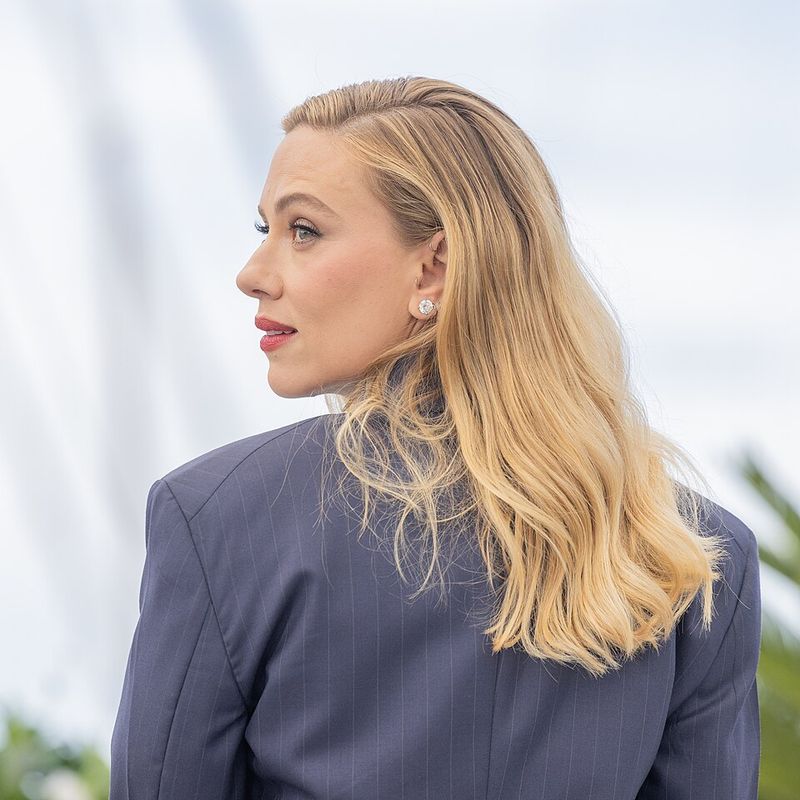
Fans of the well-known Japanese manga reacted with surprise when Scarlett Johansson was cast in the lead role of Ghost in the Shell.
Debate quickly focused on accusations of whitewashing, since the character Major Motoko Kusanagi is closely connected to Japanese cultural context. Many observers argued that an Asian performer should have been chosen for the role.
Studio representatives cited Johansson’s global recognition, yet the discussion became a widely cited example in ongoing conversations about representation and casting practices in Hollywood.
2. Tilda Swinton As The Ancient One – Doctor Strange (2016)
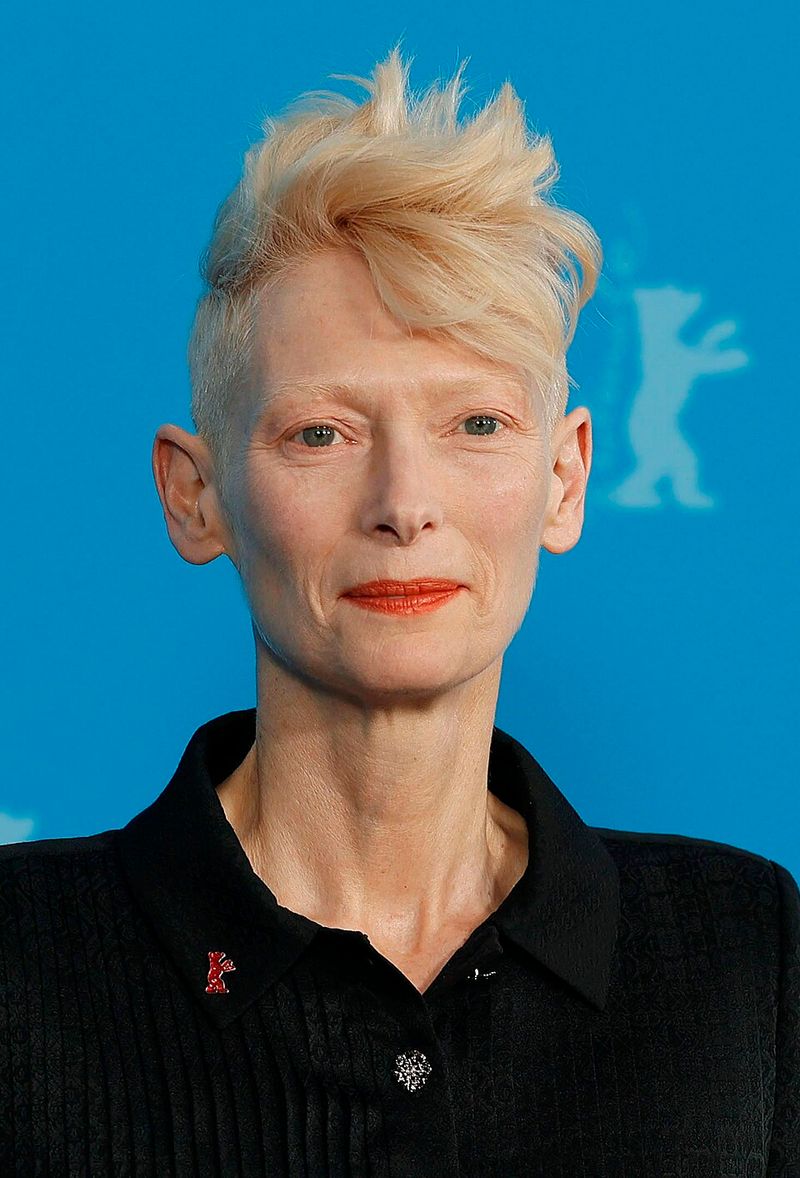
Comic-book readers did a double take when Marvel cast a white British actress in a role originally tied to Tibetan heritage. The Ancient One had long been portrayed with Asian roots, so the change landed as a jarring shift for many viewers.
Director Scott Derrickson later explained the decision as an attempt to avoid stereotypes, yet plenty of critics viewed it as erasure instead.
Box office success for the film did little to quiet voices pointing out the missed opportunity for Asian representation. Years later, that casting choice still lingers as a debate fans have not fully let go.
3. Emma Stone As Allison Ng – Aloha (2015)
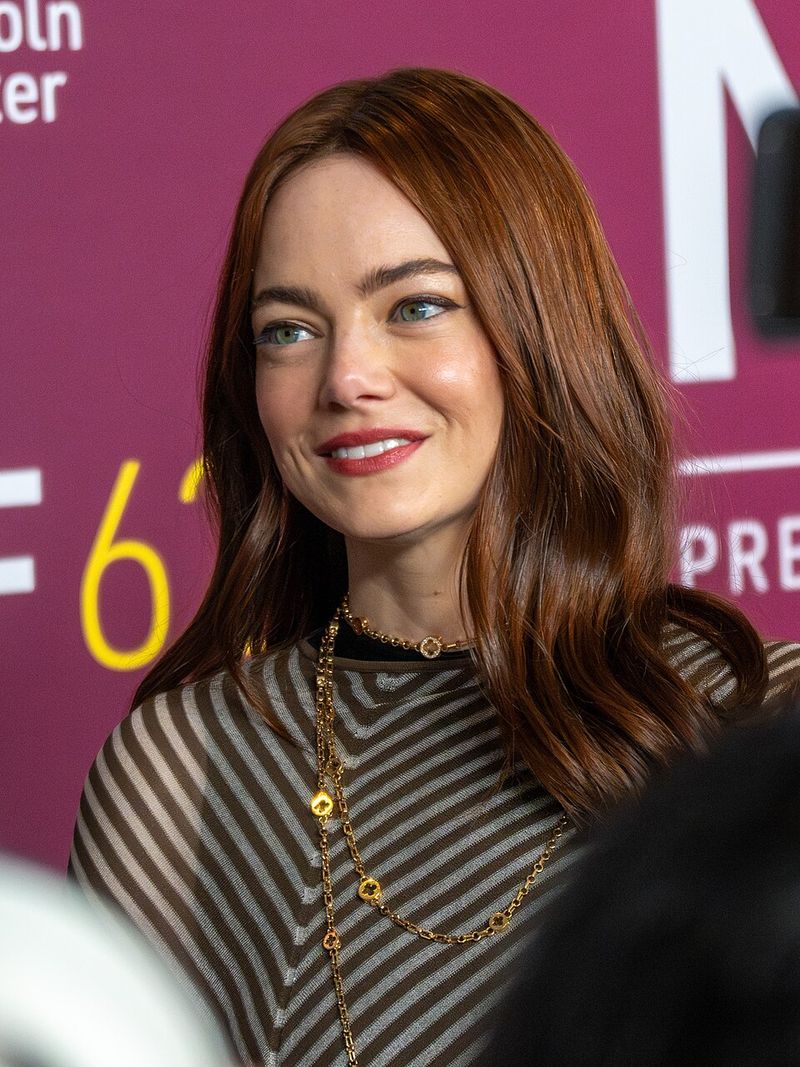
Casting drew scrutiny when Emma Stone was chosen to play Allison Ng in Aloha, a character described in the script as part Hawaiian and part Chinese.
Public discussion grew quickly, and Stone later acknowledged the uncomfortable fit while director Cameron Crowe issued an apology.
Many viewers questioned why the production did not cast an actress whose heritage aligned more closely with the character. Reaction eventually turned the film into a widely cited example in conversations about representation and cultural accuracy in casting.
4. Rooney Mara As Tiger Lily – Pan (2015)
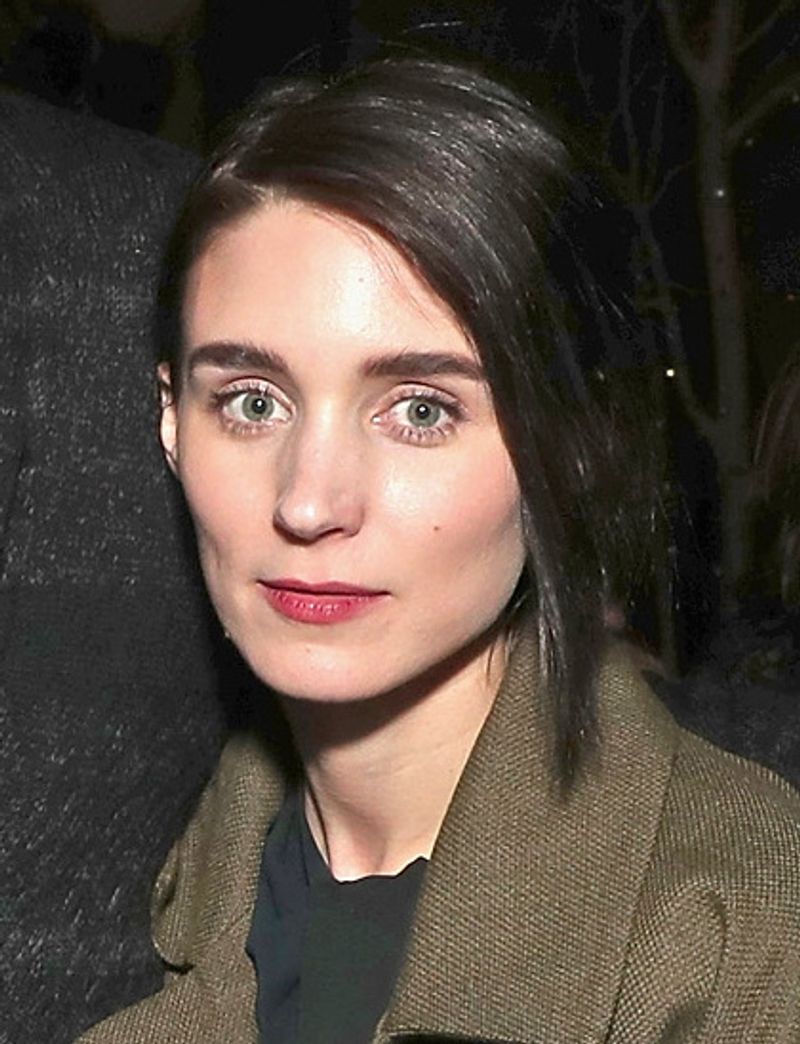
Tiger Lily has long been written as a Native character in Peter Pan stories. Controversy erupted when a pale-skinned actress was cast in the role, sparking a wave of criticism and an online petition.
Critics noted that Native performers rarely receive major roles, which made the decision feel especially frustrating to many observers. Studio silence during the backlash only intensified the debate as the film struggled at the box office.
Moments like that often turn casting choices into flashpoints for larger conversations about representation in the industry.
5. Jake Gyllenhaal As Prince Dastan – Prince Of Persia (2010)
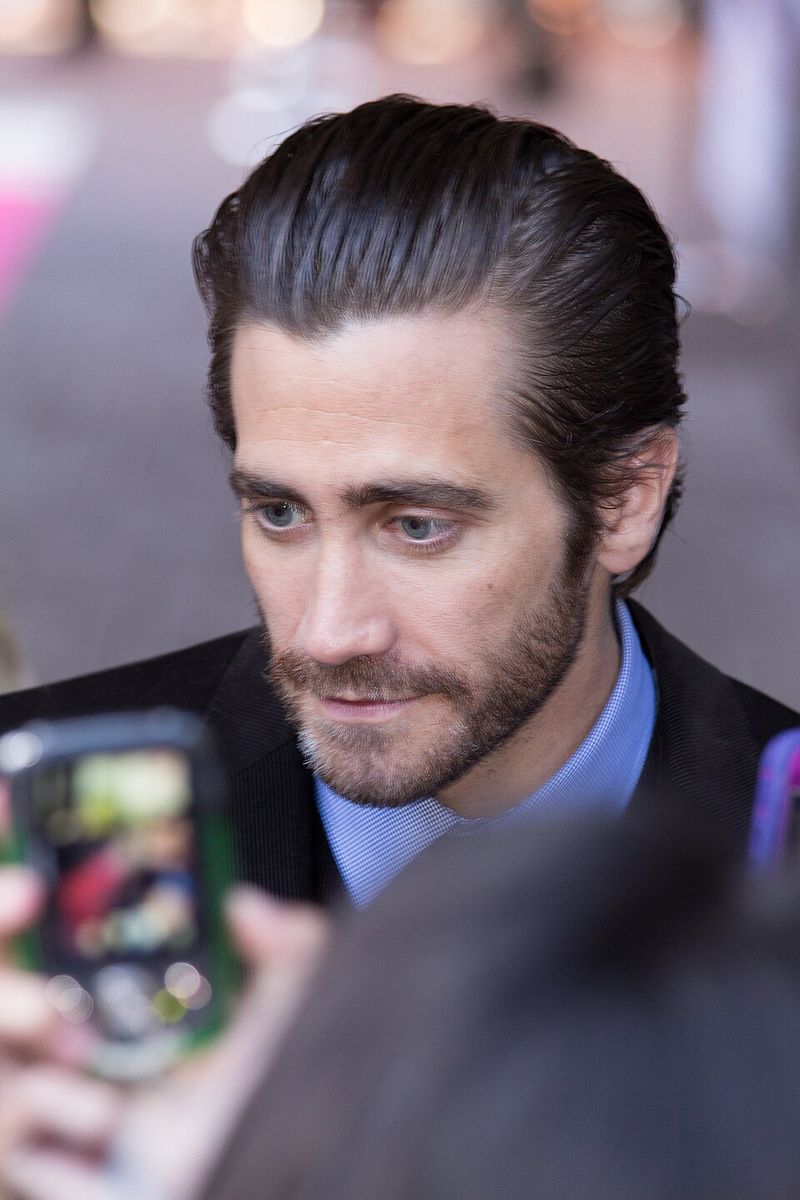
Casting choices sparked debate when Jake Gyllenhaal stepped into the role of a Persian prince in Prince of Persia: The Sands of Time.
Critics and fans pointed to concerns about whitewashing, and Gyllenhaal later reflected on lessons learned from the experience. Followers of the video game series hoped to see Middle Eastern performers represented in a major blockbuster adaptation.
Mixed reviews combined with the casting controversy, leaving the discussion as a lasting part of the film’s reputation.
6. Matt Damon – The Great Wall (2016)
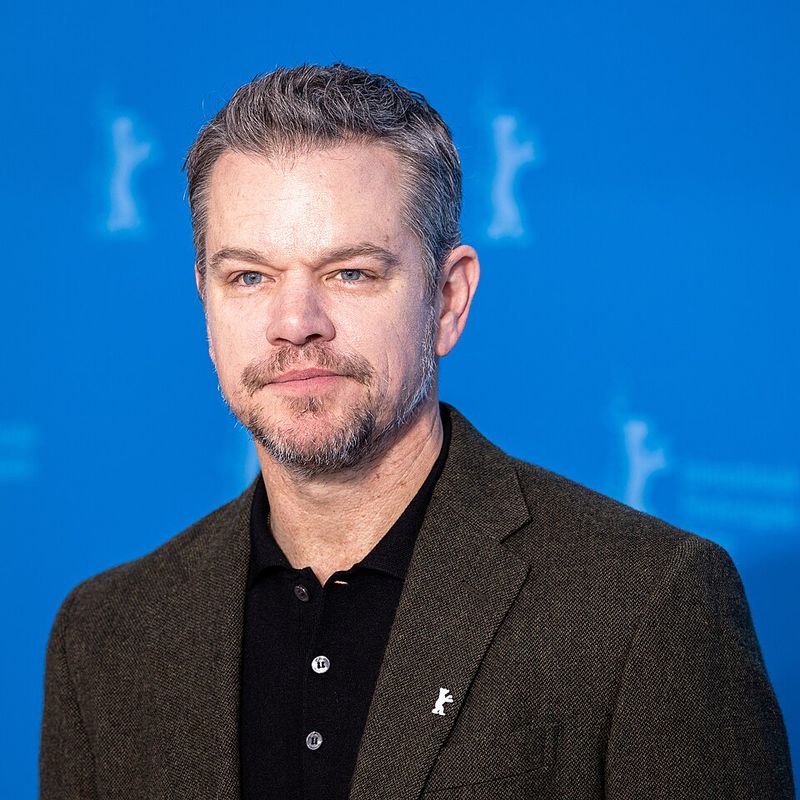
Audiences reacted strongly when a white actor headlined a story rooted in Chinese history and mythology.
Many critics described the decision as a “white savior” critique, with some viewers arguing the story centers a Western hero in a Chinese-set narrative.
Director Zhang Yimou defended the casting choice, yet the backlash spread quickly across media and fan discussions. Domestic box office numbers reflected that tension as the film struggled to connect with many viewers.
Situations like that remind studios that familiar star power cannot always outweigh concerns about cultural representation.
7. Zoe Saldaña As Nina Simone – Nina (2016)
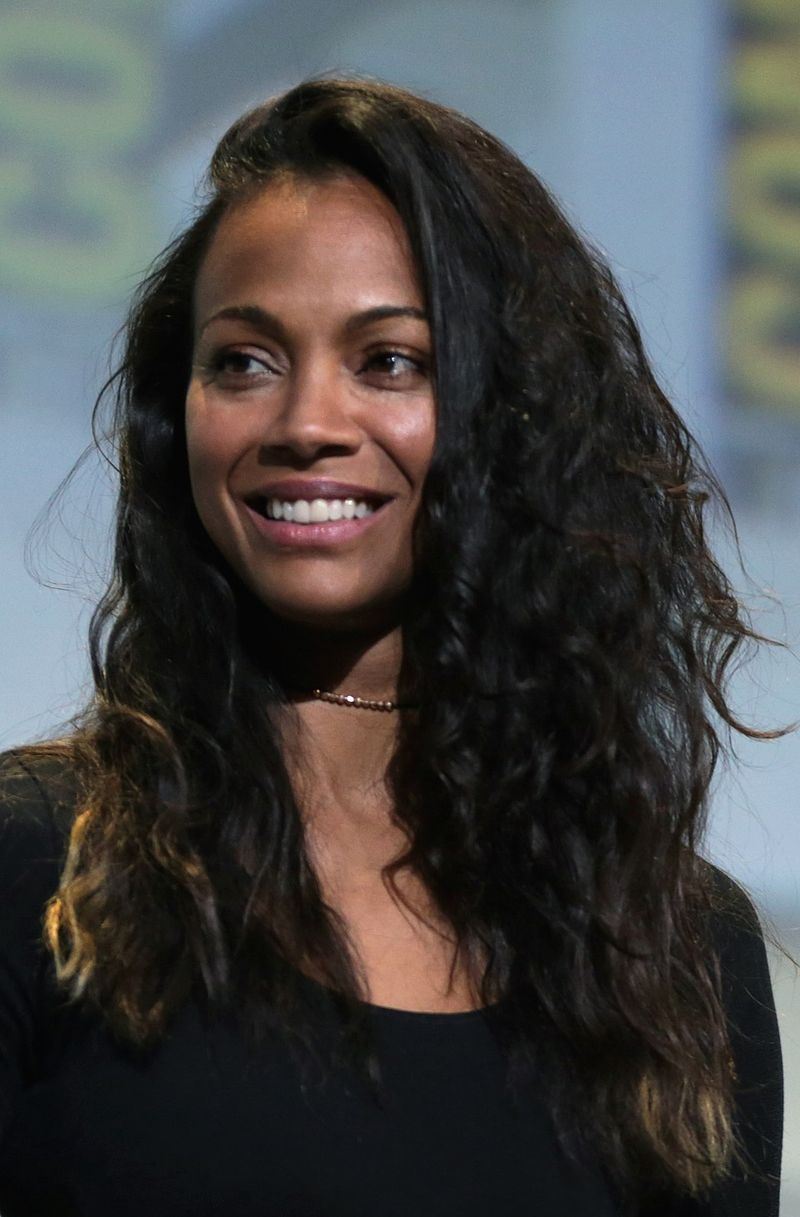
The casting was heavily condemned by Nina Simone’s family and other admirers.
Critics argued Saldaña did not closely resemble Simone, and the film used skin-darkening makeup and prosthetics that drew heavy criticism. Many critics described the approach as insensitive to Simone’s legacy and appearance.
Critics argued that a darker-skinned actress who resembled Simone should have been cast instead. The controversy overshadowed the film’s release, turning what should have been a tribute into a lightning rod.
8. Joseph Fiennes As Michael Jackson – Urban Myths (2017)
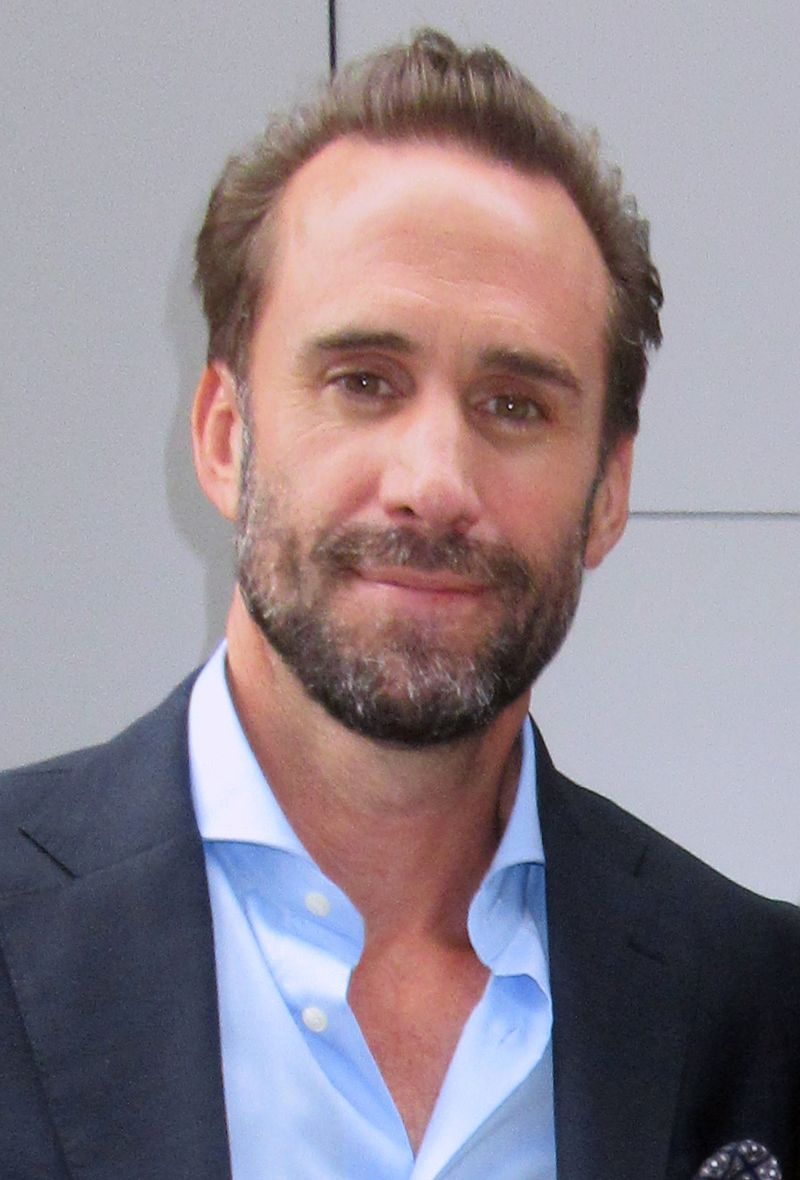
Casting plans drew immediate criticism when Joseph Fiennes was announced as portraying Michael Jackson in an episode of Urban Myths.
Public reaction intensified as Jackson’s daughter Paris Jackson spoke out against the decision. Broadcaster Sky ultimately chose to pull the episode before it aired.
Discussion around the incident often appears in conversations about how casting choices can shape public response to a project.
9. Jared Leto As Rayon – Dallas Buyers Club (2013)
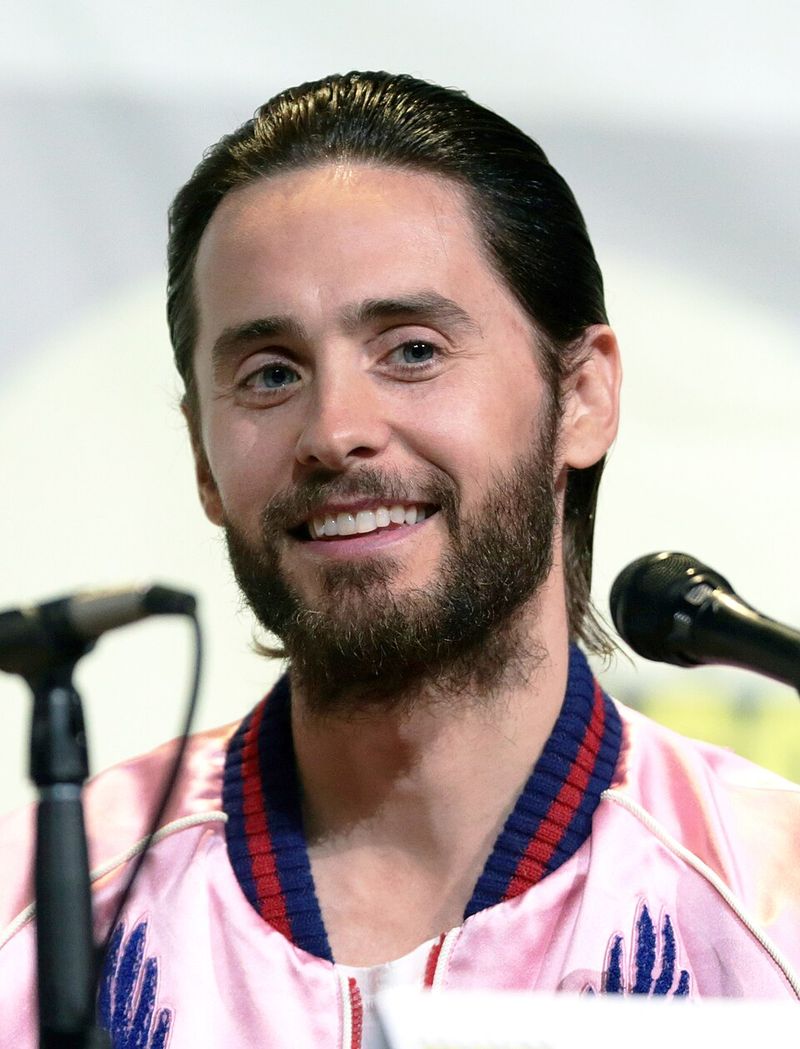
An Oscar-winning performance brought applause, yet the casting choice also arrived with a major caveat. Jared Leto played a trans woman in Dallas Buyers Club, a decision that many trans advocates questioned at the time.
Critics argued that casting a cisgender man in the role removed one of the rare opportunities for trans actresses to appear in a major film.
As Hollywood confronted growing demands for more realistic representation on screen, the debate became increasingly heated. Praise for the performance never fully quieted those concerns, leaving the casting choice as an ongoing flashpoint.
10. Eddie Redmayne As Lili Elbe – The Danish Girl (2015)
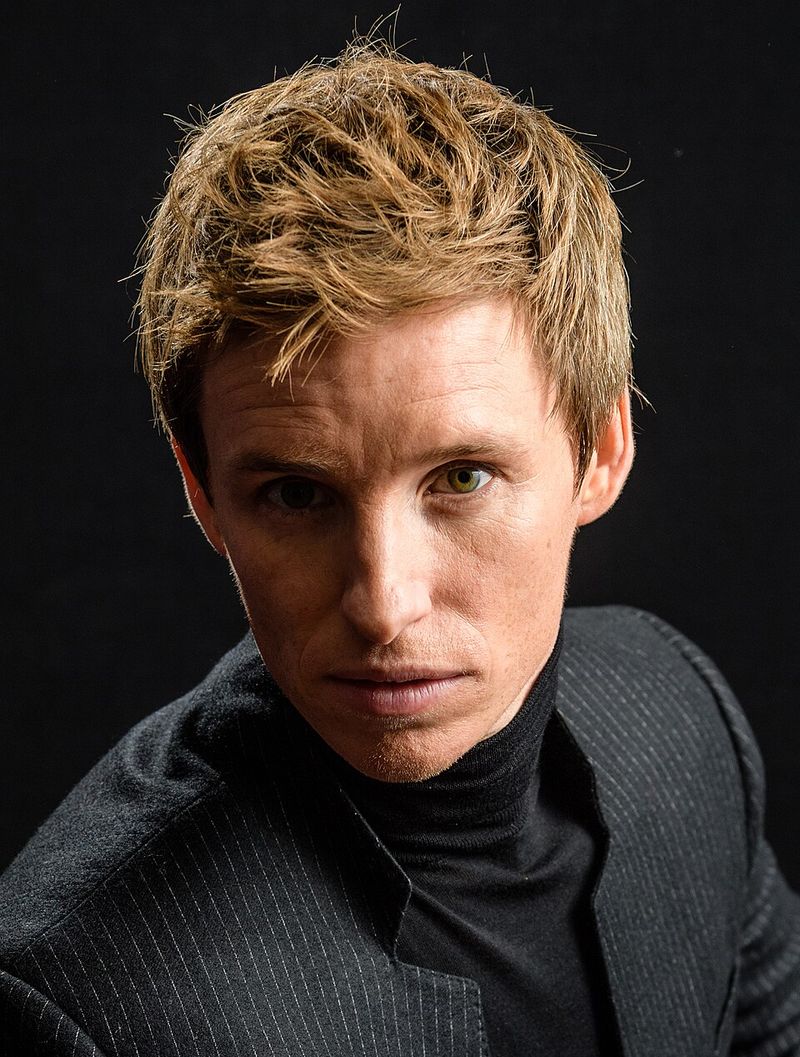
Redmayne received an Oscar nomination for the performance, yet he later said taking the role was “a mistake.”
Trans activists noted that trans actresses rarely get cast in major roles, especially in films about trans pioneers. Questions concerning who gets to tell transgender stories on screen became more heated throughout the film’s controversy.
Public reflection from Redmayne suggested some growth, but by then the broader conversation had already moved forward.
11. Johnny Depp As Tonto – The Lone Ranger (2013)
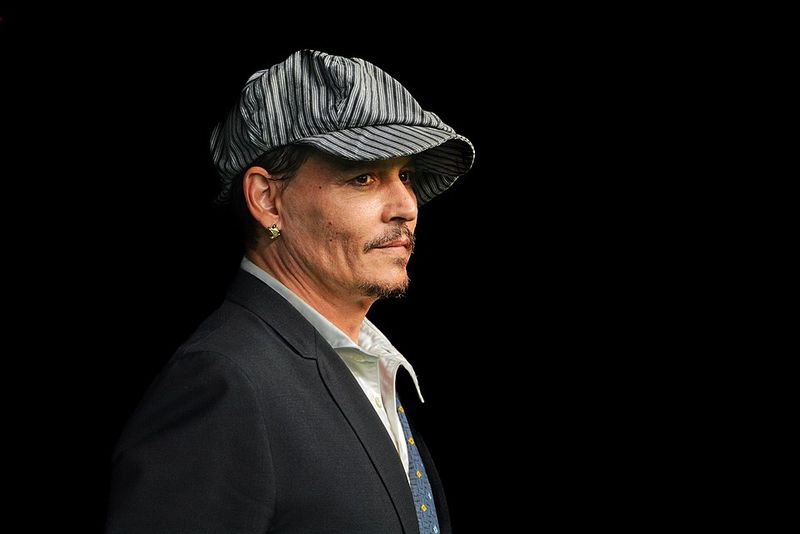
Questions about authenticity surfaced when Johnny Depp pointed to a distant ancestor while discussing Native heritage connected to the role.
Many Native actors and advocates argued that the part of Tonto could have gone to an Indigenous performer instead. Concerns drew attention to Hollywood’s long history of sidelining Indigenous talent in major productions.
Studio leaders leaned on Depp’s star power as the main defense while promoting the film.
Box office results and ongoing criticism showed that recognizable names cannot always smooth over cultural disconnects.
12. Mickey Rooney As Mr. Yunioshi – Breakfast At Tiffany’s (1961)
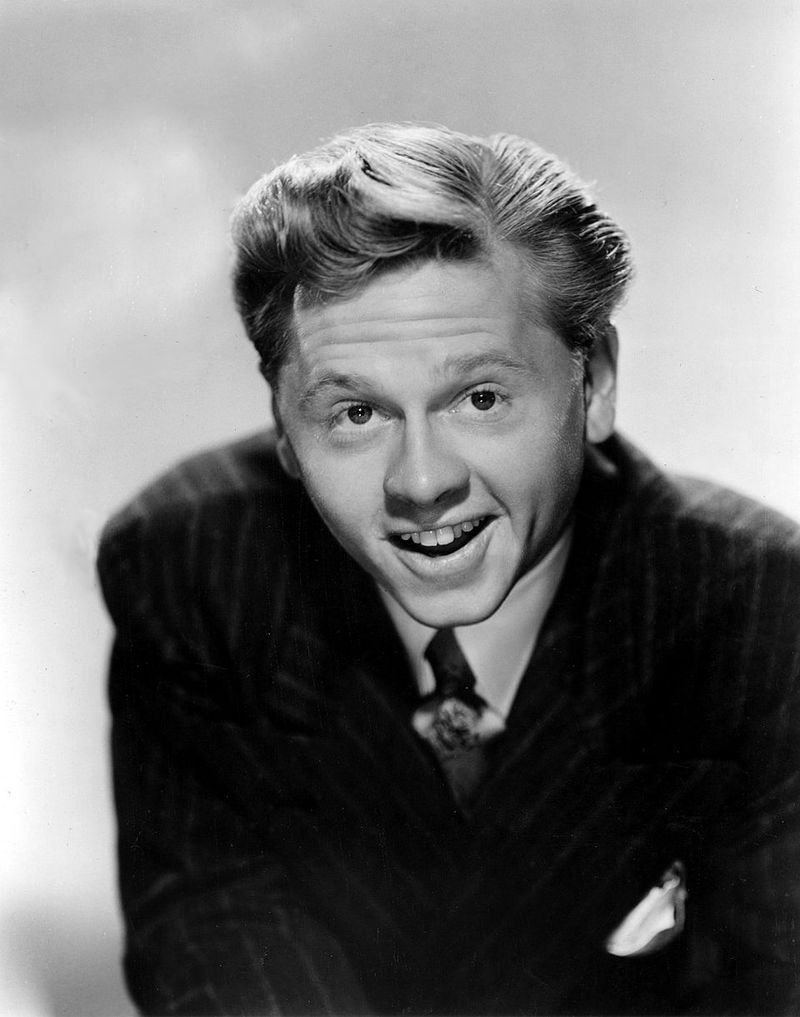
Today, many people point to the portrayal as a damaging illustration of racial caricature and yellowface in classic Hollywood.
Rooney wore prosthetics, fake teeth, and an exaggerated accent to play a Japanese neighbor as a cartoonish stereotype. Decades later, the portrayal is widely condemned as offensive and harmful.
The film remains a classic, but that role is a frequently discussed part of the film’s legacy that many viewers find unacceptable.
13. Halle Bailey As Ariel – The Little Mermaid (2023)
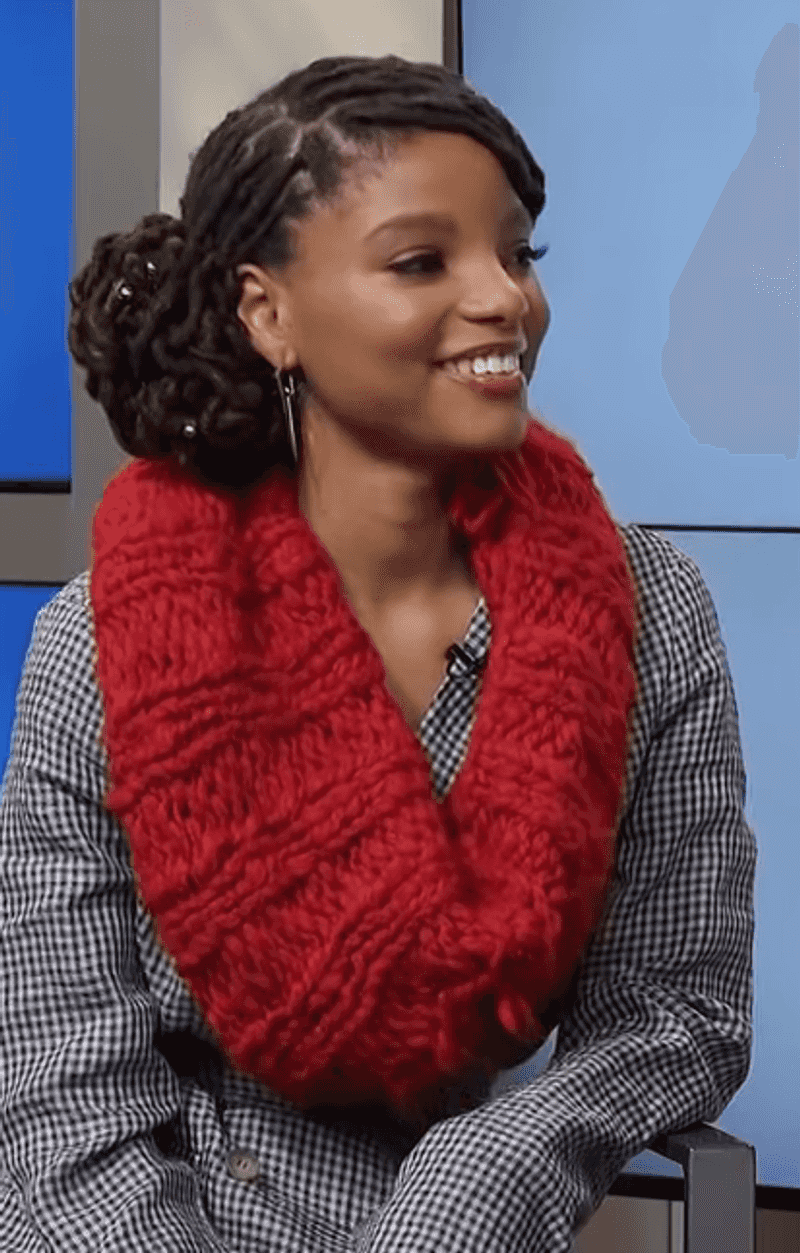
Disney’s live-action The Little Mermaid drew heated reactions when Halle Bailey was announced as Ariel, with racially charged backlash appearing online despite the character being fictional.
Celebrating a princess who mirrored their own children, many families hailed the occasion as a significant representation. The film’s controversy brought to light how strongly some viewers had preconceived notions about who should be the protagonist of a fairy tale.
Bailey’s performance ultimately connected with audiences, and the film drew a large audience and finished with a sizable worldwide gross.
14. Ben Platt As Evan – Dear Evan Hansen (2021)
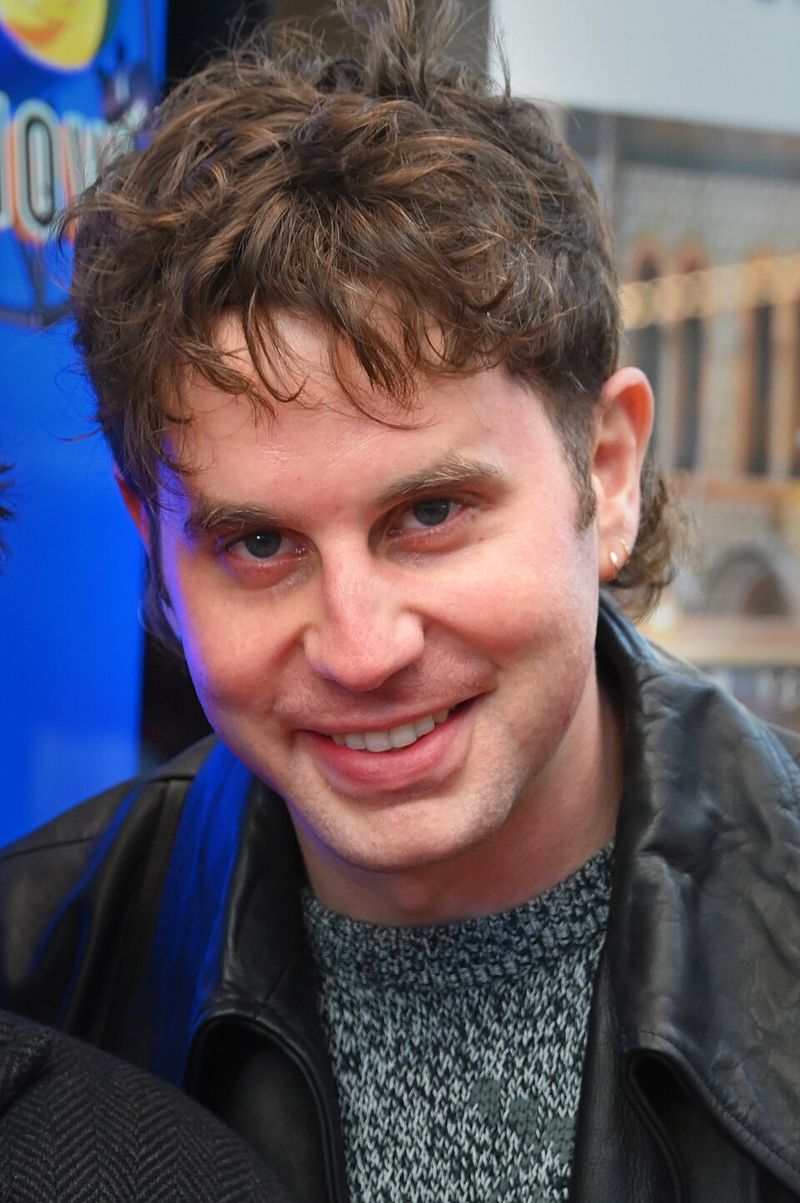
Originating the role on Broadway made the film casting feel logical at first, yet bringing the character back at age 27 felt like a stretch for many viewers.
Audiences quickly noticed the gap between the actor’s age and the high-school setting, which made the performance harder for some people to believe. Backlash focused less on talent and more on the awkward mismatch of a grown man playing a teenager.
Poor box office results followed, and the casting became a familiar example of how stage success does not always carry over to film. Cases like that remind studios that some stories work better with fresh faces than familiar ones.
15. Gal Gadot As Cleopatra – Cleopatra (TBA)
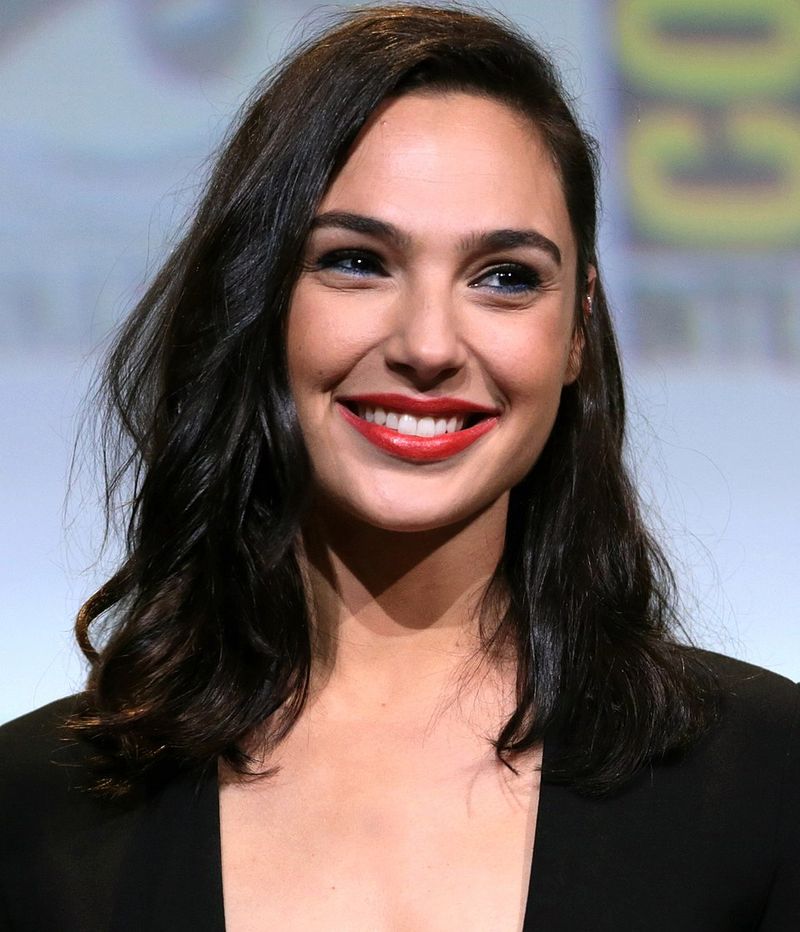
News of Gal Gadot portraying Cleopatra sparked immediate debate about historical background and screen representation.
Some observers argued an Egyptian or Arab performer would feel more authentic, while others noted Cleopatra’s documented Greek ancestry within the Ptolemaic dynasty. Controversy around the project showed how tangled history, identity, and Hollywood politics can become.
Gadot defended the choice, and the project has remained in development for years, with casting debates often shaping early conversation around it.
Important: Casting controversies often involve subjective judgment, evolving cultural standards, and incomplete public information during early production cycles.
This article summarizes widely reported reactions and industry commentary for entertainment and media-literacy context, not as a definitive assessment of any performer’s intent or ability. The content is provided for general informational and entertainment purposes and is not legal, financial, or professional advice.



_(cropped).jpg)
.jpg)

_(cropped_2).jpg)
.jpg)
.jpg)

.jpg)

.png)

