17 Most Controversial Movie Characters In Film History
Movies have given us heroes we cheer for and villains we love to hate, but some characters live in a gray area that makes audiences squirm.
These controversial figures push boundaries, challenge our morals, and spark debates that last for decades.
Disclaimer: This list reflects editorial opinion and cultural conversation, not definitive fact or universal consensus about which characters are the most controversial.
1. Alex DeLarge (A Clockwork Orange, 1971)
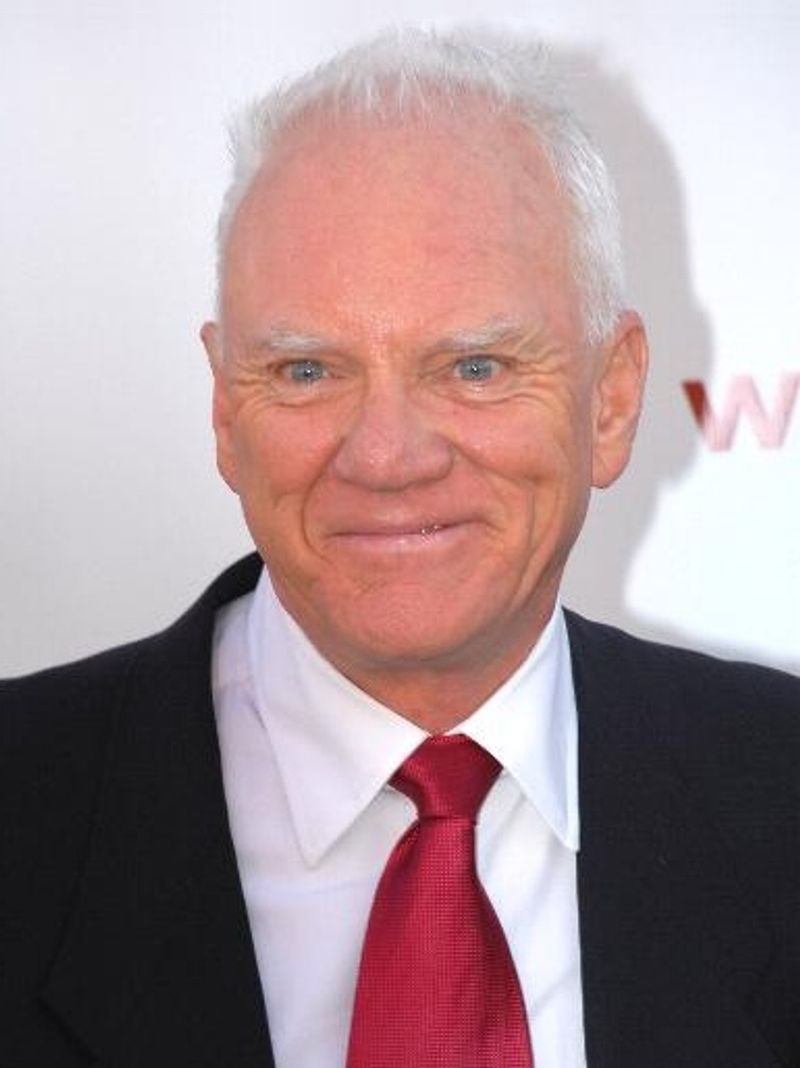
Stanley Kubrick’s dystopian masterpiece gave us a protagonist who commits horrific acts with a smile. Alex leads his gang through violence and chaos, all while loving classical music.
His story forces viewers to wrestle with questions about punishment, rehabilitation, and whether people can truly change.
What makes Alex so disturbing is his charm and intelligence mixed with brutality. The film sparked massive debates about free will versus forced behavior modification.
2. Travis Bickle (Taxi Driver, 1976)
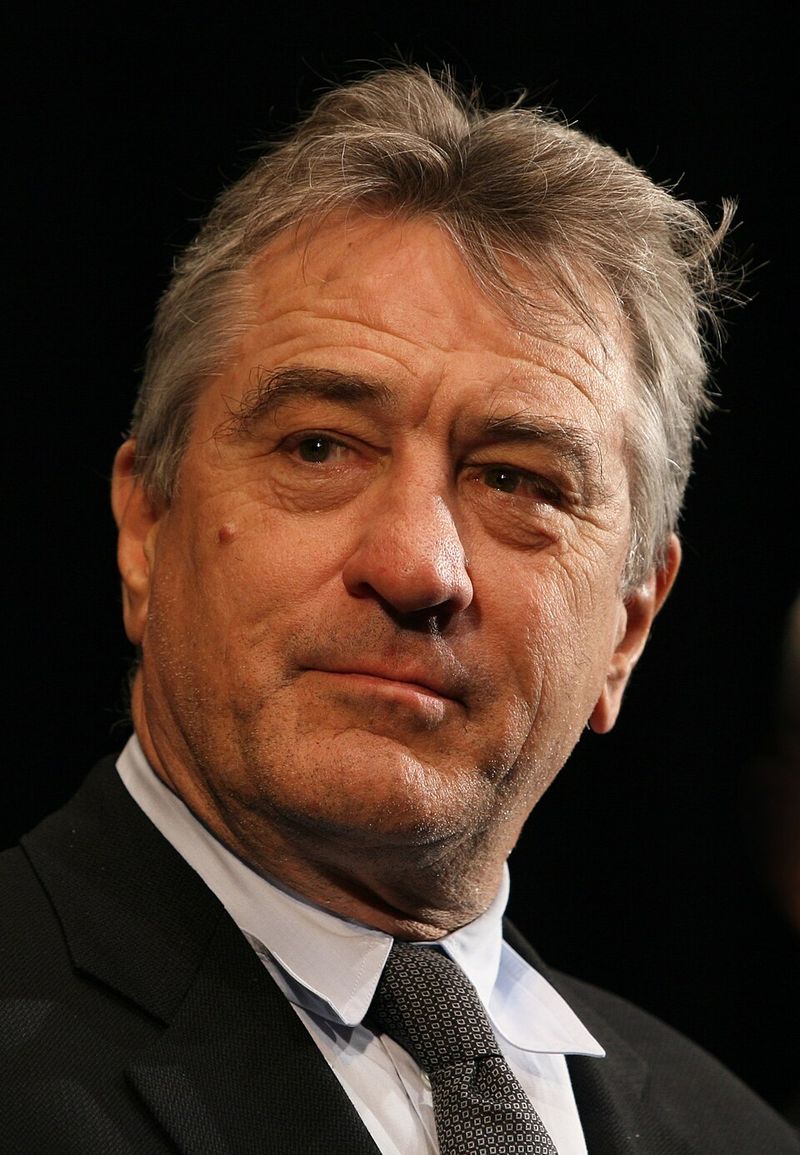
As he navigates the filthy streets of New York City, Martin Scorsese introduced us to a lonely taxi driver whose mental state collapses.
Travis becomes obsessed with cleaning up the city, but his methods grow increasingly alarming. His famous mirror speech has become iconic, yet it reveals a deeply troubled mind spiraling out of control.
The character sparked conversations about mental health, urban isolation, and vigilante justice.
3. Norman Bates (Psycho, 1960)
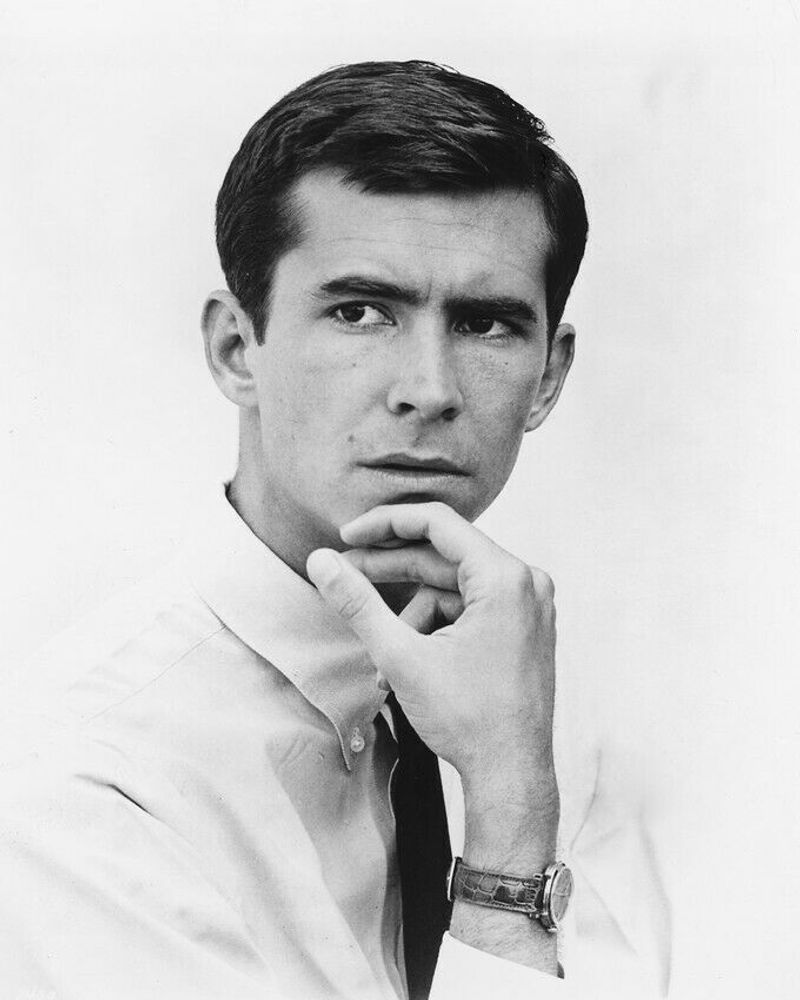
A seemingly harmless, shy motel manager helped revolutionize horror under Alfred Hitchcock’s direction. Norman’s awkward politeness masks a fractured psyche shaped by a domineering mother.
The shocking shower scene and twist ending made audiences question every quiet, polite stranger they encountered afterward.
His character opened discussions about mental illness representation in cinema. While groundbreaking for its time, the film also perpetuated fears about people with psychological disorders.
4. Scarlett O’Hara (Gone with the Wind, 1939)
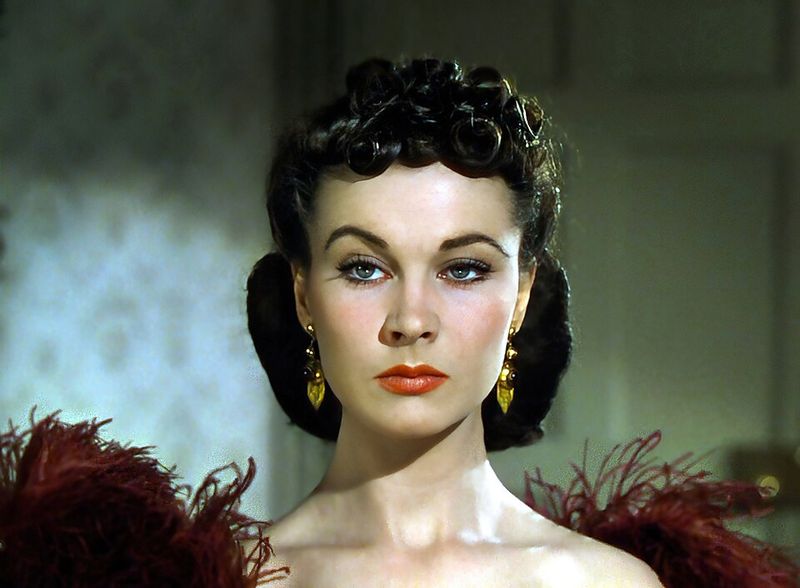
Gone with the Wind’s leading lady is beautiful, determined, and utterly selfish when it suits her survival.
Scarlett manipulates everyone around her, including multiple husbands, to maintain her lifestyle during and after the Civil War. Her strength is admirable, but her methods are often cruel and calculating.
Modern audiences struggle with her character because the film romanticizes the Old South and glosses over the horrors.
5. Rhett Butler (Gone with the Wind, 1939)
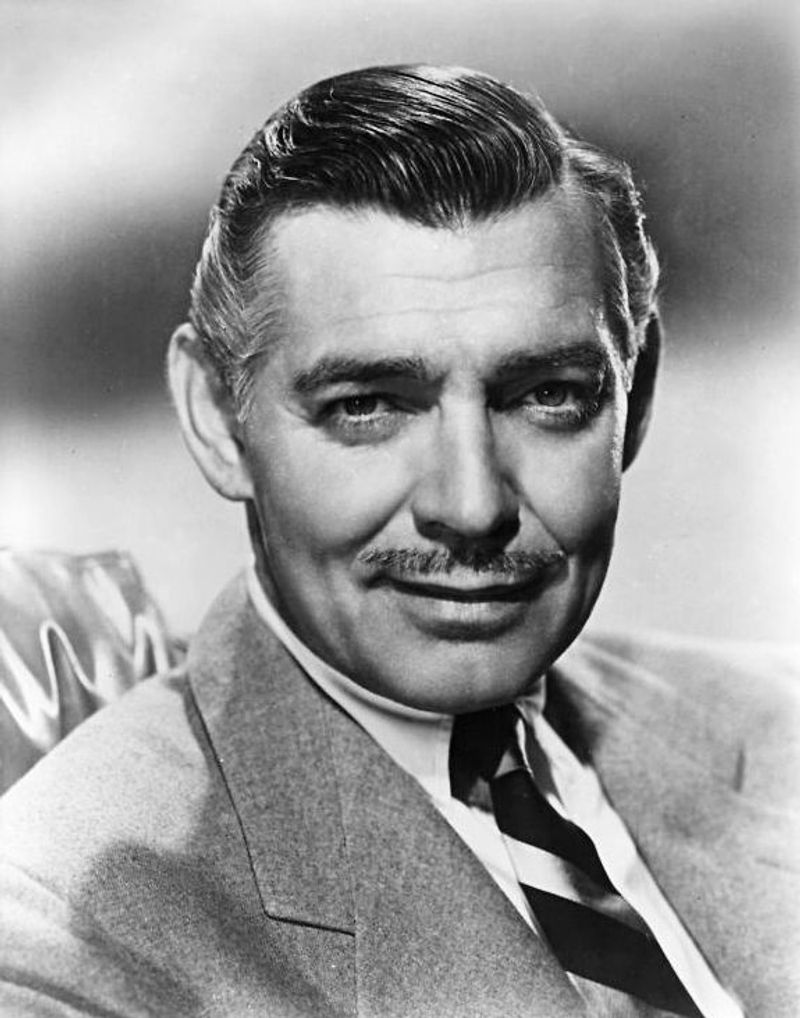
Charming blockade runner Rhett Butler swept audiences off their feet with his roguish smile and witty comebacks.
However, his relationship with Scarlett includes moments that modern viewers find deeply uncomfortable, including scenes that suggest assault.
His famous exit line is iconic, but his behavior throughout the film is problematic by today’s standards.
6. The Joker (The Dark Knight, 2008)
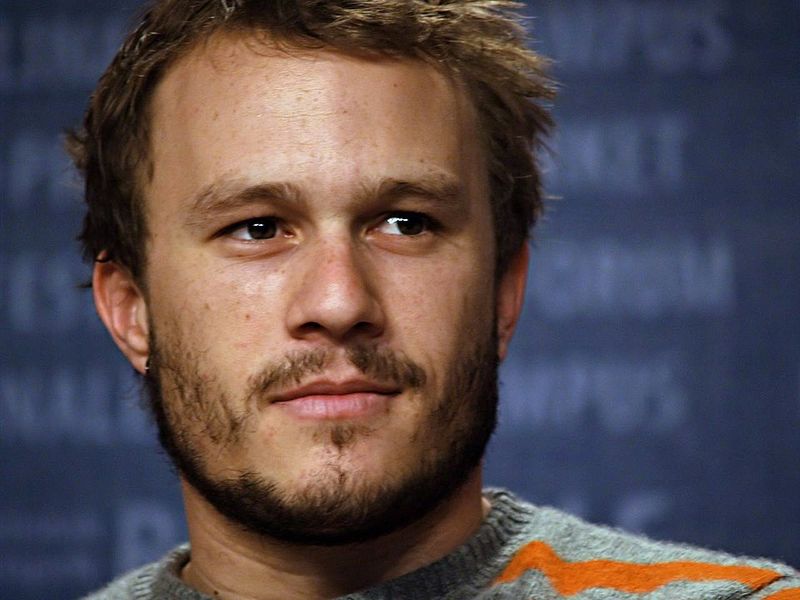
Christopher Nolan’s Batman sequel gave us a villain who wants to watch the world burn just for entertainment.
This Joker has no origin story, no clear motivation except chaos, making him terrifyingly unpredictable.
Heath Ledger’s performance was so intense that it sparked concerns about the psychological toll of playing such darkness.
The character became controversial when some viewers sympathized with his anarchist philosophy.
7. Patrick Bateman (American Psycho, 2000)
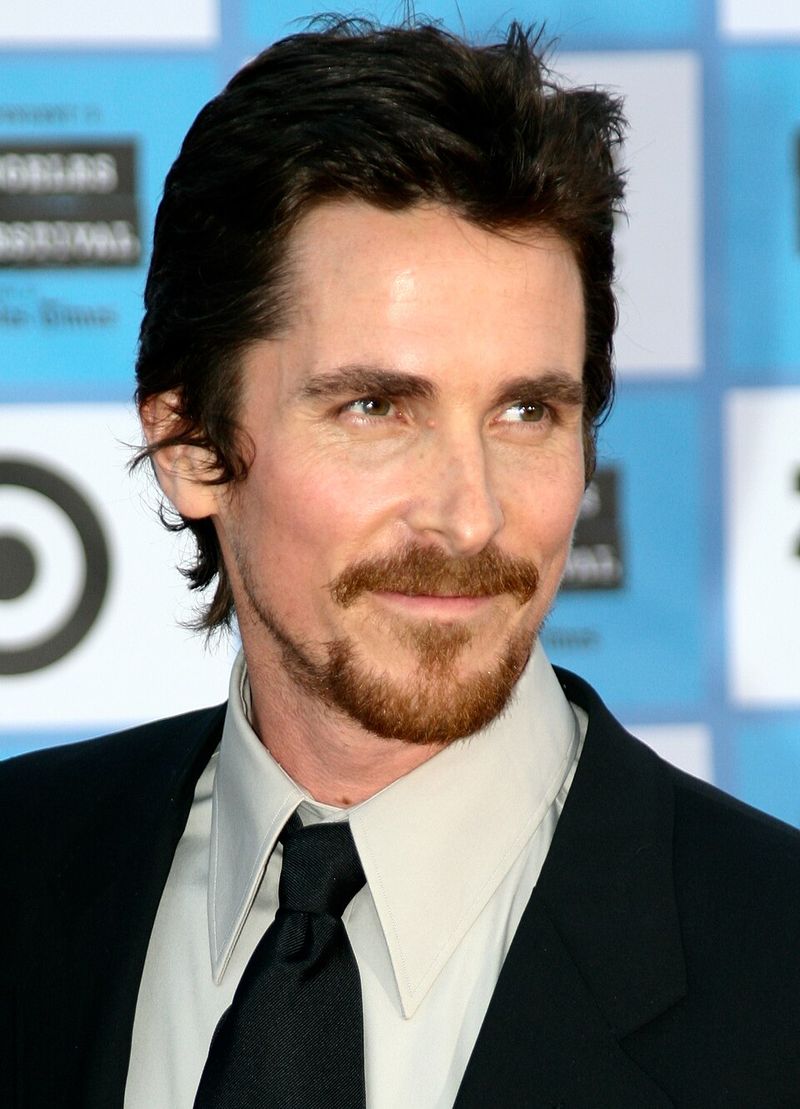
Wall Street investment banker by day, serial killer by night, Patrick represents 1980s excess taken to its most horrifying extreme.
His obsession with business cards, designer labels, and fitness routines is almost as disturbing as his violent fantasies.
The film leaves viewers questioning whether the murders actually happened or exist only in his deranged mind.
8. Hannibal Lecter (The Silence of the Lambs, 1991)
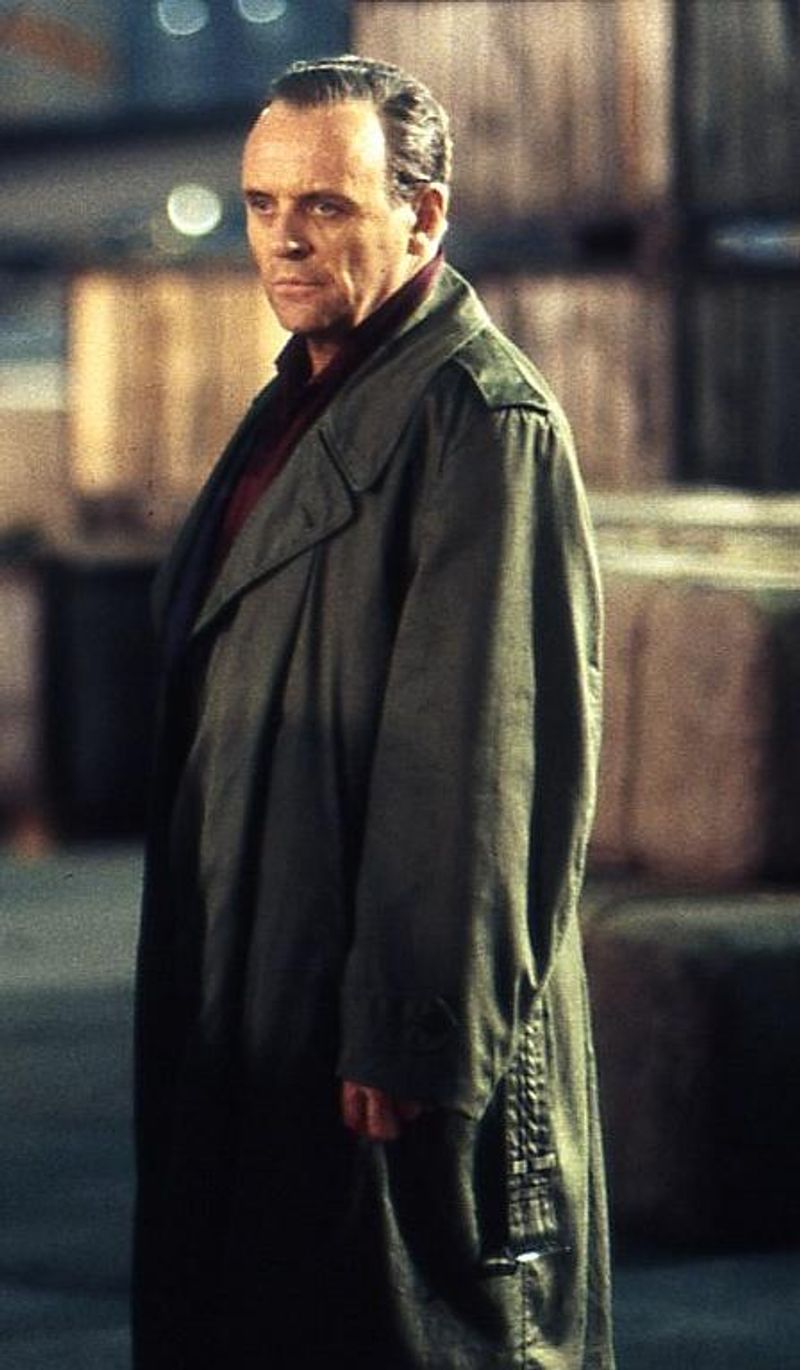
Few villains are as cultured, intelligent, and absolutely terrifying as this imprisoned psychiatrist turned cannibal.
Hannibal helps FBI agent Clarice Starling catch another serial killer, but his assistance comes with psychological games that burrow into her deepest fears.
His politeness makes his monstrous nature even more chilling and unforgettable. Anthony Hopkins created a character so compelling that audiences almost forget he eats people.
9. Amy Dunne (Gone Girl, 2014)

Rosamund Pike delivered a performance that made audiences question everything they thought they knew about her character.
Amy starts as a sympathetic missing wife, then reveals herself as a calculating mastermind willing to destroy anyone who disappoints her.
Her elaborate revenge scheme is both brilliant and absolutely terrifying in its cold precision.
10. Amon Goeth (Schindler’s List, 1993)
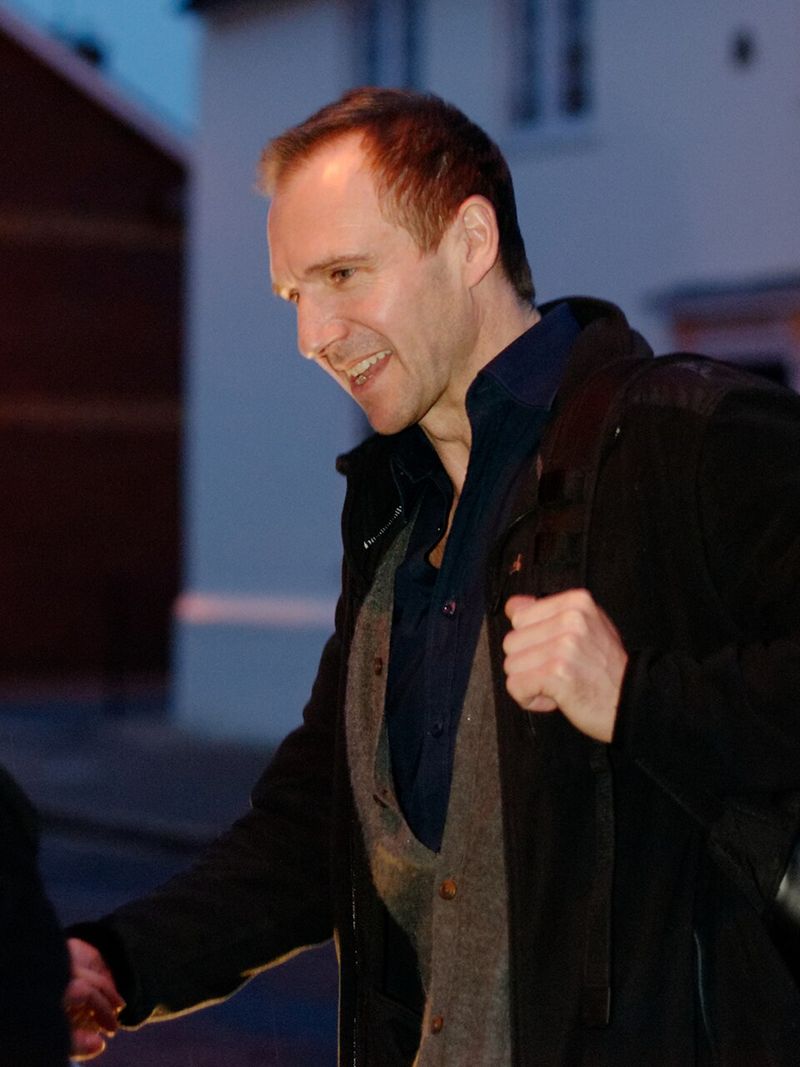
A villain was needed in Steven Spielberg’s drama to embody an unspeakable chapter of historical evil.
Amon Goeth was a real commandant who murdered countless people, sometimes shooting them randomly from his balcony for sport.
Ralph Fiennes portrayed him with chilling casualness, showing how easily humans can commit atrocities when viewing others as less than human.
The character’s controversy stems from depicting real historical horror.
11. Tony Montana (Scarface, 1983)
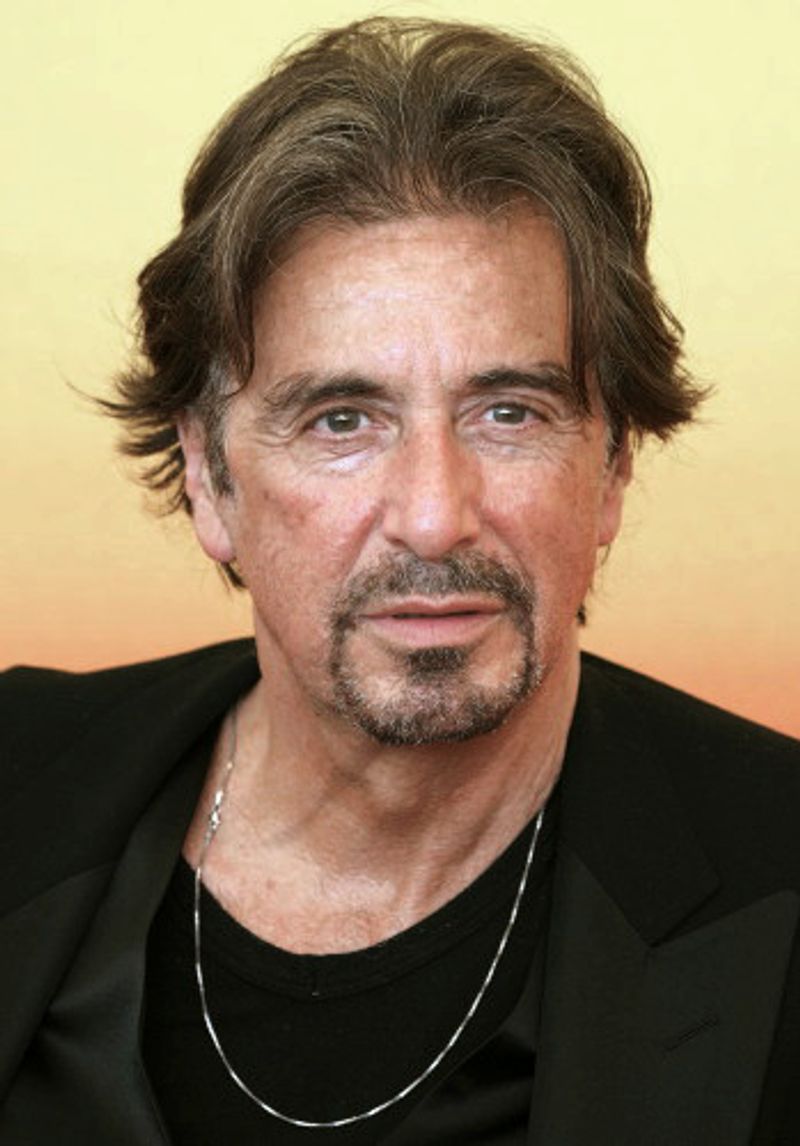
A Cuban refugee rises to power in Brian De Palma’s crime epic, building a drug empire through ruthless ambition and violence.
Tony’s famous line about the world and his little friend became iconic, but his journey glorifies criminal lifestyle in ways that made many uncomfortable.
The character became a strange hero in hip-hop culture despite being a cautionary tale. Critics debated whether the film condemned or celebrated Tony’s violent path to power.
12. Michael Corleone (The Godfather, 1972)
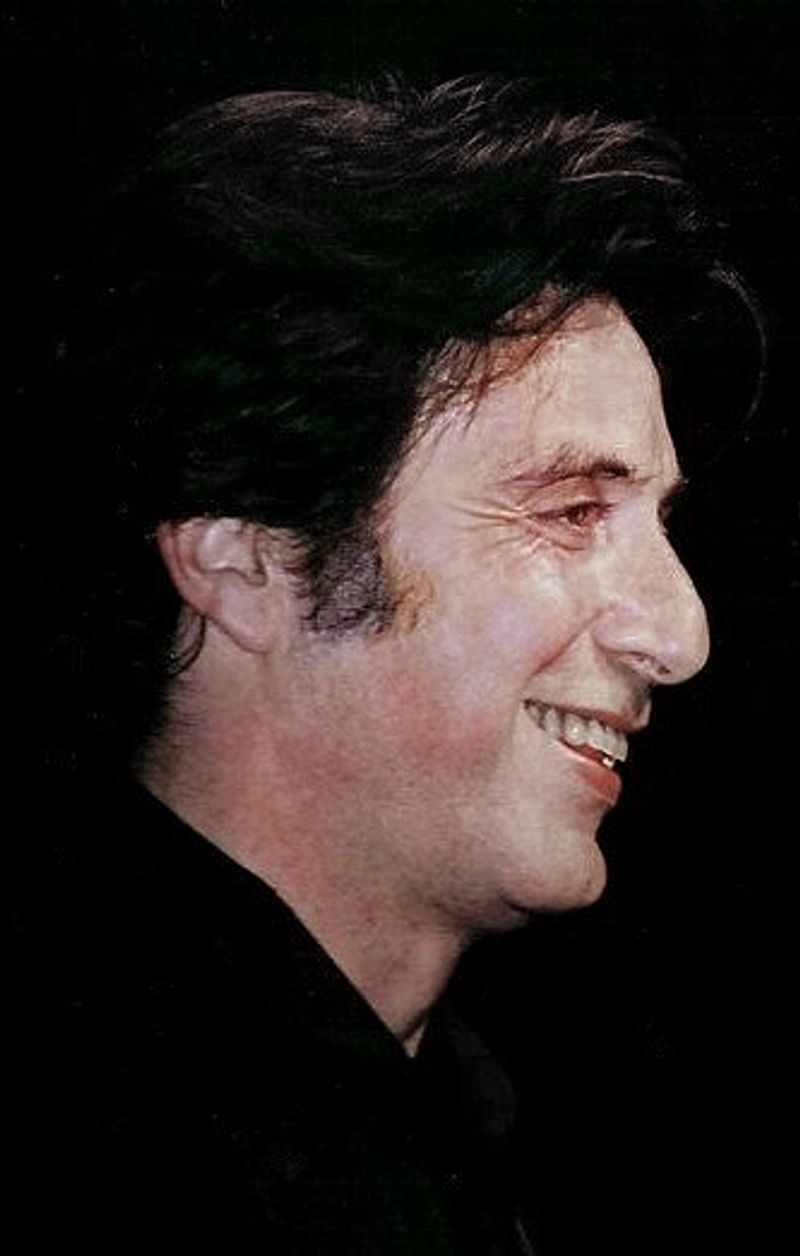
Francis Ford Coppola crafted a tragedy about a war hero who transforms into a cold-blooded crime boss. Michael starts as the family’s hope for legitimacy, the son who won’t follow his father into organized crime.
However, circumstances and revenge pull him deeper into darkness until he becomes more ruthless than anyone before him, losing his soul along the way.
Al Pacino’s subtle performance shows Michael’s gradual moral decay.
13. Vito Corleone (The Godfather, 1972)
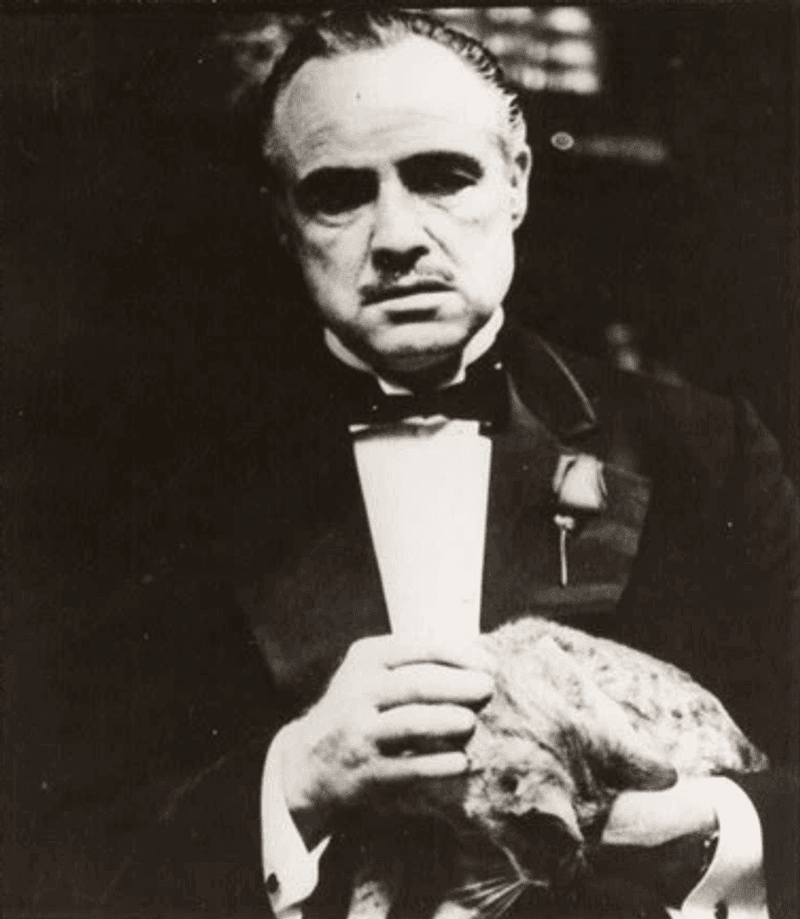
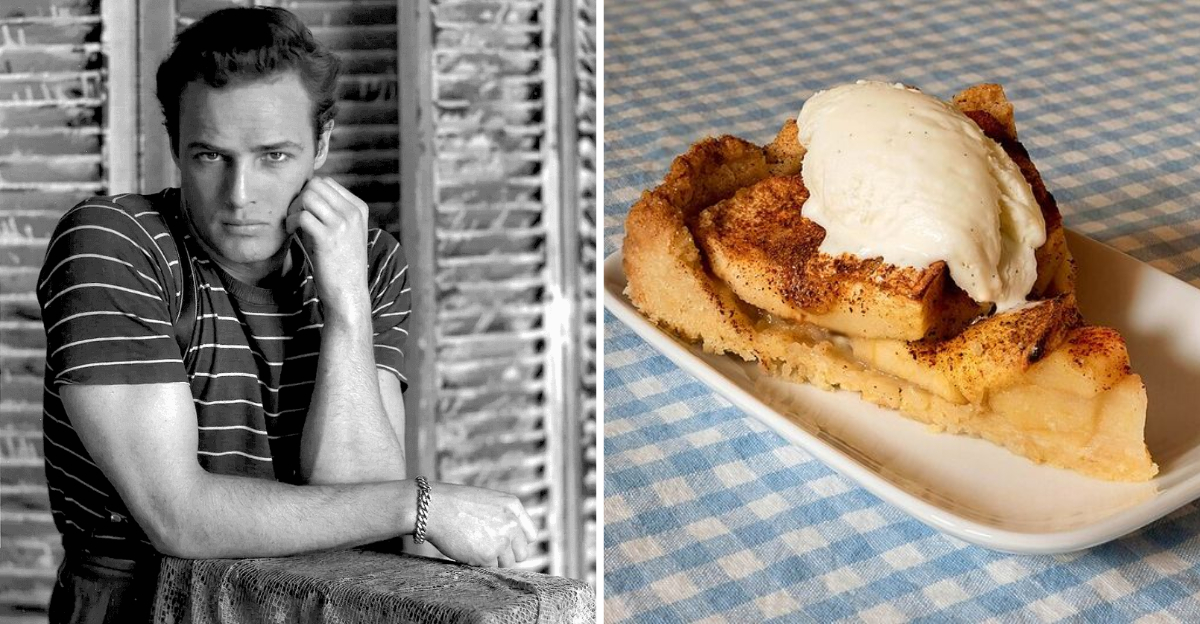
An iconic Marlon Brando performance helped define one of cinema’s most famous crime bosses, a soft-spoken man who holds power through fear and loyalty.
Vito presents himself as a family man with traditional values, yet he built an empire on violence, extortion, and murder. His code of honor seems noble until you remember it serves an inherently criminal enterprise.
The character’s controversy lies in making a mob boss so sympathetic and admirable. Vito loves his family, helps his community, and speaks about respect and tradition.
14. Daniel Plainview (There Will Be Blood, 2007)
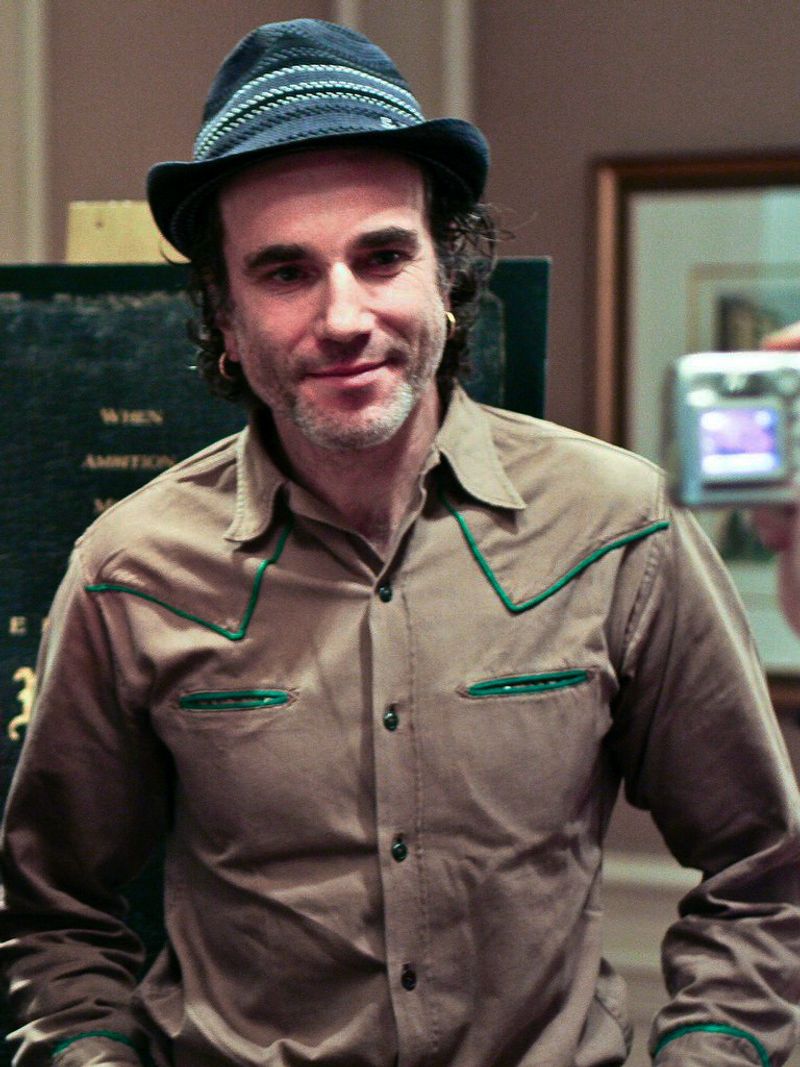
An oil tycoon in Paul Thomas Anderson’s film becomes capitalism personified, openly admitting he hates most people and wants to see competitors fail miserably.
Daniel’s ruthless pursuit of wealth destroys everyone around him, including his adopted son.
His famous milkshake speech reveals someone who views business as war and takes genuine pleasure in crushing others beneath his ambition.
Daniel Day-Lewis created a character so intense that he’s both fascinating and repulsive.
15. The Bride (Kill Bill: Vol. 1, 2003)

Quentin Tarantino’s revenge saga follows a former assassin who wakes from a coma seeking vengeance against her former team.
The Bride cuts through dozens of enemies with a samurai sword, leaving bodies everywhere in hyper-stylized violence.
Her quest is understandable given her betrayal, but the sheer body count raises questions about whether revenge justifies such extreme brutality.
16. Tyler Durden (Fight Club, 1999)
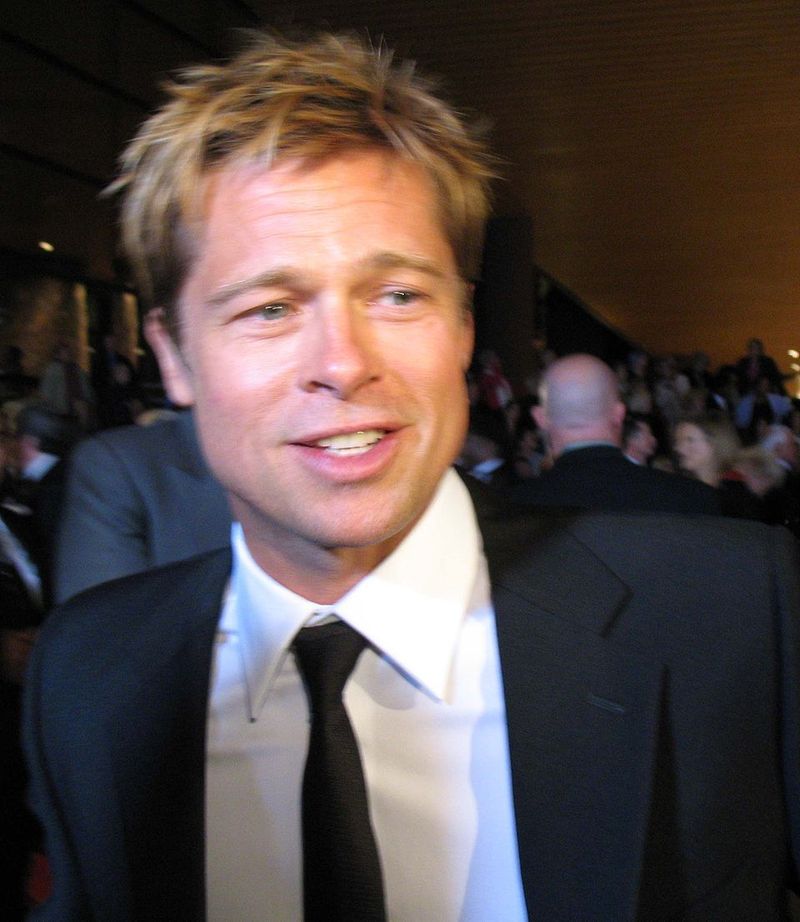
This anarchist soap-maker became an accidental icon for disaffected young men.
Tyler preaches freedom from consumerism while building a terrorist organization dedicated to destroying modern civilization.
His philosophy sounds appealing until you realize he’s advocating for chaos and violence as solutions to existential emptiness, manipulating followers into dangerous extremism.
Brad Pitt made Tyler impossibly charismatic, which created the film’s biggest controversy.
17. Darth Vader (Star Wars: Episode IV – A New Hope, 1977)

A fallen hero turned enforcer for an evil empire became one of cinema’s most iconic villains in George Lucas’s story.
Vader’s black armor, mechanical breathing, and willingness to choke subordinates made him terrifying to generations of children.
His redemption in later films sparked debates about whether someone responsible for planetary destruction deserves forgiveness, no matter their final sacrifice.