
16 Country Rock Artists Who Flew Under The Radar
Country rock always sounded like a cowboy strolled into a rock concert, looked around, and said, “Well shoot, y’all got room for a little twang in here?”
Boot-stomping guitars, outlaw attitude, and enough twang to shake the room filled their songs, even if the radio sometimes acted like it misplaced the record.
So saddle up and crank the volume, partner, because this list is about to round up a few mighty fine musicians who deserved a lot more noise on the trail.
1. Gram Parsons
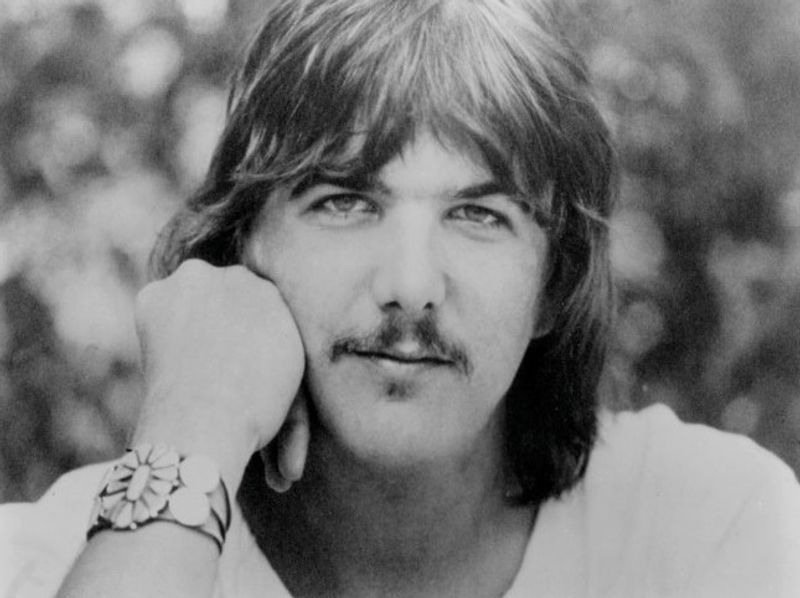
Before rhinestone suits became rock-star costumes, Gram Parsons was already wearing them with cosmic conviction.
He was one of the key pioneers of country rock, bridging Nashville twang with California cool so smoothly it felt like a dream you had on a long highway drive. Emmylou Harris became one of his most important musical collaborators.
Put on “Grievous Angel” on a quiet Tuesday morning and feel exactly what everyone missed.
2. Michael Nesmith
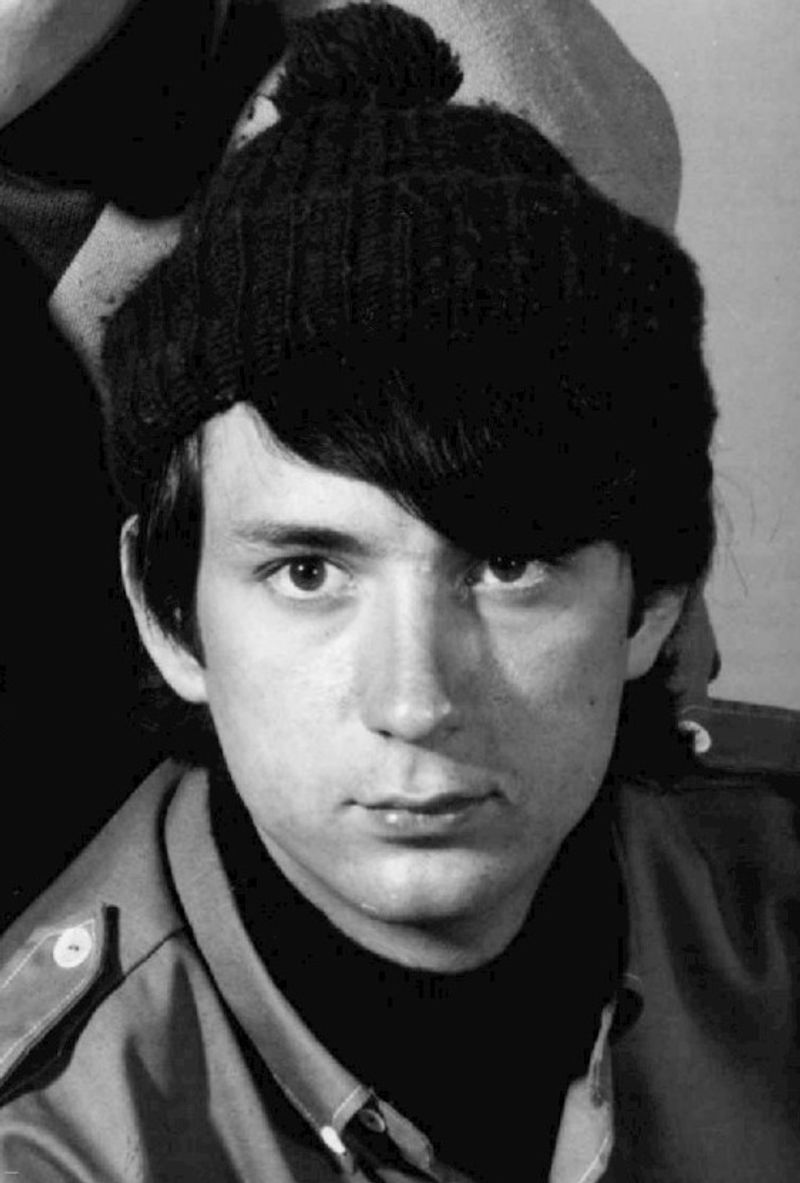
Memories of the wool cap, the Monkees, and the jokes often overshadow the music Michael Nesmith created afterward.
Early 1970s recordings with the First National Band reveal a country rock catalog full of warmth, pedal steel textures, and dry humor. Sound feels like the album a cool uncle quietly plays once the rest of the house has gone to sleep.
Brilliant work, low-key in tone, and far too often overlooked.
3. Jerry Jeff Walker
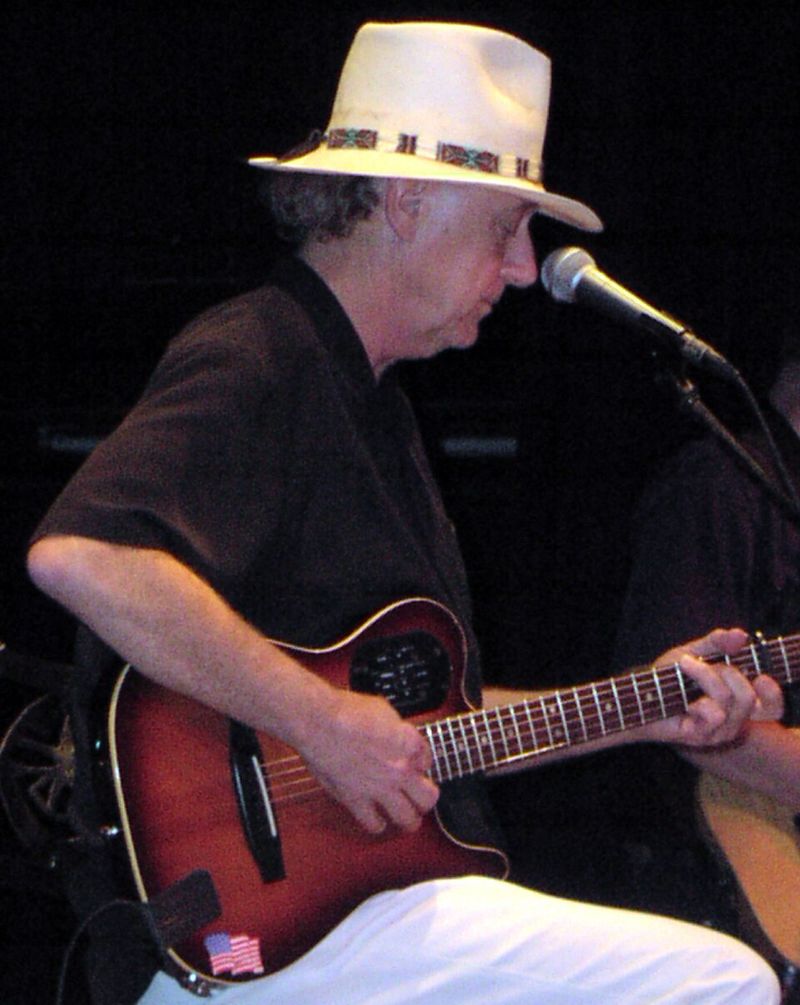
Meeting a street performer in a New Orleans jail inspired the writing of ‘Mr. Bojangles.’ That origin story alone could have made Jerry Jeff Walker a household name.
Instead, decades unfolded in Texas dancehalls where loyal crowds treated every show like a personal holiday. Songs rolled out with the easy comfort of something familiar after a long, dusty drive.
His influence still lingers across the Austin music scene.
4. Ry Cooder
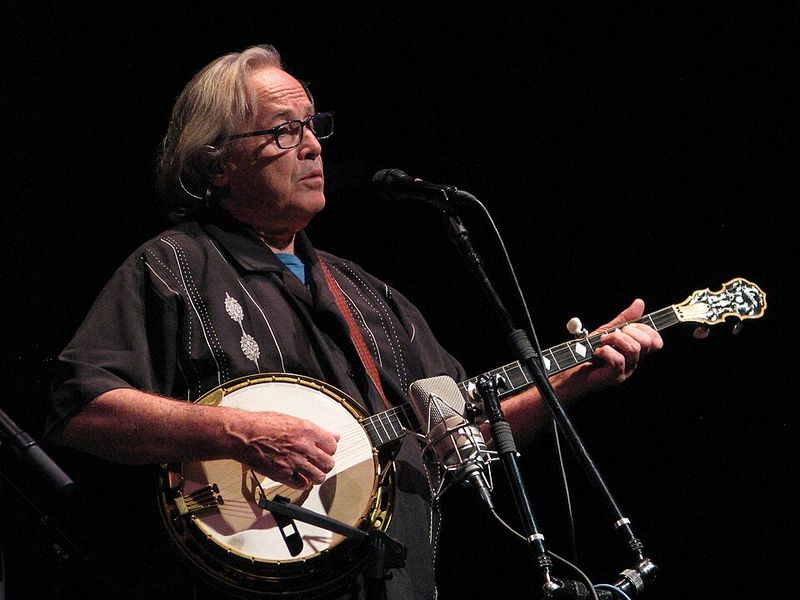
Guitar lines from Ry Cooder unfold the way a great storyteller works through a tale, unhurried, richly textured, and hard to forget.
Session work placed him alongside artists like the Rolling Stones before a solo career emerged that blended country, blues, and Tex-Mex into a sound entirely his own.
Many people consider his 1979 album Bop Till You Drop to be the first major-label album in popular music to be digitally recorded. That detail alone shows how often his work was ahead of the curve.
5. Blue Rodeo
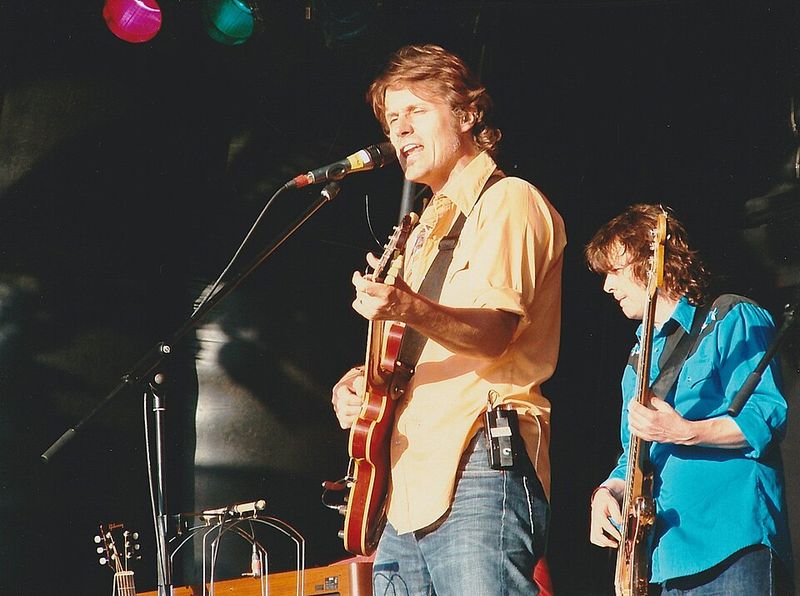
Mention Blue Rodeo to a Canadian music fan and watch the reaction light up instantly. Songwriters Jim Cuddy and Greg Keelor built a decades-long catalog filled with heartbreak, hope, and unforgettable guitar work.
Much of that music somehow remained largely unnoticed south of the border.
The song ‘Try’ remains one of the band’s signature recordings. Their catalog deserved far more attention outside Canada.
6. New Riders Of The Purple Sage
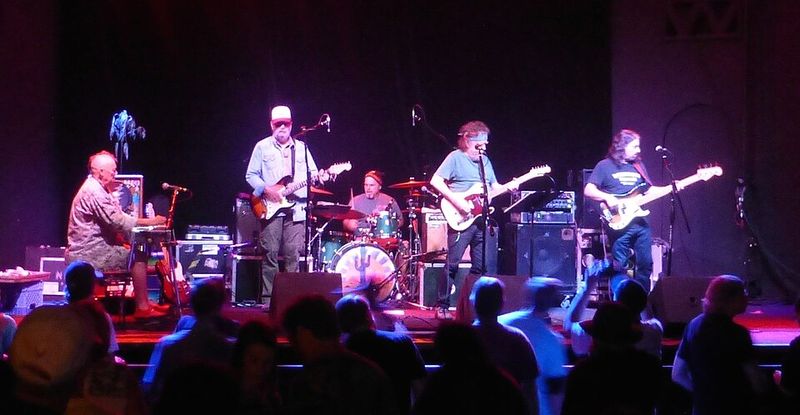
Spinning out of the Grateful Dead’s orbit like a friendly, country-flavored comet, the New Riders of the Purple Sage brought a laid-back twang to the psychedelic scene.
Jerry Garcia played pedal steel on their 1971 debut, giving the group an especially notable early chapter. From beginning to end, their self-titled debut is a pleasant, windy voyage.
Pure Saturday morning music energy.
7. Pure Prairie League
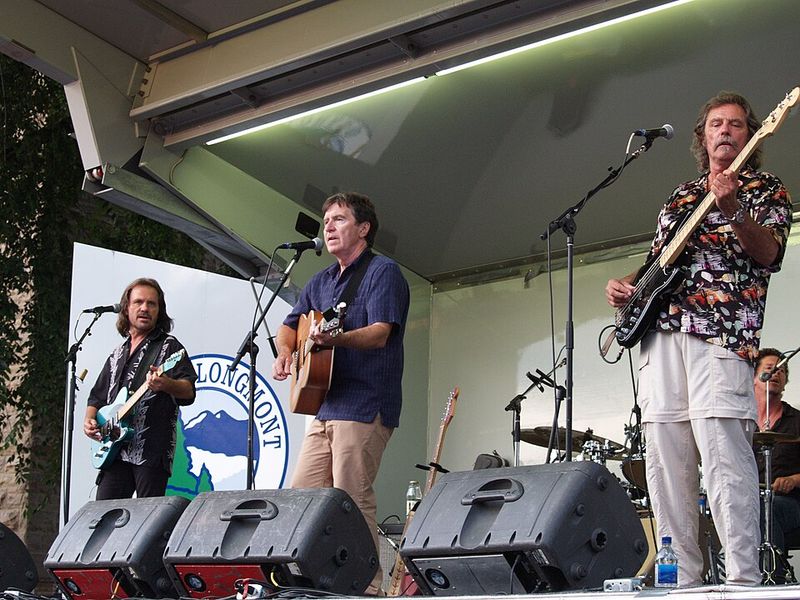
“Amie” unfolds with the quiet warmth of a song that slowly settles in and suddenly seems to be playing everywhere. Pure Prairie League created the track, and it remains the most widely recognized moment in a catalog filled with overlooked gems.
Vince Gill spent time singing with the group long before his name became widely known.
It’s a memorable bit of music trivia because of that little detail.
8. The Long Ryders
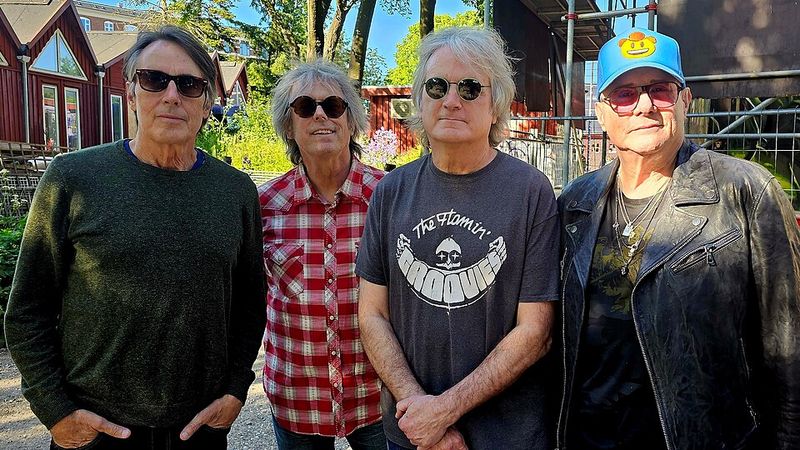
Jangling guitars and stubborn confidence carried The Long Ryders into a decade that was not exactly friendly to country rock. Roots in the Paisley Underground scene helped shape their sound, blending The Byrds-style twang with a scrappy punk attitude.
Defiance and energy made the combination feel fresh at a time when the genre seemed out of step with the mainstream.
Decades later, the comeback record Psychedelic Country Soul proved the spark had never disappeared. Stubborn creativity and sharp songwriting still defined their spirit.
9. Commander Cody And His Lost Planet Airmen
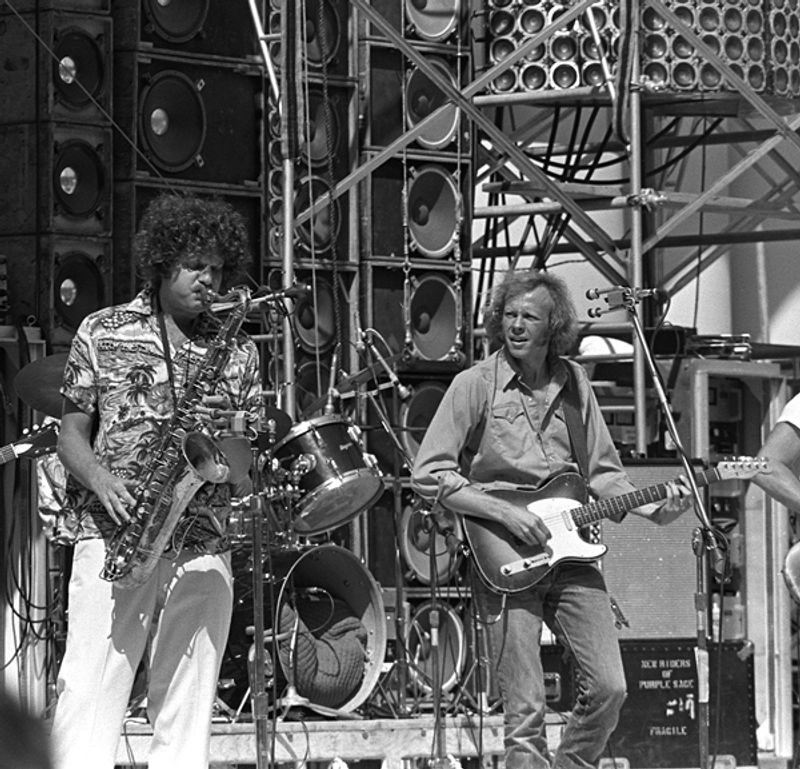
Few bands could throw a party the way Commander Cody and His Lost Planet Airmen did.
Blend of Western swing, honky-tonk, and boogie-woogie piano turned each show into a sweaty, stomping good time.
Their song “Hot Rod Lincoln” reached the Top 10 in 1972, after which mainstream attention drifted elsewhere while the band kept rocking without hesitation. Some crowds simply knew better.
10. Dr. Hook And The Medicine Show
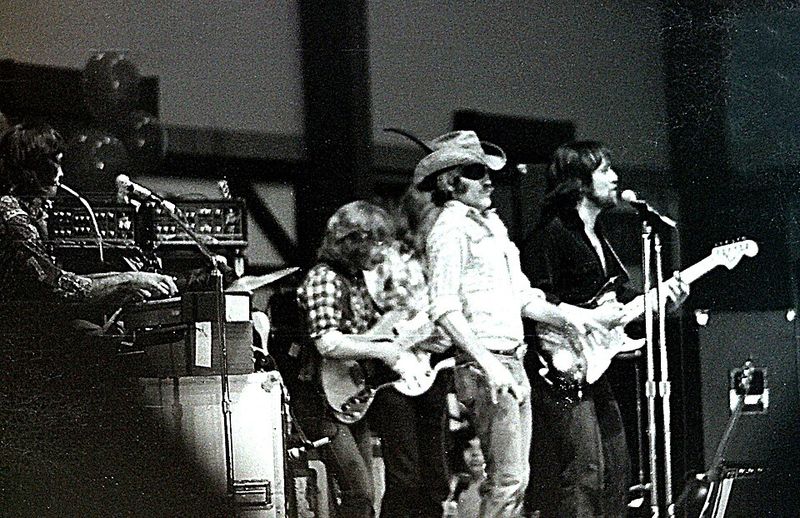
Early songs from Dr. Hook & the Medicine Show came from the wonderfully offbeat pen of Shel Silverstein, which explains a lot about their playful spirit.
Country, pop, and rock blended together with a wink and a grin that made even melancholy tunes feel oddly comforting.
‘The Cover of ‘Rolling Stone’’ turned a joke about fame into a genuine hit. Lovably strange energy and easygoing humor kept their music endlessly fun.
11. Michael Martin Murphey
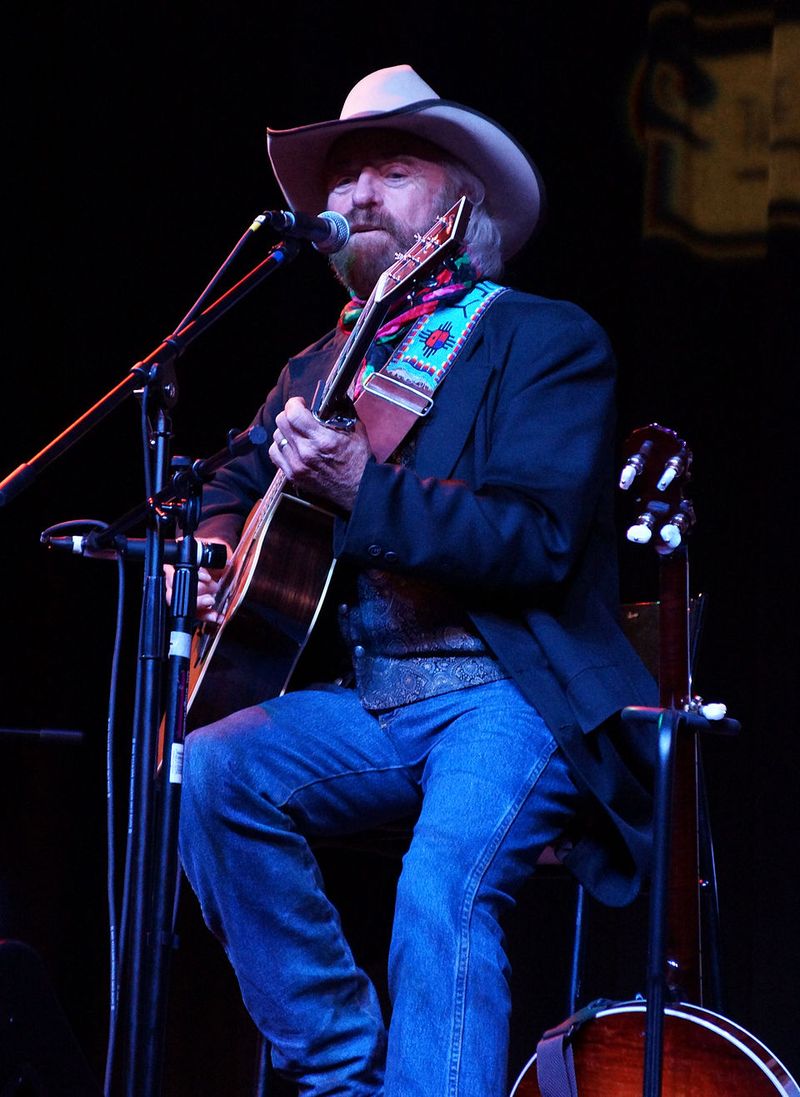
“Wildfire” reached radio in 1975 and sent listeners racing after the image of a ghostly horse moving through falling snow.
Songwriting from Michael Martin Murphey produced that haunting hit along with dozens of others celebrating the wide-open romance of the American West. Later in his career, he leaned even further into cowboy music and western themes.
Ahead of every curve, always.
12. Billy Crash Craddock
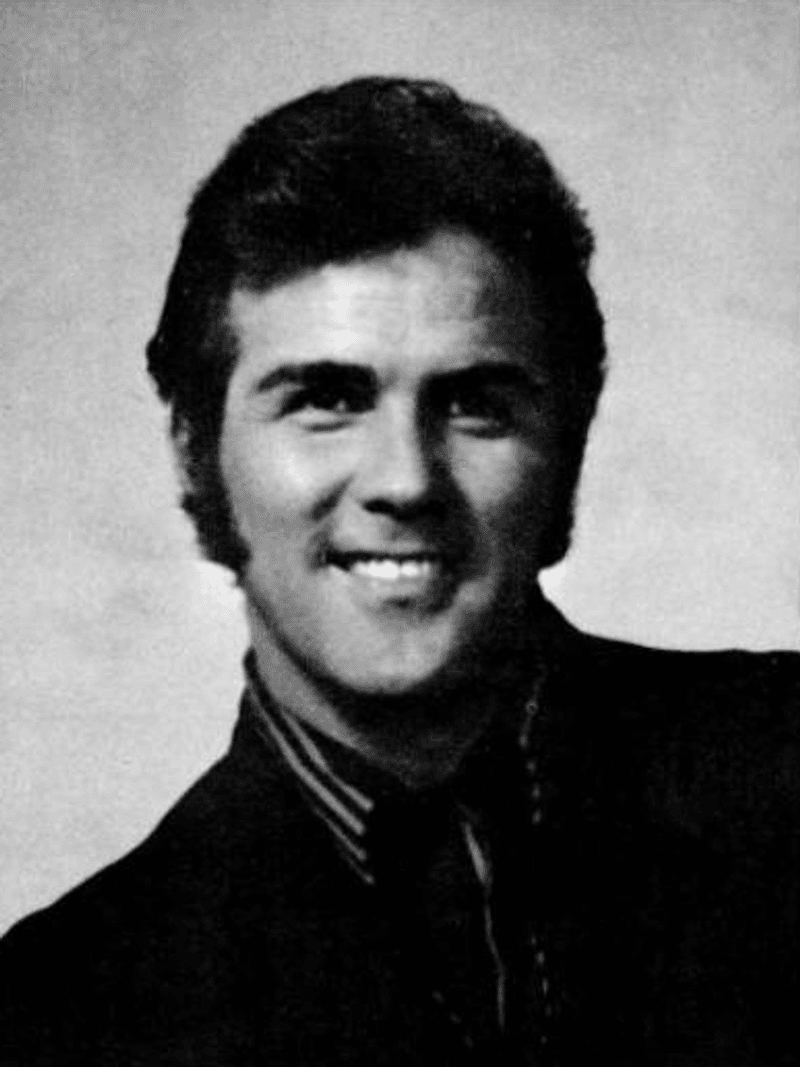
Rockabilly swagger defined the sound of Billy “Crash” Craddock long before “country pop” became a marketing label. Radio programmers often struggled to categorize a style that blended country storytelling with the energy of early rock and roll.
Nicknamed “Crash” for his explosive stage presence, he scored several country hits during the 1970s that still sound lively today.
It’s clear to hear how rockabilly spirit permeated mainstream country music in the 1970s thanks to his albums. Country rock history rarely feels complete without that missing link.
13. J.D. Souther
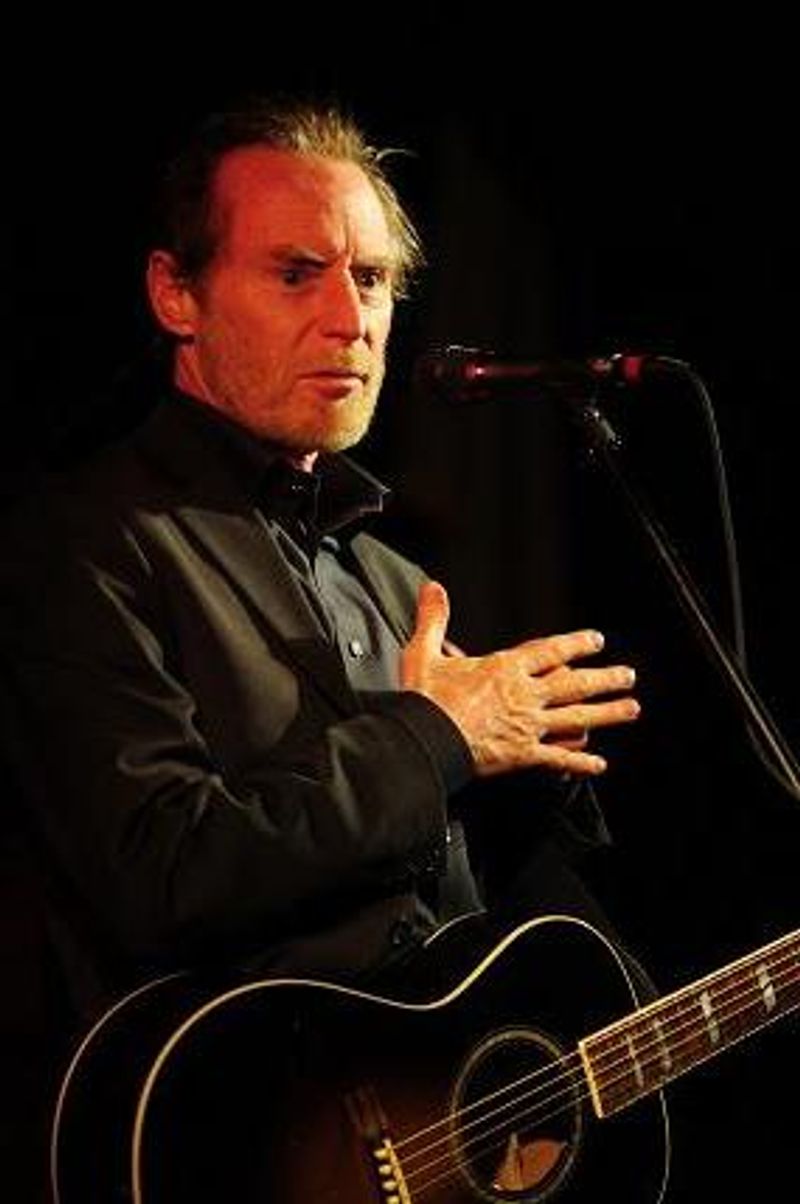
J.D. Souther helped write several major Eagles songs, yet most people could not pick the man out of a lineup.
He co-wrote “Best of My Love,” “Heartache Tonight,” and “New Kid in Town,” then made solo records of his own that deserved far more airtime. His 1979 album You’re Only Lonely remains one of the strongest records in his solo catalog.
Give credit where it is due.
14. Richie Furay
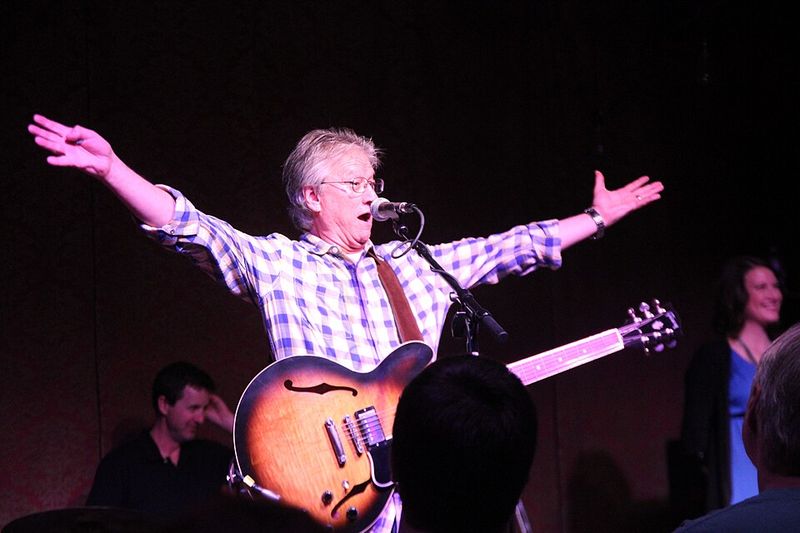
Although he contributed to the genre’s development through Buffalo Springfield and Poco, Richie Furay is not generally given the credit he deserves. Richie Furay played a key role in forming Buffalo Springfield and later Poco, two groups that shaped the genre’s entire DNA.
Warm tenor vocals and an instinct for melody made Poco’s early albums quietly beautiful. “Pickin’ Up the Pieces” still stands as a joyful classic that rarely receives the attention it deserves.
Country rock traces much of its origin story back to work like his.
15. Chris Hillman
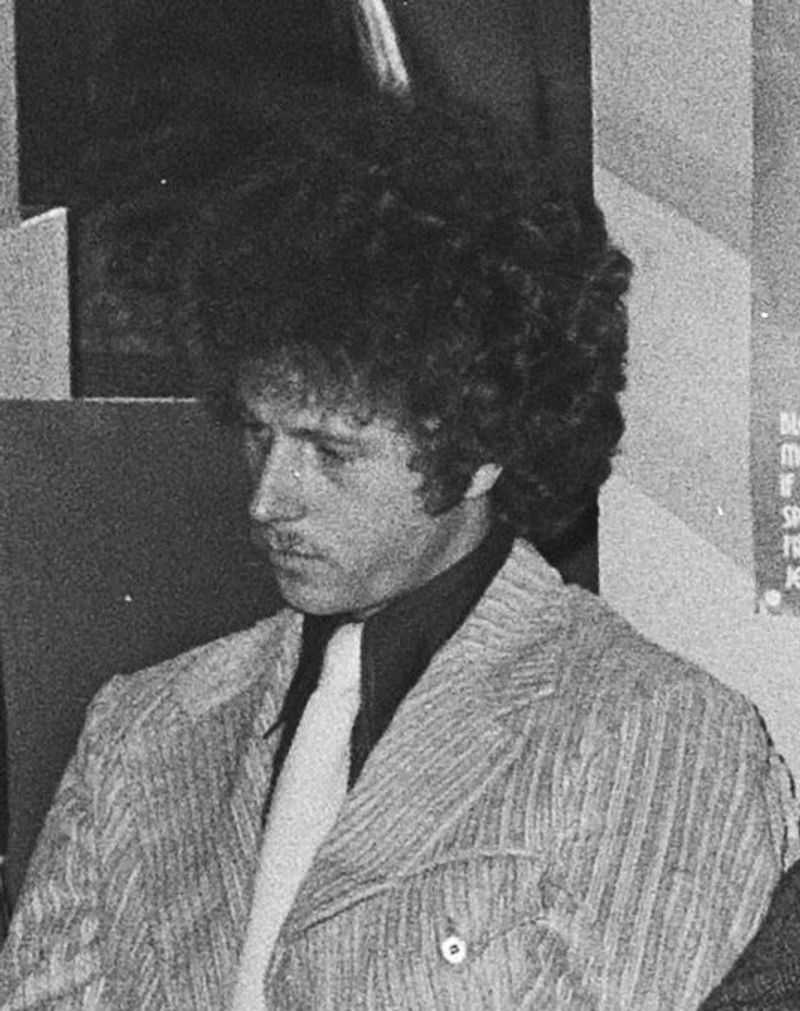
With the Byrds, the Flying Burrito Brothers, and eventually the Desert Rose Band, Chris Hillman contributed significantly to the growth of country rock.
His musical path moved through The Byrds, The Flying Burrito Brothers, and later Desert Rose Band, quietly shaping the genre along the way. Bandmate Roger McGuinn often receives the spotlight when the Byrds are discussed.
Bass lines and harmonies from Hillman provided the musical glue that held the sound together.
True architectural influence runs through nearly every era of country rock history because of that work.
16. Clarence White
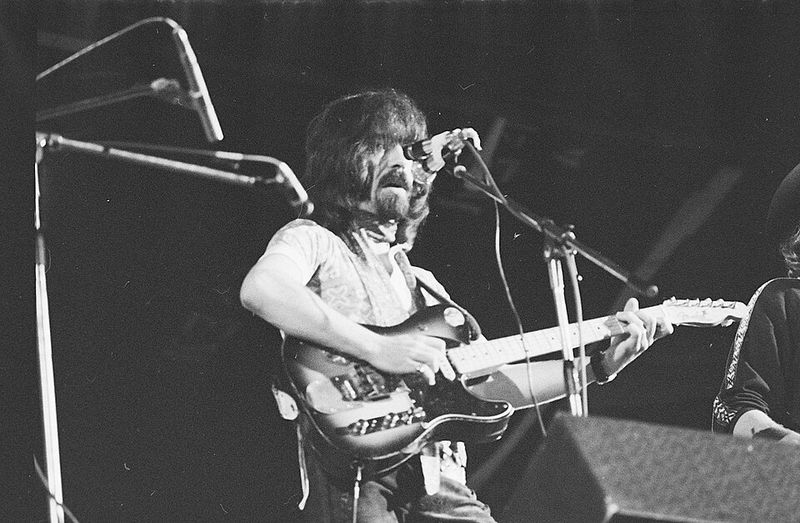
Clarence White could make a Telecaster sound like a full conversation, each note placed with the care of someone choosing words very carefully.
His string-bending technique, developed with Gene Parsons using a special B-bender device, changed guitar playing permanently. The Byrds’ later albums sparkle because of his contributions, and bluegrass musicians still study his early recordings with reverence.
Important: Music rankings and artist selections in this article are based on publicly available discographies, chart history, historical reporting, and critical reputation. Interpretive descriptions and phrases reflecting influence, legacy, or artistic impact are editorial in nature.




.jpg)


