18 Iconic Cover Versions Of Beatles Songs
The Beatles changed music forever, but their songs didn’t stop evolving after the Fab Four recorded them.
Artists from every corner of the music world have taken these timeless tracks and made them their own
Some were transforming pop anthems into soul classics, others rearranged folk ballads into funk explosions, while gentle melodies turned into rock powerhouses.
Certain covers became even more famous than the originals, while others revealed hidden depths in songs we thought we knew by heart.
1. Aretha Franklin — Eleanor Rigby
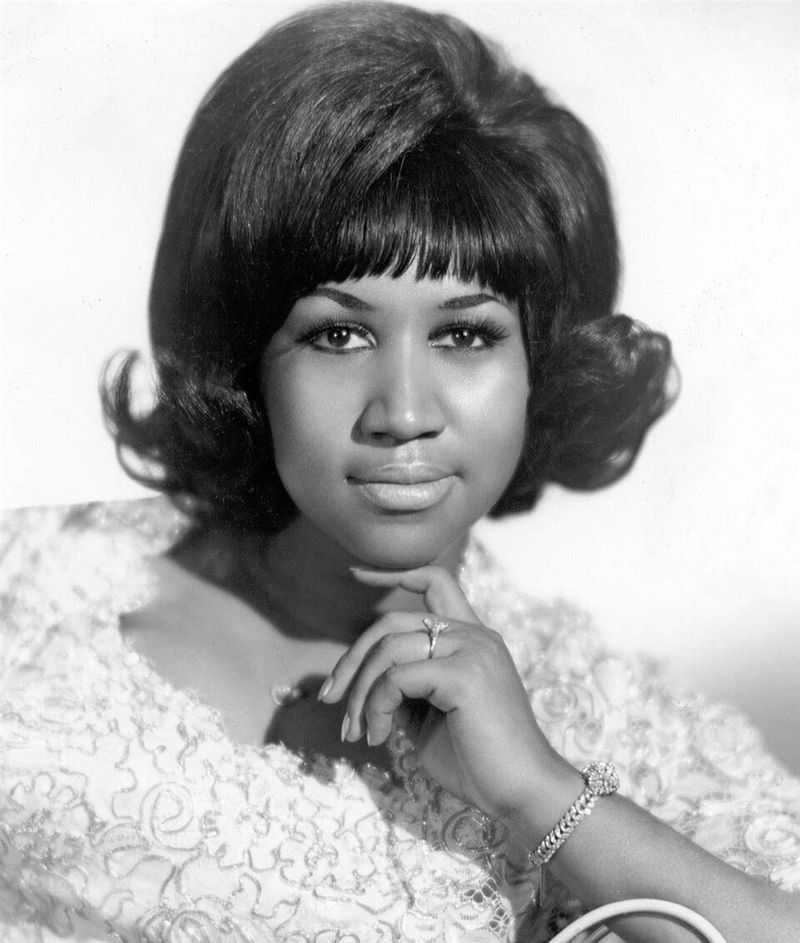
Where the original felt cold and distant with its string quartet, Aretha’s version pulses with warmth and human connection, making Eleanor’s loneliness feel even more heartbreaking.
Her vocal runs and emotional phrasing transformed the song from an observation into a lived experience.
The track became a charting single and proved that even the Beatles’ most experimental compositions could translate into different genres.
Only the Queen of Soul could make a song about isolation feel so intensely personal and powerful.
2. Ray Charles — Yesterday
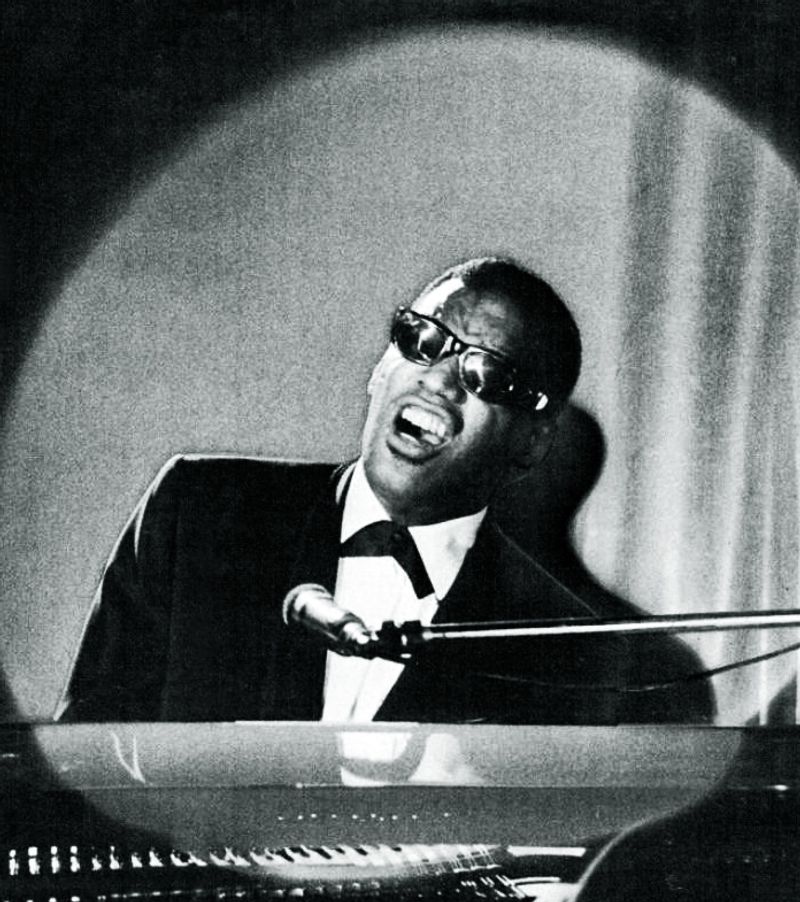
Charles transformed the world’s most-covered song into something uniquely his own in 1967.
His deep-soul phrasing and jazz-inflected piano work added layers of experience and wisdom that Paul McCartney’s youthful version couldn’t access.
Every note drips with the kind of lived-in heartbreak that only Ray Charles could deliver.
His arrangement strips away the string quartet and replaces it with understated instrumentation that puts his voice front and center.
The result feels less like nostalgia and more like genuine grieff.
3. Wilson Pickett with Duane Allman — Hey Jude
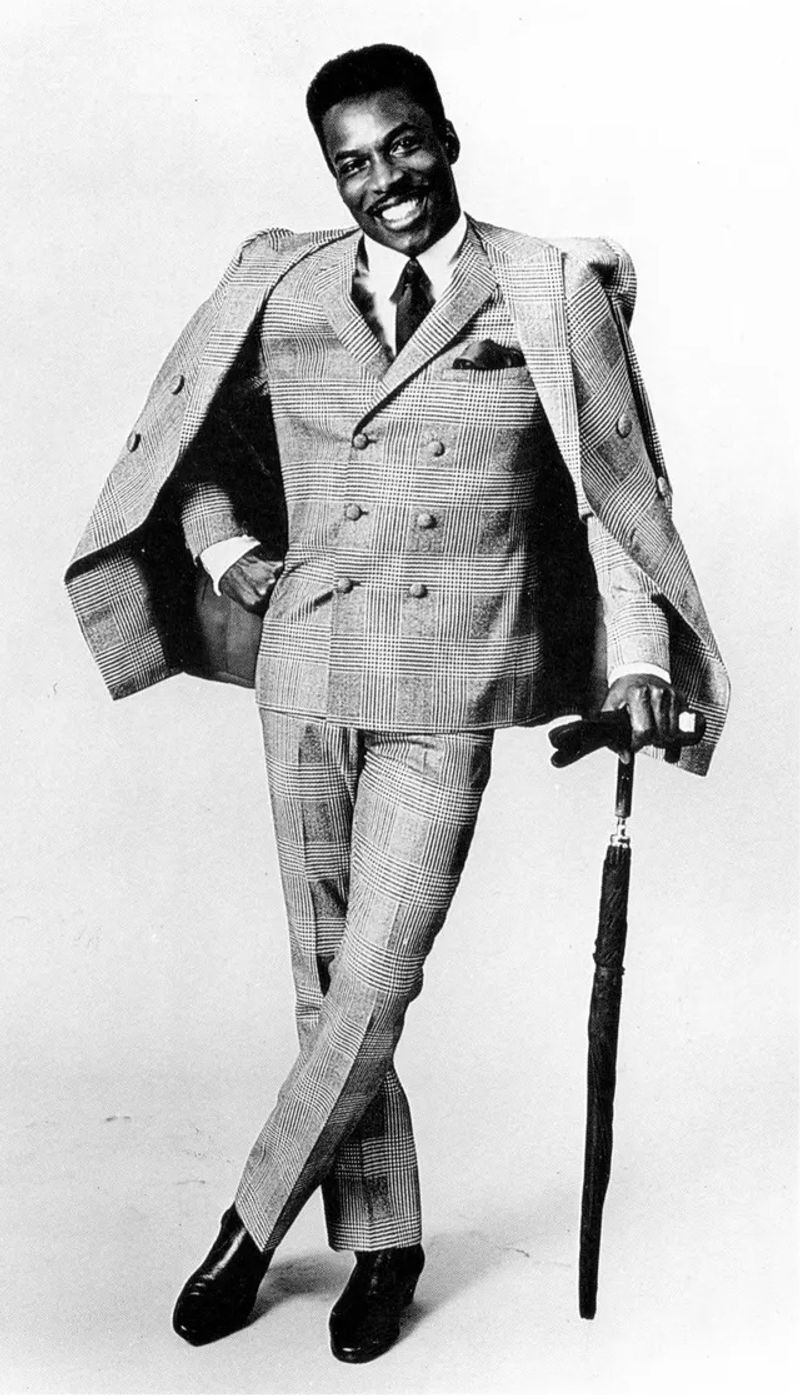
With Duane Allman’s legendary guitar work slicing through the mix, this cover turned a message of comfort into something gritty and urgent.
The arrangement extends the famous “na-na-na” outro into an even longer jam, giving Allman space to unleash slide guitar fireworks.
Pickett’s raspy vocals add a roughness that makes the song’s encouragement feel hard-earned rather than easy.
4. Stevie Wonder — We Can Work It Out
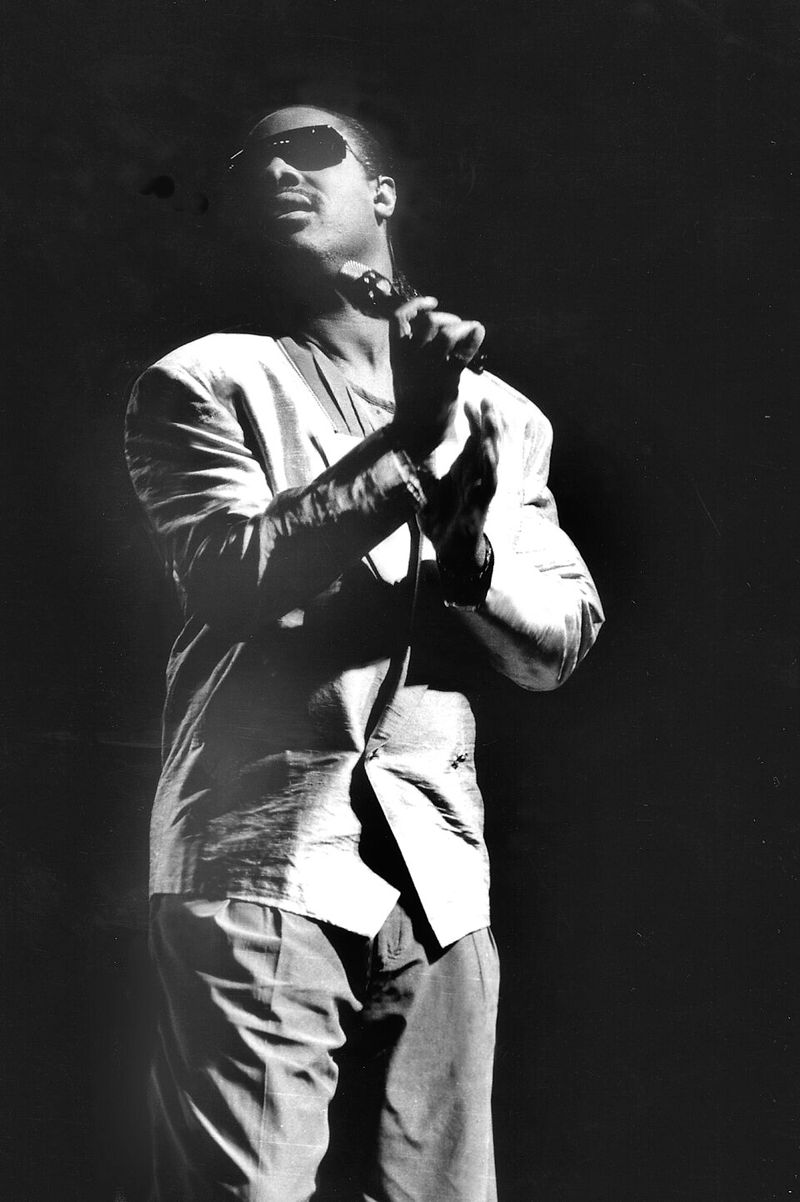
This 1970 funky reimagining turned the Beatles’ plea for compromise into a groove-heavy declaration.
His version swapped the original’s accordion for synthesizers and driving bass lines that made the song feel more urgent and contemporary.
The track climbed to number 13 on the Hot 100 and earned Wonder a Grammy nomination, showing how his Midas touch extended to covering other artists.
5. Earth, Wind & Fire — Got to Get You Into My Life
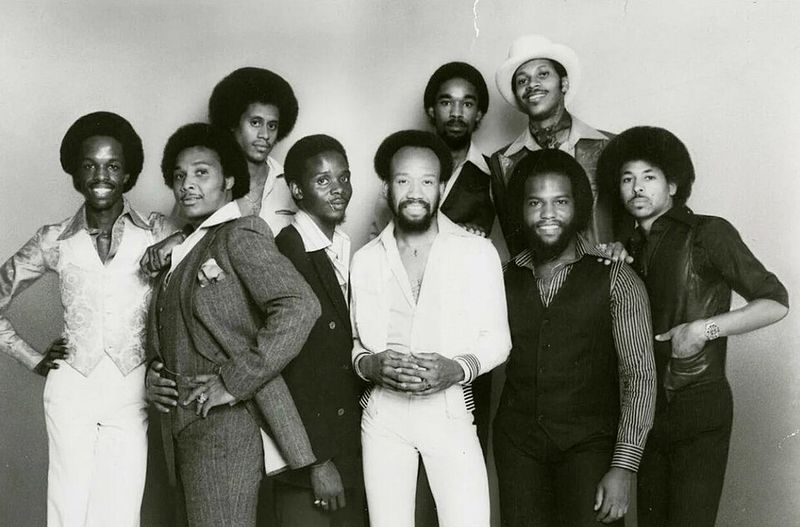
In 1978, Earth, Wind & Fire took what was already a horn-driven Beatles track and supercharged it with their signature brass-and-groove magic.
Their disco-funk arrangement became a massive hit in its own right, reaching the top ten and introducing the song to a whole new generation.
The production sparkles with layers of horns, strings, and that unmistakable EWF energy that makes everything feel like a celebration.
6. Elton John with John Lennon — Lucy in the Sky with Diamonds
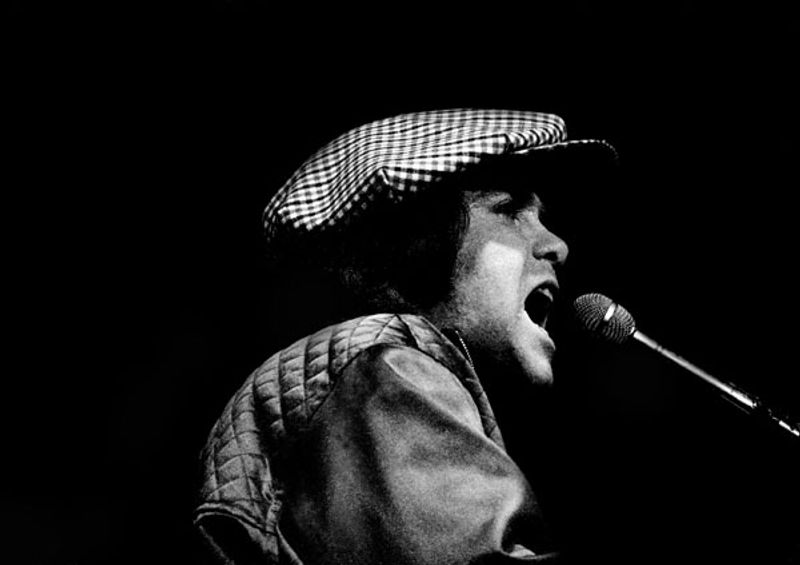
The glam-rock arrangement stripped away some of the psychedelic weirdness and replaced it with straightforward piano-driven pop that topped the US Billboard chart.
Having one of the song’s original writers playing guitar on your cover adds a seal of approval that few artists ever receive.
The recording became Elton’s first number-one hit in over a year and proved that Beatles psychedelia could translate into mid-seventies mainstream pop.
7. Siouxsie and the Banshees — Dear Prudence

A post-punk reimagining turned the Beatles’ gentle invitation into something haunting and hypnotic.
Their version stripped away the fingerpicking delicacy and replaced it with swirling guitars and Siouxsie’s commanding vocals that made the song feel urgent and mysterious.
The cover peaked at number three on the UK singles chart, becoming the band’s biggest commercial success.
Producer Mike Hedges helped craft a sound that honored the original’s melodic beauty while drenching it in eighties atmosphere.
8. Otis Redding — Day Tripper
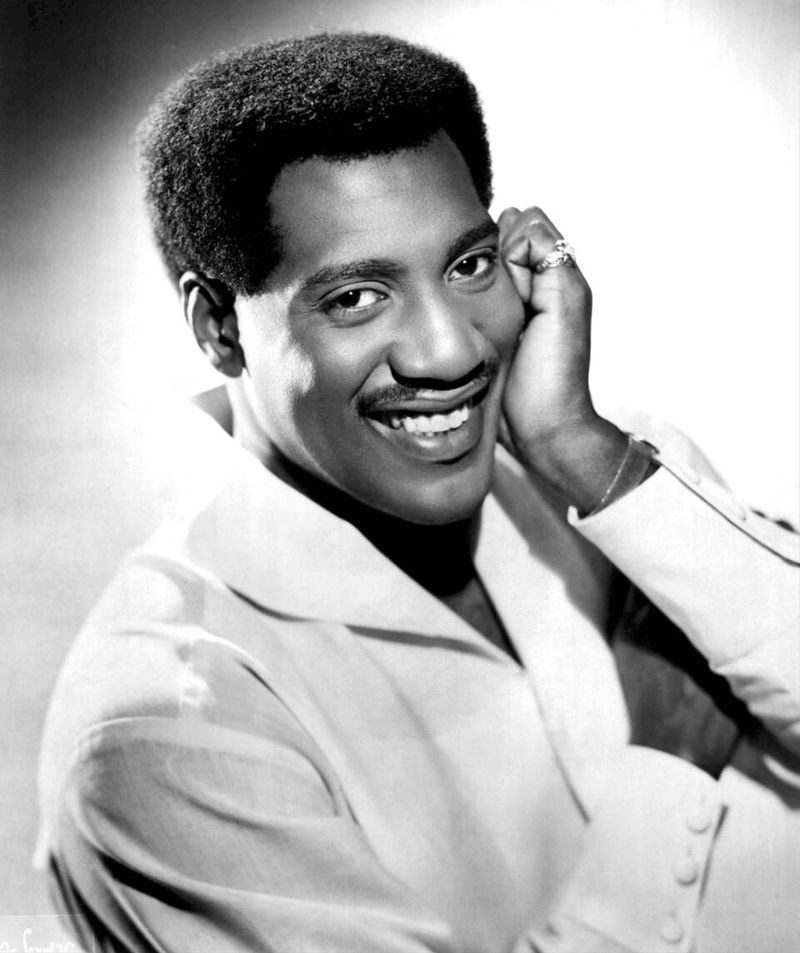
Redding grabbed the Beatles’ guitar-driven rocker in 1966 and transformed it into a Southern-soul stomp dripping with swagger.
His version slowed the tempo slightly but added horn punches and that unmistakable Otis vocal intensity that made everything he touched feel more urgent.
The arrangement proves that even the Beatles’ most rock-oriented material could survive a complete genre transplant.
9. Sergio Mendes & Brasil ’66 — The Fool on the Hill
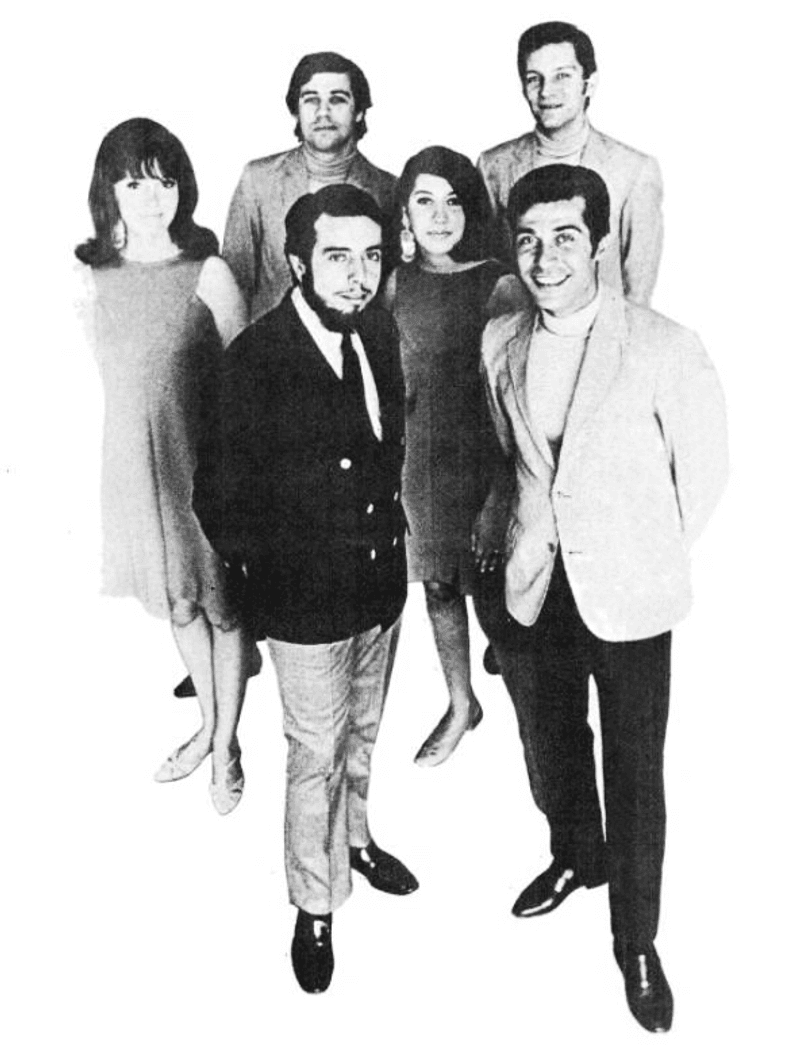
Can you imagine a Beatles ballad being turned into a breezy bossa-pop elegance?
This arrangement added Brazilian rhythms, gentle percussion, and Lani Hall’s dreamy vocals that made the song feel like a sun-drenched afternoon rather than a melancholy meditation.
The production showcases Mendes’ genius for taking American and British pop and filtering it through Brazilian musical traditions.
It’s like the song went on vacation to Rio and decided never to come home.
10. Al Green — I Want to Hold Your Hand
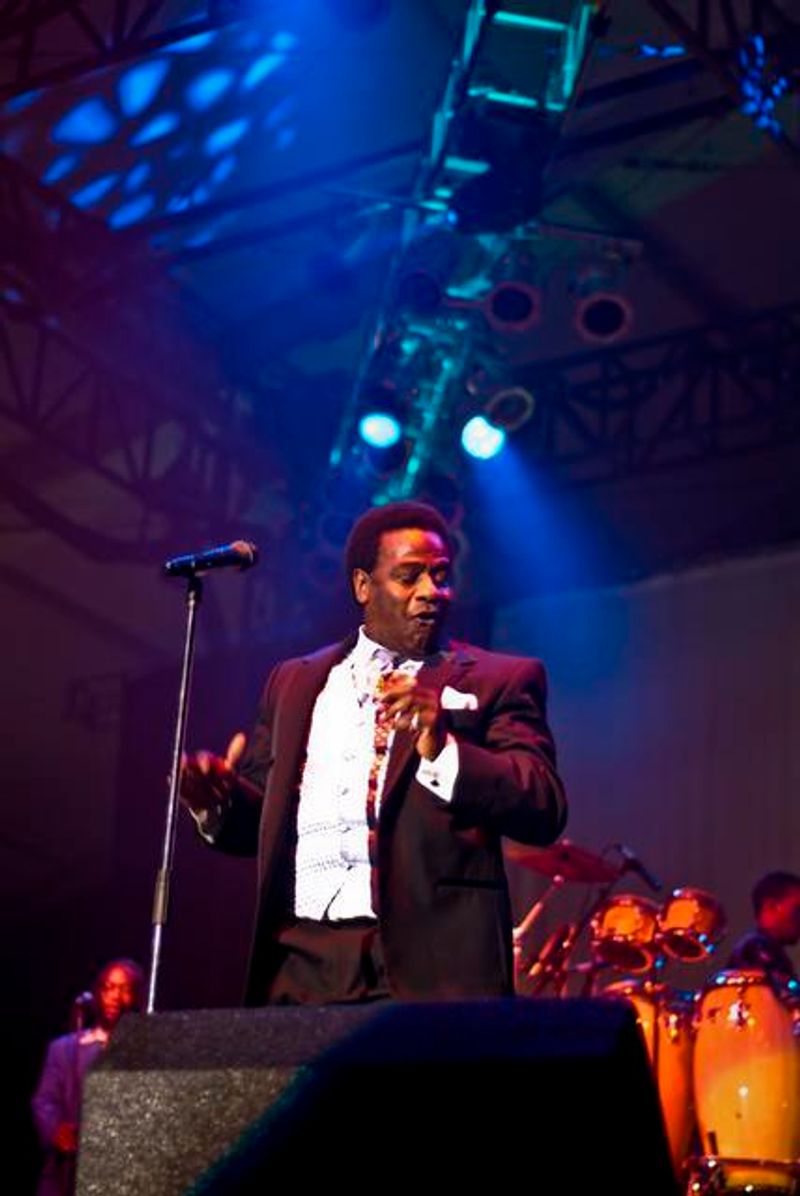
This late-sixties take on the Beatles’ breakthrough hit completely flipped the song’s innocent energy into something silky and sensual.
Green’s trademark falsetto and slow-burning arrangement transformed teenage excitement into desire, proving that the same words could mean completely different things in different hands.
The production strips away the jangly guitars and replaces them with smooth soul instrumentation that makes every word feel intimate.
11. Esther Phillips — And I Love Him
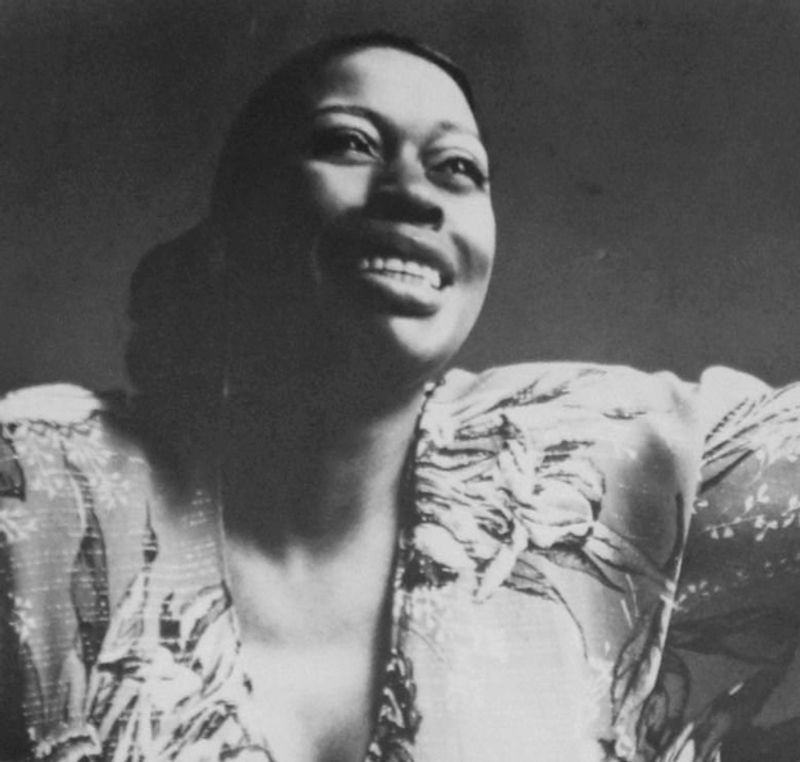
Her version changed “her” to “him” and added a bluesy sophistication that made the simple love song feel more complex and lived-in.
The arrangement features understated jazz instrumentation that gives Phillips room to showcase her incredible vocal control.
This early cover helped open the door for countless soul artists to explore the Beatles catalog.
12. Nina Simone — Here Comes the Sun
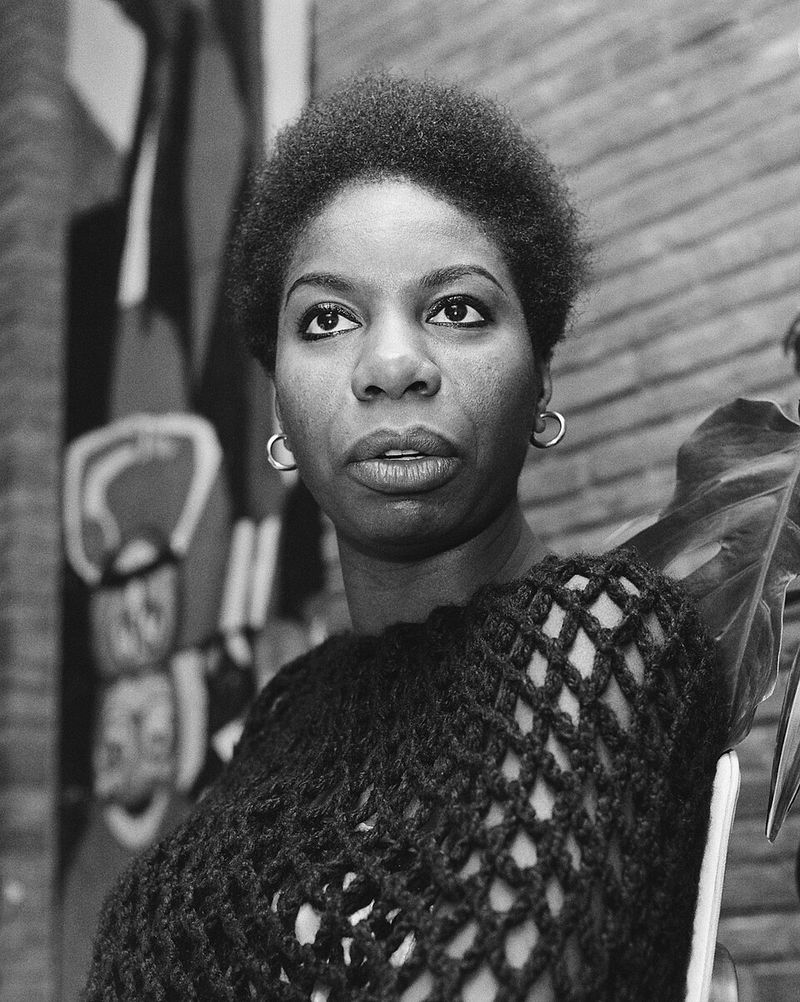
Simone’s early seventies version transformed George Harrison’s joyful celebration into a slow-burn meditation on hope and survival.
The piano work created space between the notes that made every word feel weighted with meaning. Simone’s vocal delivery adds gravitas that suggests she’s singing about more than just changing seasons – it feels like a statement about endurance and resilience.
13. Aerosmith — Come Together
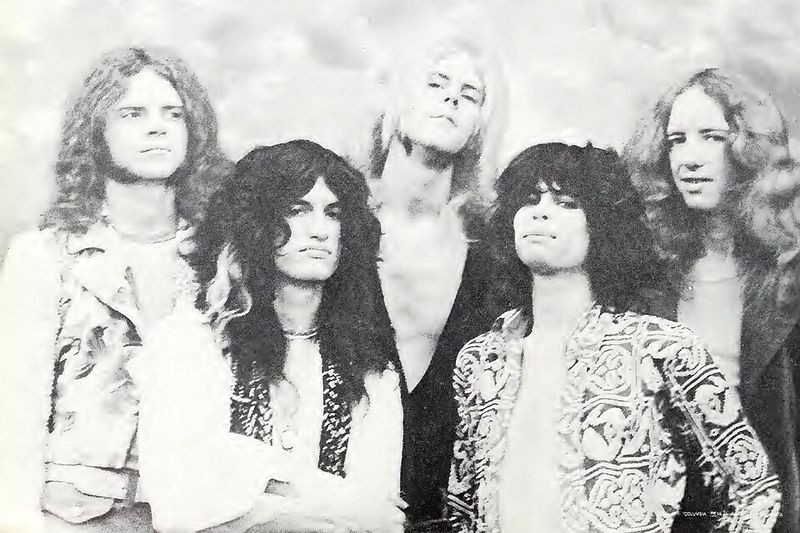
Adding swagger and muscle that made the song feel dangerous, Aerosmith dragged the Beatles’ swampy groove into arena-rock territory in 1978.
The cover appeared in the movie Sgt. Pepper’s Lonely Hearts Club Band and became a rock radio staple that introduced younger audiences to the song.
Joe Perry’s guitar work adds bite that complements rather than copies the original’s vibe.
14. Fats Domino — Everybody’s Got Something to Hide Except Me and My Monkey
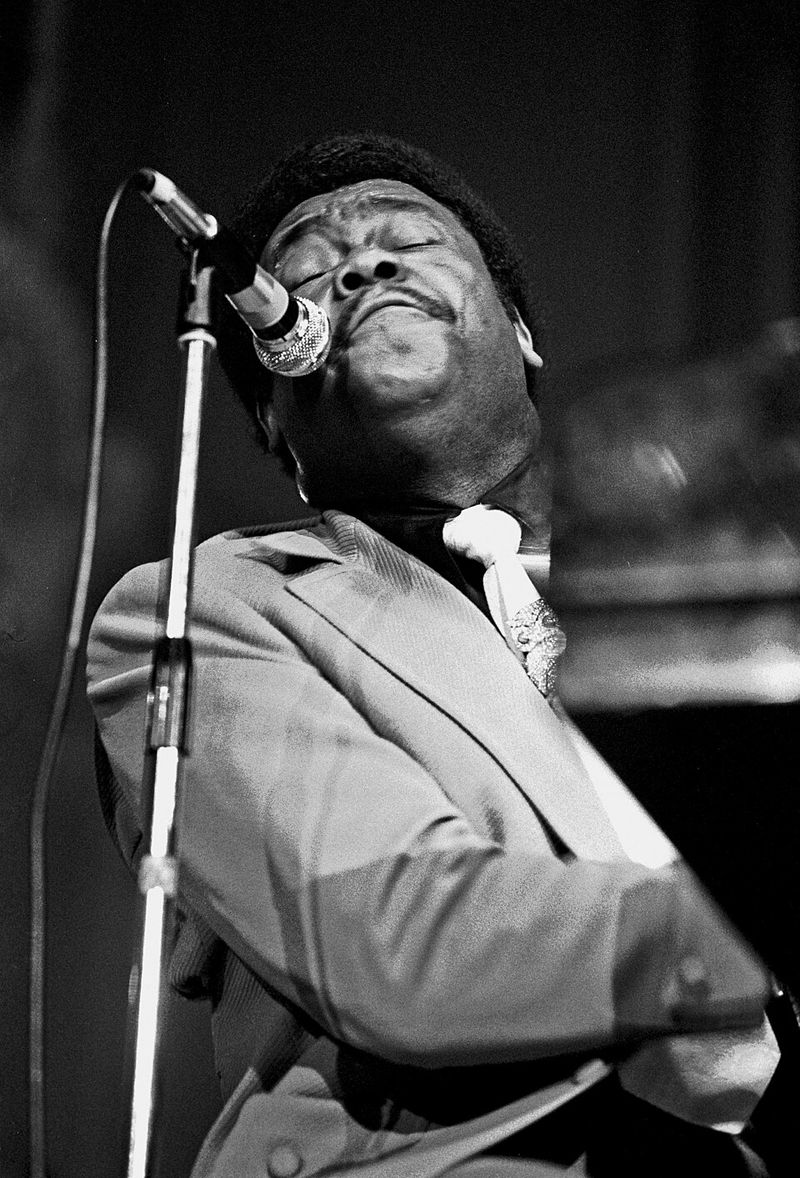
The New Orleans legend took one of the Beatles’ most chaotic White Album tracks and filtered it through his signature boogie-woogie style in 1969.
Domino’s rolling piano and laid-back delivery somehow tamed the song’s manic energy while keeping its playful spirit completely intact.
Hearing Fats Domino – one of rock and roll’s founding fathers – covering the Beatles creates a beautiful full-circle moment in music history.
15. Richie Havens — Here Comes the Sun
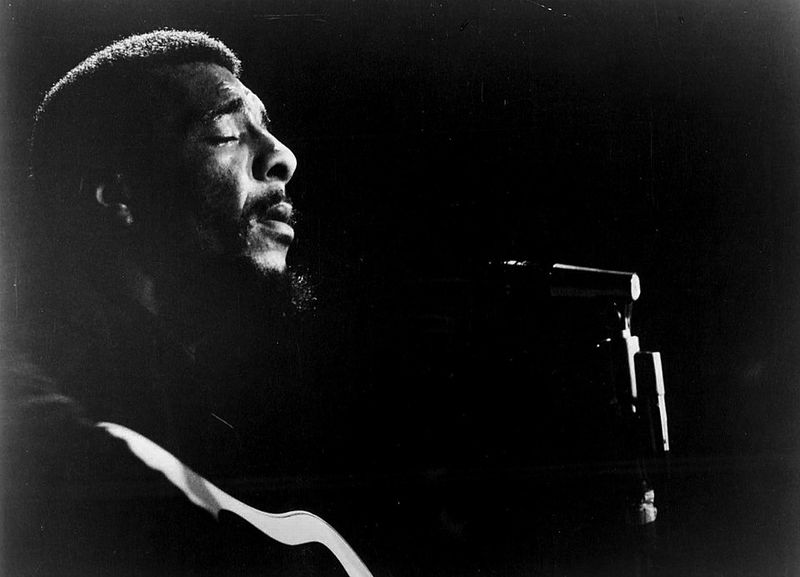
Havens’ 1971 folk-soul interpretation built the song around rhythm and uplift, his distinctive open-tuned guitar creating a hypnotic foundation.
The arrangement extends certain sections, giving Havens space to explore the melody’s emotional possibilities through repetition and variation.
This version showcases how a solo acoustic performance can rival any full-band production when the artist brings enough passion and personality to the table.
16. Ike & Tina Turner — Come Together
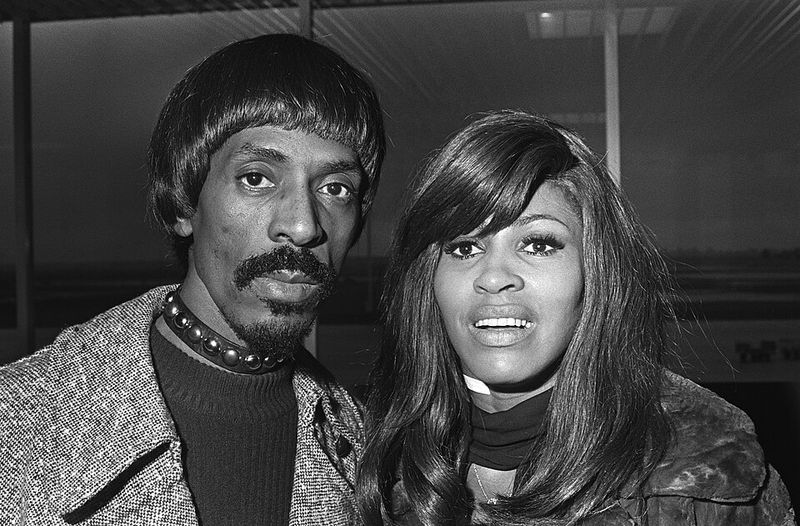
Grabbing Lennon’s funky groove in 1969, the Turners cranked up the danger factor until the song felt genuinely threatening.
Tina’s powerhouse vocals and the band’s raw, kinetic arrangement transformed the original’s cool swagger into something that sounds like it might explode at any moment.
Their version strips away any remaining psychedelic weirdness and replaces it with pure adrenaline and attitude. The production feels live and immediate, capturing the energy of their legendary stage performances.
17. Booker T. & the M.G.’s — Something
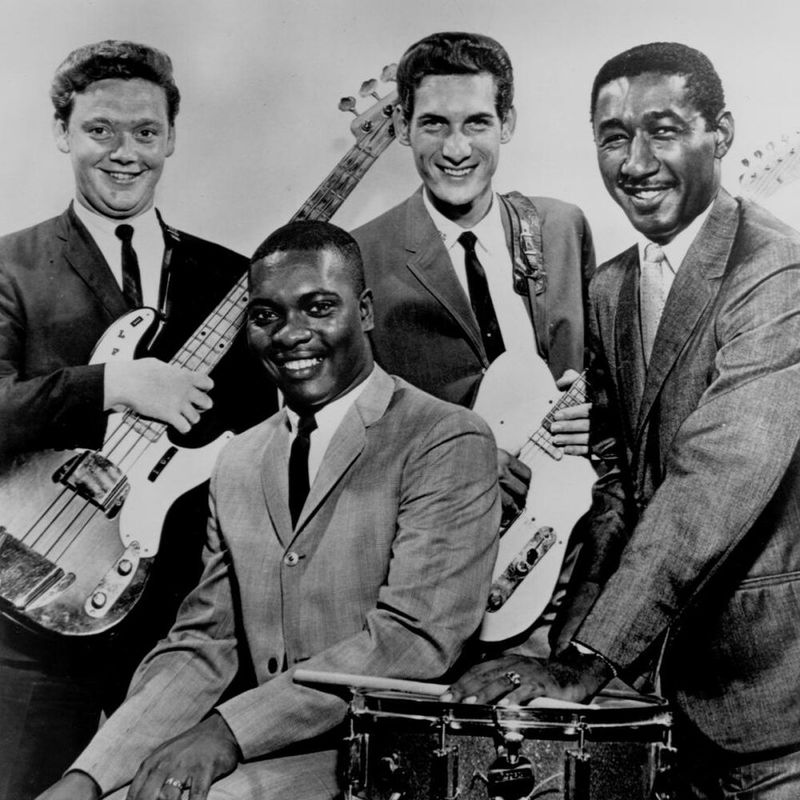
The Stax greats transformed Harrison’s love song into an instrumental soul masterpiece around 1969-70.
Their version proves that great melodies don’t need words when you have musicians this talented, with Booker T.’s organ and Steve Cropper’s guitar creating conversations that say everything.
Every instrument gets space to breathe and contribute to the emotional narrative.
18. Little Richard — I Saw Her Standing There
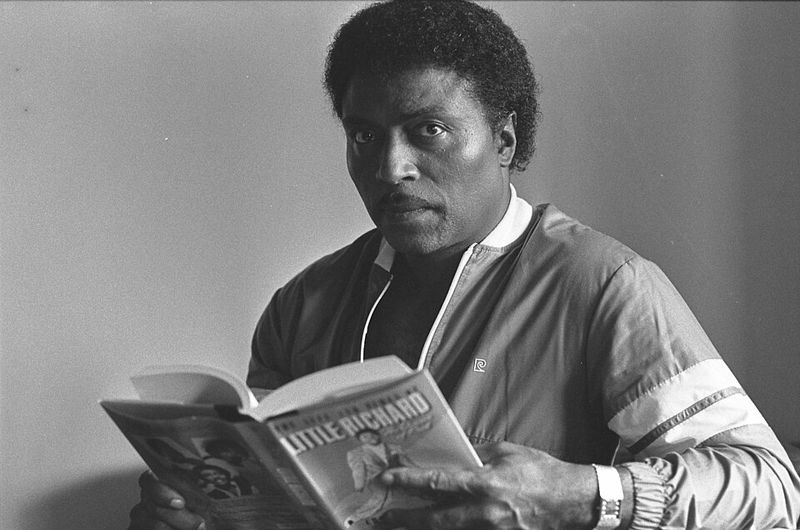
In 1970, one of rock and roll’s founding architects tore into the Beatles’ early rocker with the explosive energy that influenced the Fab Four in the first place.
Little Richard’s version feels like the song coming home, his trademark screams and piano pounding adding chaos that makes the original seem almost polite.
Richard’s performance reminds everyone that the Beatles themselves were heavily influenced by his style, making this cover feel like a master reclaiming his territory.