Every Creature From The Black Lagoon Ranked From Chilling To Legendary
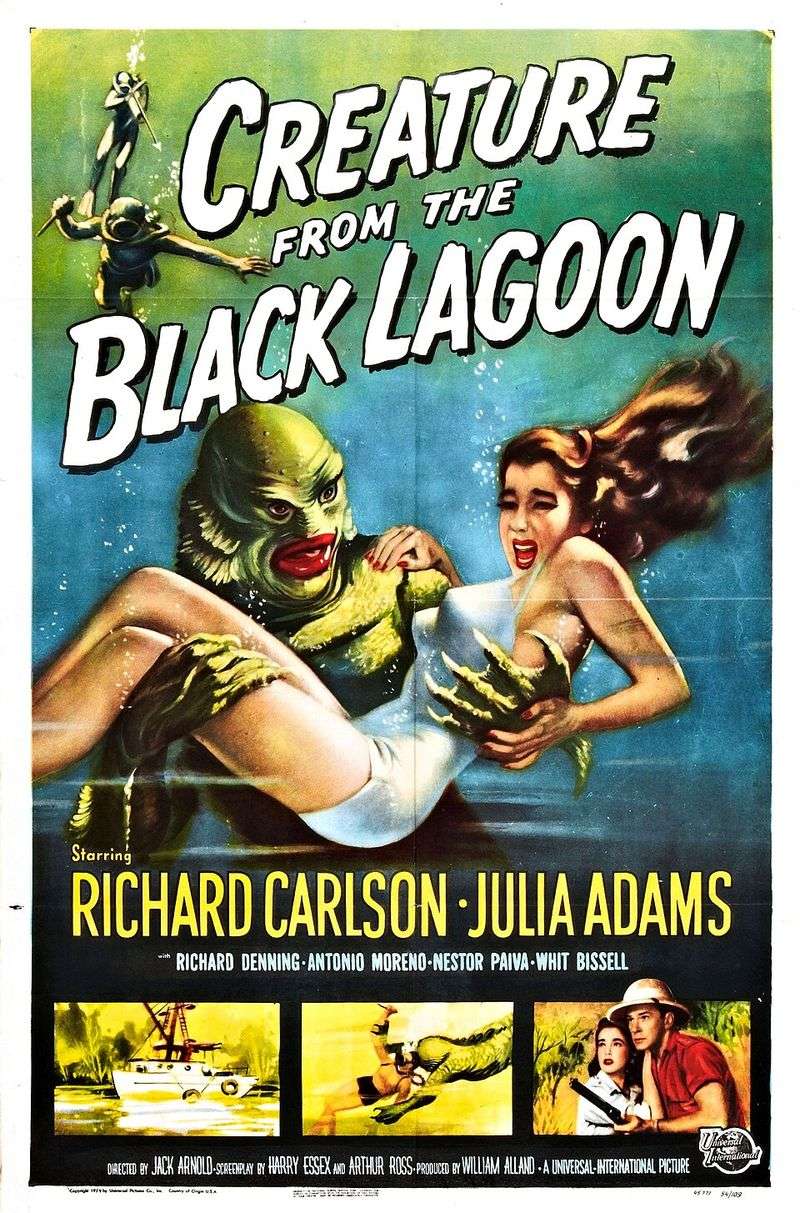
Few monsters have captured our imaginations quite like the Gill-Man from the murky depths of the Amazon. Since 1954, this prehistoric creature has been lurking in our nightmares and thrilling audiences with its unique blend of horror and sympathy.
From the original classic to its sequels and reimaginings, every appearance of this amphibious icon brings something different to the surface, whether it’s pure terror or unexpected heart.
1. The Gill-Man’s First Victim Attack Scene
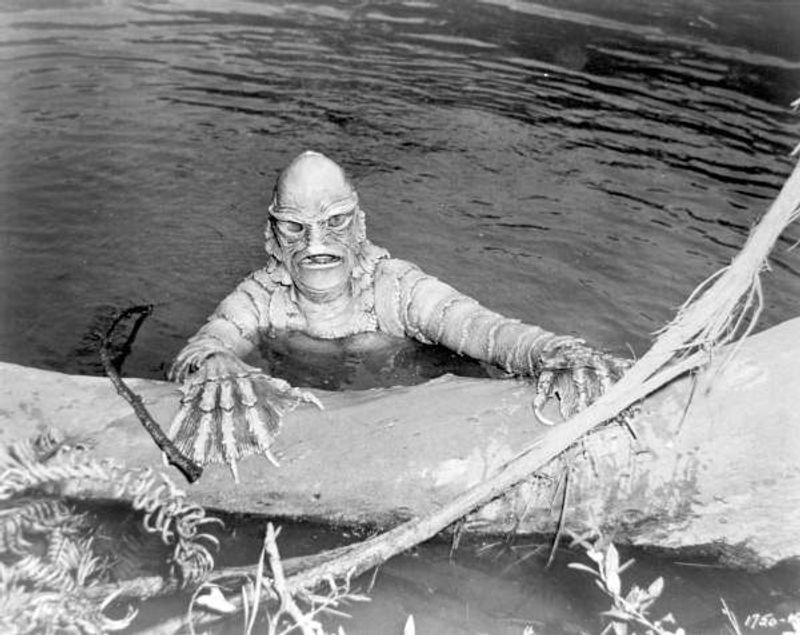
When the expedition’s crew member meets his watery doom, viewers get their first taste of what the Gill-Man can do. The underwater cinematography creates an atmosphere of dread that still holds up decades later.
This moment establishes the creature as a genuine threat rather than just a curious oddity. The bubbles, the struggle, the clawed hand emerging from darkness—it’s horror filmmaking at its finest.
Though brief, this scene set the template for countless underwater monster attacks that followed.
2. The Gill-Man’s Lair Discovery
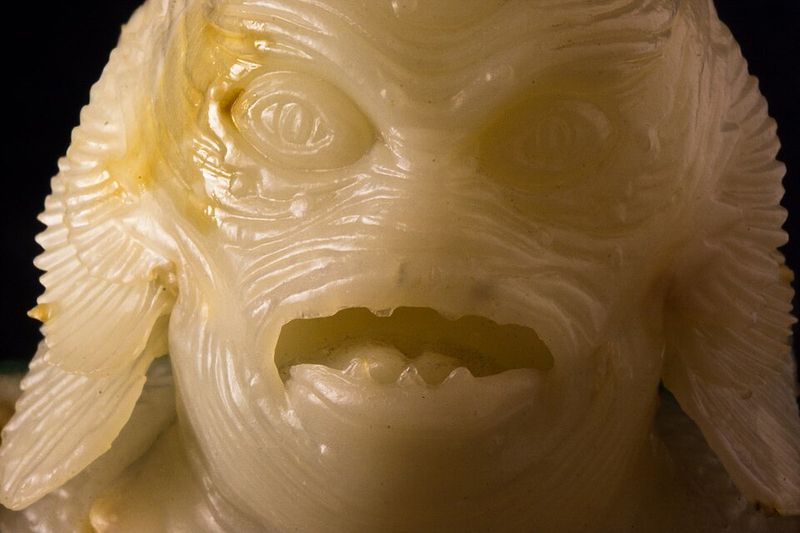
Deep within the lagoon lies a grotto that serves as the creature’s home, and discovering it feels like stumbling into another world entirely. The set design transforms a simple cave into something primordial and haunting.
Explorers find themselves in a space that time forgot, where ancient bones and eerie stillness suggest countless years of isolation. The atmosphere shifts from scientific curiosity to primal fear in seconds.
This location became iconic, inspiring countless imitators in monster movies for generations to come.
3. The Iconic Underwater Ballet
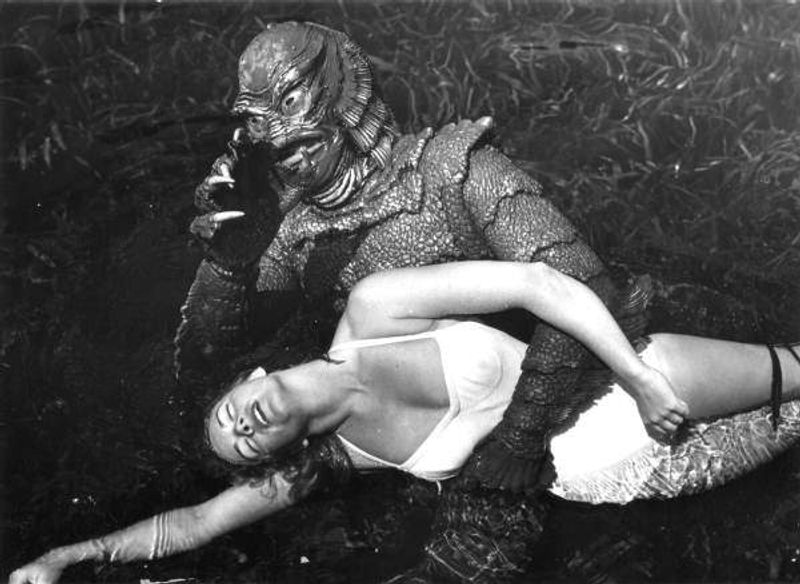
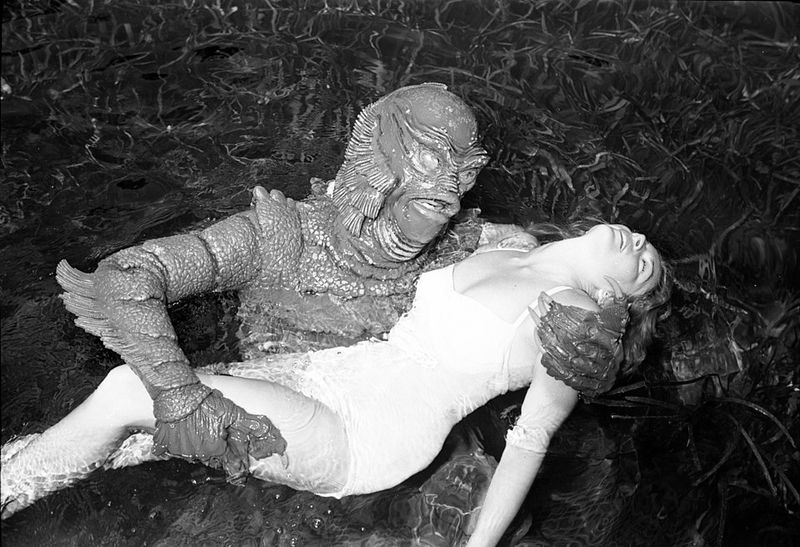
Julie Adams swimming on the surface while the Gill-Man mirrors her movements below creates pure cinematic magic. This sequence transformed the creature from monster to tragic figure in just a few minutes of screen time.
The choreography suggests fascination rather than malice, hinting at the creature’s lonely existence beneath the waves. No dialogue, no violence—just haunting beauty that makes you feel for this misunderstood being.
Film historians often cite this as one of cinema’s most romantic and melancholic moments in horror history.
4. The Gill-Man’s Beach Abduction Attempt
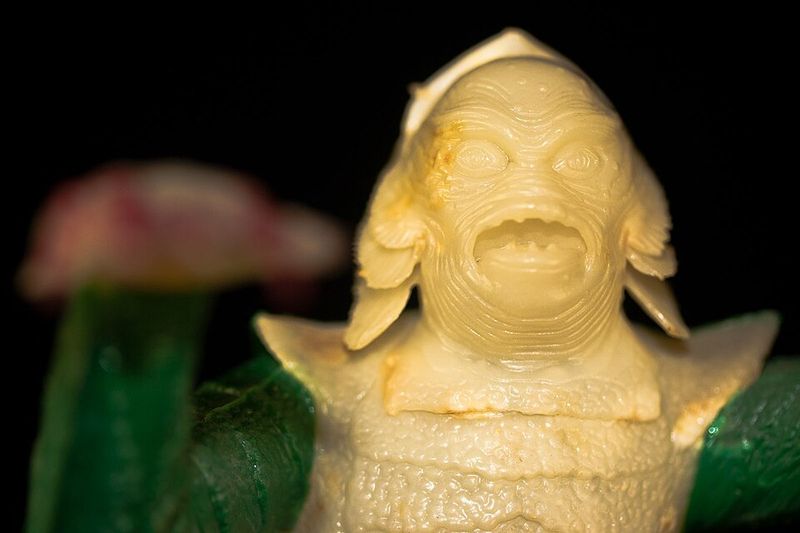
Nothing says classic monster movie quite like the creature emerging from the water to carry away the leading lady. The Gill-Man’s beach scene delivers exactly this timeless trope with style and suspense.
Watching those webbed feet leave the lagoon and step onto land elevates the threat level considerably. Suddenly, nowhere feels safe—not even solid ground away from the water.
The creature’s determination to reach Kay Lawrence showcases both its intelligence and its desperate loneliness in equal measure.
5. The First Fossil Hand Discovery

Before we even meet the living creature, that fossilized webbed hand sets everything in motion. The discovery suggests something extraordinary lived millions of years ago in the Amazon basin.
Dr. Carl Maia’s excitement radiates through the screen as he realizes what he’s found—a link to Earth’s distant past. The fossil serves as a promise of wonders and terrors yet to come.
This opening hook perfectly establishes the film’s blend of scientific adventure and horror, drawing audiences into the mystery immediately.
6. The Gill-Man Trapped in the Nets
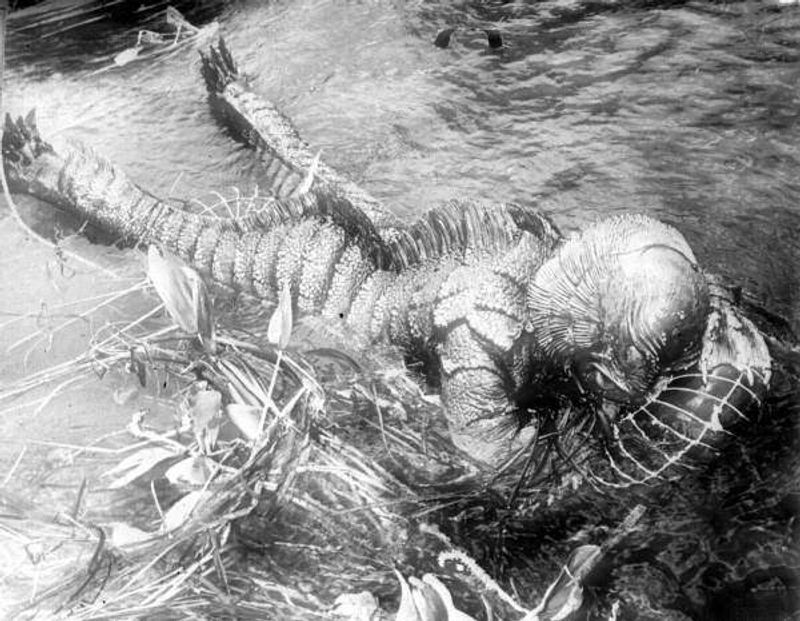
Capturing the creature should feel like a victory, but instead, it becomes one of the film’s most uncomfortable moments. The Gill-Man thrashes desperately in the nets, and suddenly the humans seem like the real villains.
His struggle for freedom mirrors countless animals caught by hunters, making audiences question who deserves sympathy here. The expedition’s scientific goals clash with basic compassion in powerful ways.
When he finally escapes, viewers might actually cheer for the monster rather than the heroes.
7. The Gill-Man’s Final Stand
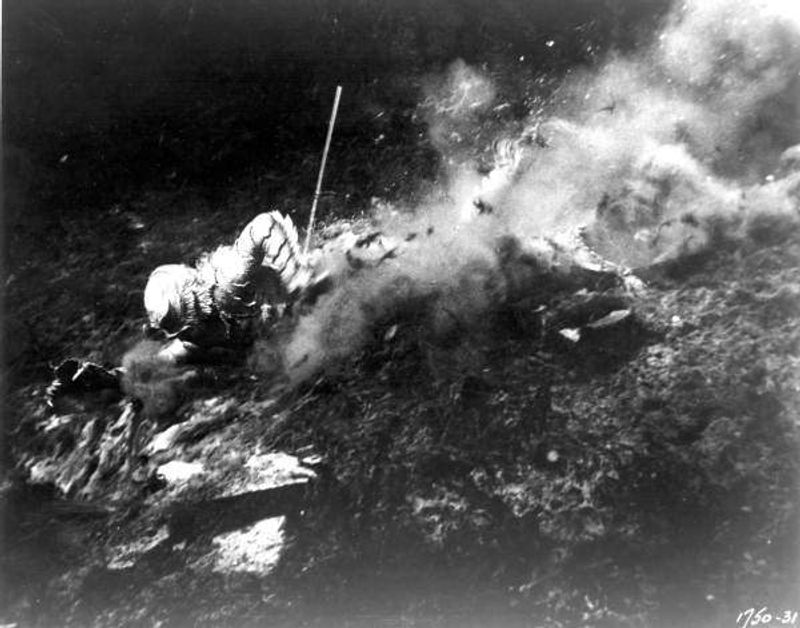
Wounded and desperate, the creature makes his last attempt to claim what he desires before retreating to the depths forever. The climax balances action with genuine pathos as bullets pierce his scaly hide.
Unlike many monster movies where the creature’s death feels satisfying, this ending carries real weight and sadness. The Gill-Man sinks back into his lagoon, possibly dead, certainly defeated.
The ambiguous finale leaves us wondering whether humanity won anything worthwhile or simply destroyed something irreplaceable and ancient.
8. The Gill-Man in Revenge of the Creature
The sequel brought our amphibious friend to Florida, where he faces captivity in a marine park and develops feelings for another human woman. The 1955 follow-up loses some of the original’s mystique but gains sympathetic depth.
Watching the creature perform tricks for crowds feels degrading and sad, turning him into a circus act rather than a mysterious being. His eventual escape and rampage through Jacksonville feel completely justified.
Though less celebrated than the original, this version humanizes the monster in unexpectedly touching ways.
9. The Gill-Man in The Creature Walks Among Us
The third film took bold risks by transforming the Gill-Man through surgery, removing his gills and forcing him to breathe air. This 1956 entry explores themes of identity and belonging through monster movie spectacle.
Stripped of his aquatic nature, the creature becomes a tragic figure caught between two worlds and comfortable in neither. The makeup changes reflect his internal struggle, making him almost unrecognizable.
When he finally returns to the sea in the heartbreaking finale, knowing he’ll drown, it’s genuinely devastating.
10. The Gill-Man’s Costume Design
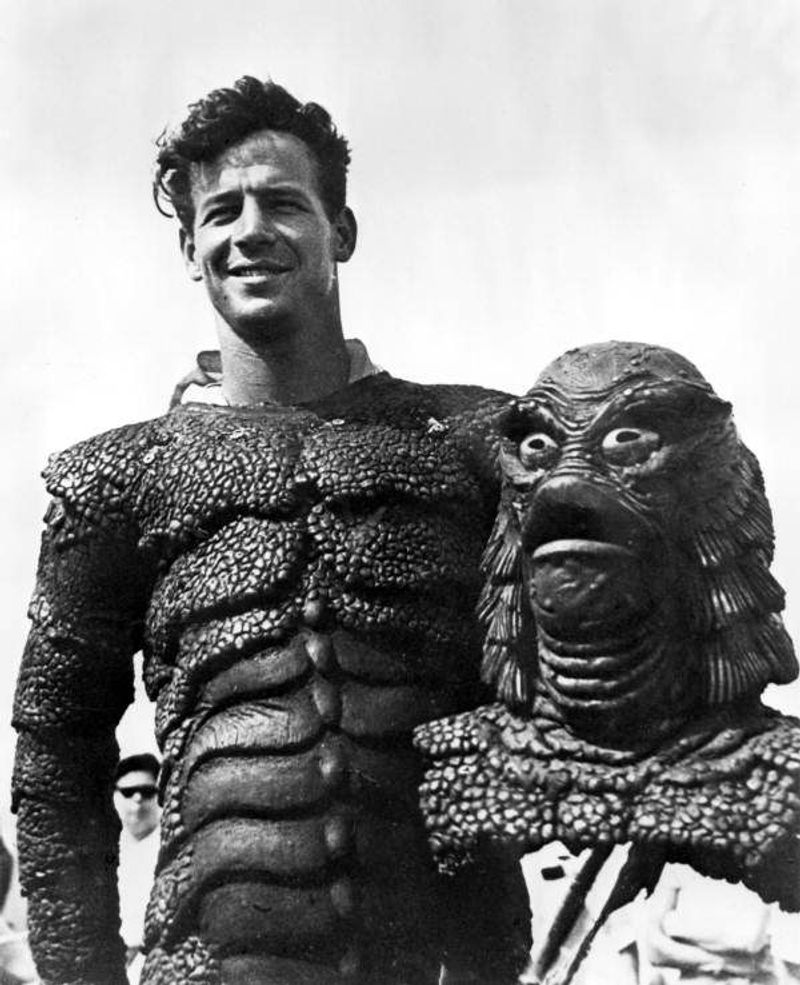
Behind the scenes, the creature required two performers—Ben Chapman on land and Ricou Browning underwater—bringing different skills to the iconic rubber suit. The costume design blended reptilian and amphibian features into something uniquely memorable.
Every scale, fin, and claw was crafted to suggest ancient evolution and aquatic adaptation. The suit weighed considerably but allowed enough mobility for those graceful underwater sequences.
Decades later, the Gill-Man’s look remains instantly recognizable, proving that practical effects and thoughtful design never go out of style.