16 Cult Classic Films That Became Pop Culture Staples
Cult classics rarely start out as obvious giants. Plenty of them arrive quietly, find a small but passionate audience, and then keep growing through rewatches and quotable scenes.
A midnight screening turns into a tradition, a line becomes shorthand, and suddenly a film that once felt niche is everywhere.
What makes that leap interesting is how unpredictable it can be. Sometimes it’s the style, sometimes it’s the soundtrack, and sometimes it’s a character who feels instantly iconic even in a messy movie.
The picks ahead look at cult favorites that didn’t just survive, they became part of the pop culture vocabulary.
1. The Rocky Horror Picture Show (1975)
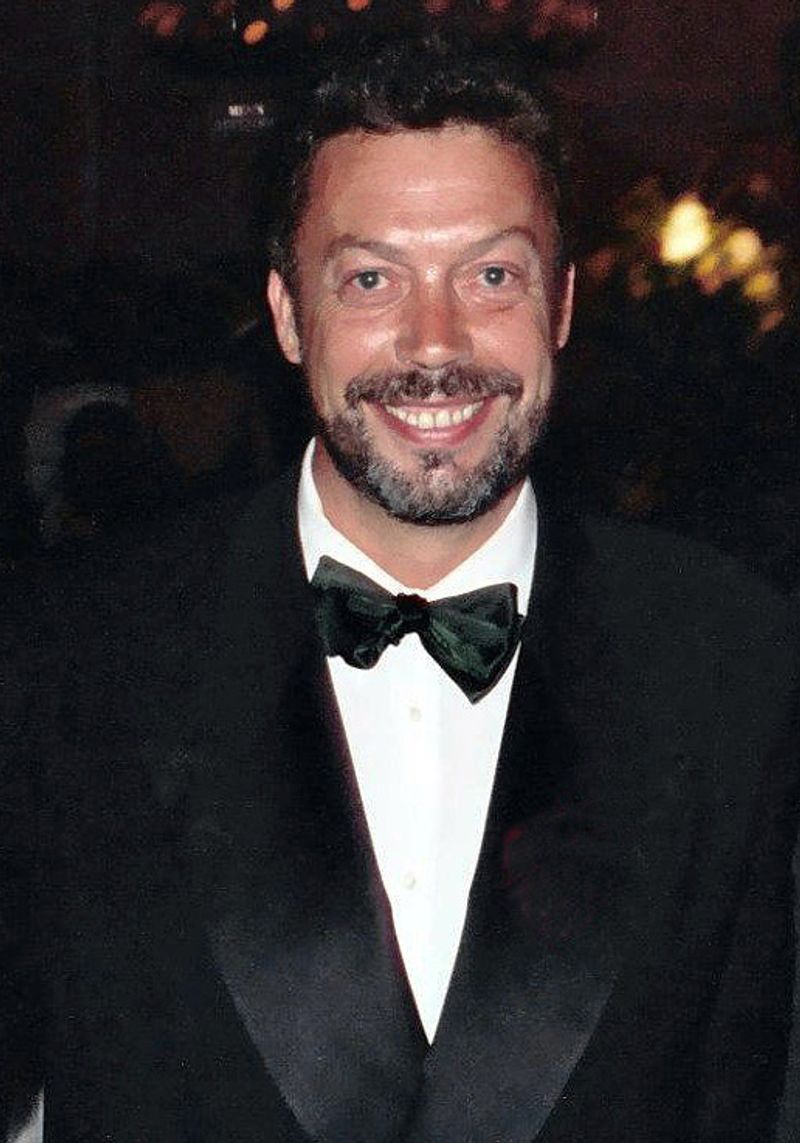
Picture this: a movie theater at midnight, fans dressed as their favorite characters, throwing toast at the screen and shouting callbacks. That’s the magic this musical horror-comedy created.
What started as a box office flop became the ultimate interactive cinema experience.
Tim Curry’s unforgettable performance as Dr. Frank-N-Furter turned this quirky film into a weekly ritual for generations.
Weekly screenings still happen worldwide, proving some movies are meant to be lived, not just watched.
2. Monty Python and the Holy Grail (1975)
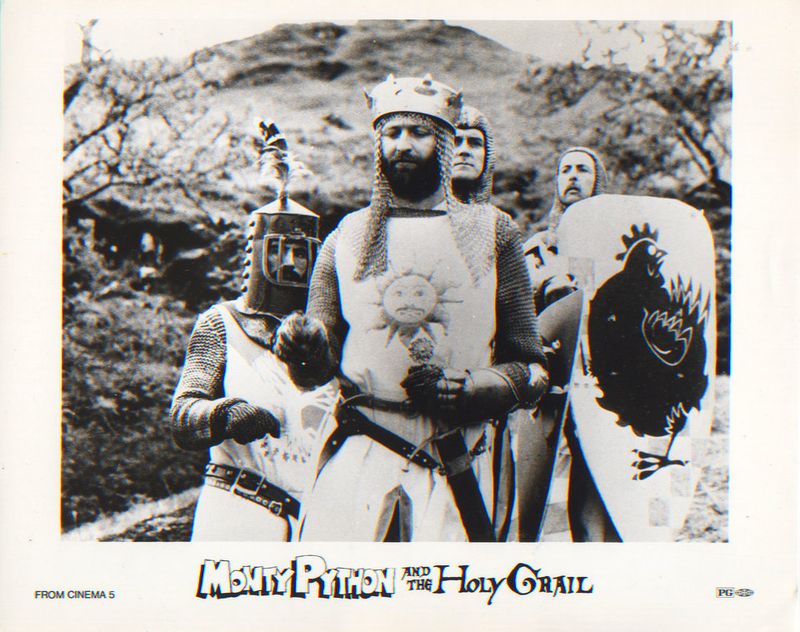
Coconuts as horse hooves? A rabbit? Medieval knights arguing about swallows carrying coconuts? Yep, that’s British comedy gold right there.
The Monty Python troupe created something so brilliantly absurd that people still quote it at random moments.
From “‘Tis but a scratch” to “We are the knights who say Ni,” the lines never get old.
3. The Princess Bride (1987)
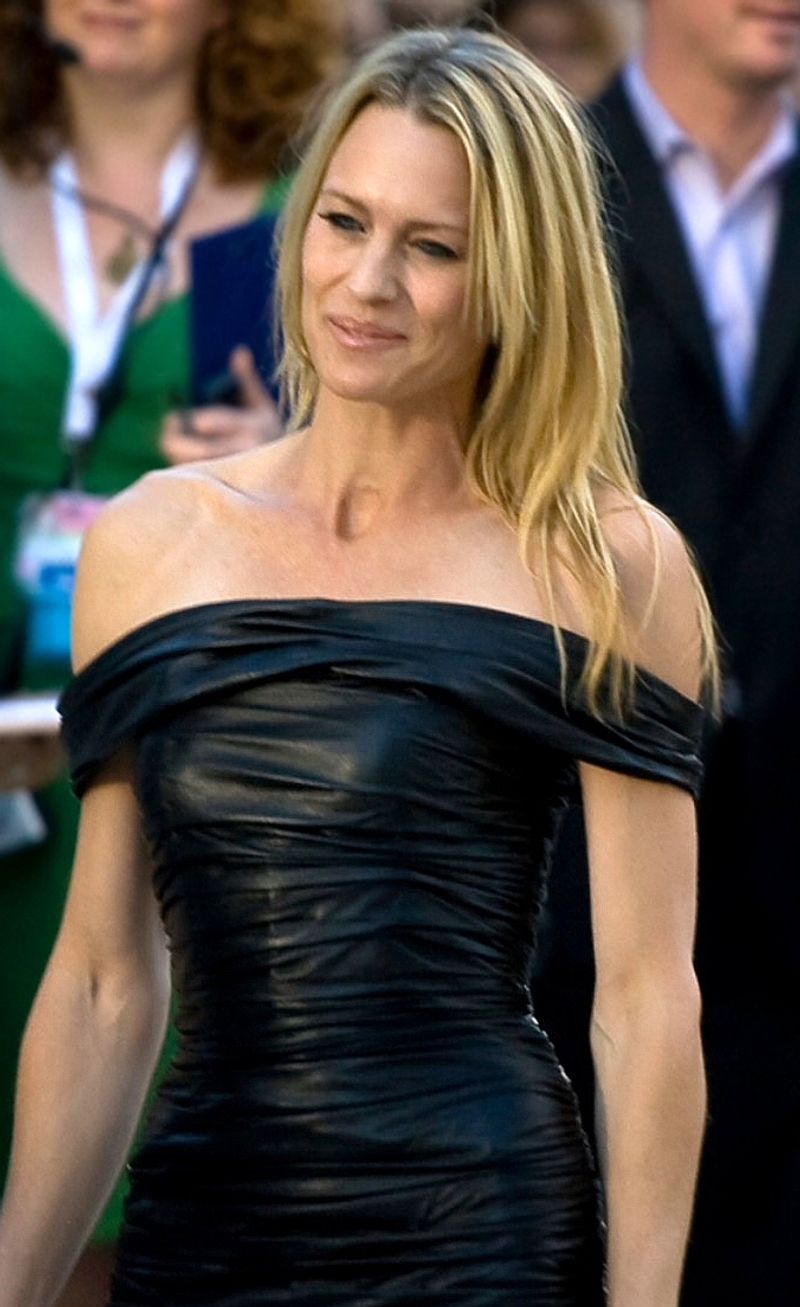
“Inconceivable!” “As you wish.” “Hello, my name is Inigo Montoya.” If these lines make you smile, you’re part of the club.
This fairy tale adventure somehow appeals to literally everyone – kids love the action, adults appreciate the wit, and romantics swoon over the love story.
Director Rob Reiner created something genuinely timeless that families watch together across generations.
Fencing, fighting, revenge, giants, chases, escapes, true love, miracles – it’s got everything, basically.
4. This Is Spinal Tap (1984)
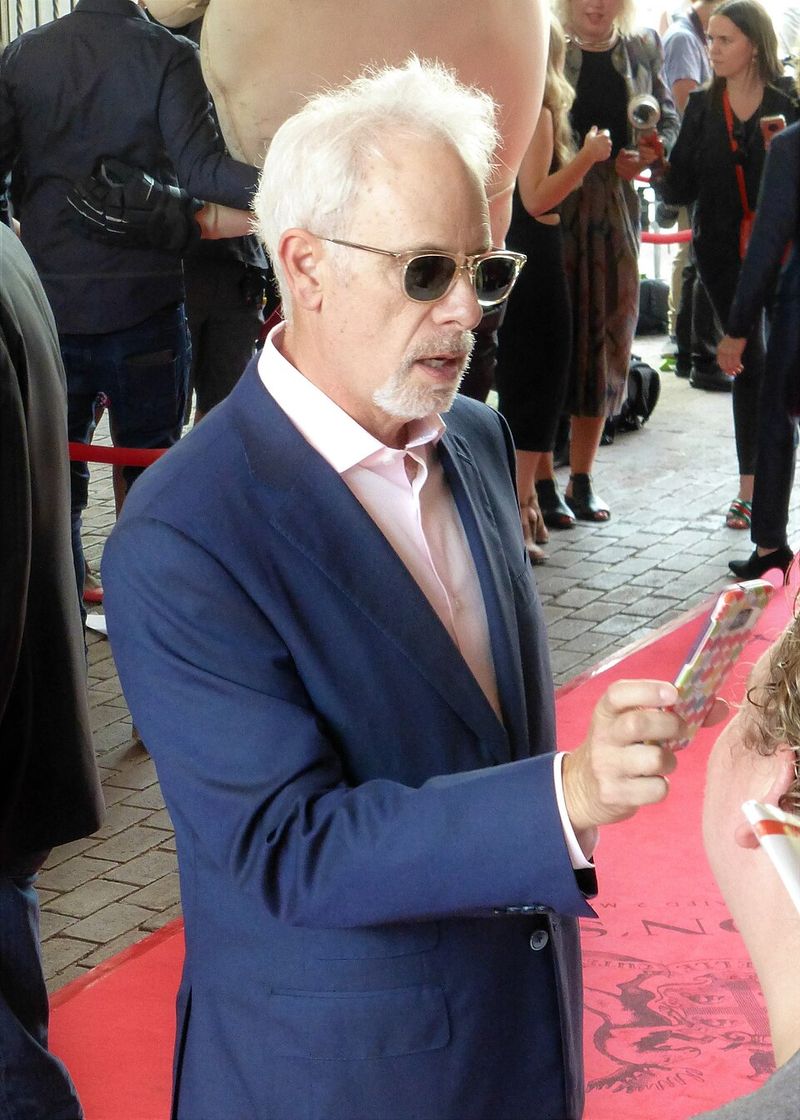
When your amplifier goes to eleven, you know you’re in something special.
Rob Reiner’s mockumentary about a fictional British rock band became the blueprint for every fake documentary that followed.
Musicians watched it and recognized every ridiculous moment from their own experiences.
The improvised dialogue felt so real that some viewers actually thought Spinal Tap was a genuine band with a tragic history.
5. The Big Lebowski (1998)
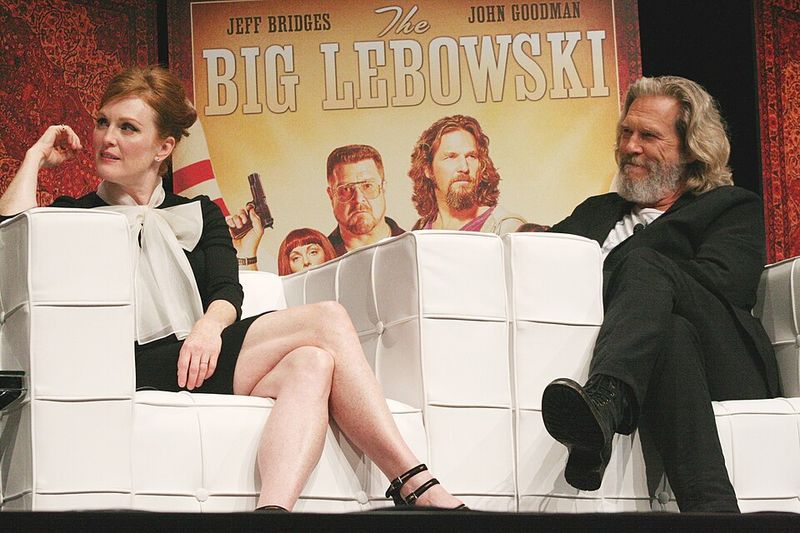
Jeff Bridges shuffling around in a bathrobe, sipping his favorite beverage, just wanting his rug back – sounds simple, but it became a whole lifestyle.
The Dude’s laid-back philosophy resonated with millions who needed to just, you know, abide.
Coen Brothers crafted a comedy so layered that fans host annual festivals celebrating it. Bowling alleys became sacred spaces, and bathrobes turned into legitimate fashion statements.
Honestly, few films capture “go with the flow” quite like this one does.
6. The Blues Brothers (1980)
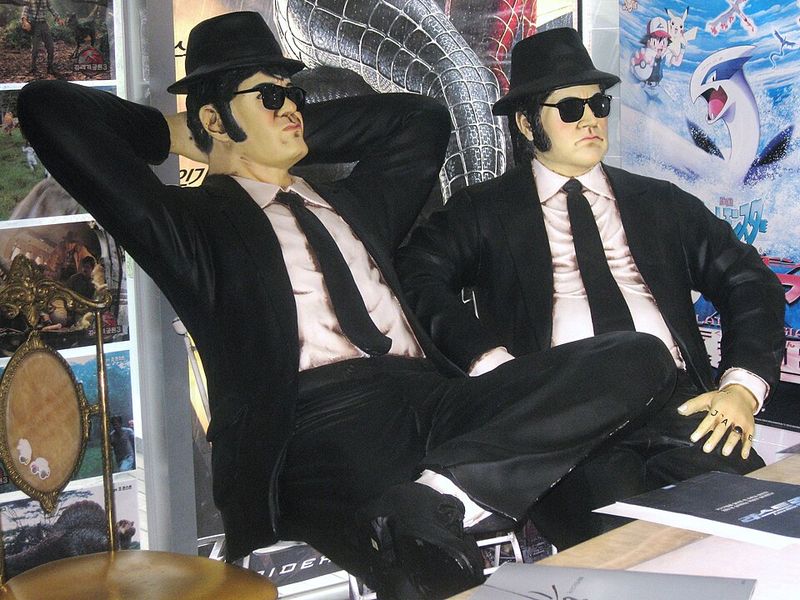
Two guys in matching black suits and sunglasses on a mission from God – what could possibly go wrong? Everything, spectacularly.
John Belushi and Dan Aykroyd created characters so iconic that the suits became Halloween costumes forever.
The car chases destroyed real vehicles by the dozens, and the musical numbers featured actual legends like Aretha Franklin and Ray Charles.
Chicago’s streets never looked cooler, and that’s a fact nobody can dispute, friend.
7. Repo Man (1984)
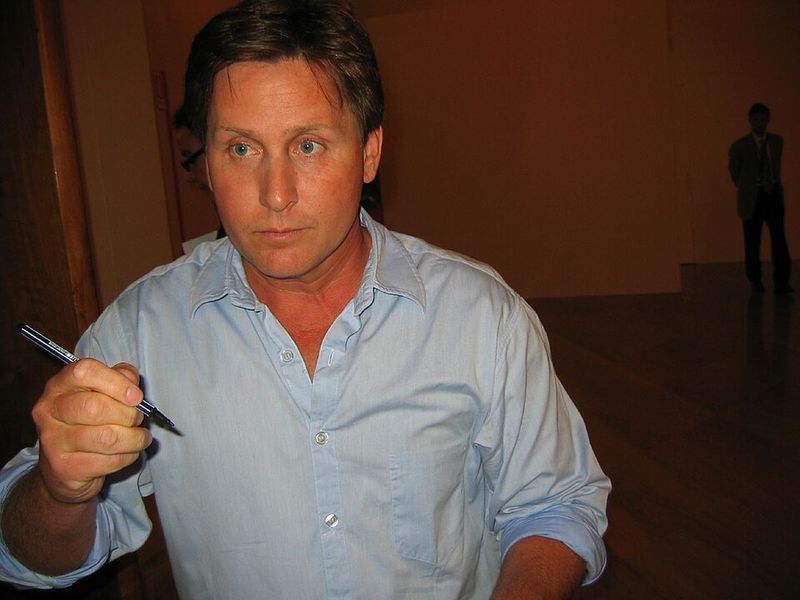
Punk rock attitude meets science fiction weirdness in this Los Angeles adventure that refuses to follow any rules.
Emilio Estevez plays a young punk who stumbles into the bizarre world of car repossession.
The soundtrack became legendary among punk fans, while the absurdist plot kept audiences guessing until the very end.
Generic food products in plain packaging added to the film’s distinctly off-kilter reality.
8. Fight Club (1999)
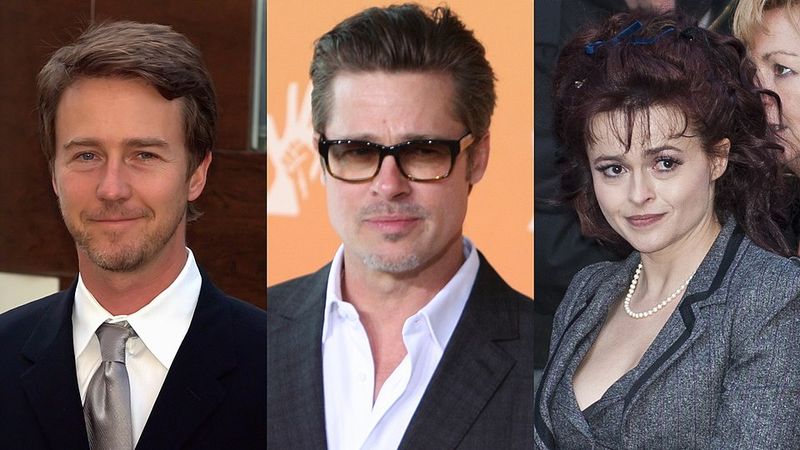
Breaking the first rule constantly, fans couldn’t stop talking about this mind-bending thriller.
Brad Pitt and Edward Norton delivered performances that sparked endless debates about identity, consumerism, and what masculinity really means.
The twist ending left audiences stunned, rewatching obsessively to catch every hidden clue.
Its visual style influenced countless films and music videos that followed.
Whether you loved it or found it controversial, you have to admit you definitely remembered it.
9. A Clockwork Orange (1971)
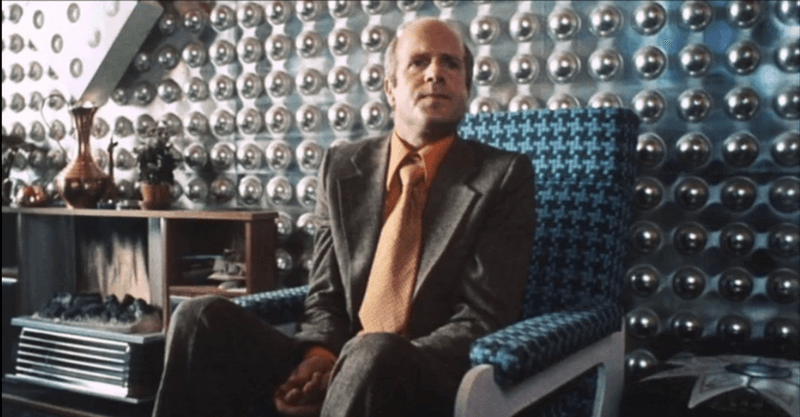
Comfort was never the goal in Stanley Kubrick’s films, and this dystopian nightmare proves it with chilling confidence.
The bowler hat, false eyelash, and white outfit became instantly recognizable symbols of cinematic boldness.
Controversial from day one, it sparked heated discussions about violence, free will, and whether art can go too far.
The distinctive visual style influenced fashion, music videos, and countless filmmakers who came after.
Disturbing? Absolutely. Unforgettable? You better believe it, and that was exactly the point.
10. Donnie Darko (2001)
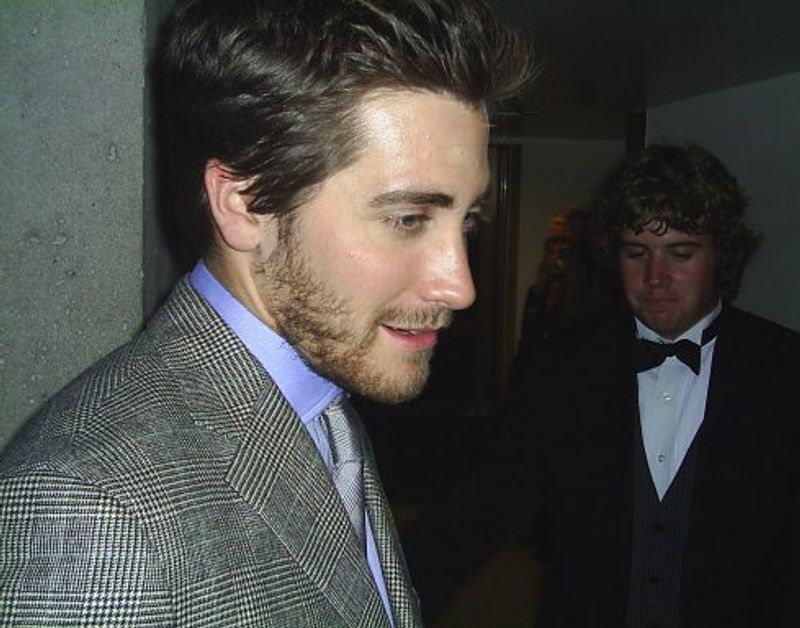
Jake Gyllenhaal’s troubled teen receives visits from a terrifying rabbit predicting the world’s end.
Sounds simple, but this film layers time travel, philosophy, and teenage angst into something endlessly interpretable.
The haunting soundtrack featuring Gary Jules’ “Mad World” became inseparable from the film’s melancholy atmosphere.
Online forums exploded with theories trying to decode every symbol and timeline detail.
Halloween costumes featuring creepy rabbit masks prove this film’s imagery stuck with audiences permanently and deeply.
11. Eraserhead (1977)
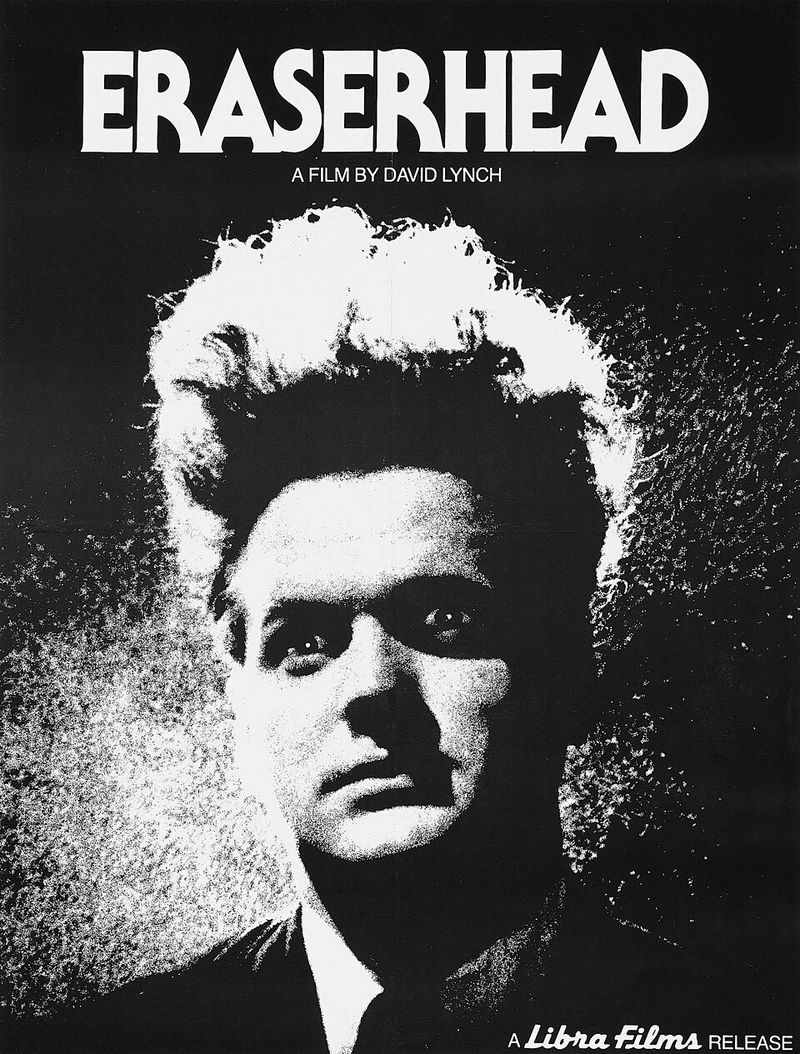
David Lynch’s debut feature is basically a fever dream captured on film.
Shot in grainy black and white, it creates an atmosphere so unsettling that you can’t look away even when you want to.
The bizarre imagery – that hair, that baby, those radiators – defies easy explanation, which is exactly why film students obsess over it.
Some find it terrifying, others find it beautiful, and many find it both simultaneously.
12. Heathers (1988)
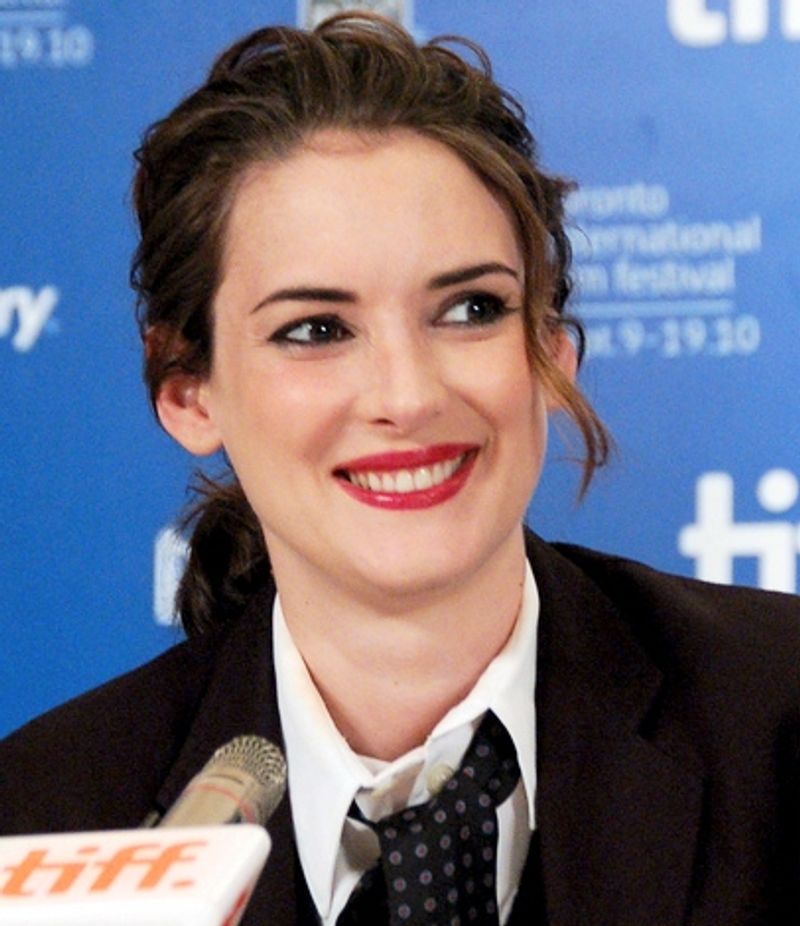
Before Mean Girls, there was this pitch-black comedy that took high school cliques to their darkest extreme.
Winona Ryder and Christian Slater delivered performances that made teen angst look simultaneously glamorous and terrifying.
The sharp dialogue and shocking plot twists influenced an entire generation of dark comedies that followed.
Though controversial, it started important conversations about bullying, popularity, and teenage mental health issues that matter.
13. Office Space (1999)
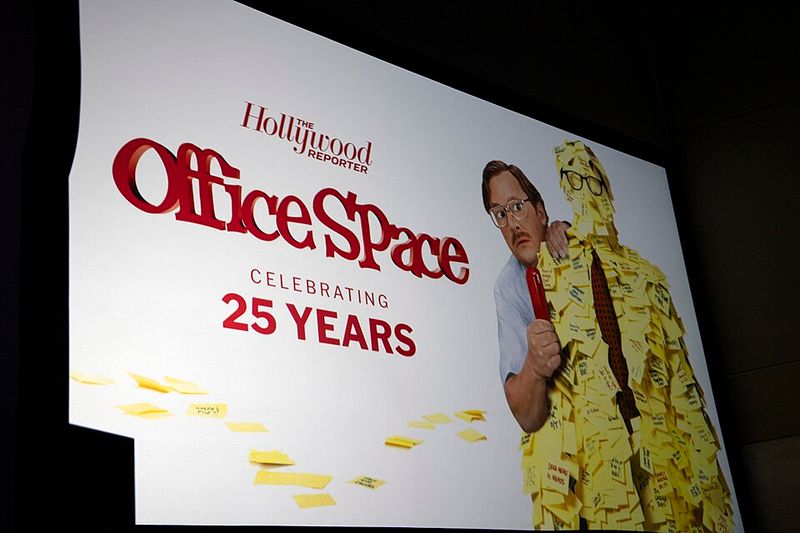
Corporate misery gets captured so perfectly that office workers around the world felt personally called out – in the best way possible.
The printer-smashing scene became cathartic wish fulfillment for anyone stuck in cubicle life.
“Case of the Mondays” entered everyday vocabulary, while TPS reports became shorthand for meaningless bureaucracy.
Ron Livingston’s performance as Peter perfectly embodied workplace disillusionment that millions recognized instantly.
14. Clerks (1994)
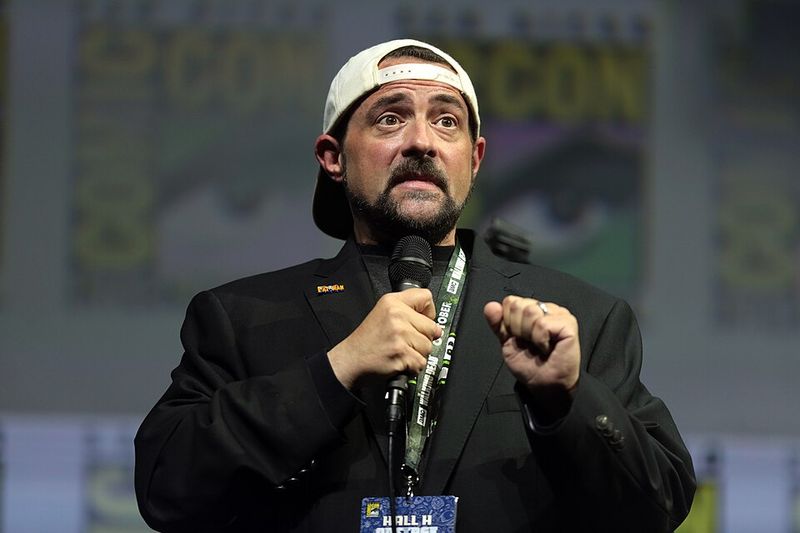
Maxed-out credit cards helped fund this black-and-white comedy, shot in the very convenience store where Kevin Smith worked.
The grainy aesthetic and talky dialogue felt refreshingly real compared to polished Hollywood productions.
Dante and Randal’s philosophical debates about everything from relationships to Star Wars resonated with slacker culture everywhere.
The film proved you didn’t need expensive equipment or famous actors to tell compelling stories.
15. The Room (2003)
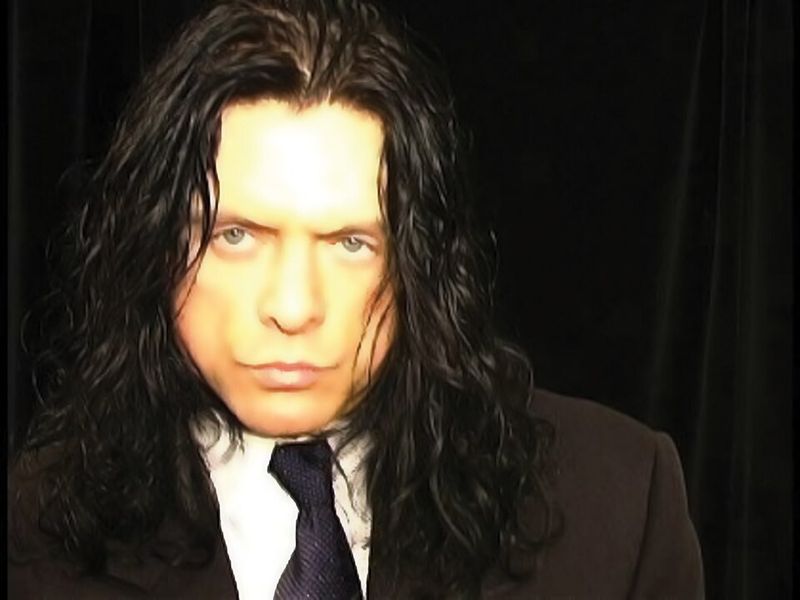
Tommy Wiseau’s passion project became famous for being spectacularly, fascinatingly terrible.
Yet audiences couldn’t stay away – they kept coming back, bringing friends to share the bewildering experience.
Midnight screenings turned into participatory events where fans throw plastic spoons at the screen and shout responses to the bizarre dialogue.
The mystery surrounding Wiseau himself only added to the film’s legendary status among bad-movie enthusiasts.
16. The Warriors (1979)
A stylized New York City takes over the screen, with street gangs ruling the night in theatrical flair.
Each gang sports distinctive outfits – from baseball uniforms to roller skates – turning the city into a dangerous fashion show.
The simple plot of getting home safely across hostile territory became an odyssey filled with memorable confrontations.
“Warriors, come out to play” remains one of cinema’s most chilling taunts, delivered with creepy perfection.