5 Must-Watch Cult Films Set In Sicily That Belong On Every Film Lover’s List
Sicily carries a cinematic presence that feels almost impossible to replicate. Sunlit coastlines, weathered stone streets, and volcanic silhouettes create a backdrop that naturally pulls stories to life.
Filmmakers have long been drawn to its atmosphere, finding inspiration in its textures, its rhythm, and the quiet intensity woven into everyday scenes. Cult films set in this Mediterranean setting stand apart for their ability to merge striking visuals with layered storytelling.
Characters feel deeply human, often navigating themes of family, power, and identity against landscapes that amplify every emotion. The result is a viewing experience that lingers long after the screen fades to black.
Certain titles reshaped how audiences view cinema, pushing boundaries and redefining genres along the way. The influence continues to echo, inspiring new generations of filmmakers and film lovers alike.
Ready to experience the magic? Press play on these unforgettable cult classics and discover why Sicily remains one of cinema’s most captivating backdrops.
1. The Leopard (1963)
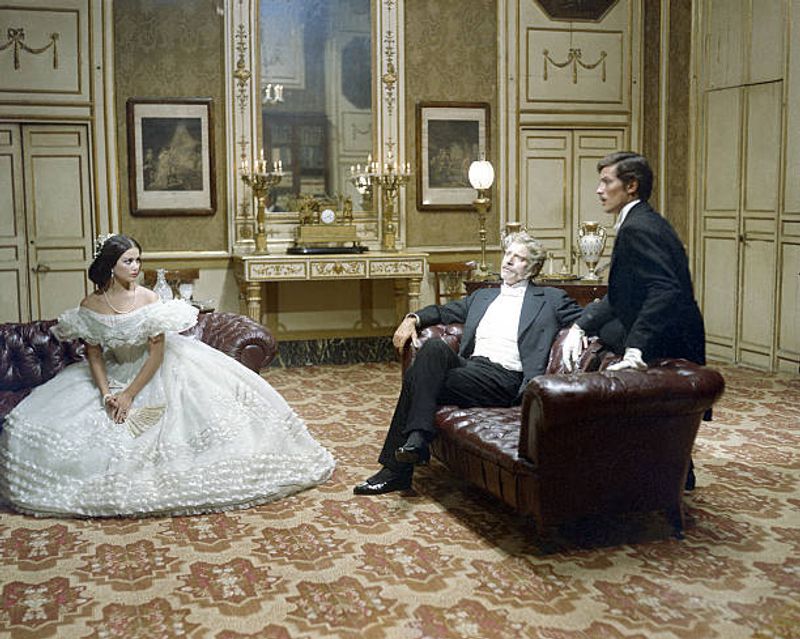
Burt Lancaster commands every frame of Luchino Visconti’s sweeping historical epic like a man who knows the world is changing and refuses to flinch. Set during the 1860s unification of Italy, the story follows an aging Sicilian prince watching his aristocratic world crumble around him.
Claudia Cardinale and Alain Delon light up the screen alongside Lancaster in a film so visually rich it practically drips gold. Visconti spent an enormous budget recreating authentic 19th-century Sicilian interiors, and every lira shows.
Cannes awarded it the Palme d’Or in 1963. Watching it feels less like cinema and more like stepping into a painted masterpiece.
2. Cinema Paradiso (1988)
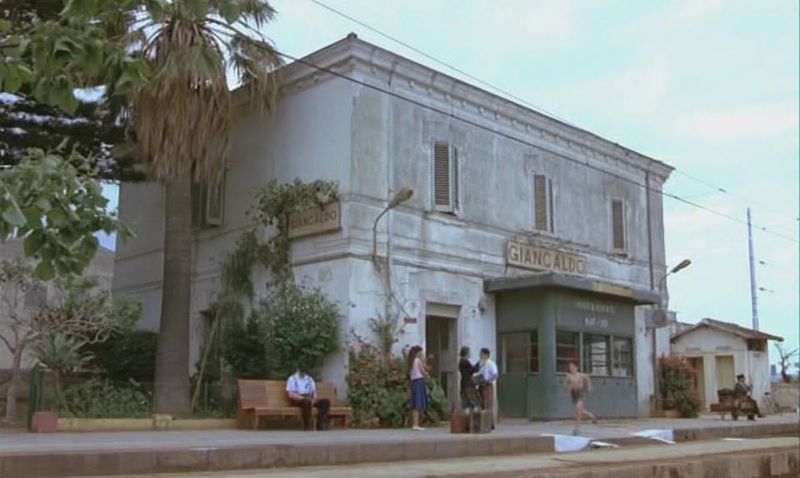
Giuseppe Tornatore’s love letter to cinema is so emotionally devastating, so achingly beautiful, it has reduced even the toughest critics to absolute tears. A young boy named Salvatore grows up in a tiny Sicilian village where the local movie theater is basically the heartbeat of the entire community.
His friendship with the aging projectionist Alfredo becomes the emotional anchor of the entire film. Ennio Morricone’s legendary score wraps around every scene like a warm, bittersweet hug you never want to end.
Academy Award winner for Best Foreign Language Film. Honestly, if a movie deserved a standing ovation in every living room on Earth, this one earned it.
3. Stromboli (1950)
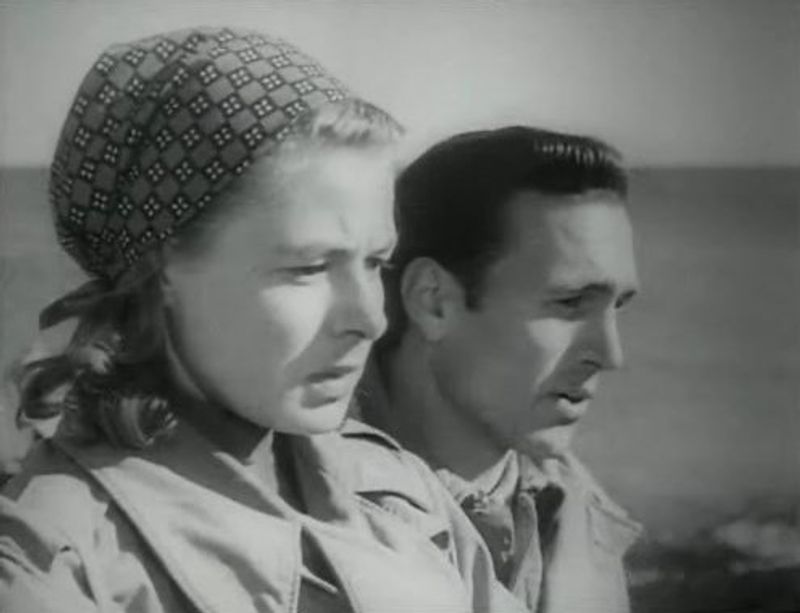
Ingrid Bergman against a roaring volcano sounds like the setup for a superhero origin story, but Roberto Rossellini’s neorealist masterpiece is far more haunting and human. A displaced Lithuanian woman marries an Italian fisherman and arrives on the volcanic island of Stromboli, only to find isolation, hardship, and a landscape almost alien in its severity.
Rossellini shot almost entirely on location, using non-professional locals alongside Bergman, which gives the film a raw, documentary-style energy that still feels startling decades later.
How a single island could carry so much symbolic weight is a testament to Rossellini’s genius. Stromboli remains one of Italian cinema’s most hypnotic achievements.
4. Malena (2000)
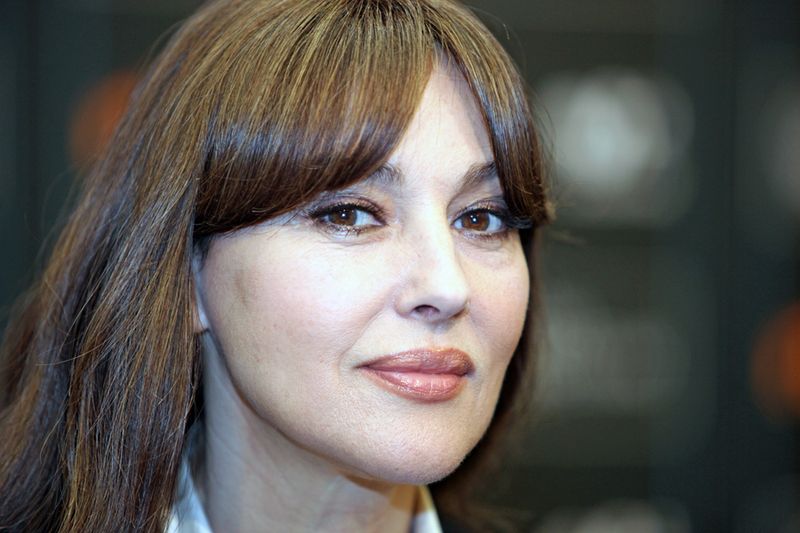
Giuseppe Tornatore returns to Sicily for a second entry on any must-watch list, and honestly, nobody should be surprised. Monica Bellucci stars as Malena, a stunning woman whose mere existence causes an entire Sicilian town to spiral into gossip, jealousy, and cruelty during World War II.
Seen entirely through the eyes of a lovesick teenage boy, the film balances coming-of-age humor with surprisingly sharp social commentary about how communities treat outsiders. Ennio Morricone, again, delivers a score so gorgeous it deserves its own standing ovation.
Visually, every shot looks like a painting stolen right off a gallery wall. Malena lingers long after the credits roll.
5. The Godfather Part III (1990)
Francis Ford Coppola brought Michael Corleone home to Sicily for the trilogy’s final chapter, and the island itself almost steals the entire movie. Filmed across Palermo, Taormina, and the village of Forza d’Agro, the locations carry centuries of history in every cracked stone wall and sun-bleached piazza.
Al Pacino delivers a performance heavy with regret, searching for redemption while the ghosts of his past refuse to stay quiet. Critics have debated its quality endlessly compared to Parts I and II, but as a piece of Sicilian cinema, it stands on its own powerful terms.
The opera house finale, staged at Palermo’s Teatro Massimo, is pure cinematic electricity. Unforgettable stuff.