15 Cult Movies That Pushed Filmmaking In New Directions
Cult movies rarely play by polite rules. They take swings that studios usually sand down, then build loyal followings because the risks feel alive on screen.
Sometimes the “new direction” is technical, with editing, sound, or camera work that rewires what audiences expect. Other times it’s tonal, mixing humor and menace, sincerity and weirdness, then daring viewers to keep up.
Plenty of these films weren’t designed to be universally loved, and that’s part of the appeal.
They create their own language, inspire future directors, and keep getting rediscovered by people who like their cinema a little off-center.
Watching them can feel like stepping into a blueprint that later movies borrowed without always giving credit.
Disclaimer: This material is provided for general informational and entertainment purposes. Film selections and assessments of influence reflect editorial opinions and may vary by viewer perspective and historical interpretation. Any rankings or evaluations represent the views of the editors and writers only.
1. Eraserhead (1977)
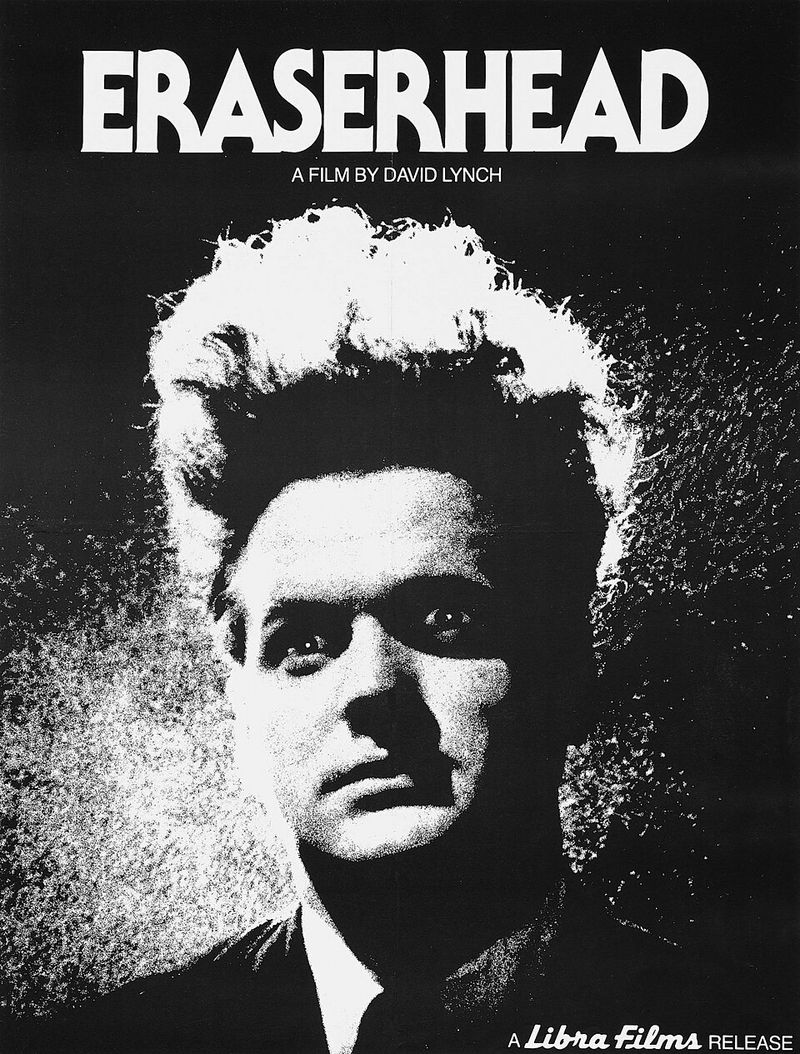
What if a movie felt less like a story and more like a fever dream you could not wake up from? That is exactly what David Lynch delivered with this unsettling masterpiece.
Shot over five years on a shoestring budget, it created an entirely new visual language for horror and surrealism.
Lynch built bizarre soundscapes and industrial imagery that no filmmaker had attempted before. Film students still study it today like a textbook written in a language only the subconscious understands.
2. A Clockwork Orange (1971)
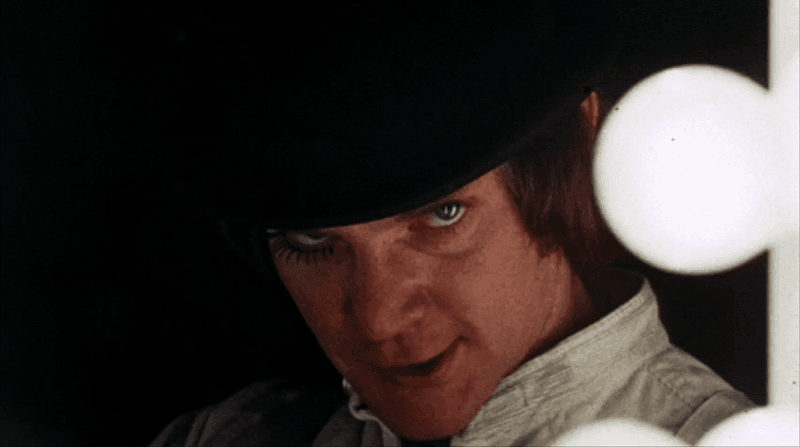
Stanley Kubrick took Anthony Burgess’s wild novel and turned it into a visual weapon.
Every single frame of this film looks like it was designed by a genius with a very dark sense of humor. The use of wide-angle lenses and bold color palettes was genuinely revolutionary for its time.
How Kubrick made ultraviolence feel almost like ballet is still debated in film schools worldwide.
It sparked massive controversy, got banned in the UK for years, and somehow became required viewing for anyone serious about cinema.
3. The Rocky Horror Picture Show (1975)
Midnight screenings changed forever when this gloriously weird musical landed in theaters. Audiences started showing up in costume, shouting callbacks at the screen, and throwing toast.
Literally throwing toast.
No film before it had ever transformed into a participatory live event quite like this.
Where most studios chased mainstream approval, Rocky Horror embraced every outsider and misfit with open arms. It basically invented the modern cult movie experience as we know it.
4. Taxi Driver (1976)
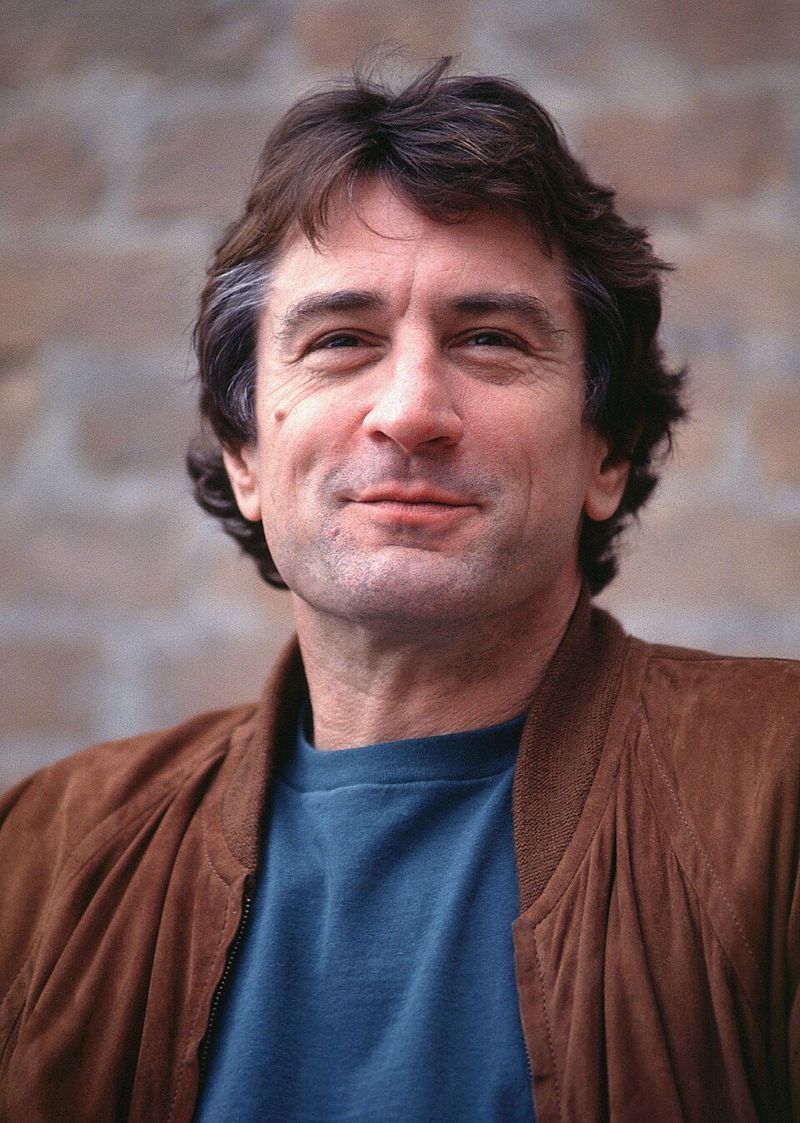
Martin Scorsese turned New York City into a character so vivid it practically sweated on screen.
Robert De Niro’s portrayal of a lonely, unstable cab driver set a new standard for psychological realism in American cinema. The film made audiences deeply uncomfortable, and that was absolutely the point.
Bernard Herrmann’s haunting final score, combined with Michael Chapman’s moody cinematography, created a blueprint for neo-noir that filmmakers still copy today.
However, nobody has quite matched the raw, suffocating tension of the original. Some films age like fine cheese, sharp and impossible to ignore.
5. El Topo (1970)
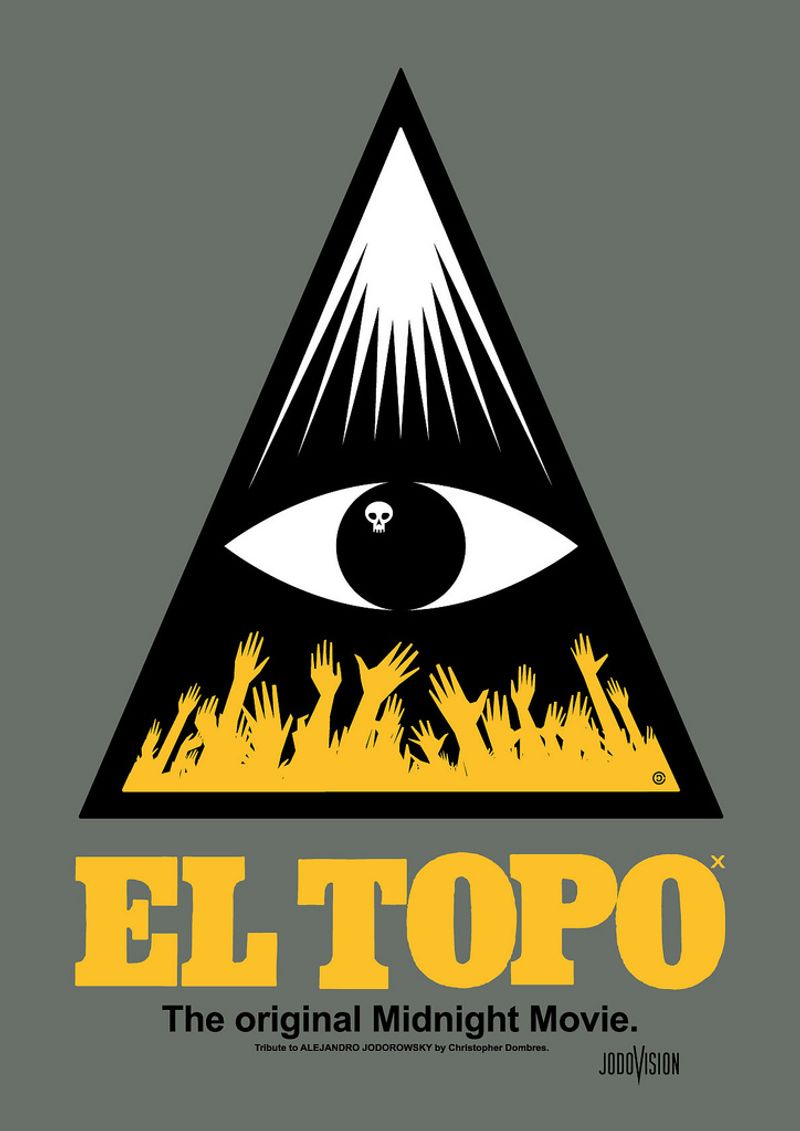
Alejandro Jodorowsky rode into cinema like a gunfighter nobody saw coming.
Part spaghetti western, part religious allegory, part fever vision, this film invented an entirely new genre that critics eventually called the psychedelic western.
No studio greenlit it. No studio could have imagined it. John Lennon loved it so much he personally funded its US distribution.
That alone tells you everything about the kind of magnetic strangeness this film radiates. Though it baffled mainstream audiences, underground cinemas packed out every screening.
6. The Holy Mountain (1973)
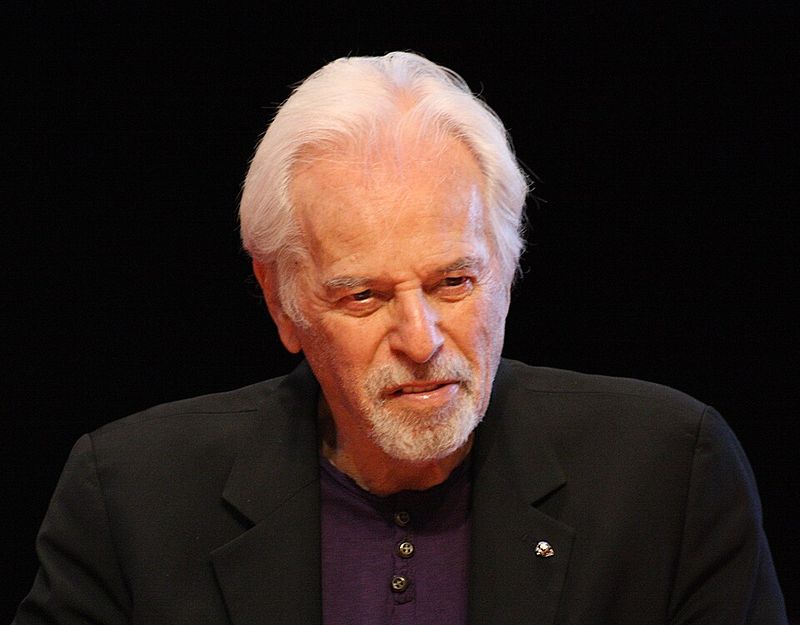
If El Topo was Jodorowsky warming up, this was him going full cosmic wizard.
Packed with alchemical symbols, satirical politics, and imagery so strange it practically rewires your brain, this film pushed visual storytelling into territory that still feels unexplored today.
The production itself was legendary. Cast members reportedly lived in commune-style conditions during filming.
Few films have ever been this committed to total artistic madness.
7. Brazil (1985)

Terry Gilliam built a dystopia so detailed and darkly funny that it feels less like fiction and more like a warning.
The retro-futuristic production design, all tubes and typewriters and crumbling grandeur, created a visual style that production designers still reference decades later.
However, the real story here is the legendary battle between Gilliam and Universal Studios over the final cut.
Gilliam literally took out newspaper ads fighting for his vision. His guerrilla approach to protecting artistic integrity changed how directors negotiated creative control forever.
8. Blade Runner (1982)

Few films have redesigned the visual future of an entire genre quite like this one. Ridley Scott’s rain-soaked, neon-drenched Los Angeles of 2019 became the template for nearly every sci-fi film, video game, and anime that followed.
Vangelis’s electronic score felt like music from a world that had not been invented yet.
The philosophical questions about memory, identity, and what makes us human still spark genuine debate.
Though it flopped on release, time turned it into one of cinema’s most influential achievements. Patience pays off.
9. Videodrome (1983)
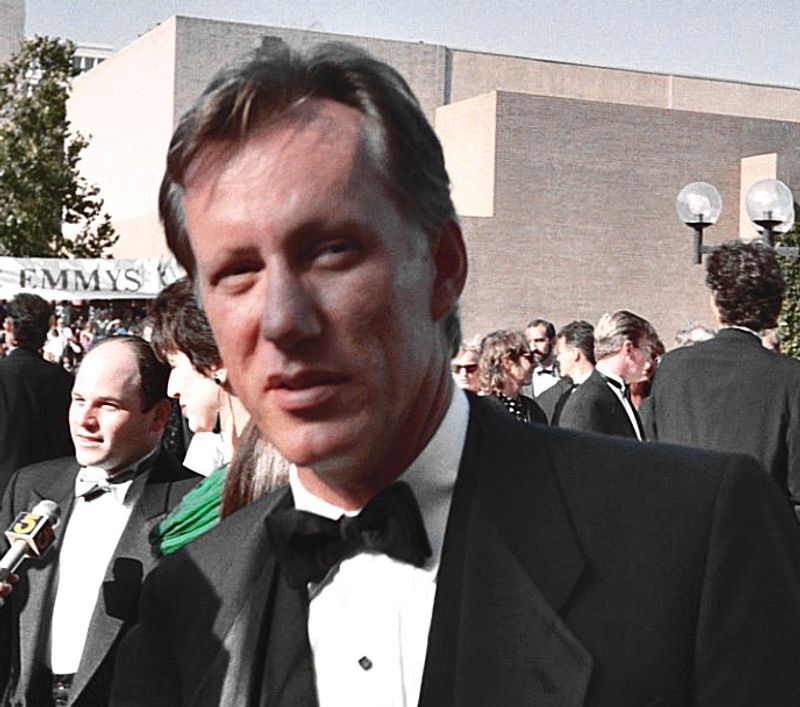
David Cronenberg looked at television culture in 1983 and basically predicted the internet’s darkest corners.
This film blended body horror with media theory in a way that felt completely insane at the time and uncomfortably prescient today. Nobody else was making movies that thought this hard about technology.
The practical special effects, flesh merging with machines and screens, pushed makeup artistry into genuinely disturbing new territory.
If you have ever felt like your phone is controlling you more than you control it, Cronenberg saw that coming 40 years ago.
10. Akira (1988)

When this animated film hit international screens, Western audiences had genuinely never seen animation used this way.
Every frame was hand-drawn with obsessive detail, and the film used 327 distinct color shades, a record for animation at the time. That number alone tells you the level of commitment involved.
Beyond the technical fireworks, the story tackled government corruption, youth rebellion, and unchecked scientific power with a maturity animation rarely attempted.
It single-handedly introduced millions of viewers worldwide to Japanese anime and proved cartoons could carry the weight of serious adult storytelling.
11. Paris, Texas (1984)
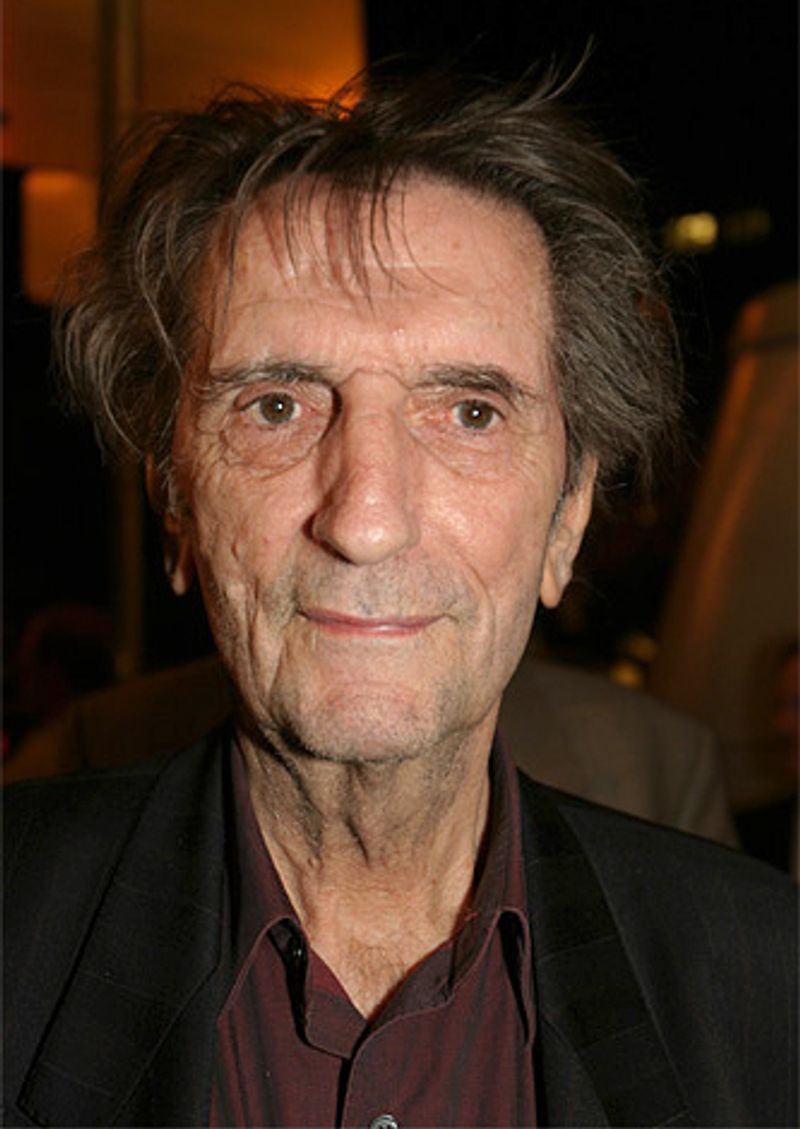
Wim Wenders and screenwriter Sam Shepard created something that felt less like a movie and more like a long, quiet exhale.
The film follows a man emerging from years of silence, wandering through America’s wide-open desert spaces, and every single shot feels like a painting you could step into.
Robby Muller’s cinematography redefined how road movies used landscape as emotional storytelling.
Though it moves slowly, every frame earns its time. Some stories need space to breathe, and this one takes all the space it needs.
12. Wings of Desire (1987)
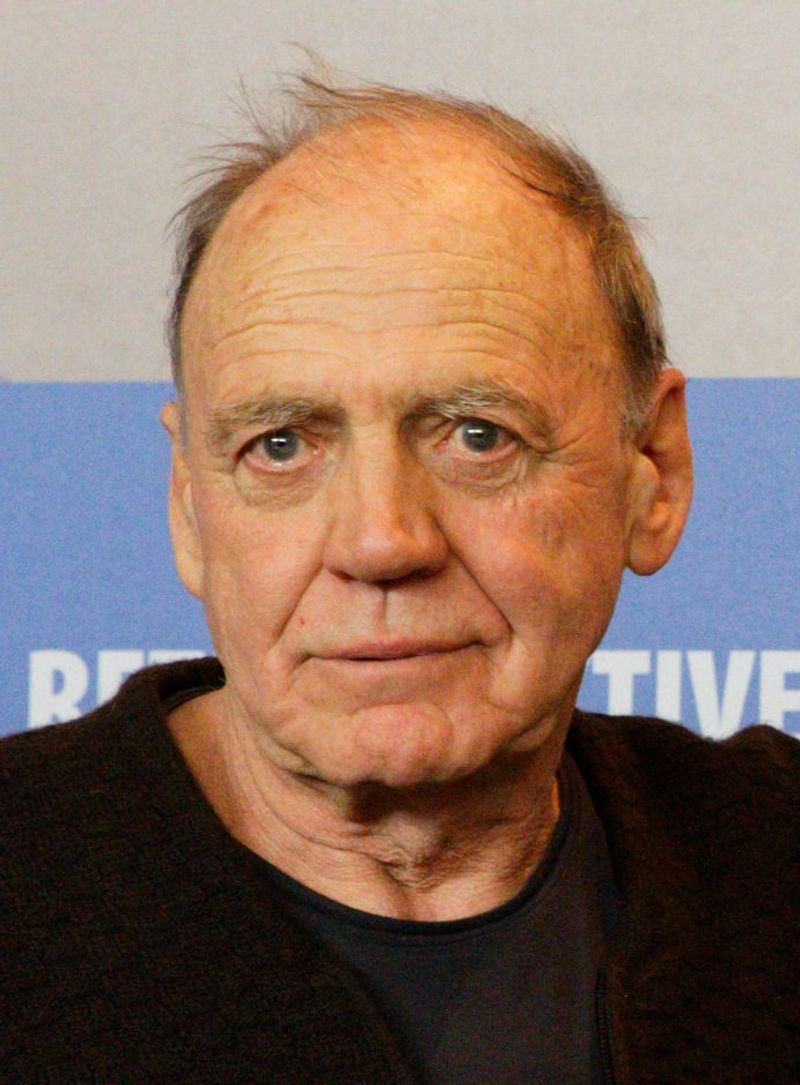
Imagine seeing the world through the eyes of an angel who can hear every human thought but cannot feel a single thing.
That is the extraordinary premise Wim Wenders built this film around, and the execution was breathtaking.
Shooting in divided Berlin just before the Wall fell gave it enormous historical weight.
Henri Alekan’s cinematography switched between black-and-white for the angels’ perspective and color for human experience, a technique that felt genuinely poetic rather than gimmicky.
13. The Blair Witch Project (1999)

Three actors, a handheld camera, and a forest.
That was basically the entire budget and equipment list, yet this film terrified millions and grossed nearly $250 million worldwide.
The found-footage format had existed before, but Blair Witch turned it into a mainstream phenomenon practically overnight.
The genius was in what you never actually saw. Your imagination did all the heavy lifting, which is arguably scarier than any creature Hollywood could design.
14. Oldboy (2003)

Park Chan-wook created a revenge thriller so twisty and emotionally brutal that it left audiences completely speechless.
The now-legendary hallway fight scene, one continuous take with exhausted actors fighting in a narrow corridor, changed action choreography worldwide.
Beyond the technical brilliance, Oldboy helped launch Korean cinema onto the global stage years before Parasite made it undeniable.
The film won the Grand Prix at Cannes and showed Western audiences that the most exciting filmmaking on the planet was not always coming from Hollywood.
15. Mulholland Drive (2001)

Originally conceived as a television pilot, this became David Lynch’s most celebrated film and one of the most debated movies of the 21st century.
The story shifts realities midway through in a move so disorienting that audiences literally argued in theater lobbies about what they had just watched.
Lynch used Hollywood itself as both setting and subject, turning the dream factory into something sinister and deeply strange.