17 Defining Hit Songs From 1964
Radio speakers in 1964 felt like little time machines, even while the year was still unfolding.
Melodies spilled into school hallways, diners, living rooms, and car rides, then followed people around all week like a catchy secret nobody could keep.
Pop kept brightening as rock leaned bolder, and the British Invasion made every new single feel like news.
Plenty of records landed with charm, but only a few stamped themselves onto the decade’s memory with the kind of hook that refuses to leave.
Get ready for 17 defining hits that helped shape 1964’s sound, and still feel instantly familiar the second the first note hits.
Disclaimer: Song selections and “defining” labels reflect editorial judgment and may vary by chart source, region, and personal taste; the content is provided for general informational and entertainment purposes.
1. Hello, Dolly! – Louis Armstrong
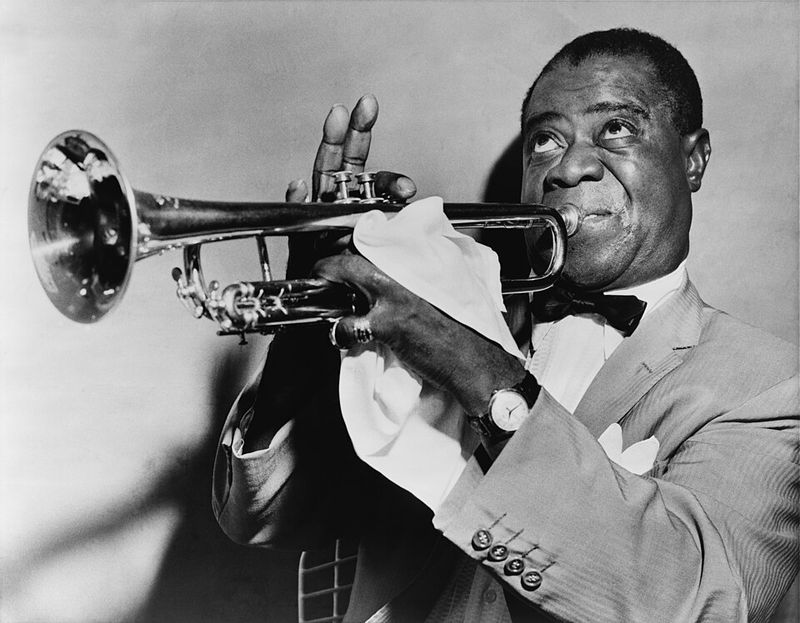
Nobody saw this one coming. Louis Armstrong, the legendary jazz trumpeter, knocked The Beatles off the No. 1 spot in May 1964 with a Broadway show tune.
At 62 years old, he became the oldest artist ever to reach the top of the Billboard Hot 100, a record that stood for decades.
Armstrong’s gravelly voice and beaming trumpet brought pure sunshine to every listener.
2. Oh, Pretty Woman – Roy Orbison
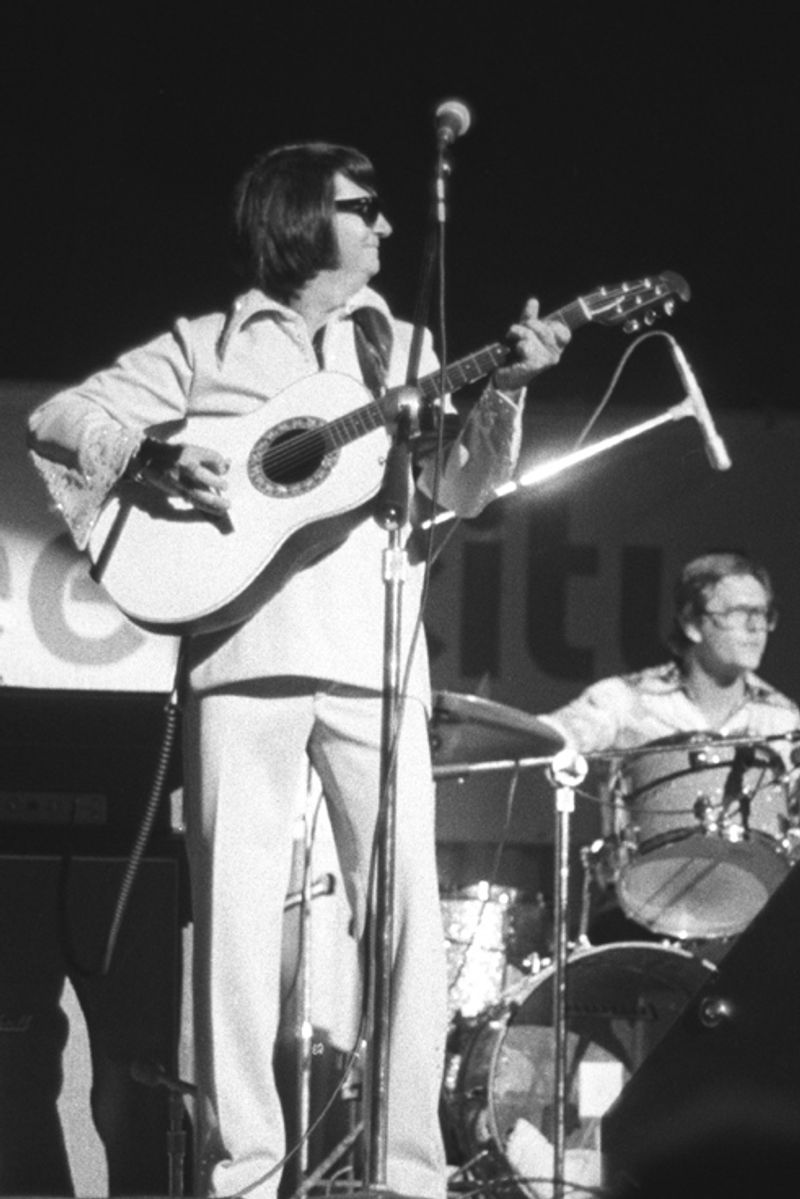
That iconic guitar riff. You know the one. Just two notes in and your brain already knows exactly what song is playing.
Roy Orbison’s “Oh, Pretty Woman” hit No. 1 in September 1964 and has never really left the public consciousness since. It’s been in movies, commercials, and countless cover versions.
Orbison had a voice that could make the ceiling feel like the sky. His operatic range mixed with rock and pop created something genuinely unique.
The song was reportedly inspired by his wife asking him if he needed anything while he was writing.
3. I Get Around – The Beach Boys
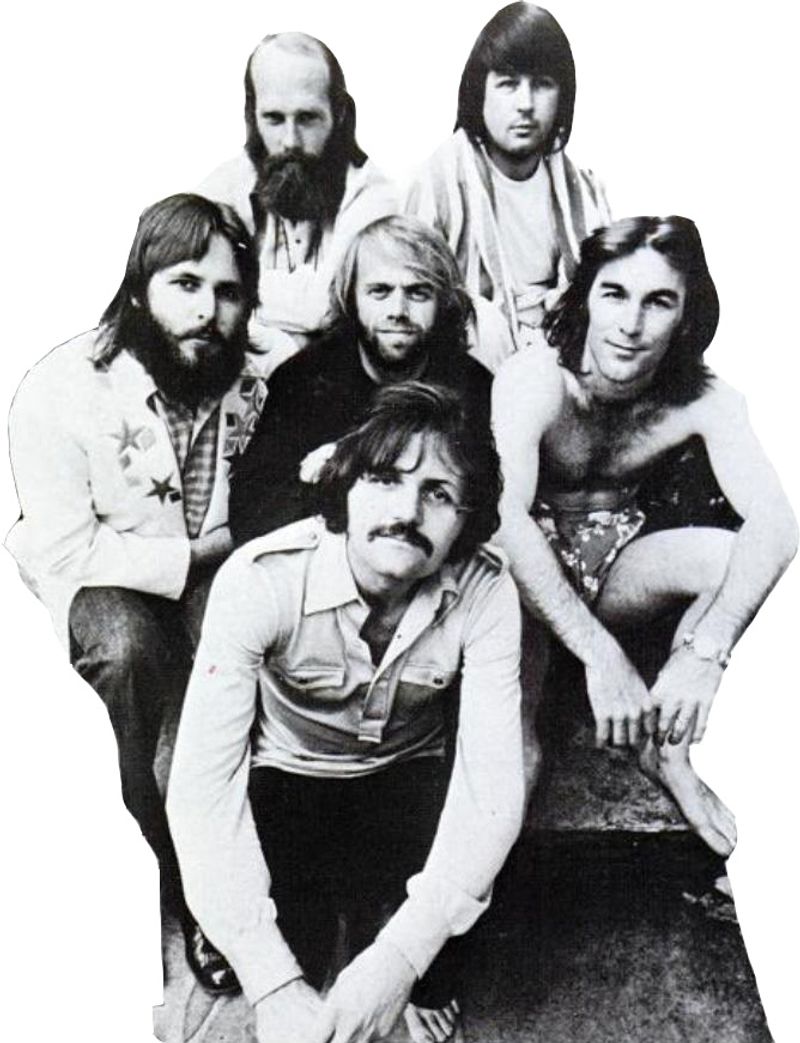
Summer. Surfboards. Open roads. “I Get Around” by The Beach Boys captured the California dream so perfectly it practically smells like sunscreen.
Released in June 1964, it became the group’s first No. 1 hit on the Billboard Hot 100, and it deserved every second at the top.
The layered harmonies were miles ahead of most pop songs at the time.
Brian Wilson, who was only 21, wrote and produced it with a musical sophistication that blew critics away.
4. My Guy – Mary Wells
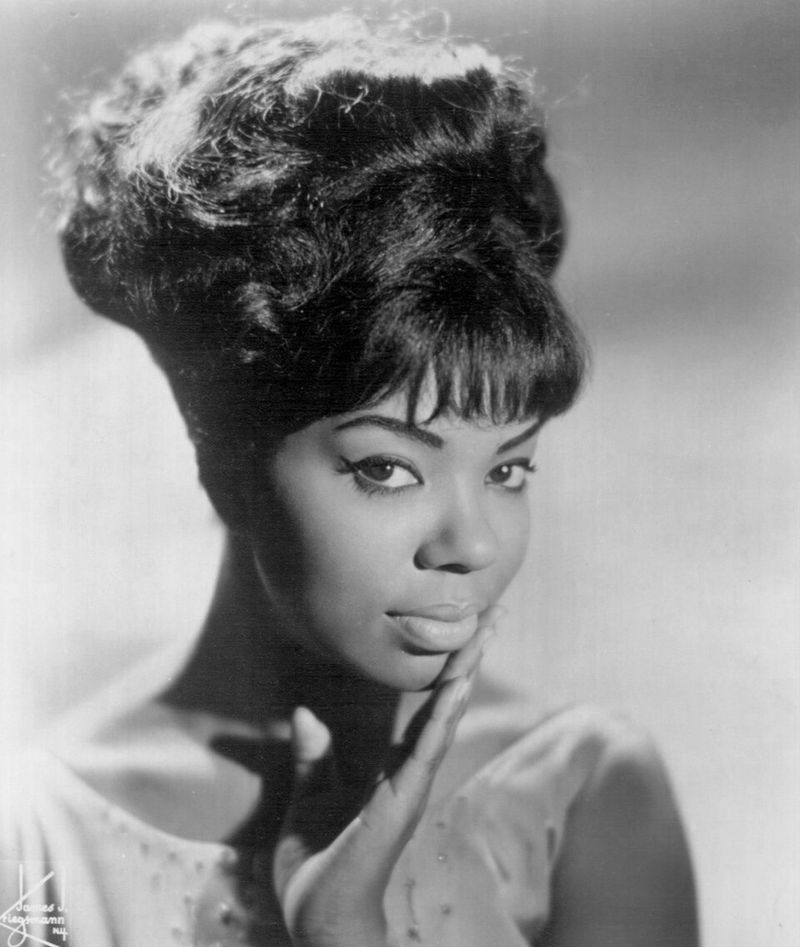
Loyalty never sounded so smooth.
“My Guy” by Mary Wells was a Motown masterpiece written and produced by the legendary Smokey Robinson, and it showed off everything that made the Motown sound so irresistible.
Wells had a voice that felt like velvet, warm and steady and full of confidence.
The song’s clever lyrics compared her devotion to her partner using fun, everyday comparisons. Even The Beatles were fans, which is basically the highest compliment anyone could receive in 1964.
5. Where Did Our Love Go – The Supremes
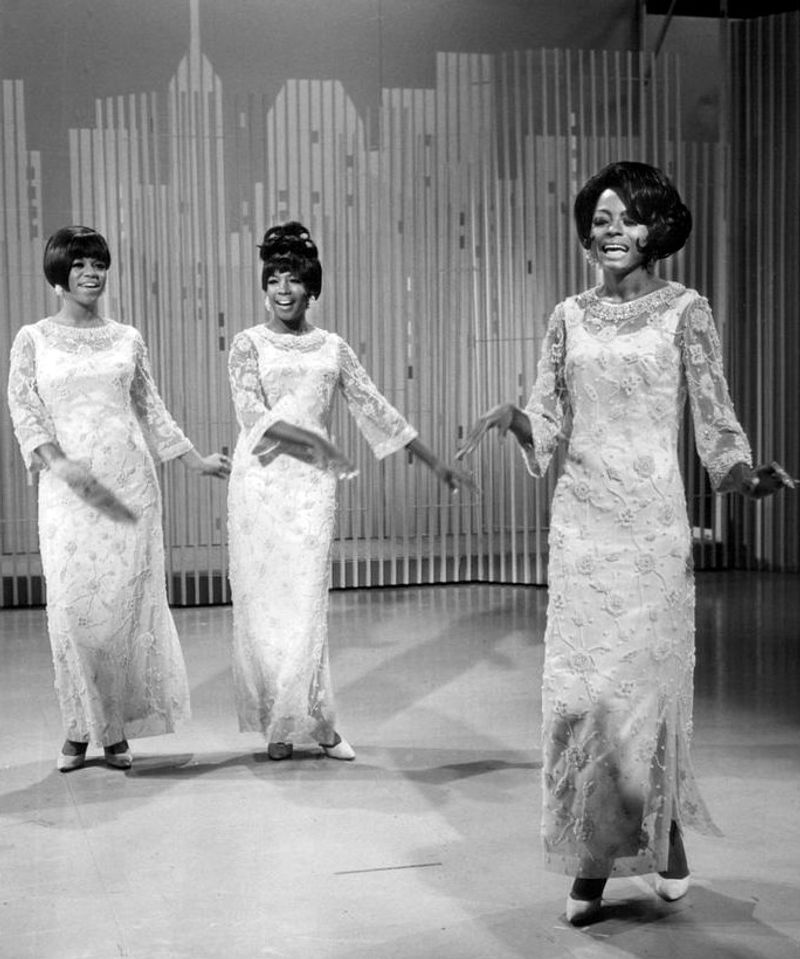
Before The Supremes became one of the most celebrated groups in music history, they needed a breakthrough. “Where Did Our Love Go” was exactly that.
Released in the summer of 1964, it became the trio’s first No. 1 hit and launched a streak of chart dominance that pop music had rarely seen before.
Written by the Holland-Dozier-Holland songwriting team, the track had a minimalist, almost hypnotic groove.
Diana Ross’s airy lead vocal floated above the beat like a butterfly. From this moment on, The Supremes were unstoppable, and everyone knew it.
6. Dancing in the Street – Martha and the Vandellas
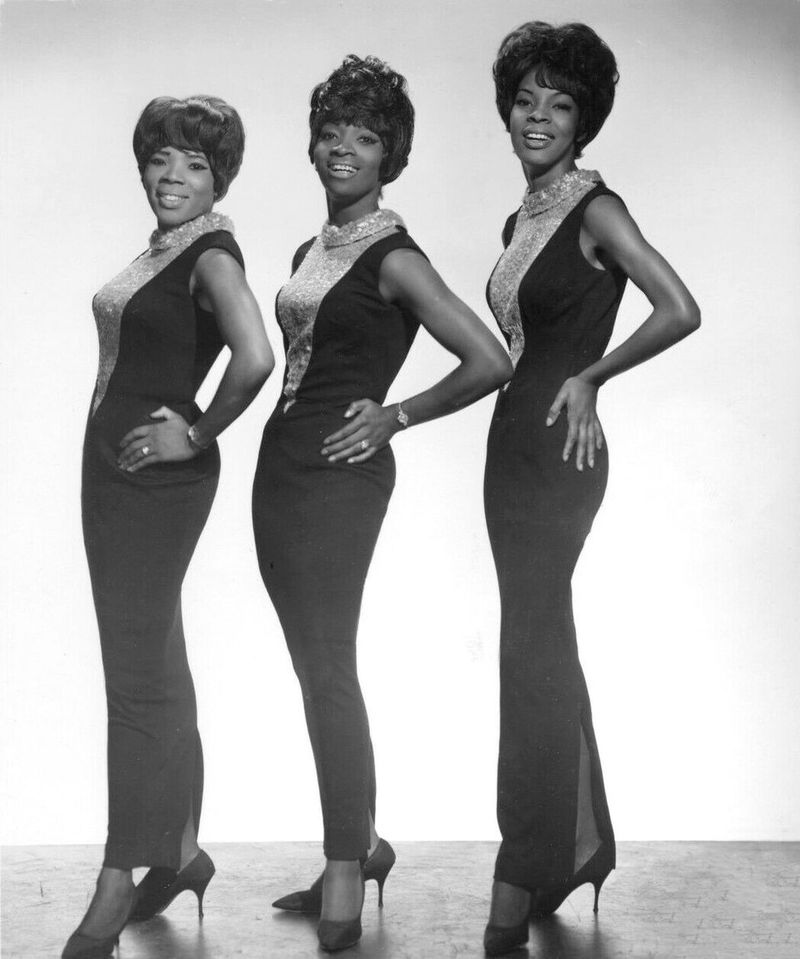
If you ever needed a song to get a crowd moving, this was it. “Dancing in the Street” by Martha and the Vandellas was pure, electric energy from the first drumbeat.
Released in July 1964, it became an anthem for joy and togetherness, later adopted as a symbol of unity during the civil rights era.
Martha Reeves’s powerful voice commanded every room it entered. The song called out cities across America, inviting everyone to join the celebration.
Decades later, David Bowie and Mick Jagger covered it, proving its unstoppable power never faded.
7. Leader of the Pack – The Shangri-Las
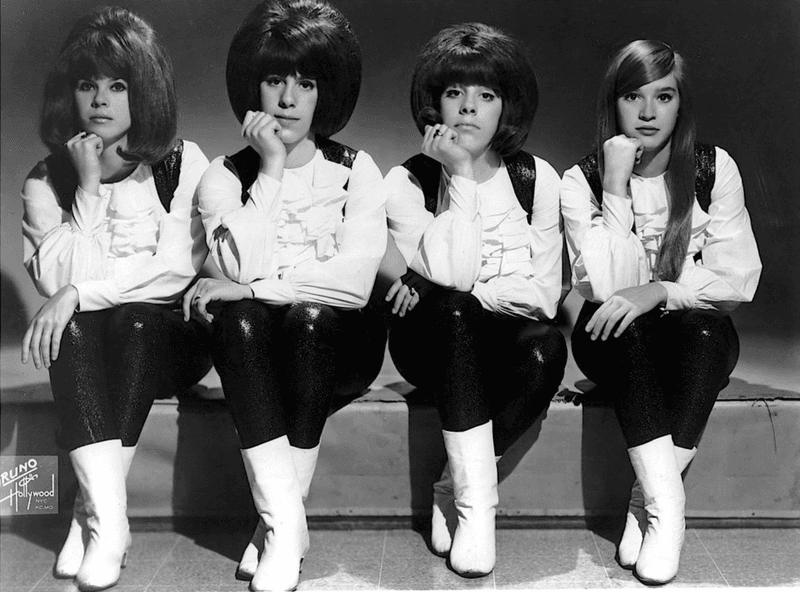
Dramatic doesn’t even begin to cover it. “Leader of the Pack” by the Shangri-Las featured actual motorcycle sound effects, tearful vocals, and a tragic ending that left listeners completely stunned.
Released in late 1964, it shot straight to No. 1 and became one of the most theatrical pop songs of the decade.
The song told the story of a misunderstood bad boy and the girl who loved him, a classic tale that hit teenagers right in the feelings.
8. You Really Got Me – The Kinks
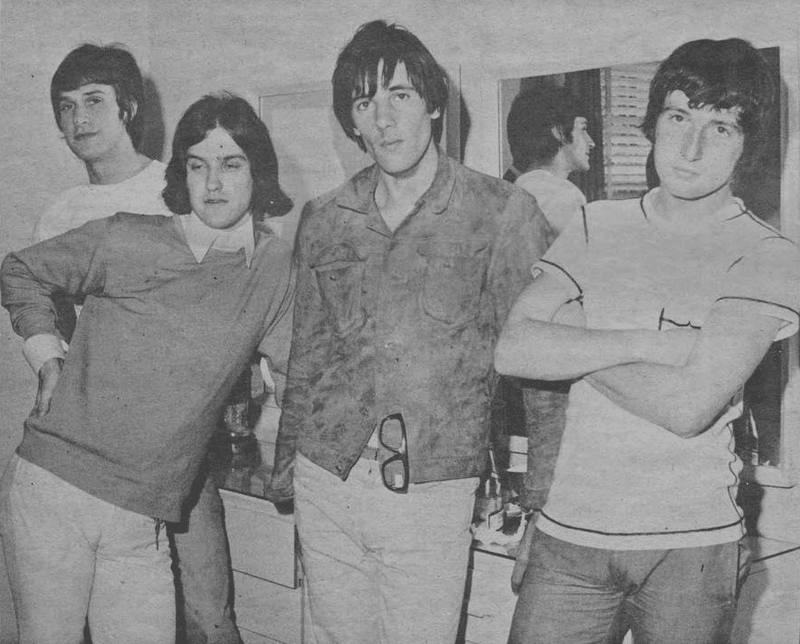
Raw. Loud. Unstoppable.
“You Really Got Me” by The Kinks is widely credited as one of the earliest examples of hard rock, and that distorted guitar riff still sounds like a thunderstorm in the best way.
Released in August 1964, it reached No. 1 in the UK and cracked the top ten in America.
Ray Davies wrote the song when he was just 19 years old. His brother Dave created that crunchy guitar sound by slashing the speaker cone of his amp with a razor blade.
Rock and roll, indeed.
9. A Hard Day’s Night – The Beatles
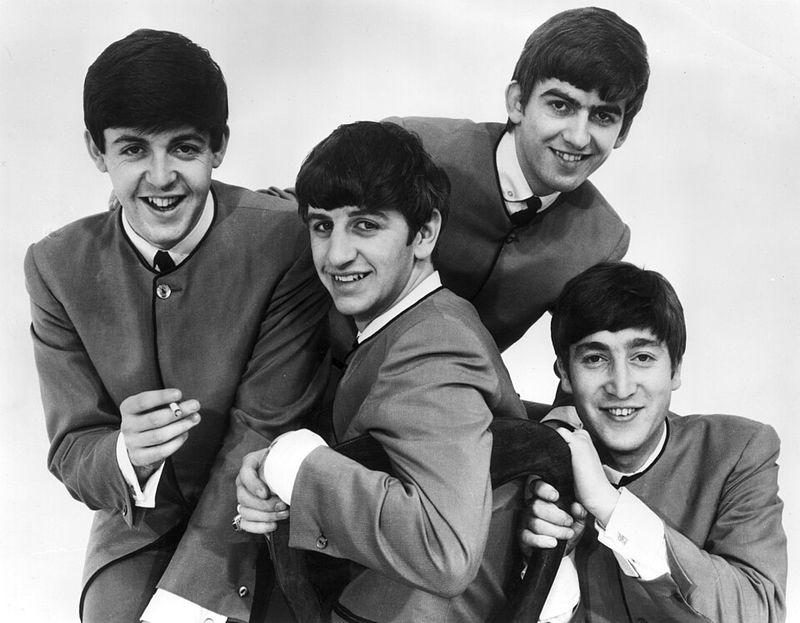
Ringgggg! That opening chord is one of the most recognized sounds in music history, and musicologists spent decades debating exactly what instruments created it.
“A Hard Day’s Night” was the title track from The Beatles’ first feature film and hit No. 1 on both sides of the Atlantic in the summer of 1964.
John Lennon wrote most of the song, inspired by a tired comment Ringo Starr made after a long day of filming.
The movie was a massive success too, cementing The Beatles as genuine cultural icons beyond just music.
10. Can’t Buy Me Love – The Beatles
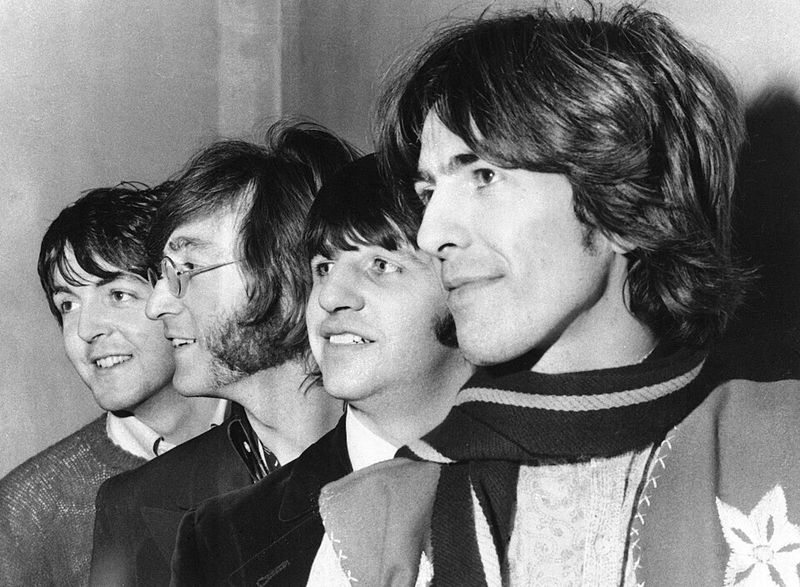
Money can’t buy happiness, but apparently it can buy a No. 1 hit.
“Can’t Buy Me Love” debuted at the top of the charts in both the U.S. and UK simultaneously in March 1964, making it one of the fastest-rising singles in pop history.
Paul McCartney wrote this one, and its breezy, carefree attitude perfectly matched the film scenes it accompanied.
The message was simple but powerful: love matters more than wealth. Coming from four guys who were suddenly very, very famous, that message carried real weight.
11. Rag Doll – The Four Seasons
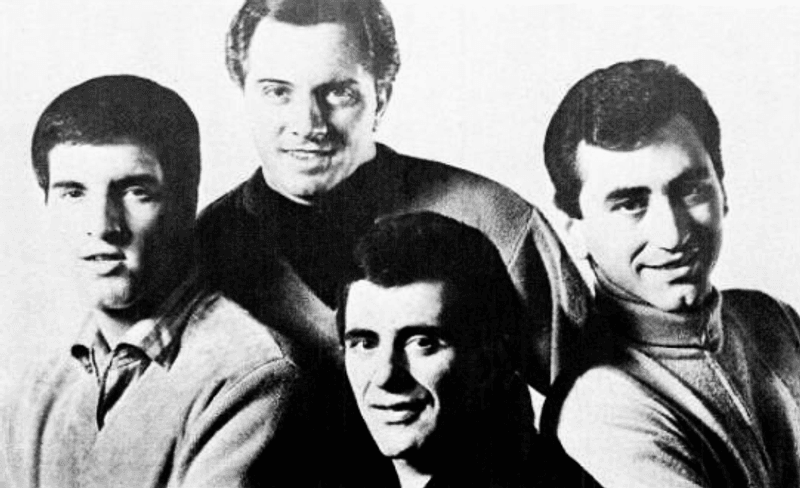
Frankie Valli’s falsetto could shatter glass and melt hearts at the same time, and “Rag Doll” proved it.
Released in the summer of 1964, the song hit No. 1 on the Billboard Hot 100 and became one of The Four Seasons’ most memorable tracks. It told a bittersweet story of class differences and unlikely love.
Written by Bob Crewe and Bob Gaudio, the song was reportedly inspired by a real encounter with a young girl cleaning windshields for spare change.
That touch of real-life heartache gave the song its emotional punch. Few pop songs from the era blended fun and sadness so naturally.
12. Chapel of Love – The Dixie Cups
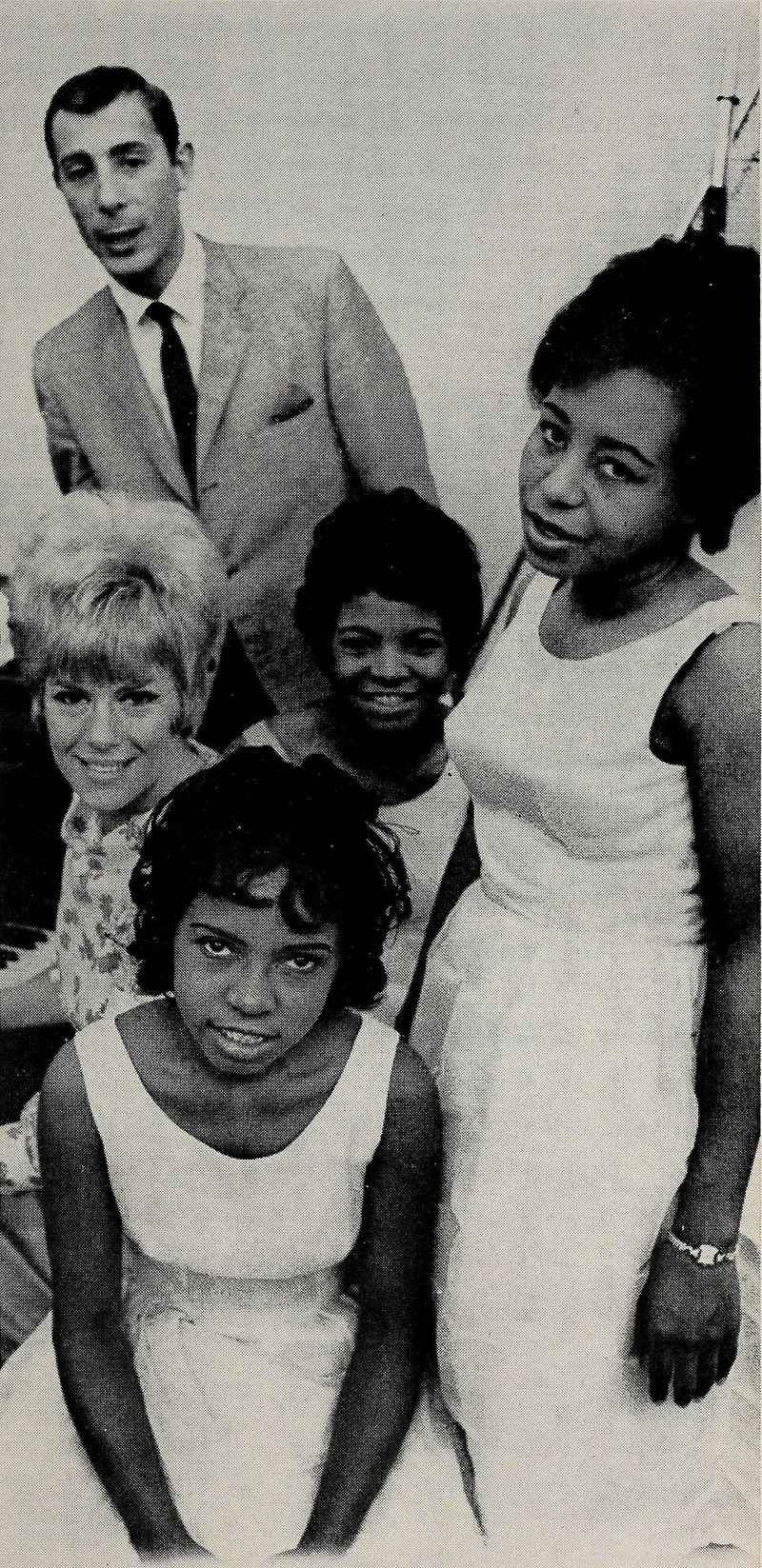
Going to the chapel and they’re gonna get married! Even reading those lyrics probably put the melody in your head.
“Chapel of Love” by the Dixie Cups was pure, bubbly, wedding-day happiness packed into a two-minute song. Released in spring 1964, it knocked The Beatles off the No. 1 spot, which was no small feat.
Originally written by Jeff Barry, Ellie Greenwich, and Phil Spector, the song had been turned down by multiple artists before the Dixie Cups made it a hit.
Sometimes rejection is just redirection. The trio’s sweet harmonies gave the song exactly the joyful innocence it needed.
13. I Feel Fine – The Beatles
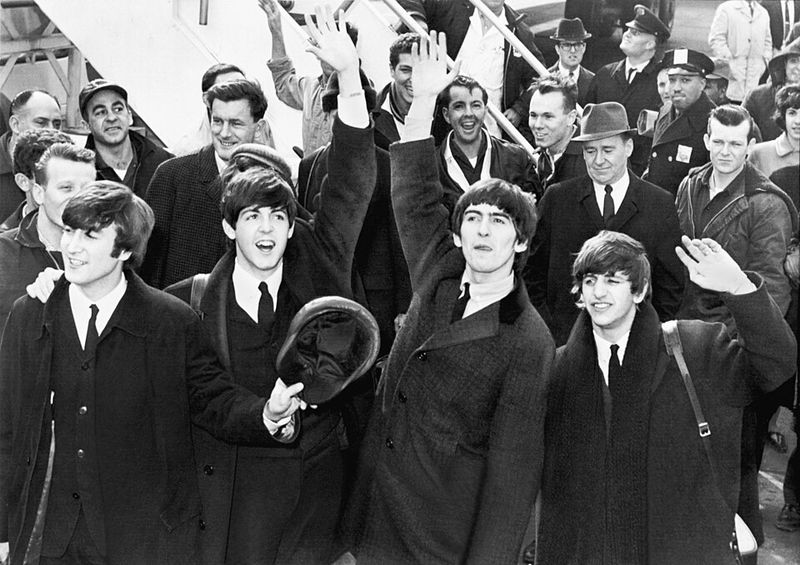
Feedback was usually a mistake musicians tried to avoid. Leave it to The Beatles to turn it into an art form.
“I Feel Fine” opens with a deliberate guitar feedback loop, reportedly one of the first intentional uses of feedback in a pop recording.
John Lennon came up with the feedback trick accidentally while leaning his guitar against an amplifier.
Instead of fixing it, he built the whole intro around it. That kind of creative thinking is exactly why The Beatles kept reinventing music year after year without breaking a sweat.
14. Under the Boardwalk – The Drifters
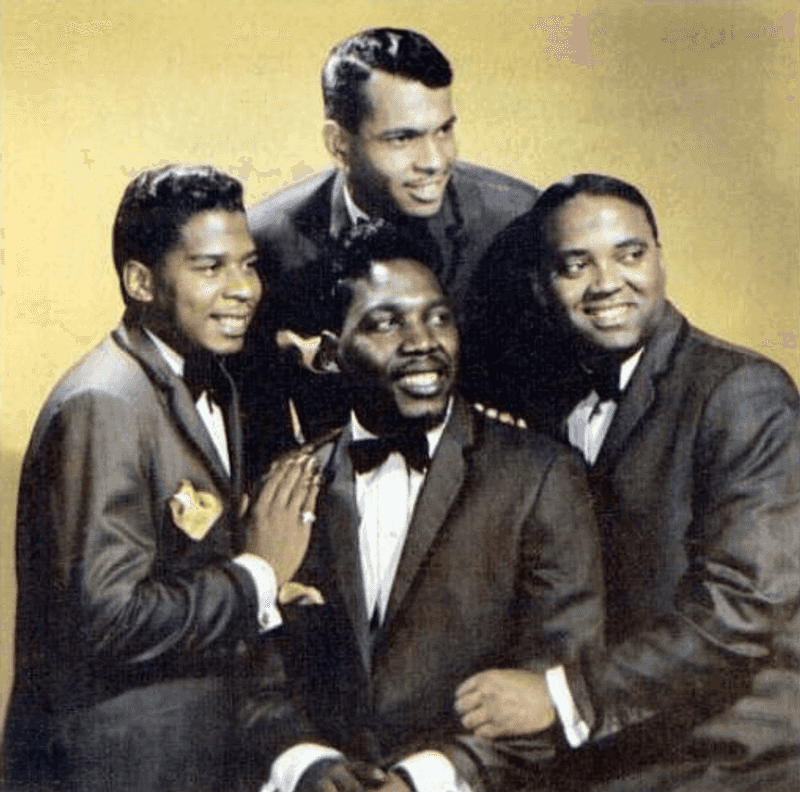
Close your eyes and you can almost feel the sand between your toes.
“Under the Boardwalk” by The Drifters is one of those songs that instantly transports you to a sunny, breezy summer afternoon.
Released in June 1964, it became one of the group’s most beloved recordings and a timeless classic of the era.
Tragically, lead singer Rudy Lewis passed away the night before the recording session. Johnny Moore stepped in and delivered a vocal performance full of warmth and soul.
15. Do Wah Diddy Diddy – Manfred Mann
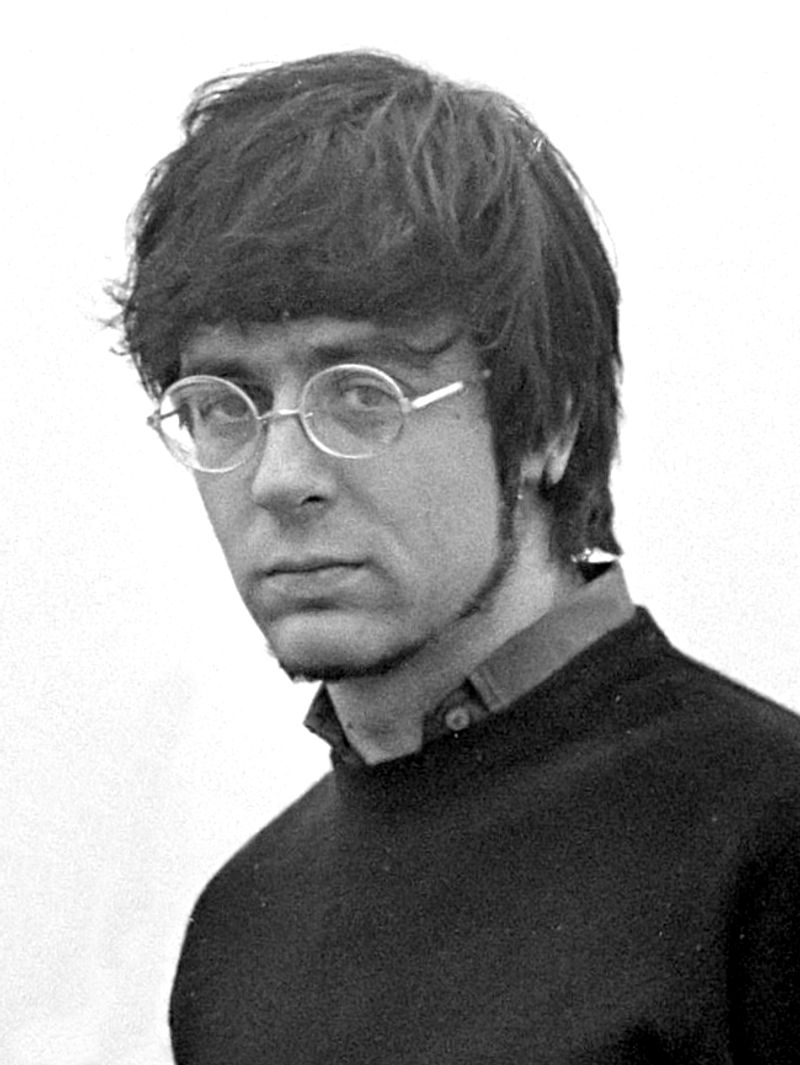
Say the title out loud. Go ahead. “Do Wah Diddy Diddy” is genuinely fun just to say, which probably explains a big part of its appeal.
Manfred Mann’s energetic British Invasion cover of the Exciters’ original hit No. 1 in both the UK and the U.S. in 1964, spreading joy like musical confetti.
The original version by the Exciters came out in 1963 but didn’t quite catch fire.
Manfred Mann added a bouncier, more playful feel that clicked with audiences worldwide. It’s a masterclass in how a fresh interpretation can completely transform a good song into an unforgettable one.
16. I Love You More and More Every Day – Al Martino
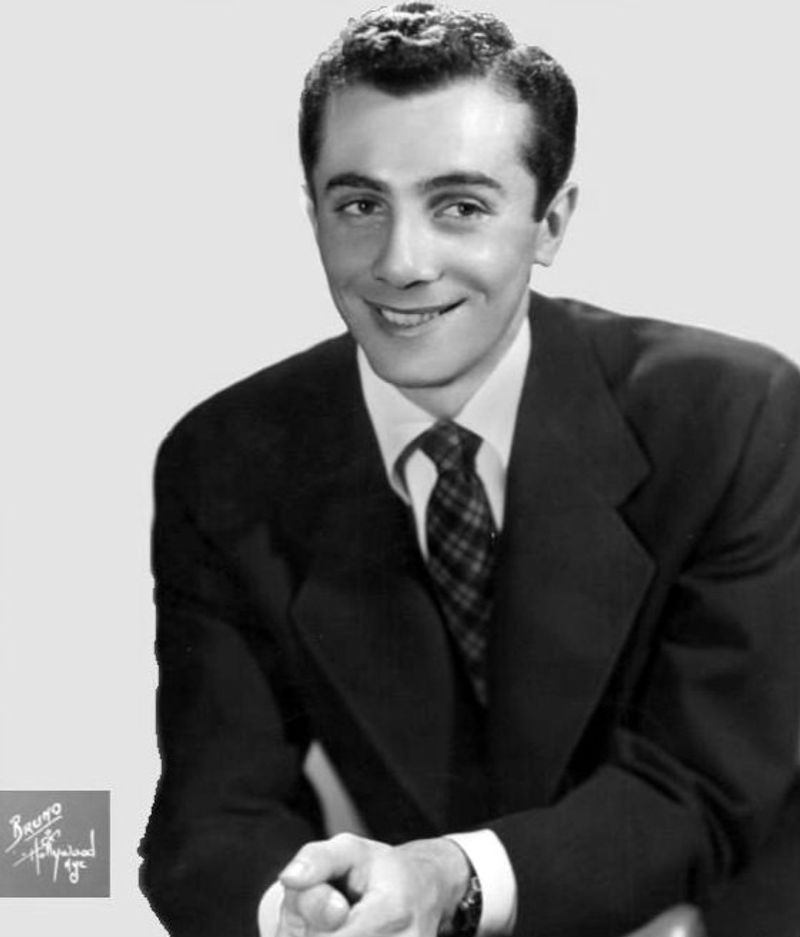
Not every 1964 hit was driven by electric guitars and screaming fans.
Al Martino’s “I Love You More and More Every Day” was a smooth, romantic ballad that climbed into the top five in the spring of 1964, reminding listeners that old-school crooning still had plenty of charm to offer.
Martino had a silky tenor voice that felt tailor-made for love songs.
Where rock and soul were shaking up the charts, he brought a gentler, more classic sound that appealed to a wide range of listeners.
17. People – Barbra Streisand
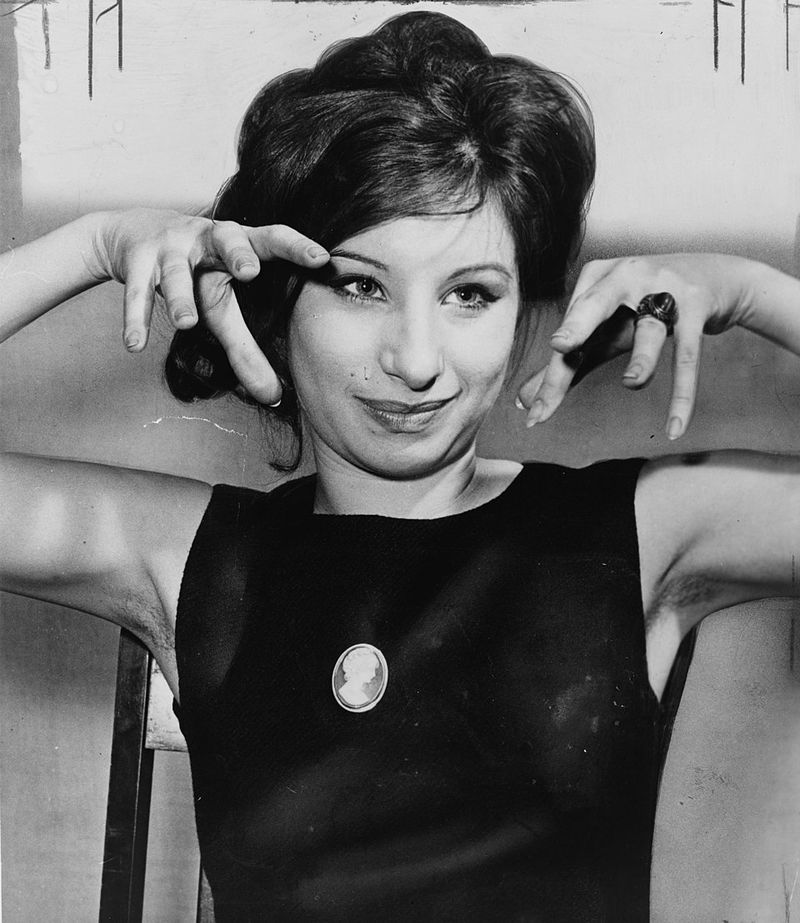
“People who need people are the luckiest people in the world.”
When Barbra Streisand sang those words in 1964, she wasn’t just performing a show tune. She was delivering an emotional experience that stopped listeners in their tracks.
Taken from the Broadway musical Funny Girl, the song became one of her signature recordings.
Streisand was only 21 when she recorded it, yet her voice carried the weight of someone who had lived a thousand lifetimes.