13 Defining Robert Duvall Movies And TV Shows
Quiet confidence, zero wasted motion, and performances that hit harder the less noise they make. Scenes didn’t bend around spectacle here, they leaned into precision, patience, and perfectly chosen words.
That low-key power shaped a career built on intelligence instead of volume. These thirteen roles show how real authority on screen never has to announce itself.
Disclaimer: This article reflects widely documented film and television credits, broadcast histories, and publicly available production information related to Robert Duvall’s career. Interpretive descriptions are included to provide cultural and performance context.
13. The Outer Limits (1963 TV series)

Black-and-white science fiction felt like the future back when antennas ruled the rooftop.
Duvall appeared during the show’s early run, honing the kind of serious, disciplined craft that would later make him indispensable in film. Anthology shows like this one demanded actors who could build a character from scratch in forty-five minutes, no sequel required.
That skill became his signature. Every role felt complete, even when the screen time was brief.
12. The Fugitive (TV series, 1963–1967)
Network dramas during the sixties functioned as boot camp for actors aiming for real longevity.
Within that system, a spot on one of the era’s most watched shows demanded precision every week, leaving no space for scenery chewing. Serving the story rather than stealing it became a core lesson passed down through The Fugitive.
Discipline learned there echoes through every later performance, whether the role offered ten lines or ten full scenes.
11. The Twilight Zone (1959 TV series)

Landing a role on The Twilight Zone meant something even before prestige television became a term critics loved to throw around. Rod Serling’s show attracted actors willing to take risks, and Duvall fit right in during that golden stretch of American TV.
Anthology credits like this one became calling cards. They proved an actor could disappear into a role and make you believe the impossible for half an hour.
10. Days Of Thunder (1990)
Big budget studio movies often rely on one steady presence to keep everything from flying off the rails.
In a high octane racing drama, Harry Hogge emerges as a seasoned crew chief whose calm authority grounds the chaos unfolding around him.
As engines roar and egos collide, a steady voice holds the center, offering reason within a world driven by speed and adrenaline. That kind of grounding presence would become a defining specialty throughout Duvall’s career.
9. MASH (1970)
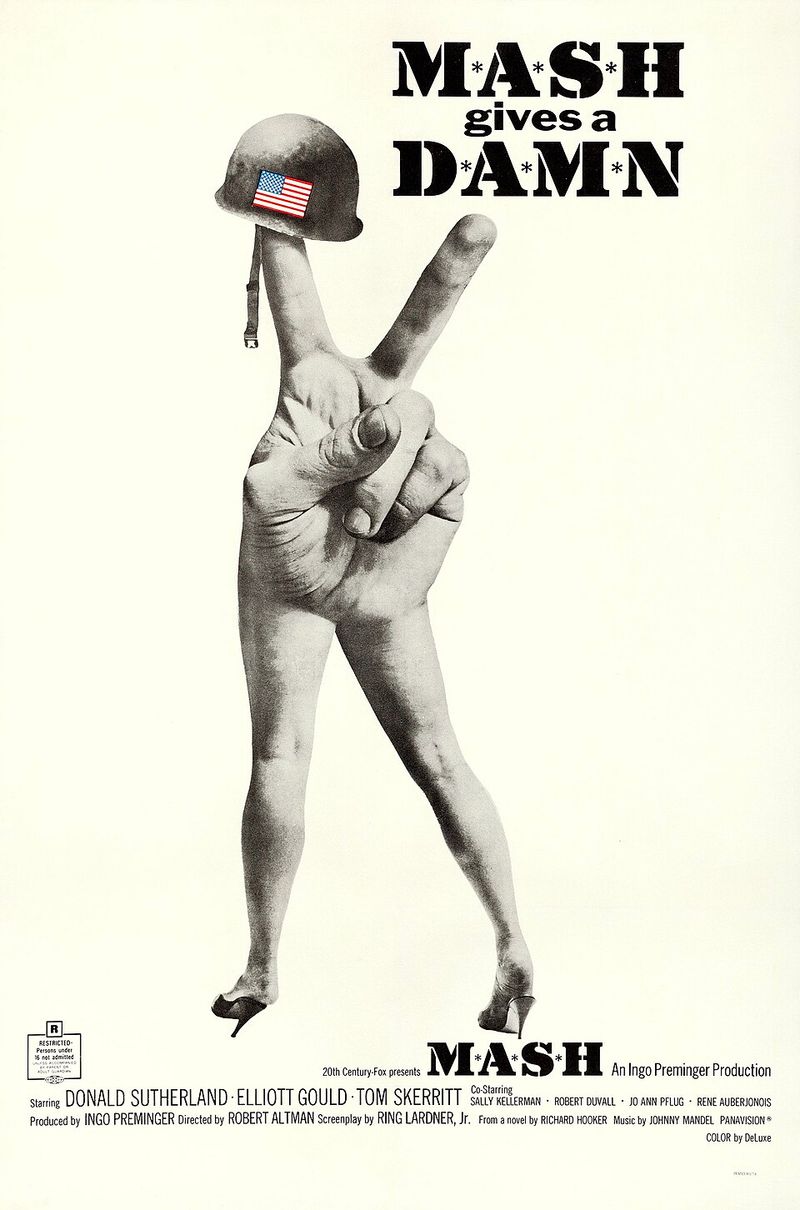
Frank Burns could have been a cartoon villain in lesser hands.
Instead, Duvall turned the uptight Army surgeon into someone you almost pitied, a man whose rigidity made him the perfect foil in Robert Altman’s darkly comic war film. The ensemble cast worked like a jazz band, and Duvall held his own against scene-stealers without breaking a sweat.
Bite, timing, authority: all three showed up early.
8. True Grit (1969)
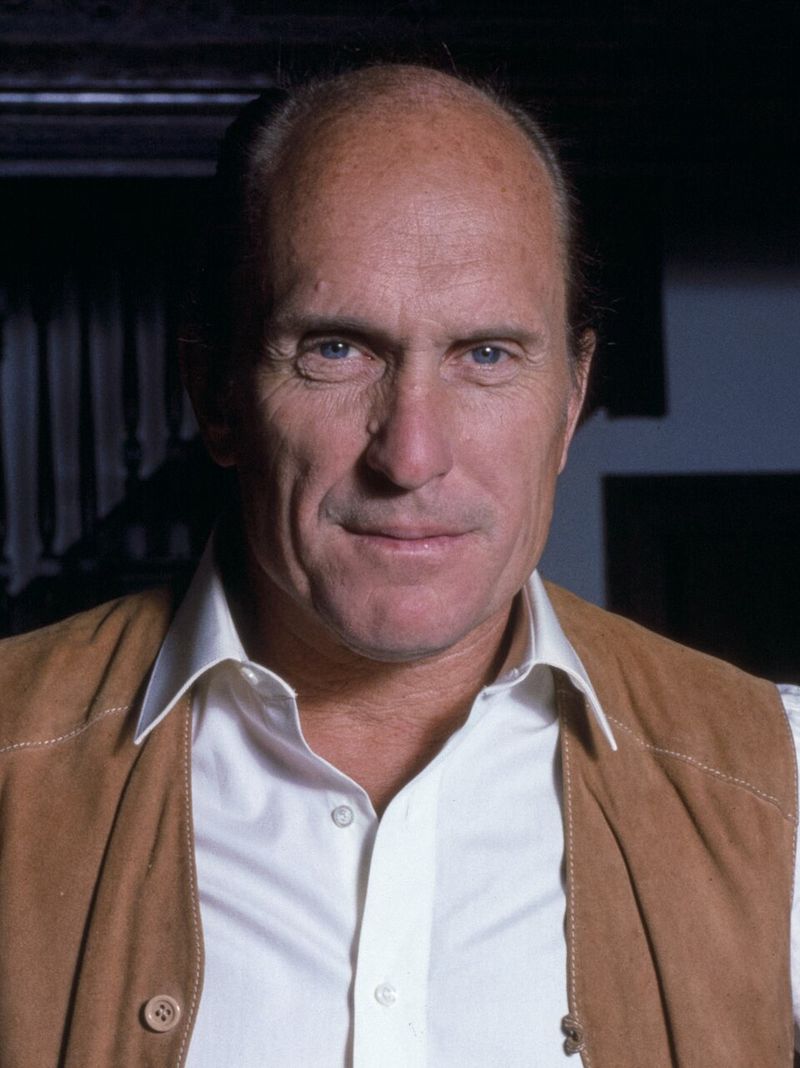
Major studio Westerns served as proving grounds for actors aiming to build lasting careers.
Alongside John Wayne, a role in a Charles Portis adaptation earned recognition that critics still cite when tracing an early rise. Grit filled the film on multiple levels, with an added layer of authenticity strengthening a story already stacked with talent.
Foundational credits like this quietly set the stage for everything that followed.
7. Network (1976)

Paddy Chayefsky’s script cut sharply through Hollywood and television with surgical precision. Duvall played a network executive navigating the chaos, his corporate-world edge perfectly suited to a film that skewered ambition, ratings, and the entire entertainment machine.
Supporting work in a satire this sharp requires an actor who understands restraint. Duvall delivered that and then some, proving he could hold his own in an ensemble bursting with talent.
6. To Kill A Mockingbird (1962)
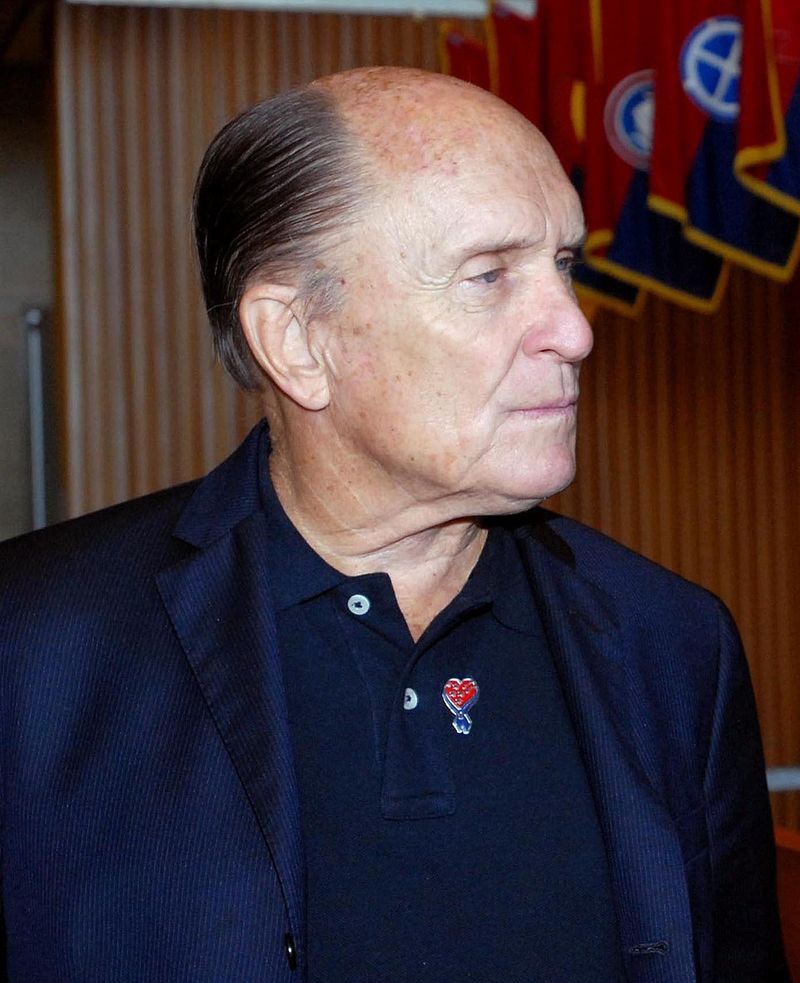
Barely speaking, a role still emerged as one of cinema’s most haunting debuts. Only a few minutes of screen time in an adaptation of Harper Lee’s novel carried real weight.
Quiet fragility reshaped a mysterious neighbor into something heartbreaking, anchoring nearly every discussion of where a remarkable career truly began.
Iconic status rarely comes so early, yet film debuts seldom land with this kind of lasting impact.
5. The Natural (1984)
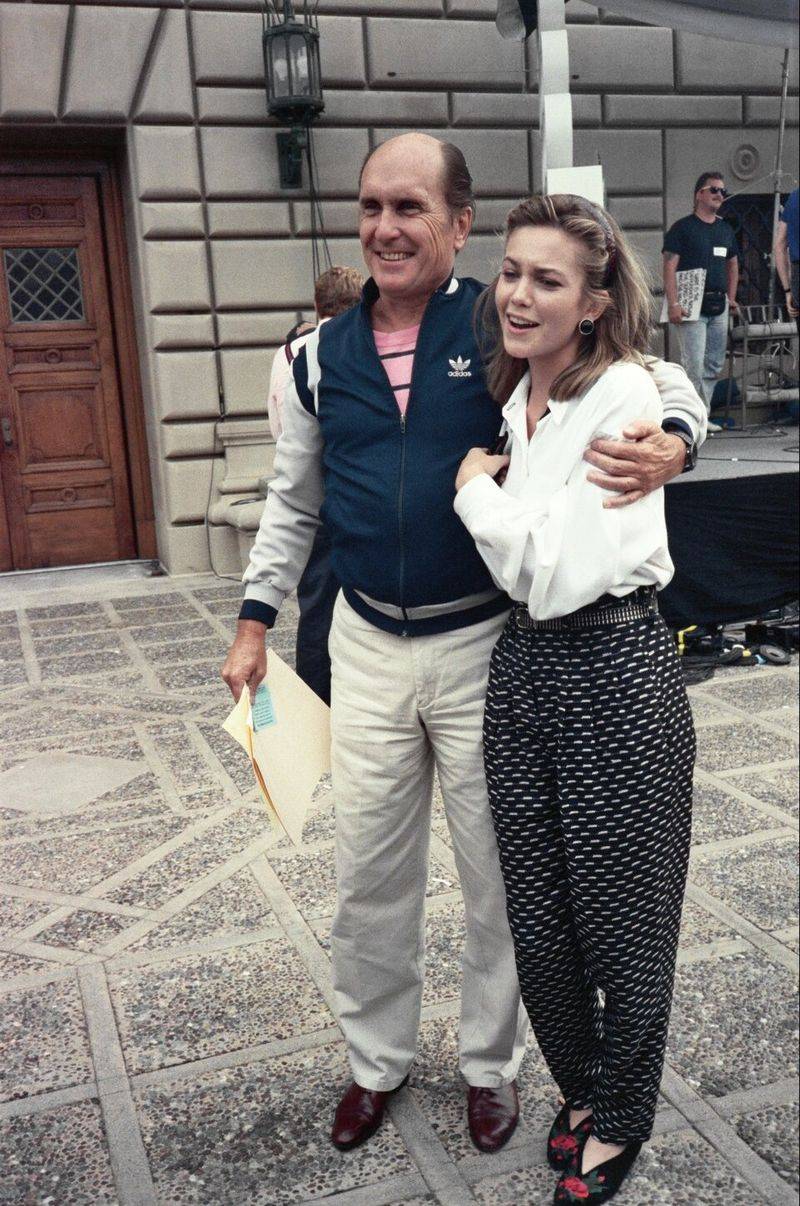
Prestige sports dramas in the eighties required actors who could add weight without overwhelming the story.
Duvall played Max Mercy, a sportswriter chronicling the rise of Roy Hobbs, and his performance did exactly what it needed to do: ground the mythic tale in something that felt real. He never tried to steal focus, which is exactly why the role worked so well.
Another signature Duvall lane, perfectly executed.
4. Lonesome Dove (Miniseries, 1989)
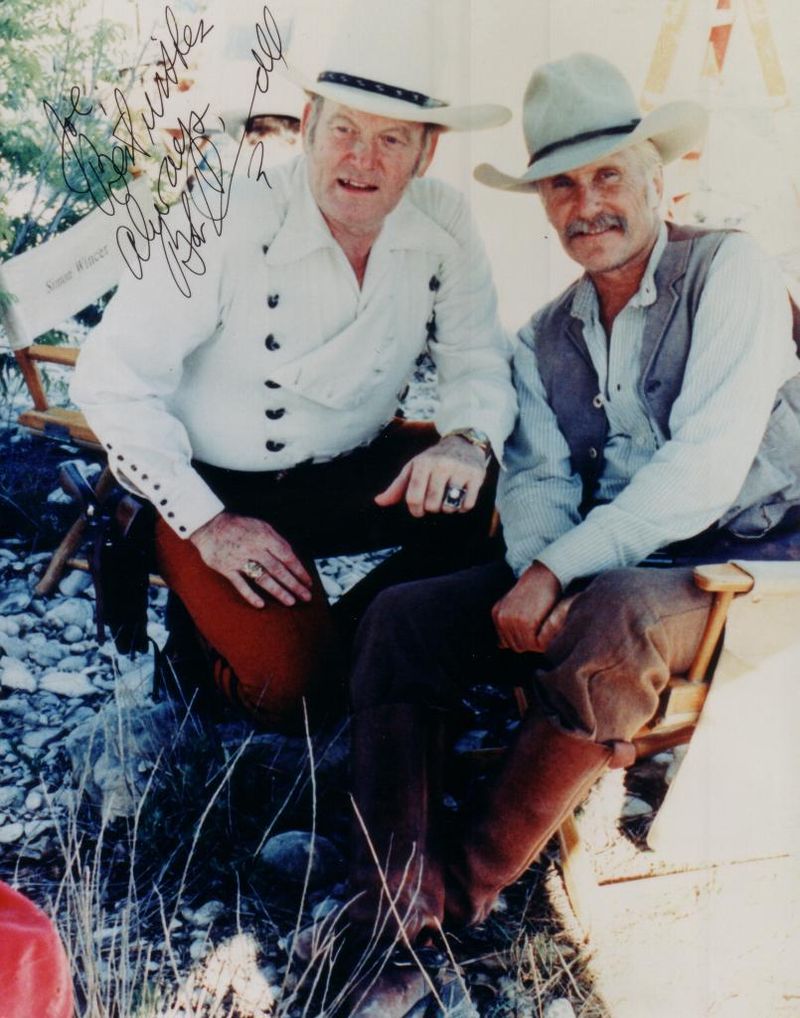
First mention from fans discussing Duvall’s television work almost always circles back to Augustus McCrae.
Nearly eight hours of storytelling in a miniseries adaptation of Larry McMurtry’s novel gave space to shape a character fully, and every minute got used.
Lived in, funny, tragic, and deeply human qualities combined to prove television could deliver performances as powerful as any film. Career peaks sometimes arrive far from a movie screen.
3. The Godfather Part II (1974)
Return of Tom Hagen also brought back a quiet moral tension that made the character unforgettable.
Reprising the role of the Corleone family’s consigliere in Francis Ford Coppola’s sequel deepened a legacy that began two years earlier. Expansion of Part II widened the saga, while Hagen’s steady presence showed how loyalty and intelligence could rival force in dramatic pull.
Cementing a place within one of cinema’s most enduring stories, the role stands as a defining chapter in Duvall’s career.
2. Apocalypse Now (1979)

Lieutenant Colonel Kilgore’s most quoted line secured the character’s place in film history.
Duvall appeared for only a fraction of Francis Ford Coppola’s sprawling Vietnam War epic, but his surf-obsessed, Wagner-blasting officer became one of the most quoted characters of the New Hollywood era. The performance was bold, strange, and utterly magnetic, proof that supporting roles could leave the biggest impact.
1. The Godfather (1972)

Tom Hagen sits across the desk, calm and calculating, the kind of lawyer who never raises his voice because he never has to.
Duvall’s portrayal of the Corleone family consigliere became the role that defined his screen persona: intelligence without showiness, moral complexity without melodrama, quiet power in a film that became a cultural monument. Every Duvall performance that followed carried the DNA of this one.
This is the role that made everything else possible.