15 Disco Songs That Came With Warning Labels And Edited Versions
Disco didn’t just bring glitter balls and platform shoes to the party.
It also pushed boundaries that made radio stations sweat and censors scramble for their red pens.
These 15 tracks were so bold, so daring, that they needed warning labels, edited versions, or outright bans before hitting mainstream airwaves.
Buckle up for a journey through the songs that made the 70s and early 80s absolutely unforgettable!
1. Lady Marmalade – Labelle
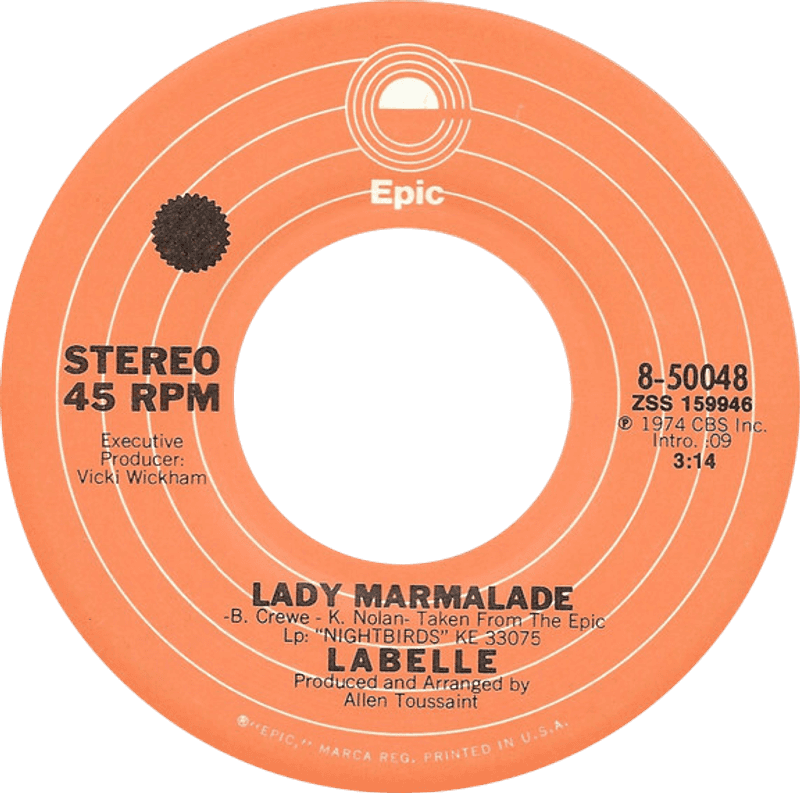
When Labelle unleashed this sassy anthem in 1974, radio programmers nearly fainted at the French chorus.
The phrase “Voulez-vous coucher avec moi ce soir?” translates to a very direct bedroom invitation.
Conservative stations either banned it completely or played instrumental versions.
However, the song’s infectious groove and powerful vocals made it impossible to ignore, climbing all the way to number one despite the controversy.
2. Love to Love You Baby – Donna Summer
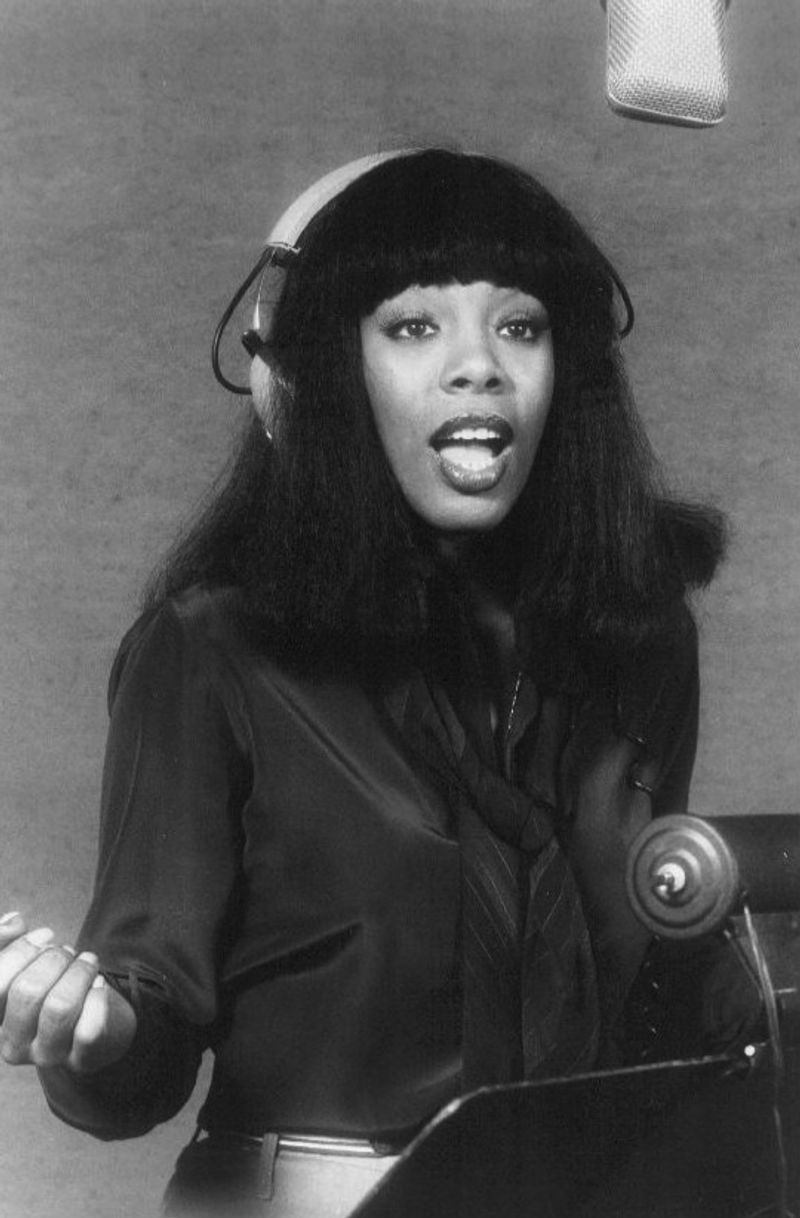
Giorgio Moroder’s hypnotic production set the stage, but Donna Summer’s breathy vocals stole the show.
The original 17-minute version featured extended parts that left absolutely nothing to imagination.
Radio stations chopped it down to three minutes, removing the steamiest sections entirely.
Some markets refused to play it at all.
3. Bad Girls – Donna Summer
Summer struck controversy gold again with this 1979 street-smart anthem about working women.
The song’s subject matter about ladies of the evening made parents clutch their pearls.
Radio edits softened references and shortened verses to make it more family-friendly.
Despite the fuss, it became one of Summer’s biggest hits, proving that disco audiences wanted authenticity.
The whistle and “toot toot” became iconic sounds of the era!
4. I Feel Love – Donna Summer
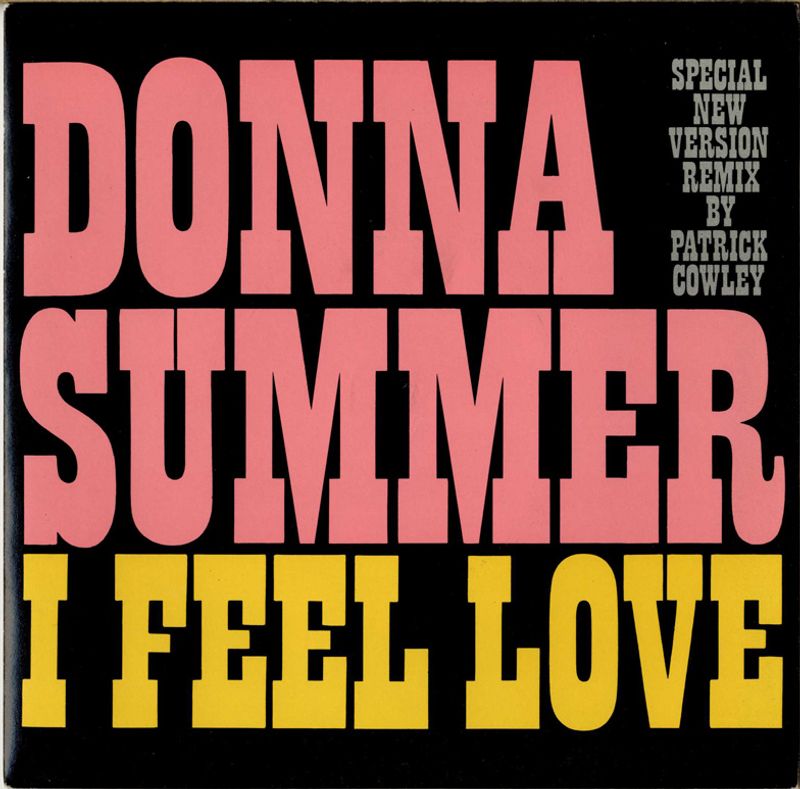
Revolutionary synthesizers created a futuristic soundscape that changed dance music forever.
Though less explicit than her other work, some stations still worried about Summer’s passionate delivery.
The repetitive, almost trance-like nature made censors nervous about its hypnotic effect on listeners.
Critics called it too mechanical, too sensual, too different from traditional disco.
Spoiler alert: It became one of the most influential electronic tracks ever recorded!
5. MacArthur Park – Donna Summer
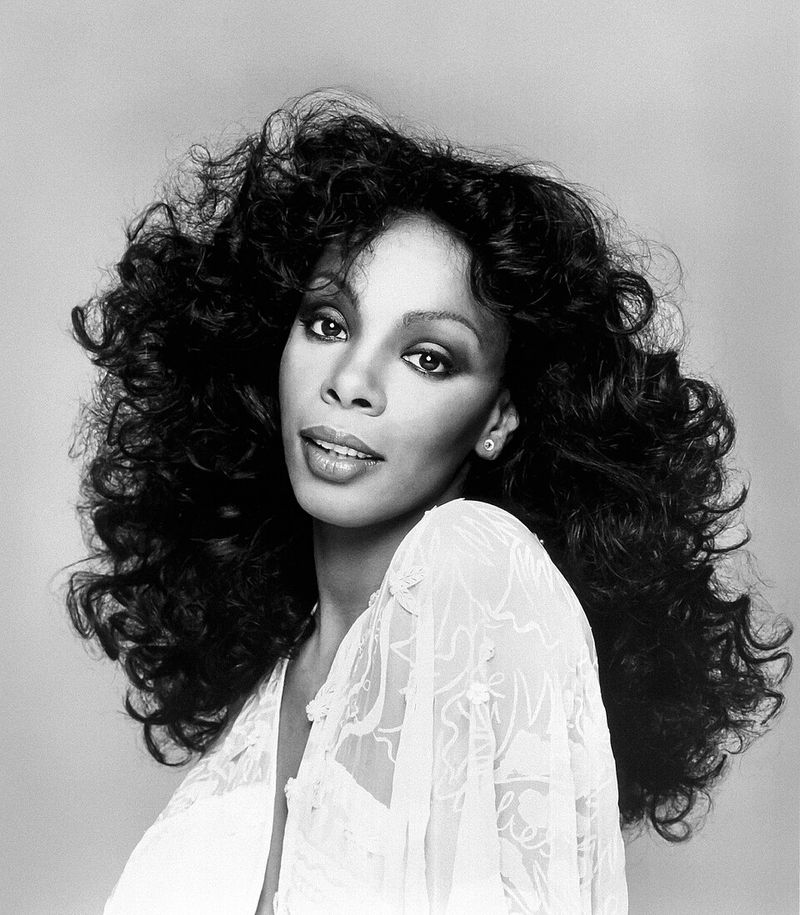
Summer transformed this already dramatic ballad into an eight-minute disco epic in 1978.
While the lyrics about melting cake seemed innocent enough, the passionate vocals raised eyebrows.
Radio stations created shorter edits that skipped the most intense instrumental and vocal sections.
The theatrical nature felt too over-the-top for conservative programmers who preferred safer disco.
Nevertheless, it earned Summer a Grammy and proved her incredible range!
6. Ring My Bell – Anita Ward
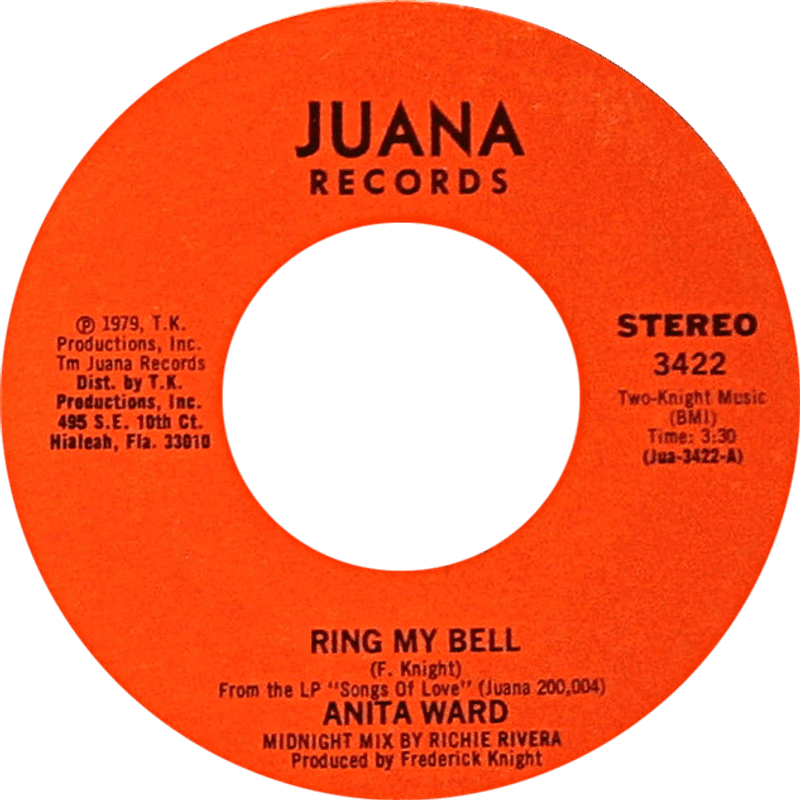
On the surface, this 1979 smash seemed like innocent fun about telephone calls.
However, many listeners caught the not-so-subtle double meaning behind it.
Some stations played it without question while others insisted on edited versions.
Ward always maintained it was genuinely about phone conversations, winking all the way to the bank.
7. Get Down Tonight – KC and the Sunshine Band

KC and the gang delivered this 1975 hit with an unmistakably suggestive invitation.
Radio programmers debated whether the double meanings were too obvious for family audiences.
KC always played innocent, insisting it was just about dancing and having fun.
Whether you believed him or not, the funky groove made resistance absolutely futile!
8. That’s the Way (I Like It) – KC and the Sunshine Band

Another KC hit that walked the line between innocent dance fun and bedroom talk.
The repetitive chorus left plenty to imagination about exactly what way was preferred.
Some stations embraced it while others created shorter versions to minimize repetition.
It dominated 1975 dance floors and became a permanent party playlist fixture!
9. Y.M.C.A. – Village People
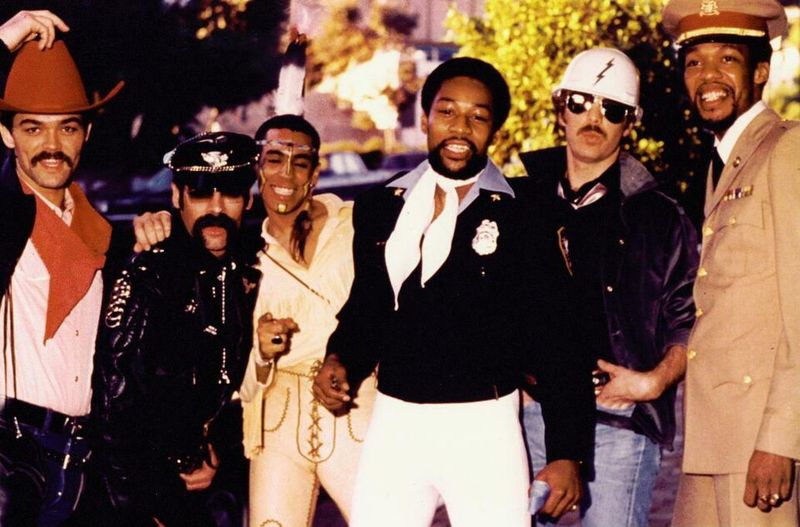
Village People’s 1978 anthem seemed like wholesome fun about youth organizations.
However, the song contained layers of meaning that flew over some listeners’ heads.
As the group’s subtext became clearer, certain markets grew uncomfortable with the celebration.
Ironically, it became a sports stadium staple and wedding reception must-play.
The arm-spelling dance moves ensured its legacy far beyond any controversy!
10. In the Navy – Village People
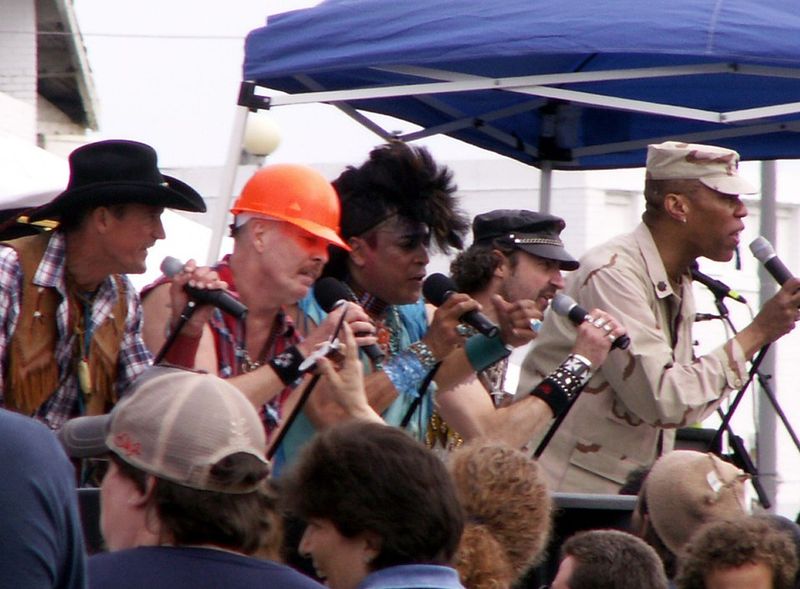
Following YMCA’s success, Village People released this 1979 recruitment-style anthem.
The U.S. Navy initially considered using it for actual recruitment before reconsidering.
Once officials understood the group’s full context, they quickly backed away from the collaboration.
Some radio markets avoided it entirely while others played it as innocent military fun.
11. Good Times – Chic
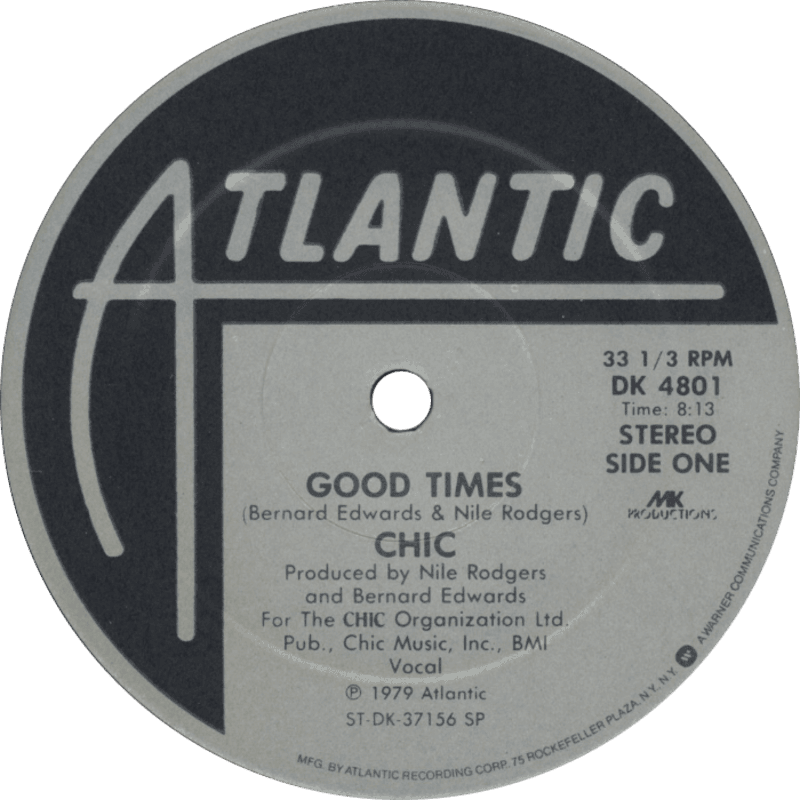
Chic delivered another irresistible groove in 1979 that celebrated carefree living.
While seemingly innocent, some conservative listeners worried it promoted hedonism and partying.
The bassline was so infectious that it later became the foundation for early hip-hop.
Certain stations preferred daytime edits that downplayed the nightlife celebration.
12. Stayin’ Alive – Bee Gees
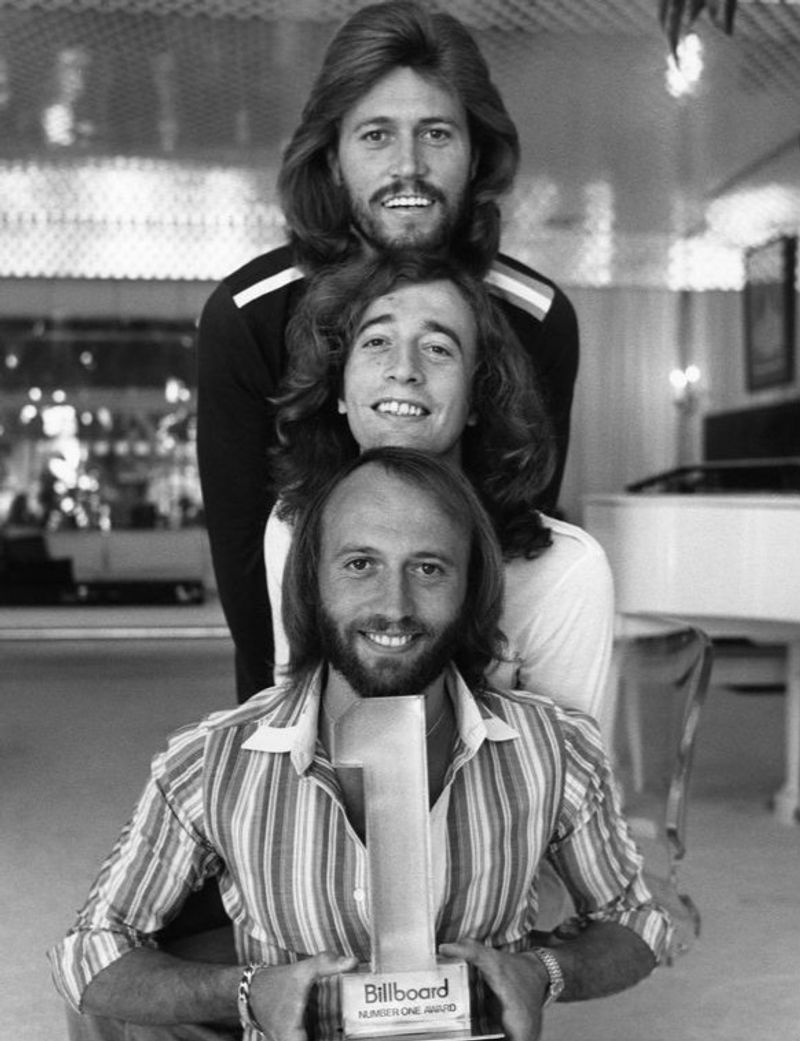
The Bee Gees created Saturday Night Fever’s defining track with this 1977 masterpiece.
While not explicitly controversial, some worried it glorified the hedonistic disco lifestyle.
The strut, the attitude, the confidence all felt threatening to anti-disco movements.
Religious groups occasionally objected to the song’s survivalist, self-focused mentality.
None of it mattered as it became one of the most iconic songs ever recorded!
13. Night Fever – Bee Gees
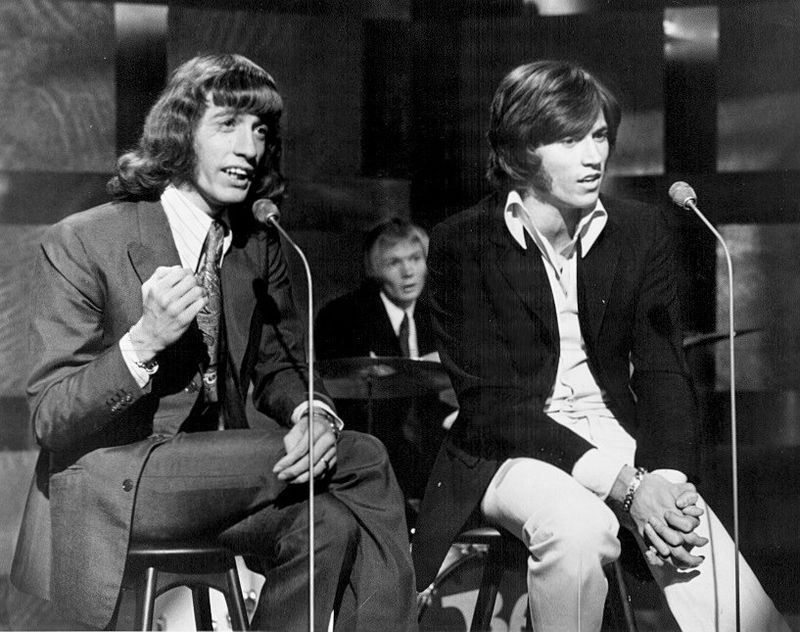
Another Saturday Night Fever gem that captured the intoxicating pull of nightlife.
The Bee Gees sang about giving in to the fever, which worried some conservative listeners.
References to heat and fever carried implications beyond simple dancing.
Some stations preferred daytime-appropriate alternatives from the soundtrack.
The falsetto harmonies and irresistible groove made it a chart-topping phenomenon anyway!
14. Disco Inferno – The Trammps
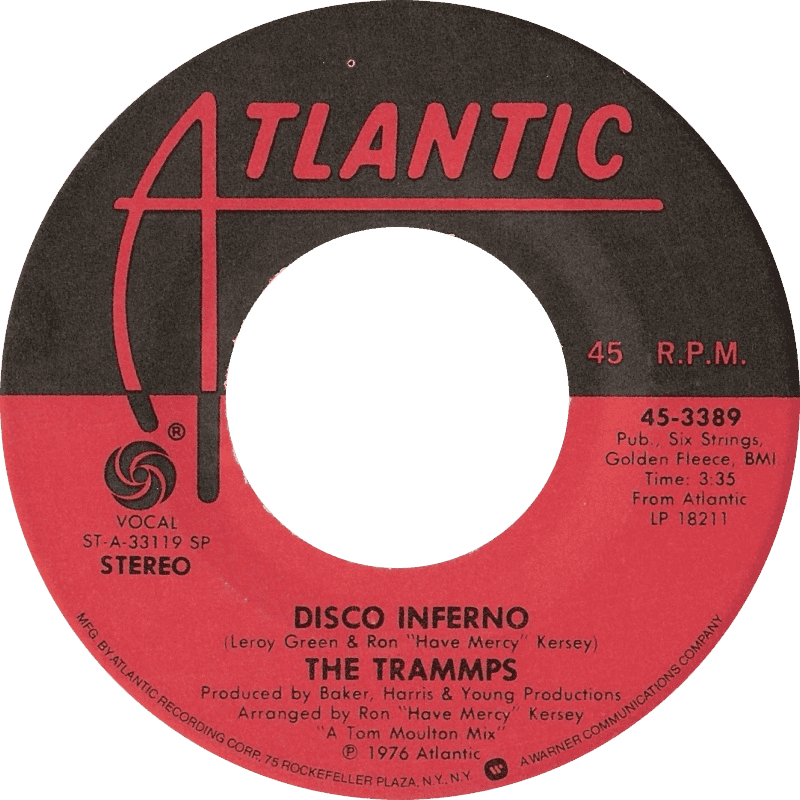
The Trammps set the dance floor ablaze with this 1976 burner that demanded bodies move.
Some worried the song glorified fire and destruction with its burn baby burn refrain.
Others felt the intense energy promoted reckless behavior in nightclubs.
The Saturday Night Fever soundtrack turned it into a phenomenon that couldn’t be contained.
15. Boogie Wonderland – Earth, Wind and Fire with The Emotions
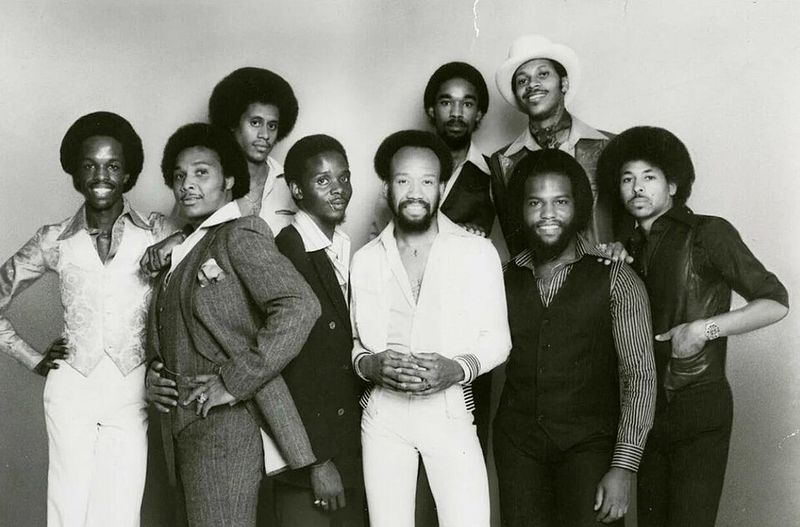
Earth, Wind and Fire teamed with The Emotions for this 1979 euphoric celebration.
While lyrically tame, the sheer joy and liberation it promoted made some uncomfortable.
The song’s invitation to escape into wonderland suggested abandoning responsibilities.
Religious stations occasionally objected to the spiritual-sounding celebration of earthly pleasure.